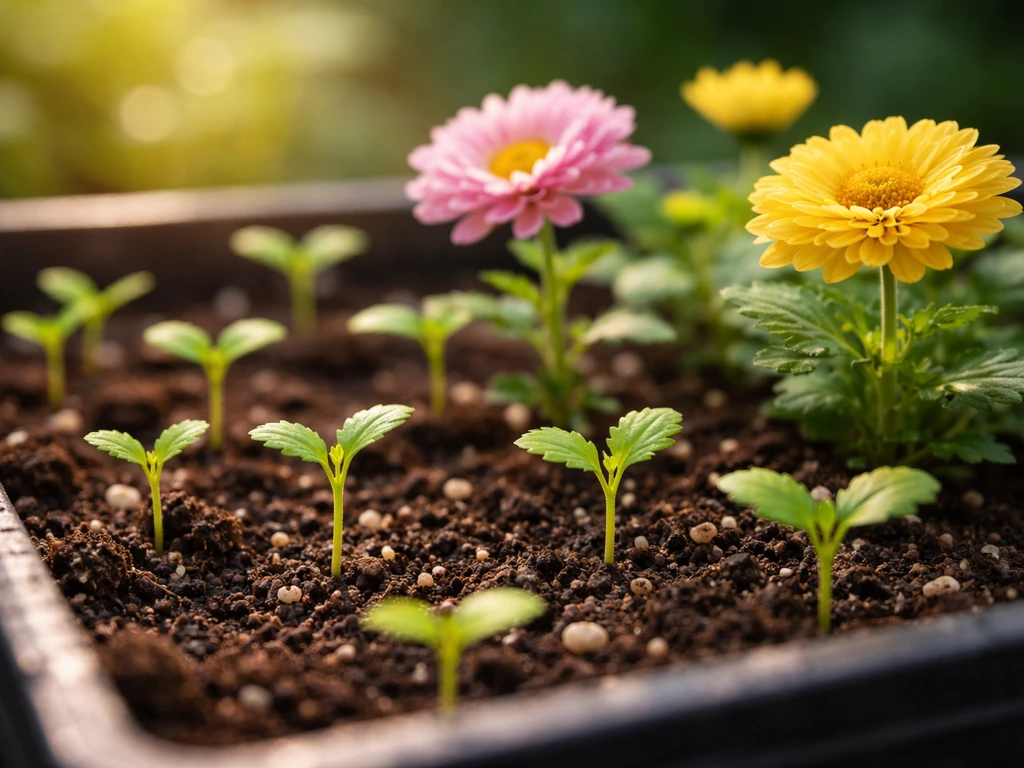
Collards take about 60 to 80 days from seed to first harvest, with germination happening anywhere from 5 to 17 days after planting. If you want to harvest the whole plant at full maturity, plan for 70 to 85 days. That's the core timeline, but a lot depends on your soil temperature, the variety you're growing, and whether you started seeds indoors or direct-sowed them outside.
How Long to Grow Collards from Seed: Timeline and Tips
Marcus Henley
27 Apr 2026
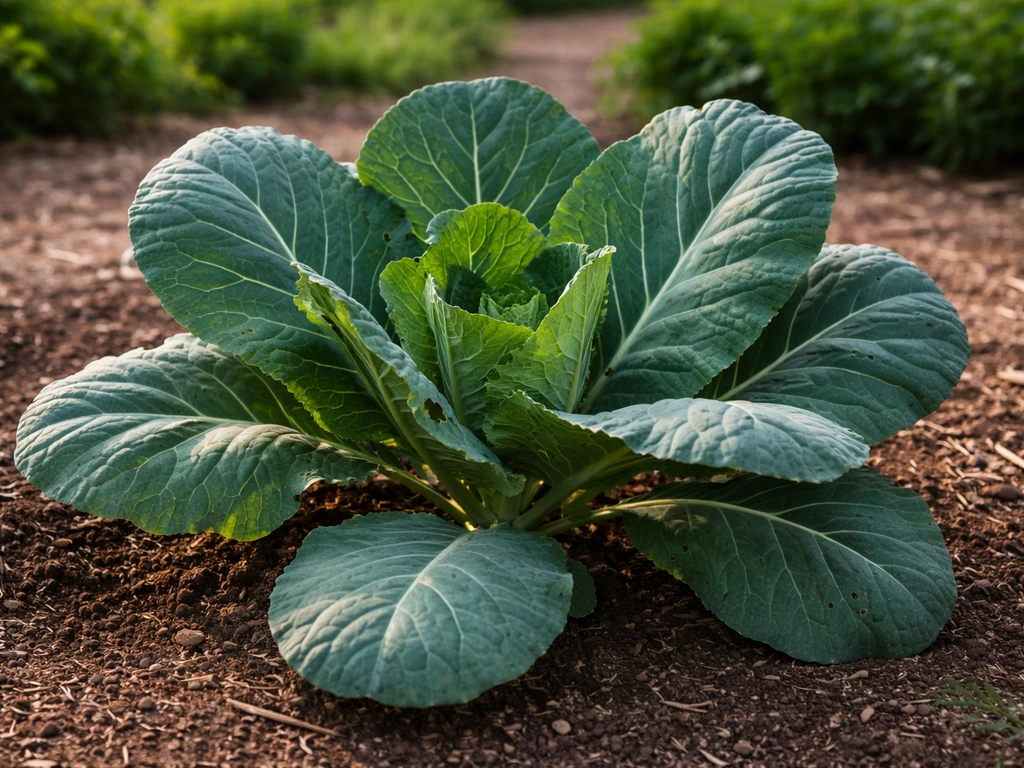
The full collards timeline at a glance
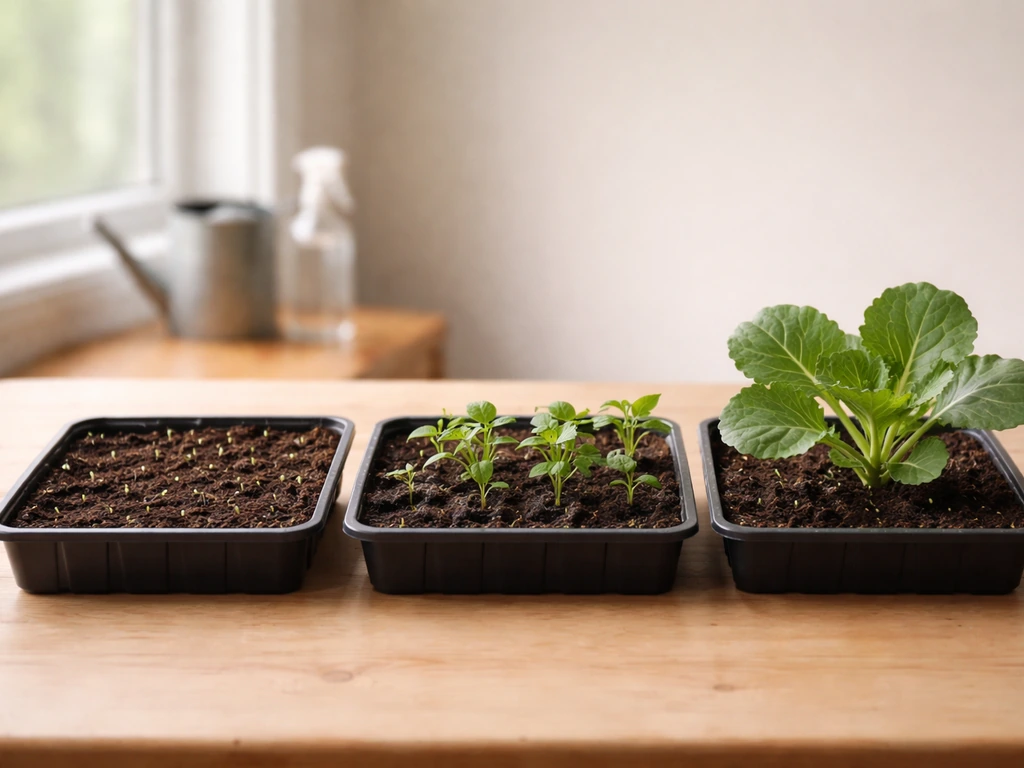
Here's how the stages typically stack up from the day you put seeds in the ground to the day you're cutting leaves for dinner.
| Growth Stage | Typical Timeframe | Notes |
|---|---|---|
| Germination (sprout emerges) | 5–17 days | Faster at 65–75°F soil temps; slower in cool or dry soil |
| Seedling thinning stage | 10–14 days after emergence | Thin when seedlings reach 2–4 inches tall |
| Baby/early leaf harvest | ~45–55 days from seeding | Small leaves 5–8 inches long are tender and ready |
| Full leaf harvest (cut-and-come-again) | 60–80 days from seeding | Leaves around 10–12 inches long; pick outer leaves first |
| Full plant maturity (whole-plant harvest) | 70–85 days from seeding | Best if you want maximum yield in one cut |
Those ranges aren't random. The low end (60 days) is realistic in warm, fertile soil with a fast-maturing variety like 'Champion,' which clocks in around 60–75 days. The high end (85 days) applies to heirloom or slower varieties, or to plants started in cool early-spring conditions where growth slows down.
Germination time and what it actually means
Collard seeds can germinate anywhere from 5 days to 17 days after planting, and both ends of that range are completely normal. The main driver is soil temperature. Collards will technically germinate in soil as cold as 40°F, but that's slow going. The sweet spot is 65–75°F soil temperature, which is when you'll see sprouts in 5–7 days. At cooler temperatures (say, 50°F), expect closer to 14–17 days.
What this means practically: if you direct-sow in early spring when the ground is still cold, don't panic when nothing happens for two weeks. The seeds are almost certainly fine. I've had collard seeds sit in 48°F soil for nearly three weeks before finally pushing up, and they grew just as strong as seeds that popped in a week. The danger zone is cold soil that also stays soggy, which invites rot. If you can get soil temps to 65–70°F before direct sowing, you'll get much more reliable germination.
Planting depth matters too. Aim for about 1/4 to 1/2 inch deep. Too shallow and seeds dry out; too deep and small seedlings can't push through the soil. Keep the soil consistently moist (not waterlogged) until sprouts appear.
The seedling stage: thinning and getting established
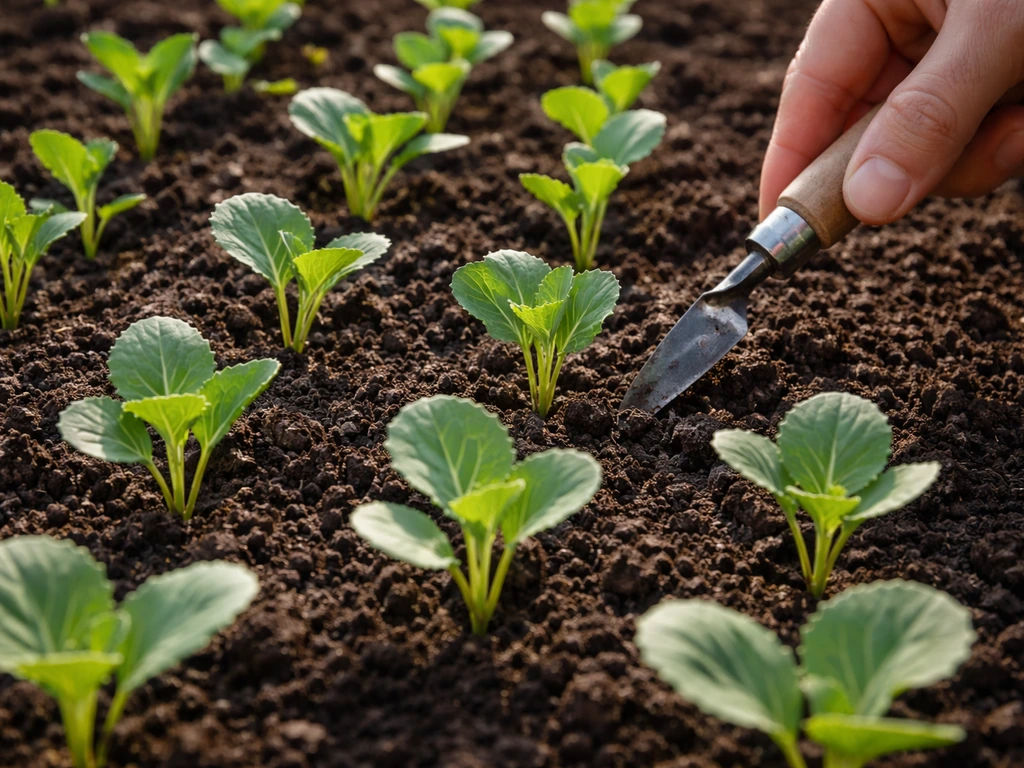
Once seedlings emerge, you'll have a window of about 10 to 14 days before you need to think about thinning. St. Clare Seeds recommends thinning when seedlings reach about 2 inches tall; DripWorks suggests waiting until they're 3 to 4 inches. Either way, your goal is to space the strongest plants 18 to 24 inches apart. That spacing might feel extreme when you're looking at tiny seedlings, but collards get big, and crowded plants compete for nutrients and light, which slows down the timeline.
If you started seeds indoors and are moving them outside, plan on a hardening-off period of about 7 to 10 days. Set transplants outside in a sheltered spot for a few hours per day, gradually increasing exposure. Transplant shock can set back growth by a week or two if you skip this step, so it's worth taking the time.
Baby leaves vs. full harvest: when can you actually start eating?
You have two real options with collards, and they come with different timelines. The first is cut-and-come-again harvesting, where you snip outer leaves once the plant is producing well. You can start doing this around 45 to 55 days from seeding when leaves are 5 to 8 inches long. The plant keeps growing and you keep harvesting over weeks or even months. This is the most practical approach for home gardeners.
The second option is harvesting the whole plant at once, which makes sense if you're processing a large batch for the freezer or preserving. For that, wait until full maturity at 70 to 85 days, when the plant is producing large leaves 10 to 12 inches long. The University of Arkansas Extension lists days to maturity at 70 to 75 days for fall-planted collards, which aligns well with most variety labels.
One thing worth knowing: leaves harvested after a frost are noticeably sweeter. If you're growing a fall crop, don't rush to harvest everything before the cold hits. A light frost actually improves flavor.
What changes the timeline
Temperature
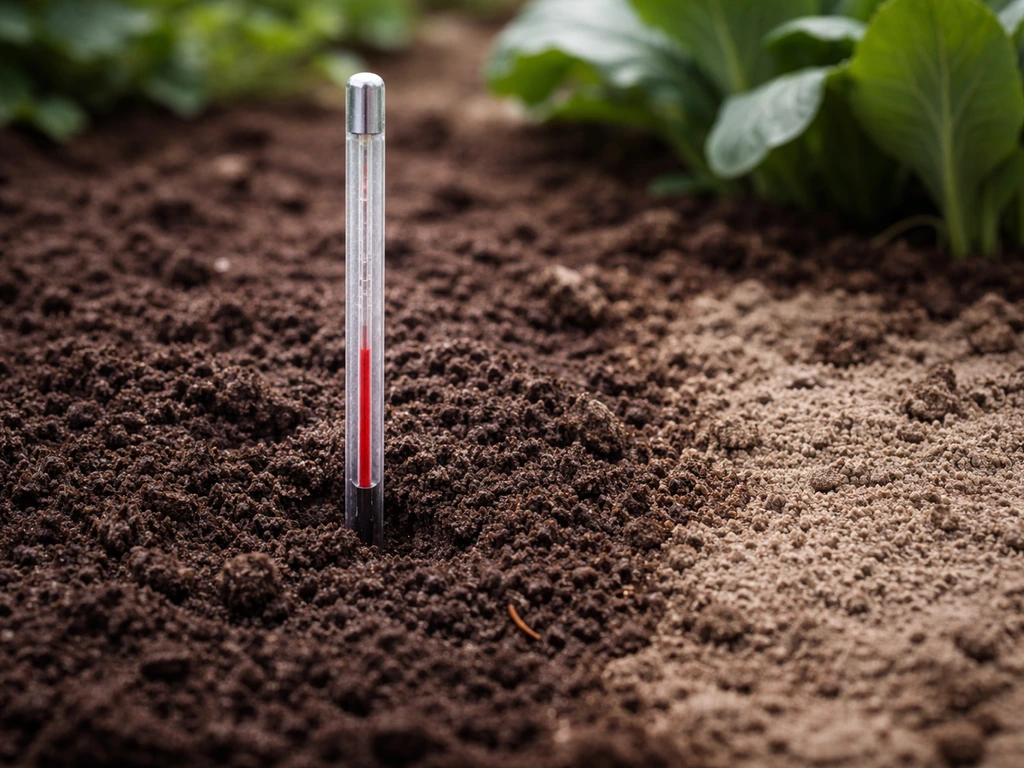
Collards grow best in air temperatures of 55 to 75°F, with an optimum range of 60 to 70°F. In this range, growth is consistent and leaves are high quality. In hot weather (above 85°F), growth slows, leaves may get tougher, and the plant becomes more prone to stress. Ideal germination soil temp is above 65°F, with 75°F being especially reliable. Cold soil below 50°F will significantly stretch germination time and slow early seedling growth.
Variety
Cultivar choice has a real impact. 'Champion' matures in 60 to 75 days. Other varieties, particularly heirloom types, run 75 to 85 days. Twilley Seed lists varieties spanning from 70 to 80 days. If you're working with a short window (like a fall crop with an early frost date), check the days-to-maturity on your specific seed packet and count backward from your expected first frost.
Soil fertility and moisture
Collards are heavy nitrogen users. Clemson HGIC specifically calls out nitrogen as important for producing high-quality leaves. If your soil is low in nitrogen, plants will grow more slowly and leaves will be smaller and lighter in color. Work compost into the bed before planting and consider a side-dressing of balanced fertilizer about four weeks after transplanting. Consistent moisture matters too. Drought stress doesn't kill collards, but it definitely slows them down and can make leaves bitter.
Light
Collards need full sun (at least 6 hours per day) for the fastest growth. Plants in partial shade will grow, but more slowly and with less leaf production. For indoor seed starting, make sure seedlings are under a grow light for 14 to 16 hours per day or right in a very bright south-facing window to avoid leggy, slow-growing transplants.
Indoor starting vs. direct sowing: two different schedules
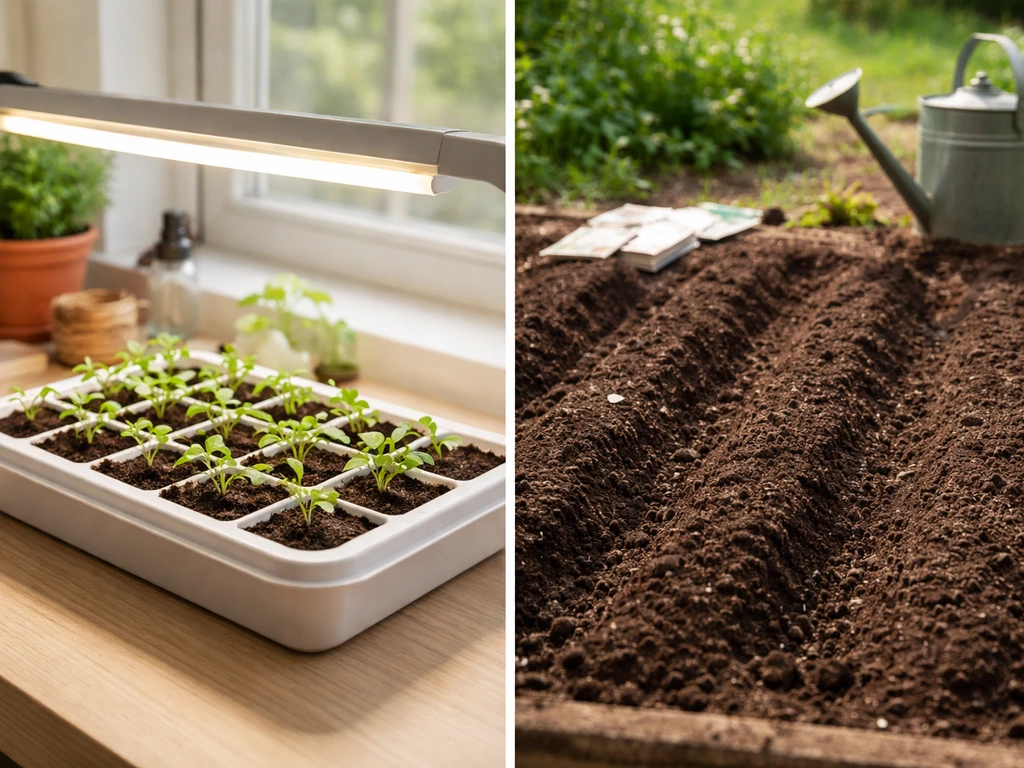
Your approach to starting seeds changes your planting calendar significantly, so it's worth thinking this through before you buy seeds.
Starting indoors
Start seeds indoors 5 to 7 weeks before you plan to transplant them outside. This gives seeds time to germinate and seedlings time to grow to transplant size (roughly 4 to 6 inches tall with a couple of true leaves). For a spring crop, count back from your last frost date: transplant outdoors about 4 weeks before last frost, so start seeds indoors about 9 to 11 weeks before last frost. For a fall crop, count back from your first fall frost date by 90 days for when you want plants in the ground, then subtract 5 to 7 weeks to find your indoor start date.
Direct sowing outdoors
For spring direct sowing, plant seeds about 30 days before your last frost date. Collards tolerate frost well, so this early start works as long as the soil isn't frozen. For fall direct sowing, count back about 90 days from your first expected fall frost. That gives the plant enough time to reach harvestable size before cold shuts things down. In the South (like Arkansas), the planting window for fall collards typically runs August 1 through September 15, which fits this math.
| Method | When to Start | Transplant/Sow Outside | First Harvest |
|---|---|---|---|
| Indoor start (spring) | 9–11 weeks before last frost | 4 weeks before last frost | 60–80 days after transplant |
| Direct sow (spring) | N/A | 30 days before last frost | 60–80 days after sowing |
| Indoor start (fall) | ~14–16 weeks before first fall frost | ~90 days before first fall frost minus 5–7 weeks | 60–80 days after transplant |
| Direct sow (fall) | N/A | 90 days before first fall frost | 60–80 days after sowing |
One thing to keep in mind for spring crops: collards can bolt (go to flower and seed) if they experience a prolonged cold period early on, especially if you transplant very young seedlings into cold soil. Clemson recommends choosing bolt-tolerant varieties for spring planting. If you're in a region with unpredictable late frosts, starting indoors and waiting until soil has consistently warmed above 50°F to transplant reduces this risk.
If germination is slow or nothing is coming up
First, wait. Collards can take up to 17 days in cool conditions, and it's easy to give up too soon. If it's been fewer than 10 days and your soil is below 60°F, just be patient. If it's been more than 17 to 20 days and you still see nothing, then it's time to troubleshoot.
- Check soil temperature. Use a soil thermometer if you have one. If soil is below 50°F, germination will be very slow or stalled. Adding a row cover or plastic mulch can warm the soil by several degrees.
- Check soil moisture. Seeds need consistent moisture to germinate. If the top inch of soil dried out after planting, seeds may have started to swell and then stopped. Water gently and keep the surface moist.
- Check planting depth. If seeds were planted deeper than 1/2 inch, small seedlings may have struggled to push through. Replant at 1/4 to 1/2 inch depth.
- Consider seed age and storage. Old or poorly stored seeds have reduced viability. If your seeds are more than 3 years old or were stored in heat or humidity, germination rates drop significantly. Test a few seeds on a damp paper towel indoors first before committing to a full planting.
- Watch for damping off. If seedlings emerged and then collapsed at the soil line, that's damping off, a fungal issue triggered by overwatering, overcrowding, or poor air circulation. The fix is to thin aggressively, reduce watering, and improve airflow. Do not replant into the same wet spot without amending with fresh soil.
- Reassess your sowing density. Sowing too thickly creates competition and poor air circulation from the start. Thin early and consistently to give the strongest plants room to grow.
If you're troubleshooting a failed patch, the fastest recovery is to start fresh seeds indoors in a warm spot (65–75°F) where you can control conditions. Seeds started indoors in late April (today's date) can be transplanted outside in late May or early June for a summer harvest, or held longer for a fall planting. You've still got time to get a good crop this year.
Setting realistic expectations based on your situation right now
If you're planting today (late April), here's the honest picture. For most of the US, spring collard planting is right on the edge of the ideal window. Soil temps in many areas are climbing toward 60°F, which means direct sowing now will give you germination in about 7 to 14 days. From there, you're looking at first leaf harvests around late June to mid-July.
St. Clare Heirloom Seeds recommends starting collards about 6, 8 weeks before the last frost and harvesting about 6, 8 weeks later, with timing varying by conditions and variety start collards about 6–8 weeks before the last frost.
The risk with late spring planting is summer heat arriving before you get a full harvest. If you're in the South or a hot-summer region, a fall planting (direct sow in late July or August) will likely give you a better, longer harvest window than planting now.
For cooler climates (Pacific Northwest, northern states, higher elevations), planting now is ideal. You'll have cool growing conditions well into June and possibly July, which is exactly what collards love. Start indoors if your soil is still below 55°F, and transplant in 5 to 6 weeks. Either way, you should be harvesting by late June or early July.
Collards are one of the more forgiving vegetables to grow from seed. Portulaca is also usually started from seed, so its timing will depend on temperature and when you sow it grow from seed.
Portulaca is also usually started from seed, so its timing will depend on temperature and when you sow it grow from seed how long to grow columbine from seed from start to harvest is another seed-start timing question you might be comparing to collards, too? They both come down to temperature and growth rate rather than one fixed number of days, so planning by conditions can help. .
If you are growing forget me nots from seed, the timeline is similar but the germination window and timing to transplant can be longer grow from seed. They tolerate cold better than most leafy greens, they're not fussy about soil as long as it drains well and has decent fertility, and once established they produce over a long season.
The main thing is getting the timing right for your climate and not giving up on slow germination before the 17-day mark. If you do that, you'll have more collard greens than you know what to do with.
FAQ
What should I do if my collard seeds still haven’t sprouted after 17 to 20 days?
If no seedlings show by day 17, it usually means soil temperature is too low, the seedbed stayed too wet, or the planting depth was off. Recheck that seeds were placed around 1/4 to 1/2 inch deep, then test soil temps at planting depth. If it was below about 50°F and stayed soggy, expect poor emergence, and the fastest path to recovery is starting a new batch in a warmer indoor spot (about 65 to 75°F) for transplant or controlled direct-sow.
Does soil temperature affect how long collards take from seed to harvest, and can I speed it up?
For the best chance of a quick, even stand, aim for germination soil temps at or above 65°F. Collards can germinate in colder soil down near 40°F, but that can stretch emergence toward the 14 to 17 day end. A practical trick is to pre-warm the bed with clear plastic for a few days before sowing (then remove before seeding), especially in early spring or early fall.
How much does planting depth change the timeline for collards from seed?
Yes. A common mistake is planting too shallow or too deep. Too shallow can dry out or get washed away, especially if you’re irrigating lightly, while too deep can prevent small seedlings from pushing through. Staying close to 1/4 to 1/2 inch depth and using moisture that’s consistently damp but not waterlogged helps prevent uneven germination and slow early growth.
What happens if I delay thinning collard seedlings?
Let collards sit crowded for too long and you will feel it later, even if they still survive. Thinning is usually needed within about 10 to 14 days after emergence, and spacing should end up roughly 18 to 24 inches apart. If you miss thinning, plants compete for light and nitrogen, which often leads to smaller leaves and longer time to reach harvestable size.
Should I plan on cut-and-come-again harvesting or harvesting the whole collard plant, and how does that change timing?
The timeline differs, but the biggest factor is leaf size when you start harvesting. If you plan cut-and-come-again, you can usually begin snipping outer leaves when they’re around 5 to 8 inches long, roughly 45 to 55 days from seeding in many conditions. If you harvest the entire plant at once, wait until full maturity, about 70 to 85 days, when leaves are around 10 to 12 inches long.
How does fertilizing (especially nitrogen) affect how long collards take to reach harvest?
Fertilizer can change growth speed, but it can also affect taste and quality. Because collards are heavy nitrogen users, low nitrogen slows growth and can keep leaves small and pale. For many home gardens, mixing compost before planting and side-dressing with a balanced fertilizer around four weeks after transplant (or according to your soil test) helps, but overdoing nitrogen can produce lush growth that stays tender and may be more prone to stress during heat waves.
Will summer heat delay collards, or just make the leaves less usable?
Yes, hot weather can shorten the usable harvest window even if the plant is still alive. Above about 85°F, growth can slow, leaves may become tougher, and stress can increase. If your area heats up quickly, prioritize fall planting or stagger sowings so your main leaf harvest happens before peak summer temperatures.
How do I avoid bolting when growing collards from seed in spring?
You can start indoors earlier, but don’t transplant too early into cold conditions. Collards can bolt after prolonged cold exposure, especially if transplants are very young when set into cold soil. A safer approach for spring is waiting until soil is consistently above about 50°F, and using bolt-tolerant varieties if your springs tend to have cold snaps.
Is it always better to wait for frost to harvest collards, and what’s the downside?
After frost, leaves tend to be sweeter, but you still want a plan. For a fall crop, you can keep harvesting as needed when plants are covered by cool weather, then do a final harvest after you notice improved flavor rather than waiting until leaves look damaged. A hard freeze can injure foliage, so if severe cold is coming, harvest what you can before the coldest event.
If I start collards indoors, how do I know when they are ready to transplant and how does that affect harvest timing?
You can, but it changes your calendar because indoor seedlings still need time to bulk up and harden off. Most gardeners aim to transplant when seedlings are roughly 4 to 6 inches tall with a couple of true leaves, and harden them for 7 to 10 days. Skipping hardening off can set transplants back by a week or two, which effectively pushes your harvest later.
Next Article
How Long Does It Take to Grow Chrysanthemums from Seeds
Timeline for growing mums from seeds: sowing to germination, transplant readiness, flowering and maturity, plus key vari