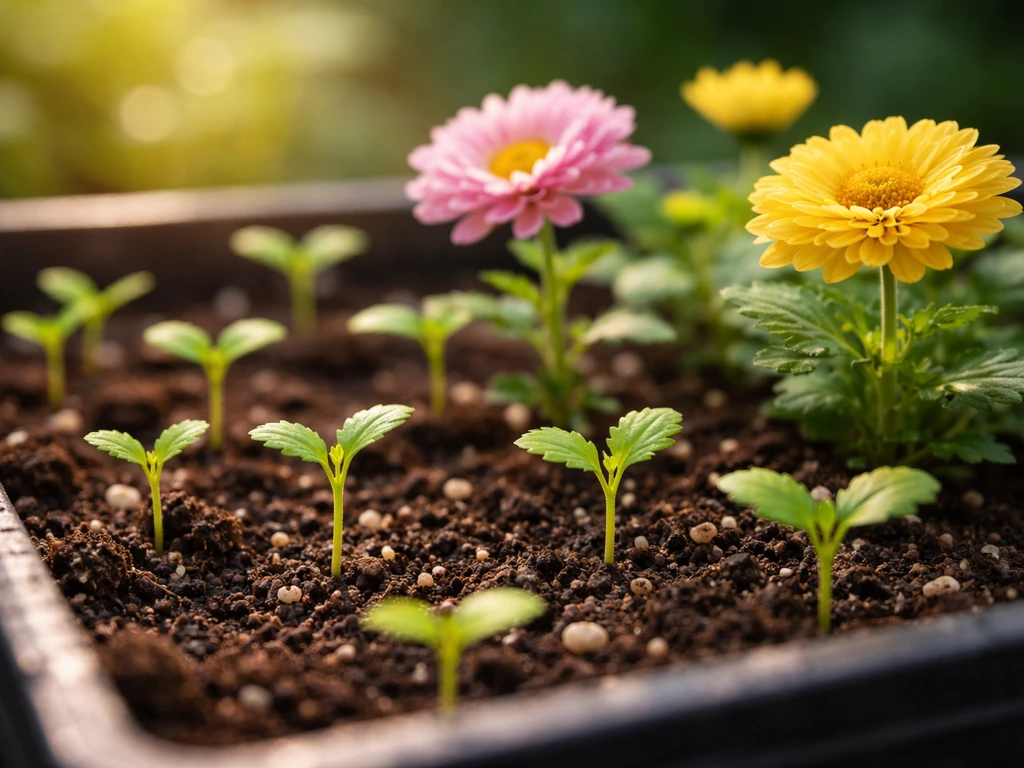
The fastest seeds you can grow are radishes, cress, mustard greens, and arugula. Under good conditions, radishes germinate in 3 to 5 days and are ready to pull in as little as 25 days. Cress and mustard greens are close behind, often showing sprouts within 2 to 4 days. If speed is your main goal, those are your starting points. But the honest answer is a little more layered than a single winner, because 'fastest' means something different depending on whether you care about seeing green on day 4 or eating something by day 30. This guide covers both.
What Is the Fastest Seed to Grow? Quickest Timelines
Marcus Henley
21 Apr 2026
What 'fastest' actually means in the garden
Seed packets usually give you two numbers: days to germination (how long until you see the seedling push through the soil) and days to maturity (how long from planting or emergence until you can harvest or use the plant). These are not the same milestone, and they do not always go together. A sunflower germinates fast, in about 7 to 10 days, but you will wait 70 to 120 days for it to bloom. Radishes germinate fast and also mature fast. Lettuce sits in the middle: sprouts appear in 7 to 14 days, but you can be cutting baby leaves in about 30 days. Knowing which milestone you are chasing helps you pick the right seed for what you actually need.
For the purposes of this guide, 'fastest' covers three practical checkpoints: first visible sprout (germination), usable seedling or baby harvest, and full maturity or peak use. Some readers just want to see something growing quickly. Others need a harvestable crop on a tight schedule. Both are valid, and both are answered below.
The fastest seeds by category
Vegetables
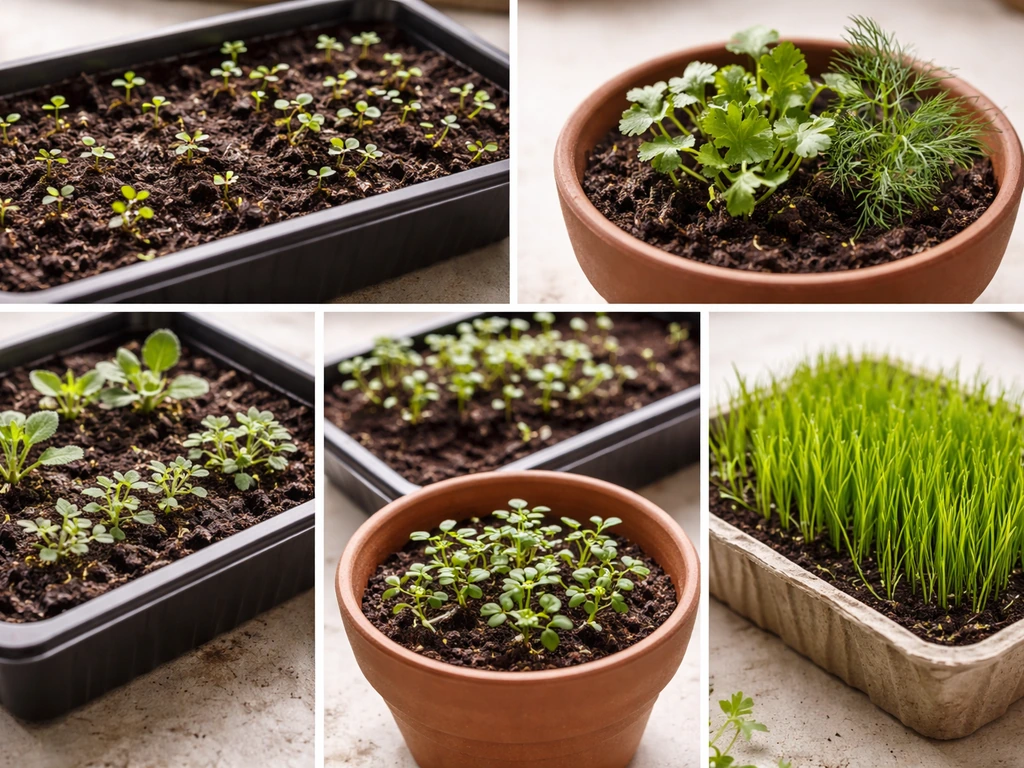
Radishes are the clear champion of the vegetable garden. Germination happens in 3 to 5 days at ideal soil temperatures (around 65 to 85°F), and many varieties like 'Cherry Belle' are ready to harvest in 22 to 30 days. Arugula is nearly as fast, germinating in about 5 to 7 days with days to maturity ranging from 40 to 50 days for full heads, though you can cut baby leaves around day 25 to 30. Mustard greens and cress behave similarly: sprouts in 3 to 5 days, usable baby greens within 3 to 4 weeks. Spinach is a bit slower to germinate (7 to 14 days), but its optimum soil temperature is around 70°F and it matures in 35 to 45 days from emergence. Lettuce rounds out the fast vegetable list: germination in 7 to 10 days under the right conditions, with baby leaf cuts possible at around 30 days and full heads around 60 to 80 days depending on variety.
Herbs
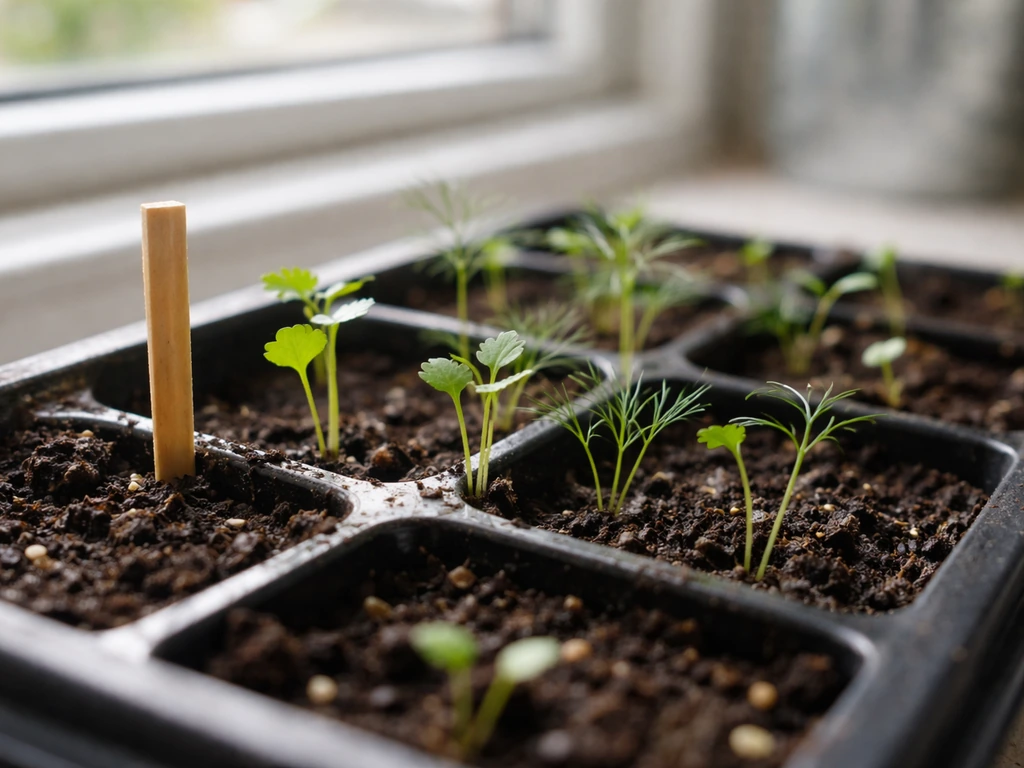
Cilantro and dill are the sprinters of the herb world. Both germinate in about 7 to 10 days and are ready for first harvest in 3 to 4 weeks from emergence. Chives come up in 10 to 14 days but take about 60 days to reach a harvestable size. Basil germinates in 5 to 10 days at warm soil temperatures (70°F and above), and you can pinch leaves as early as 4 to 6 weeks after sprouting. For the absolute quickest 'herb' experience, microgreens made from fenugreek, mustard, or radish seeds can be harvested in just 7 to 12 days from sowing, roots and all.
Flowers
Calendula is one of the fastest-blooming flowers from seed. It germinates in about 10 to 15 days and can reach first bloom in as little as 30 to 50 days from germination, making it a genuinely quick payoff. Zinnias germinate in 5 to 7 days and bloom in 60 to 70 days from seed, which feels slow compared to calendula but is fast for a showy summer flower. Sunflowers germinate in 7 to 10 days but need 70 to 120 days to bloom depending on variety, so they win the germination race but are far from the fastest to flower. Nasturtiums are also worth mentioning: they sprout in 7 to 12 days and bloom in about 35 to 52 days, and they are edible, which doubles their usefulness.
Grasses
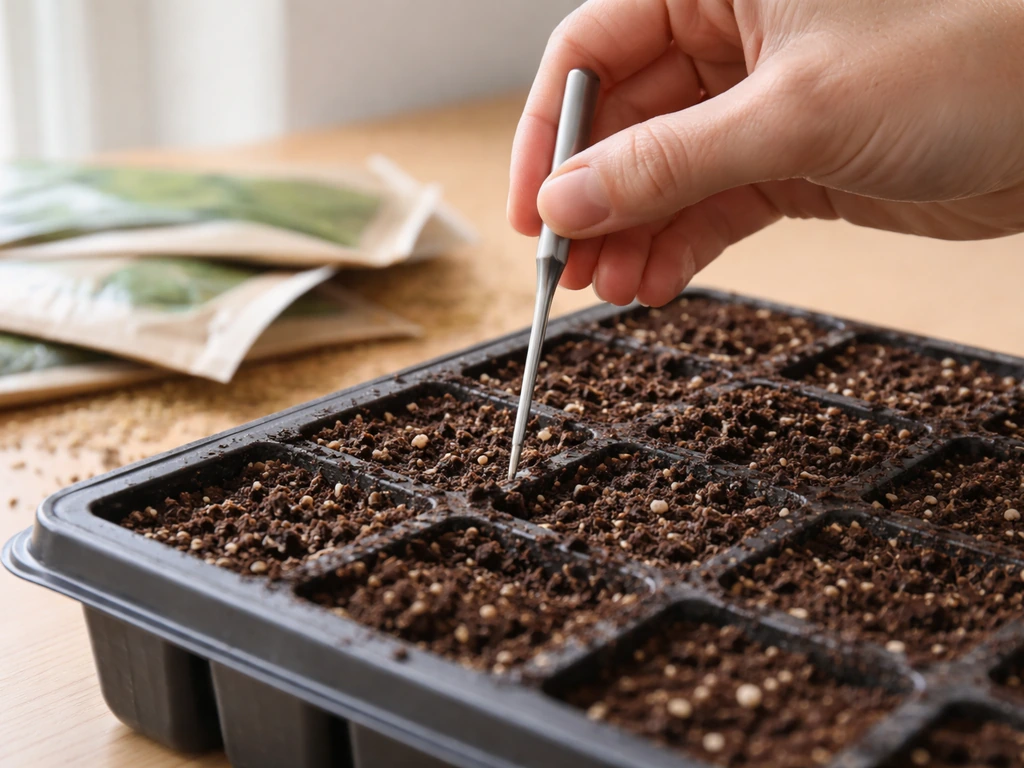
Annual ryegrass is the fastest-germinating common grass seed, often showing green within 5 to 7 days under good soil moisture and temperatures. It is frequently used for quick lawn establishment, erosion control, and overseeding because it outpaces perennial ryegrass, tall fescue, and bluegrass in early germination. Perennial ryegrass is a close second, typically germinating in 7 to 10 days. Bermudagrass and Kentucky bluegrass are much slower, needing 14 to 28 days or more. If you need grass fast, annual or perennial ryegrass is your pick.
Ornamentals
Among ornamentals, sweet alyssum germinates in about 5 to 10 days and blooms roughly 6 to 8 weeks after sprouting, making it one of the fastest ornamentals you can grow from seed. Marigolds germinate in 5 to 7 days and bloom around 45 to 50 days from emergence, which is reliably fast for a garden border plant. Portulaca (moss rose) germinates in 7 to 14 days and starts blooming in about 50 to 60 days. These three are solid go-to choices if you want a fast, flower-covered border without waiting all summer.
Side-by-side timelines for the fastest seeds
| Seed | Category | Days to Germinate | Days to Usable/Harvestable | Notes |
|---|---|---|---|---|
| Cress / Mustard Greens | Vegetable | 2–4 days | 18–25 days | Among the very fastest from sprout to table |
| Radish | Vegetable | 3–5 days | 22–30 days | Fastest full-harvest vegetable overall |
| Arugula | Vegetable | 5–7 days | 25–40 days (baby leaf) | Baby cuts at ~25 days; full heads by 40–50 |
| Lettuce | Vegetable | 7–10 days | 30 days (baby), 60–80 (full head) | Needs light to germinate; don't bury deep |
| Spinach | Vegetable | 7–14 days | 35–45 days | Cool-season; slow in hot soil |
| Cilantro / Dill | Herb | 7–10 days | 21–30 days (first harvest) | Bolt-prone in heat; faster in cool weather |
| Basil | Herb | 5–10 days | 28–42 days | Needs warm soil (70°F+) to germinate fast |
| Microgreens (radish, mustard, fenugreek) | Herb | 2–4 days | 7–12 days | Harvested as tiny seedlings, not full plants |
| Calendula | Flower | 10–15 days | 30–50 days to bloom | One of the fastest-blooming flowers |
| Nasturtium | Flower | 7–12 days | 35–52 days to bloom | Edible; blooms faster than most flowers |
| Zinnia | Flower | 5–7 days | 60–70 days to bloom | Fast germination but moderate bloom time |
| Marigold | Ornamental | 5–7 days | 45–50 days to bloom | Very reliable and fast for borders |
| Sweet Alyssum | Ornamental | 5–10 days | 42–56 days to bloom | Compact; great for quick filler |
| Annual Ryegrass | Grass | 5–7 days | 14–21 days (visible lawn cover) | Fastest grass for quick establishment |
| Perennial Ryegrass | Grass | 7–10 days | 21–28 days (visible lawn cover) | Good for permanent lawns, nearly as fast |
Day-by-day: what to expect after you sow
For the fastest seeds like radish and cress, here is what a typical timeline looks like under good conditions (soil temperature around 65 to 75°F, consistent moisture, adequate light after emergence):
- Days 1 to 2: Nothing visible yet. The seed is absorbing water and the root (radicle) is beginning to emerge beneath the surface.
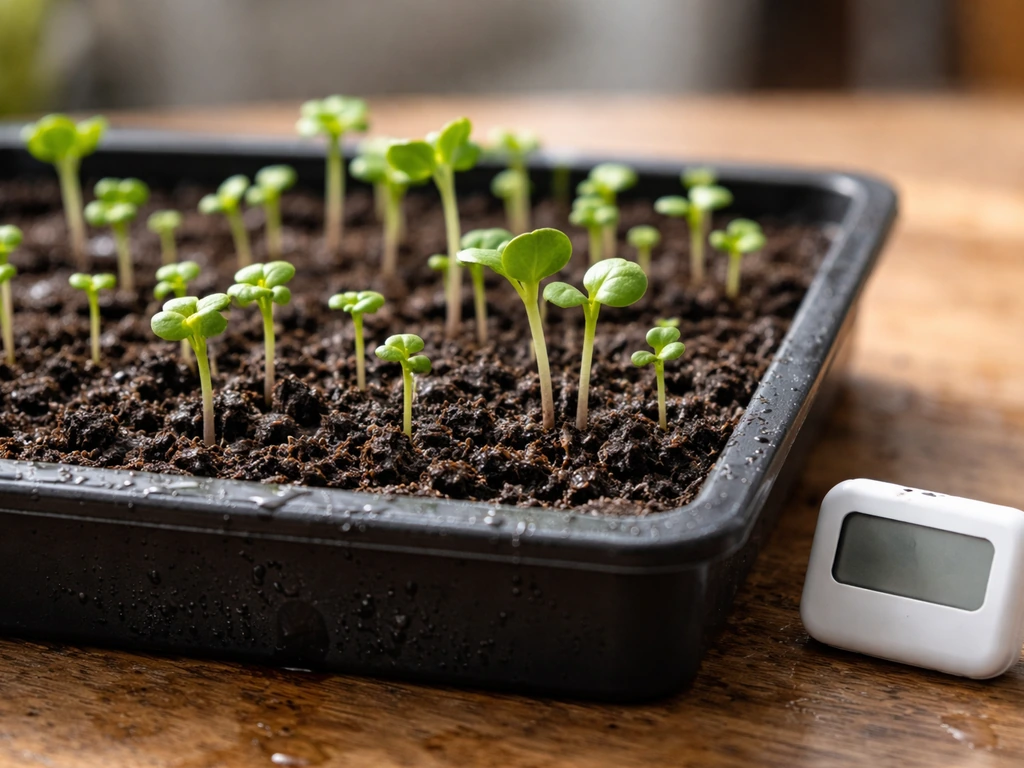
- Days 3 to 5: First sprouts push through the soil surface on cress and radish. A tiny arch of stem called the hypocotyl appears.
- Days 5 to 7: Seed leaves (cotyledons) open and turn green. The seedling starts photosynthesizing. This is when light becomes critical.
- Days 7 to 14: True first leaves begin to form. Seedling is established and growing visibly each day.
- Days 14 to 21: Arugula and mustard greens are now full baby seedlings. You can start thinning and eating the thinnings.
- Days 22 to 30: Radishes are bulbing up and ready to pull. Cress can be cut at the stem for a full harvest.
- Days 30 to 50: Lettuce, spinach, and arugula reach baby-leaf harvest size. Calendula and nasturtium show first buds or flowers.
Arugula timelines are a useful reference point: germination ranges from 5 to 7 days, with days to maturity running 45 to 75 days for full-size plants, though baby leaves come much earlier. The wide range in maturity reflects real-world variation in temperature, light, and variety, not guesswork. Seed packets often narrow it down further for specific cultivars, so read yours carefully.
How to actually grow the fastest seed successfully right now
Nail the soil temperature first
Soil temperature is the single biggest factor that separates a 4-day germination from a 14-day germination, or from no germination at all. Spinach has a minimum soil temperature of 45°F but germinates best around 70°F. Peas want at least 50°F, optimally 75°F. Basil will stall or rot in cold soil; it needs 70°F or warmer to sprout quickly. Radishes are more forgiving (50 to 85°F range), which is part of why they're so reliably fast. If you're starting today and the outdoor soil is still cold, use a heat mat indoors or wait for the soil to warm. Trying to rush a cold-hating seed into cold soil does not make it faster, it just wastes time and seed.
Sow at the right depth
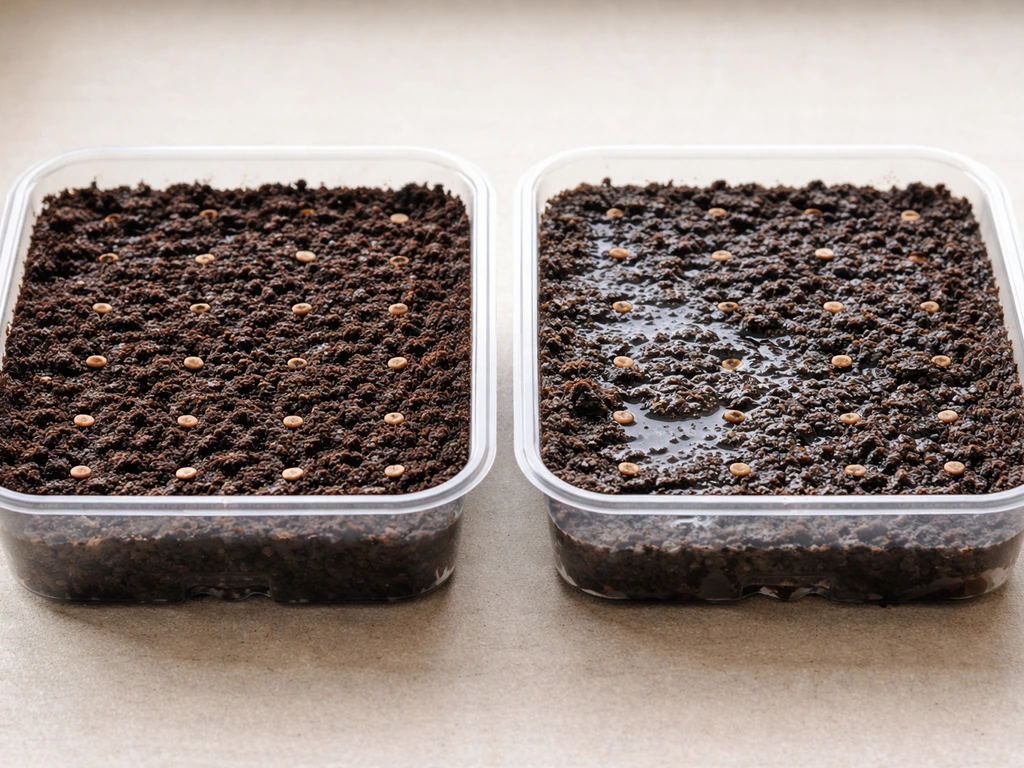
A reliable rule of thumb: cover a seed to a depth of about 4 to 5 times its width. Tiny seeds like lettuce, cress, and basil should barely be covered at all, just pressed into the soil surface or covered with a very light dusting. Lettuce actually needs light to germinate, so burying it even half an inch is enough to prevent sprouting entirely. When in doubt, err shallow rather than deep. A seed buried too deep simply runs out of energy before it can reach light. Seeds like radish and arugula do fine at about a quarter to a half inch deep.
Keep moisture consistent, not waterlogged
The germinating seed needs the seed coat to stay moist so it can absorb water and activate. If the surface dries out between day 1 and day 5, you can break the process entirely. Check your seed tray or bed daily and mist or water lightly if the top inch of soil feels dry. At the same time, waterlogged soil promotes rot, especially for basil and herb seeds. The goal is consistently damp, not soggy. Covering a seed tray with a humidity dome or plastic wrap until the first sprouts appear helps a lot.
Pre-soaking: when it helps and when it doesn't
Soaking seeds before planting can speed germination by softening the seed coat and jump-starting water absorption. It works best for larger seeds with thicker coats: nasturtiums, peas, beans, and sunflowers all respond well to a 4 to 8 hour soak in room-temperature water. For small seeds like radish, arugula, lettuce, and most herbs, soaking is not necessary and can make them difficult to handle. Some seeds, particularly those from trees and certain ornamentals, need cold stratification (a period of cold, moist storage) before they will germinate, but fast-growing garden seeds almost never need this. If you're growing the fast seeds in this guide, skip stratification and go straight to sowing.
Light, air circulation, and soil contact
Once seedlings emerge, they need immediate, bright light. Indoors, a south-facing window often does not provide enough intensity, especially in spring. A simple grow light set 2 to 4 inches above the seedlings for 14 to 16 hours a day makes a significant difference in how fast and sturdy they grow. Outdoors, most fast-growing seeds do best in full sun. Make sure your seeds also have good soil contact when sown. Air pockets between the seed and soil prevent water uptake. Press seeds firmly into the seed-starting mix or garden bed after sowing rather than just dropping them on top.
Indoors vs outdoors: timing and planning for speed
Whether you start seeds indoors or direct-sow outdoors depends on the seed type and the time of year. For genuinely fast seeds like radish, cress, arugula, and lettuce, direct sowing is almost always better. They don't like transplanting, they germinate fast anyway, and getting them in the ground (or in an outdoor container) is simpler and usually quicker than starting them inside. Starting these indoors just to transplant them a week later creates unnecessary stress and doesn't save you time.
Slower-to-harvest crops like basil, marigolds, and zinnias benefit from starting indoors 4 to 6 weeks before your last frost date, so that by the time outdoor conditions are right, you already have sturdy transplants ready to go. This effectively compresses the timeline from your perspective. For example, if you start marigolds indoors in early April and transplant in mid-May, you could have blooms by late June rather than waiting until August if you had direct-sown after frost.
Seasonality matters a great deal for cool-season crops. Radishes, cress, arugula, spinach, and lettuce are cool-season plants that bolt (go to seed and turn bitter) when temperatures climb above 75 to 80°F. In April, these are perfect direct-sow candidates in most of the country. In midsummer, they will race to bolt rather than producing usable leaves. If you're reading this in late April and want the fastest possible harvest, sow radishes, arugula, or lettuce right now outdoors. If it's July, switch to heat-tolerant options like basil, zinnias, or calendula.
Why your fast seed isn't sprouting (and what to do)
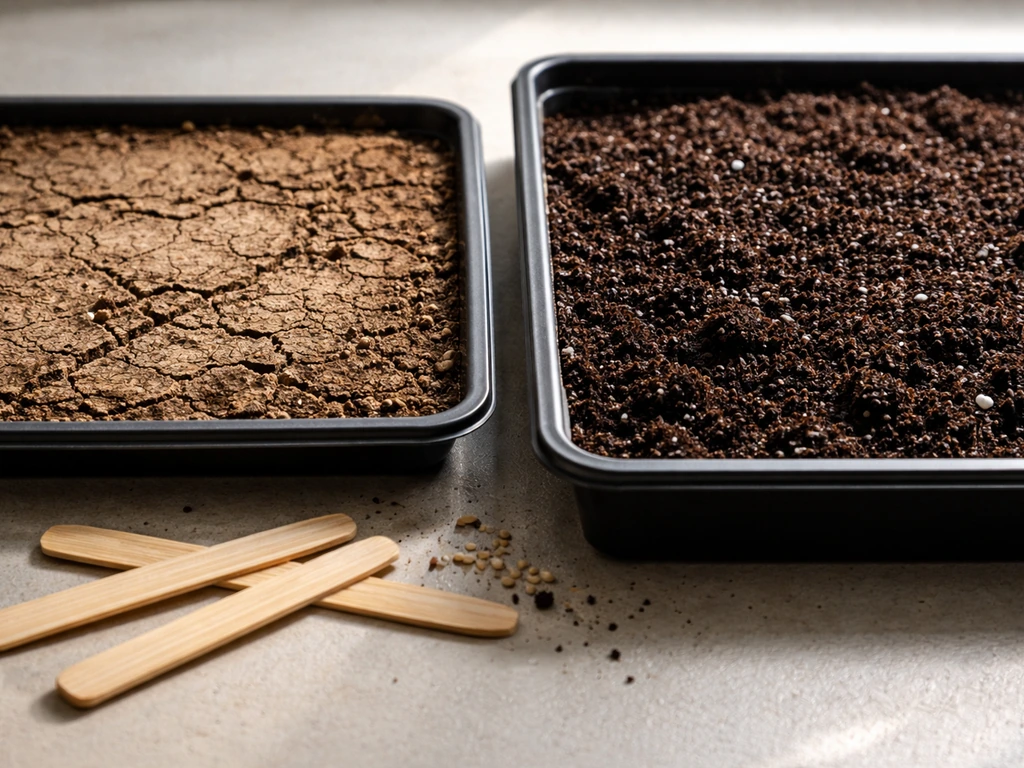
Nothing is more frustrating than waiting past the germination window and seeing nothing. Before you give up, run through the most common causes. Most stalled germinations have a straightforward fix.
- Soil too cold: The most common reason fast seeds take too long or fail entirely. Check soil temperature with an inexpensive soil thermometer. If it's below the minimum for your seed (45°F for spinach, 50°F for radish, 70°F for basil), nothing is going to happen quickly. Move indoors to a heat mat or wait for conditions to improve.
- Seed sown too deep: Especially critical for lettuce, basil, cress, and other small seeds. Re-sow at or just below the surface. Don't try to rescue deeply buried seeds by digging them up.
- Soil dried out between waterings: Even one day of dry soil during active germination can stop or kill the process. Check daily and mist to maintain consistent moisture until sprouts emerge.
- Old or non-viable seed: Seeds lose viability over time. Radish and onion seeds decline relatively quickly after their pack date; others like tomatoes and squash last longer when stored dry and cool. Do a quick germination test: place 10 seeds on a damp paper towel, fold it over, put it in a zip bag, and check in the expected germination window. If fewer than 7 sprout, the seed lot is weak.
- Overwatering: Soggy, waterlogged soil causes seed rot before germination, particularly with warm-season herbs and flowers. If the soil smells musty or the surface stays perpetually wet, back off watering and improve drainage.
- Wrong season for the crop: Cool-season seeds sown in hot soil, or warm-season seeds sown before the soil warms up, will both underperform. Match your seed to the current season.
- Poor soil contact: Air pockets around the seed prevent water absorption. Always firm the soil after sowing. In containers, press seeds gently but firmly into the mix.
If you've been waiting more than 1.5 times the maximum germination window on the seed packet and still see nothing, it's almost always better to re-sow than to keep waiting. Re-sow into freshly moistened soil at the correct depth and temperature, and you'll usually see sprouts within the normal window. Don't throw good growing days after bad.
The shortest path to the fastest result
If you want to grow something as fast as humanly possible starting today, here is the honest shortlist. For food in under 30 days: sow radishes, cress, or mustard greens directly into moist, warm-ish soil right now. For a quick flower: get calendula or nasturtium seeds in the ground this week. For a fast lawn patch: pick up annual ryegrass seed and sow it into a raked, moist surface. For the absolute fastest green you can eat: grow radish or mustard microgreens in a tray indoors. You can harvest them in 7 to 12 days without any special setup.
It's also worth knowing that the sibling questions around this topic matter for planning. Seed paper is similar in that timing depends on whether you are looking at germination time versus full growth to maturity how long does seed paper take to grow. If you're curious what seeds will reliably show results within a week specifically, that's a slightly narrower question. On the opposite end, some seeds take months or even years before they are usable, which is useful context if you're weighing a fast annual against a slow-starting perennial or tree. For anything requiring cold treatment like apple seeds, the timeline is a completely different scale. Knowing where your target seed sits on that spectrum helps you set realistic expectations from day one.
The bottom line: radishes win for the fastest seed to grow from planting to harvest. Cress and mustard greens are close. Annual ryegrass wins for grass. Calendula wins for flowers. And microgreens win if you just want to see something edible appear faster than almost anything else in the plant world. Pick your category, set the right conditions, and you will have something worth showing for it in days, not months. If you are wondering what seed takes the longest to grow, it will depend on whether you mean slow germination or months to maturity.
FAQ
What’s the fastest seed to grow if I want food, not just sprouts?
If you mean “fastest from today to something you can eat,” radish and mustard microgreens usually beat everything, with harvest often in about 7 to 12 days in a simple tray indoors. This bypasses outdoor temperature delays, since you are controlling light and warmth.
How can I make sure the “fastest” seed actually grows as fast as the article says?
To hit the quickest timeline, keep the soil warm and not just the air. A heat mat for outdoor beds or starting trays indoors can make the difference between radish germinating in a few days and stalling for 1 to 2 weeks.
Why do some fast-germinating seeds take so long to harvest?
Don’t base your plan on the germination number alone. A seed can sprout quickly (like sunflower), but still take months to reach a usable stage (blooming), so check both “days to germination” and “days to maturity” on the packet.
What should I plant for the fastest results in hot weather?
For outdoor sowing, aim to transplant or cut within the cool-season window. When temperatures exceed about 75 to 80°F, many leafy “fast” crops bolt and turn bitter, so the fastest summer option is usually heat-tolerant seeds like basil, zinnias, or calendula.
What’s the most common mistake that slows down quick seeds like lettuce or cress?
Seed depth is a common reason for slow or failed “fast” germination. Light-requiring seeds like lettuce need minimal coverage, and burying them even slightly can prevent sprouting entirely.
At what point should I re-sow instead of waiting longer for germination?
If nothing appears, use the packet guidance window plus a small buffer. The article recommends re-sowing if you’re beyond about 1.5 times the maximum germination time, since the soil may be off-temperature, too dry, or at the wrong depth.
Why are microgreens often the quickest way to get something edible?
Microgreens are fast because you harvest before the plants mature, typically at the cotyledon or early leaf stage. You can grow them in shallow trays with consistent moisture and bright light, and you usually do not need seed soaking.
Is annual ryegrass the fastest for showing green on the ground, and what can slow it down?
If your goal is “green the fastest,” annual ryegrass can establish quickly in the right conditions, but it still needs proper moisture to root and thicken. Don’t treat it like a set-and-forget crop, especially on windy days when the top layer dries.
Should I soak radish or arugula seeds to get the fastest germination?
Yes, soaking helps only certain seeds with thicker coats. For fast small seeds like radish, arugula, and most herbs, soaking is usually unnecessary and can make handling harder, so focus instead on warmth, depth, and moisture.
How do light problems affect the “fastest” growth timelines?
Many “fastest seed” rankings assume ideal moisture and light after emergence. If seedlings are stretching or pale, timelines often slip because plants are stressed, so use bright light indoors and full sun outdoors.
Next Article
How Long Does It Take to Grow Chrysanthemums from Seeds
Timeline for growing mums from seeds: sowing to germination, transplant readiness, flowering and maturity, plus key vari