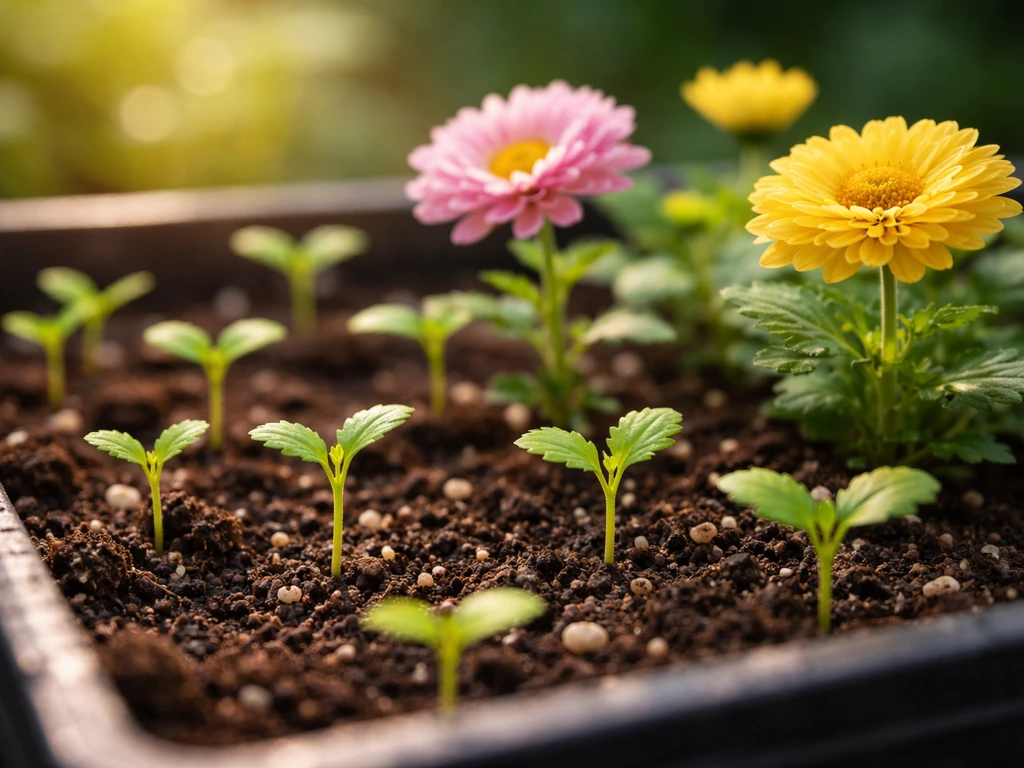
Growing a plum tree from seed takes patience: expect 3 to 4 months just for the seed to germinate after cold stratification, another 1 to 2 years before you have a transplantable young tree, and anywhere from 3 to 6 years (sometimes longer) before you see your first flowers or fruit. That full timeline from seed to fruiting tree is roughly 4 to 8 years for most home growers. It's a long road, but if you get the stratification right and start the seed at the right time of year, you can shave time off the early stages and give the tree the strongest possible start.
How Long Does It Take to Grow Plums From Seed?
Marcus Henley
2 May 2026
How long plum seeds take to germinate
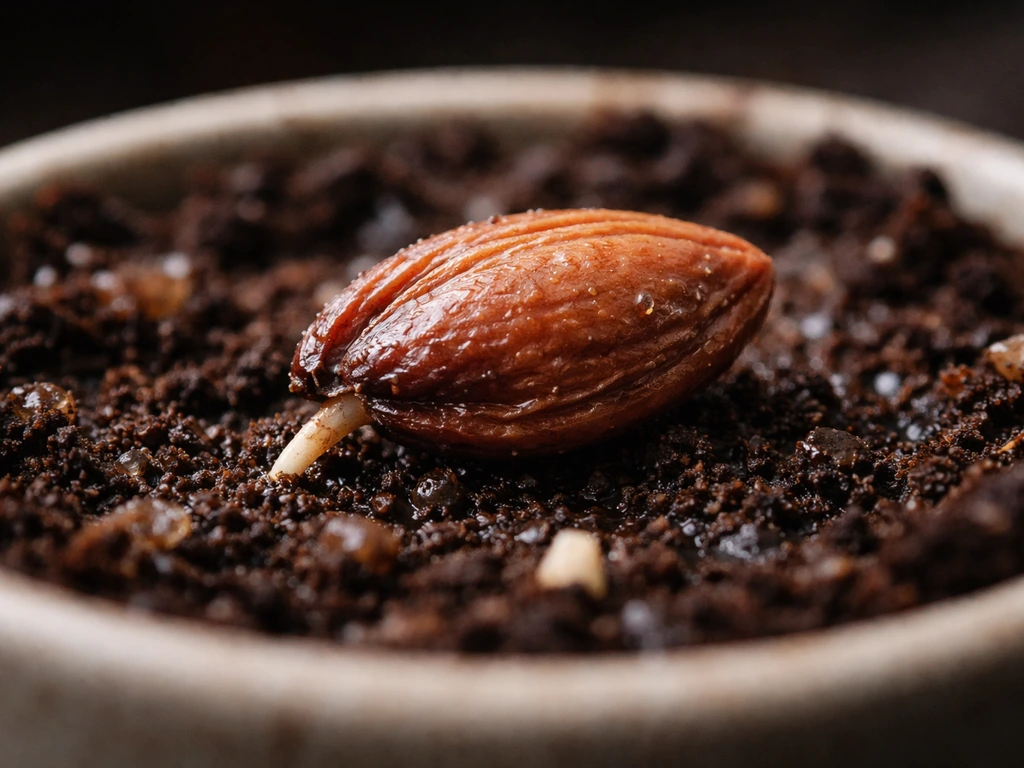
Plum seeds do not sprout on their own timetable the way a tomato or bean seed does. They have a built-in dormancy that mimics winter, and they will not germinate until that dormancy is broken through cold stratification. Once you've done that correctly, germination typically takes 2 to 6 weeks in warm conditions after the seeds come out of the fridge.
The cold stratification period itself is where most of the time goes. Iowa State University Forestry Extension puts European plum (Prunus domestica) at roughly 90 days of cold treatment, while Oklahoma State Extension and UC ANR put the range between 90 and 140 days at around 34 to 40°F (1 to 4°C). I lean toward aiming for at least 100 days to be safe, especially for grocery-store pits where you're not sure of the variety. Underdoing the chill period is the single biggest reason people try to grow plums from seed and get nothing.
Once the seeds come out of cold storage and are placed in warm conditions, they respond best to a temperature swing: UF/IFAS lists the ideal germination temperature for Prunus domestica as 86°F during the day and 68°F at night. That diurnal shift mimics spring and really does help trigger sprouting. A heat mat on a timer or a warm windowsill that cools at night can replicate it well enough.
From seedling to a transplantable young tree
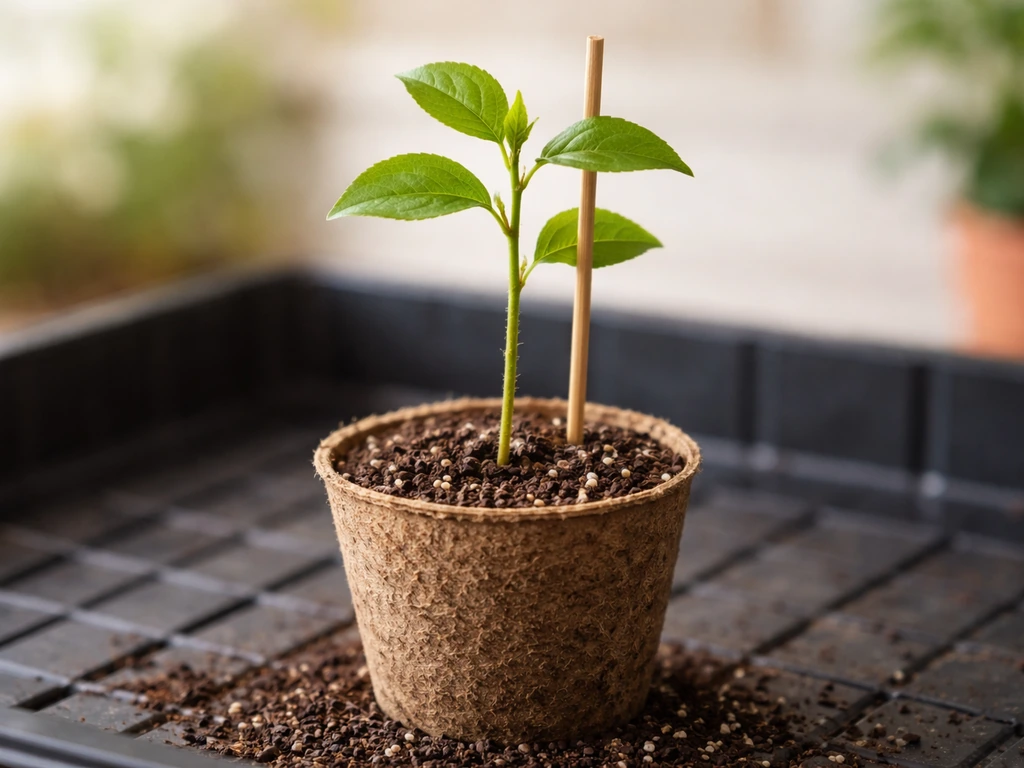
After germination, a plum seedling grows slowly compared to annual vegetables. You're looking at roughly 12 to 24 months before the seedling is sturdy enough to transplant into a permanent outdoor spot. In the first growing season, a plum seedling might reach 6 to 18 inches tall depending on light, pot size, and how consistently you water and feed it. By the second year, with a good root system established, growth accelerates noticeably.
The practical benchmark for transplanting readiness is a trunk diameter of at least 1/4 inch and a height of 12 to 18 inches with several healthy leaf nodes. Don't rush it. A seedling moved outside too early, especially in clay soil or a harsh summer, will stall or die back. Keep it in a pot with quality potting mix for the first year, step it up to a larger container in year two if needed, then move it to its permanent spot in early spring of year two or three.
When to expect flowers and fruit
This is the part nobody wants to hear but needs to know: a seed-grown plum tree will not fruit quickly. Most seed-grown plums take 3 to 6 years from the time the seed germinates before they flower for the first time, and fruiting sometimes lags a year or two behind flowering. Add the 3 to 4 months for stratification plus the 1 to 2 years for seedling development, and you're realistically looking at 4 to 8 years from seed to your first plums. Because plumeria seeds also need time to germinate and mature, it helps to plan on a multi-month to multi-year timeline from planting to flowering how long plumeria seeds take to grow from seed.
There's another complication worth flagging: plums are not true to seed. The tree that grows from a grocery-store plum pit may not produce fruit anything like the plum you ate. It's a genetic lottery. Some seed-grown trees turn out great; others produce small, tart, or nearly inedible fruit. If your primary goal is consistent, quality fruit quickly, grafted trees are the better move. But if you enjoy the process and the long game, growing from seed is genuinely rewarding.
For comparison, other stone fruits and slow-maturing trees follow a similar pattern. Nectarines from seed have a comparable multi-year timeline, and other long-horizon projects like growing grapefruit or pomelo from seed can take even longer to fruit. Grapefruit from seed also has a long timeline, so it helps to plan for seedling growth and fruiting delays growing grapefruit or pomelo from seed. Plums are on the faster end of the tree-from-seed spectrum, which is at least some consolation.
What changes how long it takes
Stratification length and temperature
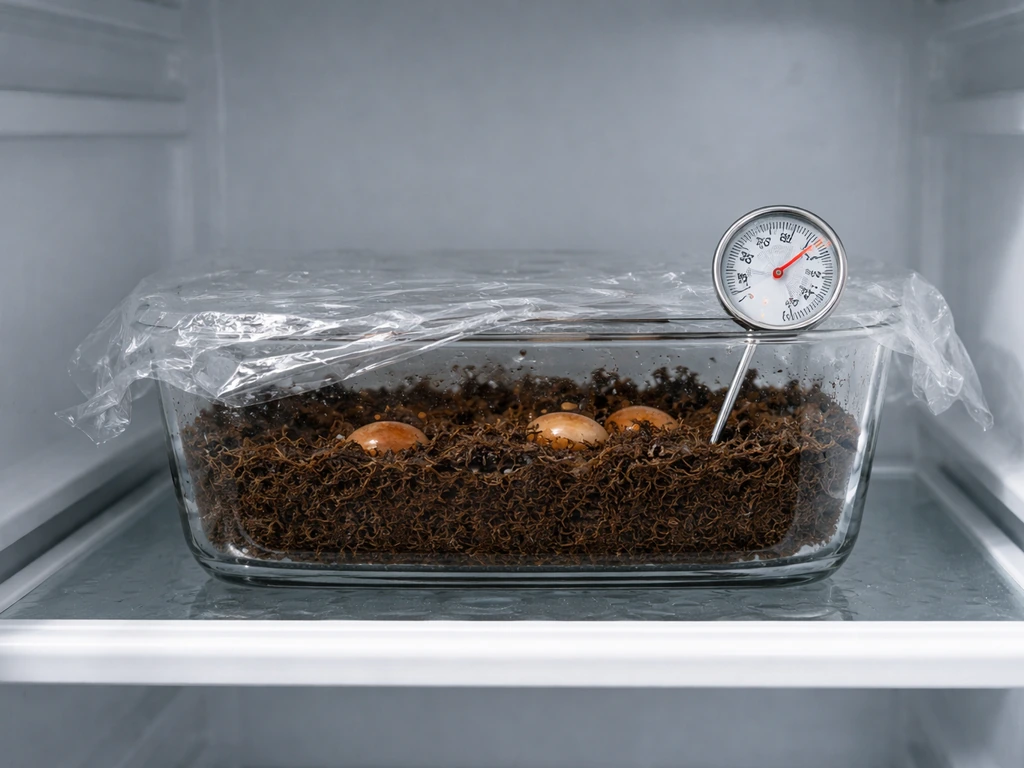
Getting stratification right is the biggest variable you actually control. Too short a chill period and the seed simply won't germinate. Too warm a fridge (above 45°F) and the chilling doesn't count the same way. blank" rel="noopener noreferrer">Aim for 34 to 40°F for the full duration, and don't rush out of it early. Cold, moist stratification is typically done by mixing seed with damp sphagnum and storing it in a sealed container in a refrigerator, as described in Iowa State University’s seed germination methods guide blank" rel="noopener noreferrer">Aim for 34 to 40°F for the full duration, and don't rush out of it early.. Research published through the International Society for Horticultural Science found germination rates ranging from 0 to 85% across different stratification protocols, which tells you how much these details matter.
Some varieties respond even better to a warm stratification period before the cold treatment. The USDA Forest Service's work on Prunus seeds found that Myrobalan plum, a common rootstock variety, benefited from about 2 weeks of warm stratification before cold chilling. If you're working with Myrobalan or an unknown variety, try 2 weeks at room temperature in moist media before moving to the fridge.
Variety and genetics
European plums (Prunus domestica) generally need the full 90 to 140 days of cold stratification. Japanese plum varieties (Prunus salicina) often have a slightly shorter requirement. Wild or ornamental plum types vary even more. If you know your variety, look up its specific chilling requirement. If you don't, use the 100 to 120 day range as your safe middle ground.
Seed viability and storage
Plum seeds do not stay viable indefinitely. Fresh pits from fruit you just ate have the best germination odds. If the seed has dried out completely, viability drops fast. Keep stratification media consistently moist but not soggy throughout the chilling period. Dried-out seeds mid-stratification rarely recover.
Post-stratification growing conditions
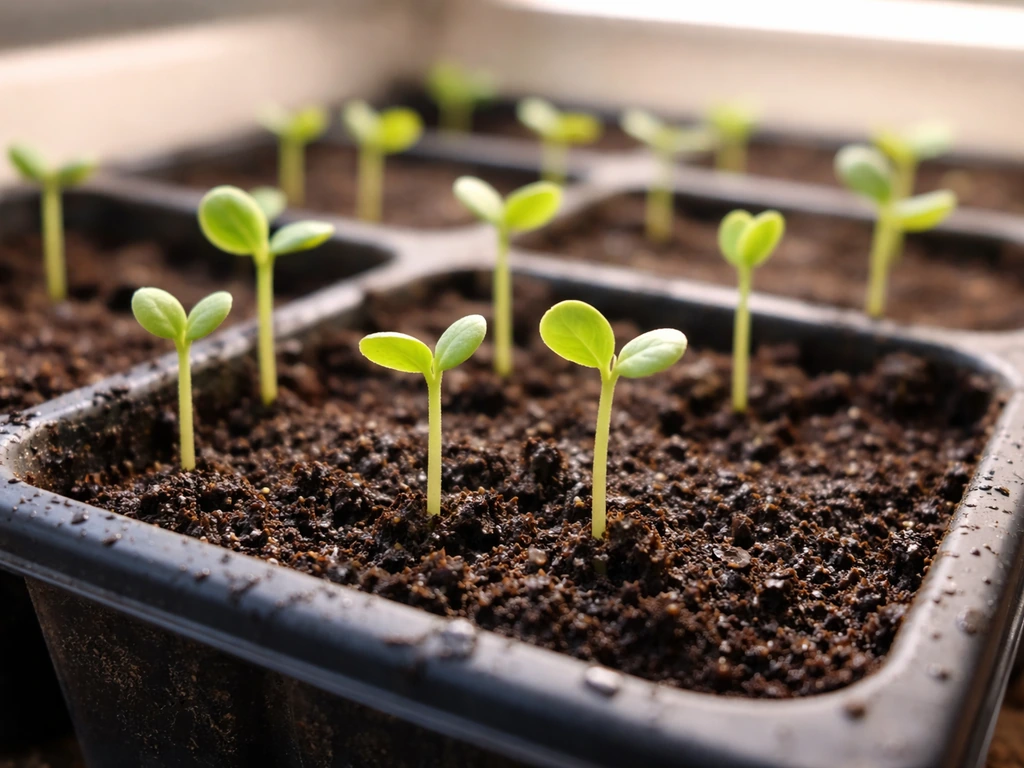
After the chilling period, how fast germination and early growth happen depends heavily on warmth, light, and water consistency. Pomelos are similar in that the main time sink comes from seed-start conditions, so expect a long timeline from sprouting to a young, transplant-ready tree how long to grow pomelo from seed. A seed placed in a warm, bright environment after stratification will typically sprout within 3 to 6 weeks. One left in a cold garage or gloomy corner may take months or fail entirely.
A step-by-step plan for the fastest reasonable results
- Start with a fresh pit from ripe fruit in late summer or early fall (August to October). Clean off all flesh, rinse thoroughly, and let the pit air-dry for 24 hours. Do not let it dry out completely.
- Crack the outer shell gently (optional but speeds things up): use a nutcracker or wrap in a cloth and tap carefully with a hammer. You want to expose the inner seed without damaging it. This is not required but can cut germination time.
- Place the seed in a plastic bag or sealed container with a handful of moist peat moss, coir, or damp paper towels. The medium should feel like a wrung-out sponge, not dripping.
- If working with Myrobalan or an unknown variety, leave the bag at room temperature for 2 weeks first. For most others, go straight to the fridge.
- Move the bag to the back of your refrigerator at 34 to 40°F. Label it with the start date. Leave it for 100 to 120 days, checking every 2 to 3 weeks to make sure the medium stays moist.
- After the stratification period (typically February to March if you started in October), move the seed to a small pot filled with sterile seed-starting mix. Plant it about 2 inches deep.
- Place the pot on a heat mat set to around 75 to 85°F during the day. Aim for some temperature drop at night if possible. Put it in the brightest window you have or under grow lights.
- Keep the medium consistently moist but never waterlogged. Use room-temperature water. Expect germination in 2 to 6 weeks.
- Once the seedling has 2 to 3 true leaves, move it to a 4 to 6 inch pot with quality potting mix. Feed lightly with a balanced fertilizer every 2 to 4 weeks through the growing season.
- By the end of year one, step up to a 1 to 3 gallon container. In year two or three (early spring), transplant to its permanent outdoor location in full sun with well-drained soil.
When germination is slow or nothing is happening
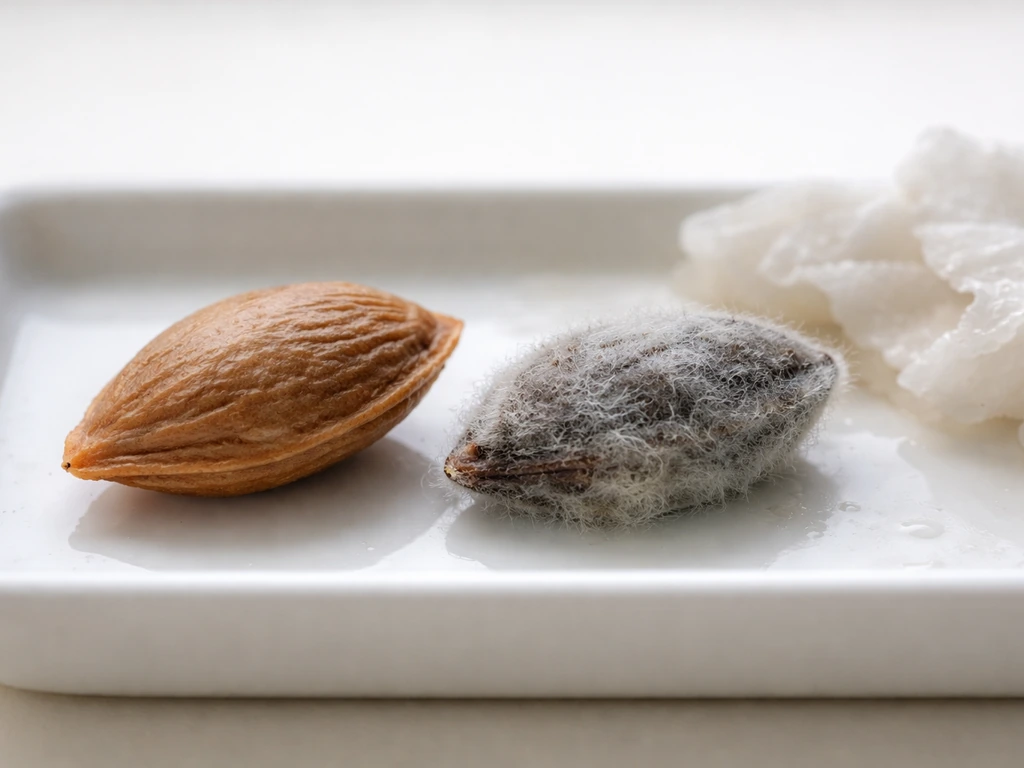
Slow or failed germination is common with plum seeds, and most of the time the cause is identifiable. Here are the problems I see most often and how to fix them.
| Problem | Likely cause | What to do |
|---|---|---|
| No sprouting after 6+ weeks of warmth | Insufficient stratification (less than 90 days or temp too high) | Return seed to fridge for another 4 to 6 weeks at 34 to 40°F, then try again |
| Mold on seed or medium during stratification | Media too wet or container not breathable | Remove mold with a damp cloth, rinse seed, replace medium, leave lid slightly open or use a bag with a small hole |
| Seed looks shriveled or hard after stratification | Medium dried out during chilling | Soak seed in room-temperature water for 12 to 24 hours before trying to pot it up; viability may be reduced |
| Germination started then seedling died | Damping off from unsterile media or overwatering | Use only sterile seed-starting mix, not garden soil; water from below; improve air circulation |
| No germination even after correct stratification | Seed was not viable to begin with (dried out pit, old seed, damaged embryo) | Start over with a fresh pit from ripe fruit; crack outer shell gently before stratifying |
| Seedling sprouted but growth is very slow | Inadequate light or too cool | Move to a south-facing window or add grow lights; ensure daytime temperatures are at least 65 to 70°F |
Damping off is worth calling out specifically because it's heartbreaking: a seedling that germinated fine suddenly collapses at the soil line. It's a fungal problem and it almost always traces back to non-sterile growing media or overwatering. University of Minnesota Extension research is clear on this: always use sterile, clean seed-starting conditions and avoid reusing old garden soil in your germination trays. A single infected pot can wipe out a whole batch.
If you're on your second or third failed attempt, the most common culprit is still stratification: either not long enough, not cold enough, or the medium dried out partway through. Write down your start date, check it every few weeks, and commit to the full 100 to 120 days before assuming failure. Plum seeds reward patience more than almost any other variable.
FAQ
Do plum pits from grocery store fruit need to be stratified before planting, even if I plant them in winter?
Yes, most still require dormancy breaking, winter planting usually does not guarantee the right and consistent chill duration. If you want reliable results, mimic stratification in a controlled fridge window (about 100 to 120 days at 34 to 40°F), then move to warm germination conditions, instead of hoping outdoor winter exposure matches the target.
How long should I wait after removing plum seeds from the fridge before I assume they failed to germinate?
Typically give them 2 to 6 weeks in consistently warm conditions after they come out of cold storage. Check for mold and root emergence during that window, if nothing shows after about 6 weeks, it is usually time to troubleshoot stratification duration, temperature accuracy, or seed viability.
What counts as a “moist but not soggy” stratification medium, and what goes wrong if it gets too wet?
Aim for media that feels like a wrung-out sponge, it holds moisture but no liquid pools. Overly wet media can promote fungus or rot before the chill period ends, while drying out even partway through can reset dormancy and dramatically reduce germination.
Can I speed things up by cracking the pit or scarifying plum seeds?
Usually no. Plum seed dormancy is not the same as an external hard-shell barrier, it is primarily internal dormancy triggered by cold. Physical scarification may cause damage or increase the chance of rot, so focus on correct cold and warmth cycles instead.
Should I stratify in soil or paper towels, and does the medium change timing?
It can. Paper towels or similar media are easy to control, but they dry out faster and require frequent monitoring. Potting mix or peat-based media holds moisture longer, but must be kept evenly damp to avoid sour or moldy conditions. Timing of germination is still mainly driven by the duration and accuracy of chilling, not by the medium type.
Is there a difference in timeline between European plums and Japanese plums grown from seed?
Yes, Japanese plums often have a shorter chilling requirement than European plums, so germination may start a bit earlier once warm. However, the post-germination timeline to a transplantable seedling and first fruit usually still spans several years, so only the early germination phase typically changes much.
If I want my plum tree to fruit sooner, is seed still worth it?
If consistent early fruit quality is the goal, seed is a slow and unpredictable route because seed-grown trees vary genetically. For earlier and more reliable fruit, grafted trees are usually better, if you do grow from seed, treat the first fruit years as an experiment rather than a schedule you can count on.
How do I reduce the risk of damping off after germination?
Use fresh sterile seed-starting media, avoid reusing garden soil, and do not keep trays constantly saturated. Provide good airflow and water from below or lightly from the surface so seedlings are not sitting in wet media at the soil line.
What should I do if my seeds sprout but then stall in year one?
Stalling is often a light or watering problem, not a “broken seed” issue. Move the seedling to the brightest feasible spot (or consistent grow lights), keep the pot evenly moist but not waterlogged, and resist early outdoor transplanting until the trunk size target is met.
When is it actually safe to transplant my seed-grown plum outside?
Use the practical marker rather than the calendar: at least about 1/4 inch trunk diameter and roughly 12 to 18 inches tall with several healthy leaf nodes. If you are in clay soil or face hot or harsh summer conditions, plan on keeping it potted longer, since outdoor stalling or dieback is more common when transplanted early.
Do plum seeds stay viable if I save pits and stratify later?
Viability drops if pits dry out, fresh pits generally germinate best. If you must store, keep seeds in a moisture-stable condition until stratification begins, and do not leave them to fully dry out, otherwise germination rates can fall sharply even if chilling is perfect.
Could a successful germination still lead to no flowers for many years, and why?
Yes. Even with perfect chilling and sprouting, seed-grown plums often take several additional years before flowering, and fruiting can lag behind flowering. Genetic variation also affects vigor and maturity, so two seedlings from the same batch can finish on different schedules.
Next Article
How Long Does It Take to Grow Chrysanthemums from Seeds
Timeline for growing mums from seeds: sowing to germination, transplant readiness, flowering and maturity, plus key vari