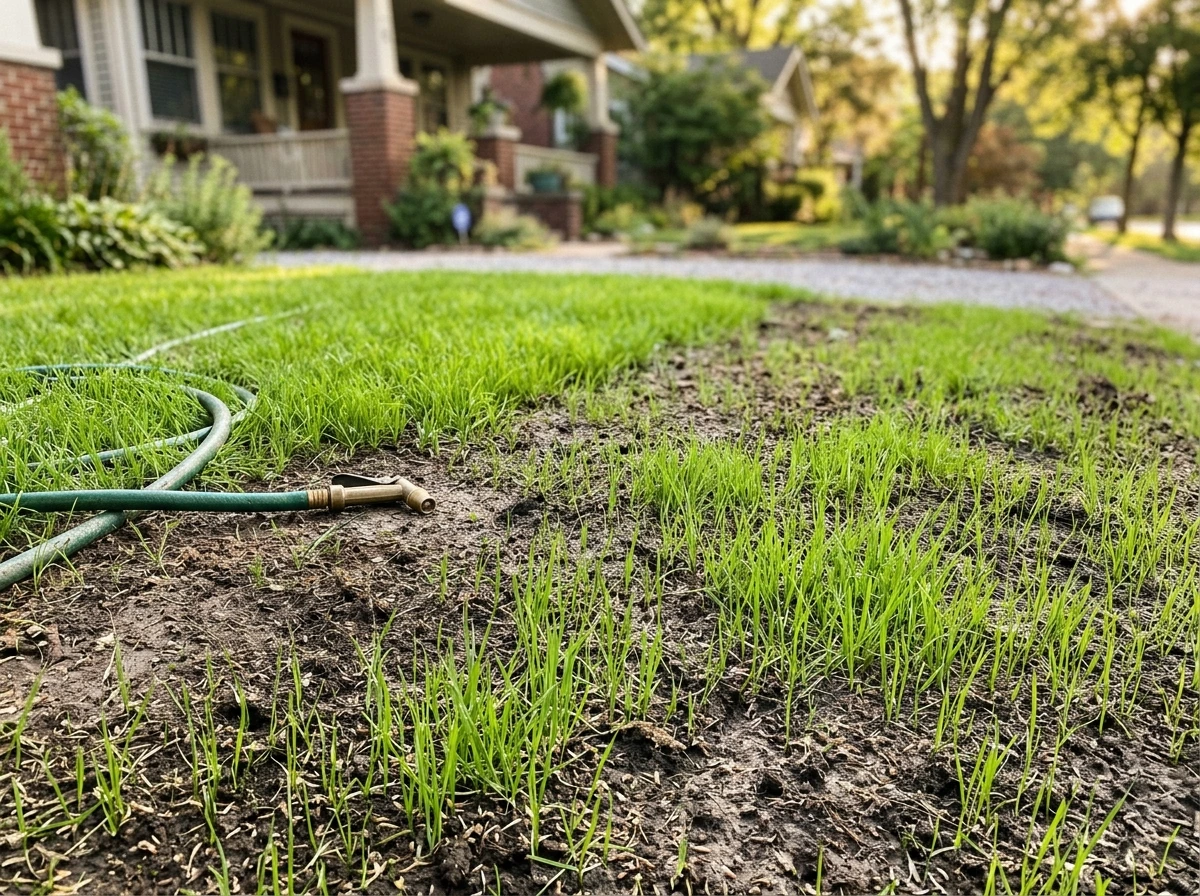
Most grass seeds will show visible green shoots within 7 to 21 days of planting, depending on the species and conditions. But seeing sprouts and having an established lawn are two very different things. A fully established lawn, one that's thick, rooted, and ready for regular foot traffic, takes anywhere from 6 to 12 weeks from seeding. If you're trying to plan a project or figure out why your lawn isn't doing what you expected, here's everything you need to know about the real timeline from seed to lawn.
How Long Does It Take for Grass Seeds to Grow
Marcus Henley
24 Mar 2026
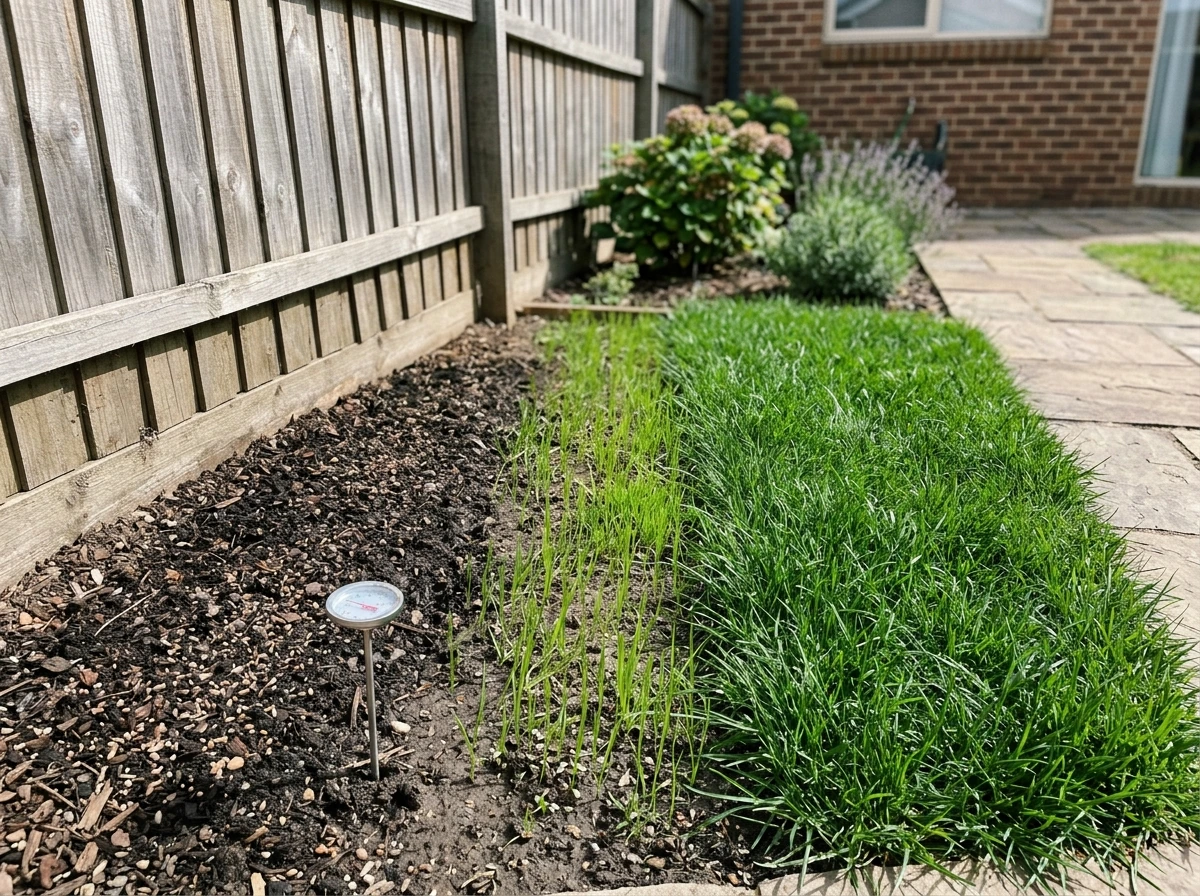
The Full Grass Seed Timeline: Germination to Established Lawn
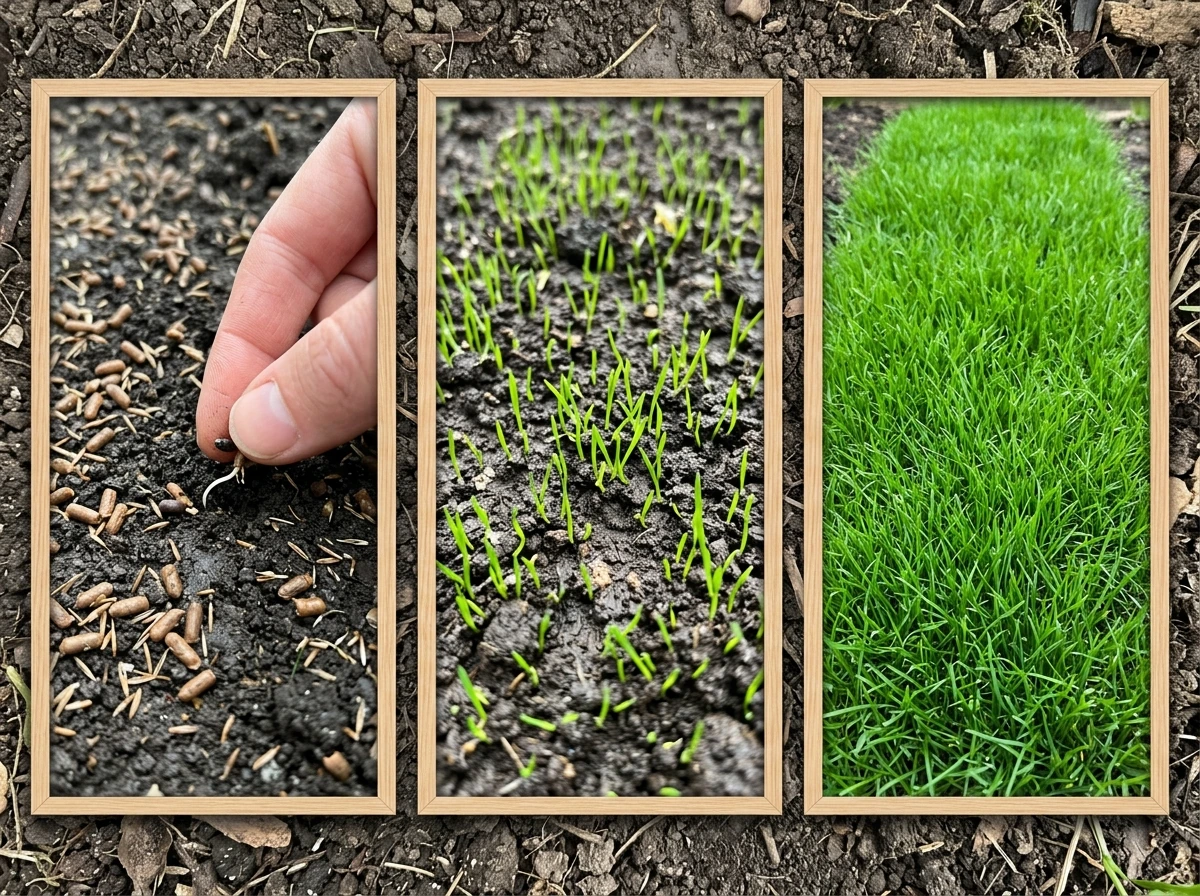
There are three stages most people care about: germination (the seed cracks open and starts growing underground), visible sprouting (you can actually see green), and full establishment (the lawn looks thick, roots are deep, and you can use it normally). Each stage has its own timeframe, and confusing them is one of the most common reasons people think their grass seed isn't working.
| Stage | What It Means | Typical Timeframe |
|---|---|---|
| Germination | Seed absorbs water and the root begins to emerge underground | 3 to 14 days (species-dependent) |
| Visible sprouts | Green shoots emerge above soil surface | 7 to 21 days after seeding |
| Seedling stage | Grass blades are 1 to 2 inches tall, still fragile | 2 to 4 weeks after seeding |
| First mowing ready | Seedlings reach about 2 to 3 inches tall | 3 to 4 weeks after seeding |
| Fully established lawn | Dense, rooted, tolerant of normal use | 6 to 12 weeks after seeding |
Oregon State Extension puts it well: you can generally expect to see green grass in about a week, with the first mowing coming around 3 weeks after planting. That matches what I've seen in practice. The tricky part is the gap between "I can see it growing" and "it's actually a lawn." That gap is 4 to 8 weeks of careful watering, light traffic, and patience.
How Many Days Until You See Grass After Seeding
This is the number people are really searching for, and honestly, the answer depends heavily on the type of grass you planted. Cool-season grasses like perennial ryegrass and tall fescue are the fastest to show up. Warm-season grasses like bermudagrass take longer. Here's a practical breakdown by species under ideal conditions:
| Grass Type | Average Germination (Days) | Season |
|---|---|---|
| Perennial ryegrass | 5 to 10 days | Cool-season |
| Tall fescue | 7 to 12 days | Cool-season |
| Fine-leaf fescues | 3 to 5 days | Cool-season |
| Kentucky bluegrass | Up to 14 days (sometimes longer) | Cool-season |
| Bermudagrass | 10 to 21 days | Warm-season |
| Zoysia grass | 14 to 21 days | Warm-season |
| Bahiagrass | 14 to 28 days | Warm-season |
K-State Extension research confirms that under ideal conditions, fine-leaf fescues can germinate in as little as 3 to 5 days, while Kentucky bluegrass commonly takes up to two weeks. Fescue may germinate in about 10 days while bluegrass may take up to two weeks under good fall conditions. If you planted a mix, you'll likely see some species emerge before others, which is completely normal.
What Does "Fully Grown" Actually Mean for Grass?
When people ask how long it takes for grass to fully grow, they usually mean one of two things: when can they mow it, or when can they use it normally. Those milestones are different. Purdue Extension recommends mowing once seedlings reach about 2 inches tall, using mower heights of around 1.5 inches for Kentucky bluegrass, perennial rye, and fine fescue, and about 2 inches for tall fescue, at first. That typically happens 3 to 4 weeks after seeding.
"Fully established" is a higher bar. Penn State Extension makes an important point here: the 4 to 8 weeks following seeding are critical to survival because the grass root systems are still shallow and delicate. Seedlings during this period can't handle severe moisture stress or heavy foot traffic. A lawn that looks green and full at 4 weeks isn't necessarily ready for a birthday party or a dog running laps. For most cool-season lawns, 8 to 12 weeks after seeding is a reasonable target for real establishment. Warm-season grasses can take a full season.
What Speeds Up or Slows Down Grass Seed Growth
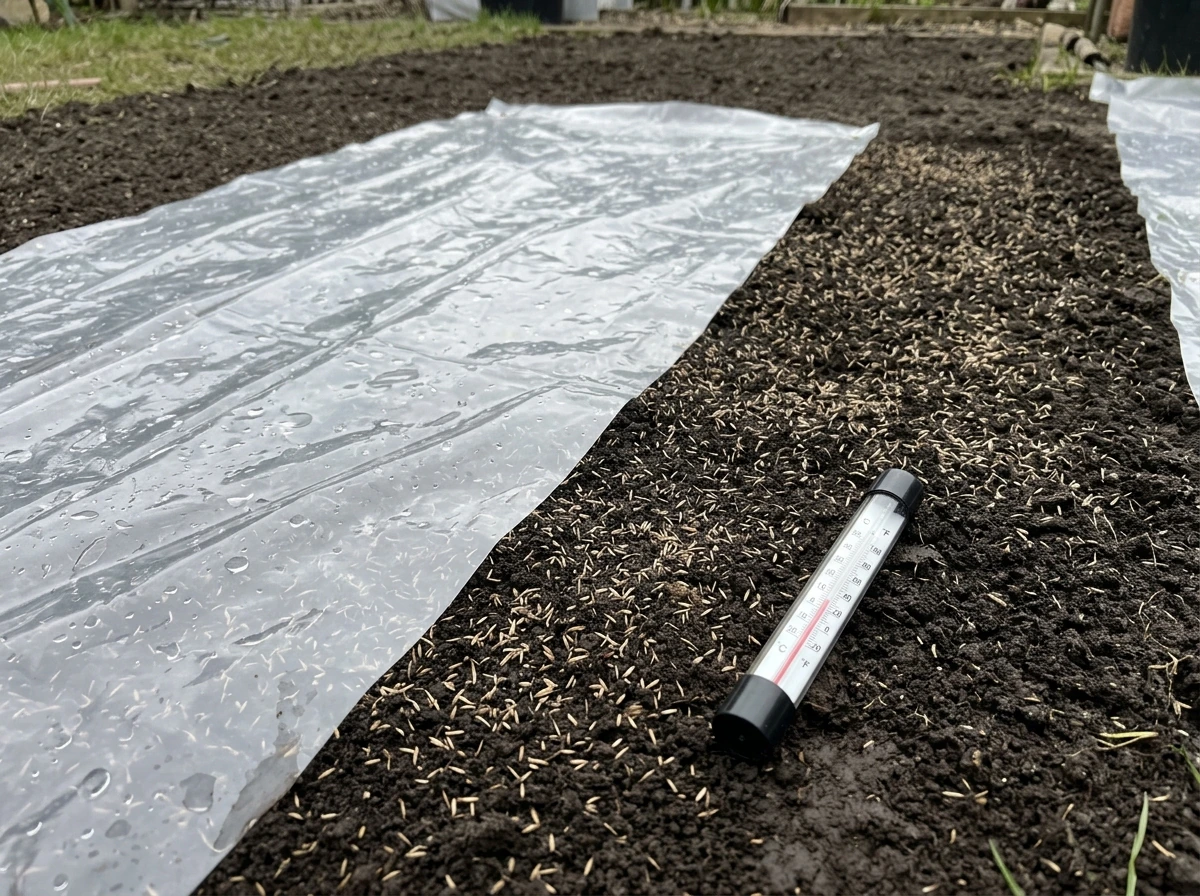
Temperature is the single biggest variable. K-State Extension recommends soil temperatures between 60°F and 85°F for the quickest germination of cool-season grasses. Purdue Extension gives the optimum air temperature range as 59 to 86°F for Kentucky bluegrass and 68 to 86°F for tall fescue. Plant outside those windows and germination slows significantly or stalls entirely. If you're seeding in early spring when soil temps are still below 50°F, expect delays. If you're seeding in summer heat above 90°F, many cool-season grasses will struggle.
Moisture consistency is the second major factor. Seeds need constant moisture to germinate, but they don't need to be soaked. Letting the seedbed dry out even once in the first week can kill seeds that have already started to germinate underground, and you'd never know it until you're staring at a bare patch three weeks later wondering what went wrong.
Seed-to-soil contact matters more than most people realize. Seeds sitting on top of loose, fluffy soil or buried too deep won't germinate well. UC ANR IPM recommends covering seed to a depth of just 1/16 to 1/8 inch by raking it in and lightly rolling or firming the soil. Rutgers NJAES suggests raking seed in to about 1/4 inch deep and lightly rolling after. The rolling step is easy to skip, but it genuinely improves contact and speeds things up.
There's one more factor that often catches spring seeders off guard: the RHS notes that grass sown in spring may root in more slowly because the plant puts energy into flowering rather than root development. This is specific to certain conditions but worth knowing if your spring seeding seems sluggish compared to fall seeding.
Factors that speed up germination
- Soil temperature in the 60°F to 85°F sweet spot
- Consistently moist seedbed (not waterlogged, not dry)
- Good seed-to-soil contact from raking and light rolling
- Fresh, high-quality seed
- Choosing faster-germinating species like perennial rye or fine fescue
- Thin mulch layer (no more than 1/4 inch) to retain soil moisture in warm/dry weather
Factors that slow it down
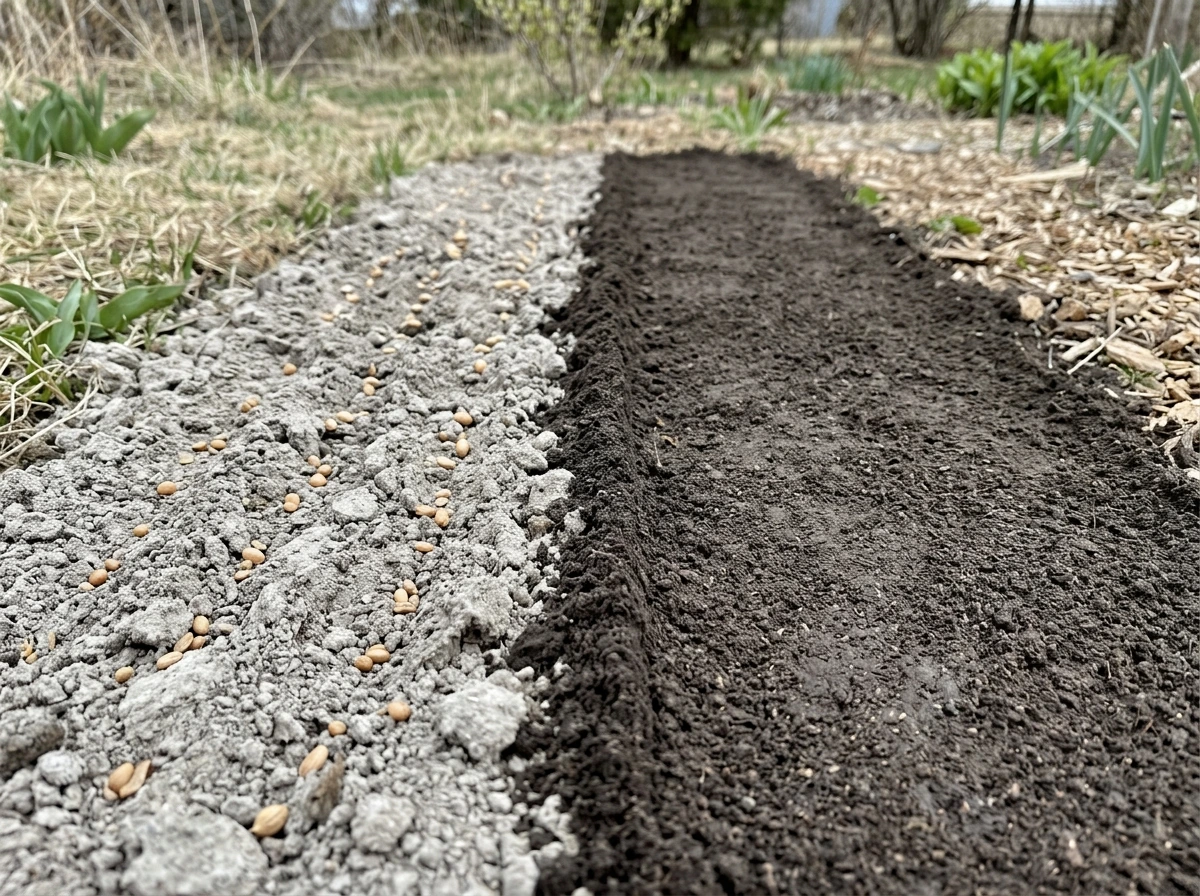
- Soil temps below 50°F or above 90°F
- Inconsistent watering or letting soil dry between waterings
- Poor seed-to-soil contact (seeds sitting on top of fluffy or compacted soil)
- Heavy shade (especially for sun-loving species)
- Old or improperly stored seed with low germination rates
- Thick straw or mulch covering that blocks light once sprouts emerge
- Slow-germinating species like Kentucky bluegrass or zoysia
Fast-Acting and "Quick" Grass Seed: Do They Actually Work Faster?
Yes, to a point. Products marketed as fast-acting or rapid grass seed typically use one or more of these strategies: fast-germinating species (usually perennial ryegrass or tall fescue), seed coatings that help retain moisture and speed up water absorption, and fertilizer additives built into the product. Scotts Turf Builder Rapid Grass Tall Fescue Mix, for example, claims a full, green lawn in 21 days and markets itself as growing twice as fast as seed alone. That's not magic, it's mostly the coating and a species selection that already germinates quickly.
Some UK fast-acting seed products advertise visible grass appearing in as little as 4 days under ideal conditions. That's technically possible with fast-germinating fine fescues and optimal temperature and moisture, but 4 days is the best-case scenario, not the average. Research confirms that seed coatings and temperature do meaningfully affect germination rates, particularly for warm-season grasses like bermudagrass, but even coated seeds can't overcome cold soil or drought stress.
If you're choosing between a "rapid" product and a standard bag of the same species, the rapid product can shave a few days off visible sprouting. But if you're comparing a fast-coated ryegrass product to a bag of Kentucky bluegrass, the ryegrass will look faster because it's a faster species, not just because of the coating. Choose the right species for your climate and use case first; the fast-acting label is secondary.
It's also worth noting that fresh seed genuinely performs better than old seed. Purdue Extension points out that optimum germination values vary depending on seed age and cultivar. A bag of fresh-season seed will almost always outperform last year's leftover seed, even if both bags say the same thing on the label.
Why Your Grass Seed Isn't Growing (and What to Do About It)
If you're past the expected germination window and still seeing bare soil, run through this checklist before you give up or reseed. If you're still unsure about the overall timeline, see how long after planting grass seed will it grow as a related reference for what to expect from seed to established lawn. Most stalled-growth situations have a fixable cause.
- Check your soil temperature: Use a cheap soil thermometer. If it's below 50°F or above 90°F, germination will be very slow or stopped entirely. Wait for better conditions or address the cause before reseeding.
- Review your watering: Seeds need moisture constantly, especially in the first 10 to 14 days. If the surface has been drying out between waterings, that may have killed seeds that already started germinating. Aim for light, frequent watering (up to 3 to 4 times per day in dry or warm conditions) to keep the top inch of soil moist.
- Look at the seed-to-soil contact: If you broadcast seed and didn't rake or roll, a significant portion may not be germinating. You can still lightly rake existing areas to press seed into soil without damaging what's already sprouting.
- Check how deep the seed is: If it's buried deeper than about 1/4 inch, germination can fail. Seeds planted too deep run out of energy before they reach light.
- Consider the seed quality: If the seed is from last season or was stored in a hot garage or shed, germination rates drop significantly. Fresh seed from the current season is always the better bet.
- Give it more time: Kentucky bluegrass routinely takes 14 days or more. If you planted a mix and only part of it has sprouted, the rest may still be coming. Wait the full species-specific window before declaring failure.
- Watch for birds and runoff: Seed that's been eaten by birds or washed into low spots by rain won't grow where you put it. Thin mulch or a straw cover helps protect seed from both.
- Avoid herbicides: Penn State Extension is clear that new turf is very sensitive to most herbicides. If you applied a weed killer near or after seeding, it may have prevented germination.
If you've gone through this list and it's been more than 4 weeks with almost no germination, reseeding is usually the right call. Focus on what caused the first round to fail before you sow again, otherwise you're likely to get the same result.
Practical Tips for Getting Grass to Grow on Time
Watering schedule that actually works
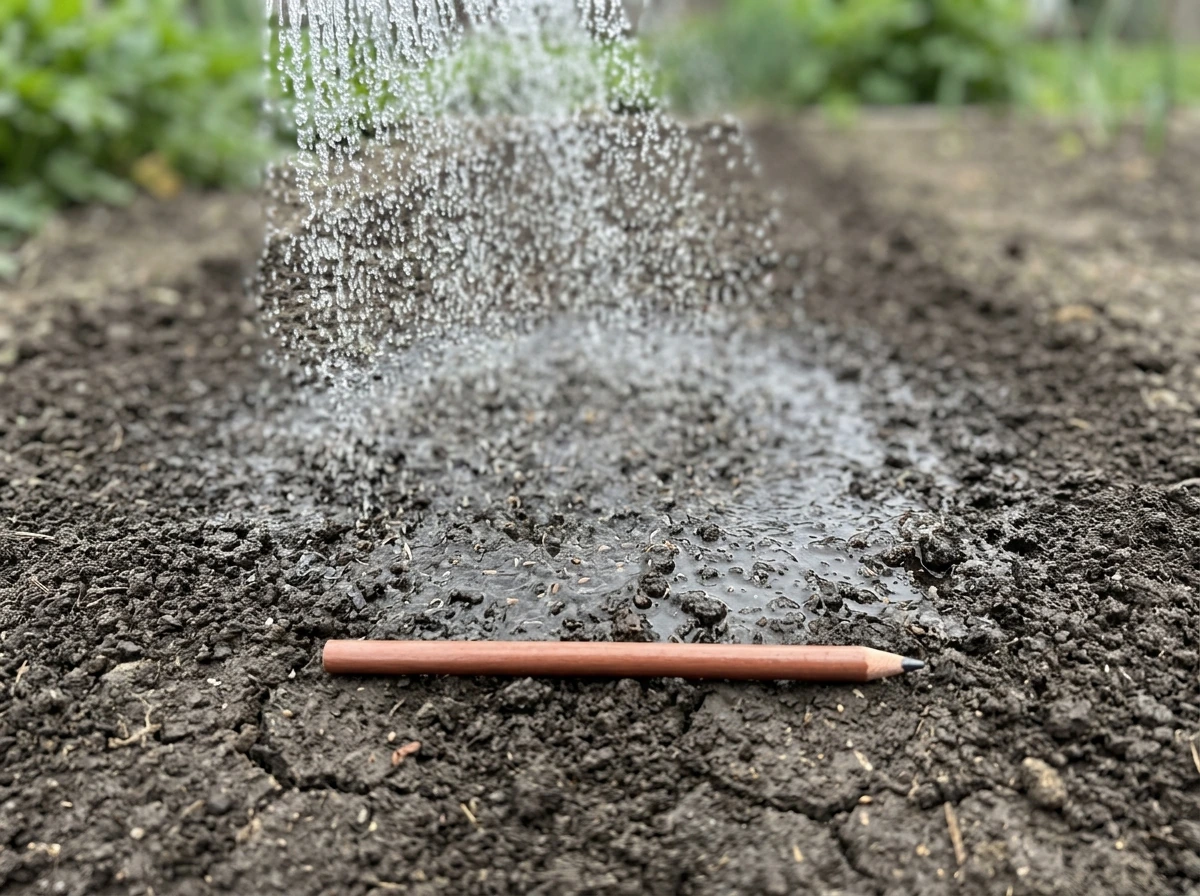
The goal is to keep the top inch of soil consistently moist without washing seeds away or creating puddles. In the first week, that usually means light, shallow watering 3 to 4 times per day in warm or dry conditions. Purdue Extension recommends watering newly seeded areas multiple times per day early on. Oregon State Extension recommends scaling back from 4 times per day to 2 times per day once green shoots are visible over most of the area, then down to once per day by the end of the second week. By week 3 to 4, you're transitioning to deeper, less frequent watering as the root system develops.
Soil prep before you seed
Raking the area to loosen the top inch of soil, removing debris, and creating a relatively smooth, firm surface makes a significant difference. After broadcasting seed, rake lightly to work it into the soil, then use a lawn roller (you can rent one for cheap) to firm the surface. This single step improves seed-to-soil contact more than almost anything else. If you're establishing a new lawn in summer, UC ANR IPM recommends applying a thin mulch layer no more than 1/4 inch thick to protect seeds and hold moisture without smothering sprouts.
Seed depth and coverage
Aim for seeds to be 1/16 to 1/4 inch deep. Deeper than 1/4 inch and many small grass seeds won't make it to the surface. Shallower than that and they dry out too fast and struggle to anchor. Even spreading matters too. A hand-crank spreader or a walk-behind drop spreader will give you more even coverage than hand-broadcasting, which tends to create thick patches and bare spots.
When to mow for the first time
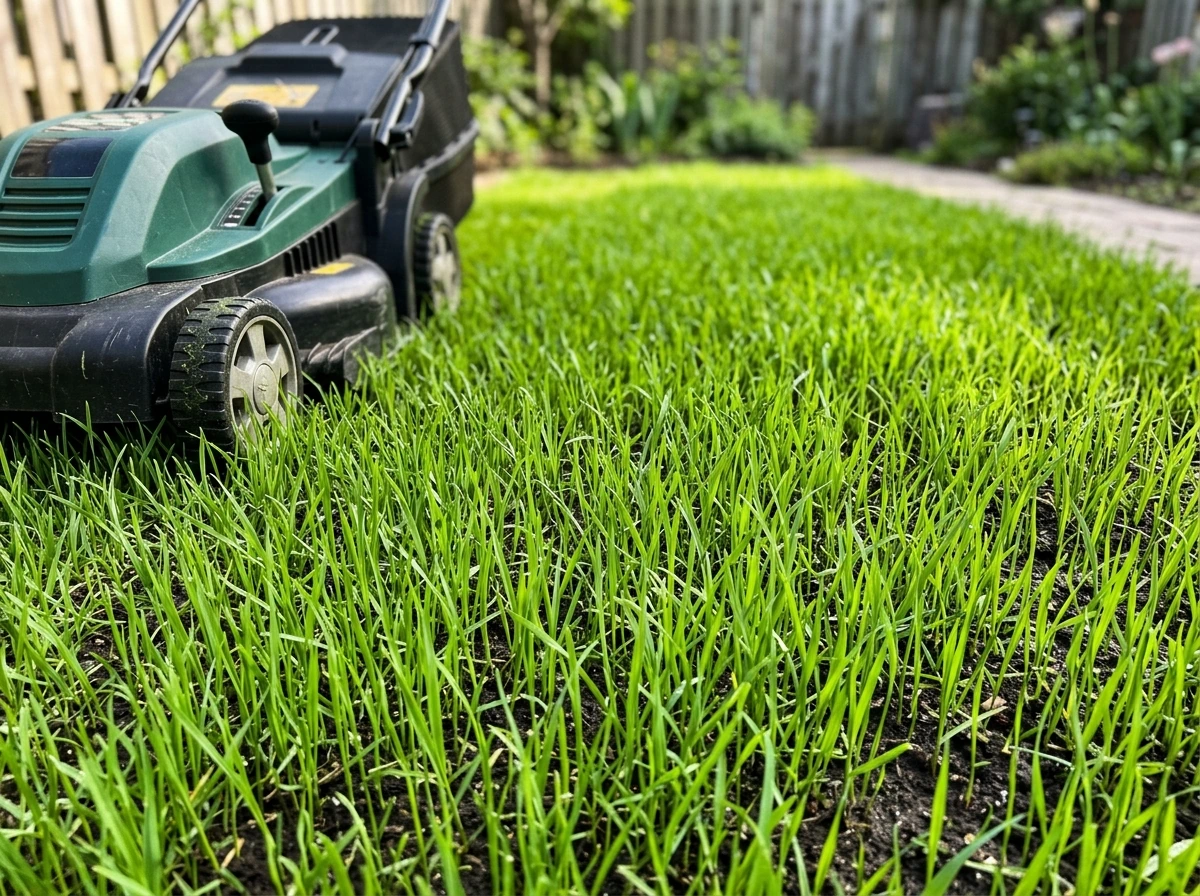
Wait until seedlings are about 2 to 3 inches tall before mowing. Purdue Extension recommends mowing once seedlings hit about 2 inches, using initial mower heights of 1.5 inches for Kentucky bluegrass, perennial rye, and fine fescue, or 2 inches for tall fescue. Oregon State Extension says the first mowing typically comes about 3 weeks after planting. Don't skip this first mow thinking longer is better. Mowing at the right time actually encourages the turf to thicken by stimulating tillering (when the grass spreads sideways rather than just growing taller). MowGuide provides a quick-reference mowing height guide by grass type that can help you choose the right mower height as seedlings begin to thicken.
Timing your planting
For cool-season grasses, late summer to early fall is the gold standard planting window in most of North America. Soil temperatures are still warm enough for fast germination, but air temperatures are cooling down, which reduces stress on new seedlings. Spring seeding works but tends to produce slower, patchier results because of the flowering energy issue and the fact that summer heat follows shortly after. If you're curious about more specific timing guidance by region, our articles on how long after planting grass seed will it grow and how long to grow grass from seed in the UK go deeper into seasonal timing by location.
The bottom line is that grass seed is not slow, it just has a process. Most people see results faster than they expect if they get the temperature, moisture, and seed-to-soil contact right. The ones who struggle are almost always dealing with one of the fixable problems in this guide. Nail those basics and you'll have visible green in a week and a lawn you can mow in three. If you’re wondering how long hydroseeding takes to grow, the timeline is usually similar: you’ll see germination in days and real lawn establishment a few months after seeding how long does hydroseeding take to grow.
FAQ
Can I rake or roll the area again after the seed already started sprouting?
Generally, you should not rake or disturb the seedbed after you have green sprouts visible, because you can break emerging seedlings or dry the top layer. If you truly need to address a crust or washout, do it very lightly and only where needed, then resume shallow, frequent watering to keep the top inch evenly moist.
When should I fertilize grass seed so it grows faster?
A good rule is to avoid fertilizing until the seedlings are up and you can mow, because early feeding without roots established can stress young grass. If your product includes built-in fertilizer, follow its label rate, and if it does not, wait until after the first mow to start a normal maintenance program.
What if my lawn is green already but still not thick, can I just seed more?
If you used a heavy application of seed, the grass may look green quickly but still fail to thicken because overcrowded seedlings compete for light and water. Look for thin or patchy areas and vary by species, then reduce future seeding rates and focus on consistent moisture and proper seed depth rather than adding more seed immediately.
How do I troubleshoot bare patches after germination but before the lawn is established?
“Bare spots” can come from several different issues, including missed seed-to-soil contact, birds digging, drought stress during germination, or seeds that were buried too deeply. Before reseeding, check soil moisture at seed depth (top inch), confirm seed depth in that area, and lightly firm the surface, then consider patch seeding rather than full reseeding.
Is mulch a good idea for grass seed, and will it slow sprouting?
Yes, but timing matters. You can usually mulch lightly after seeding in hot or windy conditions, but keep it thin (up to about 1/4 inch) and breathable, and never cover so much that you smother seedlings once they start to emerge. If you already see shoots, remove or reduce excess mulch only if it is clearly blocking growth.
Can I mow as soon as I see green, or do I need to wait?
Mowing too early can reduce tillering and weaken shallow-root seedlings, but waiting too long can also create problems like matting and uneven growth. Aim for first mowing when seedlings are about 2 inches tall, and set your mower height according to the grass type so you are not cutting more than about one-third of the blade length.
My grass seed looks like it did nothing, how can I tell if it’s a soil-temperature or a seed-contact problem?
If seedlings fail to appear and the weather is within the recommended range, the most common causes are seed washed away, seeds not in contact with soil, inconsistent moisture during the first week, or soil temperatures outside the target window. Do a small “probe check” by gently lifting a corner of seedbed in an area that should have germinated, if you find no germination at all, reseeding is usually more effective than waiting.
When can kids or pets use the yard without damaging the new grass?
For most cool-season lawns, light foot traffic can begin once seedlings are established enough to tolerate gentle movement, but the high-risk window is the first several weeks when roots are still shallow. As a practical step, restrict traffic until after the first mowing, then keep it light until you reach the 8 to 12 week establishment target.
How often should I water once the grass starts to sprout?
Watering schedules should shift after germination, because you want to build roots downward. A common mistake is to keep frequent, shallow watering after sprouts show up, which can lead to weak surface roots. Once green covers most of the area, gradually reduce frequency and increase effectiveness so the soil moistens deeper.
If my seed is old, should I expect a longer timeline or plan to reseed?
Old seed often has lower germination, so the lawn may appear uneven or fail altogether, even if conditions are perfect. If you are near the end of the bag’s stated shelf life, consider a higher seeding rate only if the seed is still viable, and do not assume the label guarantees performance.
Can I use fast-acting seed to overcome a poor climate match?
Using the wrong grass type for your climate is one of the biggest “why is it slow?” problems. If the grass is not adapted to your summer or winter temperatures, it may germinate but never fully establish. Match the grass species to your region and use case first, then use “rapid” products only as a secondary advantage.
Next Article
How Long Does Scotts Grass Seed Take to Grow?
Learn how long Scotts grass seed takes to sprout and fill in, timelines by phase, plus tips to speed growth.