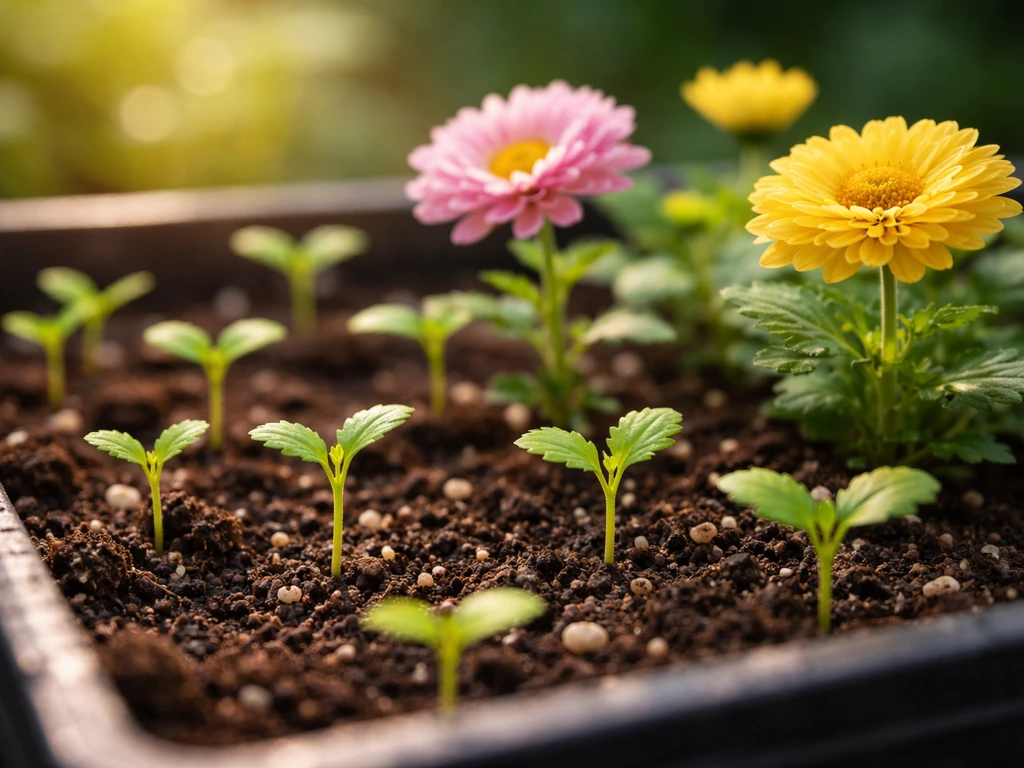
Wisteria seeds typically germinate within 1 to 2 months of sowing, given the right conditions. Getting a healthy seedling established takes another few months after that. But here is the part most people do not expect: a wisteria grown from seed can take anywhere from 10 to 20 years to produce its first flowers. That is not a typo. If blooms are your goal, seed-growing is a serious long game, and it helps to know exactly what you are signing up for before you start. Vinca grown from seed also takes time, so it helps to start with clear expectations about the timeline before you sow how long to grow vinca from seed.
How Long Does Wisteria Take to Grow From Seed?
Marcus Henley
7 May 2026
The full wisteria seed timeline at a glance
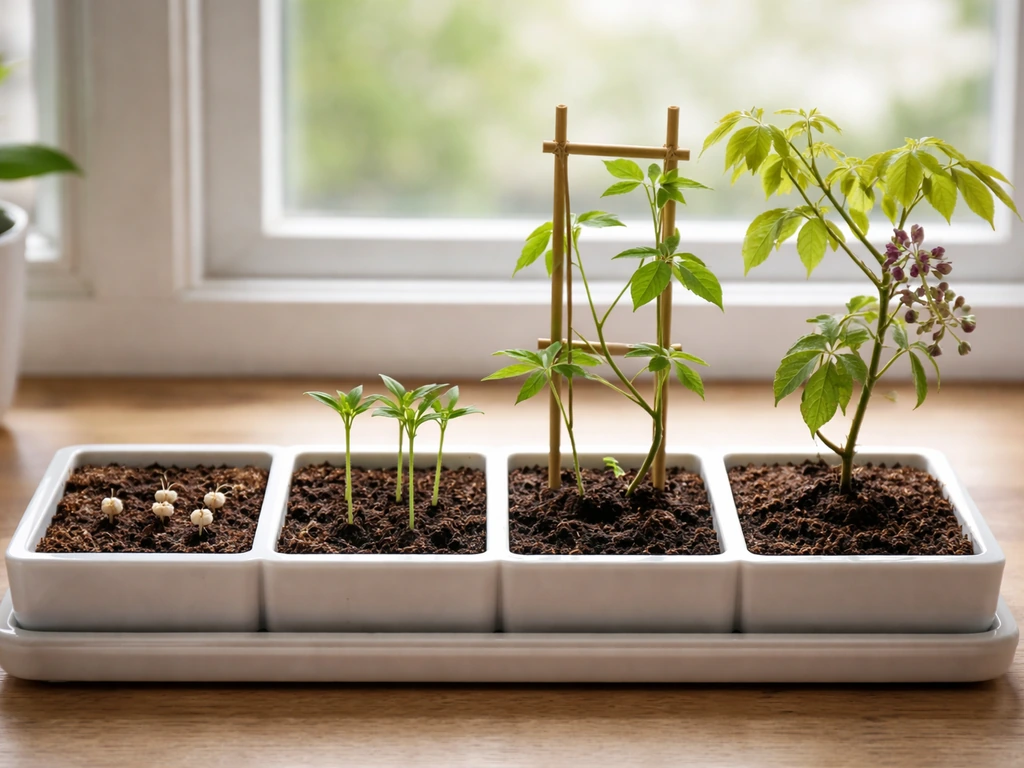
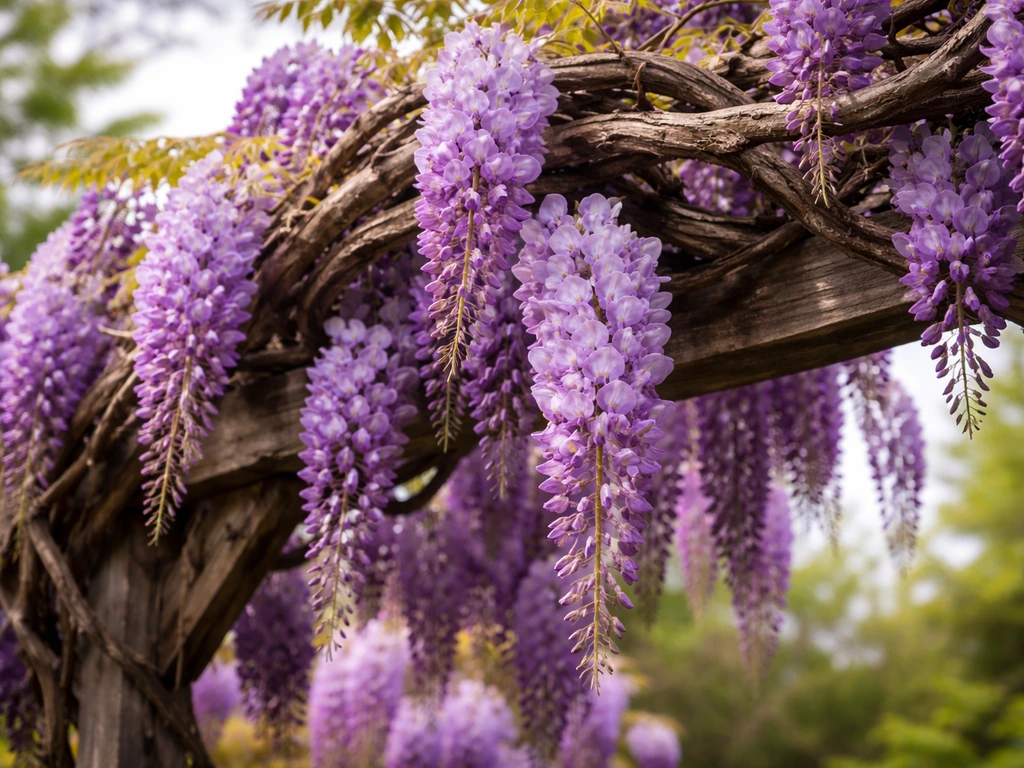
From the day you sow your seeds to the day you see that first dramatic cluster of blooms, here is what the realistic timeline looks like broken into stages.
| Stage | Typical Timeframe | What to Expect |
|---|---|---|
| Germination | 1 to 2 months | Seeds sprout after pre-treatment and warm, moist conditions |
| Seedling establishment | 2 to 4 months after germination | First true leaves appear, root system develops |
| Young vine growth | Year 1 to 3 | Rapid leafy vine growth, little to no flowering |
| First flowers (optimistic) | 10 to 15 years | Some plants in ideal conditions may bloom by year 10 |
| First flowers (realistic) | 15 to 20 years | Most seed-grown wisterias fall in this range per RHS guidance |
The germination window is the part you can actually influence with good technique. Everything after that is mostly about patience and providing the right growing environment year after year. Ohio State University notes that even transplanted wisteria (not seed-grown, but already a established cutting or grafted plant) often will not flower until 5 to 10 years after being moved. Starting from seed pushes that window out even further.
Does the species make a difference in how fast it grows?
Yes, and it is worth knowing which type you have before you set expectations. The three most commonly grown species behave a little differently when started from seed.
| Species | Origin | Vigor from Seed | Notes on Flowering Timeline |
|---|---|---|---|
| Wisteria sinensis (Chinese wisteria) | China | Very vigorous once established | One of the slowest to flower from seed; can exceed 20 years |
| Wisteria floribunda (Japanese wisteria) | Japan | Vigorous, slightly less rampant than Chinese | Similar long timeline; some growers report blooms closer to 10–15 years |
| Wisteria frutescens (American wisteria) | Eastern North America | More moderate growth rate | Generally considered faster to flower; better choice for impatient growers |
Wisteria floribunda seeds, like those sold by specialty seed suppliers, are typically pre-treated by soaking in water for 24 to 72 hours before sowing to help break the hard seed coat. American wisteria (W. frutescens) tends to be a bit more cooperative overall, both in terms of germination and in reaching flowering age sooner than its Asian relatives. If you are starting from seed today and want to see flowers in your lifetime without a very long wait, W. frutescens is the one to reach for.
Getting germination right: light, temperature, and stratification
Wisteria seeds have a tough, hard coat that naturally resists moisture absorption. That is the main reason germination can be slow or uneven if you skip pre-treatment. Here is what actually moves the needle.
Scarification: breaking the seed coat
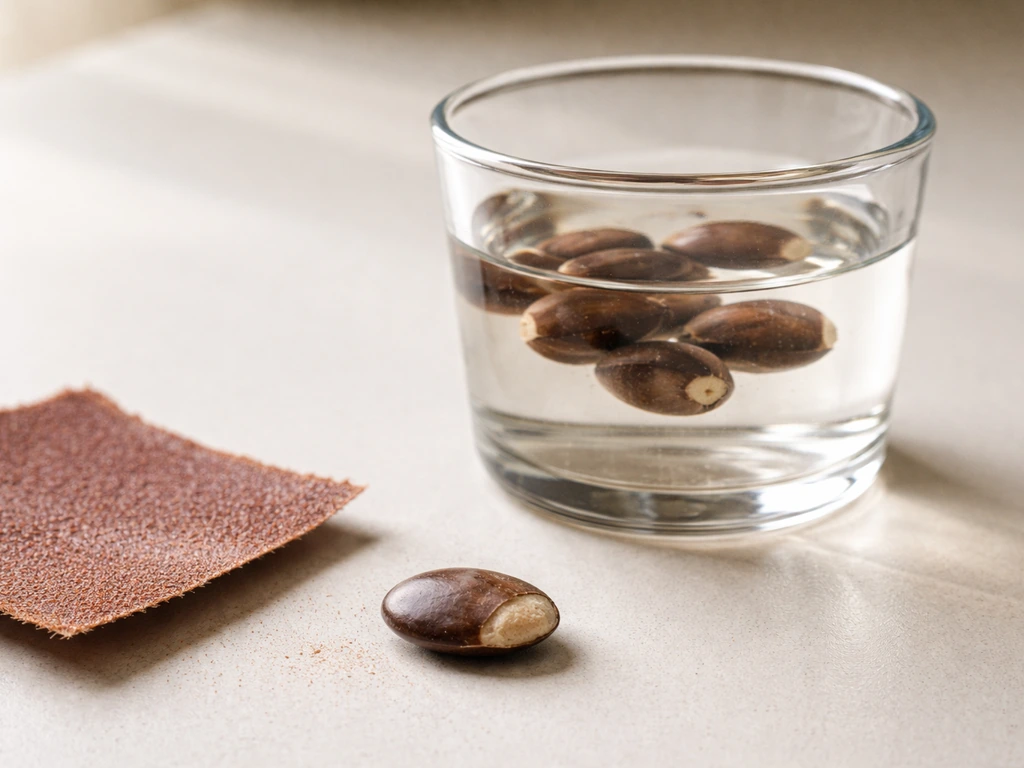
Before anything else, nick or lightly sand the seed coat (this is called scarification) and then soak seeds in warm water for 24 to 72 hours. You will often see the seeds swell visibly during the soak, which tells you moisture is getting in. Oklahoma State University Extension includes wisteria in guidance on dormancy-breaking approaches for ornamental plants with hard seed coats, and scarification is the first recommended step. Skip it and you are basically asking a waterproof seed to germinate, which is an uphill battle. UF/IFAS notes that hard, water-impervious seed coats may require scarification so the seeds can imbibe water and overcome physical dormancy Skip it and you are basically asking a waterproof seed to germinate, which is an uphill battle..
Cold stratification: do you need it?
This depends on the species. Asian wisteria (sinensis and floribunda) does not strictly require cold stratification the way many temperate tree seeds do, but American wisteria seeds can benefit from a cold, moist period of 4 to 6 weeks in the refrigerator before sowing. If you are unsure which species you have, a brief cold stratification period will not hurt anything and may improve germination rates.
Temperature and light after sowing
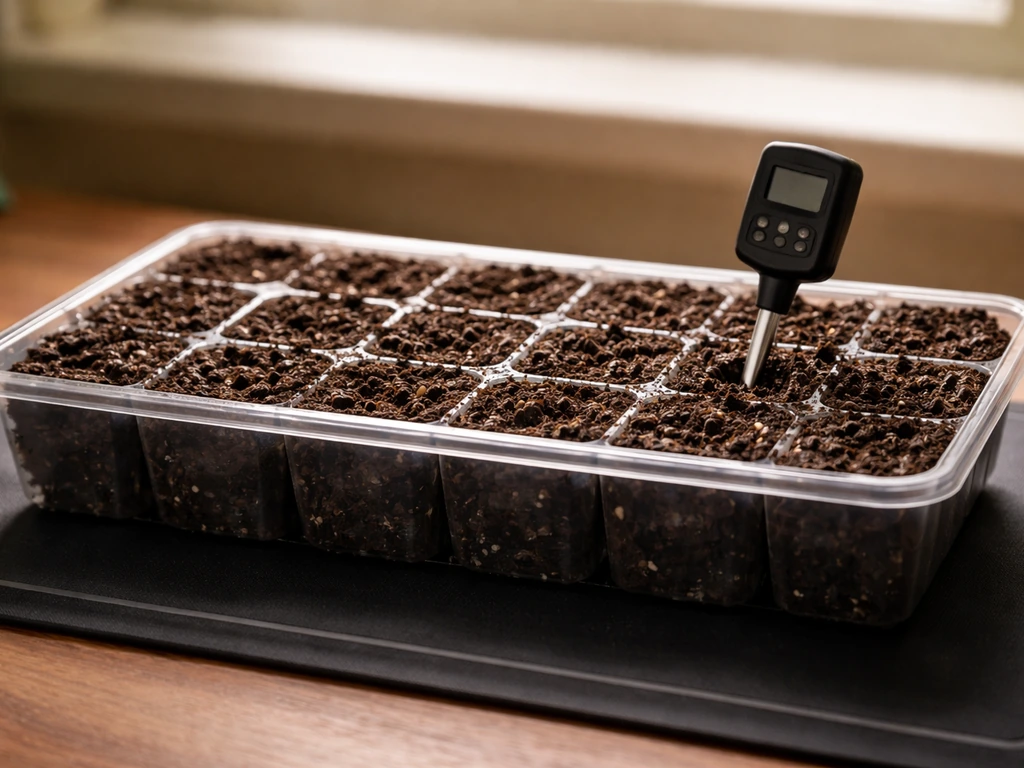
Wisteria seeds want warmth to germinate. Aim for a soil temperature of around 65 to 75 degrees Fahrenheit (18 to 24 Celsius). A heat mat under your seed tray is genuinely helpful here, especially if you are starting seeds indoors during cooler months. Once sown, place seeds about half an inch deep in a well-draining, moist potting mix. Keep the mix consistently moist but not waterlogged. Direct sunlight is not needed during germination, but once seedlings emerge, move them somewhere bright since wisteria is a full-sun plant and weak light will produce weak, stretched seedlings.
From seedling to flowering vine: what the years actually look like
Once your seeds sprout, you will get a deceptively fast-growing vine in the first couple of years. New growth can shoot up dramatically in a single season, which tricks some growers into thinking flowers are just around the corner. They are not. During the juvenile phase, which can last the better part of a decade, the plant is putting all of its energy into building roots and stems. That is not wasted time from the plant's perspective, but it can feel like it from yours.
In years one through three, focus on getting the seedling into the ground or a large container, establishing a strong support structure, and providing consistent water and a low-nitrogen fertilizer. High nitrogen feeds lush leaf growth but actually delays flowering, so resist the urge to overfeed. By years four through eight you will have a substantial vine that looks like it should be blooming any day now. It probably will not be. Somewhere between year 10 and year 15 (and sometimes as late as year 20, per the RHS), the plant matures enough to flower, usually triggered by root stress, drought, or just finally reaching reproductive maturity. Malabar spinach is much faster than wisteria, with many gardeners harvesting leaves within a few weeks after sowing.
- Years 1 to 3: Rapid vine growth, no flowers expected, focus on structure and root development
- Years 4 to 8: Established vine, still in juvenile phase, occasional gardeners report early blooms but it is not common
- Years 10 to 15: Realistic window for first flowers in well-grown specimens
- Years 15 to 20+: More typical for seed-grown plants, especially Chinese wisteria
One thing that helps: once the vine is mature, you can encourage blooming by root-pruning (cutting into the roots around the plant with a spade in late summer) or by hard-pruning shoots twice a year. These stress-based techniques can nudge a reluctant vine into flowering a little sooner.
Why your seeds might not be sprouting (and what to do about it)
If you are past the two-month mark and seeing nothing, here are the most common culprits and what to try next.
- Hard seed coat not broken: If you skipped scarification or did not soak long enough, retry with fresh seeds. Nick the coat with a file or sandpaper before soaking.
- Soil too cold: Check your soil temperature. Below 60 degrees Fahrenheit and germination stalls. Use a heat mat if needed.
- Overwatering: A soggy mix invites rot. The soil should feel like a wrung-out sponge, moist but not saturated.
- Old or poor-quality seeds: Wisteria seeds do not store well for long periods. Use seeds from the current season or a reputable supplier whenever possible.
- Wrong stratification applied: If you cold-stratified Asian wisteria for an extended period without scarifying first, the hard coat may have prevented moisture absorption even in the cold period. Try scarification first next time.
- Planting too deep: Half an inch is plenty. Seeds planted an inch or more deep can exhaust their energy reserves before breaking the surface.
Stunted seedlings after germination are usually a light or nutrition issue. Wisteria seedlings need a lot of bright light once they emerge. If they are pale, stretchy, and flopping over, move them closer to a grow light or window. Leggy seedlings rarely catch up properly and will be weaker plants long-term, so address this early.
How to plan your planting schedule (and set realistic expectations)
The best time to start wisteria seeds indoors is late winter to early spring, roughly 6 to 8 weeks before your last expected frost date. That gives seedlings time to grow indoors before being hardened off and transplanted outside when temperatures are reliably warm. In the Northern Hemisphere, that typically means starting seeds in February or March for a May or June outdoor transition.
If you are sowing today in May 2026, you can still start seeds now, especially if you are in a warm climate. Germination will be fast in warm indoor conditions, and you will have a seedling ready to go outside into a sheltered spot before summer heat peaks. Just plan to overwinter the young plant carefully in its first season.
Here is the honest conversation worth having with yourself before you commit: if you want wisteria flowers in the next five years, grow from cuttings or buy a grafted plant from a nursery, not from seed. Seed-grown wisteria is a project for patient gardeners who enjoy the growing process itself, or who are planting a legacy garden. If that is you, starting from seed is genuinely rewarding and lets you grow exactly the species you want from scratch.
- Scarify and soak your seeds for 24 to 72 hours before planting
- Sow into a warm, moist, well-draining mix at about half an inch deep
- Keep soil temperature between 65 and 75 degrees Fahrenheit using a heat mat if needed
- Check for sprouts from week 4 onward; do not give up until the 8-week mark
- Once seedlings emerge, give them maximum light immediately
- Transplant outside after your last frost, into a full-sun location with sturdy support
- Feed with low-nitrogen fertilizer and water consistently through the first two seasons
- Plan to wait 10 to 20 years for flowers, and enjoy the vine itself in the meantime
Wisteria is one of the most spectacular plants you can grow, but it demands your patience more than almost anything else in the garden. According to blank" rel="noopener noreferrer">the RHS Plant Guide, wisteria is a vigorous climber, so establishing it well from the start helps you frame its long-term growth expectations. If you are also growing other flowering plants from seed this season, things like verbena, violas, or vinca will give you blooms in a single season and can help keep your garden colorful while your wisteria spends the next decade becoming something truly magnificent.
FAQ
If germination happens in 1 to 2 months, why does flowering take 10 to 20 years from seed?
Because fast sprouting only covers the start of growth. Wisteria spends a long juvenile period building roots, stems, and vine structure before it has the maturity to form flower buds, and that maturity is not accelerated much by good germination alone.
How can I tell whether my wisteria seedlings are on track during the first year?
Look for sturdy growth that supports itself and deep green leaves, not pale, stretched stems. Also aim for a well-developed root mass before your first winter, meaning the plant should be actively growing and not stalled from poor light, cold, or staying too wet.
Should I grow wisteria from seed indoors the whole time or transplant it early?
You should plan on transitioning to a permanent container or the ground once the seedling is strong enough, typically in its first growing season. Keeping it indoors too long can lead to weak light-driven growth, and wisteria usually needs outdoor conditions to develop hardiness and a strong structure.
Do wisteria seeds need cold stratification, and will skipping it slow everything down?
It depends on the species. American wisteria can benefit from a 4 to 6 week cold, moist period, while Asian types may not strictly require it. If you are unsure, a short cold stratification is usually a safe bet, but it will not fix the long wait for flowering.
Will a heat mat and warmer soil make wisteria flower sooner?
Warm soil mainly improves germination speed and uniformity, not flowering age. Even with quick germination, the plant still needs years to reach reproductive maturity, so the best use of warmth is consistent early establishment.
My seedlings look leggy, should I repot or just add more light?
Add more light first, because leggy growth is usually caused by insufficient brightness rather than a container problem. If the seedlings are root-bound, waterlogged, or sitting in dense mix that stays wet, then repot into a well-draining potting mix with good drainage.
How much fertilizer is safe if I want a strong vine without delaying blooms?
Use low-nitrogen fertilizer and avoid frequent heavy feeding. A practical approach is to feed lightly during active growth, then back off if you see lush leaves with minimal structural thickening, because excess nitrogen is a common reason people keep waiting for flowers.
What is root-pruning, and when is it actually appropriate for seed-grown wisteria?
Root-pruning is a stress technique used on more mature vines, typically in late summer, not on tiny seedlings. Doing it too early can set the plant back when it should be investing in establishment, so only consider it once you have a well-established vine and active growth.
If my wisteria still has not flowered after 8 years, is there anything I can check before assuming it is doomed?
Yes. Confirm you have enough sunlight overall (wisteria needs full sun), check that you are not over-fertilizing with high nitrogen, and ensure the plant is not repeatedly being moved or disturbed. Also verify the variety, because some types naturally reach flowering later than others.
Can I speed up flowering by training the vine differently or changing the support?
Training affects how quickly you build a strong framework, but it usually does not remove the juvenile phase. That said, giving a sturdy support and consistent training to develop thick arms can help the plant reach a blooming-capable size sooner within its normal timeline.
Are there any signs my wisteria is actually a species I should not expect to flower soon?
If you started from seed, species identity matters. American wisteria generally reaches flowering sooner than many Asian seed-grown types, so if your plants resemble Asian wisteria traits and you only planted seeds, you should still plan for a longer wait and focus on establishment.
If I want blooms in the next five years, what is the most reliable option?
Use a grafted or nursery-started plant from a variety known to flower, or grow from cuttings from a flowering-capable parent. Seed-grown plants can be rewarding, but they are the least reliable path to quick blooms.
Next Article
How Long Does It Take to Grow Chrysanthemums from Seeds
Timeline for growing mums from seeds: sowing to germination, transplant readiness, flowering and maturity, plus key vari