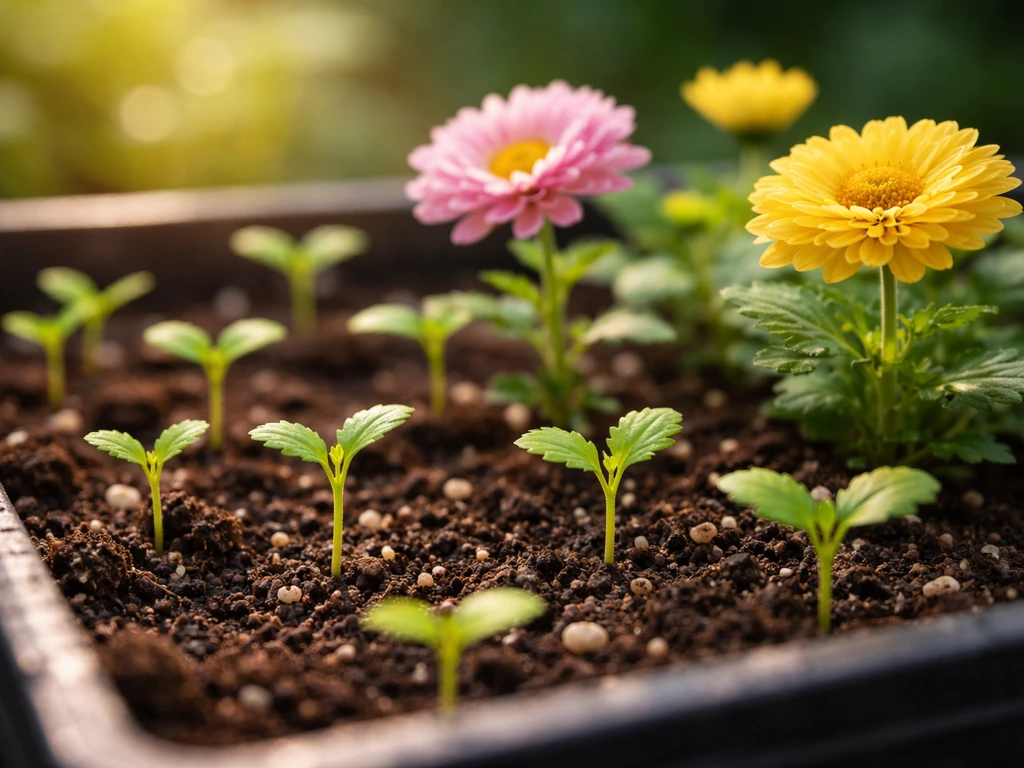
Growing elderberry from seed takes patience: expect 1 to 3 months just to get germination, then 2 to 3 years before the plant is large enough to flower, and possibly 3 to 4 years before you see meaningful fruit. The biggest reason people are caught off guard is elderberry seed dormancy. Without the right pretreatment, those seeds can sit in the soil for an entire season and do absolutely nothing. Get the stratification right, though, and you can have seedlings up and growing in a single season, with flowering plants in hand within a few years.
How Long Does It Take to Grow Elderberry From Seed?
Marcus Henley
24 Apr 2026
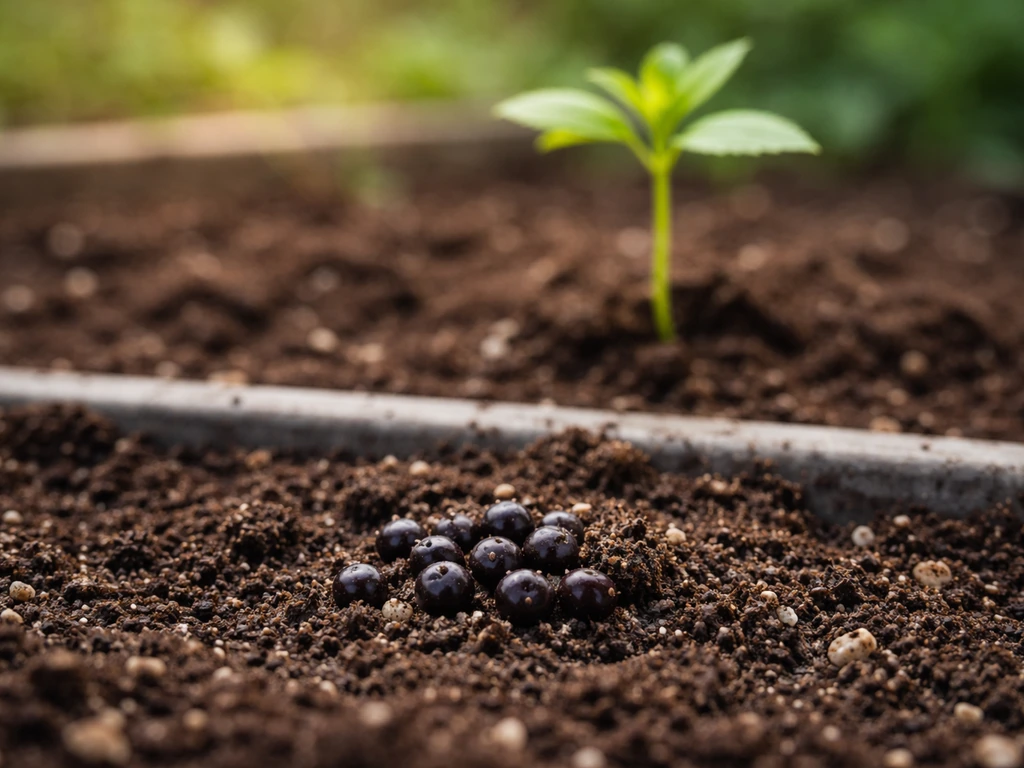
The full elderberry seed timeline at a glance
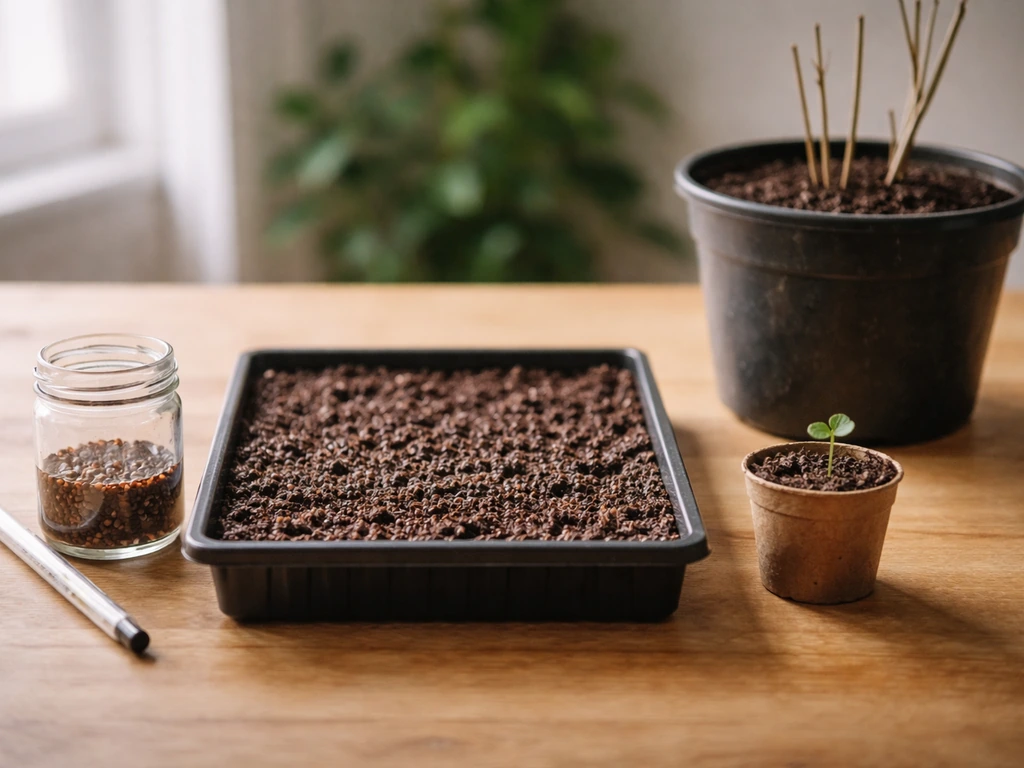
Before diving into the specifics, here is a realistic stage-by-stage breakdown of what you are signing up for when you choose to grow elderberry from seed. Every stage has a range because elderberry is genuinely variable depending on species, seed source, stratification quality, and your conditions.
| Stage | Typical Time Range | Notes |
|---|---|---|
| Stratification (pretreatment) | 60–90 days (cold moist), sometimes warm + cold | The non-negotiable step most people skip |
| Germination after sowing | 2–8 weeks | Faster with fresh seed and proper pretreatment |
| Seedling establishment | First growing season (3–5 months) | Slow early growth; expect 6–12 inches in year one |
| Transplant-ready size | End of year 1 or early year 2 | Depends on species and care |
| First flowers | Year 2–3 from sowing | Often year 3 when grown from seed |
| Meaningful fruit production | Year 3–4 from sowing | Cross-pollination from a second plant helps |
Compare this to something like lupine or allium, which can flower in their first or second season from seed, and elderberry starts to look like a long game. For a faster timeline than elderberry, check how long does it take to grow lupine from seed, because lupine is often much quicker to start than long-dormant shrubs lupine or allium. It is, but the payoff (a productive, wildlife-friendly native shrub) is absolutely worth it.
Dormancy and stratification: the step you cannot skip
Elderberry seed has what plant scientists call morphophysiological dormancy. That is a mouthful, but it basically means the seed needs specific environmental cues before it will germinate, and a simple cold-moist stratification alone may not always be enough depending on the species and seed lot. This is why Prairie Moon Nursery assigns Sambucus canadensis a special germination code indicating pretreatment requirements beyond a standard fridge treatment.
Here is what the research actually shows. The USDA Forest Service seed literature reports that dried elderberry seeds can achieve good germination after warm stratification for 60 to 90 days, and that some seed lots responded best to a sequence of acid scarification, water soaking, and then both warm and cold stratification phases. Red elderberry (Sambucus racemosa) has been shown to reach nearly 100% germination from fresh seed that was simply overwintered in an unheated greenhouse, essentially mimicking natural conditions. The takeaway: fresh seed handled correctly can be surprisingly reliable, while old or dried seed may need more coaxing.
Cold stratification: the most practical approach for home growers
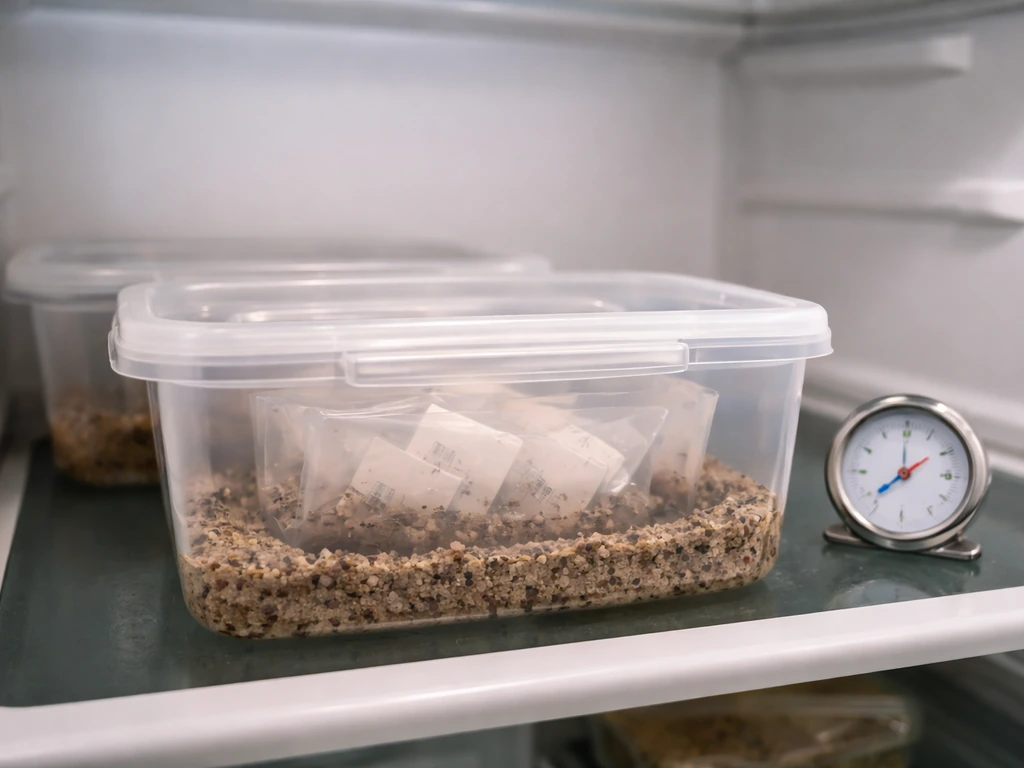
For most home growers working with dried or purchased seed, cold moist stratification in the fridge is the most practical starting point. The target is 33 to 40°F for 60 to 90 days with the seed kept in a moist (not soggy) medium. A sealed plastic bag with damp sand or peat works perfectly. Label it with the date and check it every two weeks for mold or drying out.
- Mix seeds into slightly damp sand, perlite, or peat moss in a zip-lock bag
- Seal and label with today's date and the target end date (60–90 days out)
- Store in the main compartment of your fridge at 33–40°F, not the freezer
- Check every 2 weeks: the medium should feel like a wrung-out sponge
- Watch for early sprouting near the end of the stratification period — sow immediately if you see radicles emerging
When to consider warm stratification first
If you have freshly harvested elderberry seeds or seeds from a source you know are very fresh, consider a warm stratification phase first: 60 to 90 days at around 68 to 72°F (room temperature) in a moist medium, followed immediately by the cold stratification phase. This warm-then-cold sequence mimics what happens naturally when seed falls in late summer, sits in warm soil through autumn, then experiences winter. It can dramatically improve germination rates on seed lots that are stubborn with cold stratification alone.
Sowing specifics: timing, depth, medium, and moisture
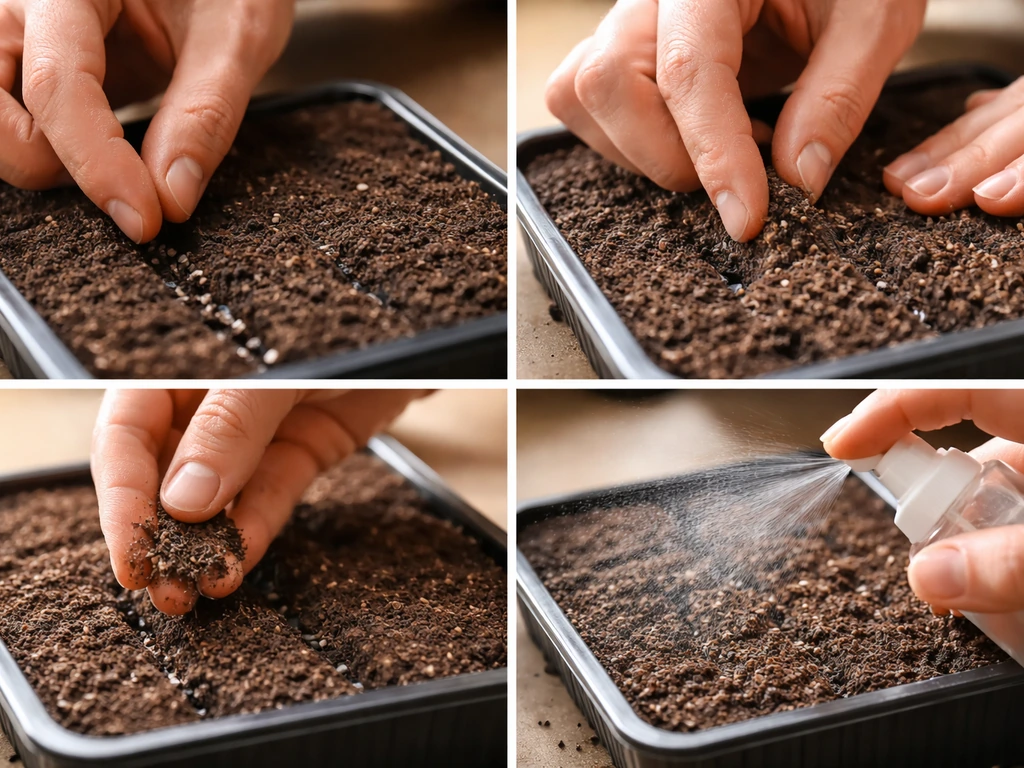
Once your stratification period is up, you are ready to sow. Timing matters here. If you started cold stratification in late November or December, you should be finishing up in February or March, which lines up nicely with indoor sowing before the last frost. If you are in the Northern Hemisphere starting stratification today (late April), your cold period will wrap up in July or August, at which point you can sow into a cold frame or protected outdoor bed for late-season establishment.
- Sowing depth: cover seeds lightly with 1/8 to 1/4 inch of medium — elderberry needs some darkness to germinate but should not be buried deeply
- Medium: a well-draining seed-starting mix or a blend of peat and perlite works well; avoid heavy garden soil which can crust over and inhibit emergence
- Moisture: keep the medium consistently moist but never waterlogged — a humidity dome or plastic wrap over the tray helps during germination
- Light: once seedlings emerge, move to bright indirect light or under grow lights 14 to 16 hours a day; seeds can germinate in low light but seedlings need strong light immediately
- Temperature: 65–72°F is the sweet spot for post-stratification germination indoors
One thing I always do: sow a few extra seeds per cell because elderberry germination, even with good pretreatment, is rarely uniform. You might get 40% germination in the first two weeks and a few stragglers over the following month. Having backup seeds in the same tray saves you from ending up with half-empty flats.
What to expect from germination through early seedling growth
After sowing a properly stratified seed, you can expect the first sprouts to appear in 2 to 4 weeks under good conditions. Without adequate pretreatment, you might wait 6 to 8 weeks or see very spotty, unreliable germination. Growing allium from seed also takes patience, but the timeline is typically shorter than elderberry and mainly depends on temperature and light how long does it take to grow allium from seed. The seedlings themselves are delicate at first: two small, oval cotyledons followed by the first true leaves, which are the beginning of the distinctive compound elderberry leaf structure.
Early growth is genuinely slow. In the first growing season, elderberry seedlings typically reach 6 to 18 inches tall depending on species and conditions. Sambucus canadensis tends to be a more vigorous grower than some ornamental or red elderberry species. Do not be alarmed if your seedlings look small compared to transplants purchased at a nursery, they are putting energy into root development first, which is a good thing for long-term plant health.
By the end of the first growing season, you should have a recognizable elderberry plant with several compound leaves and a woody base just beginning to develop. Keep them in a sheltered spot or cold frame through the first winter if you are in a cold climate, since first-year seedlings can be more frost-sensitive than established plants.
How many years until your elderberry actually flowers
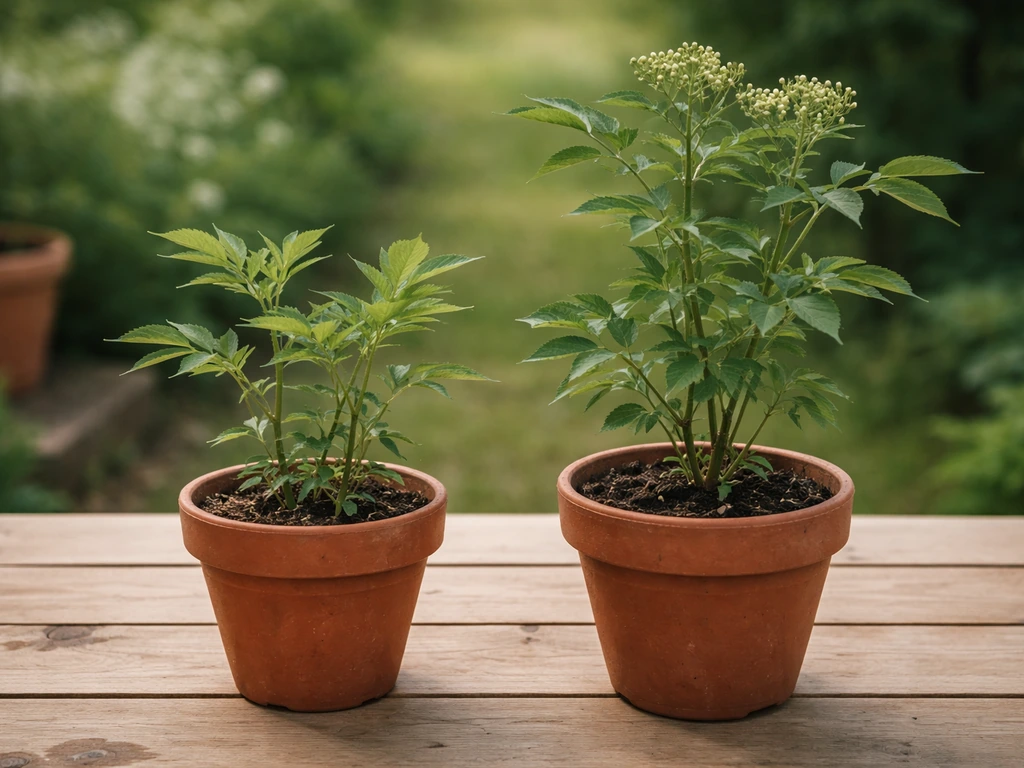
This is the question everyone really wants answered. From seed, most elderberry plants will not flower until their second or third year, and fruiting in any meaningful quantity usually starts in year three or four. Year two plants can sometimes throw a few flower clusters if they had strong first-season growth and ideal conditions, but you should not count on it. Plan for year three as your first real bloom year and year four as the first year you might harvest a notable berry crop.
Compare this to growing elderberry from cuttings or buying established nursery stock: a rooted cutting can flower in its first or second growing season, and a two-year nursery transplant may fruit within a season or two of planting. If getting fruit quickly is the priority, cuttings win every time. But if you are interested in growing from seed for cost reasons, for growing specific wild-collected genotypes, or simply because the process appeals to you, seed is completely viable. You just need to adjust your timeline expectations. Anthuriums grown from seed generally take a long time as well, so plan on patience for both germination and flowering adjust your timeline expectations.
Also worth knowing: elderberry generally produces better fruit when cross-pollinated by a second plant of a different variety. If you are growing multiple seedlings (which you likely will be, given that you are starting from seed), this actually works in your favor. Plant two or more seedlings within 50 to 60 feet of each other for the best fruit set.
When germination is slow or failing: what to check
Elderberry is one of those plants where failed germination almost always traces back to one of a handful of fixable problems. Before you assume your seeds are dead, work through this checklist.
- Stratification was too short: 60–90 days is the minimum; if you pulled seeds at 45 days, extend the period and try again
- Fridge was too warm: many modern fridges run at 38–42°F but check yours with a thermometer — anything above 45°F is not effective stratification
- Seeds dried out during stratification: a medium that dried out during the fridge period can cause the seed to lose viability or reset dormancy
- Seeds are old: elderberry seed viability drops significantly after 1–2 years of storage, even under good conditions; always ask about seed age when purchasing
- Sowing medium stayed too wet: waterlogged soil causes seed rot before germination — check that drainage holes are open and the medium feels damp, not saturated
- Temperature too low after sowing: if your germination area is below 60°F, move the tray somewhere warmer or use a seedling heat mat set to 68–72°F
- No warm stratification phase for fresh seed: if seeds are freshly harvested and you went straight to cold, they may need warm stratification first — try the warm-then-cold sequence on a second batch
If you have waited 8 weeks after sowing with no sign of germination, do the float test on a few seeds: drop them in water and see if they sink (viable) or float (likely empty or dead). If a large percentage float, the seed lot itself may have low viability and the best move is sourcing fresh seed. Slow germination that trickles in over weeks is normal for elderberry; zero germination after two months is a signal to troubleshoot the conditions or the seed source.
Your practical schedule based on today's date
It is late April 2026 right now, which means your planting calendar looks like this if you are starting from scratch today. You have missed the window for a spring indoor sow (which would have needed stratification started back in November or December), but you have a completely viable path to get seedlings established this calendar year using the late-season sowing approach.
- Today (late April): Source fresh elderberry seed if possible. Start warm stratification now (room temperature, damp medium in a sealed bag) for 60–90 days if seeds are fresh/dried. If you have access to freshly harvested seed, you can skip warm stratification and go straight to cold.
- Late June to late July: Transition seeds to cold stratification in the fridge at 33–40°F for 60–90 days. Label the bag with a start date and a target pull date.
- Late August to early October: Sow stratified seeds into trays indoors or in a cold frame. Keep at 65–72°F and consistently moist.
- October to November: Germination should begin 2–4 weeks after sowing if pretreatment was successful. Grow seedlings under bright light or grow lights.
- First winter (2026–2027): Overwinter seedlings in a cold frame, unheated garage, or protected spot. Water sparingly; let them go partially dormant.
- Spring 2027: Move seedlings outdoors to harden off, then plant out after last frost. This is now their first real growing season in the ground.
- 2028 (year 2 in ground): Watch for possible first flower clusters. Do not be disappointed if none appear — it is still early.
- 2029 (year 3 in ground): Expect first meaningful flowering and possibly your first berry harvest.
If this timeline feels long, remember that a well-grown elderberry plant can live for decades and become extremely productive once established. The patience required upfront pays dividends for years. And if you want to hedge your bets while waiting on your seed-grown plants, take hardwood cuttings from a friend's or neighbor's elderberry this coming winter, rooted cuttings can be producing alongside your seed-grown plants by the time the seedlings are ready to flower, giving you the best of both approaches.
Growing from seed is slower than most ornamentals and perennials, somewhat comparable to growing something like hellebores or azaleas from seed, both of which also require years before they bloom. Iris grown from seed usually takes a few years before it flowers, so planning ahead helps. Hellebores also take patience from seed, often requiring a few years before you see consistent flowering hellebores from seed.
Azaleas from seed also take a long time, so you’ll want to plan for years before you see reliable flowering. Iris grown from seed typically takes several years before you see reliable blooms, so plan for a long timeline similar to other slow-to-flower perennials hellebore. But elderberry has the advantage of being a vigorous native shrub once it hits its stride, and once it does, it tends to take off fast.
FAQ
If germination happens in one season, does that automatically mean I will get berries in year three?
Not necessarily. Germination only starts the clock for seedling establishment, but flowering and fruiting depend on how much woody growth the plant makes in its first two seasons. A seedling that stays small due to shade, drought stress, or poor drainage may take closer to year four even if it sprouted early.
Do fresh elderberry seeds always grow faster than dried seed?
Fresh seed often performs better, and some lots can germinate very reliably after natural overwintering, but “faster” still depends on dormancy depth and handling. If you do not keep fresh seed consistently moist before stratification, viability can drop quickly and you may not see the same acceleration.
Can I speed things up by sowing directly outdoors instead of stratifying in the fridge?
Sometimes, but it is riskier because elderberry can remain dormant through a full season without the right cues. If you try direct sowing, plan for little or no emergence until the following year, and keep the area marked so you do not accidentally disturb the dormant seeds.
How long should I keep stratified seeds before I give up?
If they have been stratified within a reasonable range (about 60 to 90 days in your cold phase or warm-then-cold sequence), continue monitoring for sprouts for several additional weeks after sowing. Elderberry can show up unevenly, but if you see absolutely nothing after about two months under good moisture and light, then it is time to troubleshoot and test viability.
What is the most common mistake during stratification that causes failure?
Overwatering or letting the medium go soggy. This can encourage mold and reduce oxygen around the seed, leading to poor germination even when temperature is correct. Aim for a medium that clumps when squeezed, then releases moisture slowly, and check every couple of weeks as you already planned.
Should I stratify the seeds in the refrigerator or is a cold outdoor spot okay?
A controlled refrigerator is usually more consistent because you get stable temperatures and less temperature cycling. An outdoor cold spot can work if temperatures stay reliably cold and moisture is maintained, but fluctuations can prematurely end dormancy for some lots, or delay it for others.
Do I need to start elderberry seeds indoors, or can I sow them right after stratification outdoors?
You can sow outdoors after stratification ends, but timing matters. If you finish stratification near summer, a cold frame or protected bed helps seedlings establish before cold weather. If you finish near late winter, indoor sowing can give you a head start on root growth before transplanting.
How much space should I leave between seedlings once they sprout?
Give seedlings enough room to avoid competition for light and airflow, which helps prevent damping off. Even if the article suggests sowing extra seeds per cell, once you thin, keep the healthiest seedlings separated enough that leaves are not constantly touching.
Will all elderberry seedlings flower at the same time?
No. Seed-grown plants are genetically variable, so even siblings can differ in vigor and flowering time. Some may throw a small cluster in year two under ideal conditions, but plan your expectations around year three for the first reliable blooms.
If I plant multiple seedlings for cross-pollination, how do I avoid wasting space?
Plant more than one, but do not plant everything forever. Keep several in the first years for fruiting trials, then thin once you identify the most productive genotypes. That way you still get cross-pollination benefits without committing to every seedling.
What should I do if my seedlings are alive but look tiny after the first season?
Treat it as normal “root-building” growth unless you also see signs like yellowing leaves or persistent wilting. Focus on consistent moisture, protection from harsh frost or drying winds, and adequate sunlight the following spring. Healthy but small seedlings often catch up in the second season.
Is it better to grow from seed or cuttings if I want fruit quickly?
If speed is the priority, cuttings usually win because rooted material can flower sooner and may produce earlier. A practical compromise is growing from seed for long-term diversity, while also rooting a few cuttings so you can harvest earlier while waiting for the seed-grown plants to mature.
Next Article
How Long Does It Take to Grow Chrysanthemums from Seeds
Timeline for growing mums from seeds: sowing to germination, transplant readiness, flowering and maturity, plus key vari