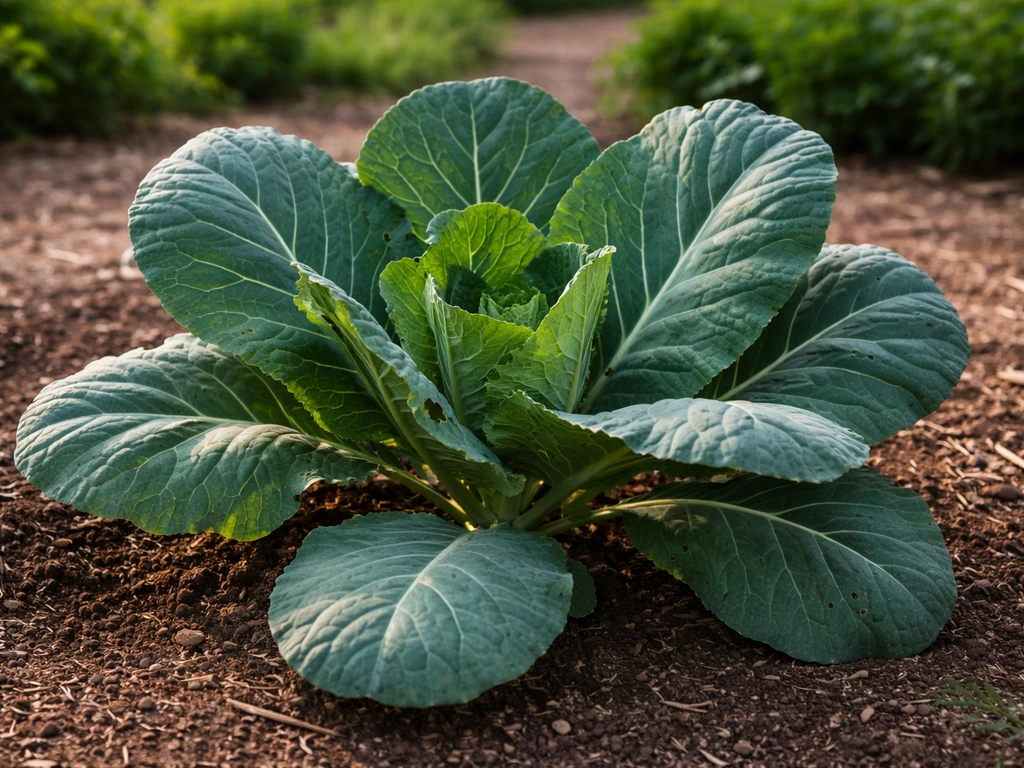
Columbine takes about 3 to 4 weeks to germinate from seed under good conditions, and most gardeners can expect their first flowers somewhere between 12 and 18 months after sowing, often in the plant's second spring. That timeline is why people often ask how long the seed of memories takes to grow before they see results. If you are also growing collards, you may be wondering how long to grow collards from seed and when you should expect usable leaves. That said, some modern hybrid series can be pushed to bloom in their first season if you start them early indoors, give them a proper cold period, and get the timing right. Native species like Aquilegia canadensis are slower and almost always wait until year two.
How Long to Grow Columbine From Seed: Timeline and Tips
Marcus Henley
2 May 2026
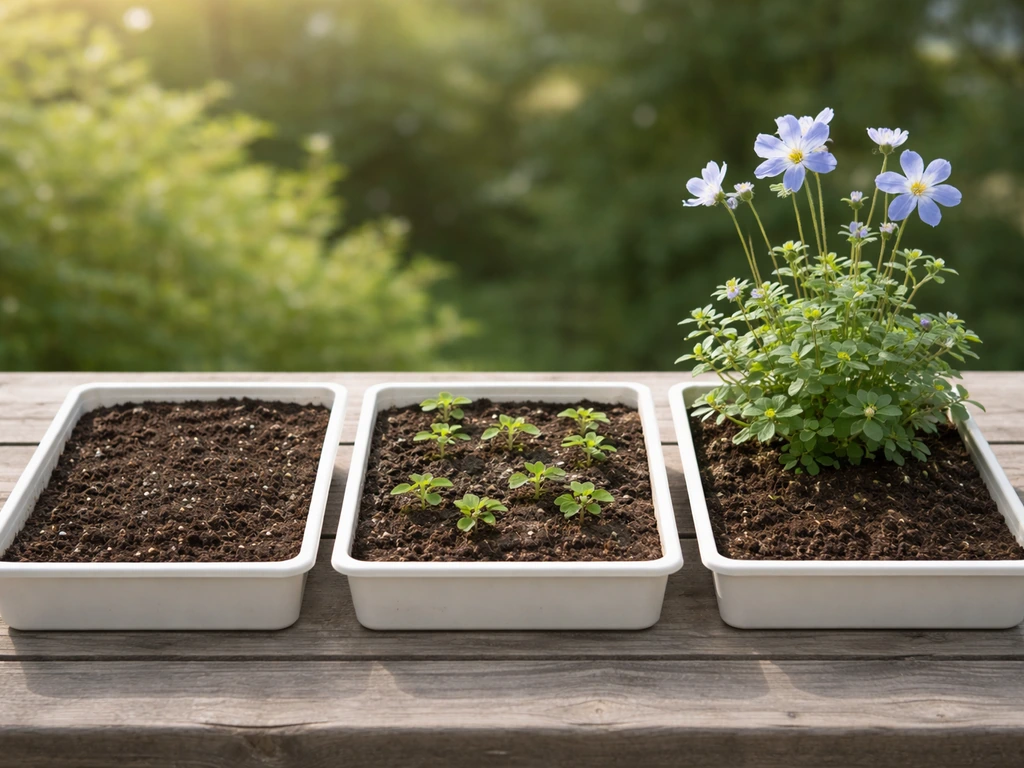
The full timeline from seed to first bloom
Here is the realistic arc of what you are looking at when you grow columbine from seed, broken into stages.
| Stage | Typical timeframe | Notes |
|---|---|---|
| Stratification (if needed) | 60 days cold/moist | Required for native species; optional for many modern hybrids |
| Germination after sowing | 7–35 days | Hybrids: 7–28 days at 68–75°F; native/wild species: 21–35 days at 60–70°F |
| Seedling establishment (cotyledons to true leaves) | 3–5 weeks | Slow but steady; keep moisture consistent |
| Transplant-ready size (indoors to garden) | 8–10 weeks after sowing | When roots fill the cell and nights are frost-free |
| Vegetative growth outdoors, first season | Spring through fall | Plants focus on roots and foliage, rarely bloom |
| First blooms | Second spring (12–18 months from seed) | First-season blooms possible with early indoor start + vernalization |
The single biggest surprise for new columbine growers is that second-year flowering. You plant seeds in spring, nurse healthy little plants all summer, and then... nothing happens bloom-wise that first year. This is totally normal. Both the USDA and experienced growers confirm that Aquilegia canadensis will not bloom in its first growing season, and the same is true for many garden hybrid columbines started from seed in a typical outdoor schedule. The plant needs to hit a certain size and go through a cold period (vernalization) before it will flower. Once that happens, expect blooms about 3–4 weeks after the plant comes out of dormancy in spring.
What changes the timing
Species and cultivar
This is the biggest variable. Modern F1 hybrid series like Aquilegia hybrida 'Spring Magic' or the 'Winky Double Series' have been bred for faster, more predictable germination. Ball Seed lists 7–12 days to germination for the Winky Double Series under controlled conditions. Ball Seed lists days to germinate as 7, 12 and indicates light cover for the Aquilegia Winky Double Series blank" rel="noopener noreferrer">7–12 days to germination for the Winky Double Series. Benary's Spring Magic shows radicle emergence in 7–10 days at 68–72°F in production. These hybrids can also be vernalized as plugs to push first-year flowering, which is a trick commercial growers use but that home gardeners can replicate with some planning. Wild or straight species like Aquilegia canadensis or Aquilegia caerulea are a different story. They often need 60 days of cold moist stratification before they will even attempt to germinate, and they reliably bloom in year two.
Seed freshness
Old columbine seed is one of the most common reasons people get zero germination. Columbine seed has a relatively short shelf life. If you are working with seed that is more than a year old and was stored in a warm place, your germination rates will be disappointing or nonexistent. Always use fresh seed if you can, and store any leftovers in a sealed container in the fridge.
Stratification requirements
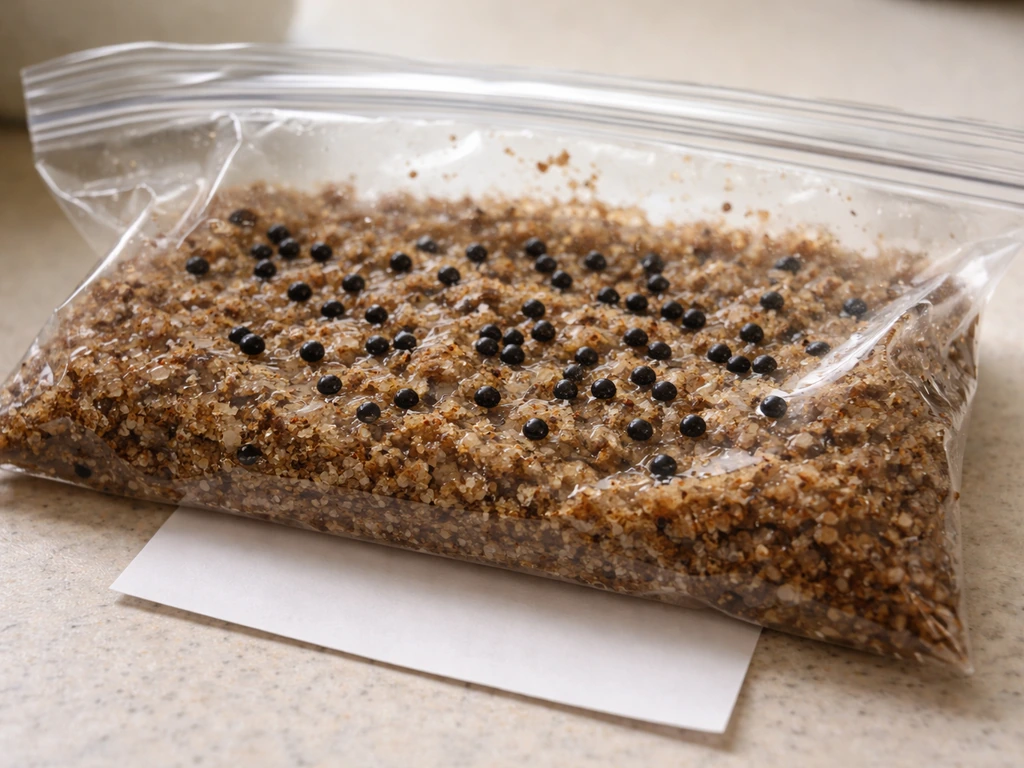
Many columbine seeds need a cold, moist period to break dormancy. The Wisconsin Horticulture extension guide for Eastern red columbine (Aquilegia canadensis) notes that if you start seeds indoors, they need cold moist stratification for a few weeks to break dormancy. For Aquilegia canadensis, Jenkins Arboretum specifies 60 days of cold moist stratification (CMS): mix the seeds with moist sand, perlite, or vermiculite in a zip-close bag, and refrigerate at around 40°F for two months. Without this step, germination may be erratic or completely fail. Some seed sources note that certain columbine species from specific origins can have a more complex double dormancy requiring a warm period followed by a cold period, so always check the packet or species notes for the variety you are growing.
Temperature and light during germination
Columbine seed needs light to germinate well. Surface sow or barely cover the seed, and do not bury it. Temperature targets differ slightly by source: Johnny's recommends 70–75°F for hybrid germination, while Victory Seed reports germination beginning when soil temperatures reach 60–70°F for Aquilegia vulgaris. Native species tend to prefer the cooler end of that range. Keep a consistent temperature and do not let the medium dry out, since moisture interruptions reset the clock.
Indoor sowing vs. outdoor sowing
You have a few realistic options depending on your goals and your local last frost date.
| Approach | When to start | Best for | Expected bloom |
|---|---|---|---|
| Indoor sowing (hybrids) | 8–10 weeks before last frost | First-season flowering with vernalization; reliable germination control | Same season possible if vernalized as seedling |
| Indoor sowing (native species) | After 60-day stratification in fridge | Aquilegia canadensis and other wild species | Second spring |
| Direct sow outdoors in fall | 4–6 weeks before hard freeze | All species; seeds overwinter and stratify naturally | Second spring |
| Direct sow outdoors in spring | After last frost when soil reaches 60°F | Hybrid cultivars; quickest setup | Second spring (first season for established hybrids is possible but unlikely) |
Fall direct sowing is underrated for columbine. You scatter the seed on prepared soil in September or October, let winter do the stratification work for you, and seedlings emerge the following spring right on schedule. It is the laziest method and it works beautifully for native species. For hybrids where you want to chase first-year blooms, starting indoors 8–10 weeks before your last frost and then vernalizing the seedlings is the more reliable path.
How to stratify, sow, and grow: step by step
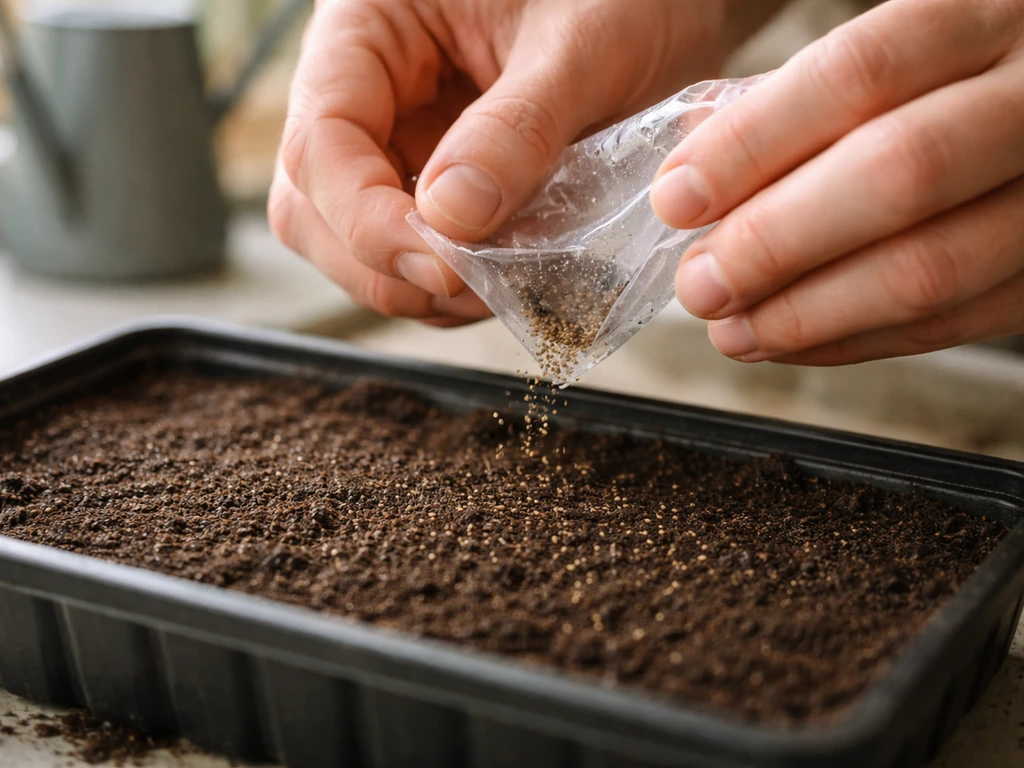
- Check your species: If you are growing a hybrid cultivar like Winky Double or Spring Magic, you can likely skip stratification and sow directly. If you are growing Aquilegia canadensis or another native species, plan for 60 days of cold moist stratification first.
- Stratify if needed: Mix seeds with lightly moistened perlite, vermiculite, or sand in a zip-close bag. Label it with the date and species. Refrigerate at around 40°F (not in the freezer) for 60 days. Check periodically that the medium stays moist but not soggy.
- Prepare your containers: Use a fine, well-draining seed-starting mix in small cells or a flat. Moisten the mix thoroughly before sowing.
- Sow on the surface: Press seeds gently onto the surface of the mix. Either leave them uncovered (light is needed for germination) or very lightly dust with vermiculite. Do not bury them under regular potting mix.
- Set your temperature: Aim for 68–75°F for hybrid columbines. For native species, 60–65°F is the sweet spot. A heat mat set to the lower end works well.
- Cover with a humidity dome or plastic wrap to hold moisture. Check daily and mist lightly if the surface begins to dry. Remove the dome once seedlings emerge.
- Provide bright light immediately after germination: Move seedlings under grow lights (14–16 hours daily) or to a bright south-facing windowsill. Low light at this stage leads to leggy, weak plants.
- For first-year flowering from hybrids: Once seedlings reach a reasonable size (about 6–8 weeks old and with several true leaves), you can vernalize them by moving them to a cold space (33–45°F) for 6–8 weeks. An unheated garage or cold frame in late winter works. This mimics winter and triggers flowering. After chilling, bring them back into warmth and they should flower in about 3–4 weeks.
When seedlings can go outside
Columbine is a cold-hardy perennial that tolerates light frost, but seedlings started indoors need hardening off before they go out. About 7–10 days before transplanting, start setting them outside in a sheltered spot for a few hours each day, gradually increasing their exposure to sun and wind. Transplant after your last frost date, or even a week or two before if nights are staying above 28°F and you can cover plants if needed. Johnny's recommends transplanting after the last frost date for spring-sown seedlings.
Space plants 12–18 inches apart in a spot with morning sun and afternoon shade, especially in warmer climates. Columbine does not love intense afternoon heat and will go dormant earlier in summer if baked. Water in well at transplant and keep the soil consistently moist for the first two weeks while roots establish. After that, established columbine is fairly drought-tolerant.
Troubleshooting slow or failed germination
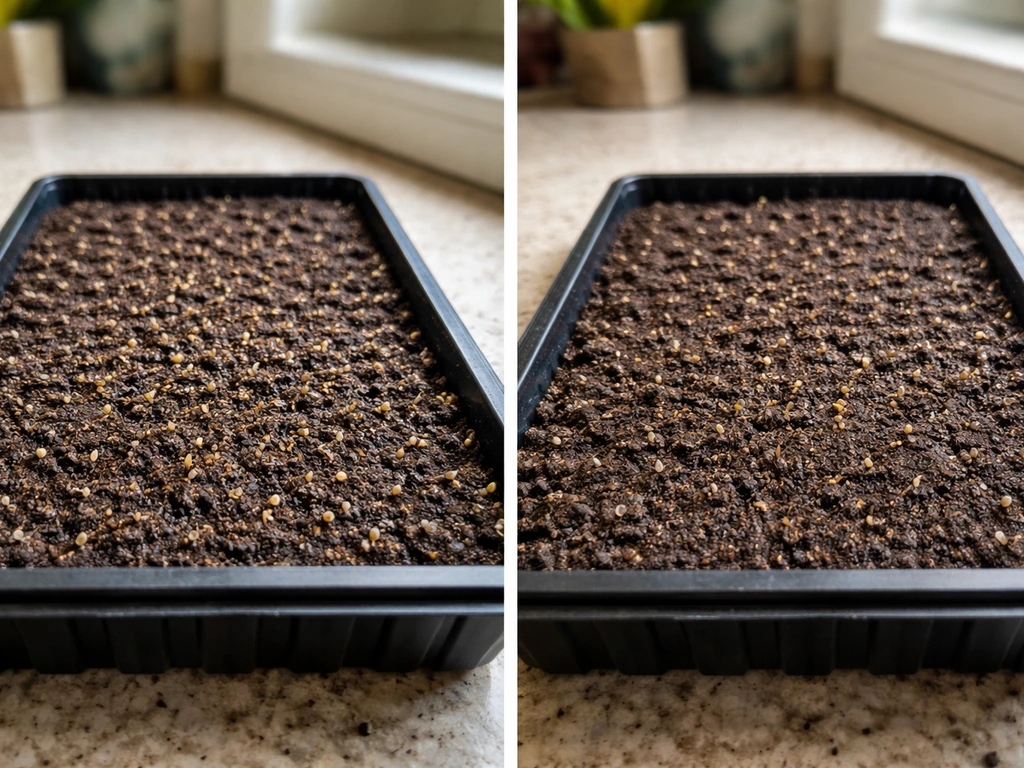
Columbine germination can be maddeningly uneven. Here is what is usually going wrong and how to fix it.
- Nothing at all after 5+ weeks: Old seed is the most likely culprit. Columbine seed viability drops fast, especially if stored warm. If your seed is more than 12–18 months old, start fresh. Also confirm you are not burying the seed, since light is needed and deep sowing blocks germination.
- A few seeds came up, most did not: Uneven germination is common, especially with native species or seeds of varying freshness. Wait it out up to 35 days before giving up. Some seeds in a batch will sprout 2–3 weeks after the first ones.
- Seeds sprouted then seedlings collapsed (damping off): This is a fungal issue caused by too much moisture and poor airflow. Remove the humidity dome earlier, water from below rather than misting the surface, and make sure your seed-starting mix is not staying waterlogged.
- Germination happened but seedlings are yellow and leggy: Not enough light. Move them immediately to brighter conditions or add supplemental grow lighting. Columbine seedlings need strong light from day one.
- Native species seeds still not sprouting after cold stratification: Double-check your stratification temperature. The fridge needs to be at 35–41°F, not warmer. Also confirm the medium stayed moist the entire time. If it dried out during stratification, dormancy may not have been fully broken. Some wild species from certain provenances have complex dormancy requiring a warm period before the cold period (warm/cold/warm cycling), so research your specific seed source.
- Seedlings look fine but are tiny and very slow: This is normal for columbine. Seedlings are naturally slow-growing in their first 4–6 weeks, especially for native species. Be patient, keep moisture consistent, and they will take off.
Planning your planting schedule around your local season
The key date you need is your average last frost date. Everything else in your columbine timeline anchors to that. Here is how to map it out based on today being early May 2026.
| Goal | Last frost date | When to start stratification | When to sow indoors | Transplant outdoors | Expected first blooms |
|---|---|---|---|---|---|
| Hybrid, second-year bloom | May 15 | N/A (skip or sow direct) | March 15 (8 weeks before last frost) | After May 15 | Spring 2027 |
| Hybrid, first-year bloom (with vernalization) | May 15 | N/A | January (vernalize seedlings Feb–March) | After May 15 | June–July 2026 (if started in Jan) |
| Native species (A. canadensis), second-year bloom | May 15 | Start stratifying by December 1 | After 60 days in fridge (Feb 1) | After May 15 | Spring 2027 |
| Fall direct sow, all species | N/A | N/A (winter does it naturally) | Sow outdoors Sept–Oct 2026 | Already in ground | Spring 2027 |
If you are reading this in early May 2026 and you have not started seeds yet, your most practical path to blooms is one of two things: direct sow hybrid columbine seeds outdoors right now as soil temperatures warm, accept second-year blooms, and enjoy the foliage this summer. If you are wondering how long to grow forget me nots from seed, the timing is usually measured in weeks to germination and months to first flowers depending on temperature and moisture. Or, for a shortcut, buy a nursery transplant for this season's flowers and simultaneously start seeds for next year's crop. The fall direct sow method is also worth trying this September for a completely hands-off approach.
Columbine rewards patience. Unlike faster annuals such as portulaca, which can bloom within weeks of germination, or biennials with quick first-year presence, columbine is a perennial that is investing in its root system before it commits to flowering. Once established, a well-placed columbine will self-sow reliably and fill a shady border year after year with minimal effort. That second-year wait becomes a non-issue once your colony is up and running.
FAQ
Should I stratify columbine seeds before or after they start to germinate?
Cold moist stratification is usually done before germination starts, not after. If you refrigerate seeds and then keep them warm for too long, you can end up with uneven emergence. A practical approach is to complete the cold period first, then move to the warmer germination range and keep the seed surface consistently damp, not waterlogged.
What are the most common mistakes that cause columbine seeds to fail or germinate unevenly?
Yes, you can accidentally prevent germination by burying too deep or letting the soil crust. Surface sowing (or barely covering) matters because many columbine seeds need light. If seedlings are slow, gently loosen the top layer without disturbing roots, then keep moisture steady to avoid repeated “resets.”
Can old columbine seed still germinate if I stratify it?
Don’t expect the cold period to substitute for seed freshness. If seeds are more than about a year old, especially if stored warm, viability drops and even perfectly stratified seeds may not germinate. Test viability by sowing a small batch first, and if emergence is poor, switch to fresher seed for the main planting.
How moist should the sand or potting mix be during cold stratification and germination?
Overwatering is a frequent issue during stratification and early germination. The medium should feel evenly moist like a wrung-out sponge, not dripping. If you see sour smells, mold, or seeds sitting in free water, replace the medium or re-rinse the seeds before restarting the cold period.
Do all columbine types bloom in the same timeline, or should I change my plan by variety?
Hybrids and straight species differ, and packets do not always match your local climate. For hybrids you want faster results, you can aim for earlier indoor sowing plus a vernalization period, but for native types you usually should plan on year-two flowering. If your goal is blooms in year one, buy from a seed line explicitly described as faster or “vernalization friendly.”
My columbine grows leaves but never flowers, what should I check first?
Yes. If you see strong leaf growth but no flowers, the most likely reasons are the plant never got a sufficient vernalization period or it didn’t reach the size threshold before cold. Another cause is summer heat stress causing dormancy before spring resumes. Keep plants in morning sun and afternoon shade, and avoid letting the soil swing between very dry and soggy.
Can I transplant columbine before the last frost date, and what protection do I need?
If you transplant early, cold nights below about 28°F can damage tender plugs and delay the pathway to flowering. If you must plant before the danger of hard freezes is past, use temporary cloches or row cover on the coldest nights, then remove during mild days to prevent overheating and moisture buildup.
How can I improve reliability if columbine germination is uneven in my conditions?
You can sow in small batches across a few weeks to spread risk, especially with uneven germination. Even if some seeds emerge late, you can still keep the seedlings under the same temperature and light conditions so emergence doesn’t get “staggered by drying out” and then fail.
What’s the best way to harden off columbine seedlings before planting outside?
For indoor starts, strong light and careful hardening off matter. Start hardening about a week to 10 days before transplant, beginning with limited sun and sheltered conditions, then gradually increase exposure to sun, wind, and cooler outdoor nights. Skipping hardening off often leads to leaf burn and set-back, which can push flowering later into the next season.
I want to try fall direct sowing, how do I set it up so seeds aren’t buried or washed away?
Fall direct sowing works best when you can leave seeds undisturbed through winter. Choose prepared soil, surface sow, and avoid heavy overwintering mulches that bury seeds too deeply. If your winters are very wet or prone to crusting, use a thin, protective layer that doesn’t cover deeply, and confirm spring moisture without soaking.
Next Article
How Long to Grow Collards from Seed: Timeline and Tips
Know how long collards take from seed to harvest, with timelines, troubleshooting tips, and factors like temperature and