A mustard seed can germinate in as little as 3 to 5 days under ideal conditions, and you can be harvesting fresh mustard greens in as few as 30 days from planting. But the honest answer is that timelines shift quite a bit depending on your soil temperature, moisture, and the time of year you sow. If you want a full picture, here's what to realistically expect at each stage from seed to harvest.
How Long Does It Take a Mustard Seed to Grow? Timeline
Marcus Henley
9 Apr 2026
How long does it take a mustard seed to germinate?
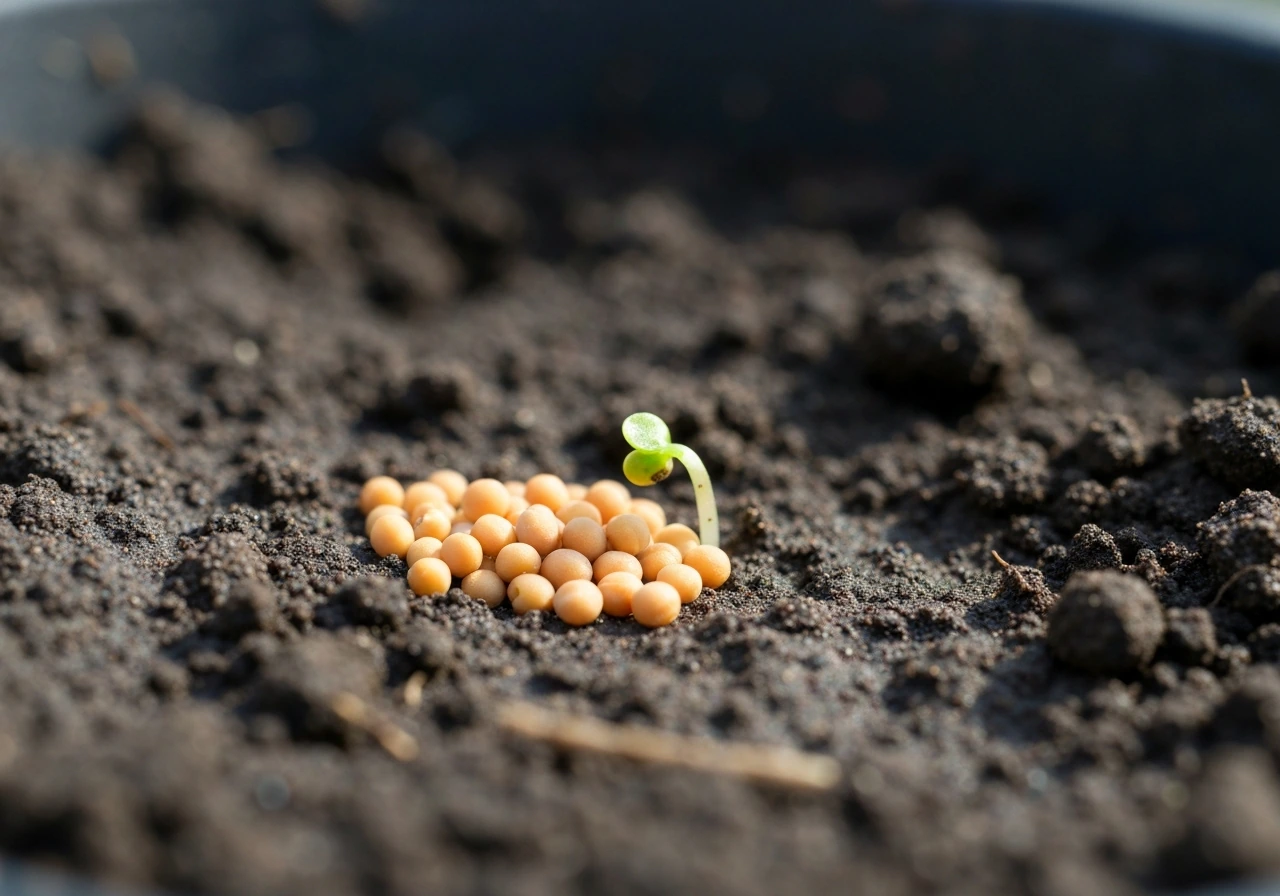
Under good conditions, most mustard seeds sprout within 3 to 10 days of planting. White mustard (Sinapis alba) can actually germinate within 24 hours when soil temperatures are around 20°C (68°F), and takes about 4 to 5 days at cooler temperatures around 5°C (41°F). That said, research on emergence timing shows that 'half emergence time' (meaning when half your seeds have sprouted) can range from just 3 days all the way to 2 weeks depending on sowing depth, soil temperature, and moisture. So the wide range you'll see quoted, roughly 2 to 15 days, is real and not a cop-out.
The sweet spot for mustard germination is a soil temperature of 60 to 75°F (16 to 24°C). You can get germination starting at soil temps around 40°F, but expect slower and patchier sprouting at that lower end. When I've sown mustard in cool early spring soil around 50°F, I've waited a full 10 to 12 days before seeing consistent sprouts. Sow the same seeds in warmer mid-spring soil and they're up in 4 to 5 days. Temperature is by far the biggest lever you have on germination speed.
Seedling growth and early milestones
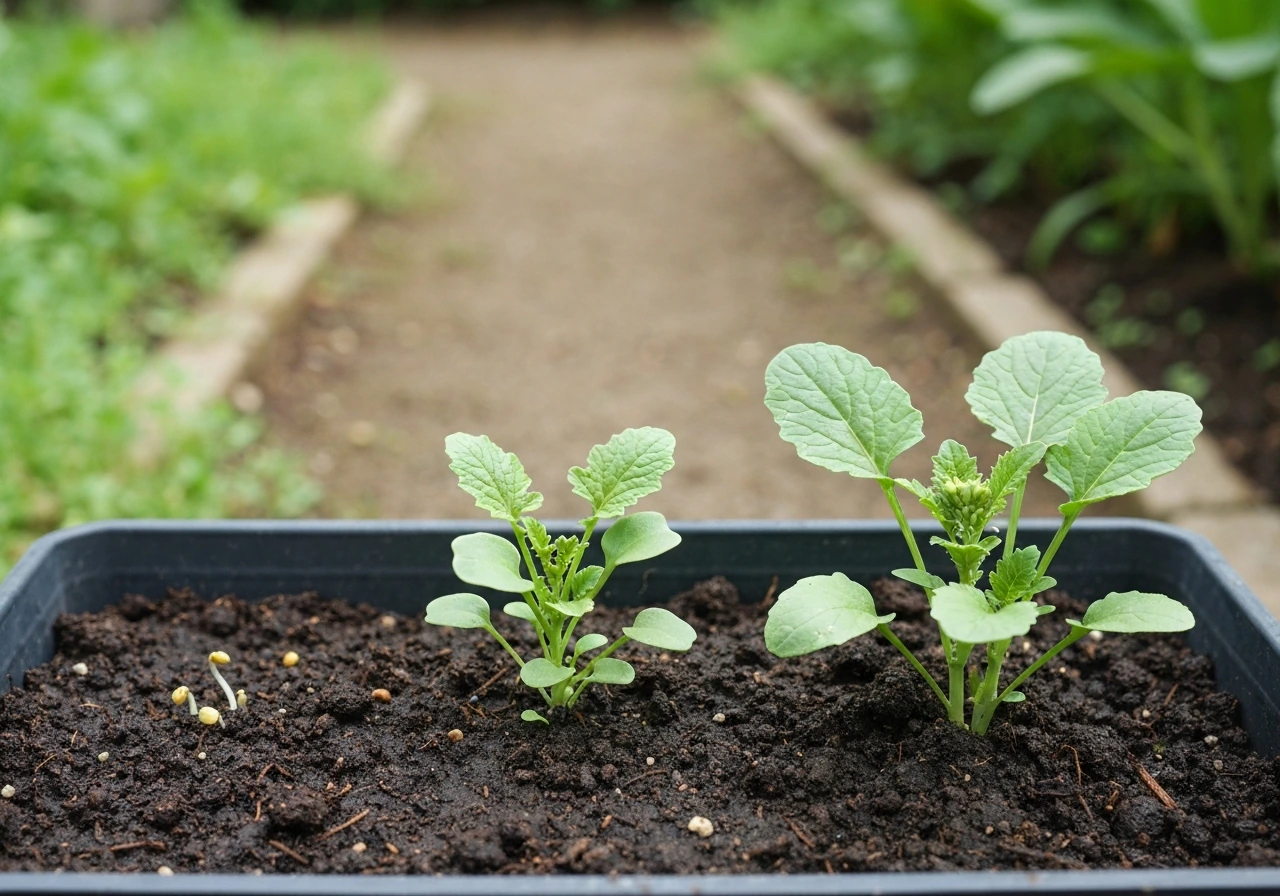
Once your seeds have sprouted, you'll move through a short but distinct seedling phase. According to USDA crop development guidance, you can expect four to six true leaves to appear approximately 21 days after planting, with the seedling stage itself lasting roughly 2 to 3 weeks after emergence. For practical planning purposes, that means you're looking at about 3 weeks from planting to a well-established seedling ready to put on real growth.
A quick note on spacing at this stage: don't let crowding slow things down. Once seedlings hit 6 to 10 inches tall, thin them to about 8 inches apart. Crowded mustard plants compete for light and nutrients, which drags out the time it takes to reach harvestable size. Thinning feels wasteful, but it genuinely speeds up the plants you keep.
If you're curious about how big a mustard plant actually gets before it's worth harvesting, that context helps you gauge whether your seedlings are on track or lagging behind.
When is mustard ready to harvest?
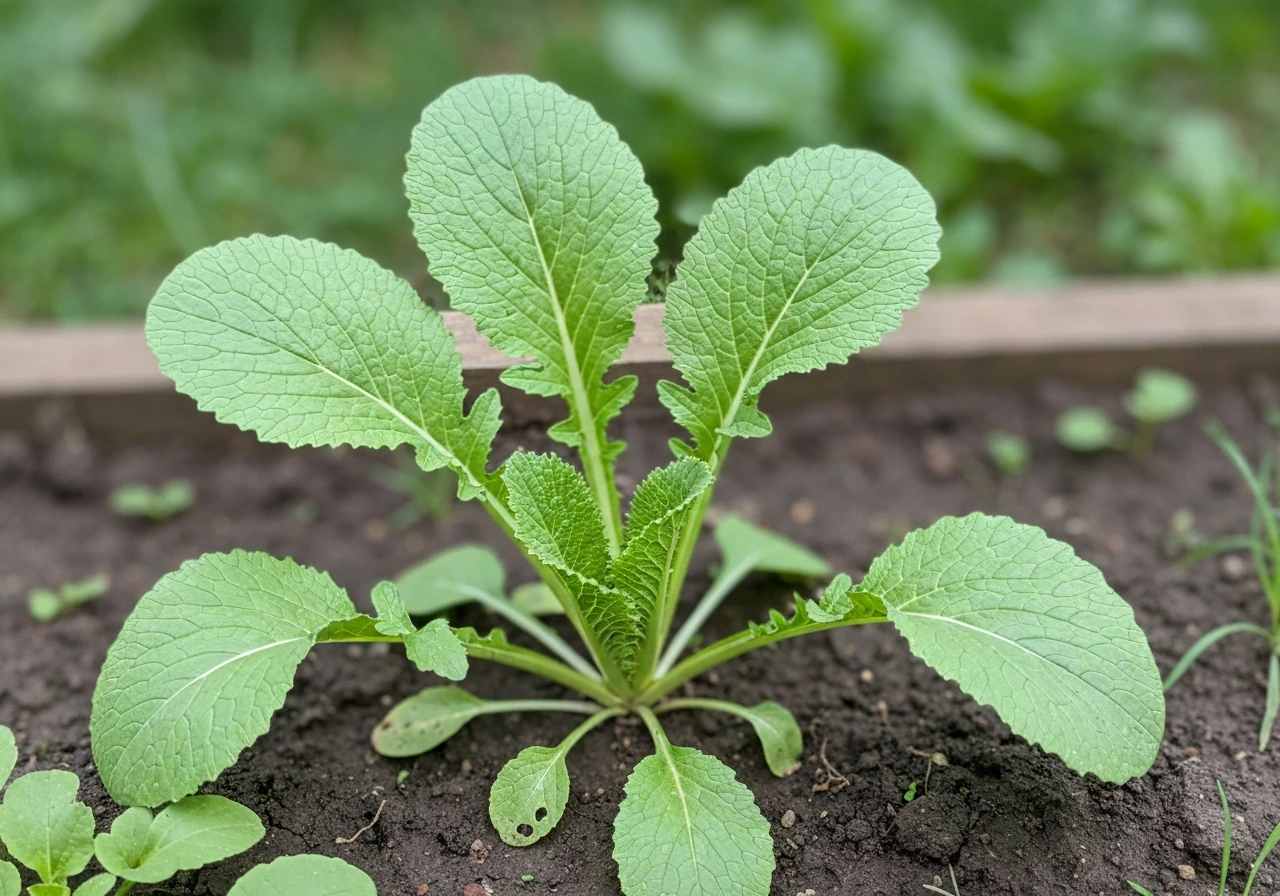
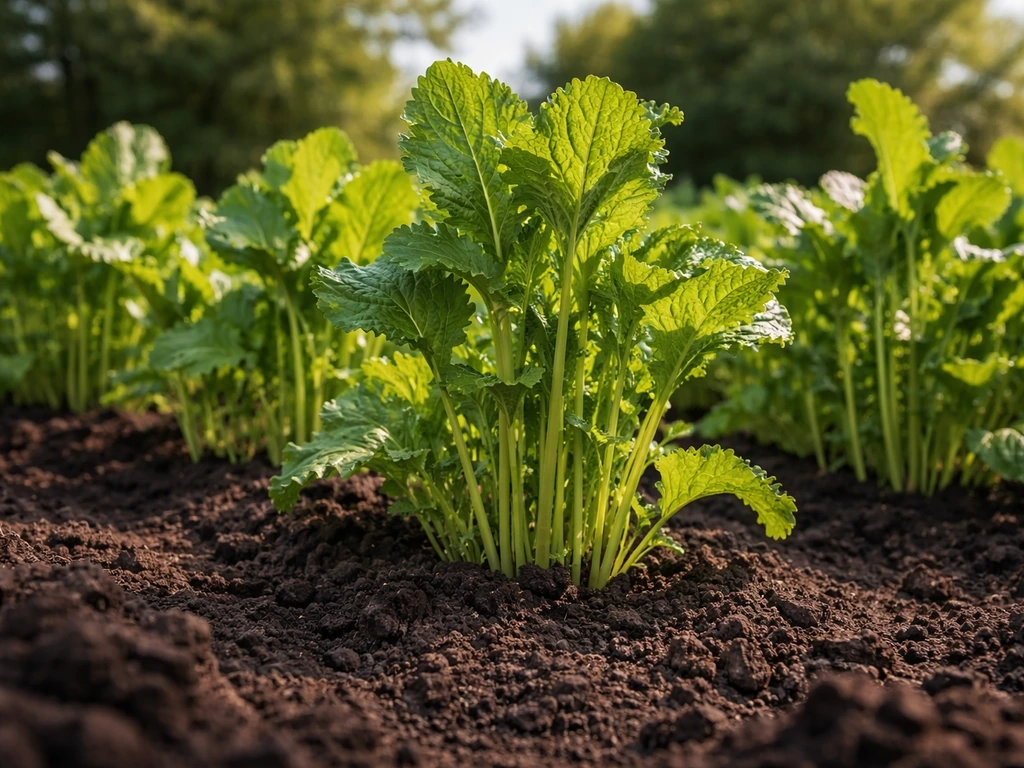
For mustard greens, you're generally looking at 30 to 60 days from seed to harvest, depending on the variety and growing conditions. The UC ANR extension puts the typical range at 45 to 50 days for most mustard green varieties, while the Old Farmer's Almanac gives the broader 30 to 60-day window to account for variety differences and seasonal conditions. If you're planting in fall, add another 10 to 14 days to whatever maturity figure is on the seed packet, since shorter days slow things down.
One thing worth knowing: mustard is a long-day plant, which means as days get longer in late spring, it tends to shift energy toward flowering rather than leafy growth. That process, called bolting, can end your harvest window earlier than expected if you're planting for a spring crop. Mustard greens bolt when the weather warms in late spring, and once that happens, the leaves turn bitter and the harvest is essentially over. The practical takeaway is that your real harvest window may be shorter than the days-to-maturity number suggests, so don't wait too long to start picking.
On the harvest itself: you can cut entire plants at once, or cut back to within about an inch of the crown and let them regrow for a second cut. That second flush can give you another harvest round without reseeding, which effectively extends your productive season by a week or two.
What actually changes the timeline
Several factors can push your germination and harvest dates earlier or later by a meaningful amount. Here's what matters most and how each one plays out in practice.
Temperature
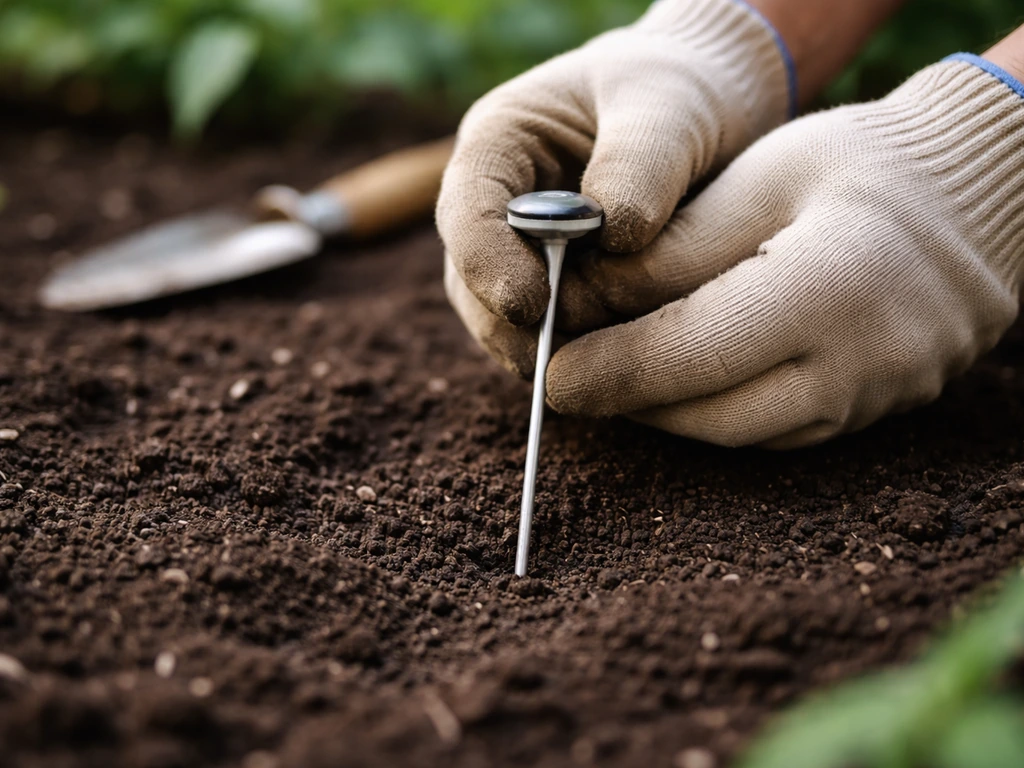
Temperature is the single biggest factor, both for germination speed and overall growth rate. At the optimal range of 60 to 75°F soil temperature, mustard moves fast. Below 50°F, germination slows significantly and seedling growth stalls. Above 75°F for extended periods, growth slows down again and leaf quality declines. Mustard is genuinely a cool-season crop and it performs best in that sweet spot. Heat stress also accelerates bolting, meaning your harvest window shrinks right when you'd expect it to be at its peak.
Moisture and soil drainage
Consistent moisture speeds germination, but soggy soil causes problems. Seeds sitting in waterlogged ground can rot before they ever sprout. Mustard does best in well-drained soil that stays evenly moist, not wet. A firm, moist seedbed gives the best contact between seed and soil, which is what drives fast, even germination.
Soil type and pH
Mustard prefers deep, loose, well-draining soil with a pH between 5.5 and 7.5. Heavy clay soil slows emergence because seedlings have to push through more resistance to reach the surface, which adds days to your germination count. Sandy soil drains too fast and may dry out before seeds finish sprouting. A good loamy garden bed sits right in the middle and gives you the fastest, most reliable emergence.
Planting depth
Depth matters more than most gardeners realize. Mustard should be sown at about 1/4 to 1/2 inch deep. Plant too deep and seedlings have farther to travel, which delays emergence. Plant too shallow and seeds dry out before they can germinate. The recommendation from SaskMustard's production guidelines is to seed shallowly at 0.5 to 1 inch into a blank" rel="noopener noreferrer">firm, moist seedbed. Sticking to the 1/4 to 1/2 inch range for home gardens gives you the fastest and most consistent emergence.
Season and day length
As mentioned above, mustard is a long-day plant. This affects when it bolts more than how fast it germinates, but it has a real impact on total days to harvest. Spring plantings in warmer climates may hit maturity faster but bolt sooner. Fall plantings enjoy cooler, slower growth but may need those extra 10 to 14 days added to your planning window. Planning around your region's first and last frost dates is the best way to hit the timing right.
Quick reference: mustard seed timeline by stage
| Growth Stage | Timeline from Planting | Notes |
|---|---|---|
| Germination | 3 to 10 days (up to 15 in cool soil) | Fastest at 60–75°F soil temp; can be as quick as 24 hours at 20°C |
| Seedling establishment | Weeks 1 to 3 after emergence | 4 to 6 true leaves appear around day 21 |
| Harvestable greens | 30 to 60 days from planting | Typical target: 45 to 50 days; add 10 to 14 days for fall planting |
| Bolting (end of harvest) | Varies; triggered by heat and long days | Harvest before this happens or leaf quality drops fast |
How to hit the fastest realistic timeline
If you want to get to harvest as quickly as possible, every decision from seed selection to sowing method can shave off days. Here's what actually moves the needle:
- Sow when soil temperatures are consistently between 60 and 75°F. This is the single most effective way to get fast, even germination.
- Plant at 1/4 to 1/2 inch depth in a firm, moist seedbed. Avoid loose, fluffy soil that leaves air pockets around seeds.
- Water consistently after sowing. Keep the top inch of soil moist but not saturated until seedlings are well up.
- Thin seedlings early. Crowding slows establishment, so thin to 8 inches apart once plants hit 6 to 10 inches tall.
- Use succession planting every 2 to 3 weeks. This keeps a continuous harvest going rather than waiting for one large planting to mature all at once.
- For fall plantings, start seeds early enough to beat the first frost by at least 50 to 60 days, accounting for the seasonal slowdown.
It's also worth comparing mustard to other fast-growing seeds if you're trying to decide what to add alongside it. For context, sesame seeds take considerably longer to go from planting to harvest, which is why mustard greens are often the go-to for gardeners who want quick results from their beds.
Troubleshooting slow or failed germination
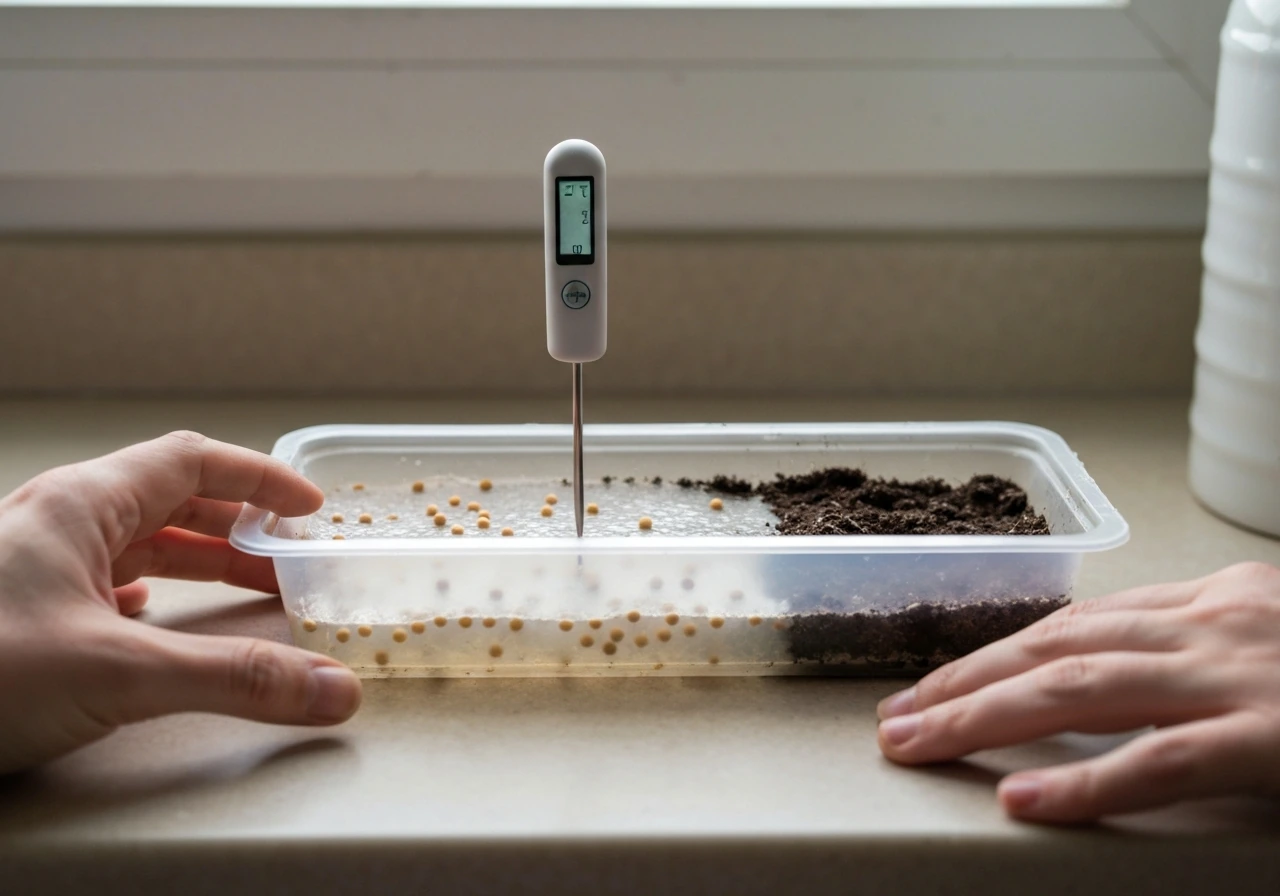
If your mustard seeds haven't sprouted after 10 to 14 days, something is off. The good news is that the cause is almost always fixable. Here's what to check first.
- Soil temperature too low: Stick a soil thermometer 2 inches deep. If you're below 50°F, germination will be very slow. Wait for warmer conditions or use a heat mat if starting indoors.
- Soil too dry: The top inch of soil should stay consistently moist after sowing. If it dries out between waterings, seeds stall or die before sprouting. Water lightly and frequently until seeds are up.
- Soil too wet or poorly drained: Waterlogged soil causes seeds to rot. This is one of the most common reasons for zero germination after planting. Make sure your bed or containers drain freely. The condition to watch for is seedling damping off, a fungal rot that kills young seedlings at the soil line, and the fix is better drainage and avoiding overwatering.
- Planted too deep: If you went past 3/4 inch deep, seedlings may be exhausting their energy reserves before they reach the surface. Replant at 1/4 to 1/2 inch depth.
- Old or poor-quality seed: Mustard seed viability declines with age. If your seed is more than 3 years old and stored in warm, humid conditions, germination rates drop significantly. Do a quick paper towel germination test with 10 seeds before committing to a full bed.
- Pest damage: Insects, birds, or soil-dwelling pests can consume seeds before they ever sprout. A light row cover over freshly sown beds protects seeds and helps retain moisture at the same time.
If you've ruled out all of the above and still see nothing after 2 weeks, the most practical move is to reseed. Mustard seeds are inexpensive, and a fresh sowing at the right soil temperature almost always solves the problem. Don't wait and hope when you can just try again.
Gardeners who've dealt with germination problems in slower-growing plants know how frustrating the wait can be. For perspective, some seeds take years just to reach a useful size, which makes mustard's 3 to 10-day germination window feel downright luxurious. And compared to something like growing a mango tree from seed, which can take months just to sprout and years to fruit, mustard is as close to instant gratification as gardening gets.
Putting it all together for your planting schedule
If you're planning around a target harvest date, work backwards from that date by 45 to 50 days for a typical mustard green crop. Add another 10 to 14 days if you're planting in fall. Factor in your local last frost date for spring plantings and aim to sow 4 to 6 weeks before temperatures regularly push above 75°F to avoid early bolting.
For a continuous supply, succession plant every 2 to 3 weeks. A 30-foot row of mustard greens planted in two or three staggered batches will give you harvests rolling in from week 5 all the way through early summer in most climates, without any single glut or gap.
If you want to understand exactly how fast mustard seeds grow compared to other garden crops, that comparison is worth checking before you finalize your planting calendar. And if you're also growing other fast-maturing crops alongside mustard, it helps to know how those timelines stack up. For example, moringa takes much longer from seed to first harvest and needs a very different planning approach. Similarly, centipede grass seed has its own distinct germination window that's worth understanding if you're timing multiple garden projects at once.
The bottom line: mustard is one of the fastest crops you can grow from seed. Under good conditions, you'll see sprouts in under a week and have harvestable greens in 30 to 50 days. The main job is getting the soil temperature right, keeping moisture consistent, and not planting too deep. Do those three things and mustard will almost always deliver exactly as advertised.
FAQ
How long does it take a mustard seed to grow if I’m starting indoors instead of outdoors?
Indoors you can usually control soil temperature and moisture, so sprouting often lands near the faster end (about 3 to 7 days) if your seed-starting mix is warm and evenly moist. Plan on the same overall “days to harvest” once you transplant, but moving outside can slow growth for about a week if conditions are cooler than indoors.
Do mustard seeds need light to germinate, and does covering depth change germination time?
Mustard typically germinates fine without light, but covering depth strongly affects emergence timing. If you sow too deep, seedlings take longer to reach the surface, which can turn a 4 to 7 day emergence into 10 to 14 days. A firm, moist seedbed plus shallow sowing is key.
What’s the best way to tell whether my mustard seeds failed or are just slow?
Check for seedbed dryness, crusting, and actual soil temperature rather than only waiting for a visible sprout. If you gently inspect a few seeds by carefully digging at the sowing depth, you can tell whether they’ve swollen but haven’t emerged (slow due to coolness) versus failed to germinate (often moisture issues or bad seedbed contact).
How long can I keep watering and waiting if nothing shows up?
After 10 to 14 days with no sprouting, keep the soil from drying out but assume germination is unlikely to “catch up” soon. The practical move is to reseed rather than extend the wait indefinitely, since seeds can rot in waterlogged soil while you’re troubleshooting.
Does soaking mustard seeds speed up germination, and is it worth doing?
Soaking can help if your soil is cool, but it does not replace the main drivers, soil temperature and moisture consistency. If you soak, use clean, cool water and sow promptly, then avoid letting the seedbed go dry or overly wet during the first week, since swollen seeds are vulnerable to rot in soggy conditions.
How long does mustard take to grow for baby greens versus full-size leaves?
Baby greens are often ready earlier than the full “harvest range” because you can cut when plants have enough leaf area rather than waiting for maximum size. A common approach is to start light harvesting once the plants are established and have several true leaves, then do full harvest closer to the usual 30 to 60 day window depending on variety.
If I’m planting in fall, how should I adjust my timeline beyond the extra days mentioned?
Fall also affects day length and temperature swings, not just the number of days. In many areas, the extra 10 to 14 days planning buffer works best when you sow before consistently cool weather sets in, so growth stays steady instead of stalling during cold snaps.
How long does mustard stay harvestable before bolting ends the window?
Once bolting starts, leaf quality declines quickly and harvesting becomes less worthwhile. Even if you planted for a “days to maturity” date, the harvest window can shorten when temperatures trend upward, so check plots frequently in late spring and harvest promptly from the plants that are still leafy.
Can I extend the growing time by regrowing after cutting, and how many extra weeks do I get?
Yes. Cutting back to about an inch from the crown can trigger a second flush, often extending productivity by roughly a week or two if temperatures stay within the cool-season range and plants are not heat-stressed. If the weather is already warming quickly, regrowth may be limited and bolting can resume fast.
How often should I succession plant to avoid gaps, and does it change germination timing?
Succession planting every 2 to 3 weeks helps smooth harvests, but each batch still germinates based on its own soil temperatures and moisture. That means in hot weather you may see quicker emergence and faster bolting, so stagger batches a bit more carefully and stop sowing when highs stay above the mustard comfort range.
Next Article
How Big Does a Mustard Seed Grow: Plant Height Guide
Learn typical mature height of mustard plants, what “seed size” means, and timeline and fixes if yours stays small.