A mustard seed is tiny, often just 1 to 3 mm across, but the plant it produces can reach anywhere from 6 inches to 6 feet tall depending on the variety and how you grow it. That's not a typo. The range really is that wide, and understanding why will save you a lot of confusion when your mustard greens look nothing like your neighbor's towering cover crop mustard. Let's break down exactly what to expect.
How Big Does a Mustard Seed Grow: Plant Height Guide
Marcus Henley
3 Apr 2026
The seed vs. the plant: what 'grows' actually means here
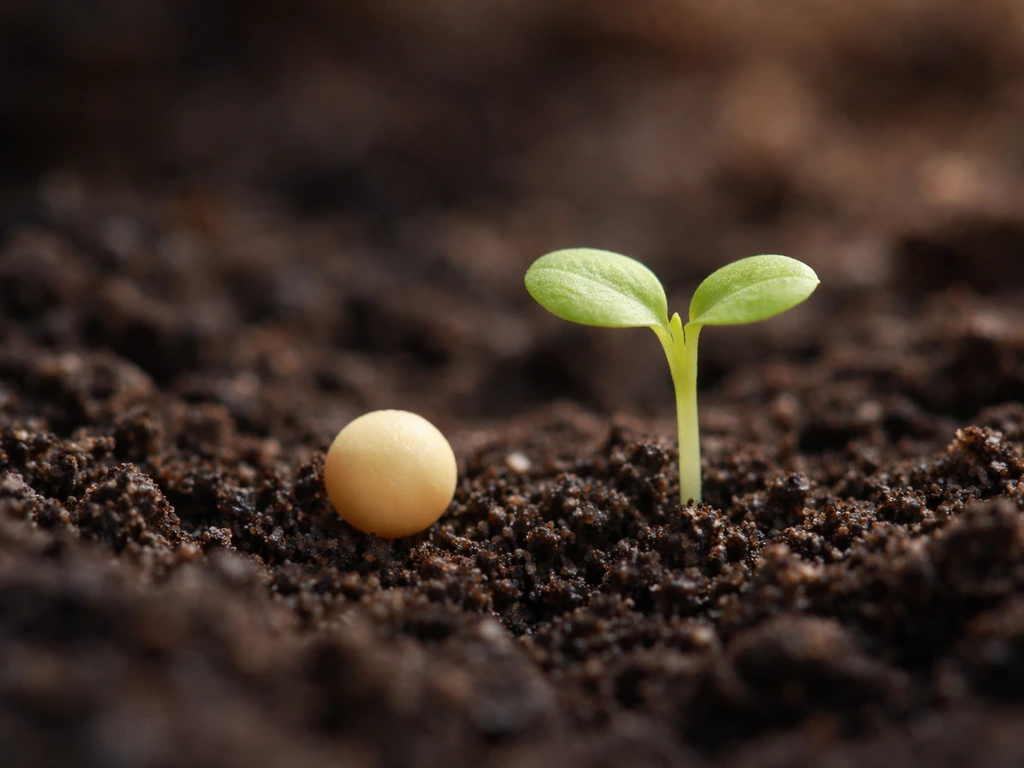
When someone asks how big a mustard seed grows, they usually mean one of two things: how big is the seed itself, or how big does the plant get? These are very different questions with very different answers, so it's worth clearing this up before anything else.
The seed is small. White mustard (Sinapis alba) seeds weigh roughly 4 to 7 grams per 1,000 seeds, which puts each individual seed at about 4 to 7 milligrams. In physical terms, that's 1 to 3 mm in diameter, small enough that there are around 100,000 to 200,000 seeds per pound. You can hold dozens of them in one hand. The seed itself doesn't 'grow' in the sense of expanding, it germinates and produces a plant, which is what the rest of this article is really about.
The plant, on the other hand, grows dramatically. We're talking about a leafy vegetable or tall flowering crop that can reach several feet in height under the right conditions. So if you're planning a garden or a cover crop planting, you're really asking: how much vertical and horizontal space should I give this thing?
How tall and wide mustard plants actually get at maturity
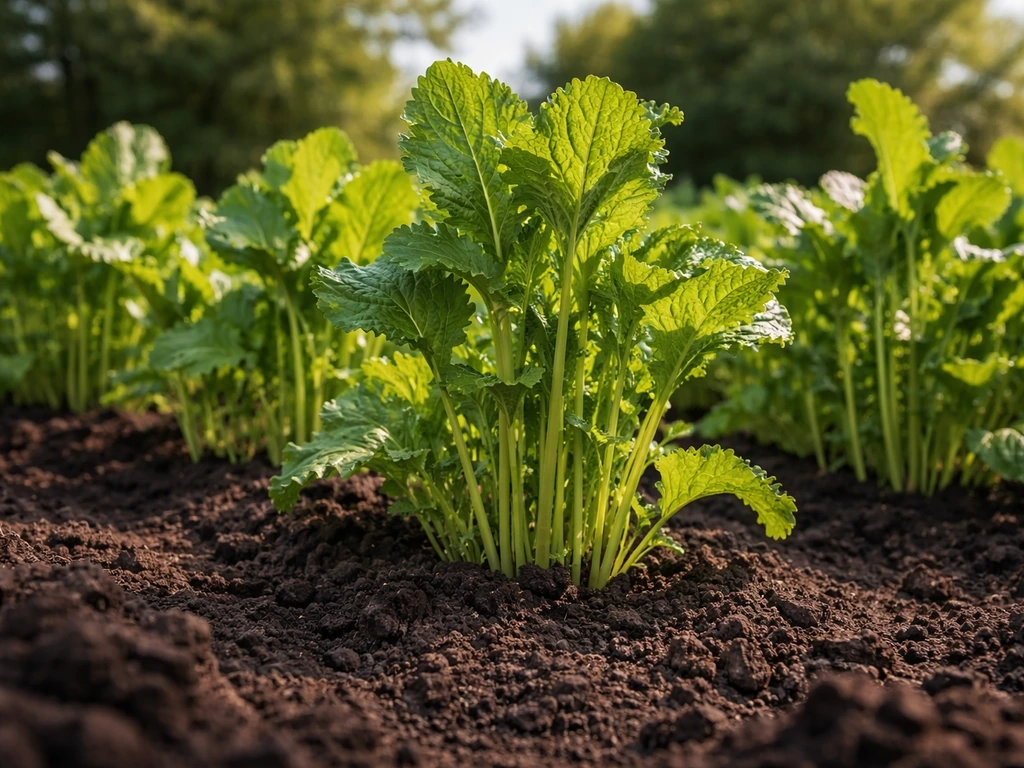
Here's the honest answer: it depends heavily on the type of mustard. For mustard greens grown for eating (mostly Brassica juncea varieties), you can expect plants anywhere from 6 to 24 inches tall at harvestable size. For field mustard or cover crop types like black mustard (Brassica nigra), plants routinely hit 3 to 6 feet tall at full maturity. White mustard and yellow mustard used as cover crops tend to top out at 30 to 45 inches.
Spread (canopy width) follows a similar pattern. A well-spaced mustard green plant with 12 to 24 inches of elbow room can spread its leaves 12 to 18 inches wide before bolting. Cover crop mustard planted densely won't get that wide per plant, but the canopy closes in and creates impressive biomass. In my experience growing both types, the leafy greens types are shorter and bushier, while the seed/oil types bolt tall and lean as they reach flowering.
Size by variety: mustard greens vs. other mustard types
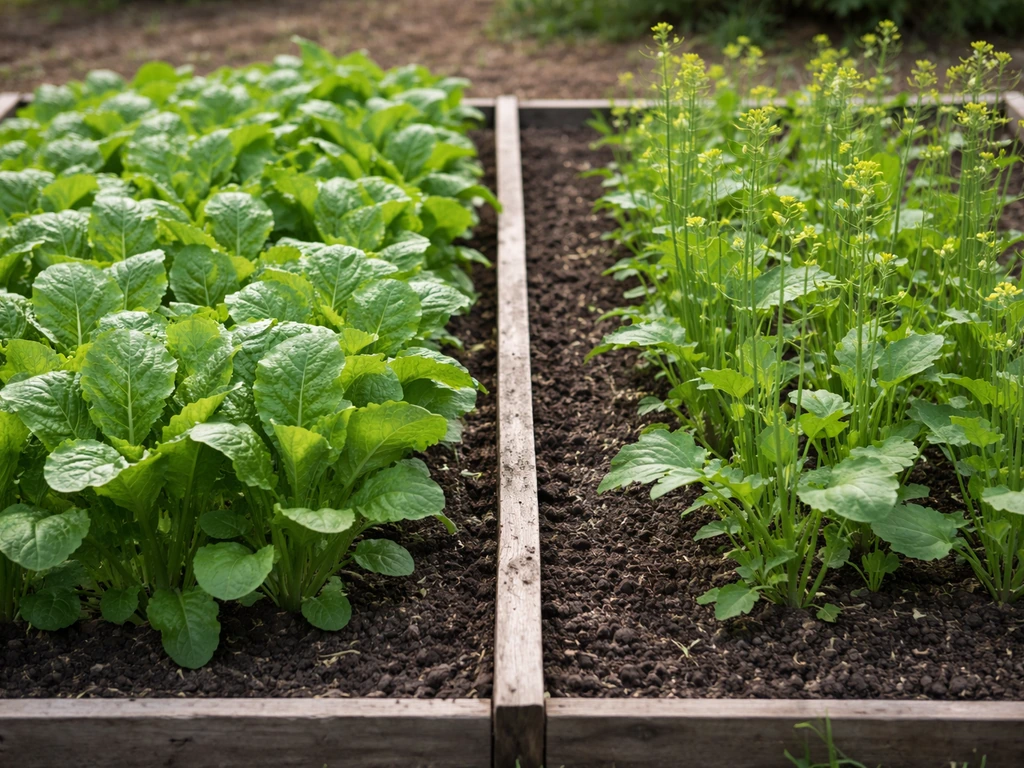
Not all mustard is the same, and variety is probably the single biggest factor in final plant size. Here's a comparison of the most common types you'll encounter:
| Mustard Type | Species | Mature Height | Days to Maturity | Primary Use |
|---|---|---|---|---|
| Mustard greens (Savannah) | Brassica juncea | 6–18 inches | 20–40 days | Salads, cooking |
| Mustard greens (Carolina Broadleaf) | Brassica juncea | 16–24 inches | 40–50 days | Cooking greens |
| Green Wave mustard | Brassica juncea | 12–18 inches (mature cut) | ~50 days | Salads, cooking |
| White/Yellow mustard (cover crop) | Sinapis alba | 30–45 inches | 60–90 days | Cover crop, condiment |
| Black mustard | Brassica nigra | 3–6 feet (36–72 inches) | 90–120 days | Cover crop, seed production |
The practical takeaway: if your seed packet says 'mustard greens,' you're looking at a compact, leafy plant harvested well before it gets tall. If it says 'cover crop mustard' or lists Sinapis alba or Brassica nigra, plan for something much taller that you'll likely be mowing down rather than harvesting leaf by leaf. If you want to dig deeper into how fast mustard seeds grow from germination through each stage, that comparison can help you set realistic expectations for your specific variety.
The timeline: from tiny seed to full-size plant
Mustard is one of the faster-growing crops you can plant. It doesn't make you wait long to see action, which is part of why it's so popular as both a garden green and a cover crop. Here's how the timeline typically unfolds:
Germination (days 1–10)
Mustard germinates quickly once soil is warm enough. Expect seedlings to emerge in 5 to 10 days when soil temperatures are at least 40 to 45°F at one inch depth. In warmer soils (55 to 65°F), you'll often see sprouts in 4 to 7 days. This is genuinely fast compared to many vegetables, and it's one of mustard's best qualities as a cool-season crop. For a detailed look at how long it takes a mustard seed to grow through each stage, that breakdown goes even further into what's happening below and above ground.
Seedling stage (days 7–21)
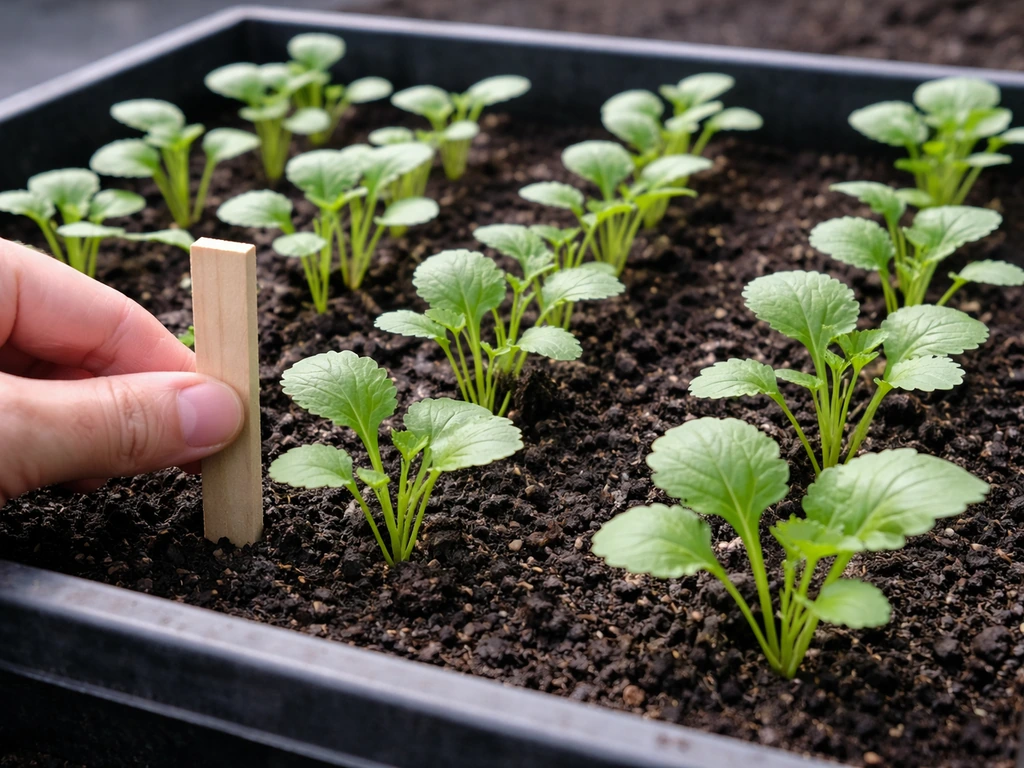
After emergence, seedlings establish their first true leaves within one to two weeks. At this point, plants are still short, maybe 2 to 4 inches tall, and they need consistent moisture to push good root development. This is the stage where thinning matters most. Crowded seedlings at this stage will stay small and struggle to size up later.
Vegetative growth (weeks 2–5)
This is when mustard really moves. Mustard greens varieties can be harvested as baby greens starting around 20 to 25 days after sowing (when leaves are roughly 3 to 6 inches tall). If you let them keep growing, they'll push to their mature leaf height of 12 to 24 inches depending on the variety. For cover crop types, flower buds typically appear 3 to 5 weeks after emergence, with yellow flowers opening about a week after that. This transition from vegetative to reproductive growth is also when the plant starts shooting up in height rapidly.
Full maturity
blank" rel="noopener noreferrer">For mustard greens, 'full maturity' for eating purposes is roughly 40 to 60 days from sowing, depending on variety. For cover crop and seed-type mustard, reaching maximum height and setting seed takes 60 to 120 days. At that point, cover crop types have hit their full 30 to 72 inch height range. This full-season timing is similar to what you'd see with other fast-maturing crops: for comparison, sesame takes a similar approach as a warm-season crop that progresses quickly through stages once established.
Growing conditions that control how big your mustard gets
The difference between a scraggly 8-inch mustard plant and a lush 24-inch one usually comes down to a handful of conditions. Get these right and you'll consistently hit the top of the variety's size range.
- Temperature: Mustard is a cool-season crop that performs best with daytime temperatures between 45°F and 75°F. Heat above 80°F triggers bolting, which cuts vegetative growth short and sends the plant's energy into seed production instead of leaf production. You get a taller stalk but fewer, lower-quality leaves.
- Sunlight: Full sun (6 or more hours daily) produces the biggest, most vigorous plants. Partial shade slows growth and reduces leaf size, though it can delay bolting slightly in warm conditions.
- Soil fertility: Mustard is a heavy nitrogen user. Rich, well-amended soil with adequate nitrogen directly translates to larger leaves and more vigorous overall growth. Nitrogen-deficient plants show yellowing on older leaves first and produce noticeably smaller new leaves.
- Spacing: This one is underestimated. Give mustard greens 12 to 24 inches of in-row spacing and 30 to 36 inches between rows if you want large, full-size plants. Crowded plants compete for nutrients and light, staying small and bolting earlier. Seeds sown densely for baby greens are fine at 1 to 2 inches apart, but those plants will never reach mature leaf size.
- Moisture: Consistent moisture keeps plants in active vegetative growth. Drought stress, even brief periods of it, can trigger early bolting and stunted growth.
- Soil temperature at planting: Cold soils below 40°F slow germination significantly, which delays the entire growth timeline and can result in uneven establishment and smaller plants.
Day length also plays a sneaky role. As spring days lengthen past 12 hours, cool-season greens including mustard get a signal to bolt regardless of temperature. This is part of why fall-planted mustard often grows larger and more slowly than spring-planted mustard, it simply has more vegetative time before day length triggers reproduction. It's a similar dynamic to what gardeners deal with when growing slower-establishing seed crops that rely on seasonal timing to hit their full size potential.
Why your mustard is staying small (and how to fix it)
If your mustard plants are smaller than expected, one of these is almost certainly the reason. I've run into most of them at some point.
Bolting too early
Early bolting is the most common culprit. Once mustard sends up a flower stalk, leaf production essentially stops. If temperatures push into the 70s and 80s°F while days are long, plants can bolt at just 6 to 8 inches tall without ever reaching their potential leaf size. The fix is timing: plant mustard in early spring or fall to keep temperatures in the sweet spot during the vegetative growth window. Cool-season greens research from Oklahoma State University Extension notes that temperatures in the 57 to 68°F range combined with 12-plus-hour days are enough to initiate bolting in related greens, so you often have less time than you think in spring.
Overcrowding
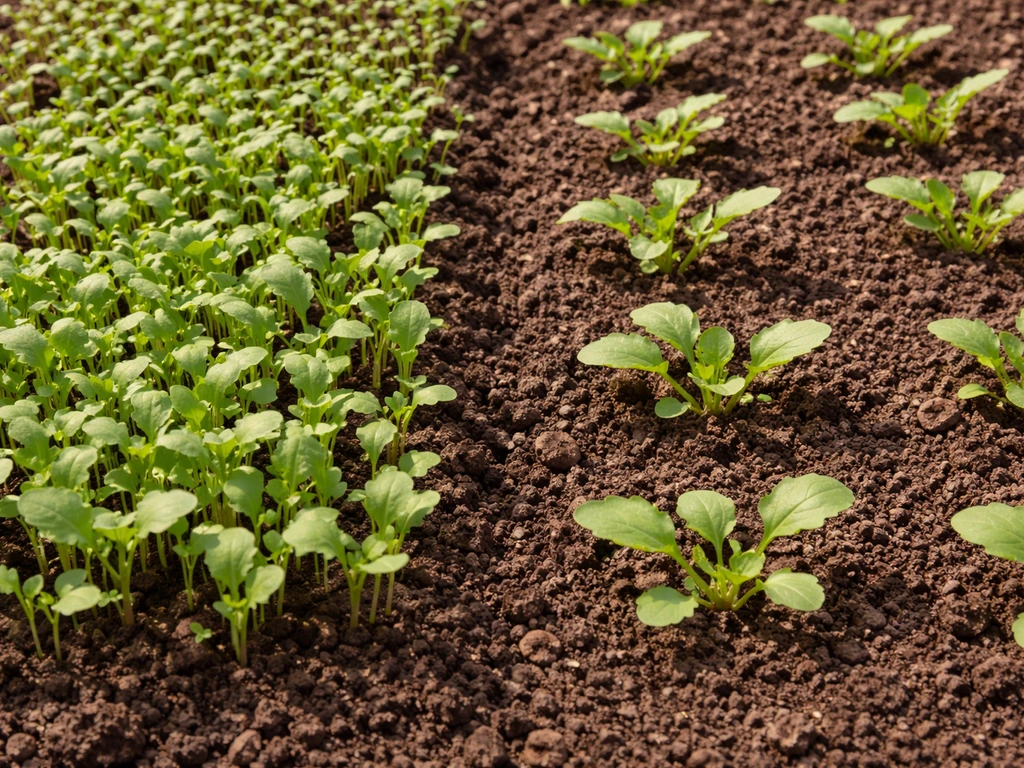
Planting too densely is the second most common issue. If you direct-sowed and didn't thin, your plants are competing hard for light, water, and nutrients. Thin to at least 12 inches apart for full-size greens. Yes, it feels like you're wasting seeds, but the remaining plants will grow noticeably larger and faster.
Nitrogen deficiency
Mustard is a fast-growing, leafy crop that burns through nitrogen quickly. If your soil is low in nitrogen or you haven't amended it, plants will yellow on older leaves first and produce small, pale new leaves. Side-dress with a balanced fertilizer or work in compost before planting to keep plants in full vegetative mode.
Cold soil at planting
Planting into cold soil below 40°F slows germination and establishment significantly. Seeds can sit dormant for weeks in very cold soil, and the resulting plants often lag behind in size for their entire life. Use a soil thermometer and wait for at least 40 to 45°F at one inch depth before sowing.
Herbicide residue in the soil
This one catches new growers off guard. If you planted mustard in a bed or field where herbicides were applied previously, residual herbicide can stunt or distort seedling growth significantly. Brassicas like mustard are sensitive to many common herbicide residues. Check your planting history and consult guidance on herbicide persistence before assuming your soil is clean. Penn State Extension emphasizes using the recrop statements on herbicide labels rather than guessing about residue clearance.
Poor germination setup
If your stand is uneven and patchy, the gaps will never fill in to produce a full canopy or full-size individual plants. Uneven germination usually means inconsistent soil moisture, soil crusting over seeds, or seeds planted too deep. Mustard seeds should be planted at about 1/4 to 1/2 inch depth. Planting deeper than 1 inch is a common mistake with small seeds. If you're curious how this compares to other small seeds with specific depth requirements, how a mango seed develops from germination to a full tree illustrates how dramatically different seed size and planting depth requirements can be across species.
How to read your seed packet and plan for the right size
Your seed packet is the most useful tool you have, and most people don't squeeze all the information out of it. Here's how to use it to predict final plant size and plan your planting schedule.
- Find the species name: Look for Brassica juncea (mustard greens, compact to 24 inches), Sinapis alba (white mustard, 30 to 45 inches), or Brassica nigra (black mustard, 3 to 6 feet). If you only see a common name like 'mustard greens,' assume the compact range.
- Check days to maturity: This number is calculated from direct seeding and tells you both when to harvest and how long you have in the vegetative window. 20 to 40 days means a fast, small-statured plant. 60 to 90 days means a taller, more robust plant with more time to build biomass. Succession-sow every 2 to 3 weeks for continuous harvests.
- Note the listed plant height: Most seed packets for greens list a height range. The low end is what you'll get if you crowd plants or harvest early as baby greens. The high end is what well-spaced, well-fed plants hit before bolting.
- Check spacing recommendations: If the packet says space 12 to 24 inches apart, follow it for full-size plants. If you want baby greens, you can sow much more densely (1 to 2 inches) and harvest early at 3 to 6 inches.
- Estimate your planting window: Use the days-to-maturity number and count backward from your average last frost date (spring) or first frost date (fall). Mustard needs to complete most of its vegetative growth in cool weather, so make sure the bulk of that window falls when daytime temperatures are below 75°F.
- Use germination timing to set expectations: Plan for emergence in 5 to 10 days after sowing in adequately warm soil. From emergence, count 3 to 5 weeks to flower bud initiation for cover crop types. For greens types, count from sowing to the days-to-maturity number on the packet.
Once you've pulled this information together, you have everything you need to predict roughly how big your mustard plants will get and whether your current conditions will let them get there. If you're also growing other fast-establishing brassica-adjacent crops like moringa from seed, which has its own dramatically different size trajectory, comparing their timelines side by side can help you plan bed space efficiently.
One last practical note: if you want to maximize leaf size before your mustard bolts, harvest outer leaves regularly starting around day 25 to 30. This keeps the plant in vegetative mode slightly longer and gives you more harvestable material at full leaf size. Once you see a central flower stalk forming, the race is essentially over for leaf production, though you can still pinch that stalk to buy a few more days. Knowing when to harvest vs. when to let a plant run to full height is really the core skill with mustard, and it all comes back to understanding which type you're growing and what 'big' means for that variety.
For growers who are interested in other slow-to-fast growing comparisons, it can also be useful to understand how dramatically growth rates differ across species. Some seeds take years to reach meaningful size, which puts mustard's rapid 20 to 120 day trajectory into sharp perspective. Mustard is genuinely one of the fastest-responding crops you can plant, which makes getting the conditions right even more rewarding when it works.
FAQ
When someone asks “how big does a mustard seed grow,” do they mean the seed size or the plant height?
If you want “full size” that matches the seed packet, use the listed type, not the word mustard. “Mustard greens” are typically harvested while compact, “cover crop/field mustard” is grown longer for taller biomass and sometimes seed. Two mustard plants with the same name on a bag can end up at very different heights.
How much spacing do I need if I’m trying to maximize mustard plant height and leaf size?
Spacing controls both height and spread. For greens, thinning to about 12 inches apart is the practical target, and keeping rows from crowding helps plants stay vegetative longer before the stress of competition pushes earlier bolting. If you plant densely for quicker canopy closure, expect smaller individual plants even if the total bed biomass is higher.
Can I control how tall my mustard gets by harvesting, and when should I start?
Yes, harvest timing can be the difference between a 6 to 24 inch leafy plant and a tall, leaning one. Start removing outer leaves around day 25 to 30, and continue selective harvesting until you see the central flower stalk. Once a flower stalk forms, leaf production slows sharply, so height will shift upward rather than leaf size increasing.
My mustard is only 6 to 8 inches. What’s the quickest way to figure out why it stayed small?
If your mustard is small, the fastest diagnostic is to check temperature and day length at the time it was growing. Bolting can begin even before temperatures look extreme, especially once days lengthen past roughly 12 hours. Next, check soil moisture consistency, because patchy stands often come from crusted or unevenly moist seedbeds.
What’s the best season to plant if I want the tallest leafy mustard before it bolts?
For bolting prevention, plant when day length is shorter, and aim for the cooler vegetative window rather than the hottest stretch. In practice, fall planting often gives more time before the photoperiod triggers reproduction, so plants can reach the upper end of the leafy height range before they flower.
How can I tell if poor soil is limiting plant size, and what should I feed mustard specifically?
Mustard responds strongly to nitrogen. If older leaves yellow first and new growth is pale or slow, add nitrogen with a side-dress or improve the bed with compost before plants get too far along. Avoid overcorrecting late, because boosting growth after day-length signals can also accelerate bolting timing.
Is it okay to sow mustard seeds early in spring if the air feels warm?
Soil temperature matters more than air temperature at the time of sowing. If the soil is below about 40 to 45°F at one inch depth, germination slows and plants start behind, which usually never fully catches up later. Using a soil thermometer prevents the common mistake of planting too early.
Can residual herbicides affect mustard height even if my bed looks clean?
Herbicide residue risk is real for brassicas. If you had herbicides applied previously, mustard seedlings can be distorted or stunted, and the pattern may be uneven across the bed. The safest move is to follow recrop guidance from the herbicide label and wait the labeled interval, rather than assuming “it’s been too long.”
What planting depth mistake most often causes stunted or uneven mustard stands?
Depth is one of the easiest fixes. With small mustard seeds, aim for about 1/4 to 1/2 inch. If you go deeper than about 1 inch, emergence can be delayed or weak, resulting in patchy plants that never spread into a full canopy or reach their expected height.
How long should I expect mustard to take to reach the height I want, not just to be up and growing?
If you want a single height target, tie it to the growth stage you’ll harvest at. Baby greens can be ready around day 20 to 25, mature leafy harvest is more like day 40 to 60 for eating purposes, and cover crops usually run much longer to reach their full height and flowering. Picking the wrong target stage is a common reason people think their plants “won’t grow big.”
Next Article
How Long Does It Take to Grow Chrysanthemums from Seeds
Timeline for growing mums from seeds: sowing to germination, transplant readiness, flowering and maturity, plus key vari