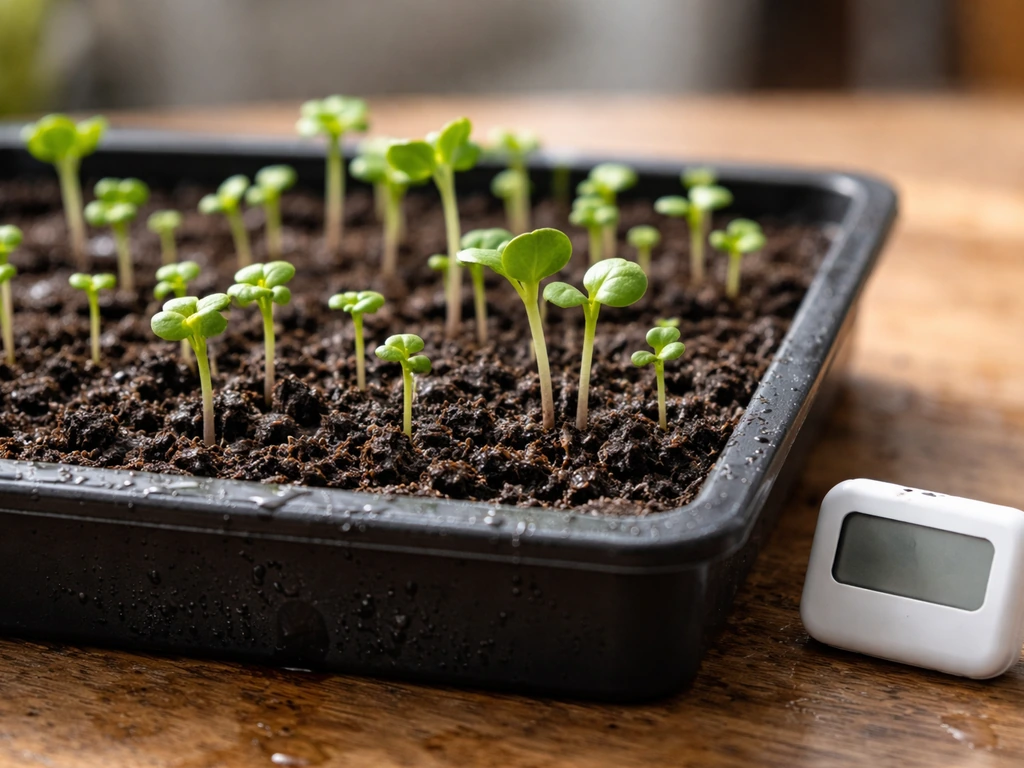
An apple seed takes anywhere from 60 to 120 days of cold stratification before it will even think about sprouting, then another 2 to 4 weeks to actually germinate once it's in warm soil. After that, you're looking at 1 to 2 years to grow a sturdy seedling ready to transplant outdoors, and realistically 8 to 10 years before a seed-grown apple tree produces fruit. That's the honest timeline, and it's a long one. If you're in it for the journey, here's exactly what to expect at every stage.
How Long Does It Take for Apple Seed to Grow?
Marcus Henley
23 Apr 2026
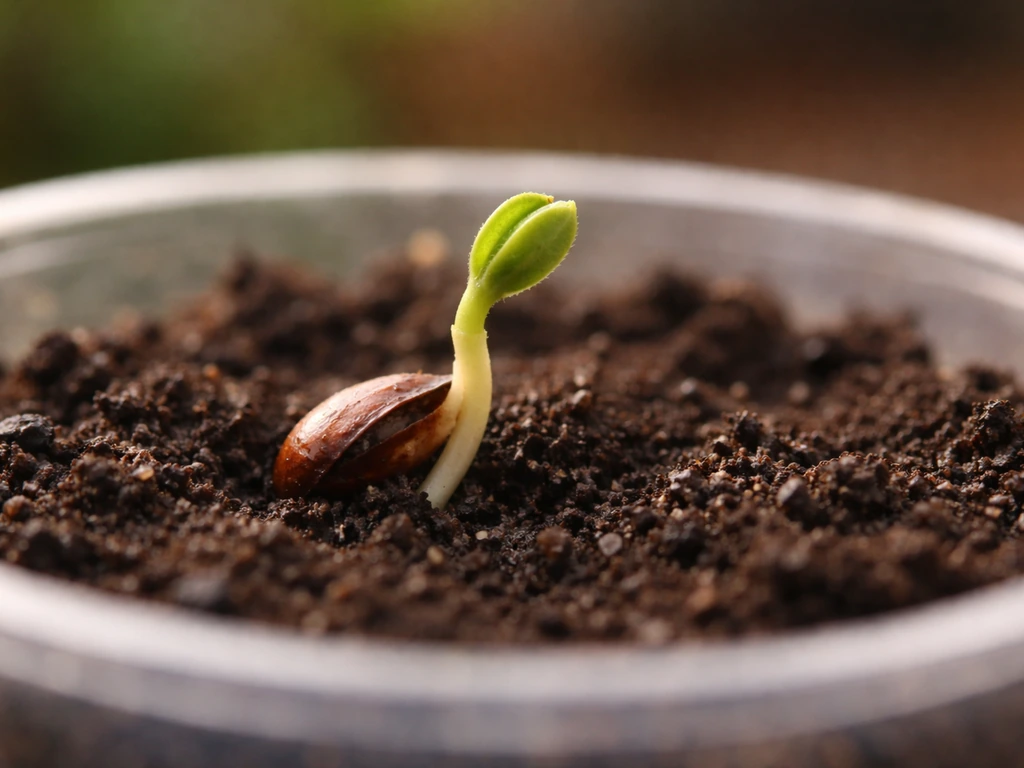
Realistic timeline from apple seed to first growth
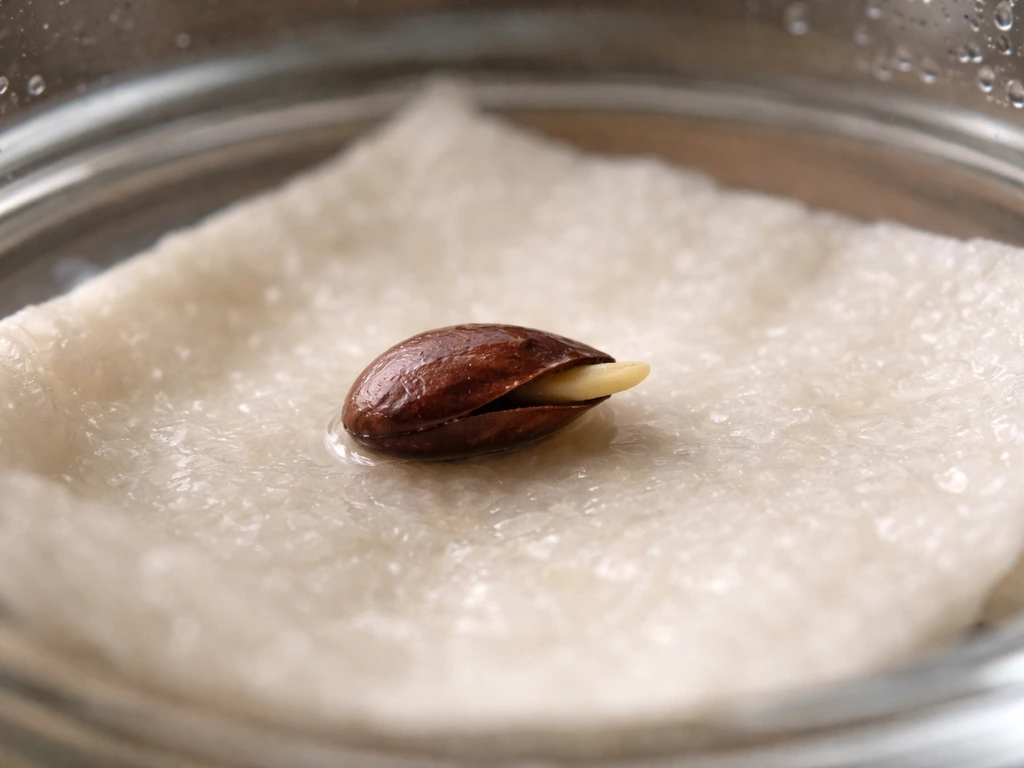
Unlike fast-sprouting seeds such as radish or sunflower, apple seeds have a built-in dormancy mechanism that mimics winter. They will not germinate without first experiencing a prolonged cold period. This is not optional. Skip it, and the seed just sits there doing nothing.
Here's the rough calendar if you're starting from scratch with a fresh apple seed today:
| Stage | What's Happening | Time Required |
|---|---|---|
| Cold stratification | Seed is chilled to break dormancy | 60–120 days at 37–41°F |
| Germination | Radicle emerges once seed is moved to warm conditions | 2–4 weeks after stratification |
| Early seedling | First true leaves appear, seedling establishes in pot | 1–3 months post-germination |
| Transplant-ready seedling | Strong enough to move outdoors or into a larger container | 1–2 years total from seed |
| First flowers or fruit | Seed-grown trees begin producing apples | 8–10 years or more from seed |
So the absolute fastest you'll see any green growth at all is about 3 to 4 months from when you start. Most people doing this for the first time are surprised by that, because most seeds they've worked with sprout in days or weeks. Apple seeds operate on their own schedule, and respecting that timeline is the difference between success and failure.
Germination expectations and what controls sprouting
The single biggest factor controlling apple seed germination is cold stratification. Apple embryos have a physiological dormancy that requires a sustained period of cold and moisture, somewhere between 0°C and 4°C (37–41°F), to release the internal growth inhibitors and allow germination. Research from Iowa State University Extension puts the requirement at 60 to 120 days at that temperature range for apple and crabapple seeds. Oklahoma State University Extension notes that 20 to 40 days can work in some cases, though longer stratification periods produce more reliable results.
There are two practical ways to achieve this. First, you can do it artificially by wrapping seeds in a damp paper towel inside a zip-top bag and placing them in the back of your refrigerator (not the freezer) for 60 to 120 days. Second, you can plant seeds directly outdoors in the fall and let winter do the work naturally. Fall planting is simple and mimics what happens in nature, but you have less control over conditions and animals may eat the seeds.
Once stratification is complete and the seed is planted in warm, moist growing medium, germination typically takes 2 to 4 weeks. Temperature during this phase matters too: soil temperatures between 65°F and 75°F are ideal. Too cold and germination stalls. Too hot and you risk stressing the emerging seedling before it's established.
The stratification method that works best indoors
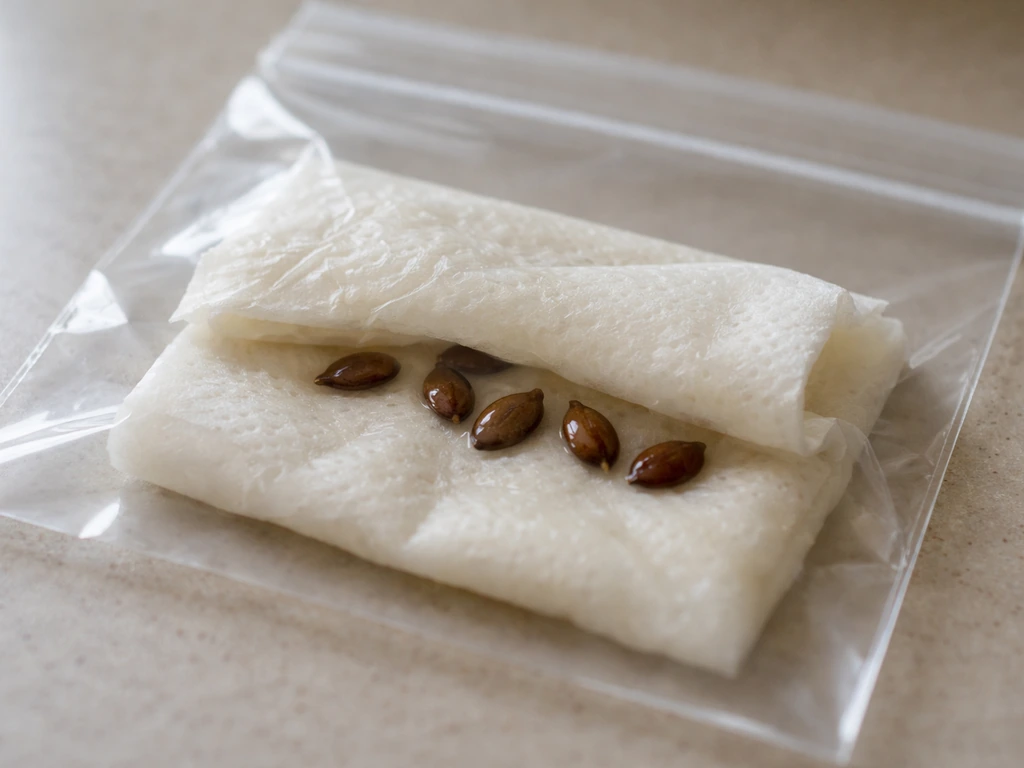
- Clean fresh apple seeds thoroughly and let them dry for 24 hours
- Wrap seeds in a barely damp paper towel or mix with slightly moist perlite or sand
- Seal in a labeled zip-top bag and place in the refrigerator at 37–41°F
- Check monthly for mold or drying out; re-moisten lightly if needed
- After 60 to 120 days, move seeds to warm, sterile seed-starting mix
- Keep moist but not waterlogged, and expect sprouts within 2 to 4 weeks
Seedling establishment: how long until you see a sturdy plant
Once germination happens and a small seedling pokes out of the soil, it's easy to feel like the hard part is over. In reality, the seedling stage is when most failures occur. Apple seedlings are slow growers and they're vulnerable. During the first year, you're mostly building root mass, not visible top growth, and that means the plant can look underwhelming for months.
Under good indoor conditions with adequate light (a south-facing window or grow lights running 14 to 16 hours per day), a seedling will develop its first set of true leaves within 4 to 8 weeks of germinating. By the end of year one, you might have a plant 6 to 12 inches tall. By year two, it could be 18 to 36 inches with a thickening stem. That's when most growers consider it sturdy enough to transplant into the ground or a large container outdoors.
One thing worth knowing before you get too attached: seed-grown apple trees almost never produce fruit identical to the parent apple. Apples don't grow true from seed. The seedling you get is genetically unique, which is actually fascinating from a plant-breeding perspective, but it means you can't count on getting Honeycrisp apples from Honeycrisp seeds. Seed-grown trees are primarily useful as rootstocks, or for adventurous growers who just want to see what they get.
Time to first fruit vs 'mature' apple tree from seed
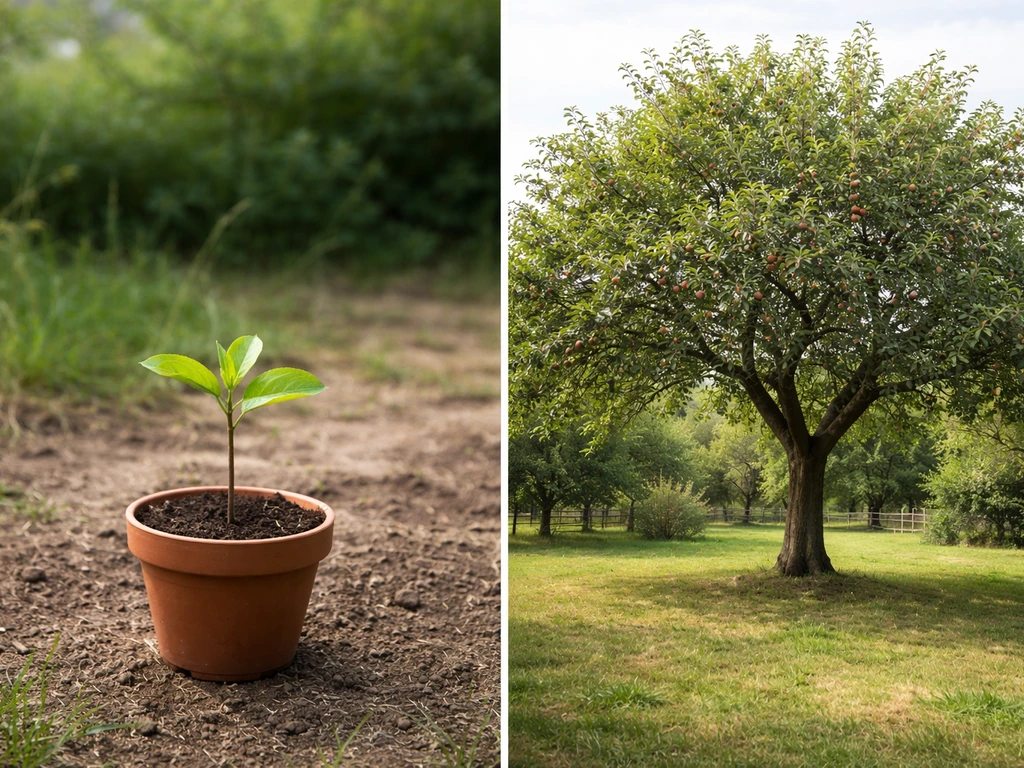
This is the part where the timeline gets humbling. A seed-grown apple tree typically takes 8 to 10 years from germination before it produces any fruit at all, and some trees take longer depending on genetics, growing conditions, and how well they've been cared for. Compare that to a grafted apple tree from a nursery, which can fruit in 2 to 5 years depending on the rootstock and variety. The difference is significant.
A 'mature' apple tree that produces a reliable, full crop generally takes even longer from seed, often 10 to 15 years. The tree needs to grow large enough to support fruiting, develop the right hormonal balance to shift from vegetative to reproductive growth, and have consistent care year after year to stay healthy. This is not a project for impatient gardeners. It's a long-game commitment, and it's worth going in with eyes open.
| Growing Method | Time to First Fruit | True to Parent Variety? |
|---|---|---|
| Seed-grown apple tree | 8–10+ years | No (genetically unique) |
| Grafted nursery tree (semi-dwarf) | 2–4 years | Yes |
| Grafted nursery tree (standard) | 4–6 years | Yes |
If your goal is to actually eat specific apples from your own yard within a reasonable timeframe, buying a grafted nursery tree is the better path. If your goal is to grow a tree from seed for the experience, for rootstock, or for the mystery of what fruit you might eventually get, then the seed route is genuinely rewarding. Just know what you're signing up for.
How to speed things up (stratification, conditions, transplanting)
You can't rush biology, but you can definitely avoid slowing it down. Here are the most impactful things you can do to give your apple seed the best chance of germinating quickly and growing into a strong seedling:
- Start stratification at the right time: if you want to plant in spring, start cold stratification in November or December so you hit the 60 to 120 day mark just as outdoor temperatures warm up
- Use a proper refrigerator temperature: aim for 37–41°F consistently. A fridge that's too warm won't break dormancy effectively; one that's too cold risks damaging the seed
- Keep the stratification medium just barely moist, not wet. Soggy conditions during stratification can cause the seed to rot before it ever gets a chance to sprout
- After stratification, plant into a sterile seed-starting mix in a small pot with drainage holes. Warm the soil to 65–75°F using a seedling heat mat if needed
- Give seedlings 14 to 16 hours of bright light daily. A south-facing window is often not enough in winter; a simple grow light makes a real difference in early growth speed
- Transplant seedlings into progressively larger containers as roots fill each pot, rather than putting a tiny seedling into a huge container all at once
- Harden off the seedling before planting outdoors by gradually exposing it to outdoor conditions over 10 to 14 days before a permanent move
One thing that consistently surprises new growers: the fridge stratification method is genuinely reliable. A clean bag, barely damp perlite, and 90 days in a refrigerator will break dormancy on most apple seeds. The seeds often start showing a tiny root tip (radicle) even before you move them to soil, which is a great sign.
Why results vary: common delays and troubleshooting slow growth
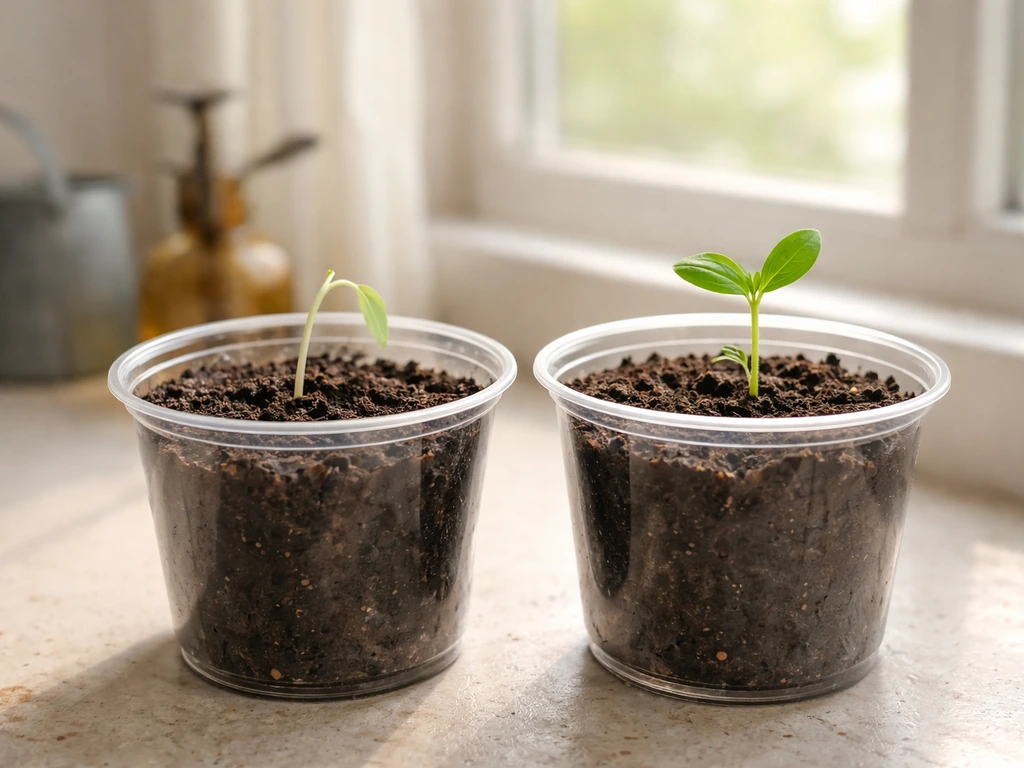
If your apple seed isn't sprouting on schedule, or if your seedling looks weak or stalls out, something in the environment is usually off. Here are the most common culprits and how to address each one.
Dormancy wasn't fully broken
The most common reason apple seeds don't germinate is insufficient stratification. If you only chilled the seeds for 3 to 4 weeks and nothing happened, extend the cold treatment. Some seeds need the full 120 days. Return them to the refrigerator and give them more time before trying again. This is not a failure, it's just the seed telling you it needs more winter.
Wrong temperature during germination
Once stratification is complete and seeds are planted, a cold room will stall germination. Apple seeds want warmth to sprout after their cold period, ideally 65 to 75°F soil temperature. If your home runs cool, especially in late winter, a seedling heat mat under the pot makes a measurable difference and is a simple fix.
Damping-off disease killing young seedlings
If seedlings emerge and then suddenly collapse at the soil line, damping-off is the likely cause. This is a fungal disease promoted by overwatering and contaminated growing medium. Penn State Extension and University of Minnesota Extension both point to the same prevention strategy: use fresh, sterile seed-starting mix every time, never reuse old potting soil for seeds, disinfect containers before use, and water from below rather than overhead. Let the top of the soil dry slightly between waterings. Once damping-off hits, there's no saving the affected seedlings, so prevention is everything.
Seed was stored too long or dried out
Apple seeds lose viability quickly compared to many other seeds. Seeds from an apple you ate months ago and left to dry on a counter may not germinate at all. For best results, use seeds from a fresh apple, clean them the same day, and start stratification within a few days. If you need to store seeds briefly before stratifying, keep them lightly moist and cool, not dry and warm.
Transplant shock stalling growth
A seedling that looked healthy indoors but seems to stop growing or looks wilted after being moved outside is likely experiencing transplant shock. This is especially common if the hardening-off period was skipped. Always transition seedlings gradually over 1 to 2 weeks, starting with just an hour or two of outdoor time in a sheltered spot and building up from there. Roots also need time to adjust to new soil, so don't panic if the plant looks static for a few weeks after planting.
Not enough light
Slow, leggy seedlings with long thin stems reaching toward the window are a light problem, not a soil or watering problem. Apple seedlings need a lot of bright light. If you're growing indoors during winter, a single south-facing window in most climates simply isn't enough. A basic LED grow light kept 4 to 6 inches above the seedling and running 14 to 16 hours per day will produce noticeably more compact, sturdy growth. It's one of the most impactful upgrades you can make.
Growing an apple tree from seed is genuinely one of the slower projects in the seed-growing world. If you've been curious about how apple seeds compare to the fastest-sprouting seeds around or to trees known for taking the longest to mature, the contrast is pretty striking. If you're comparing that pace to a speedy seed, it helps to know that apple seeds are unlikely to behave like those fast-sprouting varieties. If you're wondering what seed will grow in a week, apple seeds are usually the opposite of that quick-result category. The one that takes the longest to grow is usually any seed with a long dormancy or slow maturation, so timing matters as much as the planting method what seed takes the longest to grow. If you're asking what is the fastest seed to grow, apple seeds are usually not the quickest option. But if you go in with realistic expectations, do the stratification right, and give seedlings the light and care they need in those first two years, you'll have a sturdy young apple tree to show for it. If you want the practical answer to how long does seed paper take to grow, focus on the time for sprouting and then the much longer time before anything is sturdy enough to move realistic expectations. The first time it sets fruit, however many years from now, it'll feel worth it.
FAQ
What should I do if my apple seeds are still not sprouting after the full cold period?
If you don’t get any sprout after the usual cold period, re-check viability first. A quick way is to split a few seeds (or cut a small nick) to see if the embryo is firm and creamy inside, not shriveled or brown. If they look poor, starting with fresh seeds is faster than running another full stratification cycle.
Can I skip fridge stratification and just plant the seeds right away?
Yes, but it’s easy to mess up timing. Warm stratification or leaving seeds in the fridge for too little time often causes a total stall, not a partial sprout. If you plant early, you still need to ensure the seed experiences the required 60 to 120 days of cold, or you should switch to controlled fridge stratification instead.
Will stratification quality change how fast my seed-grown apple tree produces fruit?
You can, but it won’t make the tree fruit sooner. Genetic uniqueness affects fruiting, and some seedlings simply take longer than average. If your goal is early eating, plan for grafted trees, or accept that seed trees might need extra years beyond 8 to 10 before the first harvest.
How much should I water during the germination and seedling stages?
Use only after stratification is complete, and keep the medium evenly moist, not soaked. For the 2 to 4 week germination window, letting the top dry slightly between waterings helps reduce damping-off risk, especially indoors. A seed-starting mix that drains well matters as much as watering frequency.
Is it better to stratify in a damp paper towel or in perlite, and how wet is too wet?
Cold stratification can be done with either paper towel or perlite, but avoid soaking seeds in water. They need moisture plus oxygen, so if the medium becomes waterlogged the seeds can rot. For paper towel methods, it should feel like a damp sponge, not dripping.
If my seedlings are stretching, does that mean something went wrong with stratification?
Light affects shape, not dormancy release, so it won’t reduce the cold-stratification timeline. However, if seedlings go leggy indoors, they can be weaker for transplant later. Aim for intense light (as you described with grow lights), and transplant only after hardening off to lower stress.
Can I count on all apple seedlings to grow at the same pace, and what if only a few sprout?
Don’t expect one seedling to be “the one.” Germination varies seed to seed, and seedlings can be slow even when healthy. It’s normal to remove only the clearly dead or collapsing ones, then keep the rest under good light until you can select the strongest after the first season.
How long do apple seeds stay viable after I pick them from an apple?
Store seeds only briefly before stratification. If they’ve dried out too much (for example, left on a counter), viability can drop quickly. Keep them lightly moist and cool, and start the cold treatment as soon as you can for the best odds.
If I plant in fall outdoors, how do I protect seeds from animals and still get reliable germination?
Yes, and it can be a useful workaround if you can’t reliably control indoor temperatures. Outdoors, fall planting mimics natural conditions, but you trade control for risk from animals and weather extremes. A mesh cover or similar barrier can prevent seed loss without changing the basic timeline much.
Next Article
What Is the Fastest Seed to Grow? Quickest Timelines
Fastest seeds ranked by germination, seedling, and harvest times plus tips to speed growth and fix slow germination.