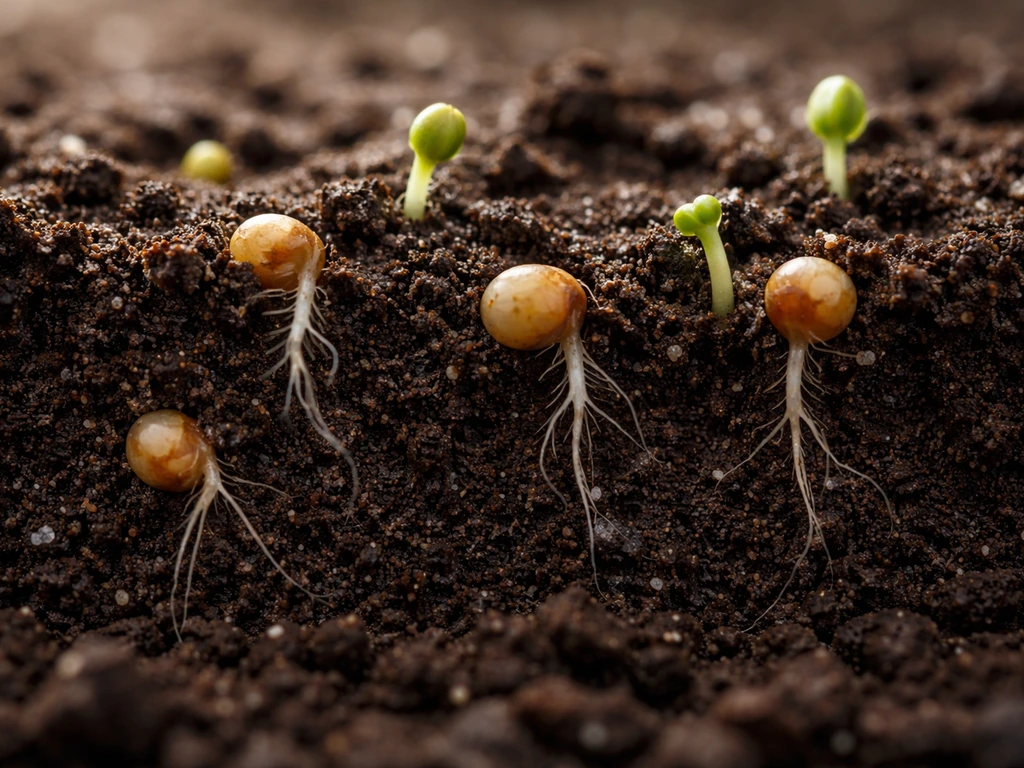
Mandevilla seeds typically germinate in about 5 days when soil temperature is kept between 72 and 75°F (22–24°C). From there, expect another 4 to 6 weeks before seedlings are strong enough to transplant, and roughly 3 to 4 months from seed to first bloom under good conditions. That's the honest timeline, and knowing it upfront saves a lot of unnecessary worry when day 10 rolls around and nothing seems to be happening.
How Long Does It Take Mandevilla Seeds to Grow?
Marcus Henley
3 May 2026
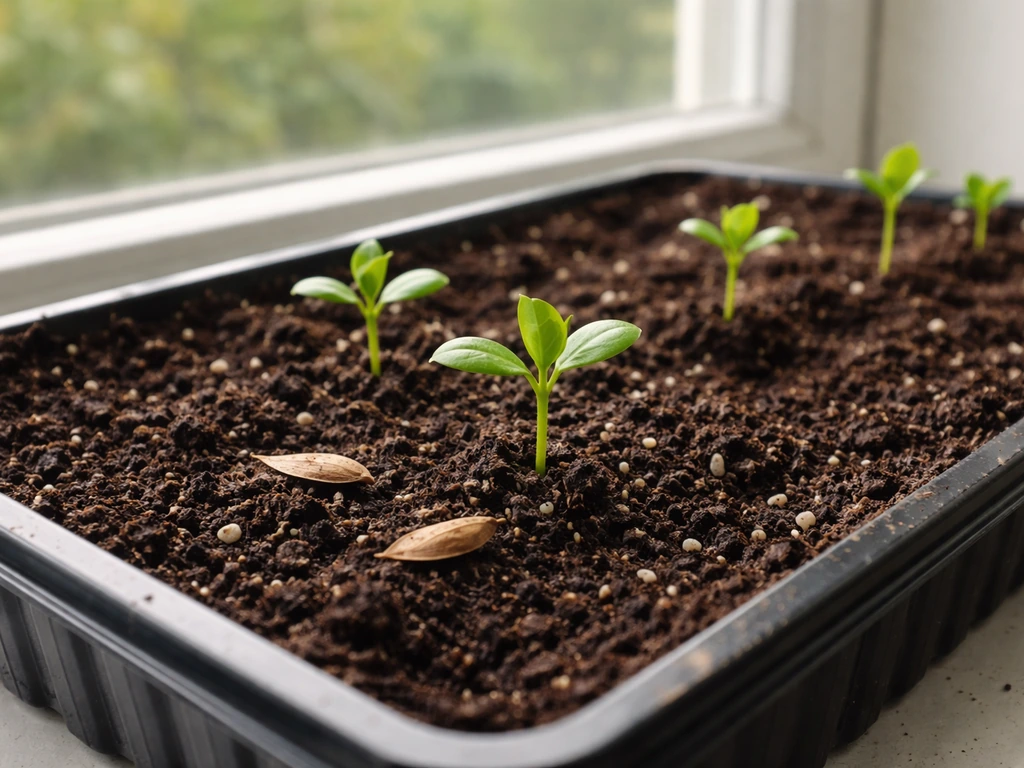
Typical mandevilla seed germination timeline
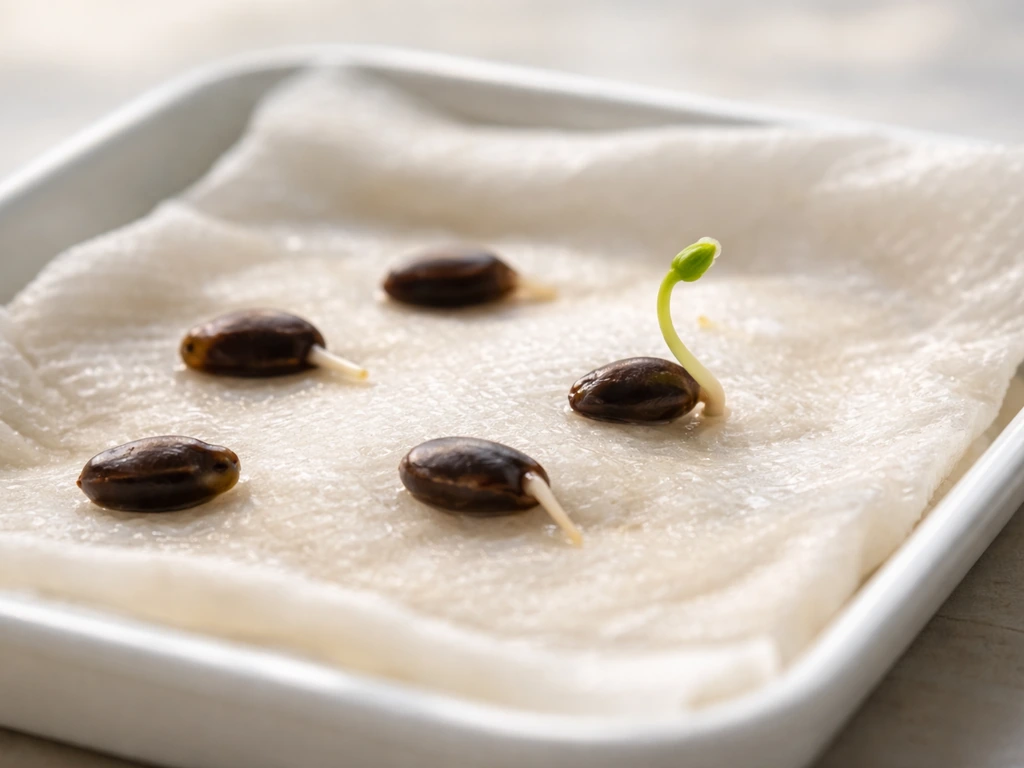
According to commercial grower research on Mandevilla hybrids (including the Madinia/Dipladenia line), the germination window sits right around 5 days at the optimal temperature range of 72 to 75°F. That's faster than many flowering vines, and it's one of the things I genuinely like about starting mandevilla from seed. If you nail the temperature, you'll often see the first signs of cracking or a tiny white root tip peeking through within a week.
That said, 5 days is the commercial greenhouse benchmark under controlled conditions. Home growers should plan for a realistic range of 5 to 14 days, especially if temperature consistency is hard to maintain. Seeds started in a room that fluctuates between 65°F at night and 78°F during the day will take longer than seeds sitting on a proper heat mat locked at 73°F. Count your germination window from when conditions are actually stable, not just from the day you sow.
| Milestone | Timeline from sowing |
|---|---|
| First germination (optimal conditions) | 5 days |
| Full germination window (home conditions) | 5–14 days |
| Seedling with first true leaves | 3–4 weeks |
| Transplant-ready seedling | 6–8 weeks |
| First bloom from seed | 3–4 months |
What speeds things up or slows them down
Temperature is the biggest lever
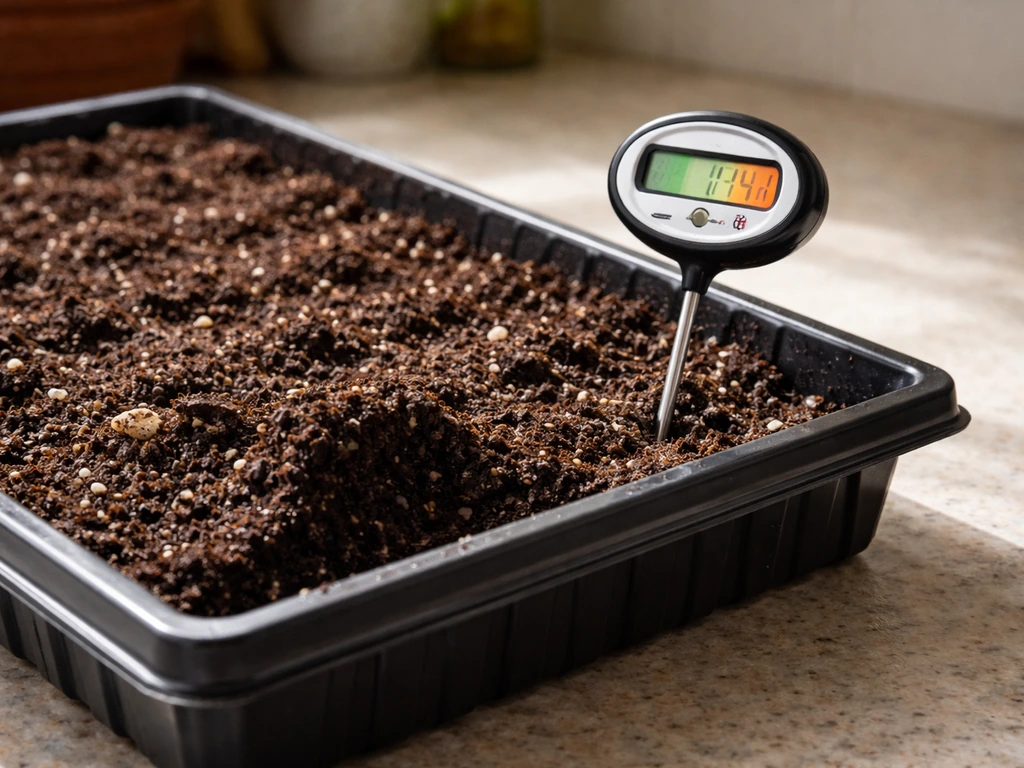
Temperature matters more than almost anything else with mandevilla seeds. The 72 to 75°F soil temperature sweet spot isn't just a suggestion: drop below 65°F and germination can stall completely. Go above 85°F and you risk the seeds rotting before they sprout. A seedling heat mat with a thermostat is the single best investment you can make if you're serious about starting mandevilla indoors. Ambient room temperature isn't the same as soil temperature, by the way. Even a warm room at 70°F often has soil sitting at 65 to 67°F, which is enough to push your germination window out by a week or more.
Light during germination
Here's something that trips up a lot of gardeners: mandevilla seeds do not need light to germinate. Commercial grower data specifically notes that light is not required during the germination phase. That means you can cover your tray and keep it in a dark, warm spot without any concern. Once seedlings emerge and you see those first tiny leaves, get them under light immediately, but don't let the "more light is always better" instinct push you to uncover trays too early.
Moisture consistency
Mandevilla seeds need even moisture throughout germination, not wet, not dry, just consistently damp. Letting the mix dry out even once during that 5 to 14 day window can kill seeds that were on the verge of sprouting. On the flip side, soggy mix cuts off oxygen to the seed and triggers rot. The goal is a medium that feels like a wrung-out sponge: you can feel moisture when you press it, but no water drips out.
Seed age and viability
Mandevilla seeds have a relatively short shelf life compared to something like mustard or fenugreek seeds, which can stay viable for years in proper storage. Mandevilla seeds older than 1 to 2 years will show noticeably lower germination rates, and seeds stored in warm, humid conditions degrade even faster. If you're working with seeds from last season, do a quick germination test on a damp paper towel before committing to a full tray.
Sowing details that actually affect how fast things happen
Sowing depth and seed prep
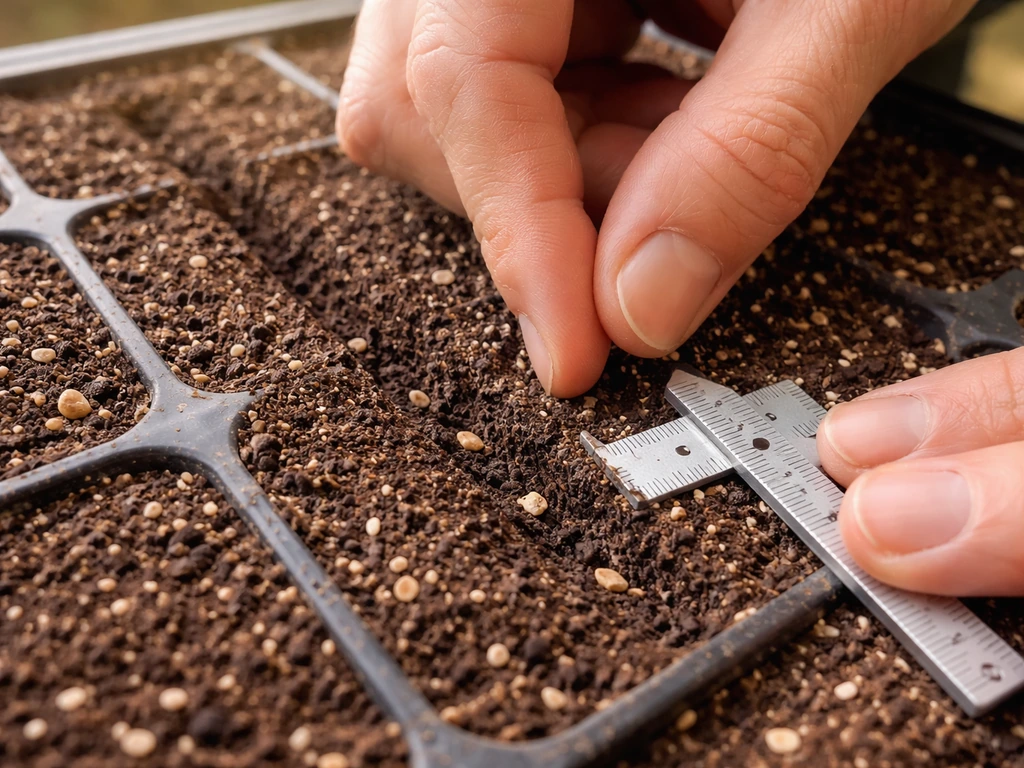
Mandevilla seeds are relatively small and should be sown at a shallow depth, roughly 1/8 to 1/4 inch (3 to 6 mm). Deeper than that and the seedling uses up its stored energy fighting to reach the surface, sometimes failing before it gets there. You can lightly scratch the seed coat (scarification) with fine sandpaper or soak seeds in warm water for 12 to 24 hours before sowing. Both techniques can shave a couple of days off germination by softening the seed coat, though with fresh, high-quality mandevilla seed you often don't need to bother.
Choosing the right mix and pH
Use a fine-textured, well-draining seed-starting mix rather than garden soil or potting mix. Commercial mandevilla growers target a media pH of 5.5 to 5.9, which is slightly acidic. Most quality seed-starting mixes fall in this range, but if you're mixing your own or using peat-based mixes, it's worth checking. Soil pH that's too high (above 6.5) can lock out nutrients the moment seedlings start feeding, which makes them look stunted even before they've had a real chance.
Containers and humidity covers
Small plug trays or cell packs work well for starting mandevilla. Mandevilla seeds typically take about a week or so to begin sprouting, depending on temperature starting mandevilla. Covering the tray with a clear plastic dome or even plastic wrap does two things: it holds in heat (which helps maintain that 72 to 75°F target) and it keeps moisture from evaporating, so you're not constantly watering. Remove the cover as soon as the first seedlings emerge to prevent damping-off fungal issues. I've seen entire trays lost to damping-off because the dome stayed on two or three days too long once seedlings appeared.
From seedling to transplant: what to expect week by week
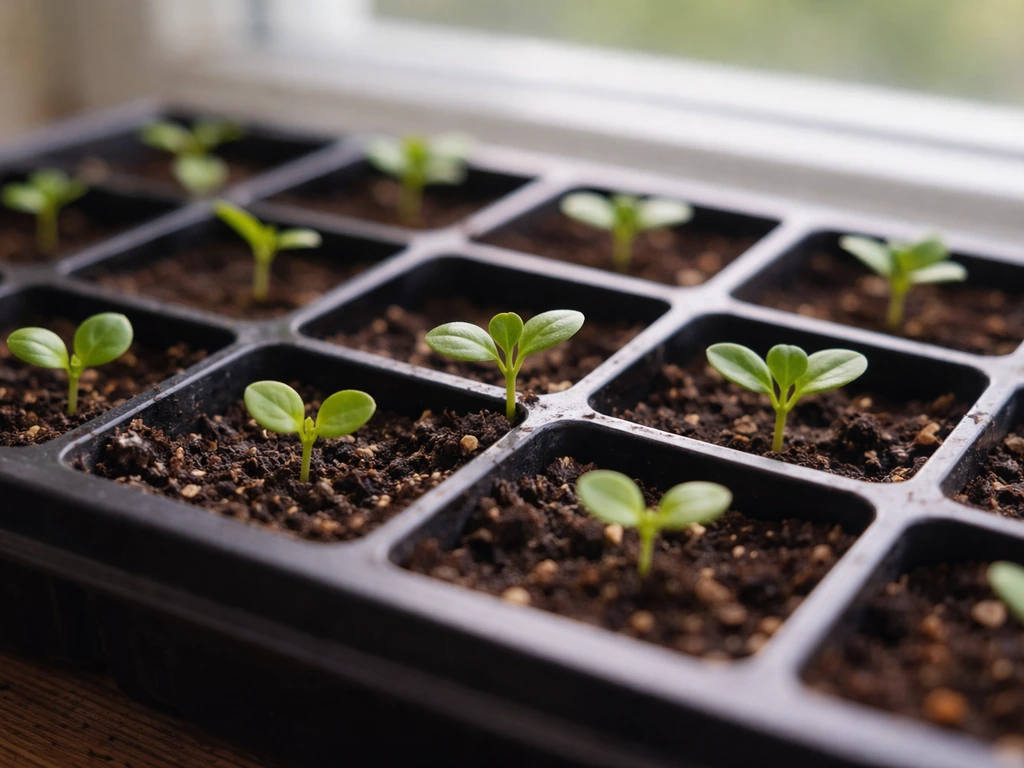
Once your mandevilla seedlings emerge, the work shifts from germination management to early growth support. The first leaves you see are cotyledons (seed leaves), not true leaves. True leaves follow at around week 2 to 3, and that's when the plant starts looking like a real mandevilla. Seedlings are ready to transplant into individual pots or the garden when they have at least 2 to 3 sets of true leaves and a root system that holds the plug together when you pop it out. That typically takes 6 to 8 weeks from germination, sometimes a bit longer if light levels are low.
During this phase, give seedlings bright indirect light or 14 to 16 hours under grow lights daily. Keep temperatures above 60°F at all times, and start feeding lightly with a dilute balanced fertilizer (quarter strength) once the first true leaves are fully open. Don't rush transplanting: a seedling that's a little too small tends to sulk and stall after being moved, while one that's had a few extra days to establish moves out with momentum.
How long until your mandevilla actually flowers
This is the part where patience becomes a genuine virtue. Mandevilla grown from seed takes roughly 3 to 4 months from sowing to first bloom under good conditions indoors, or longer if you're growing in a cooler climate or lower light. Plants that get transplanted outdoors after the last frost date and hit a full summer of heat and sun tend to catch up fast. Many growers find that a mandevilla started from seed indoors in late winter (February or March) is blooming nicely by June or July once placed outside.
Keep in mind that mandevilla grown from seed may not flower identically to its parent plant, especially if you're working with hybrid varieties. If you want exact color and form replication, cuttings are the more reliable route. But for the experience of growing from seed, it's a very satisfying process, and the timeline is entirely manageable with a little planning.
- Seeds sown in February/March: expect first bloom by June/July outdoors
- Seeds sown in April/May: bloom possible by August/September with good heat
- Full vine size and heavy blooming: typically second growing season from seed
Nothing happened yet, here's what to check
If you're past day 14 with no sign of germination, don't dump the tray yet. Start by checking the actual soil temperature with a thermometer rather than assuming the room is warm enough. Syngenta’s culture guide for Madinia Petite Dipladenia/Mandevilla specifies bottom heat targets of 72, 74°F (22, 23°C) for the first three weeks and notes root emergence around 12, 14 days as part of propagation timing blank" rel="noopener noreferrer">Start by checking the actual soil temperature with a thermometer rather than assuming the room is warm enough.. Nine times out of ten, that's the culprit. If the temperature looks right, gently dig up one or two seeds and look at them. A seed that's plump and intact is still viable but hasn't been triggered yet. A seed that's mushy or shriveled has either rotted from overwatering or desiccated from drying out.
- Check soil temperature with a probe thermometer — it should read 72–75°F, not just feel warm
- Open the tray and press the mix to check moisture — damp like a wrung sponge, not wet or dry
- Dig up one seed and inspect it — plump means viable, mushy means rot, hard and shriveled means it dried out
- Check seed age — if seeds are more than 2 years old or were stored in heat or humidity, viability drops significantly
- Wait until day 21 before declaring failure — some home-condition germination extends to three weeks
- If still nothing by day 21, start a fresh batch with a heat mat and cover to improve conditions
One thing worth knowing: mandevilla seed germination rates are rarely 100%, even in professional greenhouse settings. A germination rate of 70 to 80% from a fresh packet is solid. If you're getting half or fewer seeds sprouting, that's a sign something environmental is off rather than a bad seed lot. Fix the conditions first, then reassess. Sowing a few extra seeds per cell (2 to 3) and thinning later is a practical way to insure against partial germination without wasting space.
For context, mandevilla is actually on the faster end of the flower seed germination spectrum. If you've grown flowers like certain ornamental vines or perennials from seed before, you've probably dealt with timelines stretching to 3 to 4 weeks or more just to see a sprout. Mandevilla's 5 to 14 day window makes it relatively forgiving for first-time growers, as long as the temperature piece is handled well. If you're wondering how many days does a mongo seed grow, your best answer depends on temperature, moisture consistency, and whether you start the seeds in a warm, stable setup. Mustard seeds, on the other hand, typically germinate faster than many flowering seeds and are usually sprouting within about a week to 10 days mustard seeds grow in how many days.
FAQ
If my mandevilla seeds have not sprouted by day 14, what should I check first?
Check actual soil temperature with a thermometer at seed depth, then confirm the medium is damp but not soggy (wrung-out sponge feel). If both are right, open the top layer carefully and inspect a couple seeds, plump and firm usually means they are still viable but not triggered yet.
Can I speed up mandevilla seed germination?
Yes, the biggest lever is stable soil heat around 72 to 75°F. If you want a small extra boost, try scarification (lightly sanding the coat) or soak seeds in warm water for 12 to 24 hours before sowing, but avoid overly hot water because it can damage the embryo.
Do I need to soak mandevilla seeds before planting?
It is optional. Fresh, high-quality seeds often germinate without soaking, while soaking can help only if the seed coat is slow to take up moisture. If you soak, sow promptly after soaking, and discard any seed that starts to look mushy.
Should I transplant mandevilla seedlings right when I see cotyledons?
No, transplanting at cotyledon stage is a common mistake that can set growth back. Wait until you have at least 2 to 3 sets of true leaves and roots that hold the plug together, because smaller seedlings often sulk after disturbance.
What moisture level is best during germination, and how can I tell if I’m watering too much?
Aim for consistently damp, where the mix feels like a wrung-out sponge when pressed, and no water drips out. If the surface stays wet or the container smells musty, reduce watering and improve airflow because excess water encourages rot.
Do mandevilla seeds need darkness to germinate?
They do not require light for germination, but total darkness is not mandatory. The practical point is to keep conditions warm and evenly moist, then switch to bright light (or grow lights) immediately once seedlings emerge to prevent weak, stretched growth.
Is a clear plastic dome or wrap safe to use after seeds sprout?
It can be, but remove it right when you see the first seedlings. Keeping the dome on longer after emergence increases humidity at the surface and raises damping-off risk, especially in still, cool air.
How long will it take for mandevilla to bloom if I start indoors early?
Indoors, plan on roughly 3 to 4 months from sowing to first bloom under good conditions, then you can sometimes get an earlier push if you transplant outdoors after frost and the plants receive consistent summer heat and strong light. Cooler, lower-light setups usually stretch the timeline.
What germination rate should I expect from fresh mandevilla seed?
Even with good seed, germination is rarely 100%. A solid target is around 70 to 80% from a fresh packet. If you are seeing far less, reassess temperature stability and moisture first before assuming the seeds are bad.
Does scarification or deeper planting affect how long it takes to grow?
Scarification can shave a bit of time by helping the seed coat soften, but deeper planting usually delays or prevents emergence because seedlings use stored energy to reach the surface. A good rule is about 1/8 to 1/4 inch (3 to 6 mm) depth, not deeper.
Next Article
Mustard Seeds Grow in How Many Days A Real Timeline
Mustard seed germination, seedling growth, and maturity timeline with realistic day ranges and troubleshooting tips.