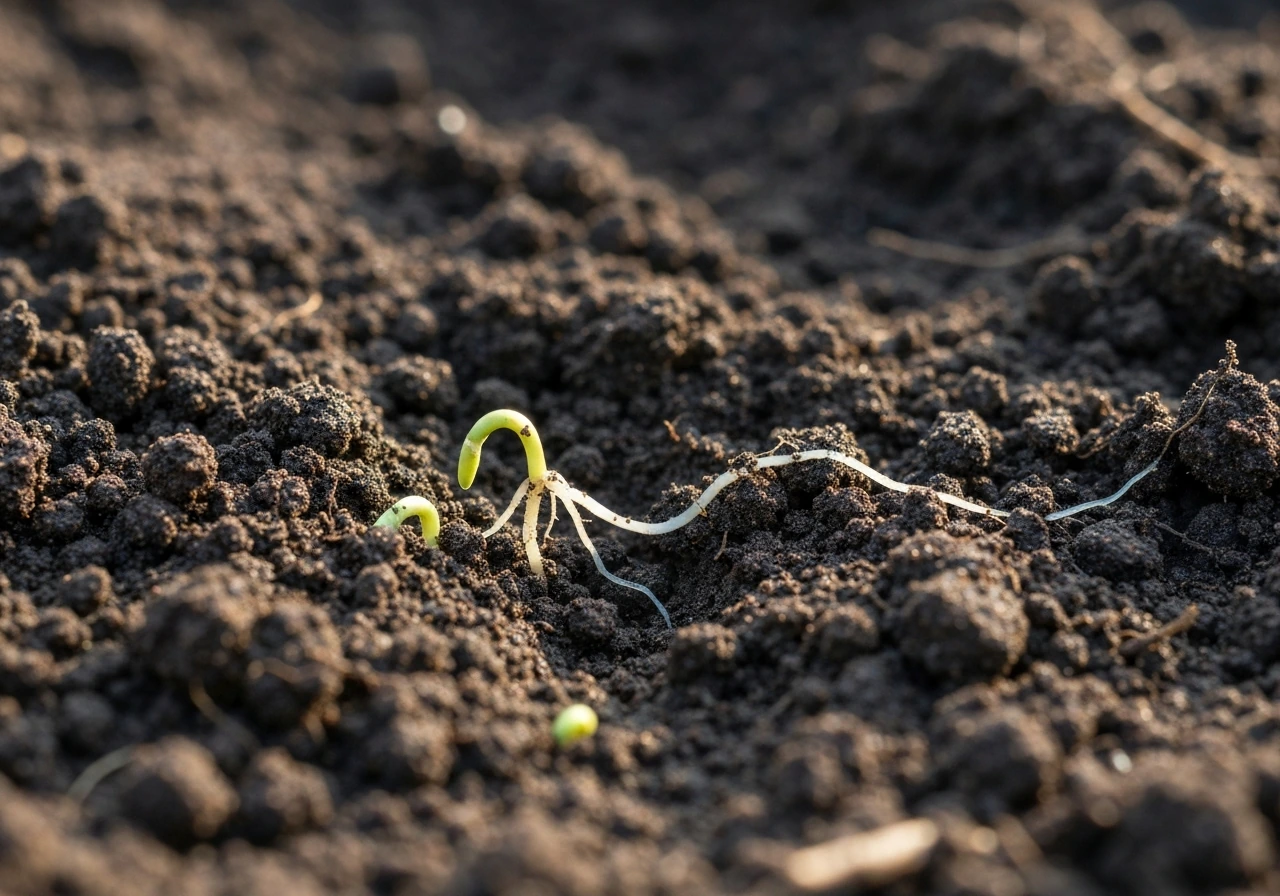
Mustard seeds typically germinate and push their first sprouts above the soil in 5 to 10 days under good conditions. If your soil is sitting around 55 to 65°F and you're keeping it consistently moist, expect to see seedlings in about a week. It's one of the faster-germinating vegetables you can grow, which is part of why it's such a satisfying crop for new and experienced gardeners alike. Pechay (bok choy) seeds follow a similar schedule, so knowing the typical germination window helps you estimate when seedlings and early growth should appear how many days does pechay seeds grow.
Mustard Seeds Grow in How Many Days A Real Timeline
Marcus Henley
1 May 2026
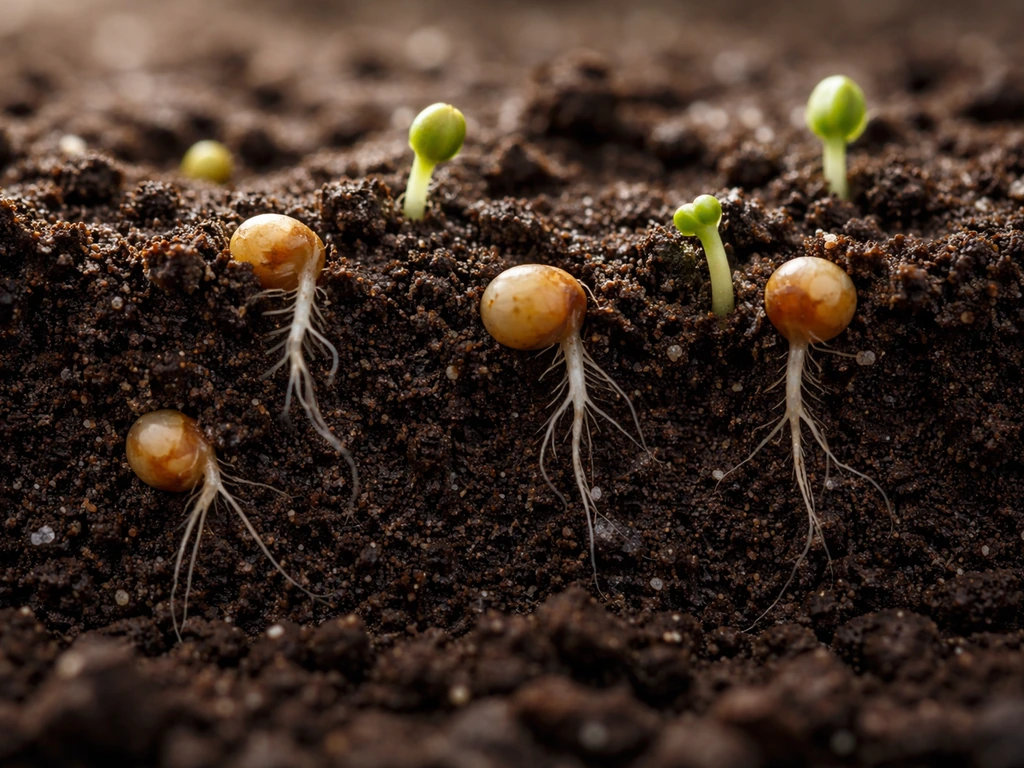
Typical timeline: germination to first sprouts
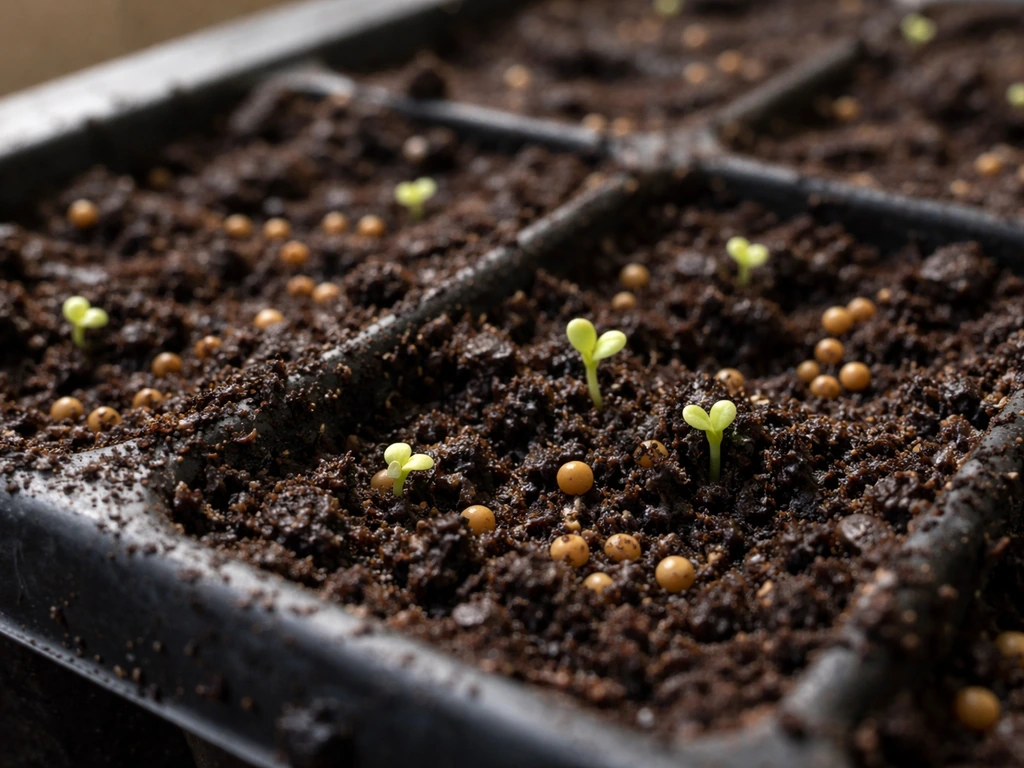
The first thing to understand is that "how many days" has a real range depending on temperature. Mongo seed germination and sprouting timing will also depend heavily on temperature, moisture, and how deeply you sow it how many days does a mongo seed grow. Mandevilla seeds typically take around 10 to 15 days to germinate when temperatures stay warm and evenly moist. Both Utah State University Extension and Oregon State University Extension have documented this clearly, and my own garden experience backs it up completely.
| Soil Temperature | Expected Days to Emergence | Notes |
|---|---|---|
| Below 45°F | Very slow or no germination | Seeds may rot before sprouting |
| 45–54°F | 10–14+ days | Slow but possible; cool-season sowing |
| 55–65°F (optimal) | 5–10 days | Best-case germination; aim for this range |
| 66–79°F | 5–7 days | Fast germination if moisture is consistent |
| 80°F and above | Unreliable; germination rate drops | Heat stress; consider waiting for cooler weather |
The sweet spot is 55 to 65°F soil temperature. In that range, most mustard varieties will show their first true sprouts within 7 days, and almost all of them will be up by day 10. Push the temperature above 80°F and germination becomes patchy and unpredictable. I've had trays of brown mustard seed sit stubbornly dormant during a warm snap in late spring, then sprout vigorously once a cool front came through and dropped the soil temp back into the 60s.
How different mustard varieties compare at germination
White mustard (Sinapis alba), brown mustard (Brassica juncea, also called sarepta or Indian mustard), and yellow mustard greens all fall within the same basic germination window of 5 to 10 days under optimal conditions. White mustard tends to be the most forgiving of slightly cooler soils. Brown and sarepta types are a little more cold-sensitive but often germinate slightly faster in that 60 to 70°F range. For growing mustard greens specifically, the variety matters less for timing and more for flavor and leaf texture.
Days to seedling establishment and early growth
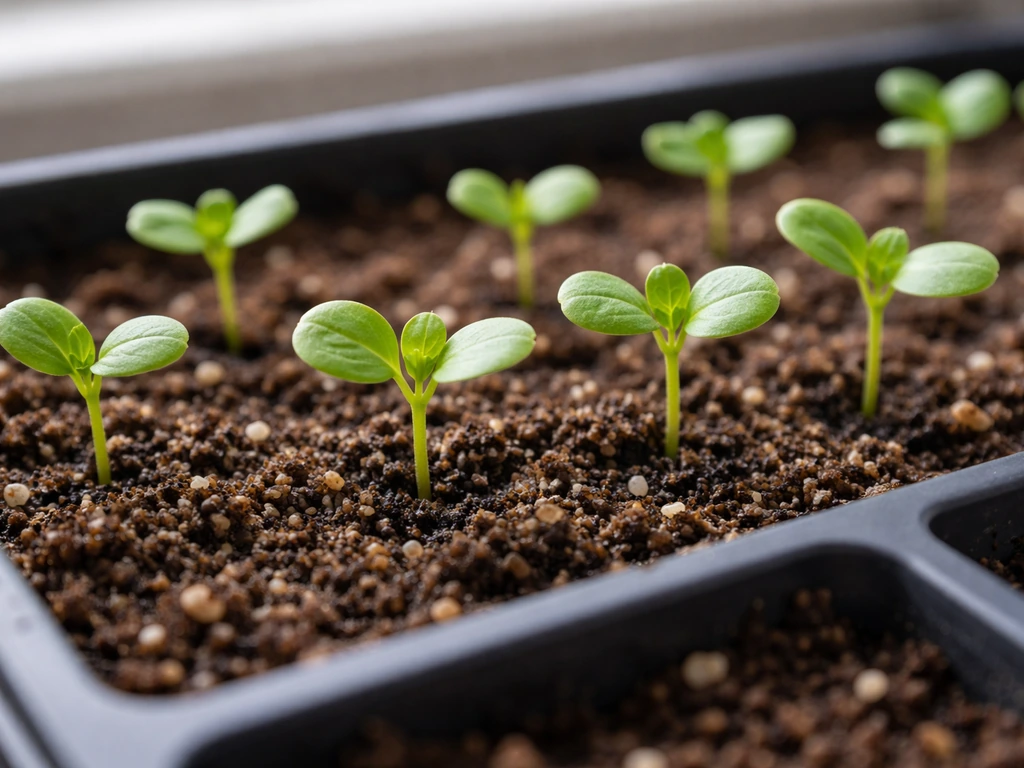
Once those first cotyledons (the seed leaves) appear, you're looking at another 7 to 14 days before the seedling is truly established with its first set of true leaves. That puts you at roughly 2 to 3 weeks from sowing before you have a seedling that can handle light stress, a bit of wind, or being thinned without drama.
- Days 1–7 (or up to 10): Germination, first sprouts break the soil surface
- Days 7–14: Cotyledons open fully, seedling anchors its root system
- Days 14–21: First true leaves appear, plant starts photosynthesizing actively
- Days 21–30: Seedling establishment complete; ready for thinning to final spacing
Mustard grows fast once it's established. You'll notice real visible progress almost every day once those true leaves are out. If you're direct sowing in the garden rather than starting indoors, thin plants to about 6 inches apart once they're 2 to 3 inches tall. Crowded mustard seedlings get leggy and bolt faster, so thinning early pays off.
Days to full maturity: mustard greens vs seed production
This is where your goal matters a lot. If you're growing mustard for fresh leaves (the most common home-garden use), you have a much shorter wait than if you're growing for seed production to use as a spice or for replanting.
| Goal | Days from Sowing | What to Look For |
|---|---|---|
| Baby leaf harvest | 25–30 days | Leaves 3–4 inches long, tender and mild |
| Full mustard greens harvest | 40–60 days | Mature leaves, full flavor, before bolting |
| Seed production (white mustard) | 80–95 days | Pods turn yellow-brown and start to dry |
| Seed production (brown/sarepta mustard) | 90–110 days | Pods dry down, seeds rattle inside |
For greens, 40 to 60 days is a solid planning number. Most mustard green varieties are labeled somewhere in that range, and it holds up well in practice. I usually start harvesting outer leaves around day 35 to 40 while letting the plant keep producing, which extends your harvest window by another 2 to 3 weeks before the plant bolts in warmer weather.
For seed production, patience is the game. Mustard needs to flower, set pods, and have those pods dry down before you harvest. That entire cycle from sowing to dry seed is typically 90 to 110 days for most varieties. If you're growing for condiment seeds or saving seeds for next season, plan for a full season rather than a quick crop.
What changes how many days it actually takes
Four variables move the needle more than anything else: temperature, moisture, planting depth, and light. Get these right and you'll hit the fast end of the range. Get them wrong and you'll be wondering why nothing came up at day 14.
Temperature
Soil temperature is the single biggest driver of germination speed. Optimum soil temperature for mustard seed germination runs from 45 to 85°F, but the real sweet spot for fast, reliable emergence is 55 to 65°F. Above 80°F, germination rates drop noticeably. Below 45°F, seeds may just sit and wait or, worse, rot. If you're sowing in early spring or fall, a cheap soil thermometer tells you more than the air temperature does.
Moisture
Mustard seeds need consistent moisture to germinate, but not waterlogged soil. The seed coat is thin and swells quickly with water, which is part of why germination is so fast. Letting the soil dry out even briefly during the first week can stall germination or kill seeds that have already started to crack open. Water lightly but frequently until sprouts appear, then back off to a more normal schedule.
Planting depth
Mustard seeds are small, and they should only be planted about 1/4 to 1/2 inch deep. Plant them deeper and they struggle to push through the soil in time, which adds days to emergence or results in weak, pale seedlings. Scatter seeds and press them lightly into the soil, or use a shallow drill and cover lightly.
Light
Mustard grows best in full sun, which means 6 or more hours of direct sunlight per day. Less light doesn't stop germination, but it does slow early seedling growth and can cause plants to stretch and become less productive. In hot climates, a bit of afternoon shade actually helps extend the growing season by keeping plants from bolting, but during germination and early growth, more sun equals faster progress.
Planting conditions and best practices to hit the timeline
If you want to hit that 5 to 10 day germination window reliably, here's the practical setup that works.
- Check soil temperature before sowing: aim for 55–65°F. In early spring, this usually means waiting until a few weeks after your last frost date.
- Direct sow into loose, well-drained soil. Mustard doesn't need rich soil but it does need soil that isn't compacted, so the small seedling can push through easily.
- Sow seeds 1/4 to 1/2 inch deep and space rows about 12 inches apart for greens, or 18 inches apart if growing for seed.
- Water gently right after sowing and keep the top inch of soil consistently moist until germination. A fine mist setting on a watering wand works well without disturbing seeds.
- Thin seedlings once they reach 2 to 3 inches tall, leaving about 6 inches between plants for greens or 12 inches for seed production.
- Avoid planting after soil hits 80°F consistently. If you've missed the spring window, wait for fall when temperatures drop back into the 60s.
Mustard is a cool-season crop, which makes it ideal for spring and fall plantings. It tolerates light frost well, so you can sow it earlier in spring than many vegetables and later into fall than most. That flexibility is one of mustard's best traits as a garden crop.
Troubleshooting slow or no germination
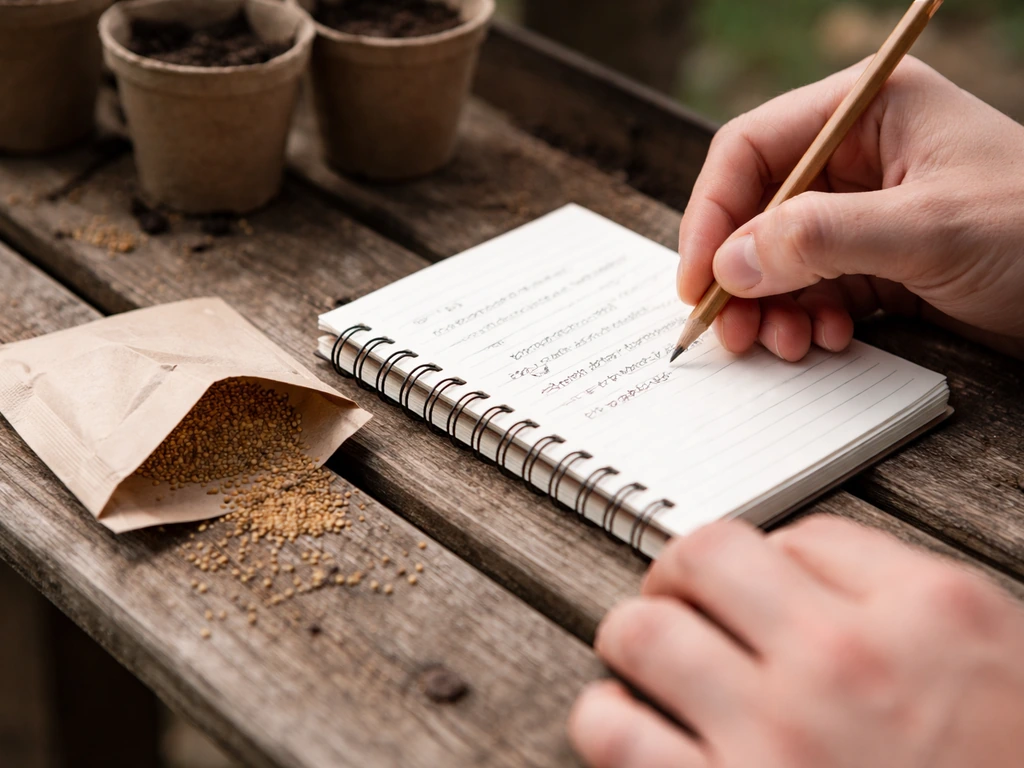
If you're past day 10 and still seeing nothing, something went off. The good news is that mustard seeds are cheap and a quick re-sow is usually faster than waiting longer on seeds that probably won't come up.
- Soil too cold: Check soil temperature. If it's below 50°F, germination will be very slow. Cover the bed with row cover or black plastic for a few days to warm the soil.
- Soil too hot: If temperatures have been above 80°F, the seeds may have failed. Wait for cooler weather and re-sow.
- Soil dried out: If the bed dried out at any point during the first week, germinated seeds may have died. Re-sow and set a watering reminder.
- Planted too deep: Seeds buried more than 1/2 inch struggle to emerge. Scratch the soil gently to see if seeds have started to sprout underground; if so, thin the covering soil slightly.
- Old seed: Mustard seed viability drops after 2 to 3 years. Do a quick germination test: place 10 seeds on a damp paper towel, fold it over, and check in 5 to 7 days. If fewer than 7 sprout, get fresh seed.
- Pest pressure: Flea beetles and soil insects can eat seeds and young seedlings before you see them. Look for tiny holes in any seedlings that do emerge and treat accordingly.
One thing worth knowing: mustard seed germination is fast enough that if something went wrong, you can re-sow and still be back on track within two weeks. Don't spend three weeks troubleshooting seeds that won't come up. Re-sow with adjusted conditions and move forward.
Quick planning guide: when to sow based on your goal
Use this as a practical reference when you're sitting down to plan your planting calendar. Count backward from the date you want to harvest and forward from when your soil reaches the right temperature.
| Goal | When to Sow | Expected First Harvest |
|---|---|---|
| Spring baby leaf harvest | As soon as soil hits 45°F (early spring) | 25–30 days after sowing |
| Spring full greens harvest | 4–6 weeks before last frost | 40–60 days after sowing |
| Fall greens harvest | 6–8 weeks before first fall frost | 40–60 days after sowing |
| Condiment/spice seed production | Early spring, as soon as soil allows | 90–110 days after sowing |
| Seed saving for next season | Same as above; allow pods to fully dry on plant | 100–120 days after sowing |
For most home gardeners growing mustard greens, the math is simple: sow when your soil is in the 55 to 65°F range, and plan for a harvest window starting around day 40 and running through day 60, with baby leaves available even earlier. Fall is often the better season in warmer climates since cooling temperatures keep plants from bolting and the flavor of the leaves improves with light frost.
If you're comparing mustard to other fast-germinating seeds, it sits in a similar category to crops like fenugreek, which also germinates in roughly 5 to 10 days and matures quickly. Fenugreek seeds grow in about 5 to 10 days under good conditions Fenugreek seeds grow in how many days. Both are great choices when you want results fast and don't want to wait weeks just to see signs of life. For slower-germinating crops or more complex seed timelines, the variables that affect mustard apply broadly: temperature, moisture, depth, and seed freshness are the four levers you always have control over, regardless of what you're growing.
FAQ
If mustard sprouts in 5 to 10 days, how long until it is safe to thin or transplant?
You will usually see emergence first, in about 5 to 10 days (cotyledons above soil), but “growth” can mean different milestones. Plan roughly 2 to 3 weeks from sowing to reach a sturdy seedling with true leaves, which matters for thinning and light stress.
What should I do if my mustard seeds do not sprout by day 10?
Soil that is cool from the bottom is a common issue. Even if air feels warm, check soil temperature at sowing depth (about 1/4 to 1/2 inch). If it is below 45°F, seeds can stall or rot, and emergence may stretch well past day 14.
Will starting mustard seeds indoors make them sprout sooner than direct sowing?
Yes, but it changes the timing. Starting indoors can make emergence faster, since you can keep soil in the 55 to 65°F sweet spot and maintain gentle moisture. However, mustard can be a bit sensitive to root disturbance, so transplant carefully or direct sow if you want to minimize delays.
Why do my mustard seeds sprout unevenly, with some coming up and others not?
Warm snaps are a setup for patchy germination. If daytime soil temps climb near or above 80°F, germination rates often drop and you may get uneven emergence. The best fix is to resow when conditions cool or to keep the sowing bed evenly moist and slightly shaded during the hottest part of the day.
How deep is “too deep,” and how does planting depth affect days to emergence?
For direct sowing, the goal is uniform coverage, then light cover. A shallow, even cover (about 1/4 to 1/2 inch) plus light pressing helps. If the mix is loose or airy, seeds may sit too deep, so use a firming pass or a thin layer of fine soil/compost for consistent depth.
Could old or poorly stored mustard seeds be the reason for slow germination?
Mustard seed freshness matters, especially after long storage or if seeds were kept in high humidity. If seeds are old and you are past day 14 with no emergence, do a simple test by soaking a few seeds for 24 hours and checking for swelling and early cracking. If there is little change, re-sow with fresher seed.
Does watering too much or too little affect how many days mustard seeds take to sprout?
Yes. Even after sprouts appear, letting the soil dry out during the first week can halt development or kill cracked seeds. Keep moisture consistent until you see cotyledons reliably, then shift to a lighter, regular watering rhythm.
Do the 5 to 10 days apply to harvest time, or only to germination?
If you are growing mustard greens for harvest, you are usually planning for 40 to 60 days for mature leaf picking. If you count only to “sprouting,” you can be surprised later, because true establishment and leaf expansion take additional time beyond germination.
Next Article
How Fast Do Morning Glories Grow From Seed? Timelines
Germination and growth timelines for morning glories from seed, plus tips to speed sprouting and troubleshoot delays.