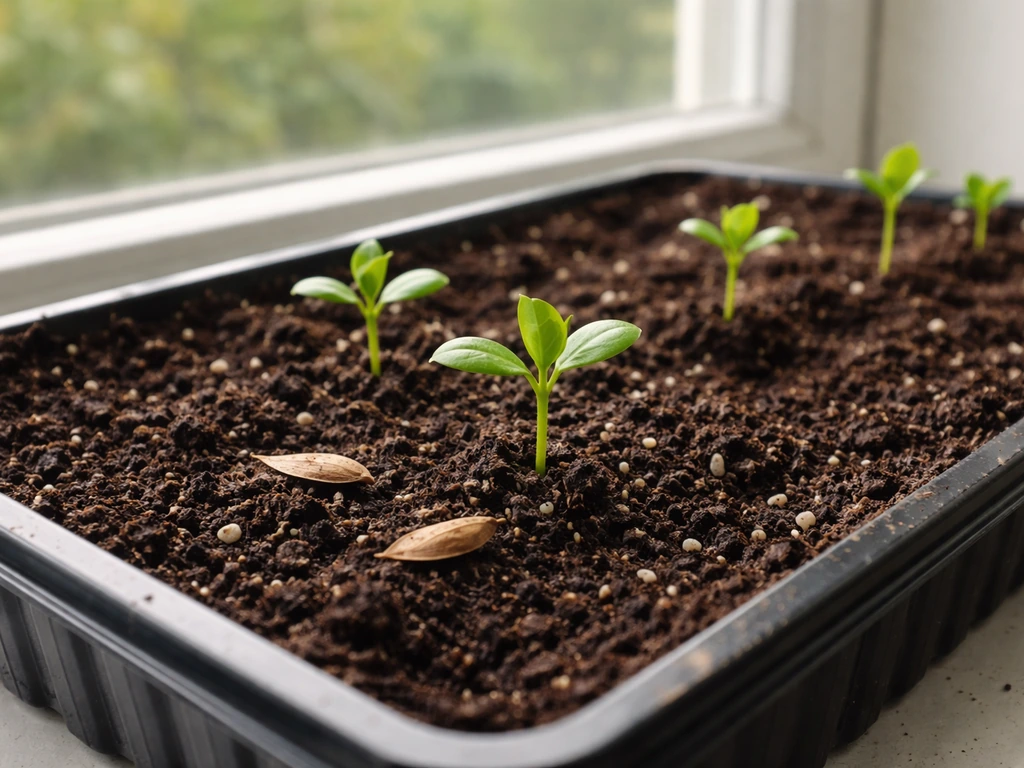
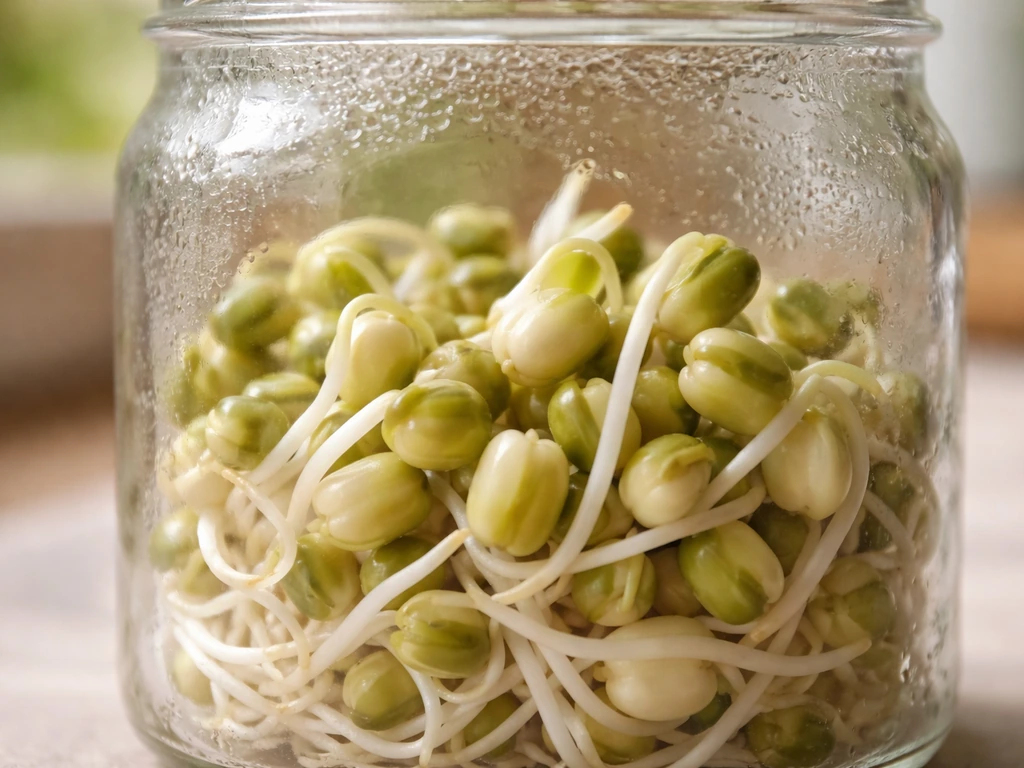
Mongo (mung) seeds sprout fast. If you're growing sprouts at home, you can expect to see small white roots poking out within 2 to 3 days of soaking, and most people harvest those short, sweet sprouts somewhere between day 2 and day 7. Fenugreek seeds typically sprout in about 3 to 5 days, depending on warmth and moisture, before you decide whether to harvest as sprouts or let them grow longer fenugreek seeds grow in how many days.
How Many Days Does a Mung Seed Grow? Timelines
Marcus Henley
14 May 2026
If you're growing mung bean microgreens (the slightly more grown-up version with tiny leaves), count on 8 to 12 days. And if you're planting mung beans outdoors for an actual bean harvest, the full plant takes 90 to 120 days to full maturity. Which stage you're aiming for completely changes your timeline, so let's get that sorted first.
What 'Growing' Actually Means for Mongo Seeds (Sprout vs Seedling vs Harvest)
Most people searching for how many days mongo seeds take to grow are thinking about one of three very different things. It's worth being specific because the numbers are wildly different depending on which stage you mean.
| Stage | What It Looks Like | Typical Days |
|---|---|---|
| Sprout | Short white root emerging from soaked seed, eaten whole | 2–7 days |
| Microgreen | 1–3 inch shoot with cotyledon leaves, cut and eaten | 8–12 days |
| Seedling (garden) | Young plant in soil with first true leaves | 7–14 days after sowing |
| Full plant harvest | Mature pods with dried beans, full outdoor crop | 90–120 days |
The sprout stage is by far the most common reason people grow mongo seeds at home. You soak them, keep them moist in a jar or tray, and within a few days you have crunchy, nutritious sprouts ready to toss into a stir fry or salad. Microgreens take a bit longer and require a growing medium, but they're still a fast crop. The full outdoor bean harvest is a completely different project, one that needs warm weather, garden space, and a few months of patience, more like growing mustard seeds or fenugreek as a field crop than a quick kitchen project.
The Real Day Ranges for Mung Seed Germination and Early Growth
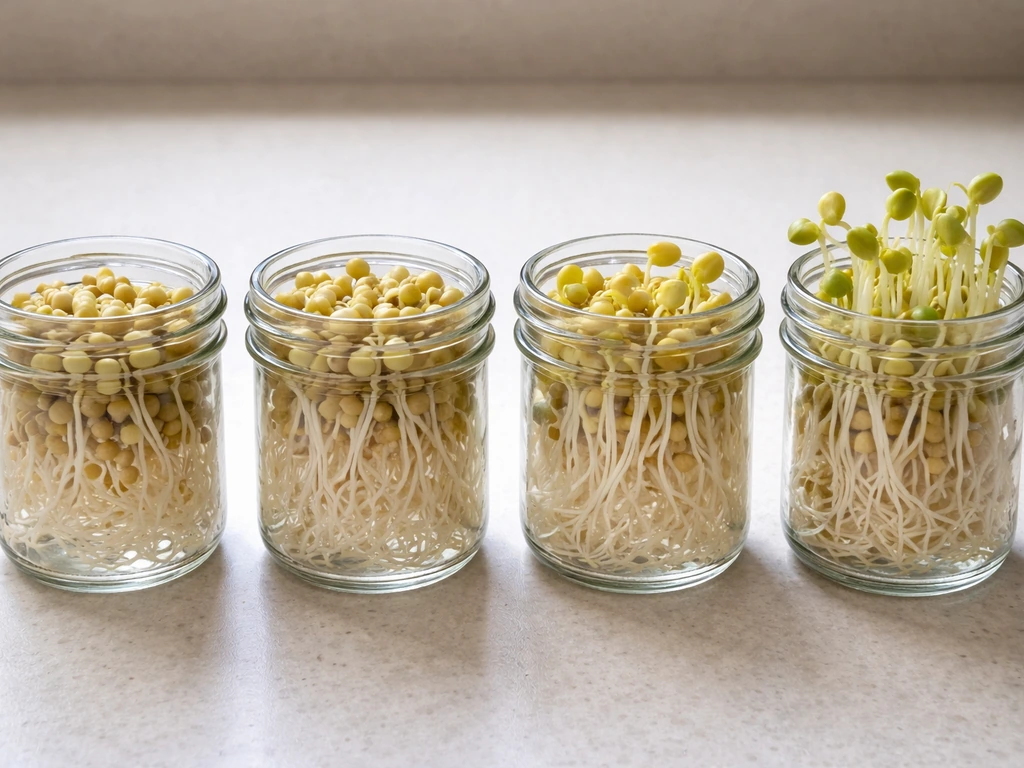
Here's what the timelines actually look like in practice, broken down by what you're growing toward.
Sprouts (the most common goal)
After an 8 to 12 hour soak in cool water, mung seeds begin germinating almost immediately. By day 2 or 3, most beans will have short white roots and are technically ready to eat as sprouts. If you want them a little longer and more substantial, push to day 4 or 5. Most sources agree the sweet spot is somewhere between day 2 and day 7, with rinsing every 8 to 12 hours in between. Beyond day 7, the sprouts can get leggy, develop a stronger flavor, or start to go off if conditions aren't perfect.
Microgreens
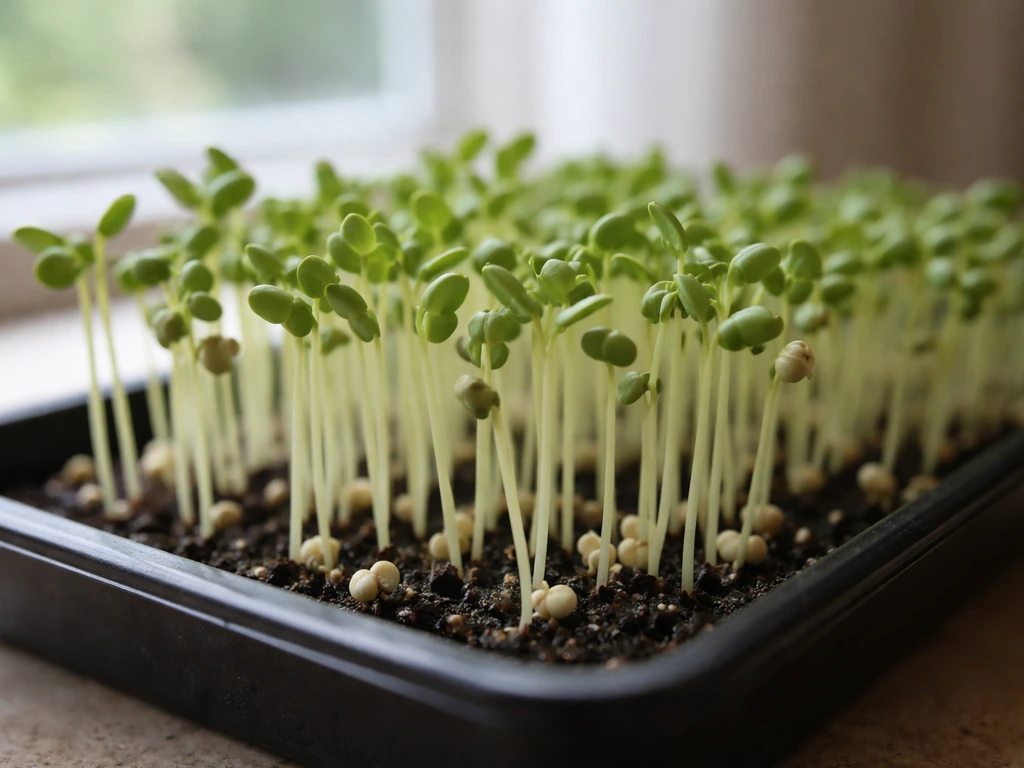
Mung bean microgreens take longer because you're waiting for the shoot to push upright and develop its first small leaves (the cotyledons). That process takes 8 to 12 days after sowing in a tray with growing medium. Harvest when the shoots are upright, tender, and the first true leaves are just beginning to emerge, that's the peak flavor and nutrition window. Brim Seed Co.
notes that mung microgreens are typically ready in about 2 to 4 days after misting/sprouting, and the harvest is based on height and tenderness rather than a single exact day count harvest when the shoots are upright, tender, and the first true leaves are just beginning to emerge. In the Arizona Cooperative Extension microgreens guide, sprouts are defined as germinated seeds with emerging root, and [microgreens are harvested at about 2 to 3 inches tall](https://extension.
arizona. edu/sites/extension. arizona. edu/files/attachment/Microgreens_0.
pdf) after roughly 7 to 21 days from sowing. Some growers report harvesting in as few as 7 days under ideal conditions; slower conditions can push you to 14 days.
Garden seedlings and full crop
If you're planting mung beans outdoors in a garden bed, expect seeds to germinate and push through the soil surface within 4 to 5 days under ideal soil temperatures (around 20°C or 68°F). Seedlings with their first true leaves appear around days 7 to 14. From there, the crop takes 90 to 120 frost-free days to reach full maturity, with young pods appearing around 50 to 70 days after sowing and mature, harvestable seeds closer to the 70 to 120 day mark depending on your variety and climate.
What Changes the Timeline (and by How Much)
There's no single magic number of days because several factors can push germination faster or slower. Temperature is the biggest one. Research comparing mung bean germination at 14°C, 17°C, and 20°C shows real differences in how quickly seeds sprout and establish. Cooler conditions slow everything down noticeably. For home sprout growers, a warm kitchen (around 20 to 24°C) is pretty much ideal. Going colder than 15°C will drag out your sprout timeline significantly.
- Temperature: 20–24°C is the sweet spot for fast germination. Below 15°C, germination slows and stalls; above 30°C, seeds can become stressed or rot faster.
- Soaking: An 8 to 12 hour pre-soak in cool water is the single most reliable way to kick-start germination. Skipping it or under-soaking delays sprouting by a day or more.
- Moisture consistency: Seeds need to stay moist but not waterlogged. Sitting in standing water starves the seeds of oxygen and causes rot — hence the rinse-and-drain method rather than keeping them submerged.
- Rinsing frequency: Rinse and drain every 8 to 12 hours. This refreshes moisture, removes metabolic waste, and keeps mold and bacteria from getting established.
- Light: During germination, mung seeds don't need light — in fact, germinating in a cool, dark spot is standard. Light becomes relevant only once you're growing microgreens and want the shoots to green up.
- Planting depth (for garden sowing): Plant no deeper than 2.5 to 4 cm (about 1 to 1.5 inches). Too deep and seedlings exhaust their energy before breaking the surface.
- Water quality: Salty or heavily mineralized water can reduce germination rates. Use clean, potable water — lukewarm works well for the soak, cool for ongoing rinses.
- Seed freshness: Old or poorly stored seeds germinate slower and less reliably. Fresh seeds (within 1 to 2 years of harvest) are noticeably more vigorous.
How to Speed Up Germination Starting Today
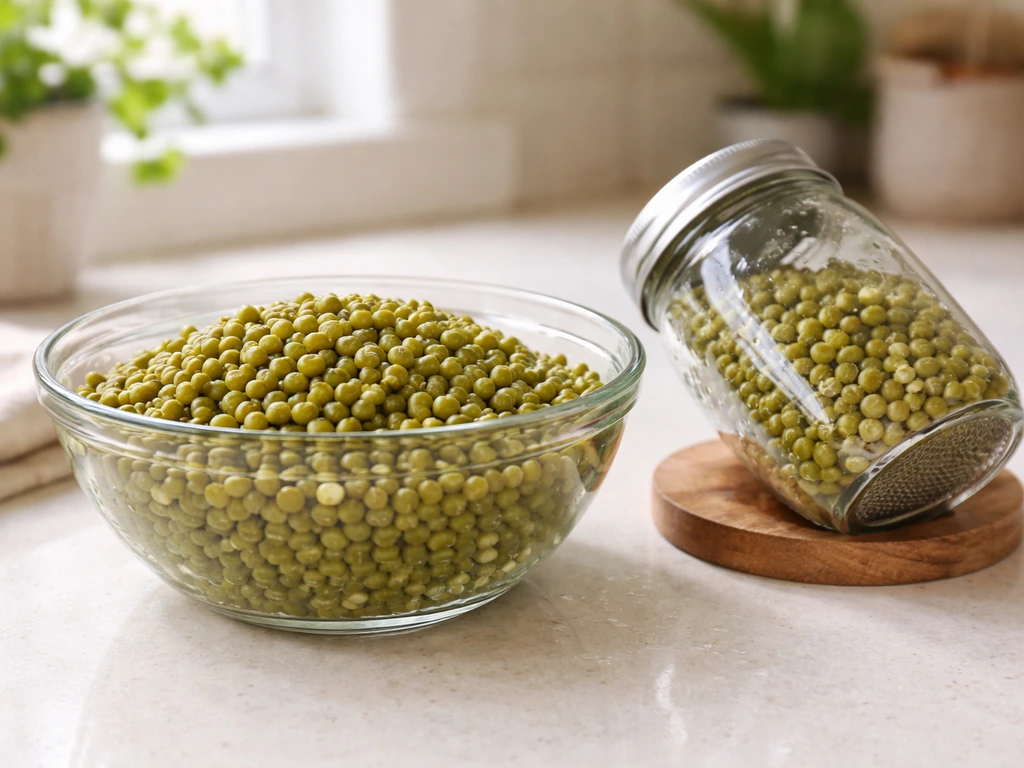
If you want the fastest, most reliable sprout results, follow this sequence. These steps reflect what actually works consistently rather than the most hands-off approach.
- Sort and rinse your seeds first. Remove any visibly shriveled, discolored, or broken seeds. Give the rest a good rinse under cool running water.
- Soak in cool to lukewarm water for 8 to 12 hours. Use about 4 times as much water as seeds — they'll swell significantly. This is the step most people either skip or under-do, and it matters a lot.
- Drain thoroughly after soaking. Don't leave seeds sitting in water after the soak is done. Waterlogged seeds don't germinate well — they suffocate.
- Set up a jar or tray with drainage. A wide-mouth mason jar with a mesh or cheesecloth lid works perfectly. Angle it upside-down in a bowl so any residual moisture drains out and air can circulate.
- Keep seeds in a warm, dark spot. A kitchen cupboard at around 20 to 24°C is ideal. Cover the jar loosely if you're worried about dust.
- Rinse and drain every 8 to 12 hours without fail. This is the most important ongoing step. Each rinse refreshes moisture and oxygen and removes the buildup that causes odor and mold.
- Harvest at day 2 to 3 for short, sweet sprouts, or continue to day 5 to 7 for longer ones. Taste test on day 3 — if they're to your liking, rinse one final time and refrigerate immediately.
One extra tip worth knowing: a brief warm water soak before rinsing (around 25°C for the soak phase) can help activate germination slightly faster than using cold water throughout. Some growers swear by it; it's backed by controlled sprouting experiments showing that warm soaking conditions improve germination activation. Just don't use hot water during ongoing rinses, cool or room-temperature water is safer and reduces bacterial growth risk.
Troubleshooting: Why Your Mongo Seeds Aren't Sprouting Yet
If it's been more than 3 days and you're not seeing anything, or if your sprouts look off, here's how to diagnose what went wrong.
After 3 to 5 days with no visible root growth
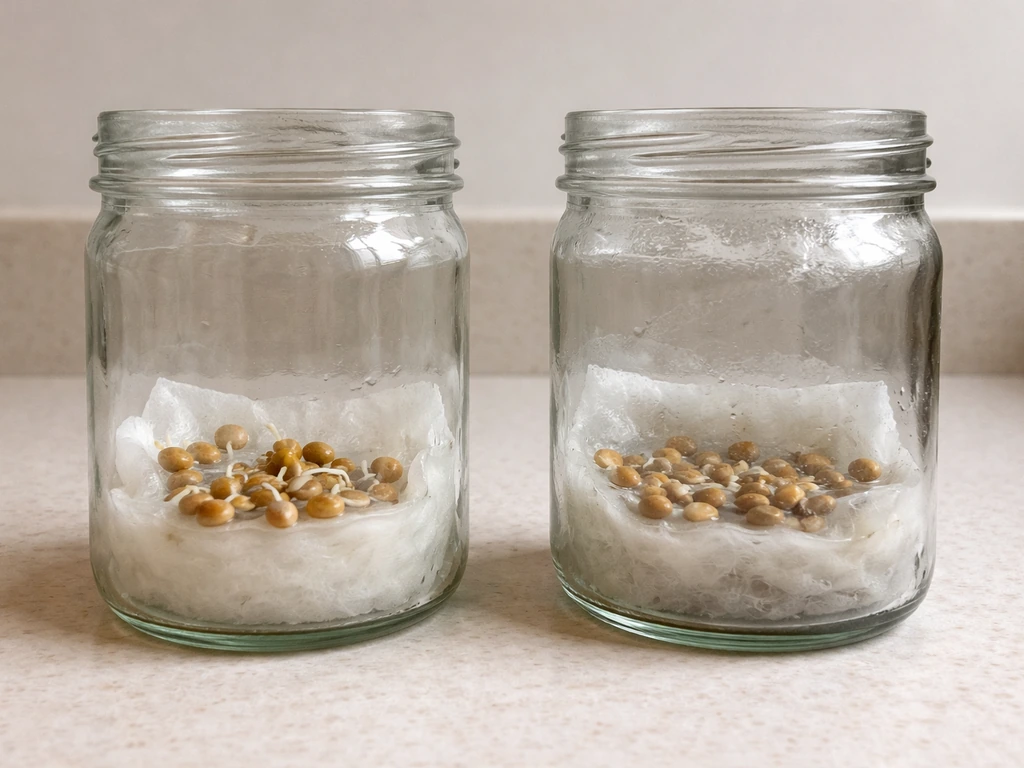
- Too cold: If your room is below 18°C, germination slows dramatically. Move the jar to a warmer spot and check again in 24 hours.
- Not soaked long enough: If you skipped the soak or only soaked for 2 to 3 hours, seeds may not have absorbed enough water to trigger germination. Do a full 8 to 12 hour soak now.
- Seeds are too old or poorly stored: If the seeds have been sitting in a hot pantry for years, germination rate drops sharply. Try a fresh batch.
- Not rinsing enough: Without regular rinsing, the seeds dry out between rinses or develop a surface film that inhibits sprouting. Increase to every 8 hours.
After 5 to 7 days with mold, bad smell, or sliminess
- Not draining properly: Standing water is the number one cause of mold and bad odor. Tilt the jar at a 45-degree angle after every rinse to let it drain completely.
- Rinsing too infrequently: In warm weather especially, once a day isn't enough. Bump up to 3 times per day.
- Overcrowding: Too many seeds in the jar trap moisture and restrict airflow. A tablespoon or two of dry seeds is plenty for a quart jar — they expand a lot.
- Contaminated seeds or water: Rinse seeds thoroughly before soaking. Use clean, drinkable water. Avoid water that's heavily treated with minerals or salts, which can both inhibit germination and affect flavor.
For garden-planted seeds not emerging after 7 days
- Soil too cold: Mung beans want soil above 18°C to germinate reliably. Check soil temperature with a thermometer, not just air temperature.
- Planted too deep: If seeds went in deeper than 4 cm, seedlings may not have the energy reserves to push through. Shallow replanting or adding seeds at the correct depth will help.
- Soil too wet or too dry: Soil should feel like a wrung-out sponge — moist but not soggy. Both extremes stall germination.
- Poor seed-to-soil contact: Loose, fluffy soil can leave seeds suspended with air pockets around them. Firm the soil gently after sowing.
Planning Your Planting Schedule Around Realistic Timelines
The great thing about mung bean sprouts is that they're one of the fastest seed-to-harvest crops you'll find. Unlike seeds such as pechay, which need weeks to develop as seedlings before transplanting, or slower crops like mandevilla seeds that take weeks just to germinate, mung sprouts give you a usable product in under a week.
If you’re also wondering how long pechay seeds take, their seedling timeline and overall harvest window will be much longer than mung sprouts seeds such as pechay. Mandevilla seeds typically take longer to germinate than mung beans, so plan for additional wait time before you see sprouts how long does it take mandevilla seeds to grow. That makes scheduling straightforward, you can stagger batches every 2 to 3 days to keep a constant supply.
For sprout production at home, a rolling schedule works best. Start a new jar every 2 to 3 days, and by the time your first batch is ready to harvest and refrigerate, the second is just getting going. Each batch takes up very little space and the seeds are cheap, so there's no reason to do one big batch and wait.
For microgreens, plan for a 10 to 12 day turnaround per tray as a safe baseline. That means if you want fresh mung microgreens every week, start a new tray every 7 to 8 days. You'll have some overlap, which is fine, earlier trays can stay refrigerated for a few days after harvest.
For outdoor garden planting, timing is about your frost calendar. Mung beans need 90 to 120 frost-free days and warm soil. In most temperate climates, that means sowing outdoors no earlier than 2 weeks after your last frost date, once soil temperatures have climbed above 18°C. Count forward 90 to 120 days from your sowing date to estimate harvest, keeping in mind that mung beans are short-day plants, long summer days can delay flowering and pod set, which pushes your harvest later.
As a general rule: if you're growing for sprouts, think in days. If you're growing for microgreens, think in 1 to 2 weeks. If you're growing for beans in the garden, think in months. Get clear on which goal you have, set your start date, and the rest of the planning falls into place.
FAQ
Can I refrigerate mung sprouts or microgreens instead of eating them right away, and how long do they keep?
Yes, but it depends on the stage. For sprouts, you can usually refrigerate after harvest for about 3 to 5 days if you drain well and keep them in a breathable container. For microgreens, refrigeration is typically shorter, around 4 to 7 days, because they lose crispness faster. Germination itself will not restart if you refrigerate the seeds mid-grow, it only slows progress.
What should I do if my mung seeds have not sprouted after 3 days?
If nothing shows by day 3, first check whether the seeds were actually mung (mung beans) and not a different legume. Then verify water quality and temperature, because very cold water or consistently cool conditions can stall germination. Finally, confirm the batch is rinsed on schedule and not soaked so long between rinses that the seeds rot (a humid, stagnant jar is a common failure).
My mung sprouts look strange, how can I tell if it’s normal variation or spoilage?
It’s normal for sprouts to vary a bit in root length. However, if you see a strong sour smell, slimy texture, or dark mushy spots, that usually indicates poor rinsing frequency or over-soaking. For troubleshooting, switch to cooler rinses (room temperature) and resume rinsing every 8 to 12 hours, and discard the batch if there are signs of spoilage.
How do I choose the best day to harvest mung sprouts for flavor and crunch?
For sprouts, harvest timing is less about a single day and more about your texture target. If you want the milder flavor, harvest closer to day 2 to 4. If you prefer crunchier, longer sprouts, go toward day 5 to 7. Past day 7, sprouts often become tougher or can develop stronger flavors.
What makes mung microgreens take longer than 12 days, and when should I harvest anyway?
For microgreens, a major difference from sprouts is that you are aiming for leaf development, not just roots. If shoots are staying small or not upright, check light and airflow as much as you check time. Typically, harvest is around 8 to 12 days after sowing, but weaker light or overly wet medium can delay the first true leaves toward 14 days.
If I plant mung beans outdoors, what factors can delay germination or harvest beyond the typical 90 to 120 days?
Yes. If your climate is cooler or your soil is slow to warm, germination can slide past the usual 4 to 5 days. Mung beans also form poorly with excessively long periods of very warm, long-day conditions, which can delay flowering and push pod set later than expected.
How should I stagger multiple batches so I always have mung sprouts ready at the same quality level?
Staggering helps, but the “right” interval depends on your goal. If you harvest sprouts every day you eat them, start a new jar every 2 to 3 days so at least one batch is always in its peak window. If you only want weekly supply, start enough batches so your planned harvest days match the 2 to 7 day sprout window, rather than starting everything on the same day.
Can warm soaking help my mung seeds sprout faster, and what’s the safest way to do it?
Yes, but be careful with soaking. A warm water soak can encourage faster activation, yet using hot water during the ongoing rinse phases increases spoilage risk. Keep the ongoing rinses cool to room temperature, use warmth only for the initial soak, and ensure good drainage after each rinse.
Next Article
How Long Does It Take Mandevilla Seeds to Grow?
Mandevilla seed timeline from sowing to germination and flowering, plus fixes for slow or stalled sprouting.