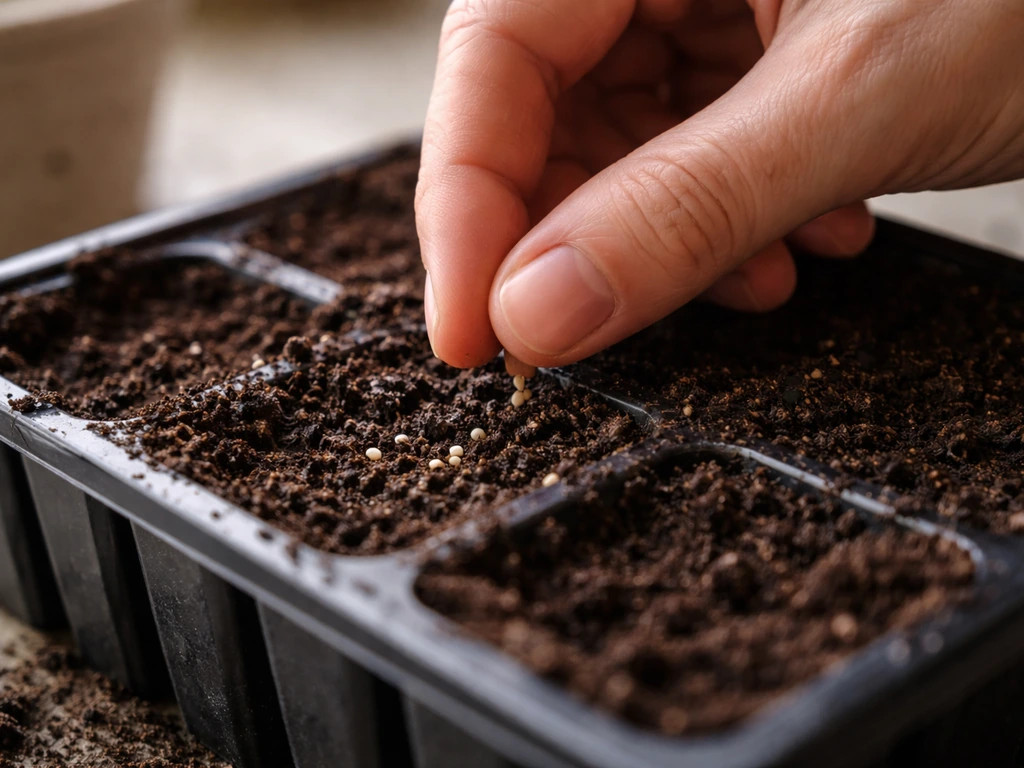
If you sow mum seeds today under decent conditions, expect to see tiny seedlings poking up somewhere between 10 and 21 days. From that moment to your first real blooms, you're looking at roughly 4 to 5 months total, sometimes nudging closer to 16 weeks if conditions aren't ideal. That's the honest answer. The rest of this guide is about understanding what moves that needle, how to stay on schedule, and what to do when things stall.
How Long Does It Take to Grow Mums From Seed?
Marcus Henley
16 Apr 2026
Germination: what to expect in the first 10–21 days
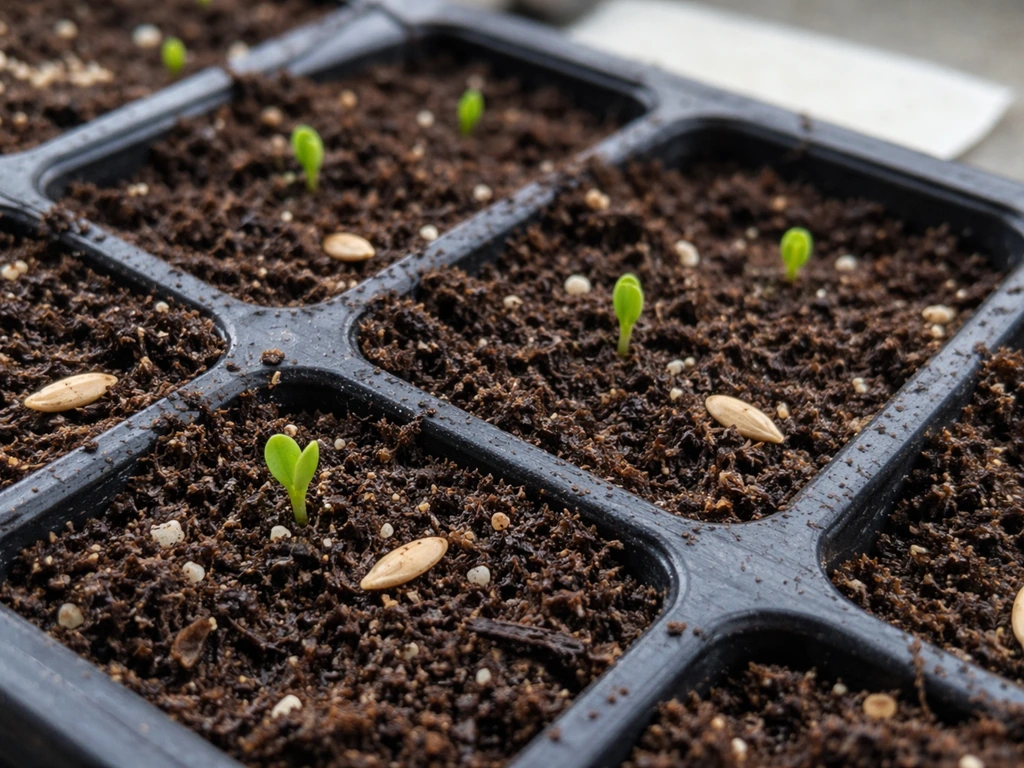
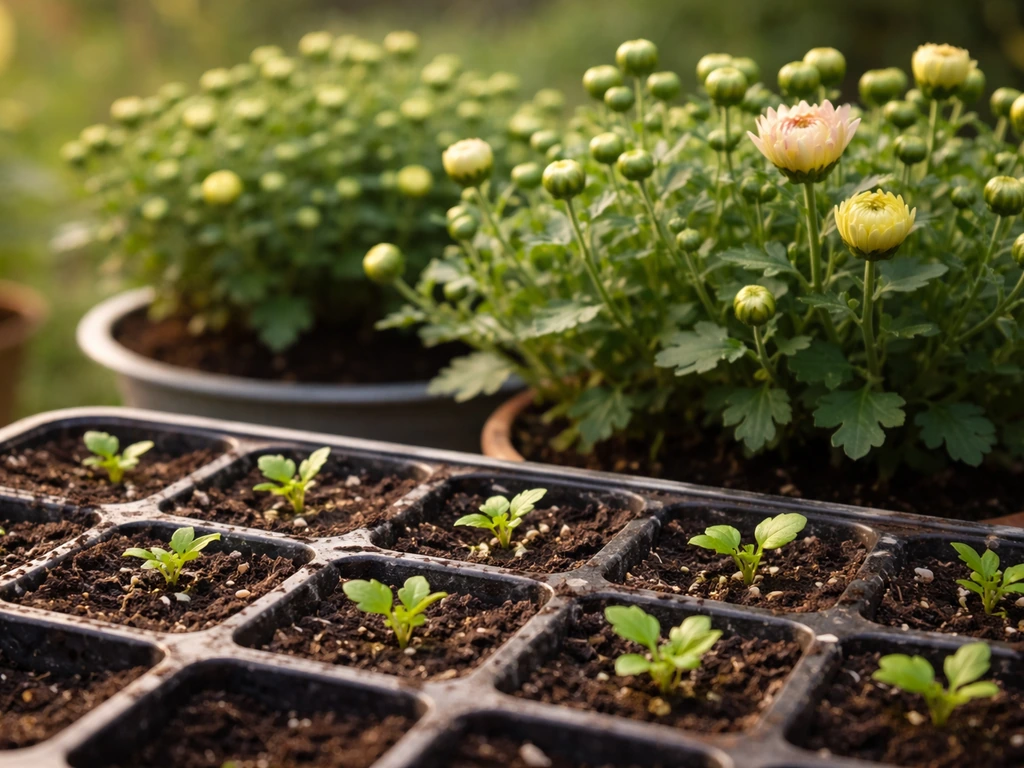
Chrysanthemum seeds are not slow germinators by flower standards. Most gardeners see the first seedlings emerge within 10 to 21 days when the conditions are right. Oregon State University Extension notes that, in many cases, most seed types start growing into plants within 1 to 2 weeks after planting. That window is consistent across most mum varieties and lines up with what seed companies like Burpee report for their chrysanthemum lines. If you're at the two-week mark and nothing has shown up yet, don't panic. Sit tight until day 21 before you start problem-solving.
The key word in that timeline is "when conditions are right." Germination temperature is the single biggest lever at this stage. Aim for a soil temperature of 18 to 21°C (roughly 65 to 70°F). Too cold and the seeds just sit there. Too warm and you start inviting other problems, which we'll get to in the troubleshooting section.
One thing that trips up a lot of first-time mum growers: seed depth and light. Chrysanthemum seeds do need to be covered with a thin layer of growing medium, but the cover should be light, just barely there. Always check your specific seed packet for depth guidance, since how long it takes to grow chrysanthemums from seeds can vary depending on the exact variety and supplier recommendations. Burying them too deep can significantly slow or prevent germination entirely.
From sowing to transplant: the seedling window
Once seedlings emerge, your job shifts quickly. The first thing to do is get them under light immediately. A sunny south-facing windowsill works, but a fluorescent or LED grow light on a 16-hour-on, 8-hour-off cycle is more reliable, especially if you're starting seeds indoors in late winter when natural daylight is still short. Seedlings that don't get enough light right away become leggy and weak, and that early weakness follows them for weeks.
After the seedlings are established and showing true leaves, drop the temperature slightly. Virginia Tech's propagation guidance recommends moving flats to a cooler, well-ventilated spot: around 55 to 60°F at night and 65 to 70°F during the day. That temperature drop actually toughens the seedlings and encourages strong root development over lanky top growth.
Plan to transplant your seedlings about one month after sowing, according to Penn State Extension's chrysanthemum timing guidance. By then they should have a solid root system and at least one set of true leaves. If you started indoors, that means moving them to individual pots before eventually hardening off and placing them outside after your last frost date.
When to expect flowers: the full seed-to-bloom timeline
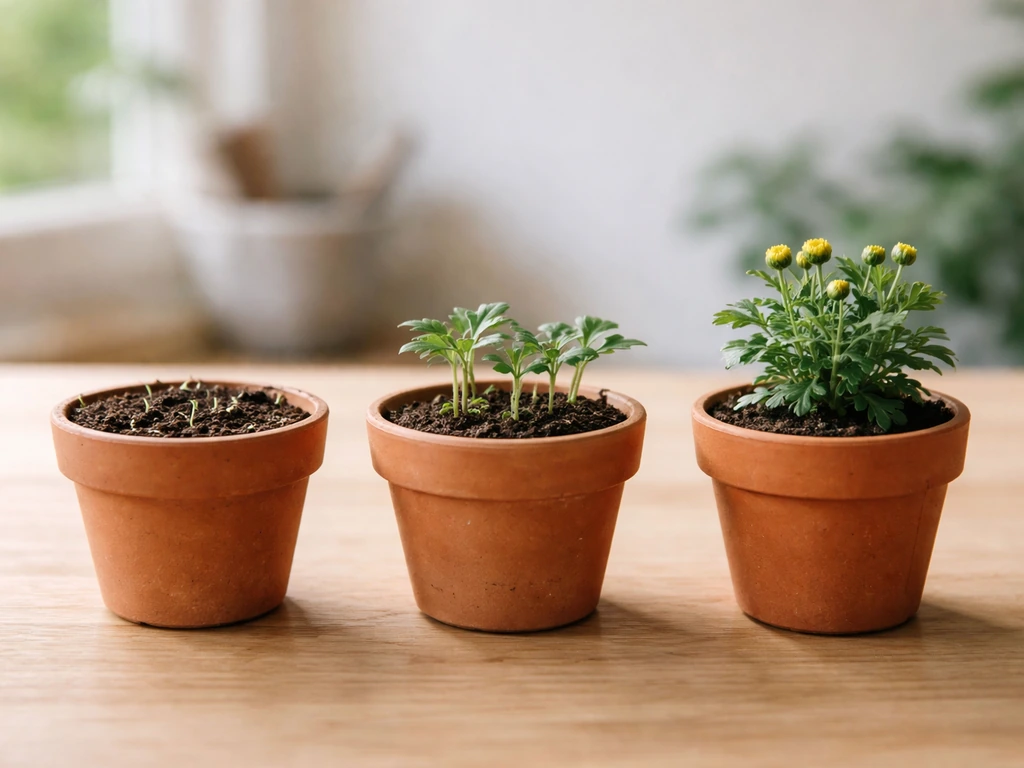
Here's the part everyone really wants to know. Mums grown from seed can take up to 16 weeks from sowing to flower, and that number is realistic, not pessimistic. If you sow indoors about 8 weeks before your last spring frost, transplant outdoors after frost danger passes, and give the plants a full summer of growth, you should see blooms in late summer to fall. That timing aligns with mums' natural biology: they are short-day plants, meaning they start forming flower buds once day lengths shorten in late summer.
That short-day trigger is not something you can rush by starting seeds earlier. The plant needs to accumulate growth first and then wait for the right photoperiod signal. This is different from, say, how fast morning glories grow from seed, which bloom based on maturity rather than day length. With mums, you're working with both a growth clock and a seasonal clock simultaneously.
Once bud formation starts, cooler late-season temperatures actually benefit you. MSU Extension's floriculture research notes that lower temperatures after flower initiation increase flower number and size without slowing down overall crop timing. So a cool September or October is your friend, not a problem.
What changes the timeline: temperature, light, depth, moisture, and variety
No two gardeners grow mums in exactly the same conditions, and that's exactly why the timeline has a range rather than a fixed number. Here's how each factor plays out in practice.
Temperature
Soil temperature during germination needs to stay in that 18 to 21°C sweet spot. Below 15°C, germination slows dramatically. Above 24°C, you risk encouraging fungal issues and uneven sprouting. A seedling heat mat is worth the investment if your indoor space runs cool in late winter.
Light
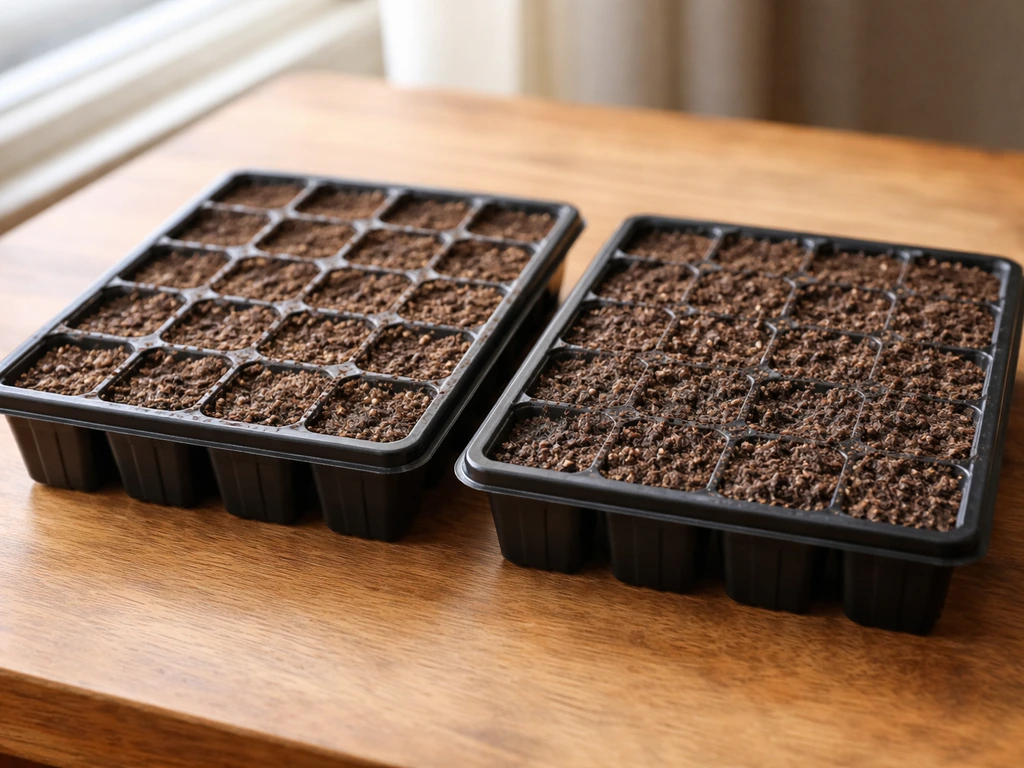
Light affects both germination and post-emergence growth. Chrysanthemum seeds don't strictly require light to germinate (unlike some species), but once they sprout, light quality and duration become critical. Insufficient light during the seedling stage is one of the most common reasons mums grown from seed produce weak plants that bloom poorly or late.
Seed depth and moisture
Planting too deep delays or blocks germination. Keep the covering thin. On the moisture side, the goal is consistently moist but never waterlogged. Wet soil sitting at warm temperatures is the perfect recipe for damping-off, a fungal disease that can wipe out seedlings right at or just after germination. Always use a well-draining seed-starting mix, not garden soil, which can introduce pathogens that thrive in exactly those warm, wet conditions.
Variety
Mum varieties differ in their days to flower, plant size, and cold tolerance. Some seed-grown varieties are bred to bloom faster; others are bred for size or cold hardiness. Always read the packet details for your specific variety. The 10 to 21-day germination window is fairly consistent across varieties, but the seed-to-bloom window can vary by a few weeks depending on what you're growing. This is one reason how long it takes flower seeds to grow in general is such a hard question to pin down without knowing the specific plant.
Indoor vs outdoor sowing: timing by season
The standard recommendation is to start mum seeds indoors about 8 weeks before your last spring frost date. That gives you germinated, growing seedlings ready to transplant once outdoor temperatures are safe. Penn State Extension also notes you can start them indoors over winter if you're willing to manage light and temperature for a longer period.
To figure out your exact sow date, use the UAF Cooperative Extension method: take your average last spring frost date and subtract the recommended number of weeks. For mums, that's 8 weeks. So if your last frost is typically May 15, count back 8 weeks and you get a sow date around March 20. This same logic applies across most flower crops, making it a reusable tool for your whole planting schedule. It's a similar approach to how you'd plan for growing clover from seed, where the frost calendar anchors everything.
| Scenario | Sow Date (example) | Transplant Outdoors | Expected Bloom |
|---|---|---|---|
| Indoor start, last frost May 15 | ~March 20 | After May 15 | Late summer/early fall |
| Indoor start, last frost April 15 | ~February 18 | After April 15 | Late summer |
| Outdoor direct sow (warm climates) | After last frost | N/A (direct) | Fall |
| Winter indoor start | December/January | After last frost | Late summer/fall |
Outdoor direct sowing is an option in warmer climates where you have a long growing season, but it gives you less control over early conditions and typically results in later blooms. If you want reliable fall color, indoor starting almost always produces better results.
Troubleshooting: what to do when seeds don't sprout or seedlings stall
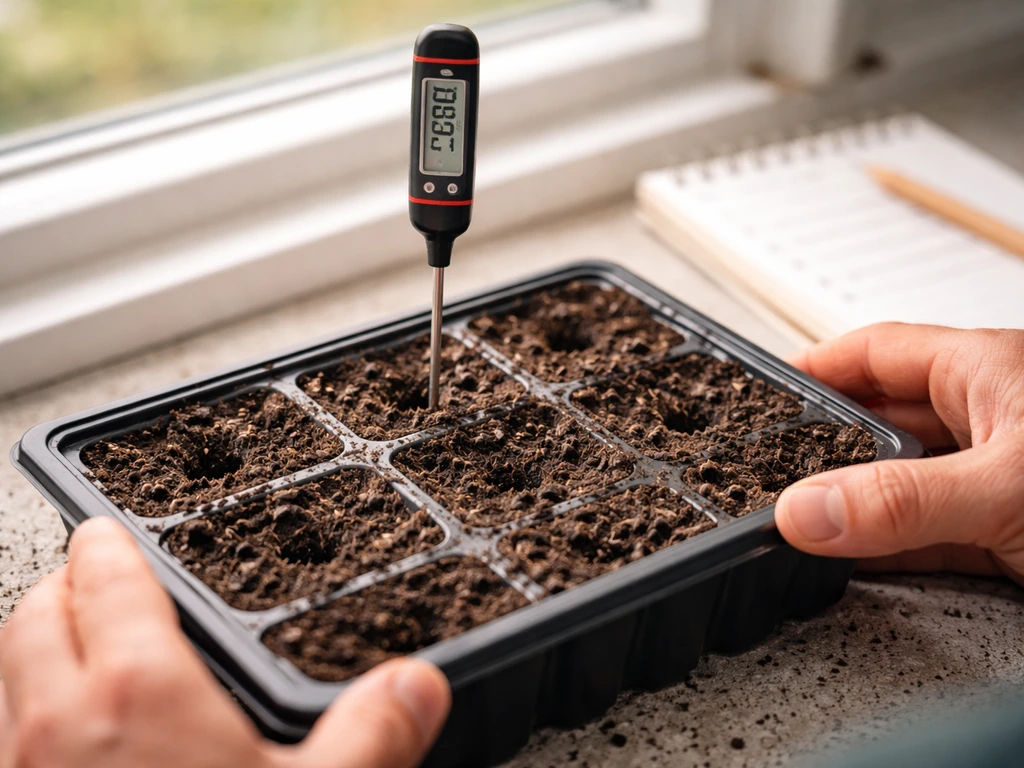
If you're past day 21 and nothing has emerged, work through this checklist before giving up. Most failed germinations come down to one of a few fixable problems.
- Soil temperature too low: Check with a soil thermometer. If you're below 18°C, move the tray somewhere warmer or add a heat mat.
- Seeds buried too deep: Mum seeds need only a thin cover. If you planted more than about 1/8 inch deep, germination can fail entirely.
- Soil too dry or too wet: The surface should feel like a wrung-out sponge. Let it dry out and you interrupt germination. Keep it waterlogged and you risk rot.
- Seeds too old: Chrysanthemum seeds lose viability relatively quickly. If your seeds are more than a year or two old and were stored in warm, humid conditions, germination rate drops sharply.
- Damping-off: If seeds sprouted and then collapsed at soil level, that's damping-off. Remove affected seedlings immediately, improve air circulation, reduce moisture, and consider a fresh tray with sterile seed-starting mix.
For stalled seedlings that sprouted but then stopped growing, the most common culprits are insufficient light and overly warm post-germination temperatures. Move the tray to a brighter spot (or adjust your grow light closer), drop night temperatures to 55 to 60°F, and make sure the seedlings aren't sitting in soggy mix. It's also worth noting that mums are not alone in having finicky seedling stages. If you've had similar slow-growth experiences with other flowers, how fast flower seeds grow is often more variable than the packet suggests, and conditions almost always explain the gap.
One more thing worth mentioning: if your seedlings look fine but blooms are nowhere in sight by midsummer, remember that mums won't flower until day lengths shorten naturally in late summer. You're not doing anything wrong. The plant is just waiting for its seasonal cue. That's different from many other flowers, including some annuals, where growing flowers from seed to bloom happens purely based on maturity and growing conditions rather than photoperiod.
Your planning checklist: how to schedule sowing for the blooms you want
Use this checklist to build your sowing schedule and stay on track from seed packet to fall blooms.
- Find your average last spring frost date. Your local cooperative extension office, weather service, or planting zone map will have this.
- Count back 8 weeks from that date. That's your indoor sowing target.
- Set up seed trays with sterile, well-draining seed-starting mix. Do not use garden soil.
- Sow seeds at the correct depth: thin cover only, roughly 1/16 to 1/8 inch.
- Maintain soil temperature at 18–21°C (65–70°F) during germination. Use a heat mat if needed.
- Keep the mix consistently moist but not wet. Cover trays with a humidity dome until sprouts appear.
- As soon as seedlings emerge (10–21 days), remove the dome and place under strong light immediately: 16 hours on, 8 hours off.
- Drop temperatures to 55–60°F nights and 65–70°F days once seedlings are established.
- Plan to pot up or transplant after about one month of indoor growth.
- Harden off seedlings over 7–10 days before moving outdoors permanently.
- Transplant outdoors after last frost. Water well and maintain consistent moisture through the summer.
- Expect bud formation once day lengths shorten in late summer. Expect blooms roughly 14–16 weeks from your original sow date under good conditions.
- Enjoy cooler fall temperatures: they increase flower number and size without slowing bloom time.
Growing mums from seed takes patience but it's genuinely straightforward once you understand the timeline. The 10 to 21-day germination window, the one-month transplant mark, and the fall bloom target based on short-day photoperiod are the three anchors to build everything around. Get those right and the rest of the details fall into place. If you want to see how mum seed timing compares to other flower crops you might be starting this season, checking how fast different flower seeds grow side by side can help you prioritize which trays need to go in first.
FAQ
If some seeds sprout early, does that change how long it will take to grow mums to bloom?
For most mum seed starts, expect the earliest seedlings around 10 days and a complete germination picture by about day 21. If you see some sprouts earlier but not all seeds, it is normal for the batch to finish trickling in up to that 21-day window, especially if the container temperature varied a few degrees.
Can I start mum seeds earlier to get flowers sooner?
Yes. If you want blooms in the same fall window, starting earlier does not reliably “speed up” flowering because mums need both enough growth and the short-day light signal to initiate buds. You can make the plants larger, but they still will not bloom until day lengths shorten.
When should I transplant mums for best bloom timing if my spring is cool or my fall is short?
The usual approach is indoor sowing for reliable fall color, then transplant after your last frost, but the key is local conditions. If your area has mild winters and long falls, you may be able to hold seedlings longer for a larger plant, which can mean stronger blooms, but it also increases the chance the plants get too big and root-bound before they are ready to flower.
My seedlings are alive but growing slowly, what should I check first?
If your seedlings reach true leaves but look healthy and slow, check light first (intensity and duration), then temperatures. A common mistake is keeping them warm, which encourages weak stretching and can delay overall development. Aim for the cooler day-night pattern after emergence, and make sure the seedlings are not crowded.
What if I accidentally planted mum seeds too deep?
Yes, but only within reason. Thickening the cover can reduce oxygen and block emergence, even if you keep the mix moist. If you suspect you planted too deep, do not try to “dig them up” once you see sprouts, instead adjust future flats for a very light cover (thin layer of mix) and focus on light and temperature.
What are the most common reasons mum seeds do not germinate by day 21?
If your seeds fail to germinate by day 21, the fastest diagnosis is usually temperature and moisture balance. Too cold slows or stops germination, too warm plus wet conditions can cause damping off. Also confirm you used a seed-starting mix (not garden soil) and that the mix stayed consistently moist, not saturated.
If I transplant later than one month after sowing, will my mums still bloom?
Indoor timing affects when you transplant, but it does not override photoperiod. If you transplant late, the plants may still bloom, but you may shift the bloom window later into fall, or you may get fewer flowers if the plants do not build enough size before bud initiation.
How cool can it get after buds form, and will cold affect how long it takes to bloom?
When buds begin, cooler late-season temperatures typically support better flower display, but extreme cold or freezing before the plant is established can cause damage. If frosts are early where you live, consider protecting plants with a light row cover to prevent bud injury while still keeping conditions cool.
How can I prevent mums from blooming at different times within the same batch?
If your goal is a fast, more uniform finish, use a grow light with consistent daily timing and keep seedlings at a similar height so they get similar intensity. Uneven light can create a range in plant size, and that often shows up later as different bud start times across the same tray.
What is the best way to track progress if I am trying to estimate my bloom date?
If you are measuring time-to-bloom, track the two phases separately: germination (about 10 to 21 days) and seed-to-first-bloom (often up to about 16 weeks). Two “weeks of delay” can mean very different things depending on whether it happened at germination or after transplant.
Next Article
How Long Does It Take Flower Seeds to Grow? Timelines
Get realistic timelines from sowing to sprout to flowering, plus tips to speed growth and troubleshoot delays.