Most flower seeds sprout somewhere between 7 and 21 days after sowing, though that range hides a lot of variation. The real answer depends on which milestone you mean: germination (when the seed cracks open underground), first visible sprout, transplant-ready seedling, or actual bloom. Each of those stages takes a different amount of time, and knowing which one you are waiting for changes everything about how you plan your garden. Here is a plain-language breakdown of all four stages, plus the key variables that can speed things up or slow them down considerably.
How Long Does It Take Flower Seeds to Grow? Timelines
Marcus Henley
6 Apr 2026
Typical germination timelines: what to expect after sowing
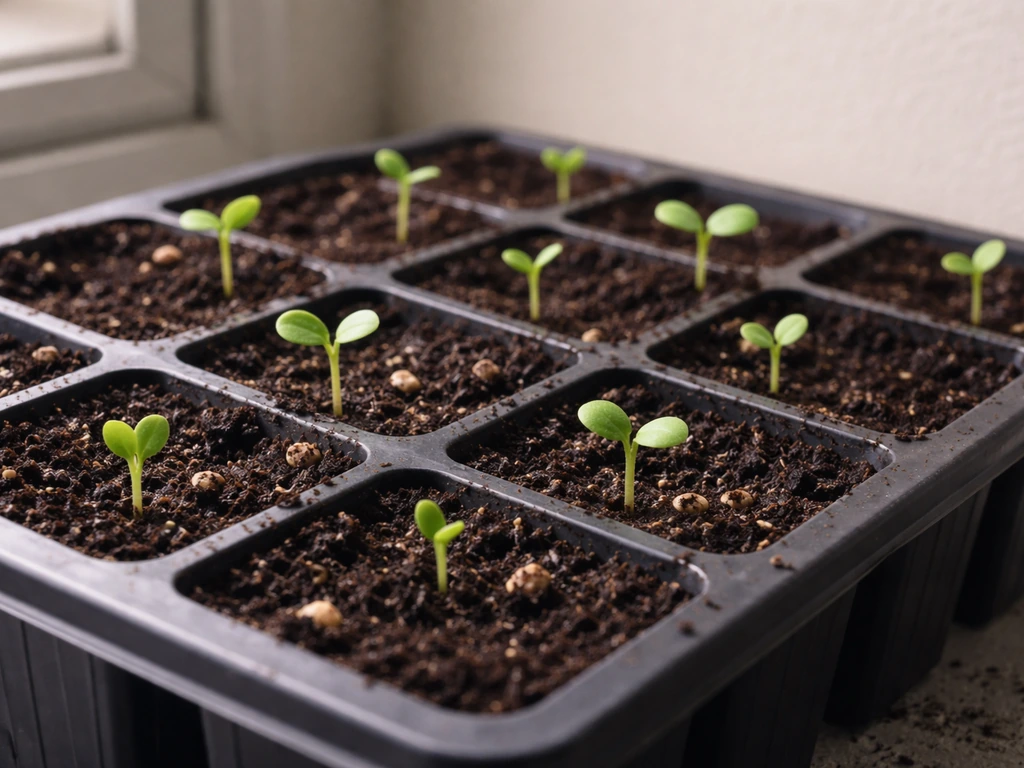
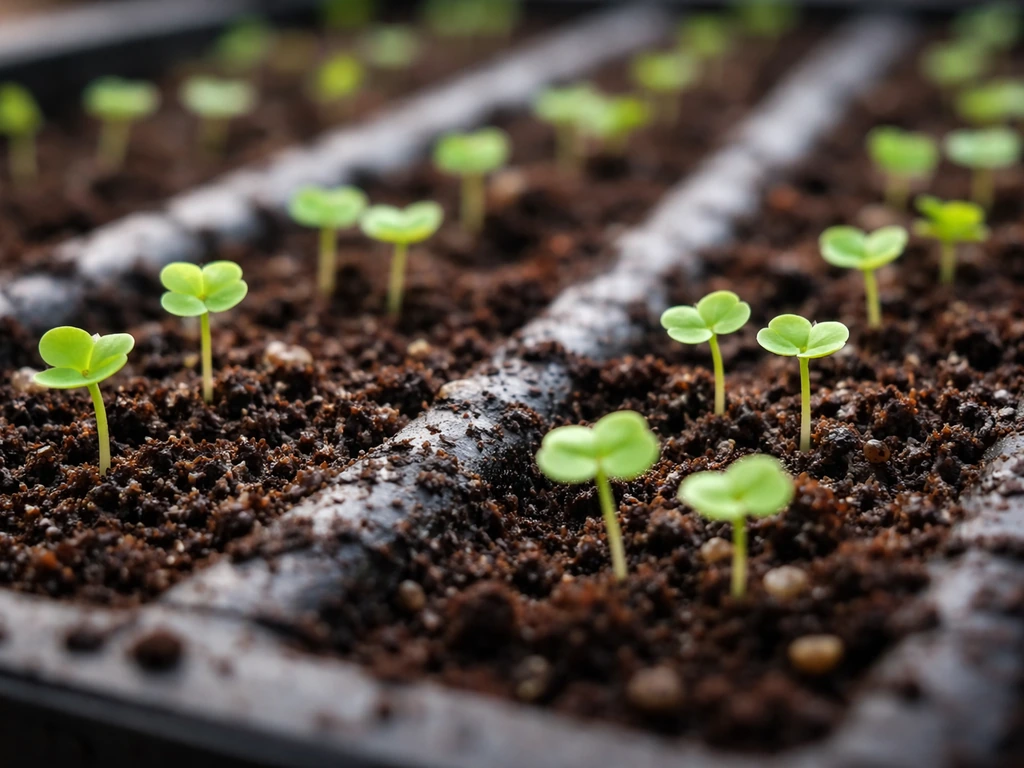
For most common annual flowers, you will see sprouts breaking the soil surface within 6 to 14 days under good conditions. But that is a rough center of the range. Some flowers are faster, some are much slower, and a few need special treatment before they will germinate at all. Here is a quick look at germination windows for popular varieties:
| Flower | Days to Germinate | Light Needed? | Notes |
|---|---|---|---|
| Petunia | 6–12 days | Yes | Needs light to germinate; do not cover seeds |
| Phlox (annual) | 6–10 days | No | Prefers cooler temps around 50–55°F |
| Zinnia | 7–10 days | No | Sow about 1/4 inch deep; excellent for direct sowing |
| Cleome | 10–12 days | No | Grows best at 70–75°F germination temperature |
| Impatiens | 10–14 days | Yes | Do not cover; light triggers germination |
| Geranium (Pelargonium) | 7–21 days | No | Wide range; older seed can take the full 21 days |
| Dahlia | ~5 days | No | One of the faster starters; germinates quickly at warm temps |
| Marigold (African) | 5–7 days | No | Fast and reliable; good beginner flower |
One thing worth knowing before you start: seed age matters a lot. Fresh seed from this season typically germinates in 10 to 20 days. Older seed (over a year old) can take up to four weeks to emerge, if it germinates at all. If you are pulling last year's packet out of a drawer, temper your expectations and sow more densely to compensate for lower germination rates. How fast flower seeds actually grow also depends heavily on whether you are starting indoors or direct-sowing outside, which we will get to shortly.
From sprout to transplant-ready: how long does that take?
Seeing that first little sprout is exciting, but it does not mean the seedling is ready for the garden. A seedling is generally ready to transplant once it has developed its first pair of true leaves, those are the second set of leaves that appear after the tiny seed leaves (cotyledons). That process takes a couple of weeks after sprouting under good light conditions, but the total time from sowing to transplant-ready varies dramatically by species.
Total crop times for commonly started annuals look like this: Geraniums take 13 to 15 weeks from sowing to transplant size, Petunias take 12 to 13 weeks, and Impatiens take 10 to 11 weeks. Dahlias are comparatively fast at 6 to 8 weeks to transplant size, and Petunias from another reference come in at 5 to 7 weeks. These numbers reflect the full indoor-start process under controlled conditions with adequate warmth and light. If your setup is less than ideal, add a week or two. This is exactly why you often see seed packets telling you to start indoors 8 to 10 weeks before your last frost date: it accounts for germination time plus the grow-out period before transplanting.
A general planning rule that works well in practice: start seeds indoors 6 to 8 weeks before you plan to transplant them outside, and then adjust from there using the specific crop time on your seed packet. If you are trying to get seedlings of different varieties ready at the same time for a single planting day, stagger your sowing dates because varieties with longer germination windows need to go in the tray first.
Time from seed to first bloom
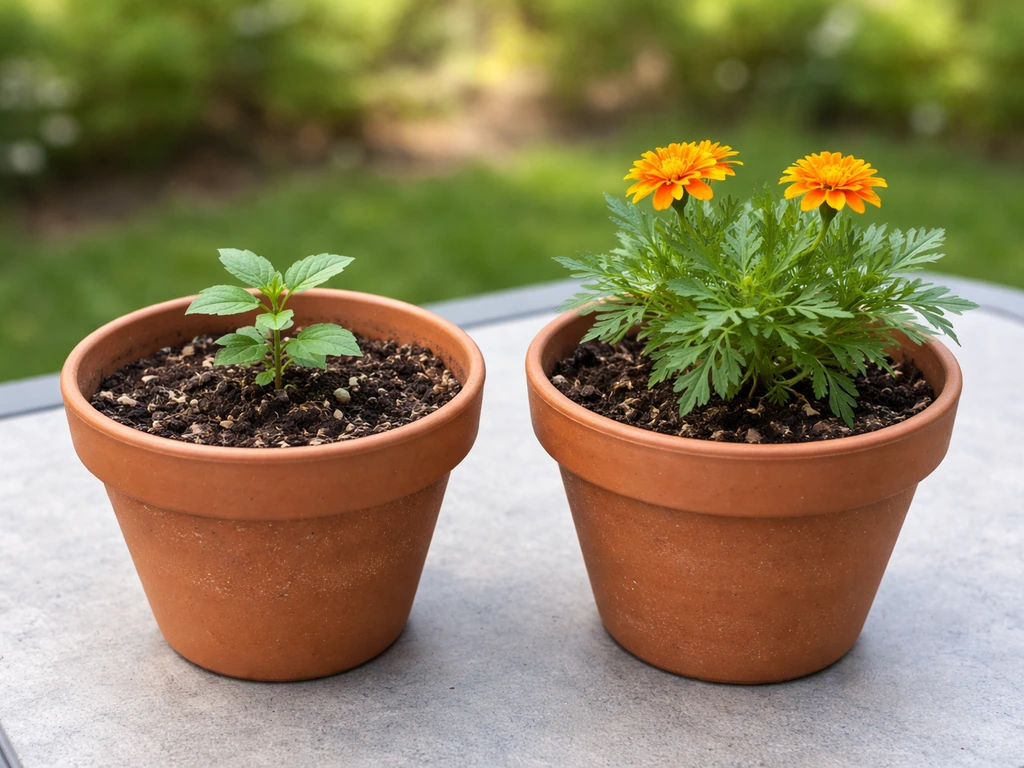
This is usually what gardeners really want to know: when will I actually see flowers? The answer ranges from about 7 weeks to 15 weeks from sowing for most annuals, with some perennials taking much longer. Fast-blooming direct-sown annuals like zinnias and marigolds can hit their first flowers in 50 to 60 days from seed in the ground. Slightly slower varieties fall in the 8 to 11 week range.
- Zinnia: approximately 7 weeks (50–60 days from direct sow to first bloom)
- Marigold (African): approximately 10–11 weeks from seed to bloom
- Mimulus: approximately 8 weeks from seed to bloom
- Petunia: 12–13 weeks total from indoor sow to transplant-sized flowering plant
- Impatiens: 10–11 weeks total from indoor sow to transplant-sized flowering plant
- Geranium: 13–15 weeks total from indoor sow to flowering transplant
Perennials are a different story altogether. Many perennials grown from seed will not bloom in their first year at all. They spend that first season establishing roots and foliage, and flowering comes in year two. If you want blooms this season, annuals are your most reliable bet. If you are planning longer term, perennials are worth the wait but require patience and realistic expectations up front. For specific examples, how long it takes to grow mums from seed is a good look at how the perennial timeline actually plays out from start to flower.
What makes flower seeds grow faster or slower
Temperature is the single biggest lever you have. Seeds germinate fastest when the soil or growing medium sits at its ideal temperature for that species. Petunia, for example, germinates best between 55 and 60°F, while Cleome wants 70 to 75°F. If your seed tray is sitting on a cold concrete floor in April, germination will lag noticeably even if everything else is right. A simple heat mat under the tray solves this quickly for warm-season varieties. The main takeaway: cool media slows germination, and slow germination actually increases disease risk (more on that in the troubleshooting section).
Light is the second major variable, and it is one that trips up a lot of first-time seed starters. Some species, including petunias and impatiens, need light to germinate. Do not cover those seeds with soil or you will block the light signal the seed needs to break dormancy. Other species germinate fine in the dark. Always check the packet. Once seeds have sprouted, all seedlings need strong light immediately. The standard recommendation is to hang fluorescent or LED grow lights 6 to 12 inches above the seedlings and run them for 18 hours per day. If your seedlings are getting leggy and pale, they are not getting enough light.
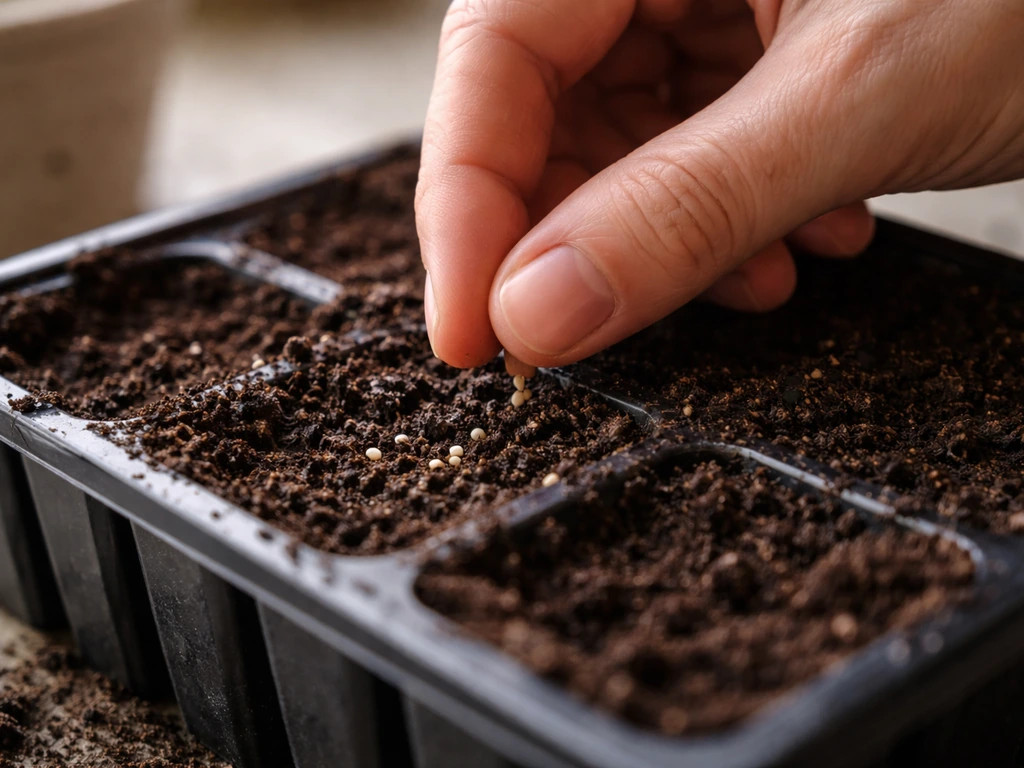
Sowing depth matters more than people realize. A good rule of thumb is to plant seeds at a depth roughly twice their width. Tiny seeds like petunia and impatiens get barely covered or not covered at all. A gardener on Reddit also emphasizes keeping petunia seeds on the soil surface and not covering them, because they need light to sprout, and notes that petunias are slow starters Tiny seeds like petunia and impatiens get barely covered or not covered at all.. Larger seeds like zinnia go in about 1/4 inch deep. Plant too deep and the seedling may not have enough energy to push through the soil before it runs out of stored nutrients. Plant too shallow and the seed may dry out before it can establish. The two-times-width rule keeps you in the right zone for almost all common flower seeds.
Moisture consistency is the last big factor. Seeds need consistent moisture from the moment they are sown through germination, but the growing medium should never be waterlogged. A sealed clear dome over seed trays helps maintain humidity without overwatering. Once sprouts appear, remove the dome and let the medium surface dry slightly between waterings. Staying damp-not-wet is the goal throughout the seedling stage.
How season and climate shift the whole timeline
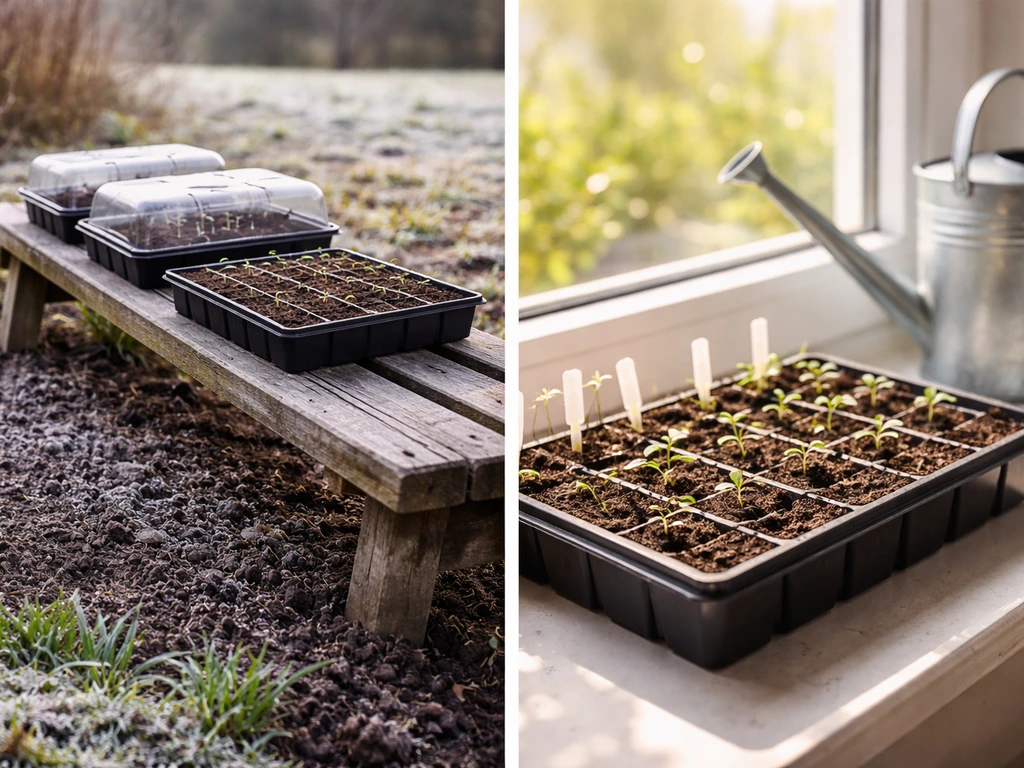
The time of year you sow changes everything. For warm-season annuals like zinnias, marigolds, and impatiens, your sowing window is anchored to your last spring frost date. Sowing too early means either keeping seedlings indoors longer than ideal or gambling on a late frost damaging transplants. Sowing too late compresses the bloom season at the other end. The standard advice is to start warm-season flowers indoors 6 to 8 weeks before your average last frost date, and not to transplant outside until nighttime temperatures are consistently above 50°F.
Cool-season flowers like phlox and snapdragons work differently. They can often tolerate light frost and actually prefer germinating at cooler temperatures (phlox, as noted above, likes 50 to 55°F). For these, you can sow indoors earlier or even direct-sow outside a few weeks before last frost. Fall sowing is also an option in many climates: seeds go in the ground in autumn, stratify naturally over winter, and germinate in early spring before you would have had time to start them indoors. This approach is particularly useful for perennials that benefit from cold treatment.
Speaking of cold treatment: some perennial seeds actually germinate better after experiencing a period of cold, a process called cold stratification. Iowa State University Extension notes that while some perennials will germinate without it, best germination rates for many species come with 3 to 4 weeks of cold storage at around 40°F before sowing. If you are growing perennials from seed and getting poor results, skipping stratification may be why. Winter sowing in outdoor containers is one of the most low-effort ways to give seeds the cold treatment they need while extending your effective growing season. How fast clover grows from seed is a useful reference for understanding how cool-season plants respond to those cold-then-warm germination cycles.
If you are in a region with a short summer, starting transplants indoors gives you a significant head start that effectively lengthens your bloom season. Getting a transplant in the ground several weeks ahead of what direct sowing would allow can shift your first bloom date earlier by a month or more, which matters a lot when your frost-free window is tight. How long it actually takes to grow flowers from seed in your specific climate is ultimately a combination of variety choice, start method, and how well your local conditions match the seed's preferences.
When seeds are not sprouting: common problems and fixes
If you are past the expected germination window and still seeing nothing, run through this checklist before assuming the seeds are bad.
- Check soil temperature first. Cold media is the most common cause of delayed or failed germination. If the room is cool, use a heat mat or move trays to a warmer spot.
- Verify your sowing depth. Seeds planted too deep, especially tiny ones, often fail to emerge even if they did germinate underground.
- Confirm light requirements. If you covered a light-dependent seed like petunia or impatiens, germination may not happen at all regardless of other conditions.
- Assess moisture. If the medium dried out even once during the germination window, seeds that were already cracking open can fail. Keep it consistently moist.
- Consider seed age. Old seed can take up to four weeks to show any signs of life. Give it the full time before giving up.
- Look for damping-off. This is a fungal condition that rots seeds before or just after emergence. It is more common when the growing medium is too wet, too cold, or not sterile. If you see seedlings collapsing at the soil line, damping-off is likely the cause. Prevention means using a pasteurized seed-starting mix, not garden soil, keeping conditions appropriately warm, and not overwatering.
- Re-sow with fresh seed if needed. Sometimes a batch is just bad, especially if it was stored in a warm or humid place. Starting over with fresh seed from a reliable source is faster than waiting on a tray that has passed its reasonable window.
Slow morning glory germination is a specific frustration that many gardeners run into, since those seeds have a notably hard seed coat. If you are dealing with that particular delay, how fast morning glories grow from seed covers the soaking and scarification steps that dramatically improve germination speed for that species.
Planning your sowing schedule: variety choice and timing
Good planning starts with knowing your last spring frost date and working backward. Write it on a calendar, then count back 6 to 8 weeks for most annuals, 10 to 15 weeks for slow-starting varieties like geraniums, and even further for perennials that need stratification. If you want all your flowers blooming at roughly the same time, stagger your start dates by variety because a plant with a 6-day germination time and an 8-week crop time needs to go in the tray about 5 weeks after a plant with a 14-day germination time and a 15-week crop time.
Choose varieties based on your actual goals. If you want the fastest path from seed to bloom, direct-sowing fast-blooming annuals like zinnias and marigolds in warm soil is genuinely hard to beat. They germinate quickly, grow fast, and can hit first bloom in 50 to 60 days. If you want a more refined, planned look with even transplants, start slower-growing varieties indoors early and time them to your transplant window. Mixing both approaches in the same garden, direct-sowing fast annuals while starting slow ones indoors, is exactly what experienced gardeners do to keep something blooming all season.
For specific flower families, timeline expectations can vary quite a bit. Chrysanthemums grown from seed are a good example of a flower that takes considerably longer from seed to first bloom than most annuals, and understanding those timelines in advance saves a lot of frustration. How long it takes to grow chrysanthemums from seeds lays out that full timeline if mums are on your list. Similarly, if you are planning a fall garden and want to know how the perennial timeline plays out for classic autumn bloomers, growing mums from seed is worth a read alongside this guide.
One last practical tip: keep notes on what you sow and when. After one full season of tracking sow dates, first-sprout dates, and first-bloom dates in your specific conditions, you will have better data than any chart can give you. Germination tables are averages, and your microclimate, your seed source, and your setup all shift those numbers. Your own records become the most useful reference you have for every season after that.
FAQ
How long does it take flower seeds to grow if I’m direct-sowing outside?
Direct-sown timelines are often similar for germination, but the “grow-out” to transplant size and bloom usually stretches because soil temperature and light exposure fluctuate outdoors. Use your frost date to time sowing, and expect first flowers later than indoor-started seedlings, especially in cool springs.
If seeds sprout after 14 days, are they guaranteed to bloom on schedule?
Not necessarily. Germination timing doesn’t always match how fast a plant reaches flowering, because the next bottlenecks are light intensity, pot size, and temperature during early growth. If seedlings are leggy or pale, bloom will likely be delayed even if sprouting happened on time.
What’s the difference between the time to germination and the time to first bloom?
Germination is when the seed cracks and the sprout appears, usually within about 7 to 21 days for many flowers. First bloom includes weeks of leaf and stem growth after that, so total seed-to-flower timelines can be roughly 7 to 15 weeks for many annuals, and longer for perennials.
Why are my seeds not germinating even after the typical window?
Common causes include soil that’s too cold for that species, covering light-requiring seeds with too much soil, overly dry media that interrupts the germination process, or waterlogging that encourages damping-off. Also check whether the seed is old, since older seed can take up to four weeks or may fail entirely.
Do I need to start seeds indoors, or can I just wait and plant later?
You can often direct-sow, but starting indoors helps when your frost-free period is short, because it moves the grow-out stage earlier. If nights stay below about 50°F, many warm-season transplants stall, making “waiting later” riskier for early blooms.
How do I adjust the timeline if my seed packet says different numbers than the article?
Seed packets usually reflect specific conditions (temperature, light, and growing medium). Compare the packet’s target temperatures and required light to your setup. If your conditions are cooler or the seeds need light, add extra time beyond the packet’s optimistic range.
Can I speed up how fast flower seeds grow?
Yes, mostly by optimizing temperature and moisture consistency. A heat mat for warm-season seeds and keeping the medium evenly moist but not wet can reduce delays, and using grow lights immediately after sprouting prevents stalling from weak light.
Should I cover all flower seeds with soil to help them germinate faster?
No. Some species need light to germinate, so covering them can prevent sprouting altogether. As a rule, use the recommended sow depth from the packet, and when in doubt, follow the “about twice the seed width” guideline used for many common flowers.
How can I tell the difference between slow germination and bad seeds?
Try a germination “rescue” test: sow a small batch in a consistently warm, correctly lit setup and track days to sprout. If they still fail after extending beyond the usual window and your conditions match the seed’s temperature and light needs, the seed quality is likely the issue.
Why do some perennial flower seeds take much longer than annuals?
Many perennials prioritize root and foliage in their first season rather than blooming immediately, and some require cold stratification for best results. Even when germination happens, the plant may not produce flowers until year two, so planning must include that dormancy and establishment stage.
What’s the best way to plan so different flowers bloom around the same time?
Work backward from your target bloom period using two timelines: germination time and total crop time to transplant readiness or bloom. Stagger sow dates by variety, so a plant with long crop needs starts earlier even if its germination is slower or faster.
Can winter sowing replace cold stratification for all perennial seeds?
Winter sowing can supply the cold-then-warm cycle for many species, but not all perennials have the same stratification requirements. If you consistently get low germination, verify whether that specific seed needs a defined cold duration and temperature range before sowing.
Next Article
How Fast Does Clover Grow From Seed? Timelines and Tips
Clover growth timelines from seed, what affects speed, how to germinate fast, and troubleshooting for slow or no sprouti