Growing kiwi from seed takes patience above almost anything else. From the day you sow a seed to the day you pick your first fruit, you are looking at a minimum of 3 to 5 years, and often longer. Germination alone takes 4 to 6 weeks of cold stratification plus another 2 to 4 weeks to actually sprout. After that, the vine spends its first couple of years just building itself up before it ever thinks about flowering. If you go in with realistic expectations, this is a completely doable project. If you expect fruit in year one, you will be frustrated. Here is the full timeline, what actually affects it, and how to give yourself the best possible odds. Kumquats from seed generally take several years to reach fruiting size and start producing, so patience is key how long it takes to grow kumquat from seed.
How Long Does It Take to Grow Kiwi From Seed?
How long germination actually takes
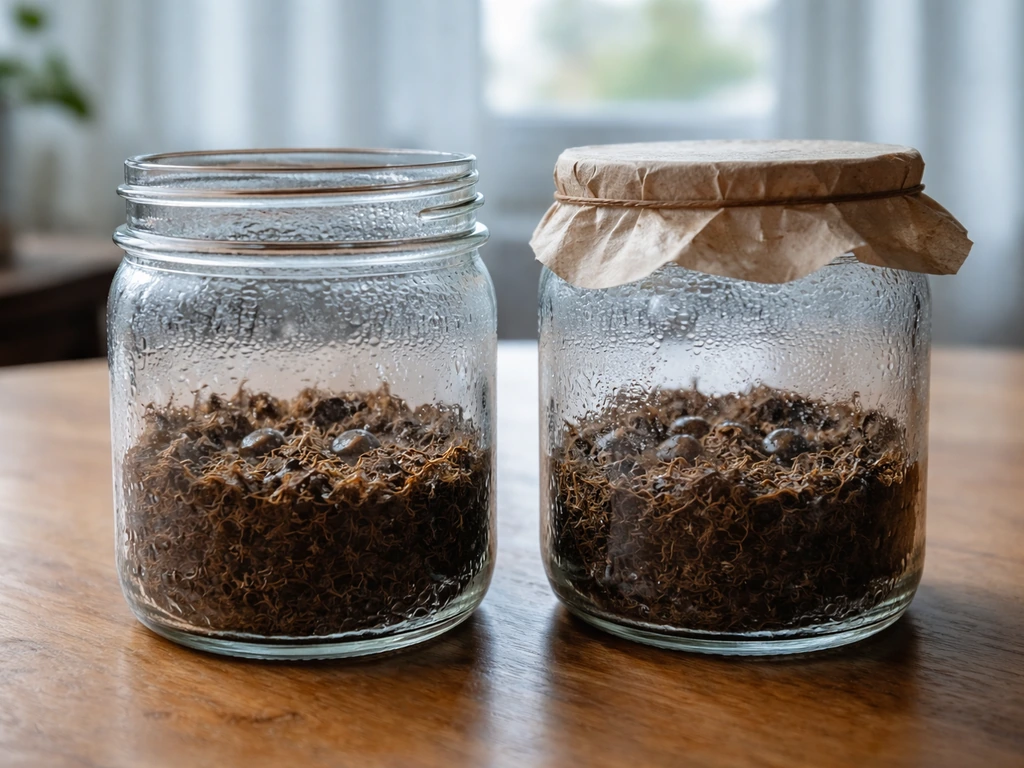
Kiwi seeds (Actinidia species, whether hardy kiwi or the standard fuzzy kiwifruit) are dormant when they leave the fruit. You cannot just stick them in a pot of soil and expect results. They need cold, moist stratification first, which mimics the winter conditions that would naturally break their dormancy in the wild. The USDA Agricultural Research Service puts the standard stratification window at around one month at roughly 4°C (about 39°F). Research on Actinidia deliciosa specifically shows that dormancy is broken after at least 3 weeks at 2 to 5°C. Practically, most growers aim for 4 to 6 weeks in cold, moist conditions to cover all genotype variations.
Some specialty seed suppliers recommend an even longer pre-treatment window of up to three months, combining scarification (lightly scratching the seed coat) with cold stratification. That longer window is a conservative approach that aims to catch the slowest-responding seeds. For most home growers, 4 to 6 weeks of cold stratification at around 2 to 4°C is the reliable starting point.
Once stratified seeds are moved into warm, moist growing conditions (around 20 to 25°C, with some light), germination usually happens within 2 to 4 weeks. So the full germination phase, from pre-treatment to visible sprout, runs about 6 to 10 weeks at minimum. Build that into your calendar before you even think about potting up.
| Stage | Timeframe | Key Condition |
|---|---|---|
| Cold stratification | 4 to 6 weeks (up to 12 weeks with scarification) | 2 to 4°C, moist medium, low light |
| Germination after stratification | 2 to 4 weeks | 20 to 25°C, consistent moisture, indirect light |
| Full germination phase (seed to sprout) | 6 to 10 weeks typical | Varies by genotype and stratification quality |
The seedling stage: what to expect in the first few months
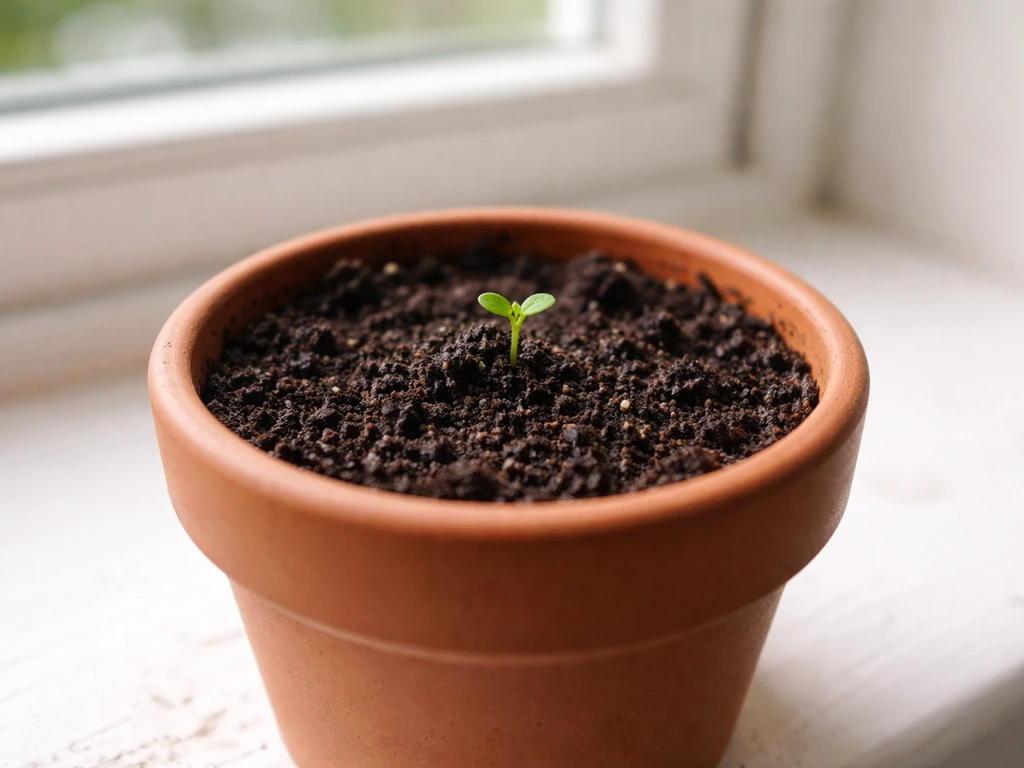
Once your kiwi seedlings emerge, they are fragile and slow-growing at first. The first true leaves appear within 2 to 3 weeks of germination. For the first 8 to 12 weeks, the seedling is almost entirely focused on root development, so above-ground growth looks deceivingly modest. Do not let that fool you into thinking something is wrong.
During this establishment phase, keep seedlings in a warm spot with bright, indirect light. Direct intense sun can scorch new growth at this stage. Temperatures between 18 and 25°C are ideal. Keep the growing medium consistently moist but not waterlogged. A light, well-draining potting mix works well here. Many growers start seeds in small 3 to 4 inch pots and transplant up once the plant has 4 to 6 true leaves and a developed root ball.
By the end of the first growing season (roughly 4 to 6 months from germination), a healthy seedling under good conditions might reach 6 to 18 inches of vine growth. blank" rel="noopener noreferrer">Hardy kiwi (Actinidia arguta) tends to grow a bit faster than the standard fuzzy kiwifruit (Actinidia deliciosa). Either way, you are still very much in the nursery phase at this point.
Vegetative maturity: when the vine really gets going
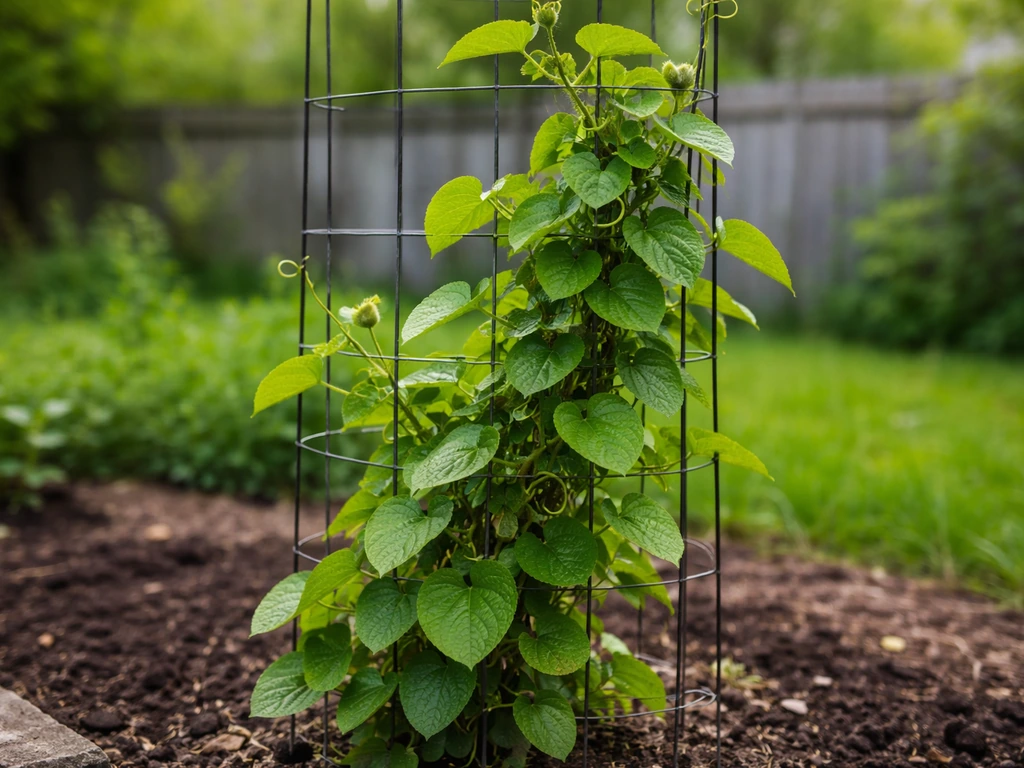
Kiwi vines are vigorous once they get past the seedling stage, but they take time to get there. In years 2 and 3, you will see much more substantial vine growth. Hardy kiwi vines can easily extend 6 to 10 feet in a single growing season once established. Standard kiwifruit vines can eventually reach 30 feet or more. The vine develops its woody structure and expanding leaf canopy throughout this period. This is also the time to get your trellis or support structure in place, because kiwi vines are vigorous climbers and they will need something to grab onto.
Transplanting to a permanent outdoor location generally happens in spring of year 2, once the seedling has overwintered (in a protected spot or indoors if you are in a cold climate) and shows active new growth. At this point the vine is still not flowering, but it is building the framework it needs to eventually support flowers and fruit. Think of years 1 through 3 as the infrastructure phase.
When to expect flowers and fruit (and the male/female issue)
Here is the part most people underestimate. Seed-grown kiwi vines typically do not flower until they are 3 to 7 years old, with 5 years being a very common benchmark for standard kiwifruit. Hardy kiwi varieties can sometimes flower a little earlier, around years 3 to 5. These are not worst-case scenarios, they are typical timelines for vigorous, healthy plants in good conditions.
But flowering is only the beginning of the fruit conversation. Kiwi vines are dioecious, which means individual plants are either male or female. You need both a female plant (which produces fruit) and a male plant (which provides pollen) growing near each other to get fruit. One male can typically pollinate 6 to 8 female plants. The critical problem with growing from seed is that you cannot tell the sex of a plant until it flowers for the first time, which again is typically not until year 3 to 7. This means you may spend several years growing a vine only to discover it is male, or that you have five females and no male.
There is also a true-to-type issue. Seed-grown kiwi will not reliably produce fruit identical to the parent plant. Commercial kiwifruit varieties like Hayward are typically propagated by cuttings or grafting for exactly this reason. Seed-grown plants are genetically variable, so fruit size, flavor, and productivity can differ significantly even from seeds of the same fruit. If you are growing butternut squash from seed, the timeline is much shorter and you will get plants ready for harvest within a single season seed-grown plants are genetically variable. Growing from seed is a long-term horticultural experiment as much as it is a production strategy.
- Seed to first flower: 3 to 7 years (hardy kiwi on the shorter end, standard kiwifruit on the longer end)
- First flower to reliable fruiting: typically 1 to 2 additional seasons as pollination and setting stabilizes
- Full productive maturity: often 7 to 10 years from seed
- You need at least one male and one female plant for any fruit to set
- Sex of the plant is not identifiable until first flowering
- Fruit from seed-grown plants will not necessarily match the parent variety
What changes the timeline
A lot of variables can compress or stretch the timeline above. The biggest ones in practice are stratification quality, temperature consistency, light availability, pot size, and watering habits.
Stratification quality
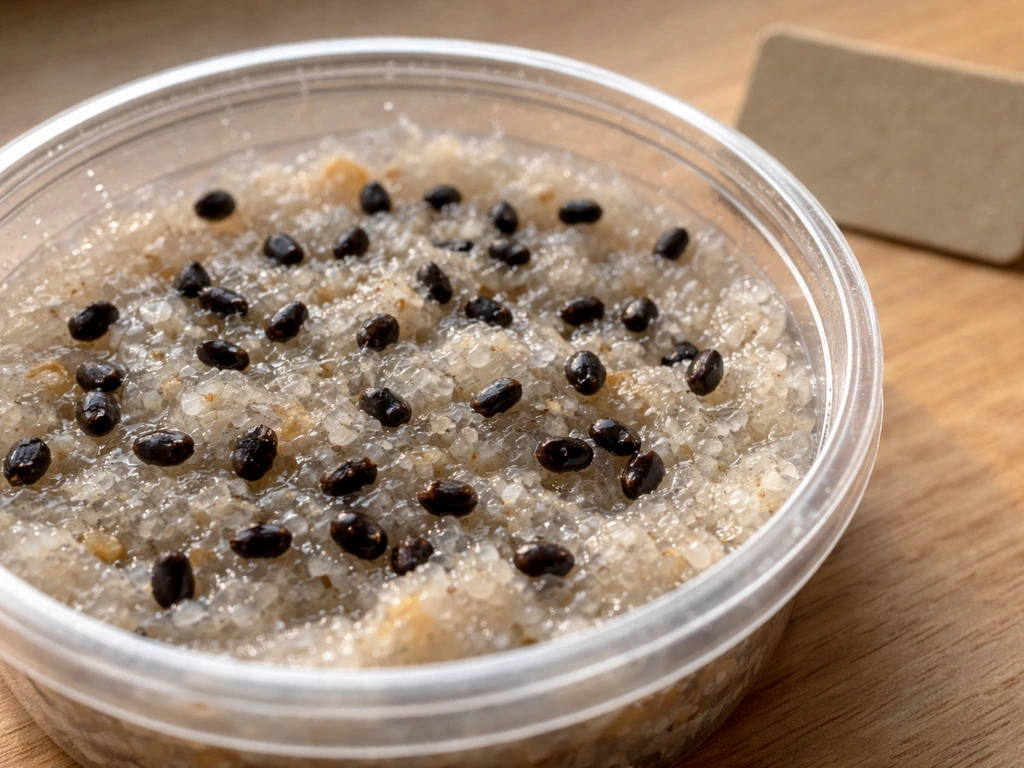
Inadequate stratification is the single most common reason kiwi seeds fail to germinate. Research comparing stratification durations shows that germination rates vary meaningfully by genotype. Some seed lots do best with 3 weeks of cold treatment, others need 5 or more weeks. If you are unsure, err toward the longer window of 6 weeks at 2 to 4°C. Skipping stratification almost always results in very poor or zero germination.
Temperature during germination and growth
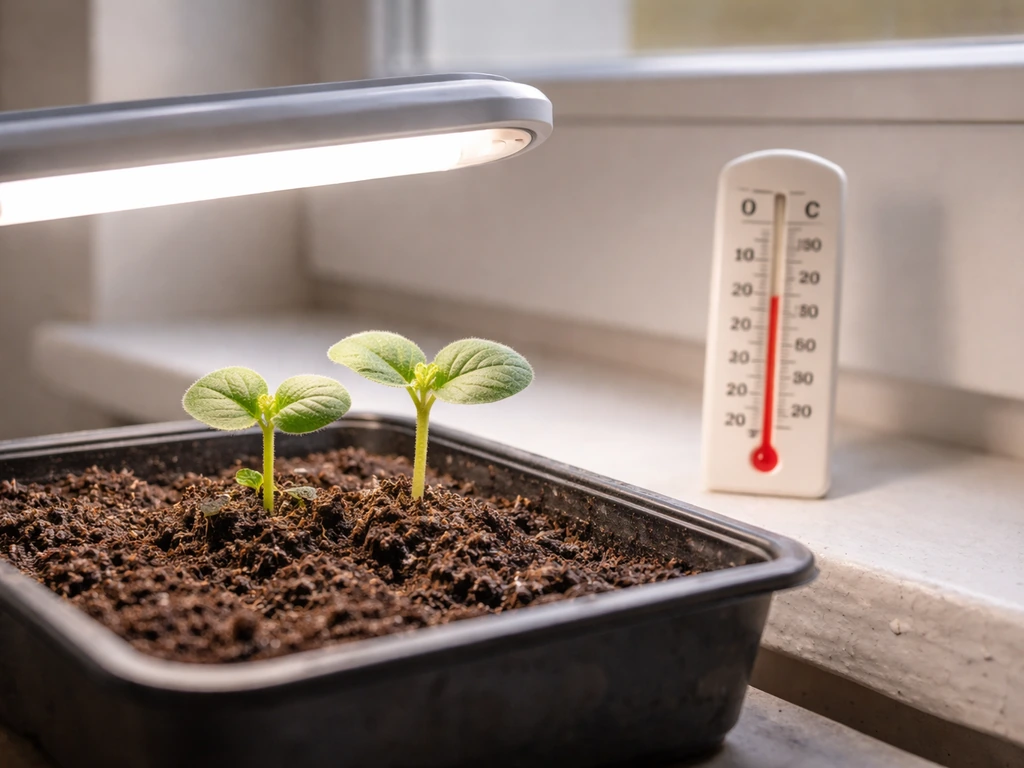
After stratification, kiwi seeds germinate best at 20 to 25°C with consistent warmth. Cold drafts, fluctuating temperatures, or keeping pots in an unheated space will slow germination significantly. Once the vine is growing, temperatures below freezing can kill young seedlings that have not yet hardened off. Hardy kiwi (Actinidia arguta) is much more cold-tolerant as a mature plant (zones 4 to 8), but seedlings in their first year need protection.
Light
Kiwi seedlings need bright, indirect light initially, then full sun as they mature. Indoor-grown seedlings under low light tend to get leggy and weak, which delays the transition to a vigorous outdoor vine. A south-facing window or supplemental grow lighting (12 to 16 hours per day) makes a real difference in seedling quality during the first few months.
Pot size and transplanting
Kiwi vines are vigorous root producers and become pot-bound quickly. A seedling left too long in a small container will stall. Move seedlings up to a 6-inch pot once they have established 4 to 6 leaves, and plan the permanent outdoor transplant for the following spring. In the ground, the root system can expand freely, which directly accelerates vegetative growth and the eventual path to flowering.
Watering and soil
Kiwi dislikes both drought and waterlogged roots. Inconsistent watering during the seedling phase is a common cause of stalled growth and damping off. A well-draining, slightly acidic mix (pH around 6.0 to 6.5) with consistent moisture is the target. Once established in the ground, kiwi vines are relatively drought-tolerant, but regular watering in the first two years speeds establishment significantly.
How to speed things up and fix slow or failed germination
If you want to give your seeds the best possible start, a few practical steps make a measurable difference. Start by extracting seeds from fresh, ripe kiwifruit and rinsing off all of the fruit pulp (residue left on seeds can inhibit germination). Dry them briefly, then move straight into stratification rather than storing them dry for months, which can deepen dormancy further.
- Rinse seeds thoroughly to remove all fruit pulp, then dry on a paper towel for 24 hours
- Place seeds in a sealed bag with a small amount of barely moist vermiculite or paper towel
- Refrigerate at 2 to 4°C for 4 to 6 weeks, checking moisture every two weeks
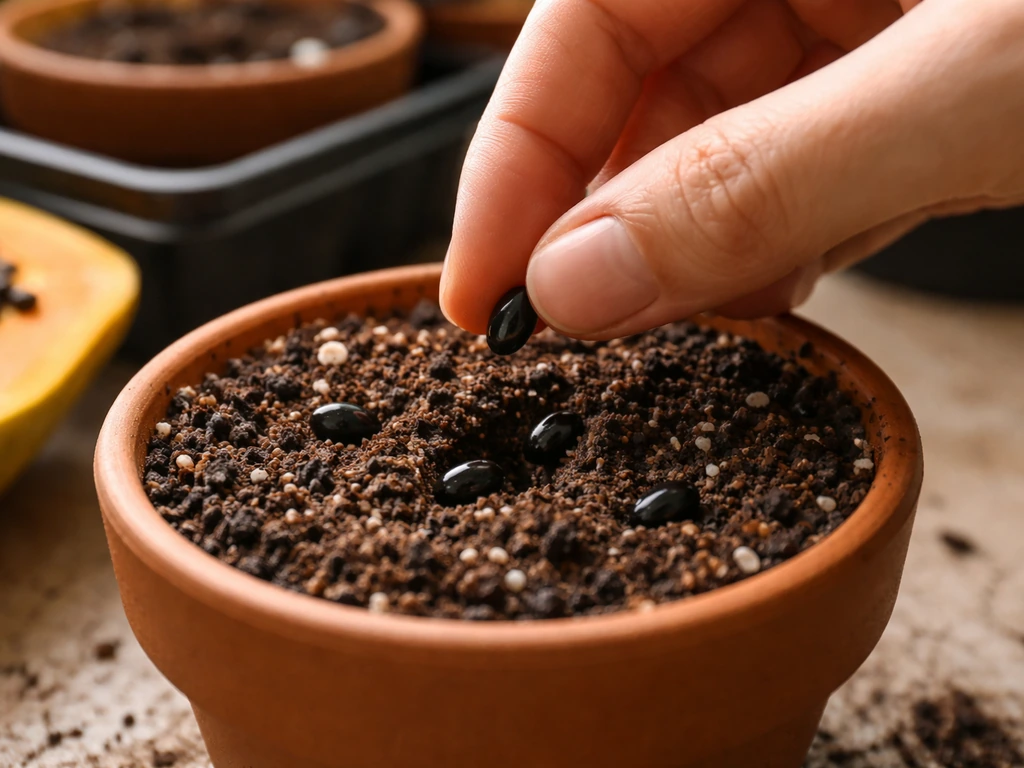
- After stratification, sow seeds 3 to 4mm deep in a light, well-draining mix in small pots
- Place pots in a warm spot (20 to 25°C) with bright, indirect light
- Keep the medium consistently moist but not wet, and be patient for 2 to 4 weeks for sprouting
- Once seedlings have 4 to 6 true leaves, pot up to a 6-inch container
- Transplant outdoors in spring of year 2 after the last frost
If germination has not happened after 5 to 6 weeks post-stratification, do not throw the pots out yet. Kiwi seeds can be slow and erratic, and stragglers often appear weeks after the first sprouts. Check that your growing medium has not dried out or become compacted. If you are seeing zero activity at 8 weeks, the most likely culprits are insufficient stratification duration, temperatures that were too cold during the germination phase, or seeds that were stored too long before treatment.
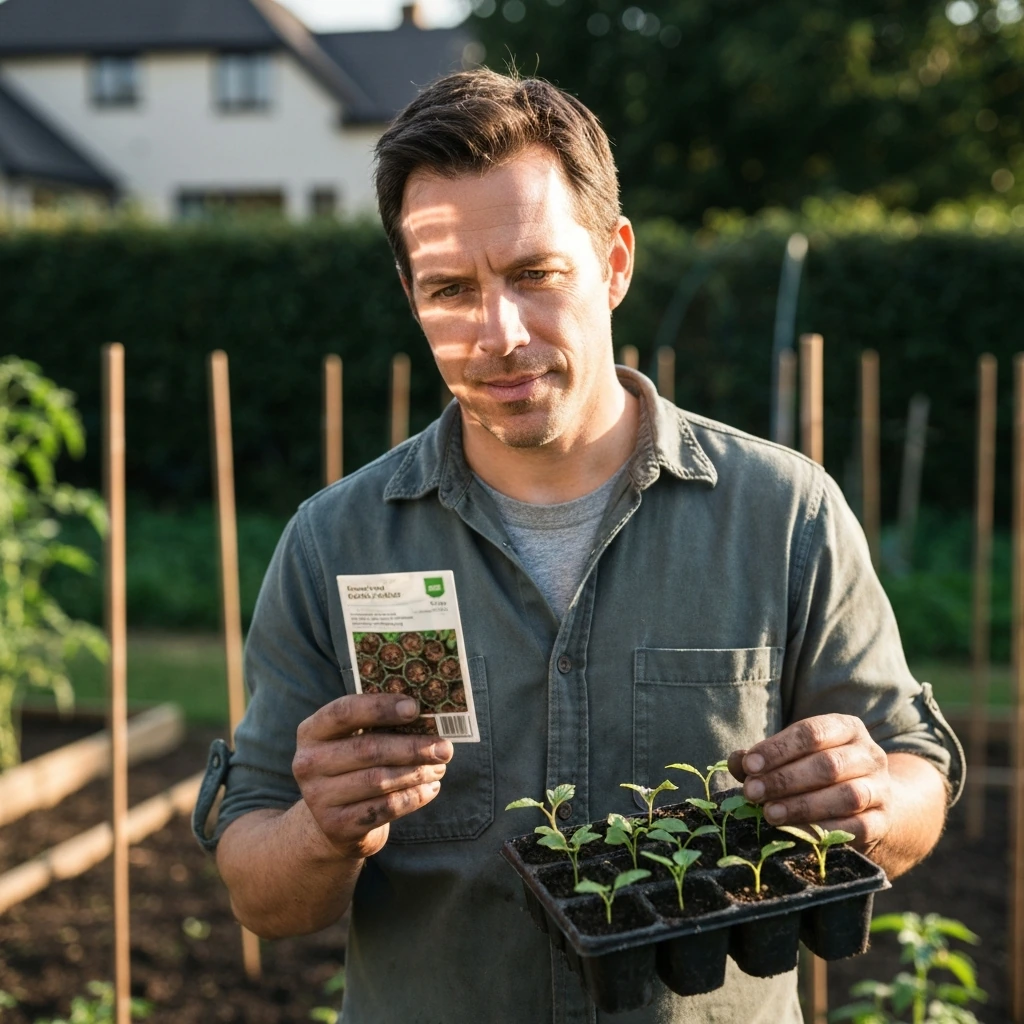
On the long-term timeline side, the most practical thing you can do to reduce the multi-year wait is to grow more plants than you think you need. Start 6 to 10 seeds minimum. That gives you enough plants to end up with both male and female vines after the long wait for first flowering, and it accounts for losses along the way. This is the same logic that applies when growing other long-fruiting plants from seed, like papaya or jujube, where the seed-to-fruit journey is measured in years rather than months. Jujube shows a similar long seed-to-fruit timeline, so it helps to plan for several years before harvest Jujube seed-to-fruit timeline. Papaya from seed also takes a long time, so knowing the typical seed-to-harvest timeline can help you plan ahead how long to grow papaya from seed.
If your goal is fruit production rather than the experience of growing from seed, it is worth considering buying a grafted or cutting-grown plant of a named female variety alongside a compatible male. That can cut years off the wait. But if you are in it for the long game and want to do it from scratch, the seed-grown path is genuinely rewarding. Just plan your trellis, start multiple seeds, and think of years 1 and 2 as building the foundation for something that will eventually be one of the most productive vines in your garden.
FAQ
Can I speed up how long it takes to grow kiwi from seed?
You can shorten the early timeline a bit by being strict about stratification quality (do not under-treat) and keeping germination warm and stable (around 20 to 25°C). However, you cannot reliably speed up the flowering age much because sex and maturity are still delayed until years 3 to 7 for most seed-grown vines.
What’s the safest temperature range to use during stratification so seeds germinate reliably?
Aim for consistently cold, moist conditions around 2 to 4°C. The key is stability, not “colder.” Large swings or letting seeds dry out can delay or reduce dormancy break, even if the total weeks seem correct.
How do I know if my kiwi seeds actually failed versus just being slow?
If there is no visible sign after 5 to 6 weeks post-stratification, keep waiting because kiwi can be erratic. At 8 weeks, the most common issues are insufficient stratification duration, too-cold germination conditions, or seeds that were stored too long before stratification.
Do I need both male and female kiwi plants, and how do I plan for that when growing from seed?
Yes. Kiwi vines are dioecious, so you need at least one male near one or more females. Since you cannot identify sex until flowering, start multiple seeds (often 6 to 10) so you are likely to end up with both sexes by the time flowering happens.
How close do male and female kiwi plants need to be for pollination?
Keep them in the same general growing area so pollinators can move between plants. Practically, that means planting within the same yard trellis line or within a relatively short distance rather than isolating one vine far away indoors or in a different section of the garden.
Can I tell whether my kiwi seedling is male before it flowers?
Not reliably. Sex is typically confirmed at first flowering, which usually occurs years 3 to 7. Until then, treat all seedlings as unknown and plan your layout assuming you might need more plants than you originally started.
Will seed-grown kiwi fruit be the same as the kiwifruit I took the seeds from?
No, fruit traits vary because seed-grown plants are genetically diverse. You might get smaller fruit, different sweetness, or different productivity than the parent fruit. For consistent fruit quality, grafted or cutting-grown named female varieties are the usual approach.
Do hardy kiwi and fuzzy kiwi have the same time-to-fruit range from seed?
They overlap but hardy kiwi often flowers a bit earlier (commonly around years 3 to 5), while standard fuzzy kiwifruit commonly targets around years 5. Both still usually require several years, and both can take longer if establishment is weak.
Should I transplant kiwi outdoors in the first year or wait until later?
Most growers wait until spring of year 2, after the plant has overwintered and shows active new growth. This reduces risk to fragile first-year seedlings, especially in cold climates where seedlings need protection even if mature plants are hardy.
What pot size issue most often delays growth after germination?
Leaving seedlings too long in small containers can cause stalling due to being pot-bound. A practical move is to up-pot once you have about 4 to 6 true leaves and then plan the permanent outdoor placement for the following spring.
Is it better to keep kiwi seedlings indoors or outdoors during year one?
Indoors can work if you provide bright light (not just a dim window) and stable warmth. If outdoor conditions are mild and you can protect from cold snaps, outdoors can be fine, but the first year is when frost protection matters most.
What watering mistake causes the biggest problems for kiwi seedlings?
Inconsistent moisture, either letting the mix dry out repeatedly or keeping it waterlogged, can lead to slow growth or damping-off. Use a well-draining mix, water consistently, and avoid soggy conditions around the crown.
What should I do if my kiwi seedlings look leggy or weak indoors?
Legginess usually points to insufficient light. Increase light exposure using a south-facing window or supplemental grow lighting (with long enough daily duration) and avoid blasting new growth with intense direct sun right away.
If my kiwi vines flower but I still get no fruit, what’s the likely cause?
The most common cause is pollination setup, such as having only one sex, too few male vines, or plants placed too far apart for effective pollination. Another check is timing, ensuring male and female blooms overlap during the same season.
How Long to Grow Papaya From Seed: Timeline to Fruit
How long to grow papaya from seed to fruit, with germination, seedling, and maturity timelines plus troubleshooting tips