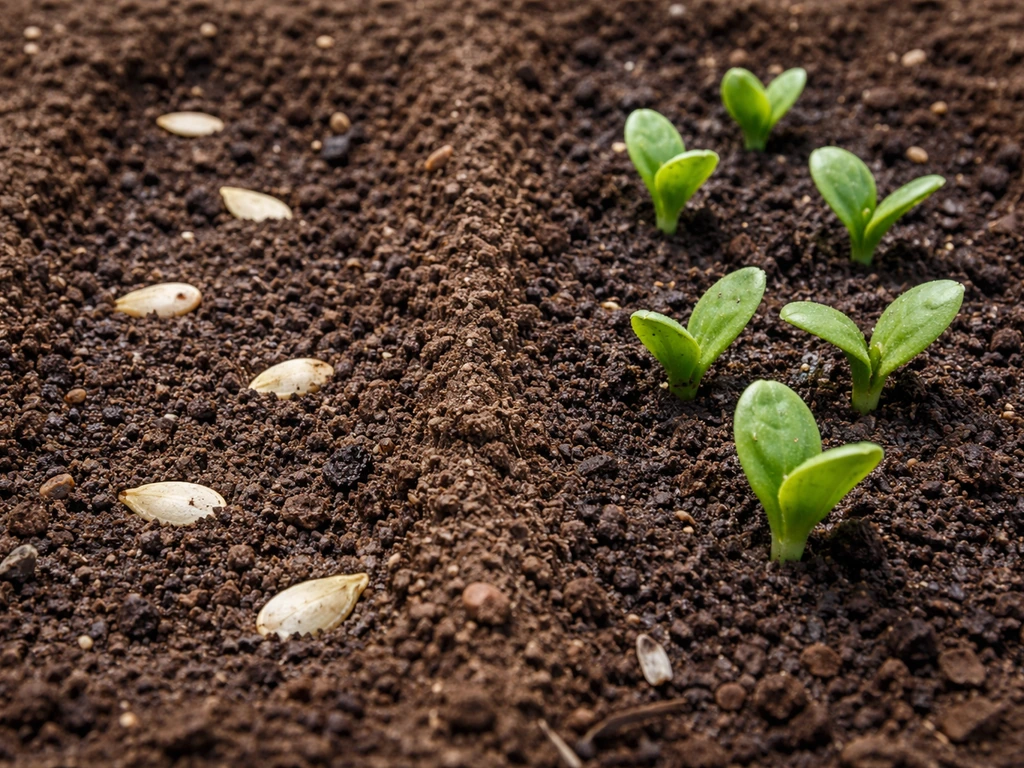
Most mixed seed packets will show you something sprouting within 7 to 21 days, but the full picture is more complicated than that. A mixed seed packet contains multiple species, and each one has its own germination timeline, temperature preference, and light requirement. The fastest members of the mix might pop up in under a week. The slowest might take 30, 60, or even 90 days. That gap is totally normal, but it surprises a lot of gardeners who expect everything to emerge together like a lawn going green all at once.
How Long Do Mixed Seeds Take to Grow Plus Timelines
Marcus Henley
17 Apr 2026
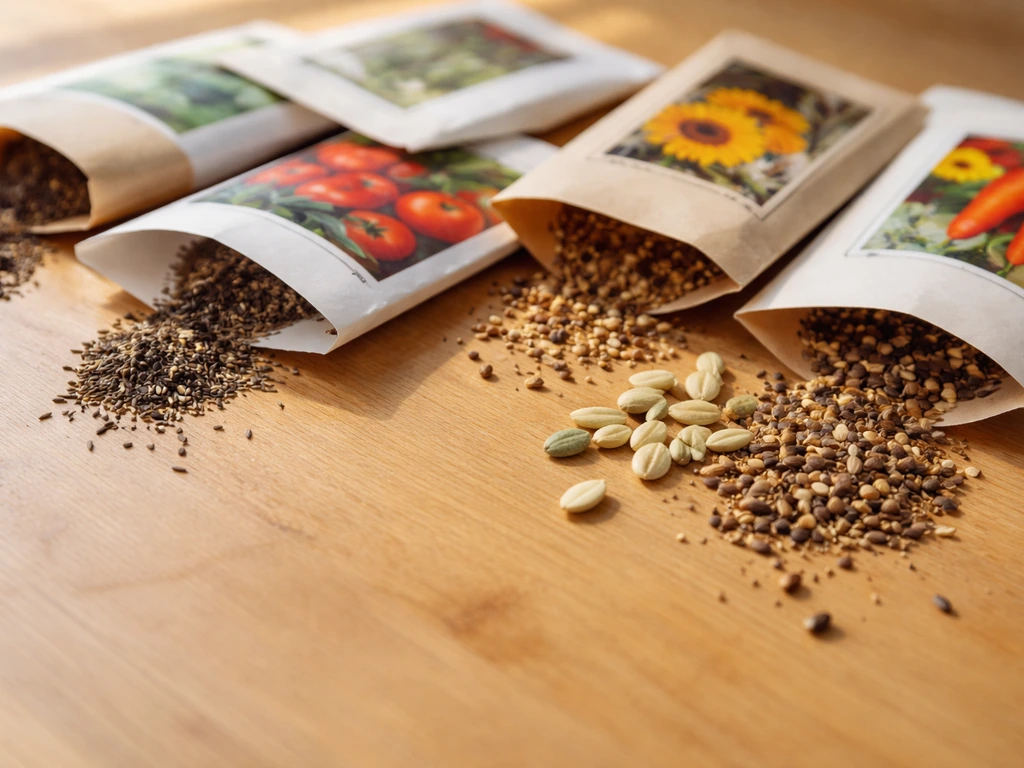
The short answer: plan for your first seedlings to appear within 1 to 3 weeks, expect the full mix to fill in over 4 to 12 weeks depending on the type of mix, and give individual plants another 4 to 16 weeks beyond germination before they're flowering or producing. If you're troubleshooting a mix that seems stuck, keep reading, because most delays have a fixable cause.
Why mixed seed growth times vary so much
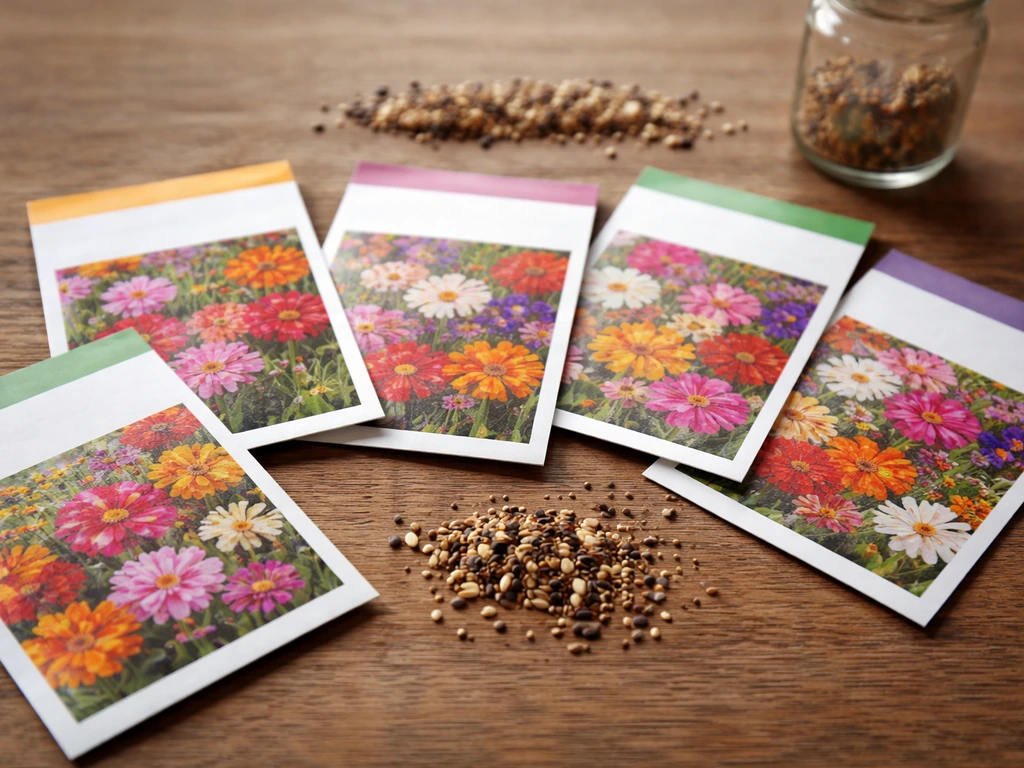
When you buy a single-species seed packet, the label gives you one germination window and you plan around it. With a mixed packet, you're dealing with 5, 10, or sometimes 20+ species packed into the same bag, each with its own biology. Some seeds need light to trigger germination. Others need complete darkness. Some want a soil temperature of 65°F. Others won't budge until the soil hits 75°F, or won't germinate at all if it's above 55°F. Dormancy is another factor: certain species, especially native wildflowers and perennials, won't germinate until they've experienced a cold, moist period called stratification, which can require 30 to 90 days of cold treatment before they'll respond.
This is why you can sow a wildflower mix in spring and see poppies and cornflowers pop up within two weeks while the coneflowers sit quietly underground for months. It's not failure. It's each species doing exactly what it was built to do. Understanding this rhythm saves a lot of frustration and prevents the mistake of re-sowing too early over seeds that are still viable and on their way.
If you're curious how this variability plays out with less domesticated species, the article on how long wild seeds take to grow covers germination behavior in species that haven't been bred for predictability, which gives a useful contrast to commercial mixes.
From sowing to usable growth: a realistic timeline
Here's how to think about the three main phases for any mixed seed packet. These ranges reflect real-world conditions, not ideal greenhouse environments.
Phase 1: Germination (days 1 to 21+)
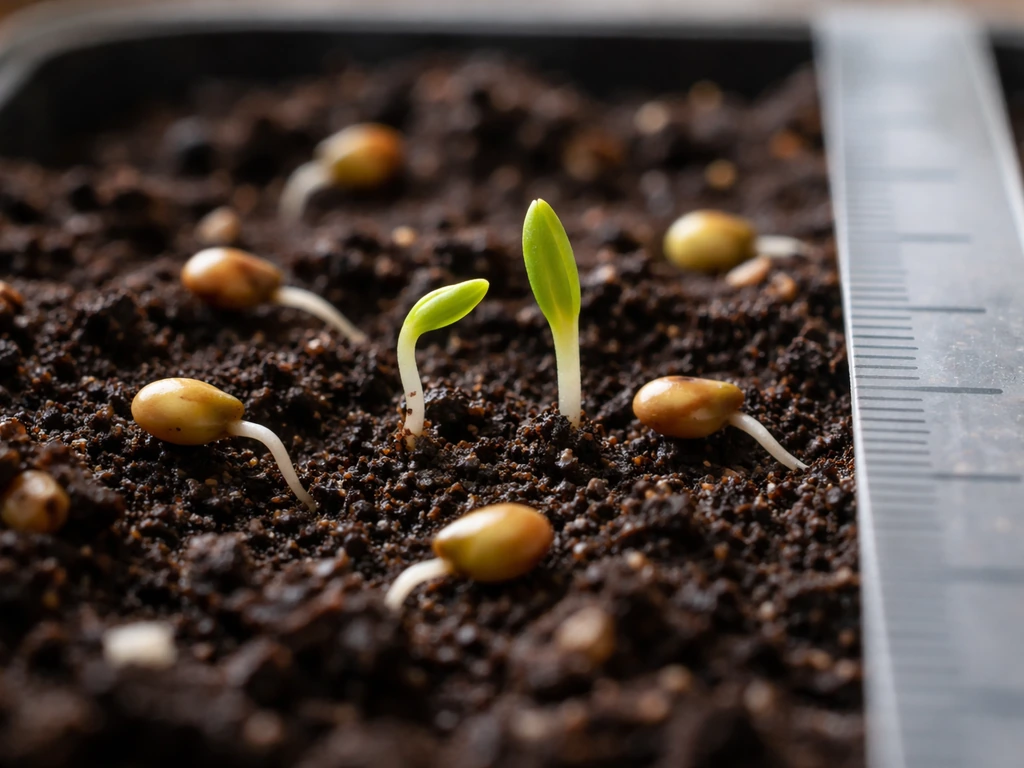
Fast-germinating seeds in a mix, things like radishes, nasturtiums, annual poppies, and some grasses, often sprout in 5 to 10 days under good conditions. Mid-range seeds like cosmos, zinnias, and most herbs typically take 10 to 21 days. Slower species including coneflowers, native perennials, and some vegetables like carrots and parsnips can take 21 to 60 days, and much longer if the soil temperature isn't right. For example, a soil-temperature germination guide places carrot germination at about 14, 21 days and links vegetable germination conditions to soil temperature SOIL TEMPERATURE CONDITION FOR VEGETABLE SEED GERMINATION. Parsnips are a classic example: they can take weeks even in warm soil, and nearly stop germinating entirely below 50°F.
Phase 2: Seedling establishment (weeks 3 to 8)
Once a seedling has emerged, it needs 2 to 6 weeks to build a root system and put on enough leaf area to be considered established. During this phase, the mix starts to look more like a garden and less like bare soil with a few tentative sprouts. Don't be alarmed if some seedlings grow much faster than others. That's the mix doing its thing. Your job is to keep moisture consistent and resist the urge to disturb the soil surface looking for seeds that haven't shown yet.
Phase 3: Flowering or harvest (weeks 6 to 20+)
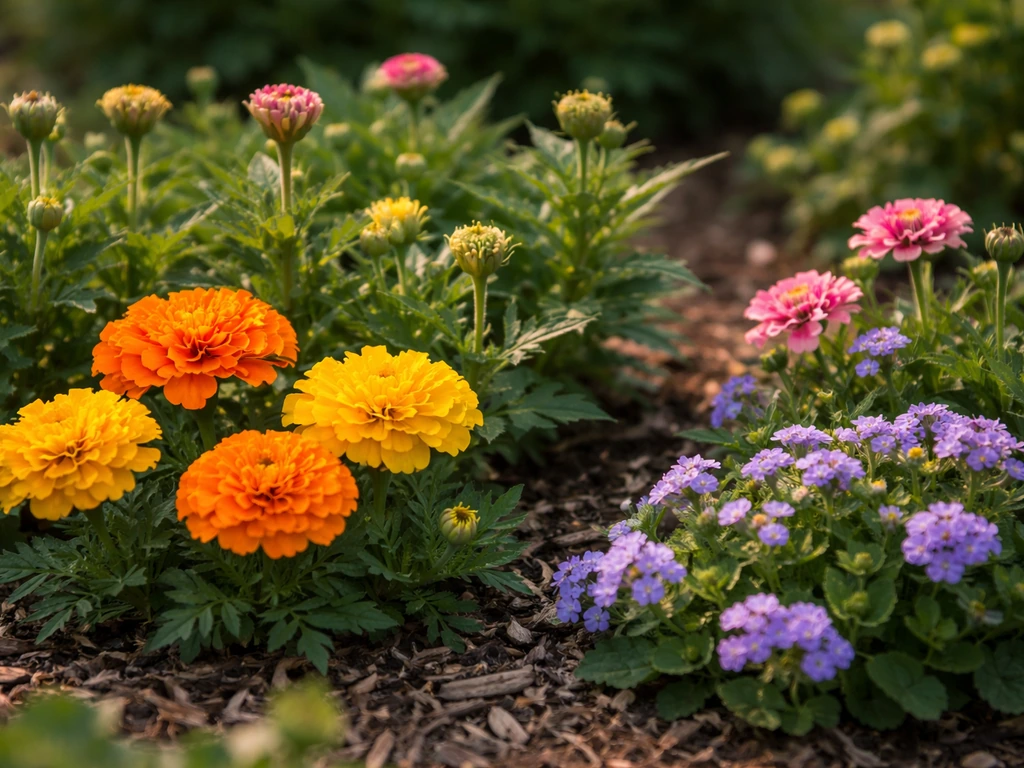
For annuals in a flower mix, expect blooms starting around 6 to 10 weeks from germination for fast bloomers like marigolds and bachelor's buttons, and 12 to 16 weeks for slower ones like rudbeckia. Vegetable mixes vary widely: salad greens might be harvestable 30 to 40 days after germination, while squash or peppers take 60 to 90 days. Perennial wildflower mixes often won't bloom in their first season at all; they put their energy into root development in year one and flower starting in year two.
How to read your seed label and find the slow species
The seed label is the most useful tool you have, and most people don't fully use it. Look for three things: the species list, any "days to germination" or "days to maturity" values, and any germination requirements like light or temperature. Seed packets commonly list germination temperature ranges and "days to" values specifically to help you schedule planting, so those numbers aren't decoration. If your packet lists 10 species with germination windows, find the slowest one. That's your real wait time before you should start worrying.
One important convention to understand: for direct-sown seeds in the garden, "days to maturity" is counted from germination, not from the day you planted the seed. For transplants, it's counted from the day you put them in the ground. Knowing which clock you're using prevents a lot of confused math when you're trying to work backward on a planting calendar.
If your packet doesn't list individual species germination times, look up the slowest-sounding name in the mix online, or find the seed supplier's website. Most reputable suppliers publish detailed growing instructions. If your mix includes anything that sounds like a native wildflower or perennial, flag it as potentially requiring cold stratification before it will sprout. Some mixed wildflower packets include species that need 60 or more days of cold, moist treatment before they'll germinate, which means if you sow them in spring without pre-treating, you may not see those specific plants until the following year.
The factors that actually control how fast seeds germinate
Five things drive germination speed more than anything else. Get these right and your mix will perform at the faster end of its range. Get them wrong and even the easiest seeds will stall.
Soil temperature
This is the single biggest variable most gardeners underestimate. Air temperature and soil temperature are not the same thing, and seeds respond to soil temperature. Root vegetables start germinating at around 40°F but do much better between 55 and 70°F. Most warm-season flower and vegetable seeds want soil temperatures of 65 to 75°F. Warm-season prairie grasses and wildflowers are particularly temperature-sensitive: they germinate and establish best when soil conditions match their natural growing season. A soil thermometer costs a few dollars and tells you more than any air temperature reading can.
Light vs. darkness requirements
Some seeds need light to germinate and must sit at or near the soil surface. Others need darkness and should be covered. In a mixed packet, you may have both types together. Lettuce is a classic light-requiring seed: leave it uncovered or barely dusted with growing medium. Other seeds that need darkness can be covered and even shaded with newspaper until they sprout. When a mix contains both types, follow the label's guidance for covering depth. If the instructions say "press seeds onto surface" or "do not cover," take that seriously. Covering light-requiring seeds with even a thin layer of soil can be enough to block germination entirely.
Sowing depth
Too deep is one of the most common germination killers in mixed seed planting. Small seeds planted too deep run out of stored energy before they can reach the surface. A general rule for small annual seeds is to plant no deeper than two to three times the seed's diameter. Many fine flower and herb seeds want to be sown right at the surface and barely pressed in. Planting too deep increases stress, delays emergence, and gives soilborne pathogens more time to attack the seedling before it breaks ground.
Moisture
Consistent moisture is critical during germination, but "consistent" doesn't mean wet. The target is moist but not soggy. Waterlogged soil creates conditions for damping-off, a fungal problem that kills seedlings at the soil line before or just after emergence. After germination, keep the soil consistently moist for about 4 to 6 weeks while seedlings establish their root systems. Then you can ease off and let the soil dry slightly between waterings. Think of it as holding hands with the seedlings through the vulnerable phase, not drowning them.
Seed age and viability
Old seed germinates slowly and unevenly, or not at all. Most vegetable and flower seeds stay viable for 2 to 5 years if stored in cool, dry conditions, but viability drops fast in heat and humidity. If you're sowing a mixed packet that's been sitting in a shed through a hot summer or two, expect lower germination rates across the board. The slowest species in the mix tend to show the worst age-related decline first. Buy fresh seed when possible, store it sealed in a cool, dry place, and don't assume last year's mix will perform the same as the new one.
How to help your mixed seeds germinate faster
There's no magic, but there are some reliable techniques that push germination toward the faster end of the range for your mix.
- Use a soil thermometer before sowing. If the soil is below 50°F for a warm-season mix, wait. The seeds won't germinate well, and sitting in cold, wet soil increases rot risk.
- Pre-moisten your growing medium before planting rather than watering from above after sowing. This prevents seeds from being washed around or buried too deep by initial watering.
- Cover the bed with clear plastic film or a humidity dome for indoor starts to trap warmth and moisture. Remove it as soon as you see the first seedlings emerge.
- For seeds that need darkness, use newspaper or black plastic to shade the bed until sprouting begins. Check daily so you can remove the cover the moment seedlings appear.
- Use vermiculite (fine grade) to lightly cover seeds that need moisture retention without blocking light, particularly for light-requiring seeds that still need surface humidity.
- For native wildflower mixes with stratification requirements, consider winter sowing: sow in containers in late fall or winter and let the natural freeze-thaw cycle do the cold treatment for you. Seed packets typically specify whether 30 or 60 days of cold treatment is needed.
- Water gently and consistently, using a fine mist or soaker, not a hard stream that displaces seeds or compacts the soil surface and creates a crust that blocks emergence.
Crusted soil deserves a specific mention. If rain or irrigation compacts the surface and a hard crust forms, seedlings that are trying to push through can't make it, and you'll see uneven or failed emergence even from viable seed. Break the crust gently with a finger or a fine rake if you suspect this is happening.
Troubleshooting slow or failed germination
Before you re-sow, work through this checklist. Most "nothing is happening" situations have a cause that's worth diagnosing rather than just covering with more seed.
- Check the slowest species' germination window on the label. If you're within that window, wait. Don't compare against the fastest germinators in the mix.
- Take the soil temperature at the depth you planted. If it's outside the recommended range for the majority of your mix, that's likely the problem.
- Check for surface crusting. If the soil surface is hard and cracked, seedlings may be trapped. Gently loosen it.
- Check moisture. Dig an inch or two down. If it's bone dry, you may have lost seeds to desiccation. If it's waterlogged, you may have damping-off or rot.
- Look for damping-off: seedlings that emerged and then toppled at the soil line, with a pinched, water-soaked stem. If you see this, improve airflow and reduce watering frequency.
- Consider seed age. If the packet is more than two or three years old, germination rates may be substantially lower than printed.
- Consider stratification: if your mix contains perennials or native wildflowers, some species may simply need cold treatment before they'll sprout. These won't appear in the first season without pre-treatment.
- Re-sow only after you've confirmed the issue. Sowing more seed on top of viable seed that hasn't emerged yet wastes seed and makes it harder to thin later.
When to call it and re-sow: if you're at double the maximum germination time listed for the slowest species in your mix, conditions have been appropriate, and you're seeing nothing, then re-sowing is reasonable. For most mixes, that threshold is somewhere between 6 and 12 weeks from sowing. For mixes with stratification-requiring species, extend that judgment to the following season.
Comparing common mixed seed types: what to expect
| Mix Type | First Germination | Full Mix Emergence | Flowering or Harvest | Notes |
|---|---|---|---|---|
| Annual Wildflower Mix | 5–14 days | 3–8 weeks | 8–16 weeks | Fast annuals bloom first; follow light/surface requirements closely |
| Perennial Wildflower Mix | 14–60 days | 8–20+ weeks | Year 2 for most species | Many need cold stratification; expect thin first-season coverage |
| Mixed Vegetable/Herb Pack | 5–21 days | 3–6 weeks | 30–90 days from germination | Salad greens harvest earliest; peppers and squash take longest |
| Mixed Grass / Cover Crop | 7–21 days | 3–5 weeks | N/A (harvest or till at maturity) | Warm-season grasses need soil temps above 60°F to germinate reliably |
| Mixed Native Prairie Seed | 14–90+ days | 10–24+ weeks | Year 2 or 3 for full establishment | Winter sowing or fall sowing recommended for stratification species |
Planting schedule examples for common mix types
Annual wildflower or cottage garden mix
Sow outdoors after your last frost date when soil has reached at least 55°F. Expect first seedlings in 1 to 2 weeks. The mix will look full and green by week 4 to 6. Early bloomers like poppies, bachelor's buttons, and cosmos start flowering around weeks 8 to 10 from sowing.
Later bloomers continue through weeks 12 to 16. For a continuous display, sow a second batch 4 weeks after the first. Light requirements in these mixes are critical: many wildflower seeds need light and should not be buried. Suppliers like Nature's Seed specify that seeds should stay within about 1/8 inch of the surface and that soil should be kept consistently moist for the first 4 to 6 weeks after germination.
Mixed vegetable and herb packet
This type of mix has the widest variation in timelines. Radishes germinate in 3 to 7 days and are ready to harvest in 25 to 30 days from germination. Basil and lettuce take 7 to 14 days to germinate and can be harvested within 40 to 50 days. Tomatoes, peppers, and squash (if included) take 7 to 21 days to germinate but need 60 to 90+ days to produce. If you're starting a mixed vegetable pack indoors, remember that "days to maturity" for transplanted crops starts counting from the day they go into the garden, not from germination. This is especially important for long-season crops in short growing climates.
Speaking of long-season crops, how long pumpkin seeds take to grow is worth understanding if your mix includes any cucurbit types, since those are among the slower producers in a vegetable mix and benefit from being started indoors before the last frost.
Native prairie or wildflower meadow mix
These mixes require the most patience. Many include warm-season grasses and native perennial wildflowers that have very different needs. For fall sowing, wait until soil temperature drops below 40°F so seeds won't germinate prematurely before winter, then let the natural cold-moist period do the stratification work. For spring sowing, either purchase pre-stratified seed or plan that stratification-requiring species won't appear until after a cold winter.
Many flowering perennials need 60 to 90 days of cold, moist stratification before they'll germinate. Warm-season grasses in the mix often don't need cold stratification but do need soil temperatures above 60°F to germinate well. Year one for these mixes often looks underwhelming above ground while the plants invest in deep root development. Full establishment and flowering typically comes in year two or three.
If your mix includes a rare specialty component or heirloom variety, the timeline can shift further. The behavior of rare seeds and how long they take to grow is genuinely different from standard commercial varieties and worth checking before you set expectations from the main seed packet timeline.
Cover crop or grass mix
Cover crop mixes are generally the most reliable for even germination because they're bred for quick establishment. Expect germination within 7 to 14 days for most cover crops (clover, ryegrass, vetch) under appropriate conditions. Full canopy cover develops within 3 to 5 weeks. The main variable is temperature: warm-season cover crops like sunn hemp or cowpeas need soil above 60°F, while cool-season mixes with oats or winter rye can germinate in soils as cool as 34 to 40°F.
A few quick-start tips worth keeping in your back pocket
If you're working with any mix that includes seed bombs, which are compressed balls of seed and clay used for broadcast sowing in meadow or restoration projects, the germination timing follows similar species-based rules but with the added variable of the clay matrix needing to dissolve completely before seeds can access moisture and light. You can read more about the specific process in this article on how long seed bombs take to grow.
Temperature management can extend your effective sowing window in both directions. In spring, clear plastic laid over prepared beds acts as a mini greenhouse, raising soil temperature faster so warm-season mixes can go in earlier. In hot summers, shade cloth or micro-sprinklers can cool the soil enough to get cool-season mixes to germinate when they'd otherwise stall in overheated soil. Both are practical tools when your mix's preferred temperature window doesn't quite match your current season.
And if you're playing a game where your gardening is entirely virtual, the patience required for real mixed seeds has an amusing parallel: ancient seeds in Stardew Valley and how long they take to grow is a question that comes up for gardeners who play the game between outdoor sessions. The in-game timing obviously doesn't map to real biology, but the curiosity is relatable.
For anyone interested in specialty agricultural seed systems, it's also worth knowing that modded growing mechanics like how long inferium seeds take to grow are a completely separate context from real-world mixed seed planting, but the question shows up alongside real gardening searches often enough to be worth acknowledging.
The bottom line on mixed seed timing
Mixed seed packets are not a single-species seed you can track on one schedule. They're a layered system where the fastest species gives you early encouragement and the slowest species defines how long you actually need to wait before troubleshooting. Read the full species list, find the slowest germinator in the mix, and use that as your real deadline for patience. Keep soil temperature in range, maintain consistent moisture without waterlogging, respect depth and light requirements for each species type, and resist re-sowing before you've confirmed the delay is a real problem rather than just the normal pace of the slower plants in your mix doing their thing.
FAQ
If some seeds sprout quickly, should I assume the rest will catch up soon?
Not necessarily. Early emergence usually comes from the fastest species, while the slowest may still be waiting on temperature, light, or cold stratification. Treat the slowest germinator as your “deadline,” and don’t mix up a few quick sprouts with overall completion.
How can I tell whether my mix is delayed due to temperature versus covering depth?
Do a quick check: look for tiny green tips at the surface level. If you see none and the seeds were covered, depth is a common cause (especially for light-requiring seeds). If seeds were barely pressed in but soil was too cool, you’ll often get delayed but eventually uniform emergence once the soil warms.
What’s the best way to measure soil temperature for timing mixed seed planting?
Measure soil temperature at planting depth (for most surface-sown mixes, that’s just under the soil surface). A surface air reading can be misleading, especially with sun and wind. If you consistently miss the seed’s preferred soil range, germination can stall even when air temperatures look right.
Can I speed up slow seeds in a mixed packet without harming the fast ones?
Sometimes. For species that require warmth and moisture, improving soil warmth with clear plastic can help overall germination. For seeds that require darkness, adding extra surface light or shallow sowing can reduce germination. If the mix includes stratification-requiring plants, the real “speed-up” is pre-treating those seeds, not just adjusting water.
Should I separate or thin seedlings when some species emerge later?
Generally, avoid aggressive thinning until the bulk of the mix has emerged. If you thin early, you may remove seedlings from slower species that haven’t appeared yet. Once most species are up, thin based on spacing needs, and leave the slower starters undisturbed for at least several weeks.
Is it ever better to pre-mix and pre-sprout seeds from the packet?
Only if you can keep species separate during the pre-sprouting stage. Germinating together and transplanting later often creates uneven root damage because slower seeds may not be ready when faster ones are. For mixed packets, it’s safer to follow the label for each sowing method, or stagger sowing dates by group.
Why does my mixed seed packet look patchy even though germination happened?
Patchiness can come from seeds with different light requirements and seed sizes. Small, surface-sown seeds can be uneven if the soil crust forms, while light-dependent seeds can fail if covered too much. Also, some species spread quickly only after establishment, so the “full look” may lag even when emergence occurred.
When do I know it’s actually time to re-sow, not just waiting for normal delays?
Use the slowest species as your guide. If conditions were appropriate (soil temperature, correct covering, and moist-not-soggy soil) and you’re past roughly double the maximum listed germination time for that slowest species, re-sowing is more justifiable. If the mix includes stratification-requiring plants, expecting them the same season may be unrealistic.
Do I count days to maturity from planting or germination for mixed seed packets?
It depends on whether you direct-sow or transplant. For direct-sown seeds, “days to maturity” typically counts from germination. For transplants, it counts from when the plant is set into the ground. Mixing these up is a common reason gardeners feel their timeline is “off.”
What moisture routine prevents damping-off during the germination window?
Keep the top layer moist but not waterlogged. If the soil stays soggy or you see a crust and then pooling, adjust watering frequency and ensure drainage. For many mixes, consistent moisture is most important during germination and early emergence, then you can gradually ease once seedlings establish for several weeks.
Next Article
How Long Does It Take for Pumpkin Seeds to Grow
Get a stage-by-stage timeline for pumpkin seed growth, harvest timing, and fixes for slow or failed sprouting.