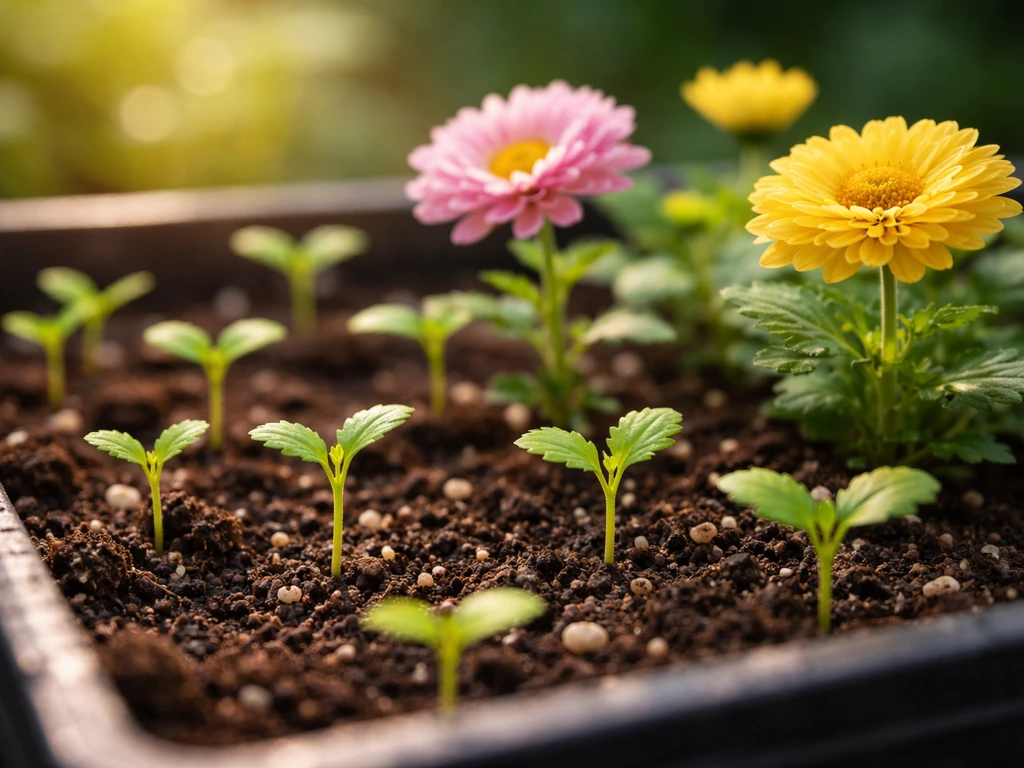
Pumpkin seeds take about 7 to 14 days to germinate, another 2 to 4 weeks to go from sprout to established seedling, and then a further 75 to 110 days (depending on variety) to produce a fully mature, harvest-ready pumpkin. So from the moment you push a seed into warm soil to the day you carry a pumpkin to your porch, you're looking at roughly 90 to 130 days total. That's the honest, practical answer. Everything else in this guide helps you figure out where your situation falls in that range and what to do if things are moving slower than expected.
How Long Does It Take for Pumpkin Seeds to Grow
Marcus Henley
5 Apr 2026
Germination: how long before the seed actually sprouts
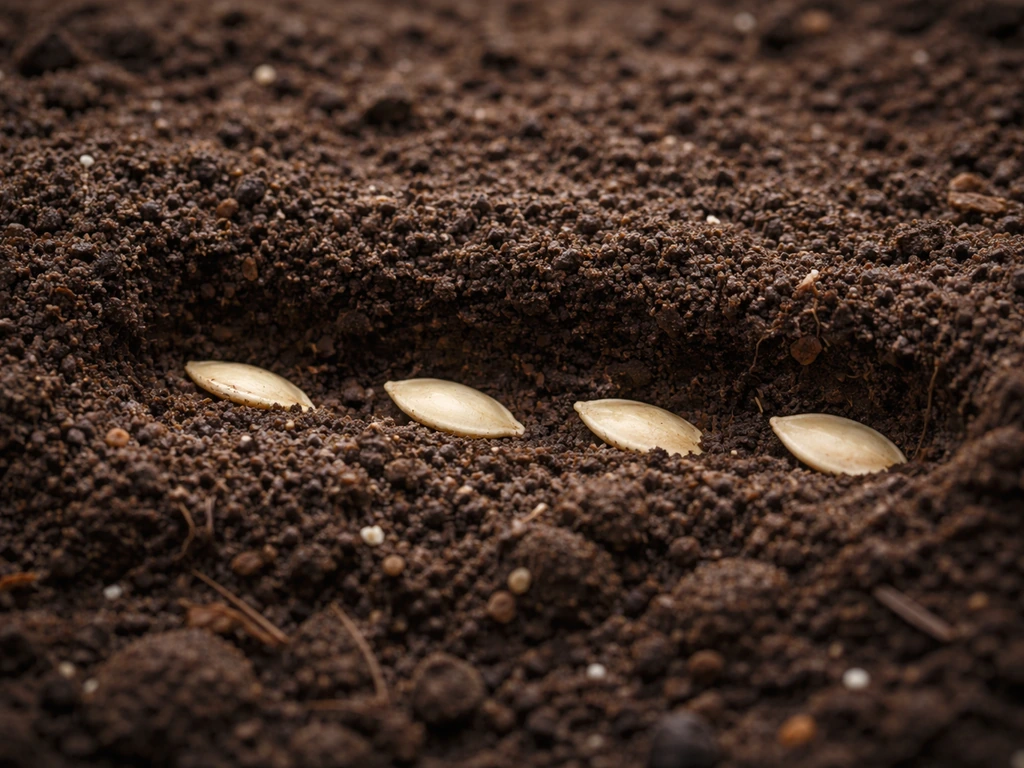
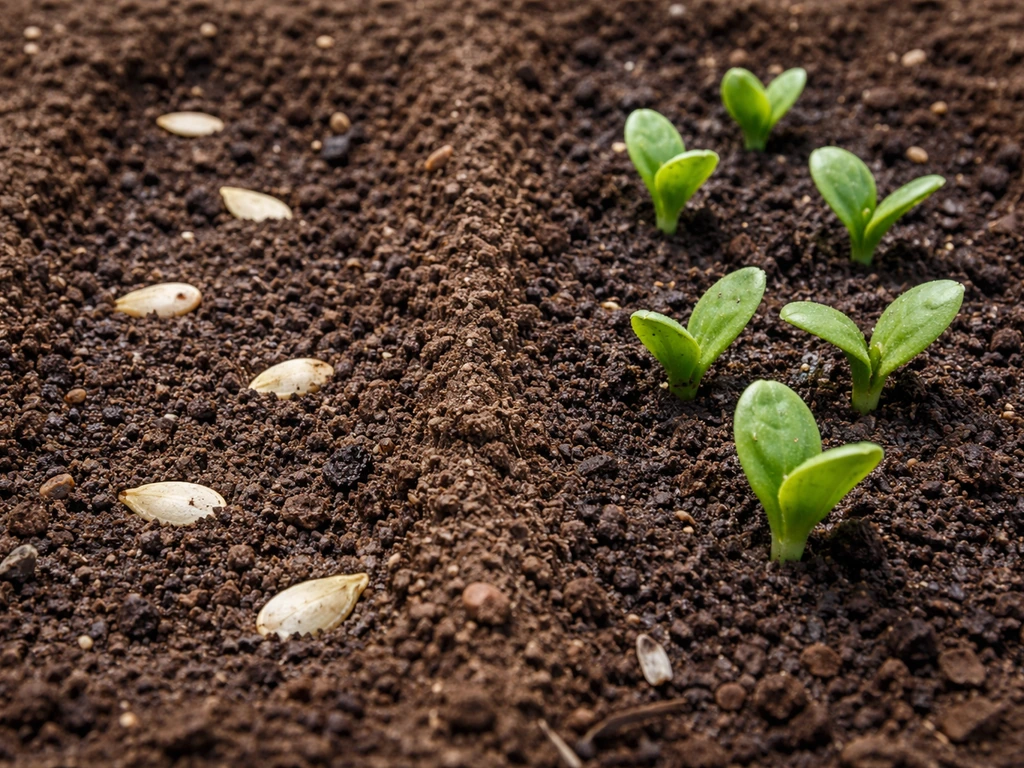
The single biggest factor in germination speed is soil temperature. When soil at planting depth is sitting between 70 and 90°F, pumpkin seeds can sprout in as little as 4 to 5 days under ideal moisture conditions. At cooler temperatures closer to the 60°F minimum, that same seed might take the full 7 to 14 days, and germination becomes patchy and unreliable. Below 60°F, don't expect much to happen at all. If you want a useful benchmark: aim for soil that feels warm to the touch at 2 inches deep, which corresponds roughly to 65°F or above. That's the threshold where you'll get a decent, reliable stand.
Plant seeds about 3/4 inch deep. Go shallower and the seed dries out before it can absorb enough moisture to kick off germination. Go deeper and the seedling has to fight longer to reach the surface, spending more time in soil where pathogens like Pythium can attack it before it even emerges. The depth-and-warmth combination matters more than most people realize when they're troubleshooting slow sprouting.
One thing that surprises gardeners: germination doesn't slow gradually as temperatures drop below the ideal range. Below 80°F, the process can noticeably lag even though the seed will eventually emerge. So if your soil is sitting at 68°F and you expected sprouts in 5 days, give it 10 to 14 before you start worrying.
From sprout to established seedling: the first few weeks
Once you see the first cotyledons (the round seed leaves) pushing through the soil, you're not done waiting yet. Those aren't true leaves, and the plant isn't really established. True leaves are what matter for next steps. If you're thinning seedlings, wait until the first true leaves appear before deciding which plant looks strongest and removing the others. For transplanting seedlings you started indoors, wait until they have 2 to 3 true leaves before moving them outside.
From germination to that 2 to 3 true-leaf stage typically takes another 2 to 4 weeks, depending on how warm and bright conditions are. Indoors under grow lights with consistent warmth, this goes faster. On a windowsill in early spring, it drags. If you're starting seeds indoors, count on about 4 weeks total from sowing to having a transplant-ready seedling, which matches the practical guideline that vine-crop transplants need roughly a month of indoor time before they're ready to go in the ground.
Seed to harvest: how long for a fully grown pumpkin
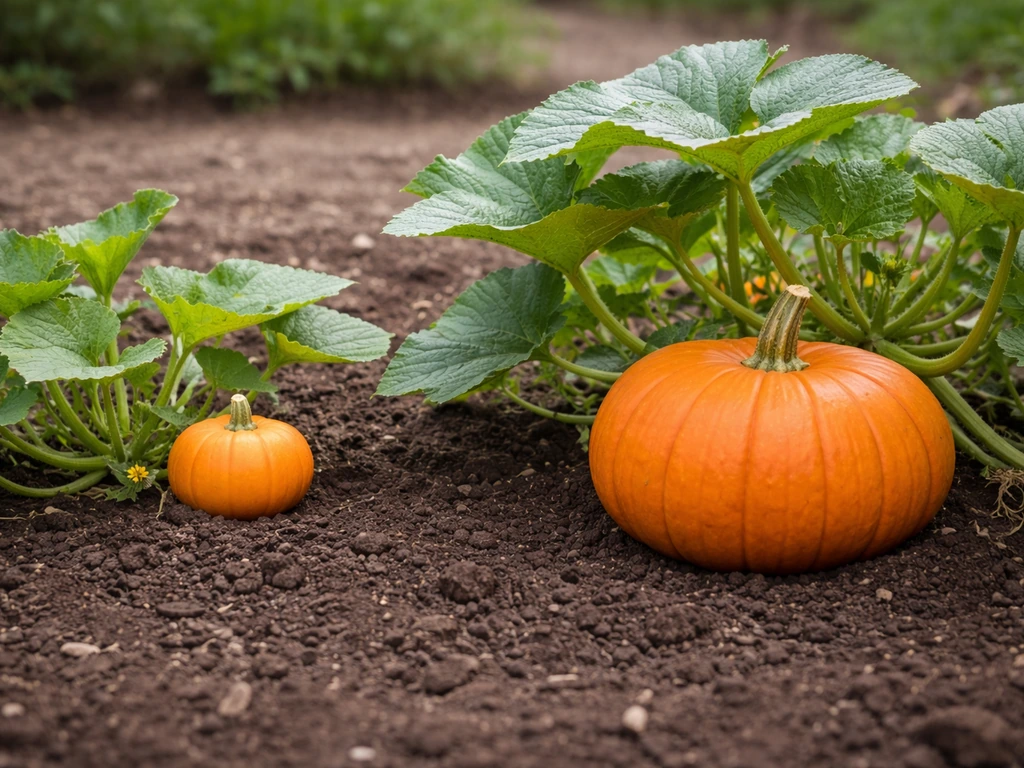
This is where variety matters most. Pumpkin varieties are bred for very different maturity windows, and the "days to maturity" number on the seed packet is your most reliable planning tool. Here's a general breakdown by type:
| Pumpkin Type | Days to Maturity (from transplant) | Notes |
|---|---|---|
| Mini/small varieties (e.g., Jack Be Little) | 70–85 days | Fastest to harvest; good for short seasons |
| Medium jack-o'-lantern types | 100–110 days | Jack O' Lantern varieties commonly listed at 105–110 days |
| Large/giant varieties (e.g., Atlantic Giant) | 110–130+ days | Needs long, warm seasons to reach full size |
Note that "days to maturity" is usually counted from transplanting, not from seeding. If you direct-sow, add about 10 to 14 days to account for the germination period. So a variety listed at 105 days to maturity might take 115 to 120 days from direct seeding in the garden.
How do you know when the pumpkin is actually ready? Look for three things: the rind should be hard enough that you can't push your fingernail into it, the color should be fully developed (deep orange for most varieties), and the stem connecting it to the vine should feel hard and woody rather than soft and green. The vines themselves will also start drying and withering as the plant puts its energy into ripening the fruit. One critical point: unlike tomatoes, pumpkins do not continue ripening after you cut them off the vine. What you see on the vine is what you get. Don't harvest early hoping it'll finish indoors.
What speeds up or slows down the whole timeline
Soil temperature
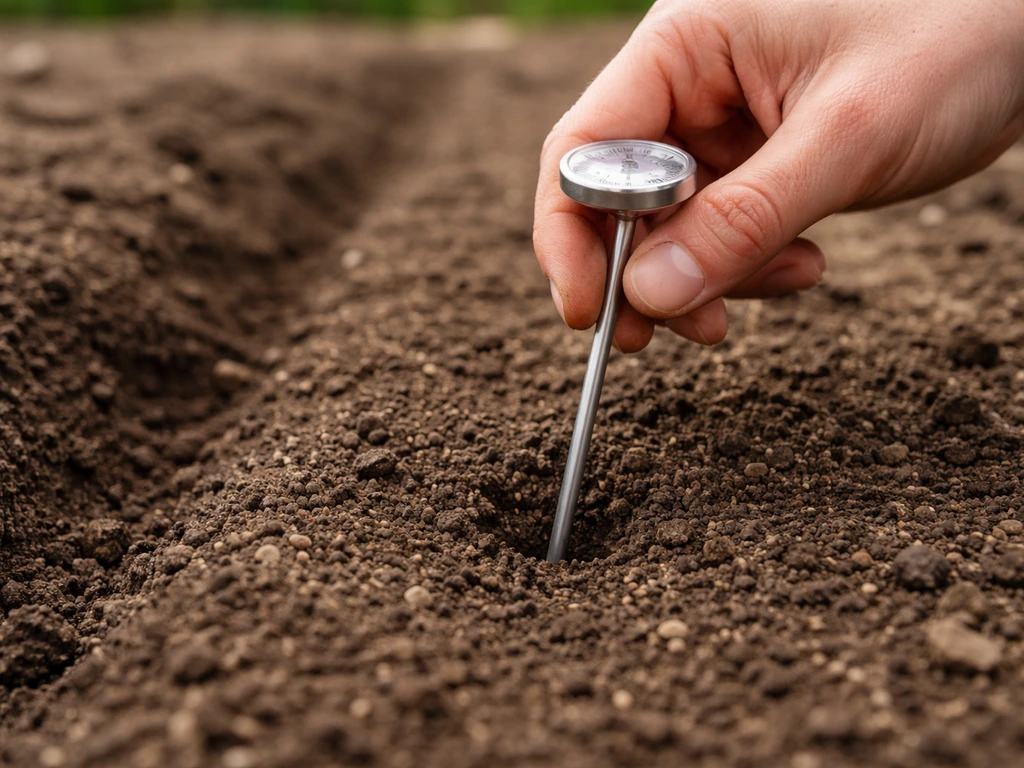
This is the number one variable. Soil that's too cold delays germination, weakens the seedling's early root development, and can set the entire season back by weeks. If you're in a region with a short growing season, warming the soil with black plastic mulch before planting is one of the most effective things you can do. Check temperature at 2 inches deep, not just at the surface.
Moisture consistency
Seeds need consistent moisture to germinate, but waterlogged soil is a real problem. Pythium and other soilborne fungi thrive in wet conditions and can rot seeds or newly emerged seedlings before you even notice something went wrong. The fix is simple but counterintuitive: let the soil dry slightly between waterings rather than keeping it constantly saturated. That cycle of moist-then-partially-dry discourages pathogens without starving the seed of water.
Sunlight and air temperature
Pumpkins are full-sun plants. Less than 6 to 8 hours of direct sun per day will slow vine development and delay fruit set. Air temperatures also matter after germination: cold nights below 50°F will stall vine growth even if the days are warm. Pumpkins grow best in the 65, 95°F range, and temperatures below 50°F or above 95°F slow growth and maturity Pumpkins grow best in the 65–95°F range. A hard freeze can damage rind quality and shorten storage life, so protect young transplants if late cold snaps are in the forecast.
Direct sow vs. indoor start
Direct sowing is simpler and avoids transplant shock, but it requires warm soil and costs you the flexibility of timing. Starting indoors lets you get a jump on the season, especially in zones where spring is short. The tradeoff is that indoor-started seedlings need proper hardening off before going outside: spend 7 to 10 days gradually introducing them to outdoor conditions (wind, temperature swings, direct sun) before planting. Skip this step and the plants often stall for 1 to 2 weeks after transplanting as they recover from the shock, which effectively erases the head start you worked for.
Spacing and vine management
Crowded plants compete for water, nutrients, and light, all of which stretch the time to harvest. Standard spacing puts rows 6 to 8 feet apart, with plants thinned to one every 2 feet within the row. Some growers also remove the first female flowers that appear after vines start blooming, allowing the plant to build more leaf area before it commits energy to fruit. It sounds counterproductive, but it often results in better-sized pumpkins that mature more reliably.
Seeds not sprouting? Here's what to check right now
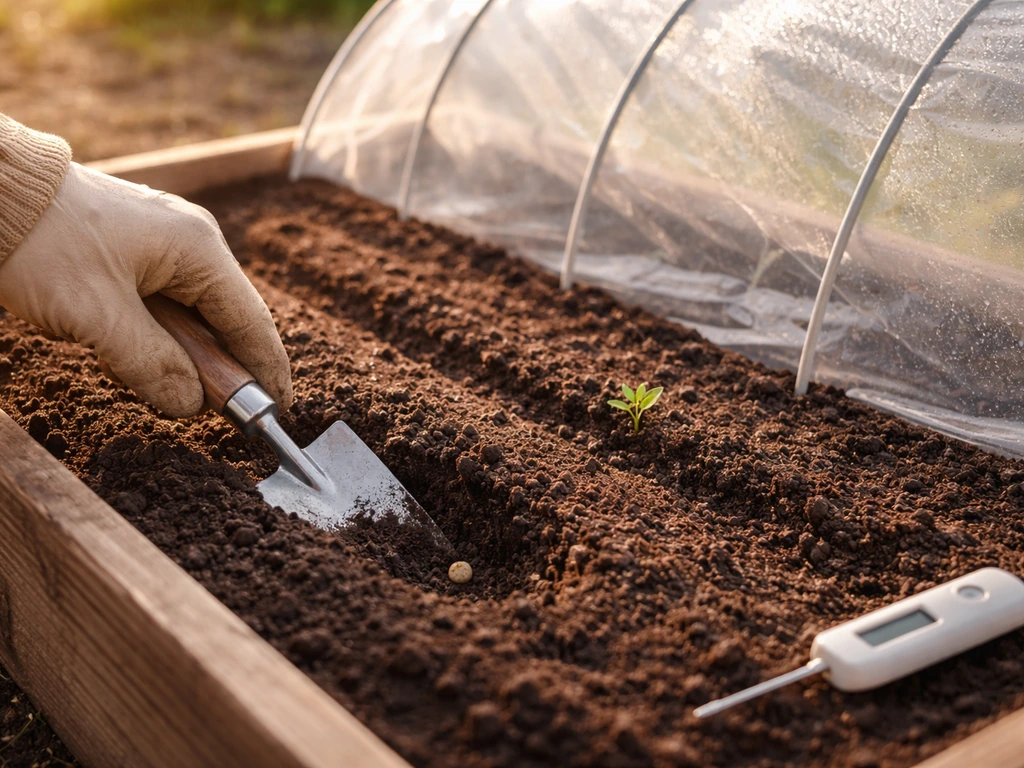
If it's been more than 14 days since you planted and you're seeing nothing, go through this checklist before assuming the worst:
- Check soil temperature at 2 inches. If it's below 60°F, the seeds may be dormant rather than dead. Warm the soil and wait.
- Dig up one seed carefully and inspect it. If it's swollen and slightly sprouted, it's alive but slow. If it's mushy and discolored, it rotted (likely from overwatering or cold, wet soil).
- Check seed viability if seeds are old. Pumpkin seeds stored properly last 4 to 6 years, but germination rates drop over time. Test a few seeds between damp paper towels at room temperature: you should see sprouting within 5 to 7 days if seeds are viable.
- Adjust watering. If soil has been consistently wet, let it partially dry before watering again to discourage fungal rot.
- Check planting depth. Seeds planted deeper than 1 inch may struggle to emerge, especially in cool soils.
- Consider replanting with fresh seed if conditions were poor and the original planting looks unlikely to recover.
Damping-off, the condition where seeds rot before emergence or seedlings collapse at the soil line, is one of the most frustrating causes of failed pumpkin starts. It's caused by soilborne fungi and is almost always linked to cold, wet conditions or seeds planted too deep. If you're seeing seedlings fall over and rot near the base, that's damping-off, and the fix is better drainage and warmer soil temperatures rather than more water or fertilizer.
For context, this kind of variability in sprouting outcomes is something how long do mixed seeds take to grow also covers well, since different seed types in the same bed can behave very differently based on soil conditions. Pumpkins are among the more temperature-sensitive vegetables, so they tend to magnify whatever problems exist in the soil.
How to speed up your pumpkin timeline
- Pre-warm the soil with black plastic mulch 1 to 2 weeks before planting to push soil temperature into the 70°F+ range faster.
- Soak seeds in warm water for 4 to 8 hours before planting to soften the seed coat and speed up moisture absorption.
- Start seeds indoors 3 to 4 weeks before your last frost date so transplants are ready to go out the moment soil is warm enough.
- Harden off indoor seedlings properly over 7 to 10 days to prevent transplant shock from erasing your timing advantage.
- Use row covers or cold frames to extend the warm season on both ends, protecting young transplants from late cold snaps and keeping vines productive longer in fall.
- Choose a variety with a shorter days-to-maturity number if your season is tight. Mini varieties at 70 to 85 days give you much more margin than a 110-day jack-o'-lantern.
Stage-by-stage planting plan: translating the timeline into a schedule
Here's how to work backward from your target harvest date or forward from your last frost date to build a realistic pumpkin schedule. This plan assumes a standard medium variety with 105 days to maturity.
| Stage | Timing | What to Do |
|---|---|---|
| Indoor seed start | 8–10 weeks before last frost | Sow seeds in warm (70–80°F) potting mix, 3/4 inch deep. Keep moist but not waterlogged. |
| Germination | Days 4–14 after sowing | Seeds sprout. Maintain warmth and light. No fertilizer yet. |
| True leaf stage | Week 2–4 after germination | First true leaves appear. Thin to one seedling per cell. Begin light feeding. |
| Hardening off | 1–2 weeks before transplant | Move seedlings outdoors gradually for 7–10 days to acclimate. |
| Transplant outdoors | After last frost, soil at 65°F+ | Plant 2 feet apart in rows 6–8 feet wide. Water in well. |
| Vine growth & flowering | Weeks 3–6 after transplant | Vines spread rapidly. Remove first female flowers if plants are still small. |
| Fruit set & development | Weeks 6–10 after transplant | Pumpkins develop. Keep watering consistent. Watch for vine borers. |
| Harvest | Days 105–110 from transplant | Rind hard, color deep, stem woody, vines withering. Cut with a short handle intact. |
If you're direct sowing instead of transplanting, push the sowing date to 1 to 2 weeks after your last frost date (or whenever soil reliably hits 65°F at 2 inches), and add 10 to 14 days to your expected harvest date to account for the germination window.
If you're in a shorter-season growing zone, choosing a fast-maturing variety and starting indoors is almost always the better call. Trying to squeeze a 110-day pumpkin into a 90-day frost-free season is a recipe for unripe fruit. Just as gardeners who work with how long do wild seeds take to grow learn that respecting natural maturity timelines beats trying to rush the process, pumpkin growers do best when they choose varieties suited to their actual season length rather than fighting the calendar.
When it comes to harvest, cut rather than pull. Leave 3 to 4 inches of stem attached as a handle, which slows decay and extends storage. Avoid nicking the rind during harvest because wounds are entry points for rot. Harvest before a hard freeze hits, as cold damage weakens rinds and significantly shortens how long the pumpkin will keep.
One last thought for planners who work with less common seed types: if you enjoy the seed-timing puzzle, it's worth knowing how other crops with unusual maturity windows compare. For example, how long does rare seed take to grow is a surprisingly interesting question for specialty growers, and how long do seed bombs take to grow covers a completely different kind of timing challenge for restoration and meadow gardeners. Even in gaming, questions like how long do ancient seeds take to grow in Stardew Valley or how long does it take for inferium seeds to grow reflect how universal the question of seed timing really is. But for real-world pumpkins, the math is straightforward once you know your variety and your soil temperature: warm soil plus the right variety plus a little patience equals a pumpkin on your doorstep right on schedule.
FAQ
Can pumpkin seeds sprout faster than 7 days?
Yes, it can be faster, but only when conditions line up. If soil is consistently warm (around 70 to 90°F), moisture stays evenly damp (not soggy), and you planted at about 3/4 inch, you may see first sprouts in 4 to 5 days. If any of those factors slip, the same variety can still take the full 7 to 14 days.
What if it is still cool and nothing shows up yet, will my pumpkin seeds eventually start?
Most of the time, nothing can happen until the seed has enough warmth. If soil is below about 60°F at planting depth, germination often stalls and may look like “nothing is happening.” Give it extra time once soil warms, and focus on soil temperature at 2 inches deep rather than the air temperature.
When should I thin pumpkin seedlings or decide they are not going to make it?
A good rule of thumb is to wait until you see first true leaves before making major decisions, because cotyledons alone can mislead you. If you are thinning or replacing gaps, use the appearance of true leaves as the checkpoint, since they indicate the seedling is past the most fragile stage.
Do I have to harden pumpkin seedlings off if I started them indoors?
If you are starting indoors, keep seedlings warm and bright until they have 2 to 3 true leaves, then harden off for 7 to 10 days. Even if sprouts looked strong indoors, skipping hardening off often causes a 1 to 2 week stall after transplanting because the plants need time to adjust to outdoor sun, wind, and cooler nights.
Why are my pumpkins growing slowly, how do I diagnose whether it is temperature, depth, or something else?
It depends on where you are in the timeline. For “nothing yet” situations, check soil temperature first (2 inches deep) and planting depth second, then look for signs of damping-off (seedlings collapsing at the base). For slow growth after sprouts, the usual culprits are inadequate sun (under 6 to 8 hours), cold nights below 50°F, or overcrowding.
How can I tell if I am overwatering pumpkin seeds, and what is the right watering rhythm?
For direct-sown seeds, a common mistake is watering in a way that keeps the bed constantly saturated. Instead, aim for moist-then-partially-dry cycles, so the seed stays hydrated but soilborne fungi are less likely to rot seeds. Also avoid planting in low spots where water pools.
Can uneven soil conditions cause patchy pumpkin sprouting?
Yes, and it usually shows up as patchy emergence. If you plant seeds at inconsistent depths or soil moisture varies across the bed, some seeds may germinate quickly while others lag or fail. Recheck your depth and consider uniform spacing within the row so each seed experiences similar conditions.
How do I know it is safe to harvest, and will it keep ripening after I cut it?
Don’t expect pumpkins to continue ripening off the vine like some other crops. Use the rind firmness, fully developed color, and the stem being woody-hard as your harvest readiness indicators. If you harvest early for timing reasons, you may end up with poorer flavor and shorter storage.
What signs mean the pumpkin is not mature enough, and what should I avoid when harvesting?
If the stem is soft and green, or the rind is still easy to dent with a fingernail, harvesting is too early. Another practical detail is to avoid nicking or scraping the rind during harvest, because wounds are entry points for rot during storage.
My seed packet says “days to maturity,” does that time start from planting or transplanting?
A rough adjustment is to add time based on the “days to maturity” reference point on your seed packet. Since the label is often counted from transplanting, direct sowing typically needs an extra 10 to 14 days on top of the listed days to maturity to cover germination and establishment.
Next Article
How Long Does It Take to Grow Chrysanthemums from Seeds
Timeline for growing mums from seeds: sowing to germination, transplant readiness, flowering and maturity, plus key vari