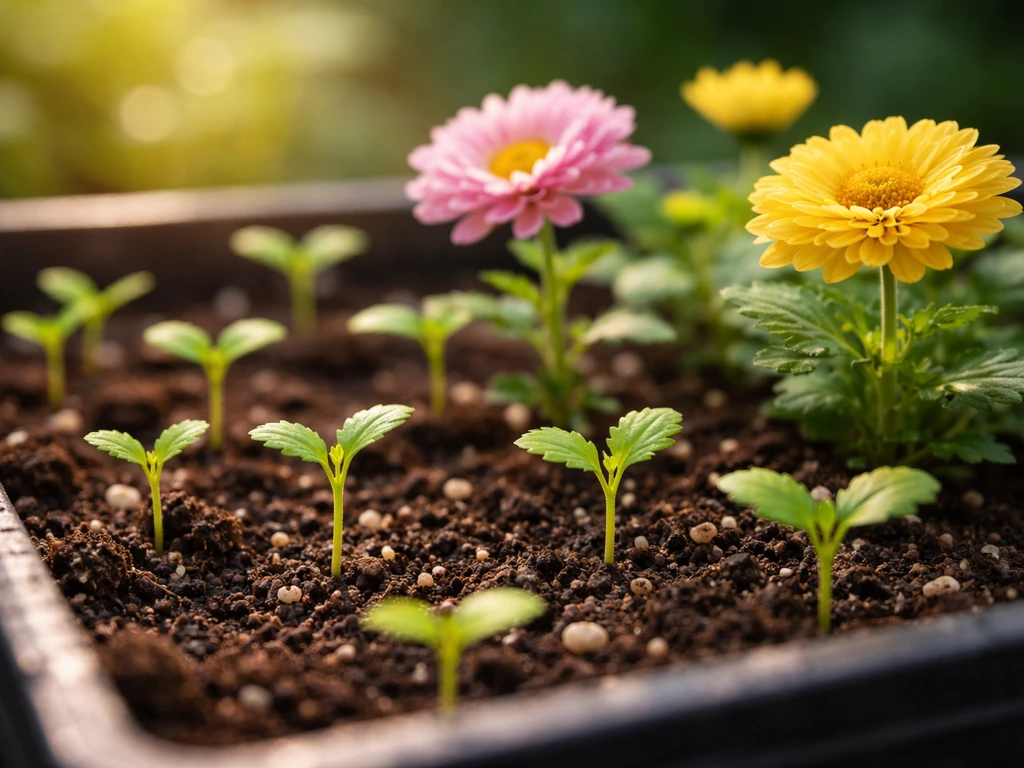
In Stardew Valley, Mixed Flower Seeds take 7 days to reach full maturity after the day you plant them, assuming you water them every single day. The exact flower you get is locked in the moment you plant, so the 7-day clock starts immediately. In the real world, a mixed flower seed packet typically germinates in 7 to 14 days and reaches first bloom somewhere between 8 and 14 weeks from sowing, depending on what's actually in the mix.
Mixed Flower Seeds Stardew How Long to Grow Timeline
Marcus Henley
12 May 2026
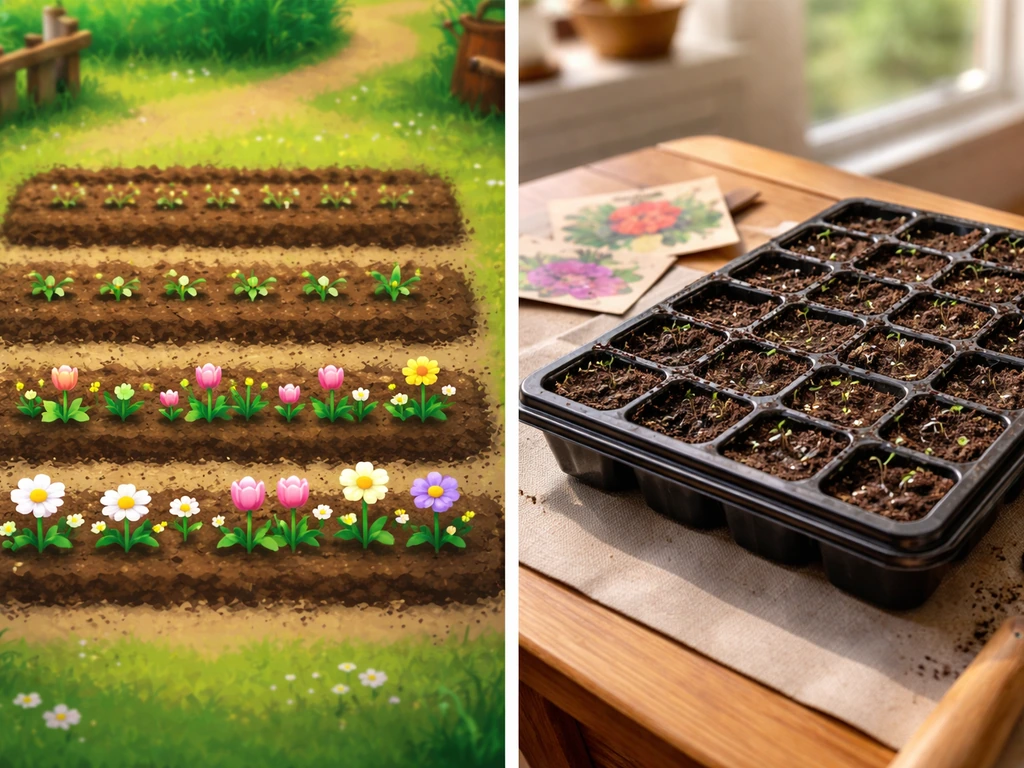
Quick answer: Stardew mixed flower seeds growth timeline
Here's the simplest version of the answer for both interpretations of the question, side by side so you can jump to whichever applies to you.
| Context | Germination / Early Growth | Full Maturity / First Bloom |
|---|---|---|
| Stardew Valley (in-game) | Growth starts day 1 after planting (if watered) | Day 7 after planting = harvest-ready |
| Real-world mixed flower seeds (annuals) | 7–14 days to sprout | 8–14 weeks from sowing to first bloom |
| Real-world mixed flower seeds (perennials) | Varies; may need cold stratification (30–60 days) | Often blooms in year 2 from seed |
If you're playing Stardew, plant your Mixed Flower Seeds no later than Day 21 of a given season so they fully mature before the season ends. If you're in the garden with an actual seed packet, expect to wait about two to three months from sowing to see your first blooms.
How Stardew growth time works (days, seasons, and what "done" means)
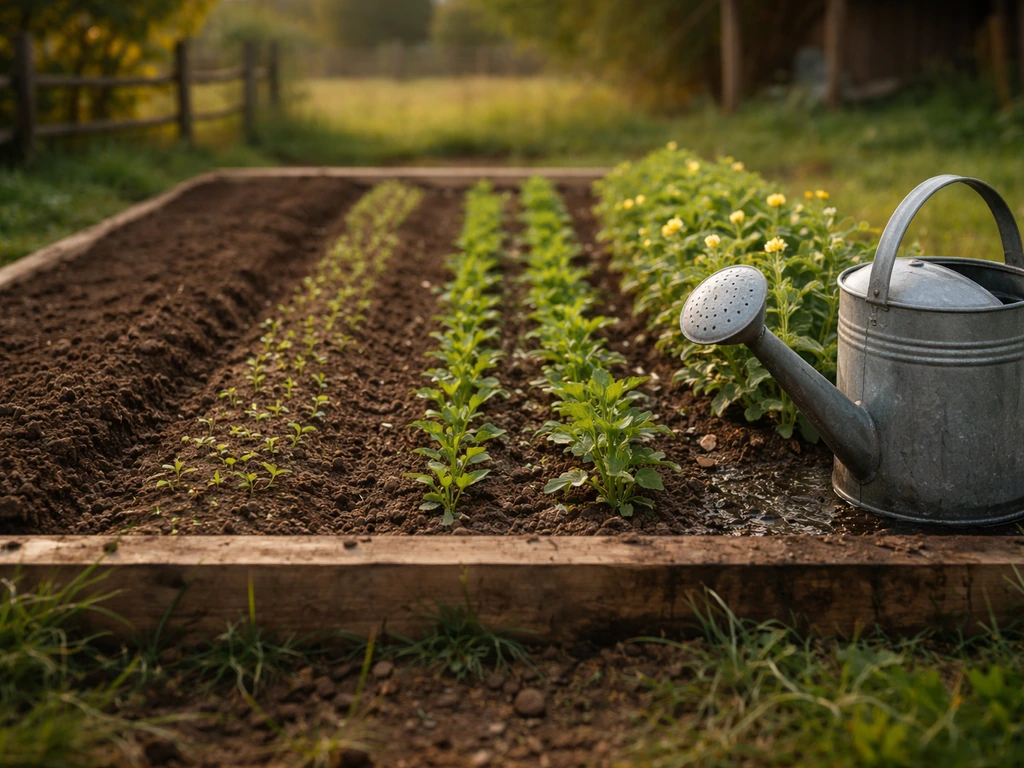
Stardew Valley tracks crop growth in in-game days, and there's one rule that trips up a lot of players: the day you plant the seed doesn't count. So if you plant Mixed Flower Seeds on Day 1 of Spring, the crop needs 7 more days of growth, meaning it'll be fully mature and ready to harvest on Day 8. Think of it as 7 nights passing, not 7 sunrises.
Watering is the other critical piece. If you skip watering on any day, growth stops for that day. The crop doesn't die, but it doesn't progress either. Miss two days and your harvest date shifts two days later. This makes the in-game timer essentially deterministic: water every day, and you harvest exactly on day X. Skip a day, add a day.
Mixed Flower Seeds have one quirk compared to a standard crop: the specific flower you grow is decided the moment you plant the seed. Mixed Seeds are a distinct seed type in Stardew Valley and are tied to season-specific random crop outcomes blank" rel="noopener noreferrer">Mixed Flower Seeds. The wiki describes the grow time for wild and mixed flower seeds as 7 days. The seasonal rule also matters here. Mixed Flower Seeds cannot be planted in Winter, so you're working with Spring, Summer, or Fall windows. A crop that doesn't finish maturing before the season flips will wither and die, so planning your planting day against the 28-day season calendar is essential.
"Fully grown" in Stardew means the plant has passed through all its growth stages and shows its final adult sprite. That's also when you can harvest it. Unlike some crops in the game that regrow after harvest, most flower crops from Mixed Flower Seeds are a one-time harvest per plant.
Real-world mixed flower seed timelines (germination to bloom)
When someone buys a "mixed flower seeds" packet at a garden center, they're usually getting a blend of annual flowers, sometimes with a few perennials thrown in. The most common players in these mixes are zinnias, cosmos, calendula, and poppies. Each one has its own pace, and that's why the range on the back of the packet can feel so wide.
Germination timelines by common mix flower types
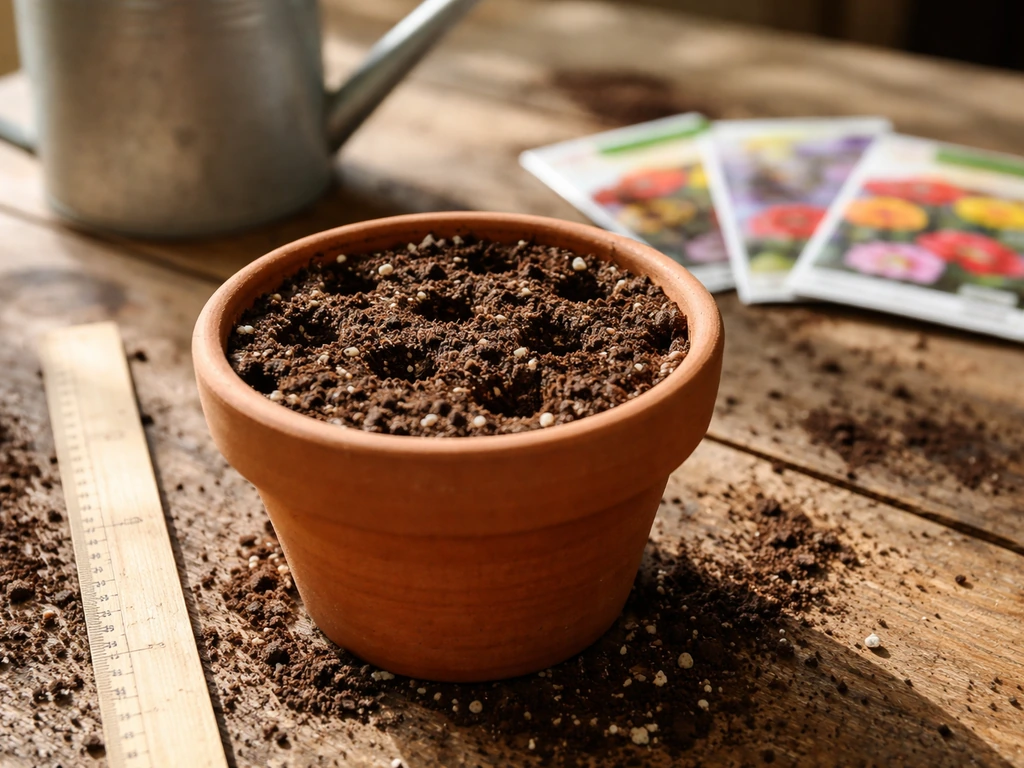
| Flower Type | Days to Germinate | Weeks to First Bloom | Annual or Perennial |
|---|---|---|---|
| Zinnia | 5–7 days (at 70–75°F) | 8–12 weeks from sowing | Annual |
| Cosmos | 7–10 days | 8–10 weeks from sowing | Annual |
| Calendula | 5–15 days (at 70°F) | 12–14 weeks from sowing | Annual (cool-season) |
| Corn Poppy (Papaver rhoeas) | 7–14 days | 10–14 weeks from sowing | Annual |
| Echinacea (coneflower) | Variable; often needs 30–60 day cold stratification | Year 2 from seed is typical | Perennial |
The practical takeaway: if your mixed packet is mostly annuals like zinnias and cosmos, you can expect to see sprouts within a week or two and blooms by midsummer if you started in spring. Calendula runs a bit slower and actually prefers cooler conditions, so it can surprise you by thriving when zinnias start to fade. If perennials like echinacea are in the mix, don't write them off as failures in year one. RDR Seeds recommends cold stratifying echinacea for 30 to 60 days to improve germination and notes it commonly blooms in the second year as a perennial. They might germinate fine but spend their first season building roots before blooming.
One thing I always tell people: the "days to bloom" numbers you see on seed packets are based on optimal conditions. Real gardens have variable soil temperature, inconsistent moisture, and that one week where you forgot to water. Build in a buffer of a week or two on top of whatever the packet says, and you'll rarely be disappointed.
Factors that change growth speed (light, water, temperature, soil, and depth)
Whether you're in Stardew or the garden, the same basic inputs determine how fast your seeds get going. In Stardew, it's simpler: water daily, stay in season, and you're done. In the real world, there are more variables pulling the timeline in different directions.
Soil temperature
This is the single biggest factor most gardeners ignore. Soil temperature at the 2-inch depth (where your seeds actually sit) drives germination speed. Zinnias and cosmos want soil around 70 to 75°F to germinate quickly. Below that, they'll still sprout, but it takes longer and germination becomes patchier. Cool-season flowers like calendula and poppies prefer cooler soil, so they're better off being sown in early spring or fall. Checking soil temperature before sowing rather than going by the air temperature on your phone is a simple habit that makes a real difference.
Moisture
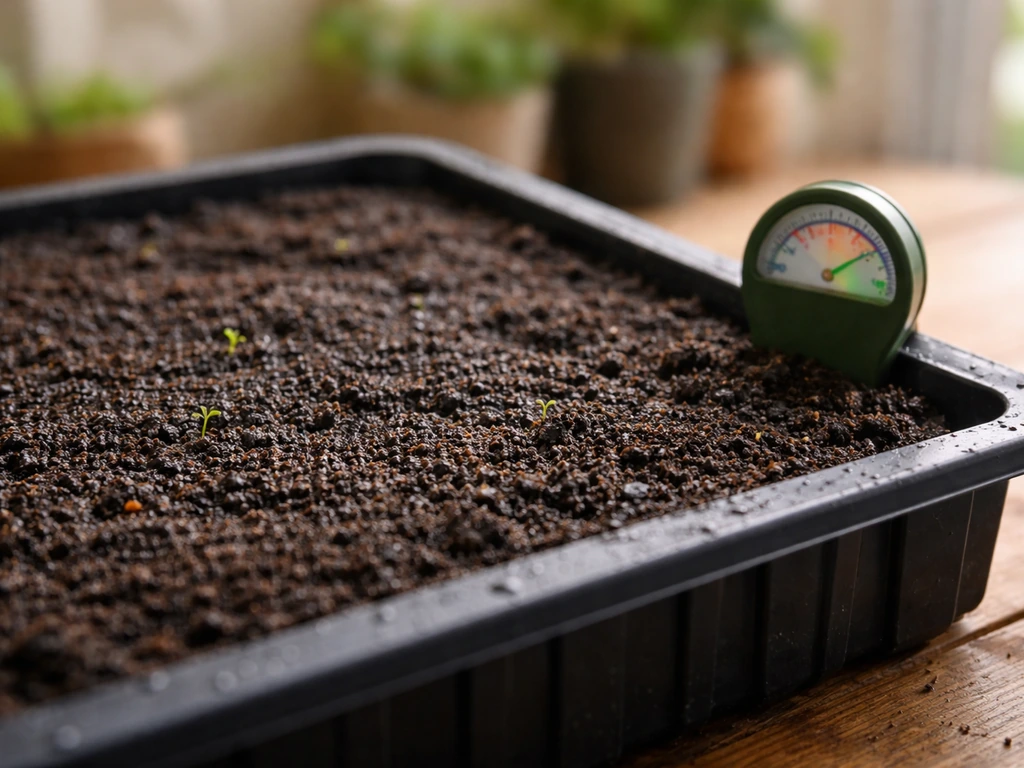
Seeds need consistent moisture to germinate, but they can't sit in soggy soil either. The goal is a uniformly damp seed zone, especially in that first week or two after sowing. Once seeds sprout and roots are established, you can back off slightly. Missing even a few days of moisture during germination can cause seeds to abort the process partway through, which is why watering consistency matters so much at the start.
Light during germination
Some seeds need light to germinate; others need darkness. Poppies, for example, need light and should be scattered on the soil surface rather than buried. Calendula, on the other hand, germinates better in the dark and should be covered. If your mixed packet doesn't specify, a shallow covering of about 1/4 inch is a safe middle ground for most annual flowers in the mix. Burying seeds that need light, or leaving light-sensitive seeds exposed, is a surprisingly common reason for poor germination rates.
Planting depth
Most annual flower seeds do well at 1/4 to 1/2 inch depth. The packet should specify. When planting a mix with no clear instructions, staying toward the shallower end (1/4 inch) works for the majority of common annual flowers. Deeper planting delays emergence and can prevent light-sensitive seeds from germinating at all.
Troubleshooting slow or no germination
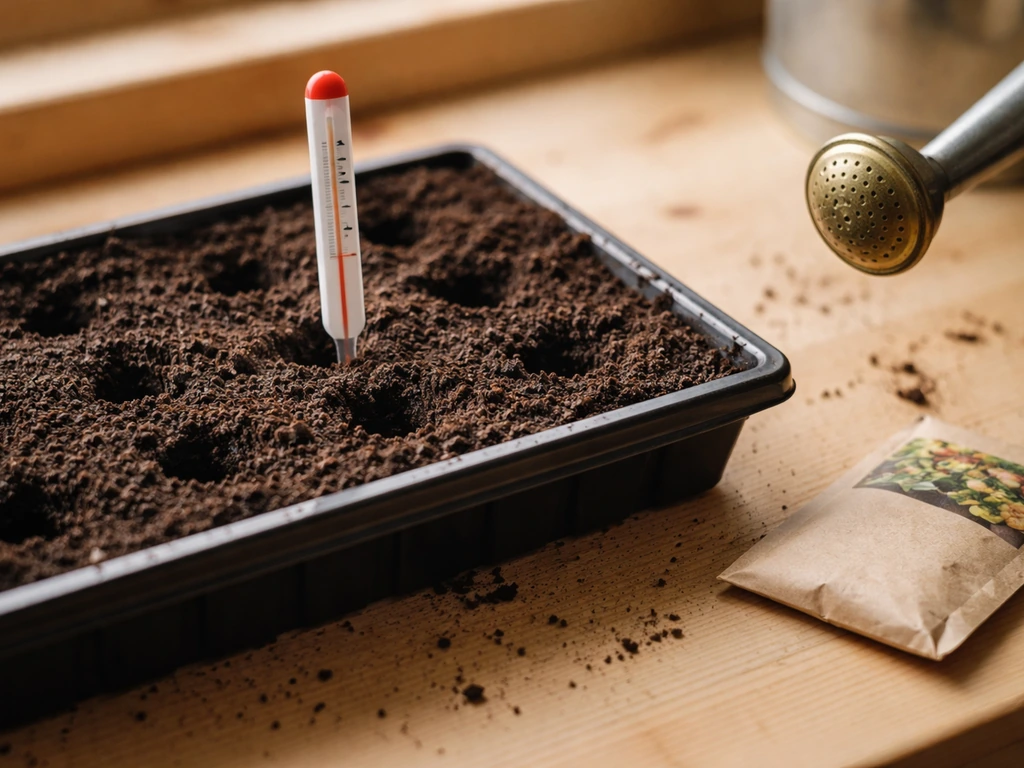
If your seeds haven't sprouted by day 14 to 21 and conditions seem right, here's how to diagnose the problem systematically rather than panicking and replanting everything at once.
- Check soil temperature first. If your soil is below 60°F and you're trying to germinate warm-season flowers like zinnias, that's likely the whole issue. Wait for warmer conditions or use a heat mat if starting indoors.
- Dig gently to look at the seeds. Are they plump and swelling, or are they dried out or rotted? Dried-out seeds mean inconsistent moisture. Rotted seeds mean overwatering or poor drainage.
- Confirm planting depth. If seeds were buried more than 1/2 inch deep, they may be struggling to push through. Poppies planted more than a few millimeters deep may never emerge.
- Review your watering schedule. Seeds need moisture every day during germination, especially in dry or warm weather. Even one dry day can stall germination at a critical moment.
- Check if your mix contains perennials. Echinacea and similar perennials often need cold stratification (30 to 60 days at cold temperatures) to break dormancy. Without that, they simply won't germinate in a standard outdoor sowing in spring.
- Consider seed age. Old seeds have lower germination rates. If the packet has been sitting in a warm garage for two years, germination may be sparse or nonexistent regardless of conditions.
- Wait a bit longer before replanting. For annuals, if you're at day 14 and soil conditions are right, give it until day 21 before you decide to resow. Replanting too early just creates confusion about what sprouted when.
In Stardew, the troubleshooting is simpler. If your Mixed Flower Seeds aren't growing on the expected schedule, check whether you missed watering on any day (each skipped watering day adds a full day to the timeline) and confirm you're not in Winter, where flowers can't be planted at all.
Planning and scheduling: when to start so you get blooms when you want
Stardew Valley scheduling
Since each season in Stardew is 28 days and Mixed Flower Seeds take 7 days to mature (not counting the planting day), you need to plant by Day 21 of a season at the absolute latest. Planting on Day 22 means the crop won't finish maturing before the season ends, and it'll wither. For maximum value and to give yourself room for a missed watering, aim to plant by Day 20. If you're also curious about how other Stardew crops time out, the Rare Seed has a much longer and more specific growth window worth planning around separately. Rare Seed has a longer, more specific growth window than Mixed Flower Seeds, so its timeline needs separate planning.
For players who want to fill their farm with flowers throughout the year, the key is to plant a batch of Mixed Flower Seeds at the start of each eligible season. Plant on Day 1, harvest by Day 8, and then replant immediately if you want a continuous supply of flowers for gifting or selling.
Real garden scheduling
Work backward from when you want blooms. If you're asking the same question for Super Mario Odyssey, the idea of timing is different, since it depends on which in-game seeds or collectibles you're trying to grow and how quickly you can progress mario odyssey how long for seeds to grow. If you're targeting blooms for a midsummer event in late July, and your mix is mostly zinnias and cosmos (8 to 10 weeks to bloom), you'd want to sow directly outdoors around mid-May, once soil has warmed to 65 to 70°F. For a late-spring display with calendula, sow outdoors in early March to early April in mild climates, since calendula prefers cool soil and can handle light frost.
- For summer blooms (July–August): sow warm-season annuals like zinnias and cosmos outdoors in mid-May after last frost, or start indoors 4 to 6 weeks earlier
- For spring blooms: sow cool-season flowers like calendula and poppies in early spring (March–April) directly outdoors
- For perennials (like echinacea): cold stratify seeds 30 to 60 days before your planned spring sowing date, or sow in fall to let winter do the stratification naturally
- If starting a mix indoors: account for 6 to 8 weeks of indoor growth before transplanting outdoors after last frost
The honest truth about mixed seed packets is that your display will be a bit staggered, and that's actually a good thing. Zinnias will hit their stride in midsummer, cosmos will keep going into early fall, and cool-season types like calendula bookend the season. If you plan for a single peak bloom date, you'll be disappointed. Plan for a season-long progression and you'll love it. Mixed flower gardening, much like wildflower seed mixes, rewards patience and a relaxed approach to timing more than precision scheduling.
FAQ
In Stardew, if I plant Mixed Flower Seeds on the last day of spring (Day 28), do they still grow?
No. Mixed Flower Seeds take 7 days after planting, so planting on Day 28 means maturity would land after the season ends, and the plants wither. The practical cutoff is Day 21 at the absolute latest, Day 20 if you want a buffer for accidentally missing a watering day.
If I miss watering just one day in Stardew, when exactly will I harvest?
Your harvest date shifts by the number of missed watering days. For example, plant Day 1 (normally harvest Day 8), then miss watering on Day 4, you will harvest on Day 9 instead. The plants do not die from missed watering, they just pause progress for that day.
Does the 7-day timer in Stardew start at morning or the moment I plant?
It starts immediately when you plant. If you plant on Day 1, you still need 7 additional growth days, so you harvest on Day 8, not Day 7. Think of it as passing 7 nights after planting rather than waiting for 7 full sunrises.
Can I replant Mixed Flower Seeds after harvesting in Stardew for continuous blooms?
Usually yes, as flowers from Mixed Flower Seeds are typically one-time harvests per plant. To keep a steady supply, plant a new batch at the start of each eligible season (spring, summer, or fall) and replant right after harvest if you have seeds and the season is still running.
If my Stardew Mixed Flower Seeds sprout but never reach full size, what should I check first?
Check watering consistency first, then verify you planted in an eligible season. If you stayed in-season but hit a missed watering day or two, full maturity will be delayed and could fail before the season ends if you planted too late.
In the real world, what seed-to-bloom timing should I use when my packet shows a wide range?
Use the best-case and worst-case ranges to bracket your plan, then add a buffer for variables. If the packet says first blooms anywhere from 8 to 14 weeks, plan on the later end if you have cool soil, inconsistent moisture, or you cannot water daily during early germination.
Do light requirements matter for Mixed Flower Seeds, and how can I avoid common mistakes?
Yes, because some common mix components are light-germinating (often poppies) while others prefer darkness (often calendula). If the packet does not specify, a shallow covering around 1/4 inch is a safer compromise than burying deeply, which can prevent light-sensitive seeds from sprouting.
How deep should I plant mixed flower seeds in real gardens?
Most annuals in mixes do well around 1/4 to 1/2 inch. If you are unsure what is in the packet, lean toward 1/4 inch to reduce the chance of light-sensitive seeds failing to germinate, and to avoid delayed emergence.
What soil temperature should I aim for if I want the fastest germination outdoors?
If your mix includes warm-season annuals like zinnias and cosmos, targeting soil roughly 70 to 75°F helps them germinate faster and more evenly. If your mix includes cool-season types like calendula or poppies, warmer soil can slow things down, so sow earlier in spring or fall when soil is cooler.
My real-world mixed flower seeds are not sprouting by day 14 to 21, should I replant immediately?
Not always. First confirm moisture is consistently damp (not soggy), then check soil temperature and light exposure according to what the mix likely contains. Patchy germination often improves with time, while replanting too early can waste seed and still fail if the underlying issue is soil conditions or incorrect covering.
Next Article
How Long Does It Take to Grow Chrysanthemums from Seeds
Timeline for growing mums from seeds: sowing to germination, transplant readiness, flowering and maturity, plus key vari