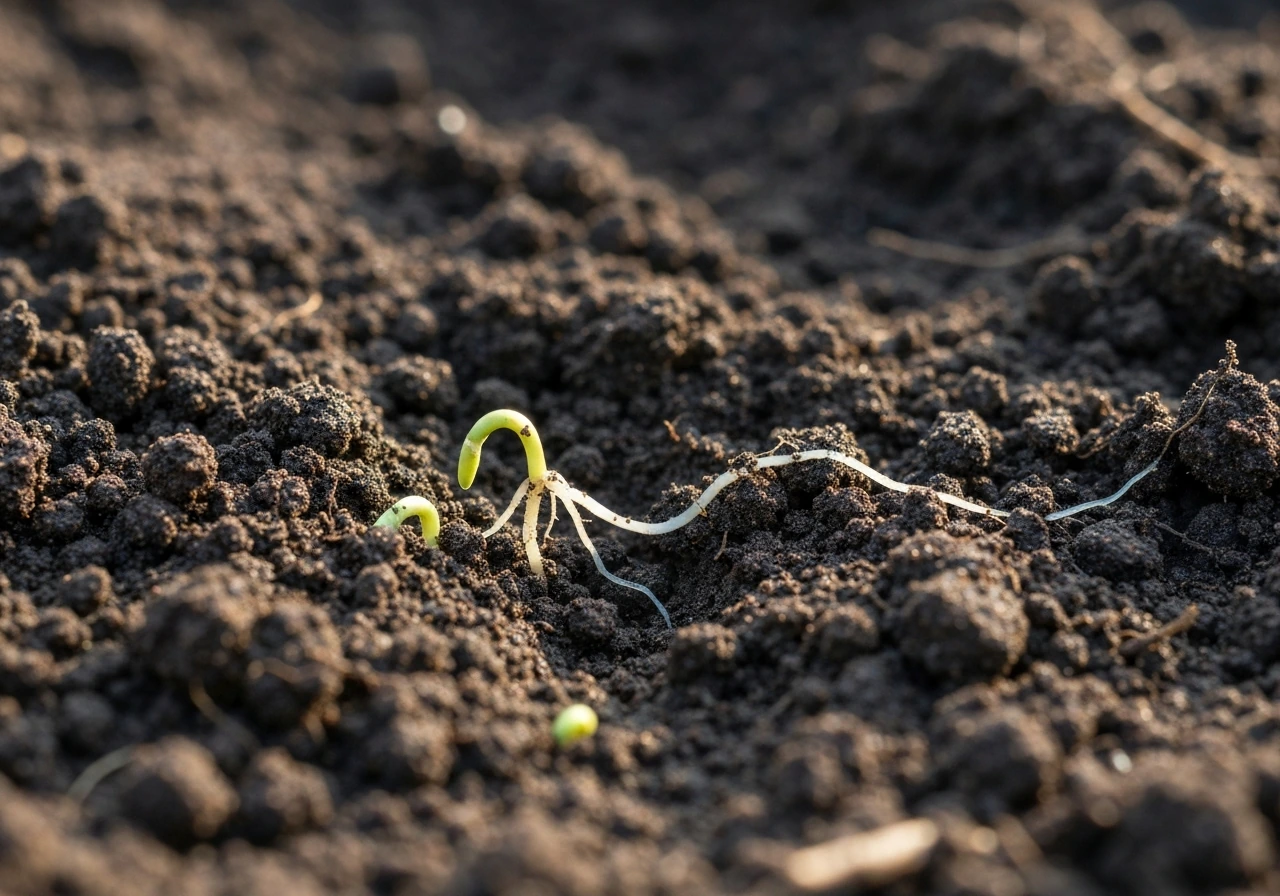
Most flower seeds germinate somewhere between 7 and 21 days under decent conditions, then take another 6 to 16 weeks to reach their first bloom depending on the variety. Fast growers like zinnias and cosmos can go from seed to flower in as little as 8 weeks. Slow ones like snapdragons, sweet peas, and perennials can take 16 weeks or more. If you want a single rule of thumb: plan on about 10 to 14 days to see sprouts, 3 to 4 weeks for true leaves, and 8 to 16 weeks from sowing to flowers, adjusting based on your specific variety and whether you start indoors or direct sow. If you want the full timeline from sprouting to first bloom, see how long does it take flower seeds to grow for a related breakdown by stage and variety. Once you have the timeline, you can estimate when to sow and how to tweak conditions to hit your desired bloom date for the specific flowers you want to grow adjusting based on your specific variety.
How Fast Do Flower Seeds Grow From Sowing to Bloom
Typical timelines from seed to germination to first flower
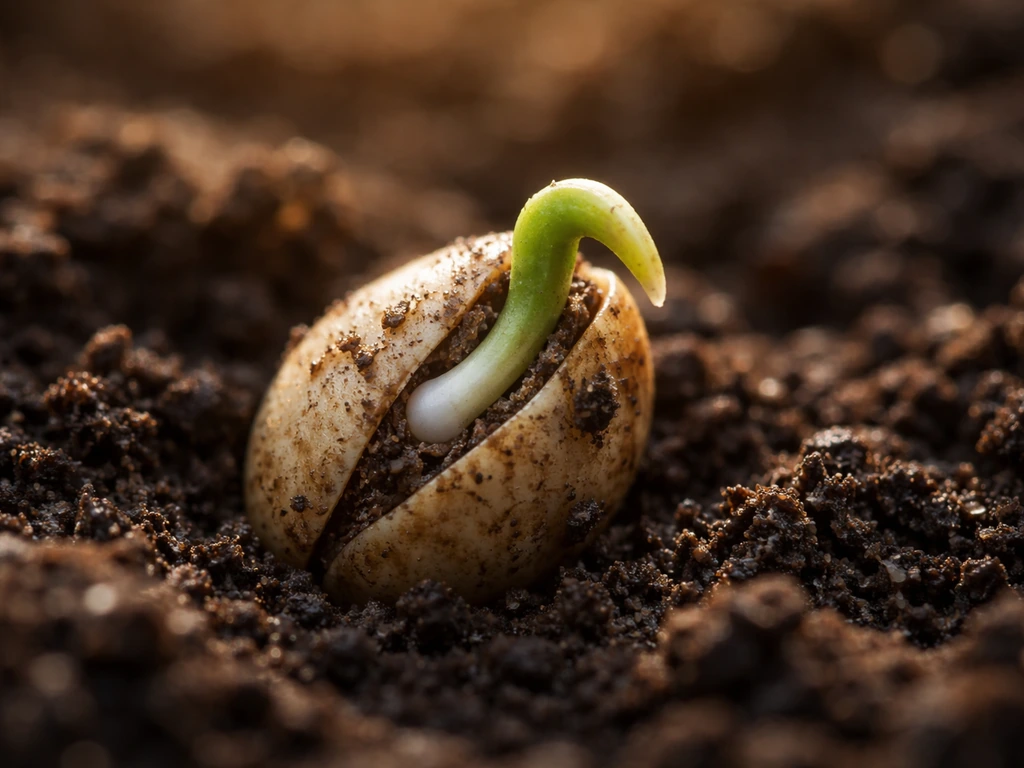
Let's break this into the three stages every flower goes through: germination, seedling establishment, and flowering. Each one has its own timeline, and they stack on top of each other.
Stage 1: Germination (days to first sprout)
This is when the seed cracks open and a root plus a shoot emerge. For most common garden flowers, expect germination in 7 to 21 days when temperature, moisture, and light conditions are right. Calendula is a great reference point here: it typically germinates in 5 to 15 days at proper soil temperature. Zinnias and cosmos are similarly fast. Petunias can take a little longer and need specific light conditions (more on that below). Some perennials and native wildflowers can take 30 to 90 days if they require cold stratification.
Stage 2: Seedling to transplant-ready (weeks 2 to 6)
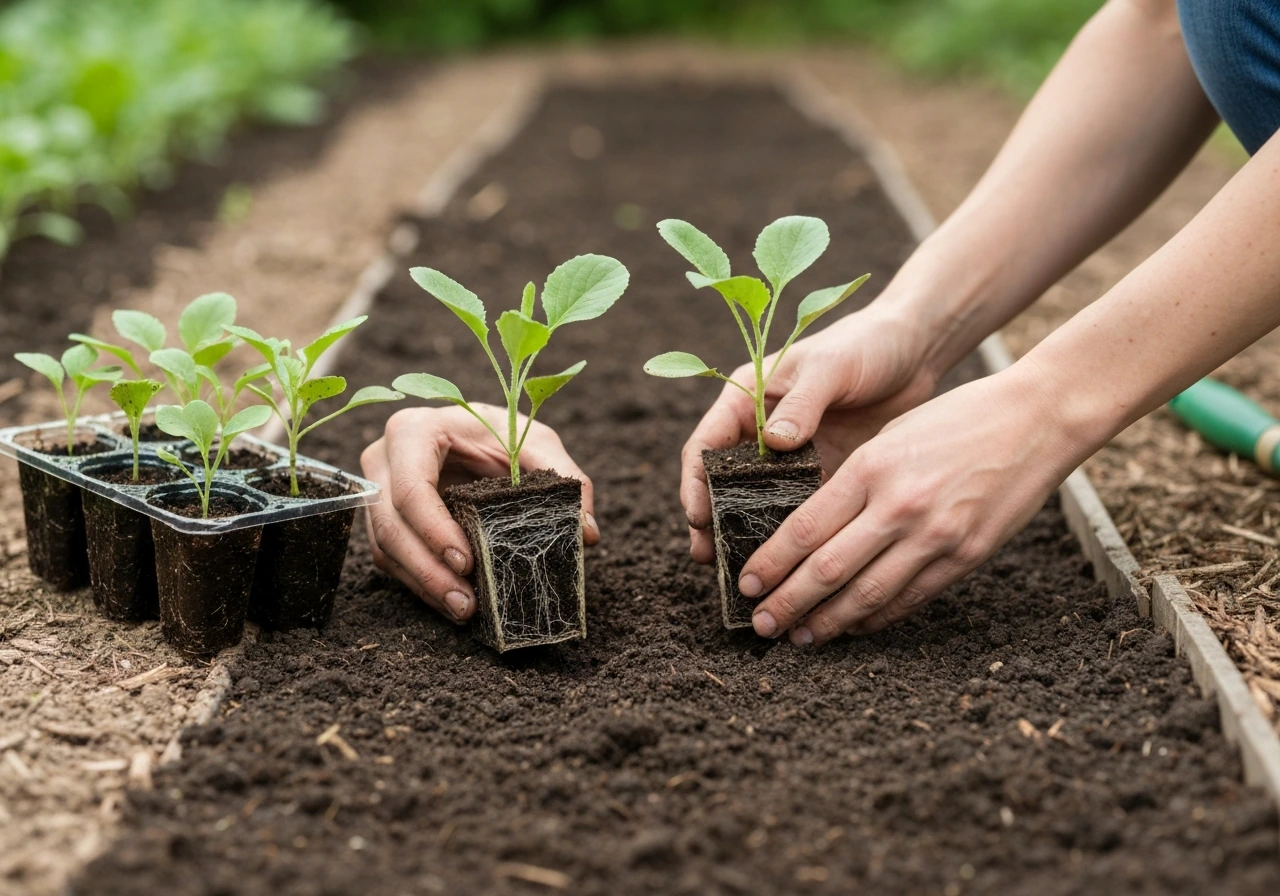
After germination, you'll see cotyledons (the first seed leaves), then the true leaves develop. Most flowers need 2 to 4 true leaves before they're sturdy enough to transplant outdoors. This stage takes roughly 3 to 5 weeks after germination for fast annual flowers. Slower varieties started indoors, like snapdragons or sweet peas, can sit in the seedling stage for 6 to 8 weeks before they're ready to go out.
Stage 3: Flowering (the finish line)
Once transplanted or established outdoors from direct sowing, annuals typically need another 4 to 10 weeks to bud and bloom. Plants started indoors generally flower sooner than those direct-sown outdoors, because they've already built up several weeks of growth before hitting garden conditions. Here's a practical reference table for common garden flowers:
| Flower | Days to Germinate | Weeks Indoors Before Transplant | Total Weeks Seed to Flower |
|---|---|---|---|
| Zinnia | 5–10 days | 4–6 weeks | 8–12 weeks |
| Cosmos | 7–10 days | 4–6 weeks | 9–13 weeks |
| Calendula | 5–15 days | 4–5 weeks | 9–14 weeks |
| Petunia | 10–14 days | 10–12 weeks | 14–18 weeks |
| Snapdragon | 10–14 days | 10–12 weeks | 14–18 weeks |
| Sweet Pea | 10–14 days | 8–10 weeks | 12–16 weeks |
| Marigold | 5–10 days | 4–6 weeks | 8–12 weeks |
| Morning Glory | 7–14 days | Direct sow preferred | 8–12 weeks |
| Chrysanthemum/Mum | 10–15 days | 8–12 weeks | 16–20+ weeks |
| Native Perennials (general) | 14–90+ days (stratification may be needed) | Varies widely | Can be 20–52+ weeks |
These are realistic home-garden ranges, not lab-perfect numbers. Your actual results will depend heavily on conditions, which is why conditions deserve their own section.
What actually speeds up or slows down your seeds
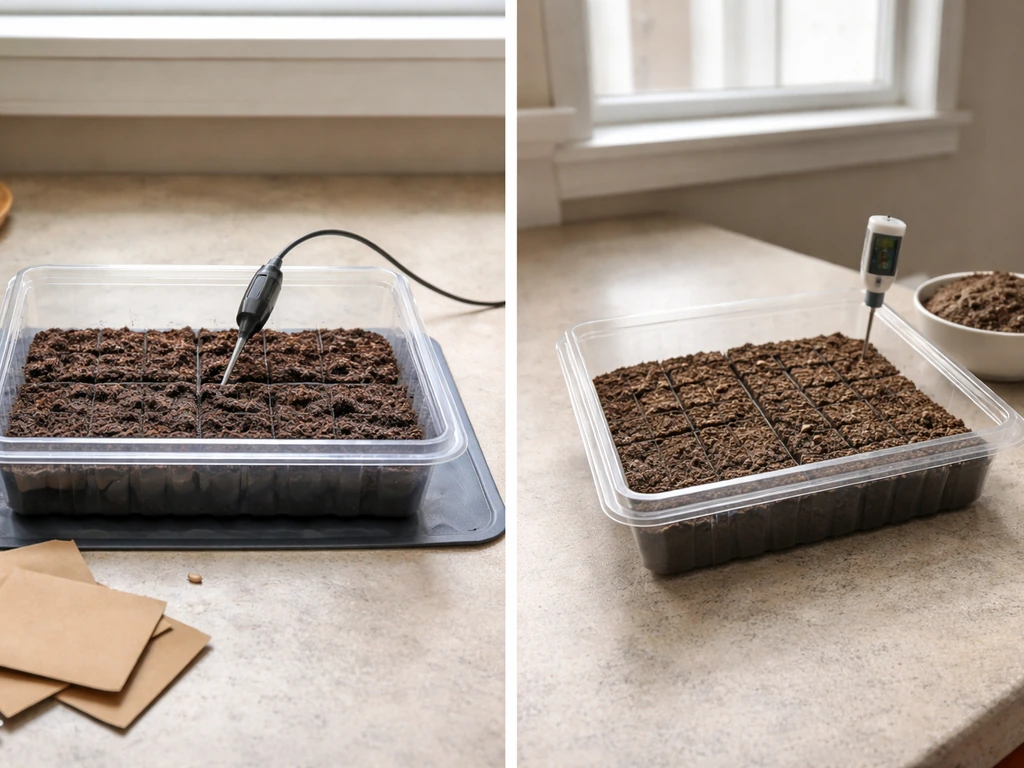
Temperature is the single biggest lever you have. Most common annual flowers germinate best at soil temperatures between 65°F and 75°F. Zinnias and cosmos like it at the warmer end (70–75°F). Snapdragons and sweet peas actually prefer cooler conditions, around 55°F, so starting them when it's still a bit cold works in your favor. If your soil is too cold, germination stalls or fails completely even if everything else is perfect. Too hot (above 85–90°F) and germination rates drop off sharply for many varieties.
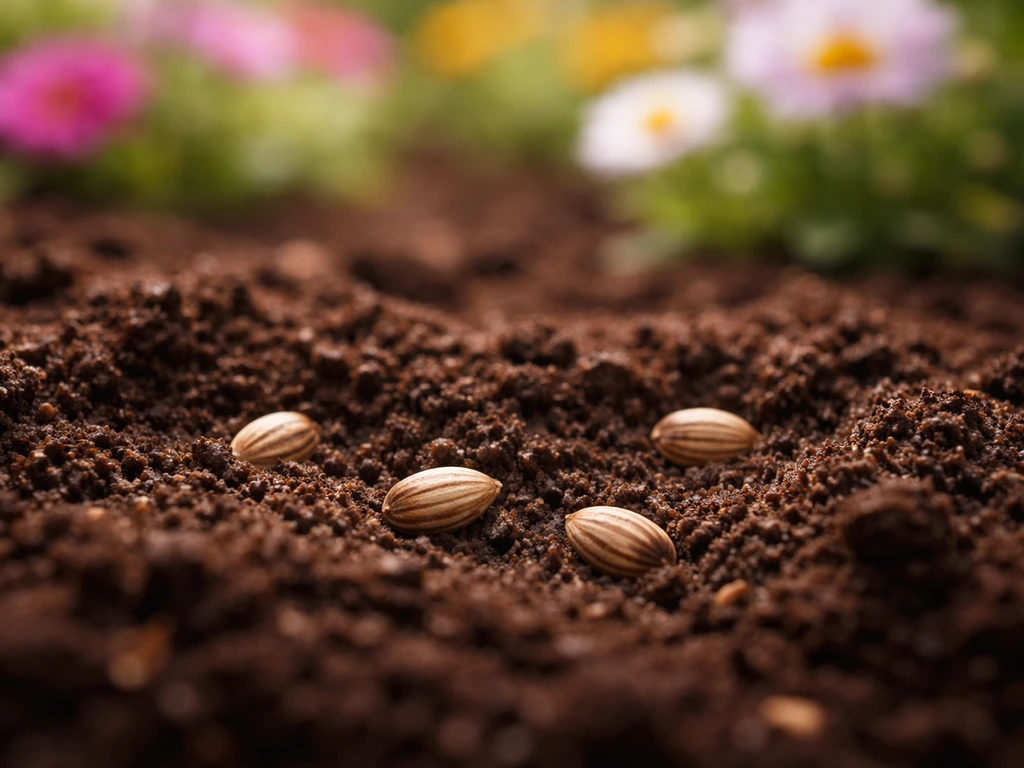
Light requirements are where a lot of people unknowingly kill their germination rate. Some flower seeds need light to germinate and should be sown right at the soil surface or barely covered with a thin layer of fine vermiculite (which lets light through while holding moisture). Petunias are the classic example: cover them too deep and they just sit there. Other seeds need darkness and should be fully covered and even placed in a dark bag or covered container until they sprout. When in doubt, check your seed packet. If there's no guidance, a depth of roughly two to four times the seed's diameter is a safe default.
Moisture is critical at germination but easy to get wrong in both directions. The soil needs to stay consistently moist (not soggy) from the moment you sow until the seed sprouts. Letting it dry out even once during this window can kill germination. After sprouting, overwatering becomes the bigger risk because it encourages damping-off, a fungal disease that causes seedlings to suddenly collapse at the soil line.
- Temperature: aim for 65–75°F soil for most annuals; cooler (around 55°F) for snapdragons and sweet peas
- Light: check whether your variety needs light or darkness to germinate — this single factor causes most mystery failures
- Moisture: keep soil consistently moist from sowing through sprouting, then ease off slightly after emergence
- Planting depth: use packet guidance; if unavailable, plant about 2–4 times the seed's diameter deep
- Oxygen: waterlogged soil cuts off oxygen and kills seeds before they sprout — good drainage matters
- Seed freshness: older seeds have lower viability; fresh seeds germinate faster and at higher rates
Picking the right timeline for your flower type
Fast annuals: your best bet for quick results
Annual flowers that complete their whole life cycle in one season are generally the quickest. Zinnias, cosmos, marigolds, and calendula are the workhorses here. They germinate fast, grow fast, and reward you with blooms in 8 to 12 weeks from seed. Clover generally grows at a different pace, so if you’re wondering how fast does clover grow from seed, it helps to compare its timeline to quick annuals like these 8 to 12 weeks from seed. If you're direct sowing outdoors, wait until your soil is reliably warm (after your last frost date) and you'll see sprouts within a couple of weeks. These are great choices if you want color this season without a lot of waiting.
Slower annuals: worth starting indoors early
Petunias, snapdragons, and impatiens take 10 to 14 weeks from seed to flower-ready plant. If you direct sow these in spring, you may not see blooms until midsummer. Starting them indoors 10 to 12 weeks before your last frost date is how you get flowers at a reasonable time. Indoor starting with transplants can push their flowering up by 4 to 6 weeks compared to direct sowing.
Perennials and native flowers: plan for the long game
Most perennial flowers grown from seed won't bloom at all in their first year. They spend that energy building roots. Native wildflowers often require cold stratification, a period of cold-moist conditions that mimics winter before they'll germinate. This can add weeks or even months to the process. If you want perennials from seed, sow them the fall before or start stratification well ahead of spring planting. Winter sowing in outdoor containers is a practical way to let nature do the cold treatment for you. Chrysanthemums (mums) are a good example of a slower-maturing flower that needs 16 to 20 or more weeks from seed to first bloom.
Indoor starting vs. direct sowing: which is actually faster
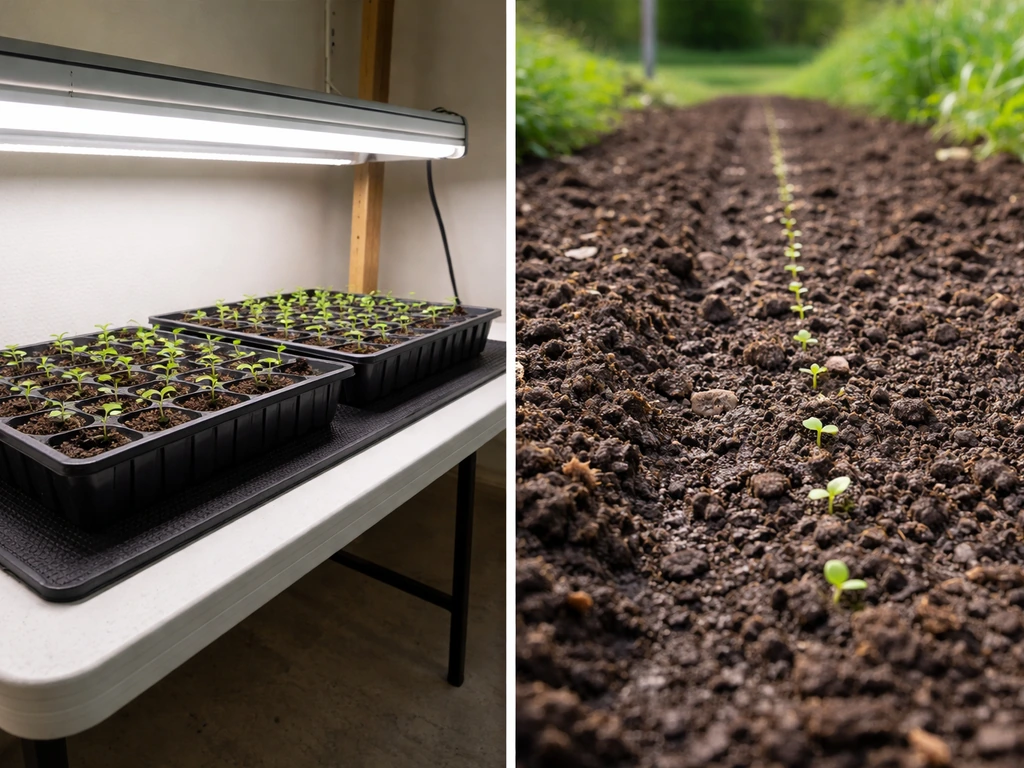
Starting indoors almost always gets you to flowering sooner in the season, but it is not always the right move for every flower. The basic logic is this: starting indoors 6 to 12 weeks before your last frost lets you bank weeks of growth while outdoor conditions are still too cold. When you transplant, your seedlings are already at the true-leaf stage or beyond, so they hit the ground running.
Direct sowing makes more sense for flowers that dislike transplanting (morning glories, sweet peas, and larkspur are classic examples) or for fast-growing varieties where the few extra weeks of indoor growing don't make much practical difference. If you are growing morning glories from seed, you can also use their typical seed-to-bloom timing to decide whether to direct sow or start earlier indoors. Cosmos and zinnias are so fast from direct sow that most gardeners skip the indoor step entirely once soil is warm.
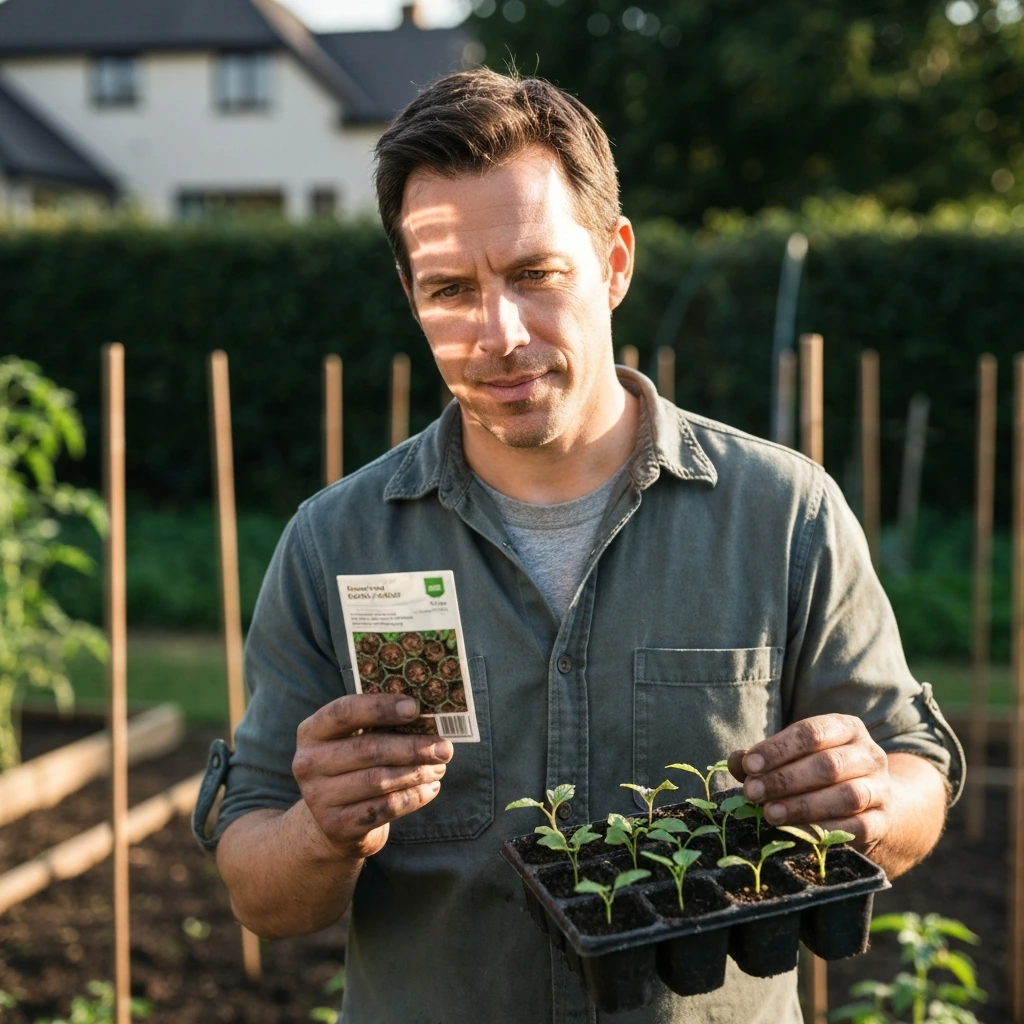
Here's how to figure out your indoor start date: look at the seed packet for "weeks to start indoors" (usually listed relative to last frost). Subtract that number of weeks from your average last frost date and that's your sowing window. For example, if your last frost is May 15 and your petunia packet says start 10 to 12 weeks before last frost, you'd start seeds in late February to early March. The key is that germination, seedling development, and transplant hardening-off all need to be scheduled as a chain, not just the first sowing step.
When seeds are slow or not sprouting at all
If you're past the expected germination window and still seeing nothing, run through this checklist before assuming the seeds are bad. Most germination failures come down to one of a handful of fixable causes.
- Check soil temperature first: this is the most common culprit. Cold soil (below 60°F for most annuals) dramatically slows or stops germination even with good moisture and light. Use a soil thermometer if you have one, or move trays to a warmer spot.
- Review light vs. dark requirements: if you buried a light-requiring seed too deep, or left a darkness-requiring seed uncovered under a grow light, germination may simply not trigger. Re-read the packet and adjust.
- Assess moisture consistency: feel the soil. If it dried out at any point during the germination window, the seeds may have died mid-process. Restart with a fresh sowing and keep moisture more consistent, covering trays with a plastic dome or plastic wrap until sprouts appear.
- Consider seed age and viability: old seeds have declining germination rates. If your seeds are 2 to 3 or more years old, expect lower germination percentages. You can test viability by placing 10 seeds on a damp paper towel, folding it, putting it in a bag, and checking in 5 to 10 days to see how many sprout. A tetrazolium (TZ) test done at a seed lab can also give you a viability result within 24 to 48 hours if you want a more definitive answer.
- Check planting depth: planting too deep is a very common mistake with small flower seeds. If you buried tiny seeds like petunias or snapdragons more than 1/8 inch, dig a few up and see how they look. Resow at the correct depth.
- Look for damping-off: if seeds sprout but then seedlings suddenly topple at the soil line and wilt, that's damping-off caused by soil fungi. Improve air circulation, reduce overwatering, and use a sterile seed-starting mix. In bad cases, a fungicide treatment may be needed.
- Confirm stratification requirements: if you're growing native perennials or certain wildflowers and you skipped cold stratification, germination may simply not happen. Look up whether your specific variety needs it.
One thing I've learned over many seasons: when in doubt, wait an extra week before assuming failure. Some varieties listed as "10–14 days" routinely take 18 to 20 days in my garden when spring soil is running a little cold. Germination windows on packets assume near-ideal conditions.
How to build your garden schedule around seed timelines
The most practical way to plan is to work backwards from when you want flowers. Pick your target bloom date, then subtract the total weeks from seed to flower for each variety you're growing. That gives you your sowing date. Then adjust based on whether you're starting indoors or direct sowing outdoors.
Here's a simple planning example for a garden in zone 6 with a May 15 last frost date and a target of having flowers by late June:
| Flower | Target Bloom | Weeks Seed to Flower | Approach | Target Sow Date |
|---|---|---|---|---|
| Zinnia | Late June | 8–10 weeks | Direct sow after frost | Mid-May (after last frost) |
| Cosmos | Late June | 9–11 weeks | Direct sow after frost | Mid-May (after last frost) |
| Petunia | Late May/June | 14–16 weeks | Indoor start | Late January to early February |
| Snapdragon | Late May/June | 14–16 weeks | Indoor start | Late January to early February |
| Calendula | Late May/June | 9–12 weeks | Indoor start or early direct sow | Early March (indoor) or early April (direct) |
| Morning Glory | Late June/July | 8–10 weeks | Direct sow after frost | Mid-May (after last frost) |
Because different varieties have different "days to germination," it helps to stagger your sowing dates if you want everything blooming at the same time. Fast-germinating, fast-growing varieties like zinnias can be started weeks after slower ones like petunias and still arrive at bloom stage around the same date. Penn State Extension specifically recommends scheduling sowing batches for different varieties on the calendar rather than sowing everything on the same day.
A few final planning reminders: mark your calendar with three dates for each variety (sow date, expected sprout date, expected first bloom date) so you're not guessing as the season progresses. Check in at each milestone and troubleshoot early if you're behind. And if you're interested in specific varieties like morning glories or mums, those flowers have their own distinctive growth patterns worth reading up on separately since their germination and flowering windows differ noticeably from general averages. For another useful comparison point, see how long it takes to grow chrysanthemums from seeds so you can judge a mum-like timeline against general averages.
Getting your timing right the first time makes the difference between a garden full of flowers by midsummer and a scramble to fill gaps with nursery transplants. Seed packets give you the raw numbers, but understanding the full chain from germination to bloom is what turns those numbers into a real plan.
FAQ
Why do my flower seeds look like they are not growing, even though the timeline says they should have sprouted?
First, confirm you matched the seed’s light and depth needs. Seeds that require light can fail to germinate if buried too deeply (petunia-style behavior). Also re-check soil temperature, if it is below the preferred range, germination often stalls rather than fails outright, then resumes once warm enough. Finally, do the “wait a week” rule before discarding, some varieties extend beyond their listed germination window under home-garden conditions.
Do flower seeds need light or darkness to germinate, and how can I tell?
Look for guidance on the seed packet. If it is missing, a safe default is shallow sowing (about 2 to 4 times the seed diameter) and keeping the seed bed evenly moist. For classic light-dependent seeds like petunias, you typically sow at the surface or barely cover. If a seed needs darkness, deeper covering is usually required, sometimes even kept covered until sprouts appear.
How deep should I plant flower seeds if the packet instructions are unclear?
Use a depth guideline based on seed size: plant about 2 to 4 times the seed’s diameter. Very small seeds should be barely covered. If you overshoot the depth, you can delay germination for weeks or prevent sprouting entirely, especially for light-dependent varieties.
What soil temperature gives the fastest germination for most annual flower seeds?
Most common annuals germinate best when soil is roughly 65°F to 75°F. Warmer end conditions (around 70°F to 75°F) tend to favor fast annuals like zinnias and cosmos. Cooler-liking flowers like snapdragons and sweet peas can do better closer to about 55°F, so warming everything to “generic hot” can slow them down.
I keep the soil moist, but my seedlings collapse. What’s going on?
That pattern often points to damping-off, usually linked to overwatering after sprouting. Once seeds germinate, shift from keeping the soil constantly wet to keeping it lightly moist and improving airflow. Let the top layer just begin to dry between waterings, and avoid water pooling in trays or on the soil surface overnight.
Should I start flower seeds indoors or direct sow to get flowers as fast as possible?
Indoors is fastest for many plants because you gain several weeks before outdoor conditions are warm enough. However, it is not ideal for flowers that dislike transplanting (for example, morning glories, sweet peas, and larkspur). A practical decision rule is, if the variety transplants poorly, direct sow once soil is warm, if it tolerates transplanting well, start indoors 6 to 12 weeks before your last frost for earlier blooms.
If I want blooms by a specific date, how do I calculate my sowing date correctly?
Work backward from your target bloom date using the full seed-to-bloom range for each variety (germination plus seedling growth plus bud and bloom). Then add in real-world buffers for cooler springs, especially if you direct sow. Also schedule hardening-off when starting indoors, because transplant timing affects how quickly plants resume growth outdoors.
How long should I wait before concluding that my flower seeds are dead or unusable?
Give them at least until the later end of the packet’s germination range plus about an extra week, especially when conditions are cool or lighting was suboptimal. Use a quick “rescue check” such as verifying soil temperature and whether light-dependent seeds were sown too deep. If there is zero progress after that, then re-sowing may be the next step.
Why do perennials from seed take so long, and do they ever bloom the first year?
Many perennials focus on building roots in their first season, so blooming in year one is often unlikely. Some species also require cold-moist stratification, which can add weeks or months and may require fall sowing or a planned stratification period before spring planting. If you want blooms sooner, choose perennials known for quicker maturation or plan on a longer timeline.
What’s the practical difference between “germination time” and “time to first bloom” for fast planning?
Germination is when sprouts emerge, while time to first bloom includes additional weeks for seedling establishment and then bud formation. That is why fast annuals can germinate in about 7 to 21 days but still need roughly 8 to 12 weeks (variety-dependent) from sowing to flowers. Planning only by germination days can cause you to miss your bloom-date goal.
How Fast Do Morning Glories Grow From Seed? Timelines
Germination and growth timelines for morning glories from seed, plus tips to speed sprouting and troubleshoot delays.