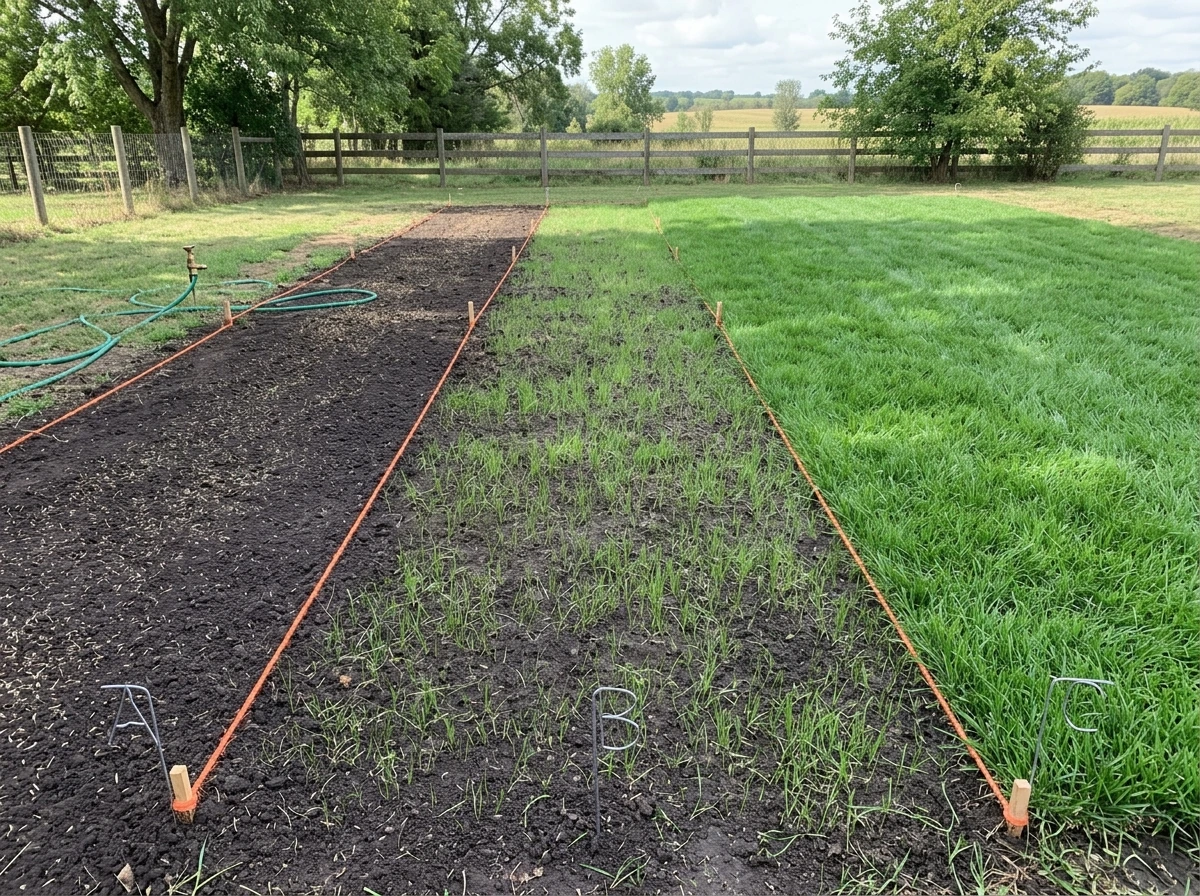
Couch grass seed (that's bermudagrass, Cynodon dactylon, for anyone who's seen it labeled either way) typically germinates in 7 to 30 days depending on the seed type and your conditions, Couch grass seed (that's bermudagrass, Cynodon dactylon, for anyone who's seen it labeled either way) typically germinates in 7 to 30 days depending on the seed type and your conditions, and reaches full establishment in around 8 to 12 weeks. That's the honest range. That's the honest range.
How Long Does Couch Grass Seed Take to Grow?
Marcus Henley
24 Mar 2026
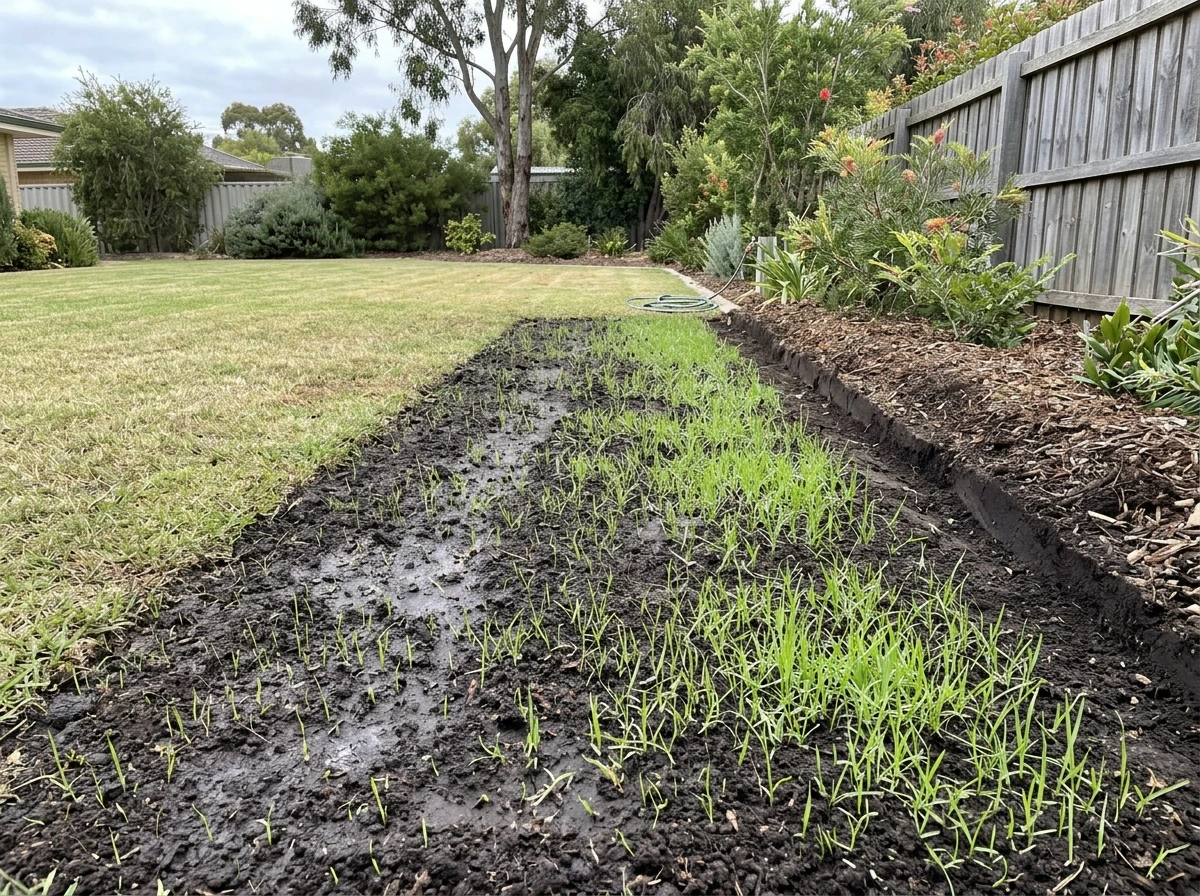
That's the honest range. The wide window isn't a cop-out, it reflects real differences in seed hull, soil temperature, moisture, and timing that every grower encounters. If you're planning a lawn or patch and want to know what to actually expect, this guide walks you through every stage so you can set a realistic schedule and know what to do if things are going slowly.
What couch grass seed is and what to expect
In Australia and parts of the UK, 'couch grass' refers to Cynodon dactylon, a warm-season perennial turf grass widely sold for home lawns, sports fields, and general groundcover. It's the same species known as bermudagrass in the US. It spreads by stolons and rhizomes once established, but when you're starting from seed, you're entirely dependent on germination and early seedling growth to get that initial coverage. There are two main seed forms you'll encounter: hulled and unhulled.
Hulled seed has had its outer coat removed, which makes it germinate faster and more uniformly. Unhulled seed still has the hull on, which slows germination but is often cheaper and slightly more forgiving of soil surface conditions. Both work, but they behave differently on your timeline.
What you should expect going in: couch grass is not a cool-season sprinter. Fescue grass seed follows a different schedule than warm-season couch grass, so it helps to check the expected timeline for fescue before you plan your lawn how long does fescue grass seed take to grow. It is a heat-loving grass that genuinely needs warm soil to move. If you sow it when conditions aren't right, it will sit dormant for weeks without rotting, but it won't germinate either. Getting the timing and conditions right from the start saves you a lot of head-scratching later.
Typical germination time and why it varies so much
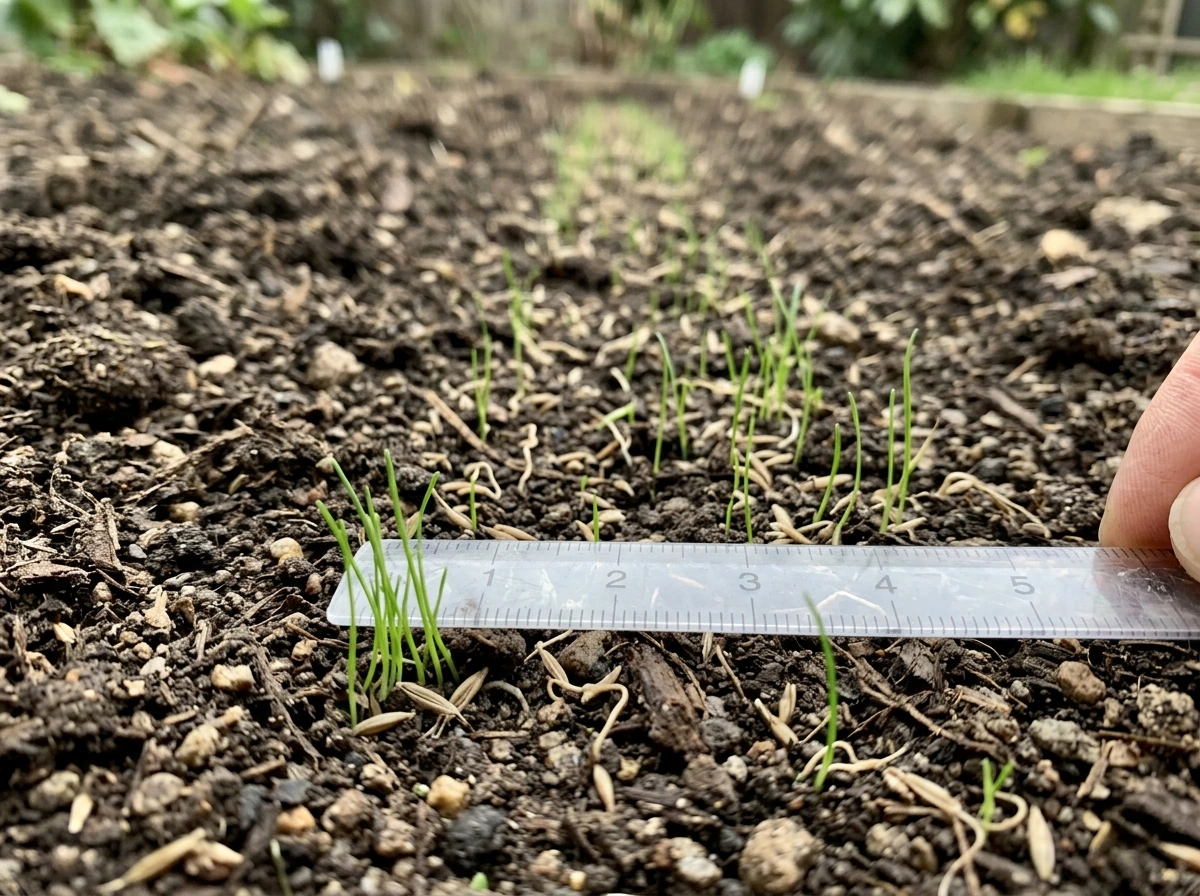
Here's the germination breakdown by seed type, based on research from university extension programs and turf science data:
| Seed Type | First Signs of Germination | Full Germination Complete |
|---|---|---|
| Hulled common couch/bermudagrass | 5–10 days | 10–14 days |
| Unhulled common couch/bermudagrass | 10–14 days | 21–28 days |
| Under poor or marginal conditions (either type) | Up to 30 days | 30+ days possible |
Those ranges come from controlled studies and field experience. The University of Arkansas extension publication also notes that under optimum conditions, bermudagrass can germinate in about 7, 10 days after seeding blank" rel="noopener noreferrer">germinate in about 7–10 days after seeding. Under near-ideal conditions with consistent soil warmth and moisture, hulled seed can show green cast in as little as 5 days. Under marginal conditions, cool nights, inconsistent watering, poor seedbed contact, either type can take the full 30 days or beyond. The University of California's IPM guidelines list the expected germination range for seeded bermudagrass as 10 to 30 days, which reflects exactly that kind of real-world variability.
The single biggest driver of germination speed is soil temperature. Couch grass growth begins above roughly 15°C (59°F), but germination really accelerates between 17°C and 35°C (roughly 63–95°F). Kansas State University turfgrass research puts the optimal soil temperature range for warm-season grasses like couch at 70 to 90°F (21–32°C). If your soil temperature is sitting at 17°C in early spring, you'll be waiting at the long end of that range. If you sow in the middle of summer when soil temperatures are comfortably above 21°C, you'll likely see results in under two weeks with hulled seed.
Seedling establishment: the first 8 weeks
Germination is just the start. Once seeds sprout, you enter the seedling establishment phase, which is often the most demanding period in terms of consistent care. Seedlings are fragile, shallow-rooted, and vulnerable to drying out, competition from weeds, and foot traffic. This phase runs from germination through to the point where you have dense, even coverage and roots that are anchoring into soil.
A practical milestone many growers use is the first mow. ICL's establishment guidance for Cynodon dactylon suggests mowing when turf reaches about 2.5 cm (roughly 1 inch). University of Arizona Extension guidance advises waiting until the entire area reaches 2 to 3 inches before the first cut. Aim for a mow height that removes no more than a third of the blade. Getting to that point typically takes 3 to 5 weeks from germination under good conditions, so roughly 4 to 7 weeks from sowing with hulled seed.
After the first mow, the grass starts to tiller and spread more aggressively. This is when you'll notice it filling in. With consistent warmth, moisture, and light fertilisation, you can expect reasonable coverage across your seeded area within 8 weeks of sowing. Full density, where the lawn looks thick and is tolerant of regular use, is closer to the 10 to 12 week mark.
Established vs fully mature: when is it actually 'grown'?
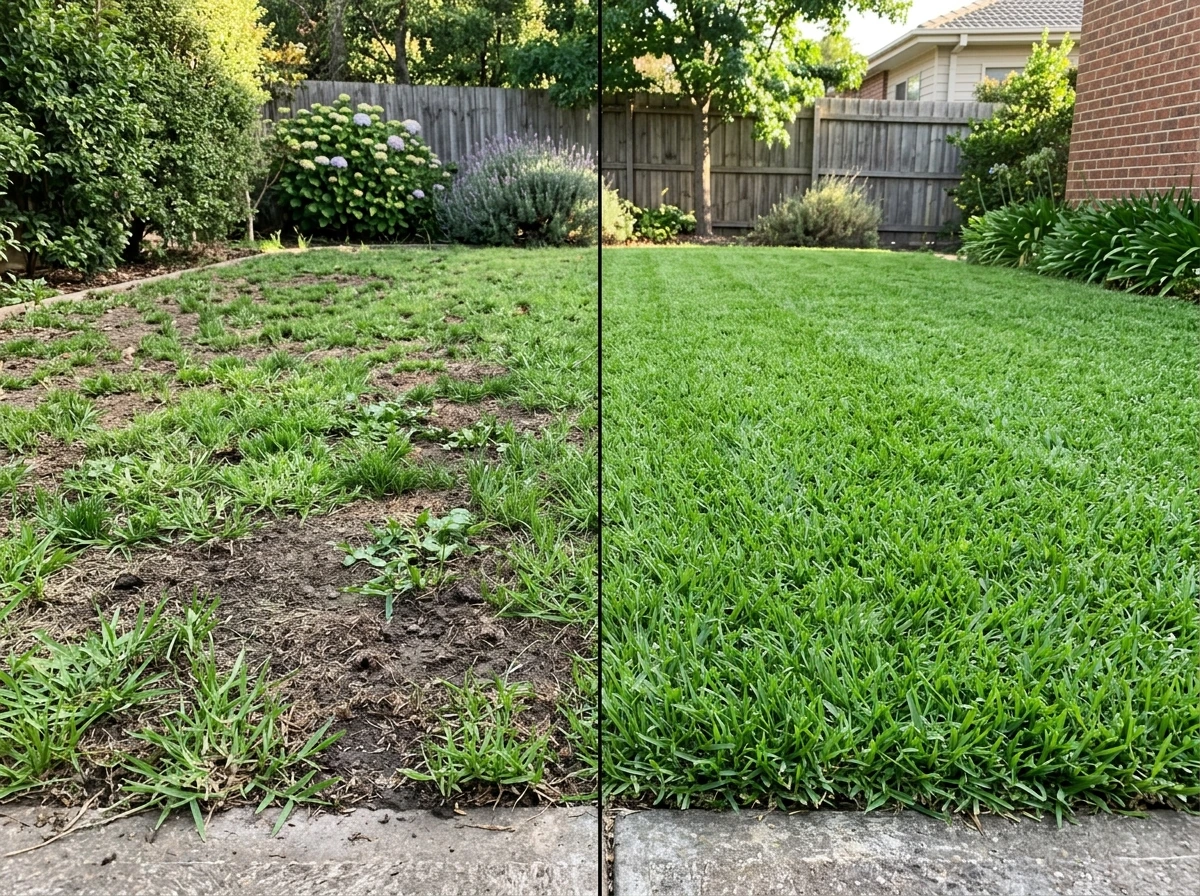
There's a useful distinction to make here. 'Established' and 'fully mature' are not the same thing, and which one you need depends on what you're trying to do with the lawn.
- Basic coverage (green, patchy, no bare soil visible): roughly 6–8 weeks from sowing under good conditions
- Established turf (dense, mowable, can handle light foot traffic): 8–10 weeks
- Fully mature lawn (tolerant of regular use, drought-hardy, self-repairing): 12+ weeks, sometimes into the second growing season in cooler climates
McKays Grass Seeds puts full establishment at 8 to 12 weeks, which aligns well with ICL's data showing full coverage at approximately 8 weeks for well-managed plots. The 12-week end of the range applies when conditions aren't perfect: cooler soil, irregular watering, or sowing toward the tail end of the warm season. If you're in a cooler climate and sow late, dormancy can interrupt establishment entirely, meaning the grass essentially pauses and won't complete its establishment until the following spring.
The key practical takeaway: don't judge your couch grass as 'failed' at 4 weeks just because it looks thin. Thin and green at 4 weeks is actually on track. Dense and usable at 10 to 12 weeks is what you're aiming for.
What speeds it up and what slows it down
Temperature
This is the non-negotiable factor. Couch grass seed will not germinate in cold soil, full stop. Soil temperatures below 15°C (59°F) bring germination to a near halt. Night temperatures consistently above 65°F (18°C) are the threshold DFL research cites for reliable germination in 5 to 10 days. If you sow too early in the season when nights are still cool, expect germination to be slow, patchy, or stalled until things warm up. The safest approach is to wait until soil temperature at the 1–2 inch depth is above 21°C (70°F) before sowing.
Moisture
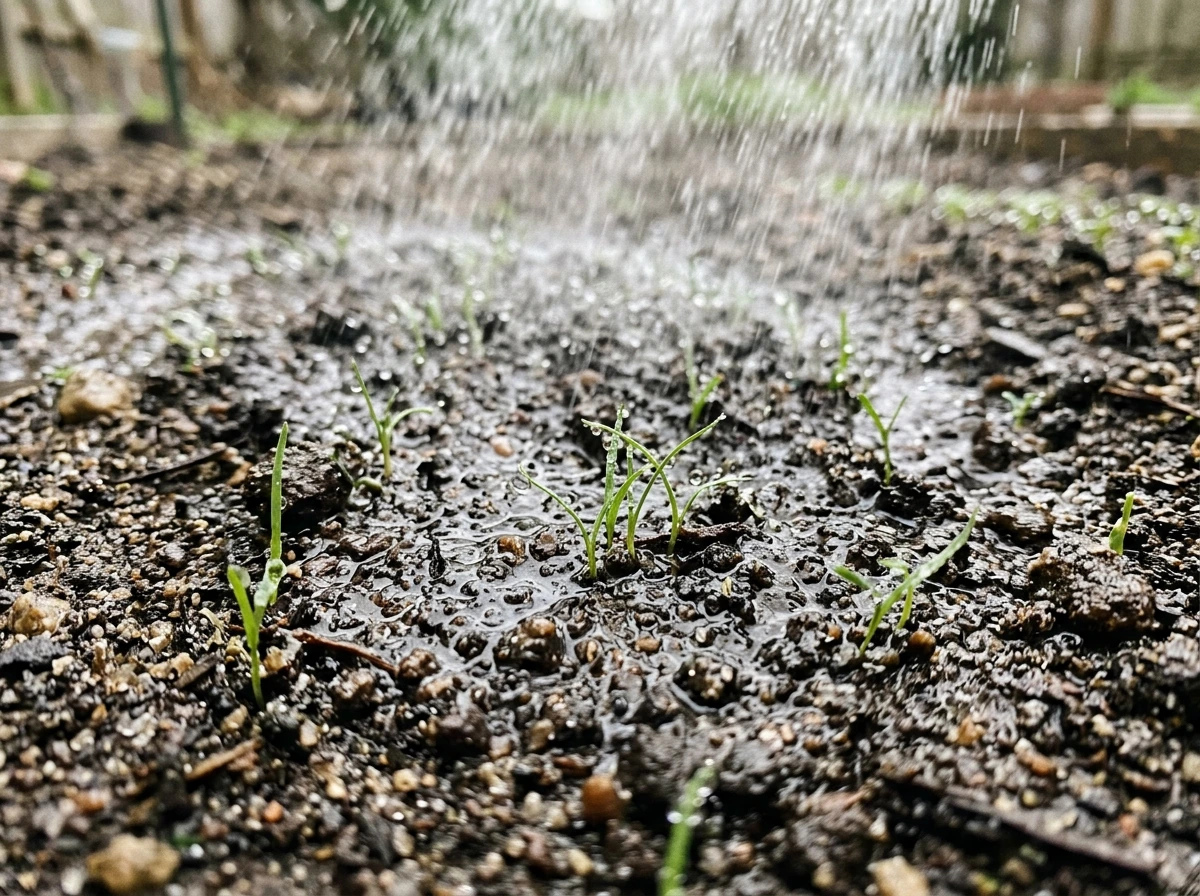
Missouri University Extension's research on bermudagrass establishment is direct on this point: the top inch of soil must stay consistently moist for a minimum of two to four weeks after sowing for germination and early establishment to succeed. That doesn't mean waterlogged, it means never dry. A seedbed that dries out for even half a day during the germination window can kill emerging seedlings or abort germination entirely. Once germination is complete and you see a green cast across the area, you can reduce irrigation to once daily rather than multiple times per day.
Sowing depth
Couch grass seed is tiny and needs to be very close to the soil surface. The standard guidance from Missouri Extension, Oklahoma State, and UGA Forage Extension all land at the same number: 1/4 inch (about 6mm). Hulled seed can actually be sown at 0 to 1/4 inch, essentially just pressed into the surface. Sowing too deep is one of the most common reasons germination fails or is extremely slow. If seed ends up at 1/2 inch or deeper, the seedling often can't push through, especially in heavy or compacted soil.
Seed type and quality
As covered above, hulled seed is faster. If speed matters to you, spend the extra money on hulled common couch seed. Also check germination date on the packet, seed that's more than a year old may have declining viability, which stretches the germination window and reduces stand density even under perfect conditions.
Soil type and seedbed quality
Couch grass does best in a firm, well-tilled, level seedbed. Missouri Extension and Oklahoma State Extension both emphasize a firm (not fluffy) seedbed because good seed-to-soil contact is essential for even germination. Sandy soils warm up faster and drain better but dry out quickly. Heavy clay soils stay moist longer but can crust over the surface and block seedling emergence. If you're working with clay, mixing in some organic matter or fine sand before sowing makes a real difference.
Planting date and season
A study published in Weed Science found that planting date significantly affected bermudagrass establishment outcomes. Sowing during the peak warm season consistently outperformed early or late plantings. In practical terms, the ideal window is late spring to early summer when soil is consistently warm and you have the full warm season ahead for establishment. Sowing in late summer isn't ideal because the grass may not fully establish before temperatures drop, and it won't resume until the following spring.
How to get the best results from day one
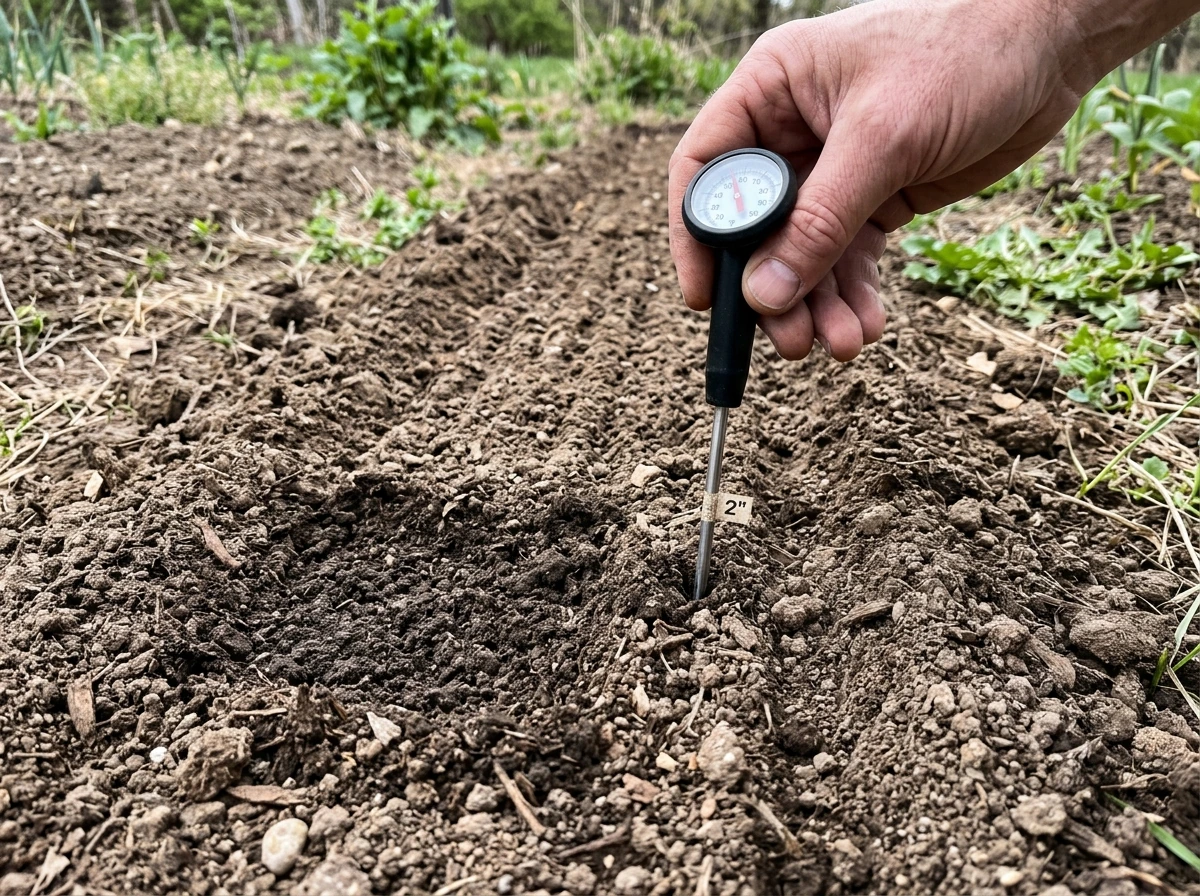
- Check soil temperature before sowing. Use a cheap soil thermometer. Aim for 21°C (70°F) or above at 2 inch depth. Don't rush the calendar date—go by soil temperature.
- Prepare a firm, fine seedbed. Till or rake to break up large clumps, then firm it down with a lawn roller or the back of a rake. You want good contact, not fluff.
- Use hulled seed if you can. The speed advantage is real—7 to 10 days versus 14 to 21 days for unhulled. Worth the extra cost for most home gardeners.
- Sow at the right depth: 1/4 inch maximum. Broadcast seed, then lightly rake it in or roll to press it into contact. Don't bury it.
- Water immediately and keep the surface moist. For the first two to four weeks, water lightly two to three times per day in warm weather to prevent the seedbed from drying. Early morning, midday, and late afternoon is a workable schedule.
- After germination (green cast visible, seedlings 1/4 to 1/2 inch tall), reduce to once daily watering. Gradually shift to deeper, less frequent irrigation as roots develop.
- Apply a light, balanced starter fertiliser at sowing. Frequent light applications of nitrogen during early establishment (as ICL guidance suggests) support fast coverage.
- Keep traffic off the area until after the second mow. Early seedlings are easily damaged and slow to recover.
- Weed competition is a real establishment killer. Control broadleaf weeds before sowing if possible. Early weed pressure can outcompete seedlings significantly.
Slow or no germination: how to troubleshoot
If you're past the two-week mark with hulled seed or past the three-week mark with unhulled and seeing nothing, something is off. Work through these possible causes before reseeding:
- Soil temperature too low: Check with a thermometer. If you're below 18°C, the seed may be dormant, not dead. Wait for temperatures to rise before giving up.
- Seedbed dried out during the critical window: This is the most common cause of failure. Even one day of dry surface conditions can abort emerging seedlings. If you had a hot, dry, windy spell right after sowing, this is likely the culprit.
- Seed sown too deep: Dig carefully in a small patch. If you find seeds sitting below 1/2 inch without sprouting, depth is the issue.
- Old or low-viability seed: Do a quick test—put 10 seeds on a damp paper towel in a warm spot. If fewer than 6 sprout in 10–14 days, the seed has low viability.
- Heavy soil surface crust: In clay-heavy soil, irrigation can form a hard crust that blocks emergence. Gently break the surface crust with light raking if you see it forming.
- Wrong time of year: If temperatures are consistently below 15°C at night, the seed is dormant. It's not ruined—it may still germinate when conditions improve, depending on seed quality.
When to wait, when to reseed
If the only problem is cool soil temperatures, wait. Couch grass seed can survive in the soil for a period, and once things warm up it may still germinate. If you sow in early spring and soil temperatures are borderline, give it a full four weeks before making any decisions. If conditions were fine (warm soil, consistent moisture) and you're seeing absolutely nothing at 30 days with hulled seed or 35+ days with unhulled, reseeding is probably the right call. Before you reseed, fix the underlying issue first, usually moisture consistency, seed depth, or seed quality. Reseeding into the same failed conditions just repeats the problem.
Patchy germination (some areas green, some bare) is normal and not a reason to panic or reseed everything. Couch grass spreads by stolons once established, so thin patches near germinating areas often fill in naturally within a few more weeks. If you have large bare patches after 6 weeks, lightly overseed those specific areas rather than doing a full reseeding job.
If you're comparing couch grass to other grasses while planning your lawn, it's worth knowing it sits in the faster end of the warm-season grass spectrum. For context, other warm-season varieties like zoysia and bahia grass seed can take considerably longer to germinate and establish from seed.
FAQ
If I sow couch grass seed and nothing appears by 30 days, should I reseed right away?
Not automatically. First confirm soil temperature at the 1 to 2 inch depth was staying warm enough during the whole window, and check seed depth (aim for about 1/4 inch, or press hulled seed just into the surface). If the seedbed dried out even briefly in the first few weeks, rereseeding into the same conditions will repeat the failure.
Why is my couch grass germination patchy, with some spots green and others blank?
Patchiness often comes from uneven seed-to-soil contact or moisture distribution. Walk the area after watering and look for dry edges, footprints, or ridges, then lightly overseed only the bare sections once most of the area has started to green (around the first 4 to 6 weeks), keeping the seed depth shallow.
Can I speed up how long couch grass seed takes to grow?
You can improve speed by sowing only when soil is consistently warm (ideally soil around 21°C/70°F at 1 to 2 inches), keeping the top layer evenly moist during germination, and using hulled seed. Avoid overwatering, it can cause crusting or wash seeds deeper, both slow emergence.
How often should I water couch grass seed during germination?
During the germination window, water often enough that the top inch stays consistently moist (not soggy) for several weeks. A common mistake is switching from frequent misting to daily soaking too early, which can dry the surface between cycles and delay or abort sprouting.
What temperature is too cold for couch grass seed to germinate, even if I water well?
If soil stays below about 15°C (59°F), germination is essentially stalled. Even with correct watering and shallow sowing, cool soil will pause development until temperatures rise, so the timeline will look slower even when nothing is “wrong” with your technique.
How deep can I plant couch grass seed and still get good emergence?
Shallow is critical. Keep it at about 1/4 inch (6 mm) max, and with hulled seed you can sow near 0 to 1/4 inch by pressing into the surface. Seeds at 1/2 inch or deeper commonly fail, especially in compacted or heavy soil.
Do I need to fertilize before the couch grass is established?
At minimum, avoid heavy feeding right at sowing because young seedlings are fragile. Once you see broad green coverage (not just a few sprouts), you can shift to a light, consistent fertilization approach to support early tillering, but timing matters more than strength.
When is the right first mow, and can mowing too early delay establishment?
Mow only after the turf has enough blade length to avoid pulling up fragile seedlings, typically around 2.5 cm (1 inch) as a practical target. If you cut too early or too low, you can set back spread and density, pushing establishment closer to the late end of the 8 to 12 week window.
Will couch grass seed keep growing in winter if it germinates late in the season?
If establishment is incomplete when cold weather hits, couch grass can go dormant and effectively pause until the next warm season. That means you may see sprouts then a slowdown, and your “full density” clock can shift rather than finishing within the expected warm-season timeframe.
Is hulled couch grass seed always worth it for faster results?
If speed and uniform coverage matter, hulled is usually the better choice because it germinates more quickly and more evenly. If you are confident your soil warmth, moisture consistency, and sowing depth are on point, unhulled can still work, but plan for a longer germination window and more patience.
How do I choose between overseeding patch areas versus reseeding the whole lawn?
Use overseeding when the lawn is partially green, especially if most areas have started germinating. For large bare areas, lightly overseed those specific spots, then keep the seedbed consistently moist. Full reseeding is most justified when you have near zero emergence after the expected germination range for your seed type.
Next Article
How Long Does It Take to Grow Sod From Seed? Timeline Guide
Sod-from-seed timeline: germination, turf thickness, mowing and light traffic, with tips to speed growth and troubleshoo