Hydroseeded grass typically shows its first green within 5 to 14 days after application
How Long Does Hydroseeding Take to Grow Grass?
Marcus Henley
24 Mar 2026
First germination: when you'll see actual green
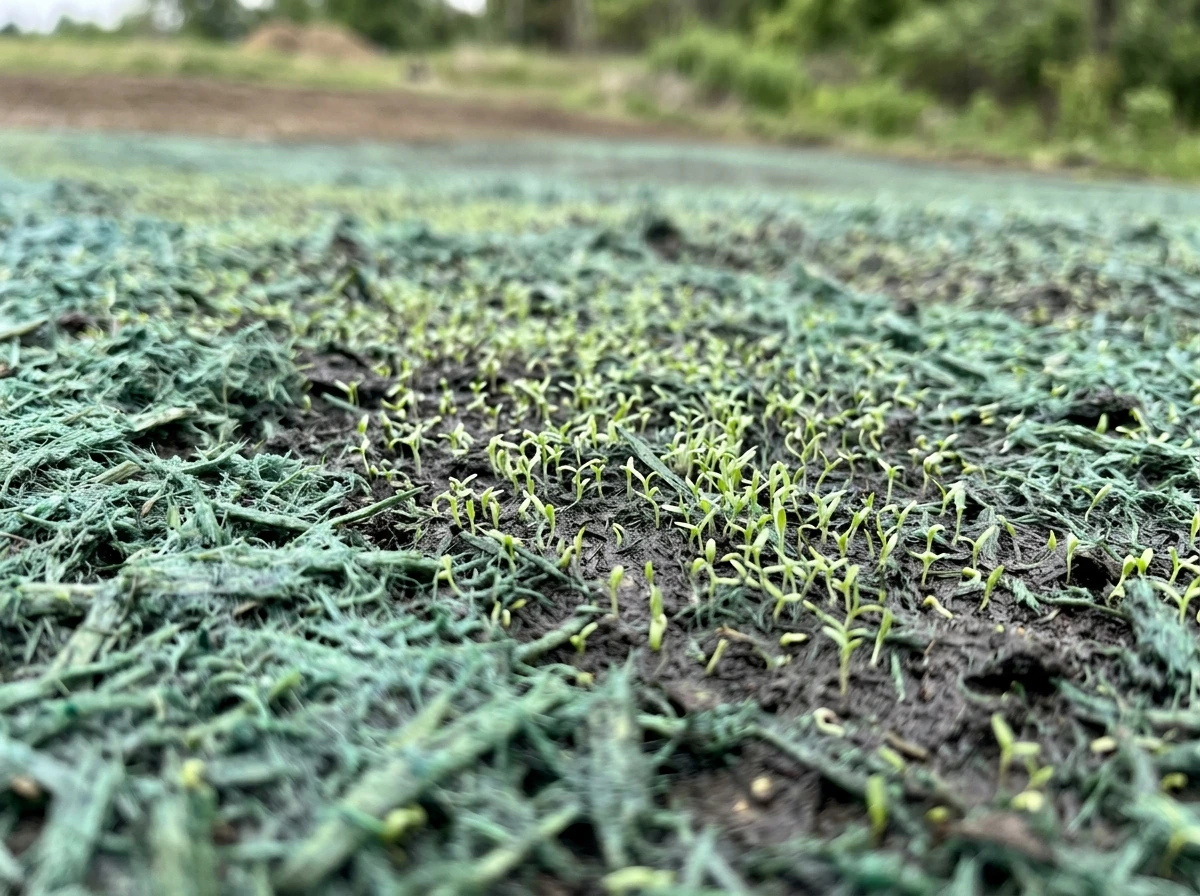
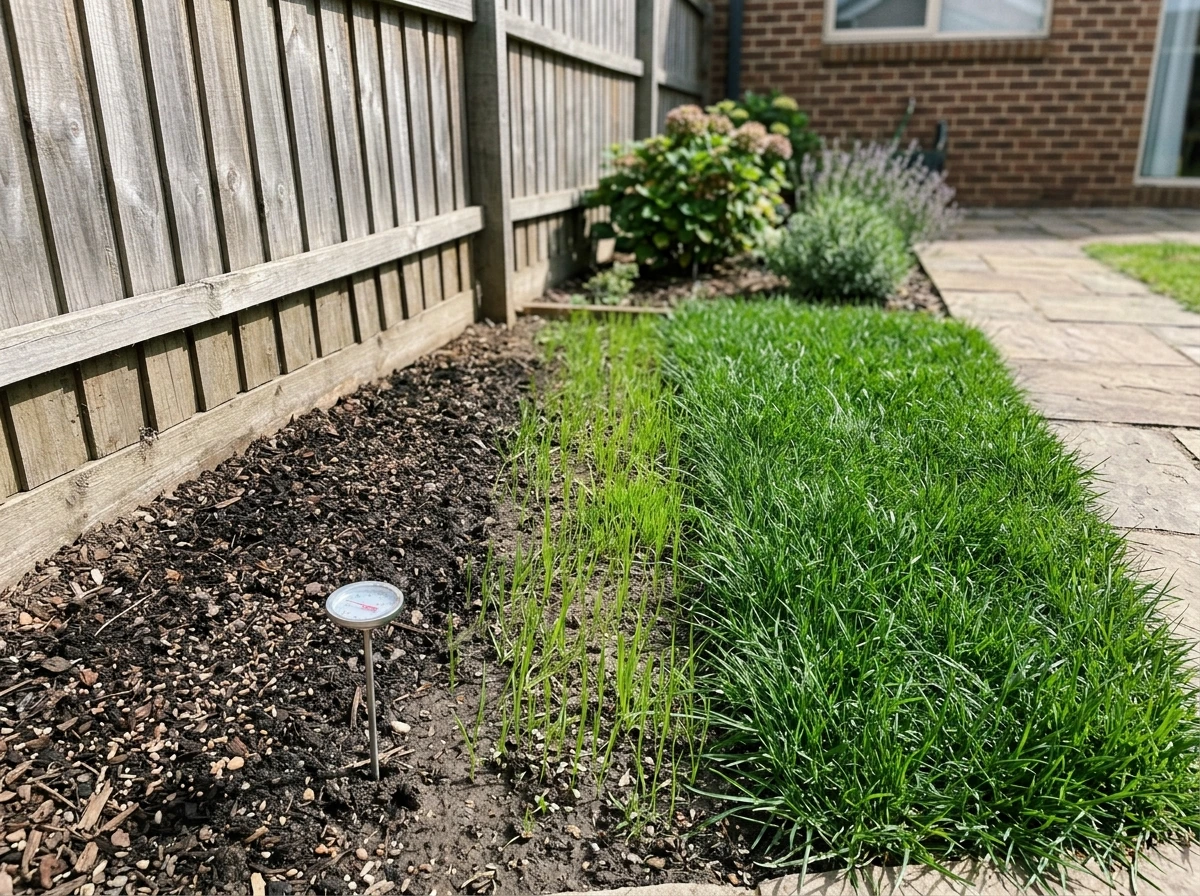
The first visible sign of life from hydroseeding is usually a faint green fuzz across the surface. If your mix includes perennial ryegrass, which is one of the most common fast-germinating components in hydroseeded blends, you can expect to see that fuzz in as little as 5 to 7 days. Cool-season mixes in general tend to show visible green growth in about 5 to 10 days, if you’re wondering <a data-article-id="3DF62685-C502-4676-935D-427646B8BEF6"><a data-article-id="2A332C9F-A741-49B7-B86D-D022A9DAEA9B">how long after planting grass seed will it grow</a></a>, it’s largely tied to temperature and irrigation consistency. If you want the overall timeline for your exact species and conditions, see how long does it take for grass seeds to grow as a related guide.
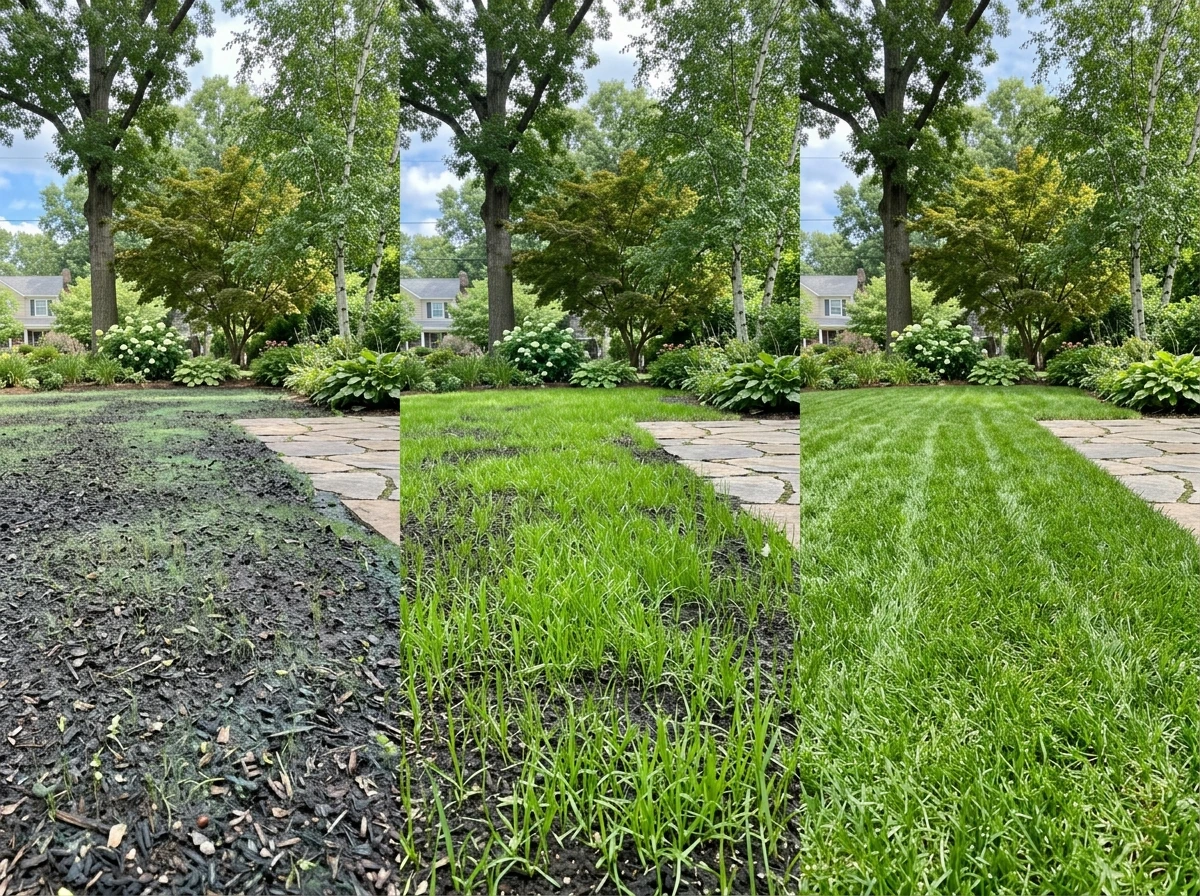
For most people, the more realistic window is 10 to 14 days for noticeable germination across the whole area, not just in a few fast spots. By the end of week four, the bulk of the seed in a well-applied hydroseed mix should have germinated. If you're still looking at mostly bare or sparse areas past that point, something has gone wrong, and we'll talk about troubleshooting below.
One thing worth knowing right away: the green slurry color you see immediately after hydroseeding is just the mulch and dye. Actual grass shoots look different, thinner and brighter, so don't mistake the initial green coating for germination. Give it a week before you start expecting real growth.
Full establishment: when hydroseeded grass is actually 'grown in'
There are really three stages to think about here, and mixing them up is where most people get impatient or make mistakes.
- First green (germination): 5 to 14 days after application
- Visual coverage (looks like a lawn): 4 to 6 weeks with proper care
- Full root establishment (truly stable and durable): can take until the following growing season
The 4 to 6 week mark is the practical target most homeowners are working toward. That's when the grass fills in enough to look like an actual lawn and when you can reasonably start light use of the space. You can expect your first mow around weeks 3 to 5, once the grass hits about 3 to 3.5 inches tall. Most providers put the first mow at roughly 5 weeks post-application as a safe rule of thumb.
The deeper story is that even when a hydroseeded lawn looks great at 6 weeks, the root system is still relatively shallow and immature. For lawns in high-traffic areas or in erosion-prone spots, plan on a longer protection window. Some environmental and utility guidelines actually recommend minimizing foot traffic for 2 to 4 months to let the root system fully anchor. That might sound excessive for a backyard, but it's worth keeping in mind if you have kids, dogs, or a party planned.
What actually changes the grow time
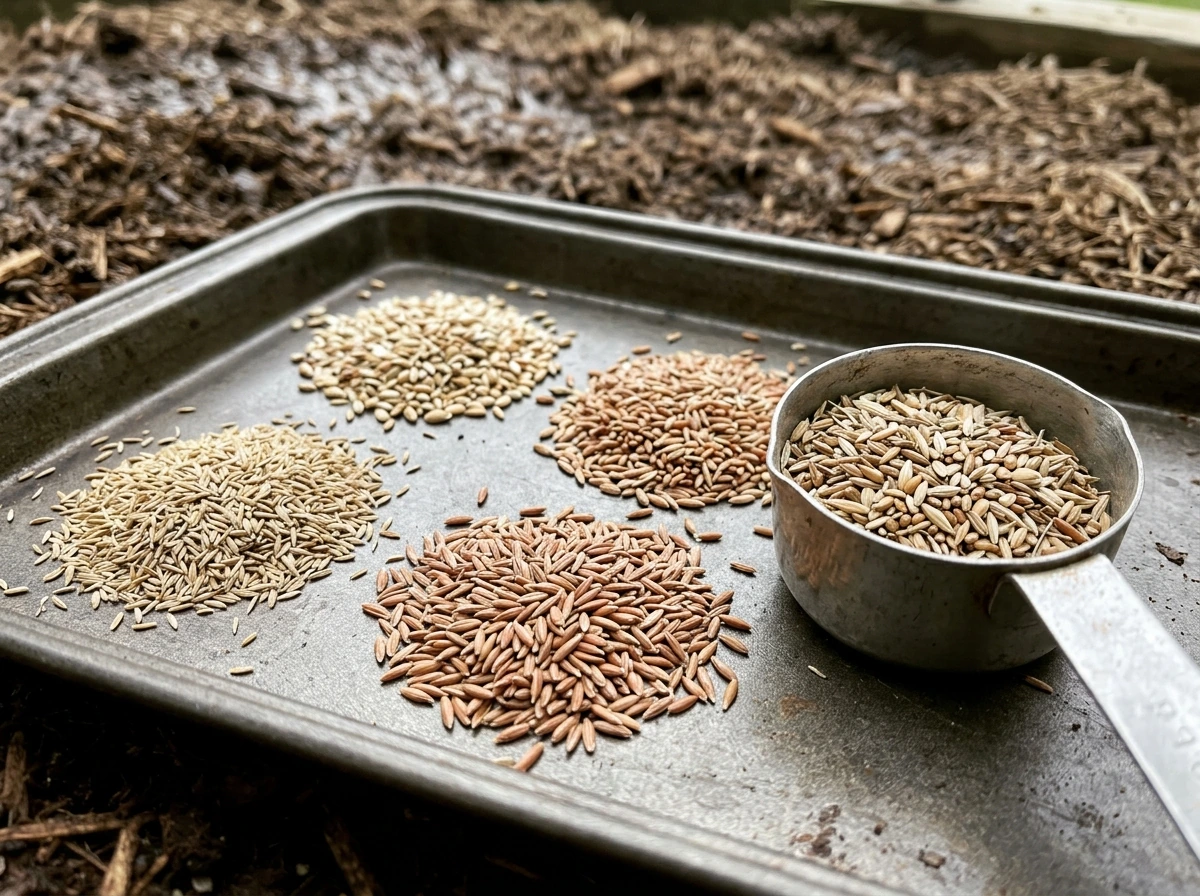
This is the section that matters most, because 'hydroseeding takes 5 to 14 days to germinate' is only true in the right conditions. Here's what actually moves that number up or down.
Seed mix
Not all grass seed is the same. Ryegrass is the speed champion in cool-season mixes, often sprouting in 5 to 7 days. Fescues and bluegrass take longer, sometimes 14 to 21 days. Warm-season grasses like Bermuda or zoysia are slower still and need consistent soil temperatures around 65 to 70°F minimum just to get going. A blended hydroseed mix will show uneven germination, with the fast species appearing first and slower ones filling in over several more weeks. That's completely normal.
Temperature
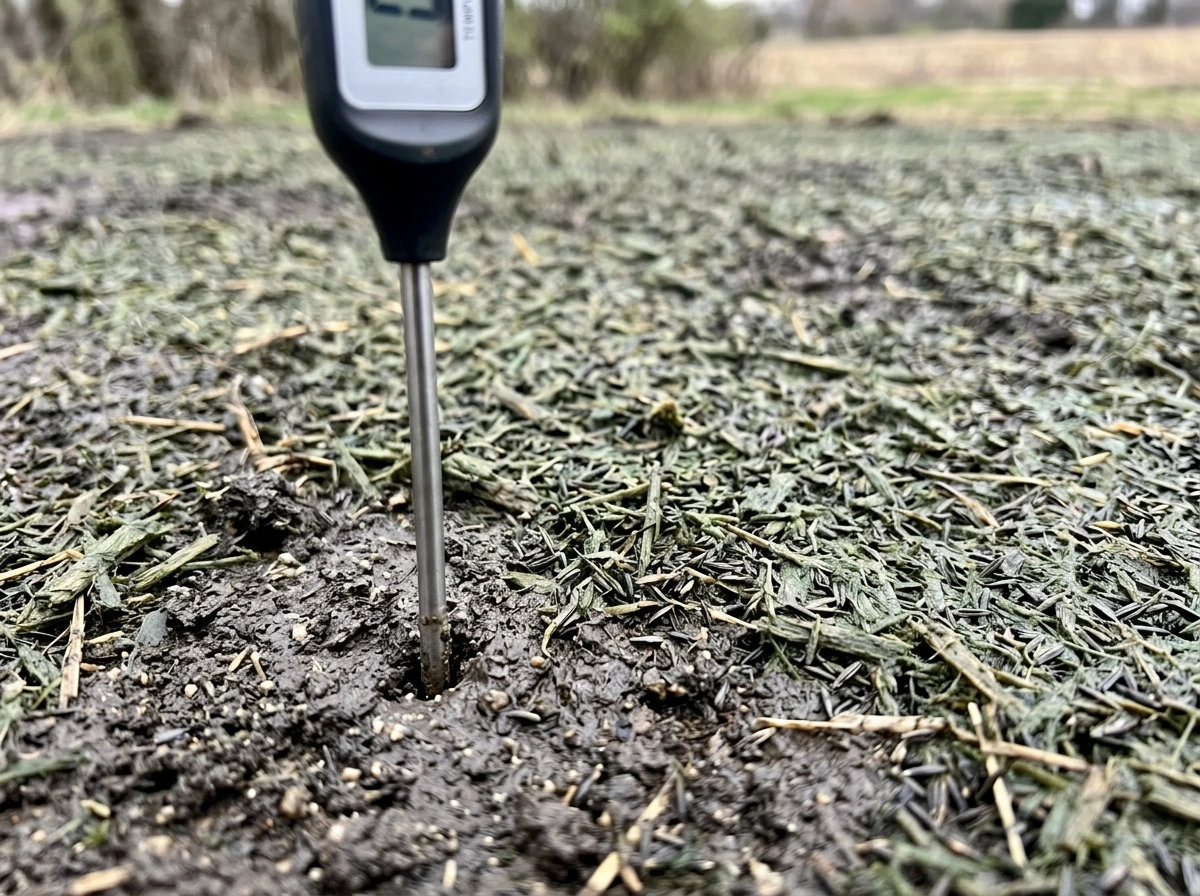
Temperature is probably the single biggest variable outside of watering. Cool-season grasses germinate best when soil temperatures are between 50 and 65°F. Warm-season grasses want soil temps of 65 to 75°F and air temperatures ideally between 80 and 95°F during their growth phase. Seed applied when temperatures are outside those ranges will sit dormant or germinate extremely slowly. If you hydroseed in late fall and temperatures drop fast, don't expect much until spring.
Moisture and irrigation
This one is non-negotiable. If the seedbed dries out during the germination window, emerging sprouts can die within hours. Drying out can delay germination by days or even weeks, and in bad cases it kills sprouts that were already emerging. The mulch layer in a hydroseed slurry helps retain moisture longer than bare soil, but it's not a substitute for irrigation. You need to keep the top layer consistently damp, not soggy, during those first critical weeks. If you're wondering how long after planting grass seed will it grow, use this as a baseline because germination and early growth depend on consistent moisture as well as temperature.
Season and timing
Timing your hydroseeding to match your grass type makes an enormous difference. For cool-season grasses, late summer to early fall is the gold standard. Seeding around late August or early September lets the grass establish before winter and thicken up the following spring. Spring seeding in March to April works as a secondary window but competes with weed pressure and summer heat. Warm-season grasses should be hydroseeded in late spring or early summer when soil temperatures are consistently warm.
Sunlight and slope
Shaded areas dry out differently and receive less light for growth, which can slow germination and filling-in. Slopes also add complexity since water runs off faster, making consistent moisture harder to maintain and increasing erosion risk before roots anchor. For sloped or shaded areas, budget a bit more time and plan for some spot overseeding.
Application quality and mulch
A well-applied hydroseed job includes a tackifier and the right mulch rate to hold seed in place and retain moisture. Paper mulch used for erosion control is often applied at around 1,200 to 1,500 pounds per acre. If the application was thin, uneven, or washed out shortly after, you'll see patchy results that look like slow growth but are really just gaps in coverage.
How to give your hydroseed the best shot
Most hydroseeding failures come down to watering mistakes in the first two weeks. Here's the practical approach.
Watering during germination (weeks 1 to 3)
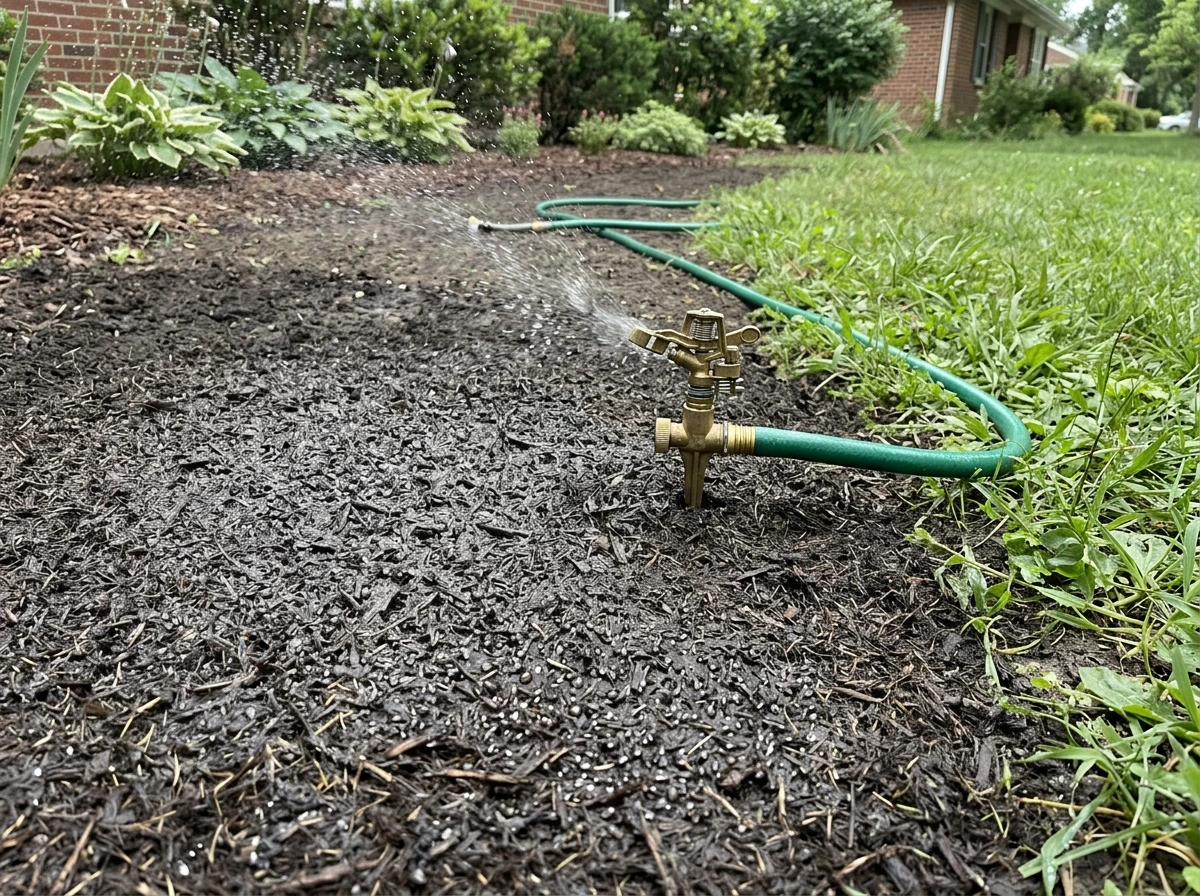
Water lightly and frequently during the germination period. The goal is to keep the top inch of the seedbed damp without saturating it. Depending on your climate and time of year, that might mean two to three short watering sessions per day. Early morning watering reduces evaporation. If the surface starts to look dry or cracked between waterings, you're not watering enough.
Transitioning to deeper watering (weeks 3 to 6)
Once you have solid germination across the area, gradually shift to less frequent but deeper watering sessions. This encourages roots to grow downward rather than staying shallow. Deep, infrequent watering (a few times per week) builds the root system that makes the lawn durable long-term.
First mow timing
Mow for the first time when the grass reaches about 3 to 3.5 inches tall. That's usually around weeks 3 to 5, with week 5 being a safe default if you're not sure. Set your mower blade high so you're cutting off no more than one-third of the blade height. Mowing too early or cutting too low stresses young grass and can set back the whole timeline.
Foot traffic and maintenance
Keep foot traffic off the hydroseeded area for at least 4 to 6 weeks. Even light traffic during germination can disrupt emerging seedlings, compact the seedbed, and create bare paths that need re-seeding later. If you have pets or children, physically block off the area for the first month. It's worth the short-term hassle.
What to do when growth is slow or patchy
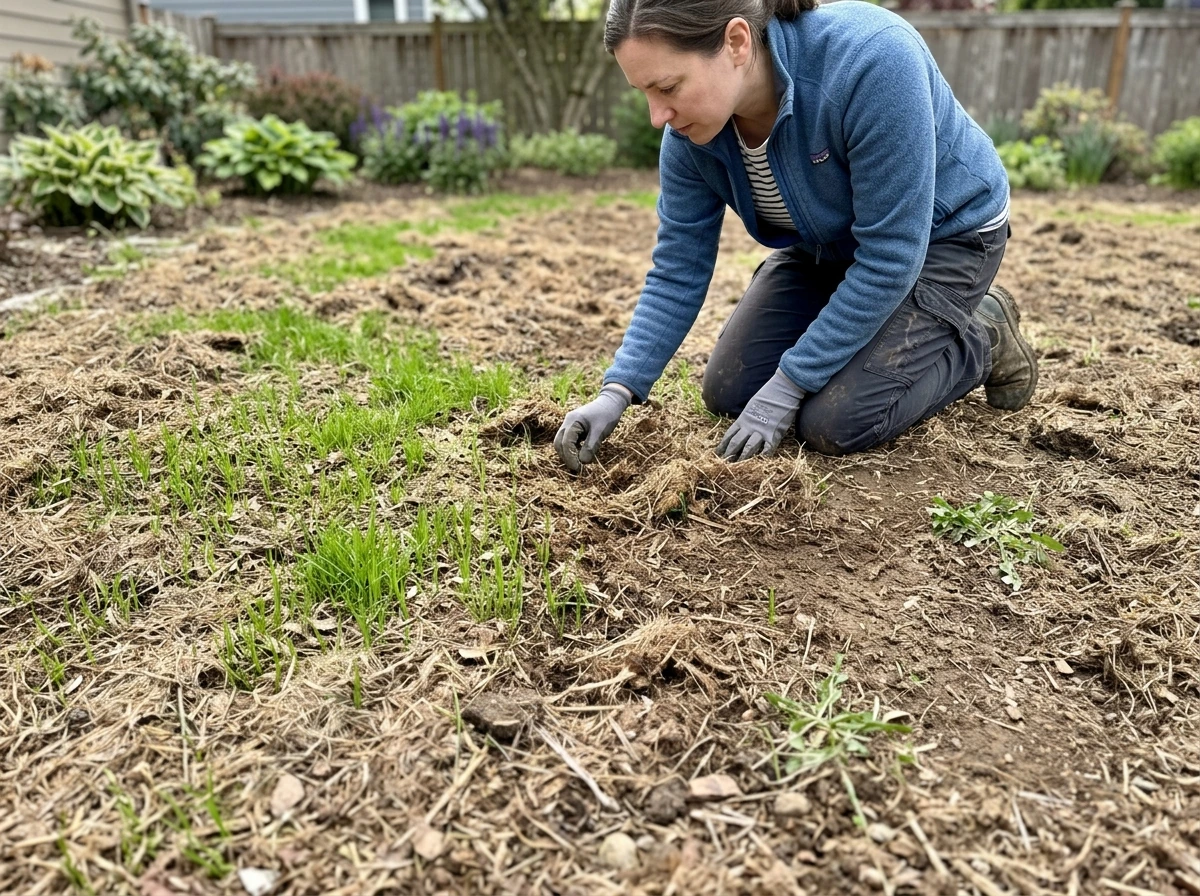
Slow or uneven germination is common, and most of the time it doesn't mean the whole job needs to be redone. Here's how to diagnose and respond.
At 2 weeks: check your watering first
If you're not seeing any green at all by day 14, start with the obvious: check whether the seedbed is staying consistently moist. Dig a finger into the mulch layer. If it's dry an inch down, you're under-watering. If it's soggy and smells off, you may have overwatered and created a hostile environment. Fix the irrigation and give it another week before drawing conclusions.
At 4 weeks: evaluate coverage honestly
By four weeks, you should have most of the germination you're going to get from the original application. If large patches are bare, consider whether those areas had drainage issues, were heavily trafficked, or dried out early. Thin or bare spots at this stage are fixable. Scratch up those areas lightly to break the surface crust, then overseed by hand. Most providers recommend exactly this kind of spot repair at the 4 to 5 week mark.
At 6 weeks: when to consider a bigger fix
If more than 30 to 40 percent of your lawn area is still bare at six weeks despite consistent care, the original application may have had issues: wrong seed mix for the season, poor coverage, or a washout event. At this point, you may need a full overseeding of bare zones or, in extreme cases, a re-application on the worst areas. Talk to your hydroseeding contractor about warranty terms before spending more money yourself.
Common causes of failure to check
- Inconsistent watering: the top reason hydroseed fails to germinate or produces bare patches
- Foot traffic during the first 4 to 6 weeks: compaction and physical damage to sprouts
- Seeding during the wrong season for the grass type chosen
- Soil temperatures too low (below 50°F for cool-season) or too high at time of application
- Washout from heavy rain shortly after application before tackifier fully dried
- Thin or uneven mulch coverage from the original application
Planning your hydroseeding project around the calendar
Timing is something a lot of people don't think through carefully enough before booking a hydroseeding job. The best results come from matching your seed mix to its ideal growing season and giving yourself enough time before you need the lawn to be usable.
| Grass type | Best hydroseeding window | First green expected | Usable lawn target |
|---|---|---|---|
| Cool-season (rye, fescue, bluegrass) | Late Aug to early Oct (primary); Mar to Apr (secondary) | 5 to 10 days | 4 to 6 weeks |
| Warm-season (Bermuda, zoysia, buffalo) | Late May to July | 10 to 21 days | 6 to 10 weeks |
| Mixed cool/warm blend | Varies by dominant species | 7 to 14 days | 5 to 8 weeks |
If you're planning a fall hydroseeding for cool-season grass, seed applied around Labor Day gives the lawn time to germinate, establish, and even thicken before the ground freezes. That lawn then hits spring already rooted and ready to grow aggressively. Waiting until late October in a cold climate is risky; you might get germination but not enough root development before winter sets in.
For spring projects, aim for March or early April in most parts of the country before soil temperatures climb too high for cool-season establishment. If you're working with warm-season grass, don't rush into spring; wait until soil temps are consistently warm, usually late May or June depending on your region.
The practical planning rule: work backward from when you need the lawn to be functional. A lawn that needs to be ready for a summer event should be hydroseeded with cool-season grass by late March at the latest, giving you the 4 to 6 week establishment window plus a couple of extra weeks as buffer. For events in fall, seed in late summer. Never plan a hydroseeding project that leaves you no buffer time for re-seeding thin spots if needed.
If you're also comparing hydroseeding timelines to other approaches, it's worth noting that regular grass seed has similar germination windows but often takes longer to show dense coverage because it lacks the mulch layer that hydroseeding provides for moisture retention. You can explore more about general grass seed timelines, including how different grass species compare, in the related guides on this site covering everything from standard cool-season grass seed timing to specific regional considerations.
FAQ
If I see green fuzz early, does that mean my hydroseeding is fully done?
Hydroseeding is usually judged in stages. You may see faint green by days 5 to 14, but uniform coverage and full establishment typically take about 4 to 6 weeks. If you only check for “green” too early, you can think it failed when the slower seed species just has not caught up yet.
Can hydroseeding “stall” and start growing later if I miss watering for a day or two?
It can, especially if the area dries out between irrigations. Even a short dry period during germination can kill emerging shoots or delay the timeline by days to weeks. A practical check is to press a finger into the mulch layer, aim for consistently damp (not dry or sour-smelling) conditions.
How much do seed type and seasonal mismatch change the timeline of how long hydroseeding takes to grow?
Yes. If your contractor used the wrong seed mix for your season, germination can be uneven or slow. The article notes ryegrass often starts fastest while fescues and bluegrass can take longer, and warm-season types require soil temperatures around the mid-60s or higher to begin. If the weather matched the seed type poorly, expect a longer time to visible coverage.
When should I mow and when is it actually safe to use the lawn heavily?
It depends on what you mean by “grow.” For first visible shoots, check roughly 5 to 14 days. For first mow, the typical window is about weeks 3 to 5 at a 3 to 3.5 inch height. For root anchoring and resilience, plan on reduced traffic for about 2 to 4 months, even if the lawn looks good earlier.
Why does my lawn look green right after hydroseeding but I see no grass later?
You should not. The green color right after hydroseeding is mostly mulch and dye, which can look like growth but does not equal germination. Wait about a full week before expecting real grass blades, and look for thinner, brighter shoots rather than the thick slurry coating.
At what point does patchy germination require spot repair versus redoing the whole job?
If large bare patches persist past the early weeks, you may only need spot repair rather than a full redo. The guidance is to overseed by hand around the 4 to 5 week mark for bare or thin zones, after lightly scratching the surface crust. A full overseeding or reapplication is usually considered when roughly 30 to 40 percent of the area stays bare by six weeks despite correct care.
What’s worse for hydroseeding germination, overwatering or underwatering?
The article emphasizes consistent moisture during germination, but it also warns against saturating. Too much water can create an unhealthy environment, while too little dries sprouts quickly. A useful decision rule is, keep the top inch damp, not soaked, and adjust so the surface does not crack or dry out between waterings.
Is it normal for hydroseeding to grow in patches at first?
Usually not. Hydroseeded areas can show uneven germination because fast-growing species emerge first and slower ones fill in later. If you have mixed species, patchiness early on can be normal, but by about four weeks you should have most of the eventual germination, assuming moisture and coverage were correct.
Why does hydroseeding seem to take longer on slopes or in shady areas?
Slopes and shaded areas often extend the timeline because water runs off faster (slopes) and light is reduced (shade), which slows both germination and “filling in.” The article suggests budgeting extra time and planning spot overseeding for these conditions.
Next Article
How Long Does It Take for Grass Seeds to Grow
Grass seed timelines: germination in days, first sprout milestones, and full establishment in weeks with tips to fix slo