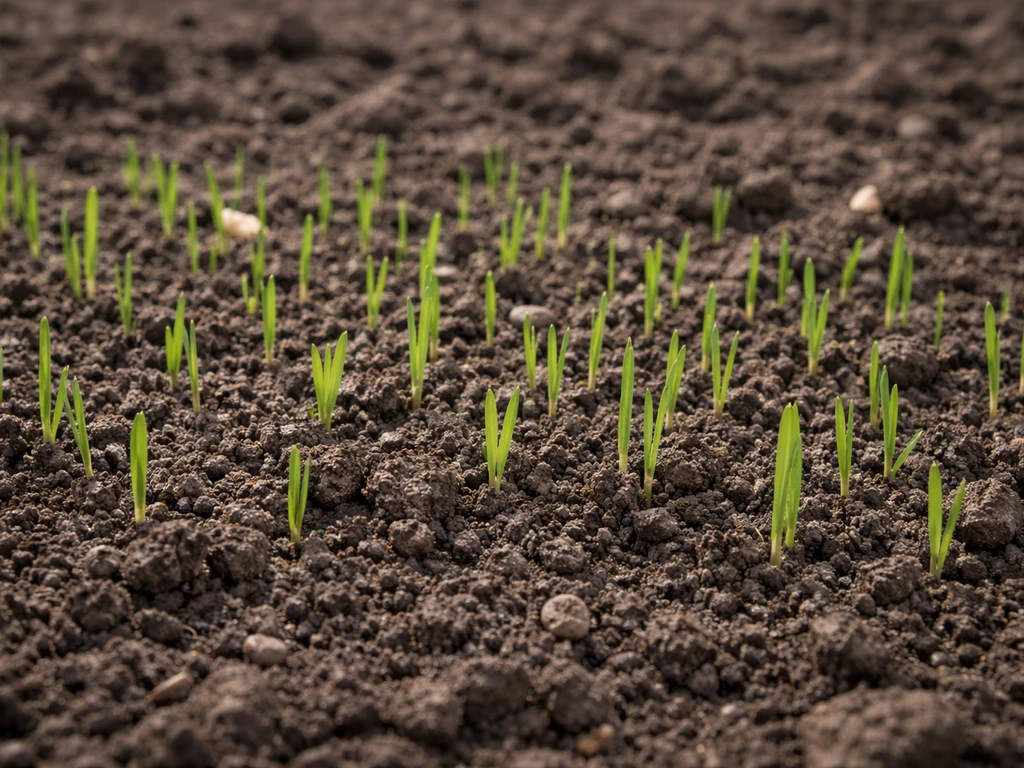
Most grass seed sown in Ireland will start to germinate within 7 to 21 days, and you'll typically have decent green coverage across the lawn by weeks 4 to 6. First mowing usually happens around the 6 to 8 week mark, and the lawn is genuinely established enough for normal foot traffic and wear after about 3 to 4 months. That said, Ireland's famously changeable weather means those numbers can shift a fair bit depending on when you sow, what seed mix you use, and how the soil has been prepared.
How Long for Grass Seed to Grow in Ireland Timeline

Marcus Henley
15 May 2026
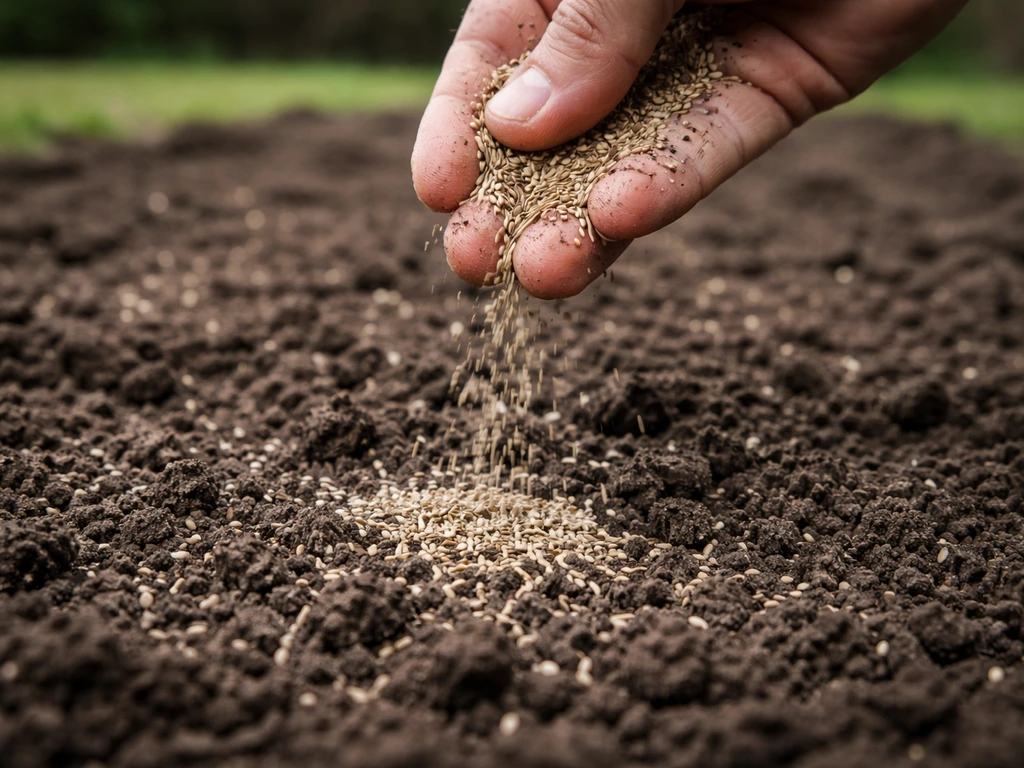
Typical grass seed growth timeline in Ireland
Here's the honest breakdown for a typical spring or early autumn sowing under decent Irish conditions. These milestones assume a standard cool-season mix (perennial ryegrass dominant, with some fescues) sown into a prepared seedbed with consistent watering.
| Milestone | Typical timeframe | Notes |
|---|---|---|
| First shoots visible | 7–14 days | Faster with ryegrass mixes; slower if soil is below 10°C |
| Reasonable green coverage | 3–5 weeks | Patchiness is normal at this stage |
| First light mow | 6–8 weeks (when grass hits 7–8cm) | Set mower high; never cut more than one-third |
| Lawn looks like a lawn | 8–12 weeks | Fuller coverage, more uniform colour |
| Full establishment (safe for normal use) | 3–4 months | After at least two or three mows; root system settled |
The 7 to 14 day range for first germination is realistic for perennial ryegrass in warm enough conditions. A fescue-heavy or bentgrass mix can push that closer to 14 to 21 days. Some seed suppliers quote 21 to 28 days on their packaging, and honestly, that's a more cautious but fair estimate for Irish conditions where soil temperature can lag behind air temperature well into spring.
Irish seasonality: best time to sow and what it changes
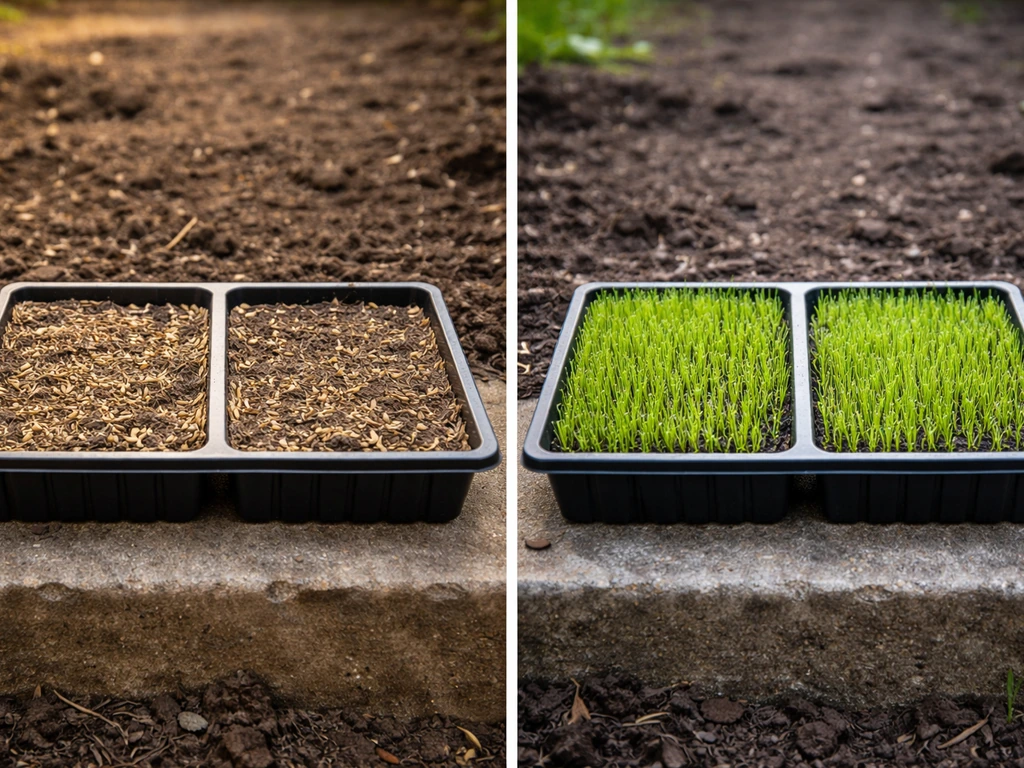
Early autumn (late August through September into early October) is genuinely the best window for sowing grass seed in Ireland, and spring (mid-April through May) is a strong second choice. The reason autumn works so well is that the soil is still warm from summer but the air is cooling and rainfall increases naturally, which is basically the ideal set of conditions for grass seed. Soil temperatures in Ireland during September typically sit around 12 to 16°C, which is squarely in the sweet spot for cool-season grasses.
Spring sowing works well too, particularly from mid-April once soil temperatures have reliably climbed above 8 to 10°C. The challenge in spring is that Ireland's soils warm slowly, and a sunny April day with 15°C air temperature doesn't mean the ground is ready. Cold, wet soil below that 8°C threshold will stall germination noticeably. The payoff for spring sowing is that you get a full growing season ahead, which means the lawn fills in over summer and is looking good by autumn.
Mid-summer sowing (July) is possible but harder to pull off. The soil is warm enough, but keeping moisture consistent during dry spells is demanding, and weed competition is fierce. Winter sowing is generally not worth attempting; soil temperatures drop too low for reliable germination and the seed can rot before conditions improve. If you're planning a winter repair, it's better to wait until late February or early March at the earliest.
| Sowing window | Typical soil temp | Expected germination time | Verdict |
|---|---|---|---|
| Late Aug – early Oct (autumn) | 12–16°C | 7–14 days | Best window |
| Mid-Apr – May (spring) | 10–14°C | 10–21 days | Strong second choice |
| June – July (summer) | 15–18°C | 7–14 days (if watered) | Workable but demanding |
| Nov – Jan (winter) | Below 8°C | Very slow or none | Not recommended |
What affects germination and establishment
Seed type
Perennial ryegrass is the workhorse of Irish lawns. It germinates fastest (often 7 to 10 days in good conditions), handles wear well, and is forgiving for beginners. Fescue blends (red fescue, hard fescue) are slower to germinate, typically 11 to 21 days, but produce a finer, lower-maintenance lawn and handle shadier or drier spots better. Bentgrass is the slowest and most demanding of the bunch. For most Irish gardens, a ryegrass-fescue mix is the right call and gives you the best of both worlds.
Soil temperature
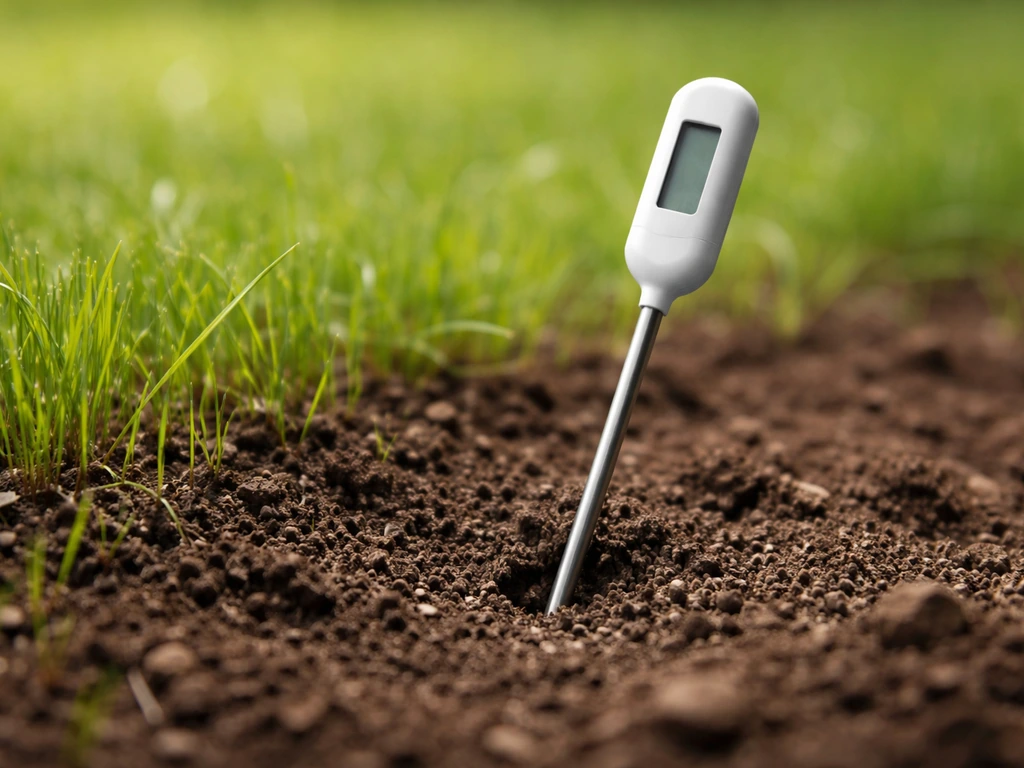
This is the biggest single factor that people underestimate. Grass seed needs soil temperature of at least 8 to 10°C to germinate reliably. Below that, germination stalls or doesn't happen at all. The optimum for most cool-season grasses used in Ireland is around 15 to 20°C at the soil surface. A cheap soil thermometer (a few euros from any garden centre) is genuinely worth buying if you're sowing in early spring or late autumn.
Moisture and watering
The seed needs consistent moisture for the first two to three weeks minimum. That doesn't mean waterlogged; it means the top few centimetres of soil should stay damp. A light misting or gentle watering once or twice a day works better than a heavy soak once a week. After germination is well underway (roughly two weeks in), you can ease off slightly and water more deeply but less frequently to encourage roots to push down.
Seed depth and soil contact
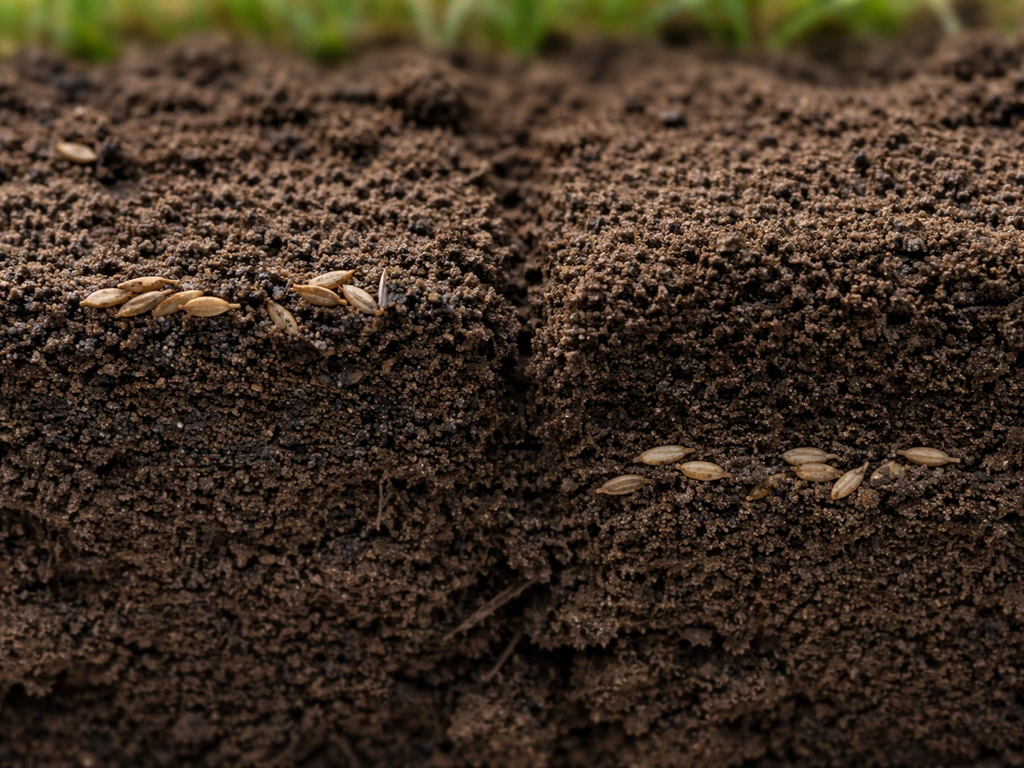
Grass seed should sit at a very shallow depth, around 3 to 6mm at most. Research on perennial ryegrass shows that emergence drops dramatically at depths greater than about 2cm, and disappears almost entirely at 6 to 7cm. Rake the seed in very lightly after broadcasting, aiming to cover rather than bury it. Good seed-to-soil contact is critical; if seed sits on top of loose, fluffy compost or thatch, it won't germinate properly.
Weather and Irish rain
Ireland's rain is usually an asset for grass establishment, but a long dry spell in May or early June can set germination back significantly if you're not supplementing with irrigation. Equally, a prolonged cold, wet April slows soil warming and delays the viable sowing window. The sweet spot is when you're getting mild temperatures and moderate, consistent rainfall, which autumn in Ireland usually delivers naturally.
Week-by-week expectations: from sowing to first mowing
Here's what to expect week by week from a typical spring or autumn sowing in Ireland. I'll use a mid-April or early September sowing as the reference point.
- Week 1: Nothing visible yet. The seed is absorbing moisture and the radicle (first root) is beginning to emerge below the surface. Keep the seedbed moist. Don't panic if you see nothing; this is completely normal.
- Week 2: First thin green shoots appear, often unevenly across the area. Ryegrass patches show first. Keep watering consistently and stay off the seedbed. Birds can be a problem at this stage.
- Week 3: More shoots are up. The lawn starts to look like it might actually work. You'll probably notice some bare patches; don't reseed yet. Coverage is still filling in.
- Week 4–5: Green coverage is becoming more even. Shoots are getting taller. The soil underneath is starting to bind together. Still very fragile underfoot.
- Week 6–8: Grass reaches 7 to 8cm. This is first-mow time. Set the mower blade to its highest setting, remove no more than one-third of the blade height. After mowing, if growth is slow, a light application of starter fertiliser can help.
- Week 8–12: The lawn starts to look genuinely established. Mow regularly (roughly weekly). Gradually lower the mower blade over successive cuts toward your target height.
- Month 3–4: The root system is properly developed. The lawn can now handle normal foot traffic, light play, and routine maintenance. This is when you can confidently say you have an established lawn.
For autumn-sown lawns specifically, the RHS guidance is worth knowing: if you sow in late August or September and get that first mow in before November, you likely won't need to mow again until the following spring. The grass will tick along slowly through winter and burst into growth come March and April. Don't worry if it looks thin and patchy through winter; that's normal.
Troubleshooting slow or patchy germination
Slow or uneven germination is frustrating but almost always explainable. Here are the most common causes and what to do about each one.
| Problem | Likely cause | Fix |
|---|---|---|
| No germination after 3 weeks | Soil temperature below 8–10°C | Wait for warmer conditions; check with a soil thermometer |
| Germination in patches only | Poor seed-to-soil contact or thatch layer | Rake areas where seed sits loose; scarify if thatch is present |
| Seed visible on surface, not growing | Not raked in, or crust forming on surface | Very lightly rake surface; break crust gently with a fork |
| Thin growth, yellowing | Lack of nutrients in soil | Apply a light starter fertiliser after 6–8 weeks |
| Bare patches appearing | Birds, heavy rain washing seed, or foot traffic | Net the area or reseed patches once main growth is established |
| Germination then die-off | Soil drying out during germination | Water more consistently; the surface must stay moist throughout |
| Uneven colour and thickness | Mixed soil conditions or shade variation | Topdress and overseed thin areas once lawn is at least 8 weeks old |
One thing worth saying clearly: if you sow in cold or dry conditions and the seed doesn't germinate, the seed itself is usually still viable. Most quality grass seed remains viable for 2 to 3 years if stored properly. Before you blame the seed, check the soil temperature and moisture levels first.
Compaction and poor drainage are also underrated culprits. A compacted seedbed prevents roots from establishing properly, and waterlogged soil can rot emerging seedlings. If your lawn area puddles after rain, consider aerating and improving drainage before reseeding rather than just throwing more seed down.
When to overseed and how to fix bare patches
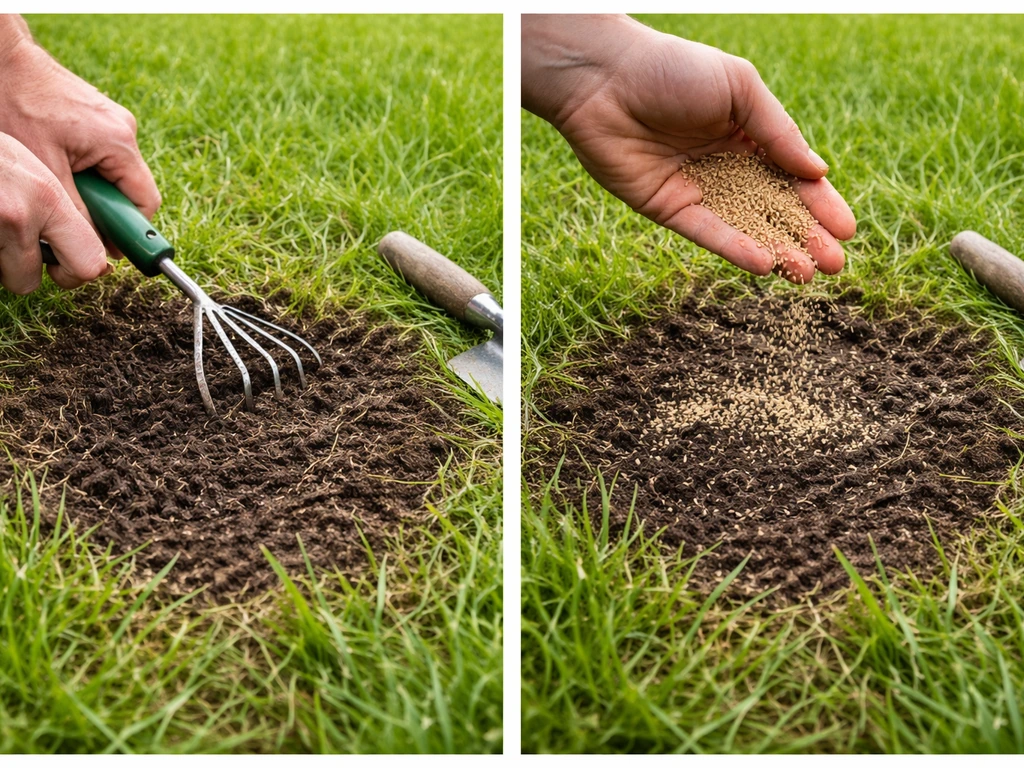
Overseeding and reseeding bare patches is a routine part of Irish lawn care, not a sign of failure. Barenbrug’s Good Grass Guide discusses long-term grass management, including how reseeding can be planned over time rather than treated as a one-off fix blank" rel="noopener noreferrer">long-term grass management and reseeding planning. The best time to overseed in Ireland is early May or late August to mid-September, mirroring the main sowing windows. The RHS specifically recommends reseeding bare patches in early May, which aligns well with Irish conditions.
For bare patches, the process is straightforward. Scratch the surface with a hand rake or fork to loosen the soil and remove any dead material. Sow seed at a slightly higher rate than you'd use for a new lawn (roughly 35 to 50g per square metre), rake it in lightly, and firm it down with your foot or a small piece of board. Then keep it consistently moist. If there's a thatch layer present, address that first; thatch absorbs water and nutrients before they reach the soil, which is one of the most common reasons patchy reseeding fails.
For larger bare or thin areas, slit-seeding (using a mechanical overseeder that cuts grooves and drops seed directly into the soil) gives significantly better results than broadcasting seed over an existing lawn surface. The improved seed-to-soil contact makes a noticeable difference in germination rates and even coverage. If you don't own one, most hire shops stock them.
Expect overseeded patches to show germination in 7 to 14 days in good conditions (similar to a new lawn) and to blend reasonably well with surrounding grass by 6 to 8 weeks. If you are using straw on top of seed, the same cool-season timing applies, but keep an eye on moisture since it can slow drying and still affect how long it takes to establish how long does seed and straw take to grow. New patches can look slightly different in colour or texture initially, but with a few mows they even out.
Maintenance milestones for a fully established lawn
Once you're past the initial germination and establishment phase, here's how to think about ongoing care in the context of Irish conditions.
- First mow (6–8 weeks): Set blades high (around 5cm). Never cut more than one-third of the grass blade at once. This first mow actually encourages the grass to tiller and thicken up.
- Second and third mows (weeks 9–12): Begin lowering the blade gradually over successive cuts. Most Irish lawns do well at a maintained height of 3.5 to 5cm. Going shorter than this weakens the grass and invites moss.
- Month 3–4 (first fertiliser): If you haven't already, apply a balanced lawn fertiliser around the 3 month mark to support root development going into the next season.
- Month 4+ (normal foot traffic): By this point the root system is deep enough to handle regular use. Still avoid heavy concentrated use (like football) until the lawn has been through at least one full mowing season.
- Autumn care (Year 1): Scarify lightly if thatch has built up. Overseed any thin patches in September. A top dressing of compost or lawn sand can help level and feed the lawn heading into winter.
- Ongoing mowing rhythm: In Ireland, the mowing season typically runs from March through October or even November in milder years. Growth slows dramatically in winter but rarely stops completely.
It's also worth noting that the Irish climate, with its mild winters and moist springs, suits cool-season grasses extremely well. Once your lawn is fully established, you're working with conditions that most of the world's grass growers would envy. The grass genuinely wants to grow here; the establishment phase is the only tricky part, and with realistic expectations and consistent watering in the early weeks, most people get there without drama.
If you're comparing notes with anyone growing grass in hotter, drier climates, keep in mind that the timelines and seed types differ considerably. If you're wondering how long grass seed takes to grow in Australia, the key timelines will depend heavily on local soil temperature and watering consistency, just like in Ireland hotter, drier climates. Guidance for grass seed in Australia or New Zealand, for example, often centres on warm-season varieties that behave very differently to the cool-season mixes that suit Ireland. Stick to advice grounded in cool, temperate climates and you'll be in good shape.
FAQ
What should I do if my grass seed hasn’t germinated after 3 to 4 weeks in Ireland?
If nothing shows after about 3 to 4 weeks, don’t assume the seed is dead. First re-check soil temperature at seed depth (not air temperature), it must be at least 8 to 10°C for reliable germination. Then check moisture, the top few centimetres should stay damp, not soaked. If both are right and still no shoots, the most common causes are seed planted too deep, seedbed left fluffy (poor seed-to-soil contact), or heavy foot traffic flattening the surface before roots start.
How often should I water grass seed in Ireland during germination?
A common mistake is watering “to keep it wet” by flooding the surface. For the first 2 to 3 weeks, aim for a consistently damp top layer, water lightly once or twice a day, early morning or evening to reduce evaporation. Once you see strong germination (around the two-week mark), shift to deeper watering less often to encourage rooting, typically every few days depending on rainfall.
When is it safe to mow, and what if the lawn is still thin?
You generally should not mow until the lawn has enough leaf length and density to avoid pulling seedlings up. In Ireland, first mowing is usually around 6 to 8 weeks, but only mow when blades are established enough to avoid scalping. If growth is slow because spring soil is still cool or the seed mix is fescue-heavy, delay mowing rather than lowering the deck early.
Does using straw on top of grass seed change how long it takes to grow in Ireland?
Yes, straw can be used, but it can change the timeline by holding moisture and slowing the surface drying. If you use straw, keep it light (so the soil can still breathe) and watch moisture closely because overly wet conditions can encourage rot or uneven emergence. Expect germination to be similar in temperature-correct conditions, but establishment can take longer to look uniform.
Should I fertilise after sowing grass seed in Ireland, and will it speed up growth?
It can, because lime can affect nutrient availability and soil pH, while fertiliser can boost growth. However, adding fertiliser too early or at the wrong rate can stress seedlings or create an uneven burn pattern, especially if the seedbed is not prepared well. If your soil is nutrient-poor, use a starter fertiliser sparingly after sowing, and only follow label rates, for best results avoid heavy feeding before germination is underway.
What happens if it rains heavily immediately after I sow grass seed?
If it starts raining heavily right after sowing, that’s usually fine, but avoid scenarios where seed is washed into clumps or buried too deep. The fix is to ensure you rake lightly before watering, seed depth stays around 3 to 6 mm, and the surface remains firm. After a heavy wash, gently drag a rake over the area to redistribute seed without digging.
Which grass seed type grows fastest in Ireland, and what if I have shade or dry areas?
Ryegrass-fescue is a good all-round Irish choice, but bentgrass is the slowest and most demanding. If you have shade or consistently drier patches, fescue-heavy blends tend to hold up better and can be more reliable even if they germinate a bit slower (often closer to the longer end of the 11 to 21 day window). Pick seed based on your site conditions, not just the fastest germination.
When is the best time to sow grass seed in Ireland for the quickest, most reliable results?
There’s no single “one size fits all” date, so use temperature as the trigger. In early spring, sow only once soil temperatures at the seed depth are consistently above 8 to 10°C, otherwise germination stalls. In autumn, aim for late August through September into early October so you get warm soil plus cooling air and natural rainfall, which typically shortens the time to an established lawn.
Can I reseed bare patches in Ireland outside the main sowing months?
Yes, reseeding can work as a repair even if the main sowing window has passed, but timing still matters. For bare patches, early May and late August to mid-September are the safest options, because they match the periods when soil warming and rainfall are supportive. If you must repair outside those windows, expect slower blending and be prepared to manage moisture more actively.
Next Article
How Long for Rye Grass Seed to Grow: Timeline
Rye grass germination and growth timeline, factors affecting speed, and troubleshooting for slow or failed sprouting.