Rye grass seed typically germinates and shows first green shoots within 5 to 10 days under good conditions, and reaches enough coverage to look like a real lawn or pasture in about 4 to 6 weeks. If you're overseeding a warm-season lawn, expect 7 to 14 days before you see anything. If you're starting from bare ground for turf, you're looking at about 3 weeks before the first mow and 4 to 6 weeks for solid coverage. Annual ryegrass used as a cover crop or forage moves faster and can be grazeable or harvestable in as little as 45 days.
How Long for Rye Grass Seed to Grow: Timeline
Marcus Henley
11 May 2026
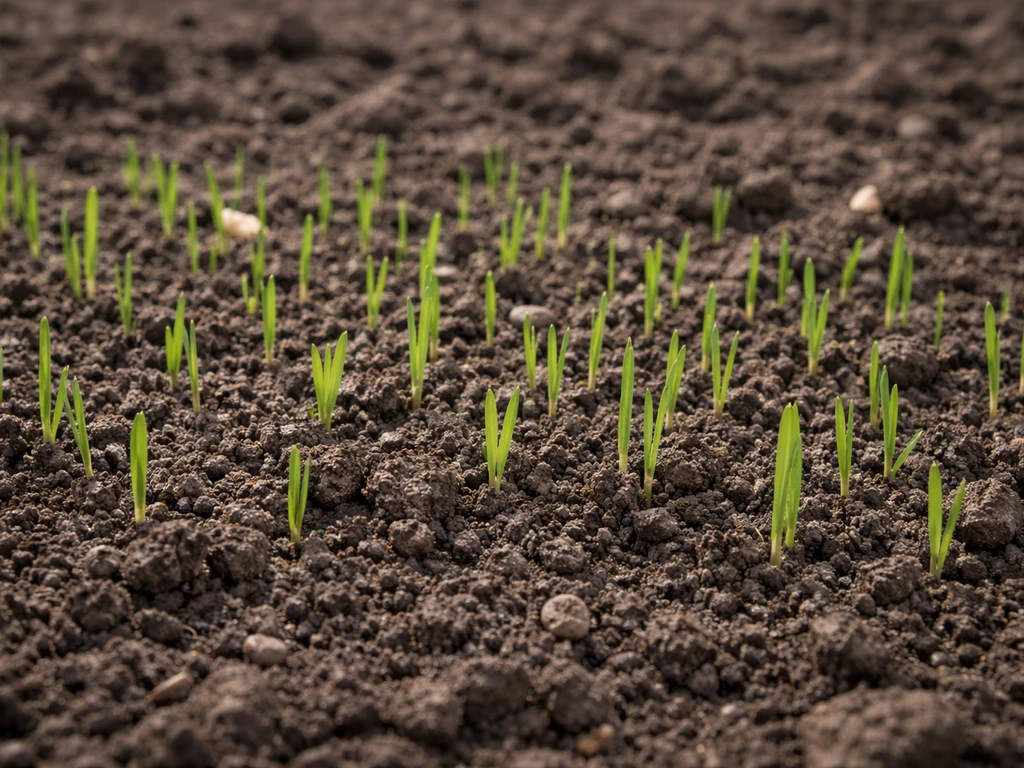
Rye Grass Germination Timeline: From Seed to First Sprout
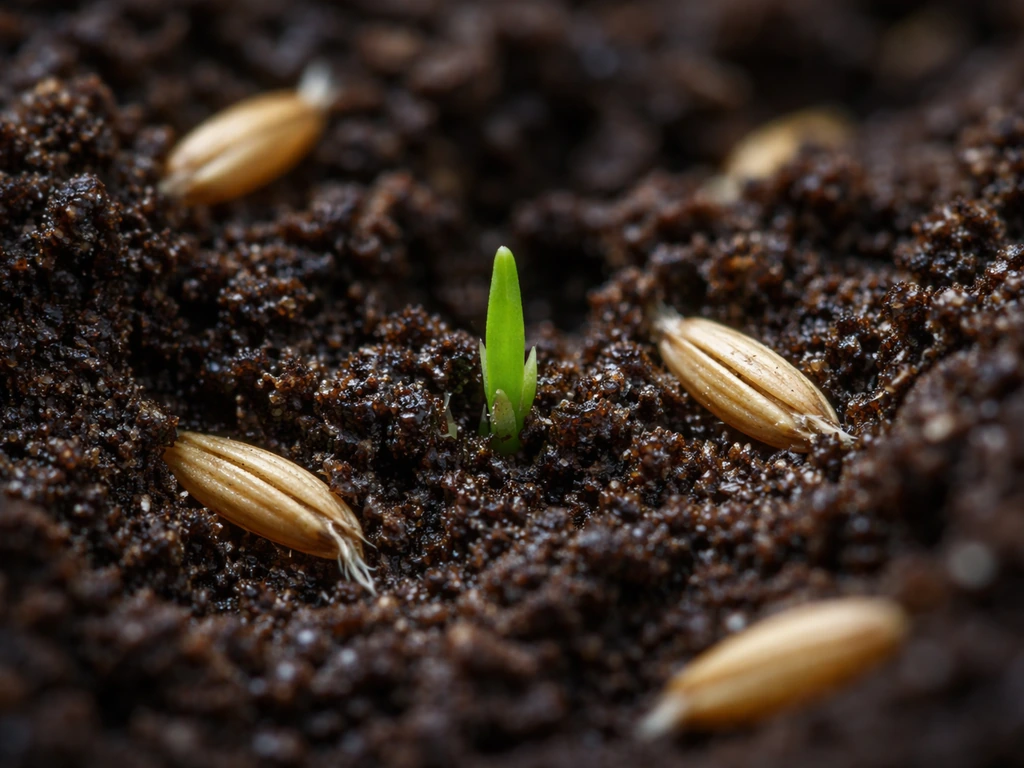
Here's what the growth timeline actually looks like from the day you sow to the day you have usable turf or cover. These figures assume reasonably good soil prep, consistent moisture, and soil temperatures in the right range.
| Milestone | Perennial Ryegrass | Annual (Italian) Ryegrass |
|---|---|---|
| First signs of germination | 5–7 days | 6–10 days |
| Visible seedling emergence | 7–14 days | 7–14 days |
| Germination mostly complete | 14–21 days | 14–21 days |
| Ready for first mow (turf) | About 3 weeks | Not typically used for mown turf |
| Solid turf coverage | 4–6 weeks | N/A (used as cover/forage) |
| Ready to graze/harvest (forage) | About 6 weeks | As little as 45 days |
Perennial ryegrass is the fastest-establishing cool-season grass you can sow. Under ideal soil temperatures of around 59 to 75°F (15 to 25°C), you can see the first tiny shoots poking through in as little as 5 days. I've personally seen it sprout at day 6 when conditions were spot on: warm soil, consistent moisture, good seed-to-soil contact. The 14-day mark is when germination is usually wrapping up, not starting. If you've hit day 14 and see nothing, that's worth investigating.
Italian ryegrass (annual) is a touch slower to emerge but still fast by grass standards. blank" rel="noopener noreferrer">Missouri Extension puts it at 6 to 10 days for germination when conditions are suitable. Under cooler temperatures, like 62°F day and 39°F night, germination rates drop slightly (around 71% at two weeks) but it still comes in reliably. At warmer spring and fall temperatures, that rate jumps to around 76 to 80%.
Getting from Seedlings to Established Coverage
Germination is only the first part. If you're also comparing with seed-to-straw outcomes, the same factors that affect rye grass germination time and establishment can help you estimate how long does seed and straw take to grow. Once you see shoots, you still need to get to a point where the grass is actually usable. For lawn turf, OSU turfgrass research shows perennial ryegrass generally has enough growth to cut around 3 weeks after planting. OSU Extension similarly notes that in typical lawn-from-seed establishment conditions, you can expect green grass in about a week and the first mowing around 3 weeks after planting blank" rel="noopener noreferrer">cut around 3 weeks after planting. In New Zealand, the timeline is similar, but the exact “how long” depends on your ryegrass type and current soil temperatures and moisture how long does grass seed take to grow in NZ. Full, dense coverage takes 4 to 6 weeks. For a new pasture, Agricom's guidance puts ready-to-graze timing at around 6 weeks after drilling, and NSW Government recommends waiting until the three-leaf stage before any grazing pressure. Annual ryegrass used as forage can be managed by the time it reaches 8 to 12 inches, which typically happens in that 45-day window.
The jump from 'some green showing' to 'established cover' is where patience matters most. The grass is setting roots during this window, not just pushing leaves. Traffic, heavy irrigation, or mowing too soon can set things back noticeably. Treat the first three weeks as hands-off time.
What Actually Changes How Fast Rye Grass Grows
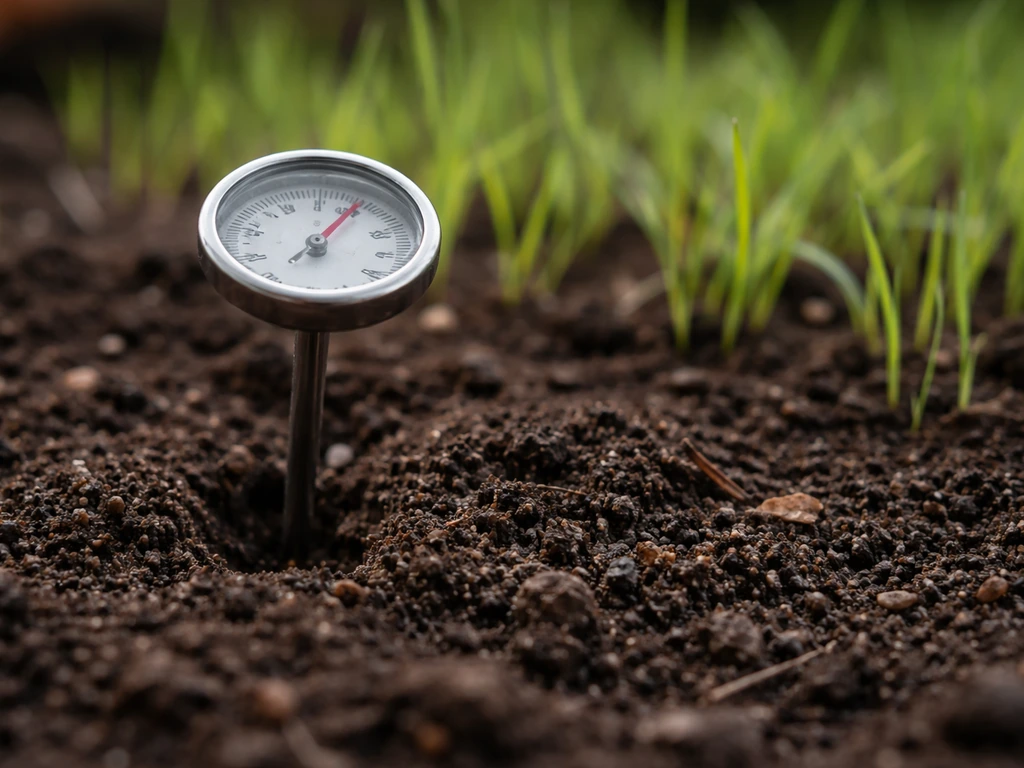
Of all the variables, soil temperature is the one that matters most. Perennial ryegrass germination peaks at around 25°C (77°F) soil temperature. The usable range is roughly 59 to 75°F. Root growth thrives between 50 and 65°F. Below about 50°F, germination slows dramatically. Above 86°F, you'll see stressed or failed germination. This is why fall and spring are the natural windows for sowing ryegrass in most climates.
- Soil temperature: The single biggest driver. Aim for 59–75°F (15–25°C) at sowing depth. Too cold and germination stalls. Too hot and seeds stress out.
- Moisture: Seeds need consistent surface moisture for the first 2 to 3 weeks. Purdue recommends irrigating 2 to 4 times per day to keep the seedbed from drying out. One dry afternoon during germination can kill emerging seedlings.
- Seed depth: Too deep is a common mistake. Ryegrass should be sown at just 1/4 to 1/2 inch deep. Deeper than that and the seedling runs out of energy before it breaks the surface.
- Seedbed quality: A firm, fine-textured seedbed gives seeds consistent soil contact. Loose, clumpy, or straw-heavy soil slows germination by creating air pockets around the seed.
- Seed viability: Old or poorly stored seed simply won't germinate well. This is the silent culprit in a lot of failed sowings.
- Light and competition: Ryegrass needs reasonable light once it emerges. Heavy weed competition or thick thatch in overseeding scenarios shades out new seedlings fast.
- Soil pH: Ryegrass is fairly tolerant (it can germinate across pH 5 to 10), but Penn State recommends 6.0 to 7.0 for best performance. Extreme pH doesn't stop germination but it does affect nutrient uptake and establishment.
Which Type of Ryegrass Are You Growing, and Does It Matter?
It matters quite a bit, actually, both for your timing expectations and your approach. The two main types you'll encounter are perennial ryegrass and annual (Italian) ryegrass, and they're used very differently.
| Type | Common Use | Germination Speed | Establishment Goal | Lifespan |
|---|---|---|---|---|
| Perennial ryegrass | Lawns, sports turf, permanent pasture | 5–10 days | Dense turf at 4–6 weeks | Perennial (multi-year) |
| Annual (Italian) ryegrass | Overseeding warm-season lawns, cover crops, forage | 6–10 days | Cover/forage at 45 days | Annual (one season) |
| Westerwolds ryegrass | Quick-cover forage, short-term pasture | 5–10 days | Grazing at 6 weeks | Annual (one season) |
For lawn use, you're almost certainly working with perennial ryegrass, either as a standalone seeding or as part of a mix. It's the gold standard for quick-establishing cool-season turf. If you're overseeding a warm-season lawn like bermuda or zoysia for winter color, annual ryegrass is the tool. It comes in fast, looks green through winter, then dies off when temperatures rise and lets your warm-season grass take back over. The germination timelines are similar, but your end goal and management approach are totally different. If you're farming or managing a pasture, annual ryegrass is often the quick-cover choice, and the ready-to-graze timeline of around 45 to 6 weeks applies there.
Sowing Conditions Checklist Before You Plant
Run through this before you sow. Most germination failures can be traced back to skipping one of these.
- Soil temperature is between 59 and 75°F (15–25°C) at sowing depth. Use a cheap soil thermometer. Air temperature isn't the same thing.
- Seedbed is firm and fine. Rake out clumps, remove debris, and press the bed so seeds make direct contact with soil particles.
- Seed depth is set to 1/4 to 1/2 inch. No deeper. For broadcast sowing, lightly rake in or roll after spreading.
- Soil pH is roughly 6.0 to 7.0. Test if you're on land that's been neglected or recently disturbed.
- Irrigation plan is ready. You need to water 2 to 4 times per day for the first 2 to 3 weeks. If you can't commit to that, set up an automatic system or wait until you can.
- Seed is fresh and viable. If it's been stored more than a year, run a quick germination test: wrap 10 seeds in a moist paper towel, seal it in a bag, and check in 10 days. If fewer than 7 sprout, your germination rate is below 70% and you'll need to oversow.
- Timing is right for your climate. Ryegrass is a cool-season grass. In most temperate regions, early fall (soil still warm from summer, air cooling down) is the sweet spot. Spring works too but gives less time before heat stress arrives.
Troubleshooting Slow Growth or No Germination
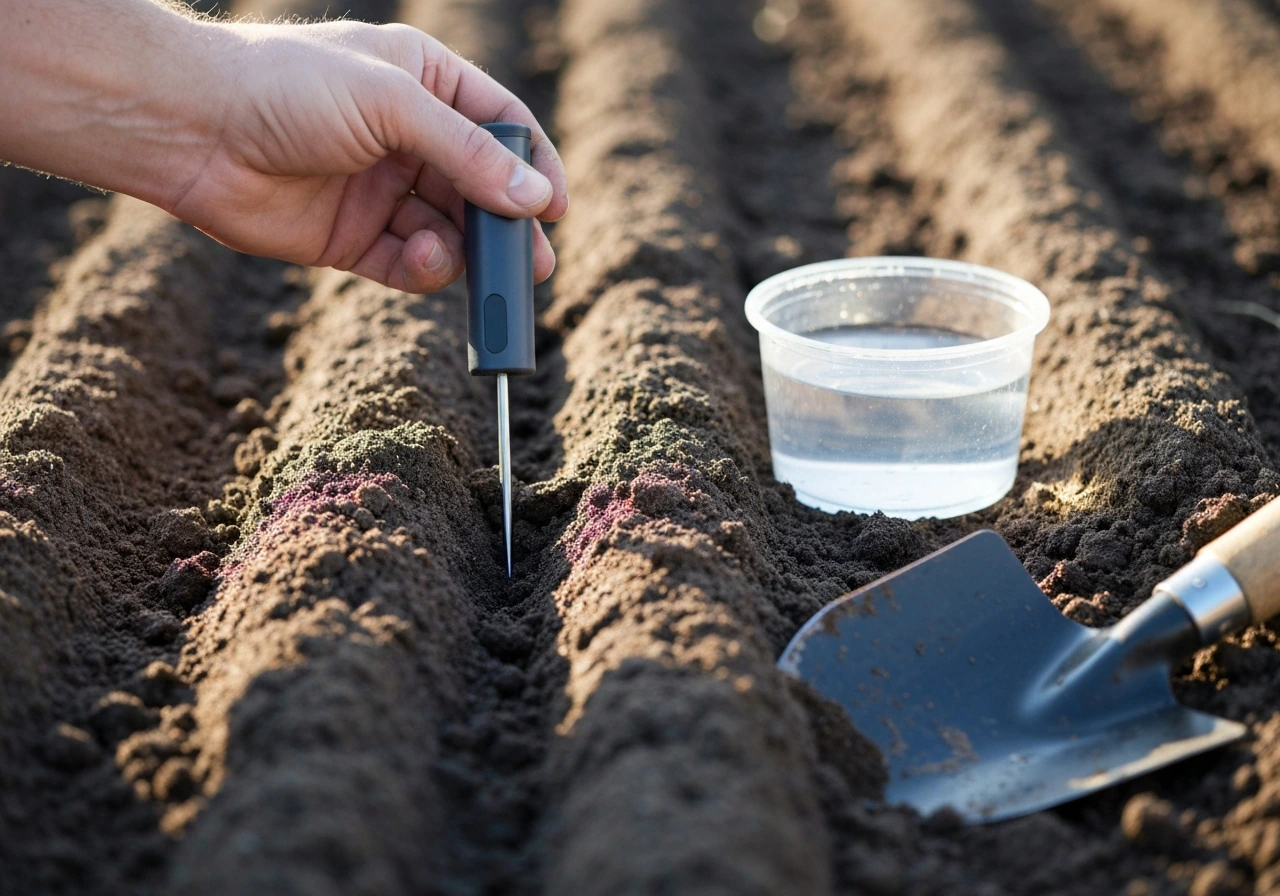
You're past day 14 and there's nothing coming up. Here's how to work through it systematically rather than just reseeding and hoping.
- Check soil temperature first. Stick a thermometer 2 inches into the ground. If it's below 50°F, germination has likely just stalled. Seeds may still be viable and will come up when things warm. Don't reseed yet.
- Check moisture at seed level. Scrape back a small patch of soil to the depth you seeded. Is it genuinely moist there, or dry an inch down? Surface dry plus dry at depth means your seeds may have desiccated. This is the most common cause of failure.
- Check seed depth. If seeds ended up deeper than 1/2 inch due to heavy raking or rolling, seedlings run out of stored energy before reaching the surface. You'll see nothing, but the seeds may have germinated and died underground.
- Look for surface crusting. A hard, compacted crust can physically block seedlings. Gentle, light raking can break this without disturbing germinating seeds.
- Assess for competition. If you overseeded into thick thatch or an existing lawn without proper scarification, seeds may have never made soil contact. Pull back some thatch and see if there are any seeds underneath.
- Test seed viability. If you have leftover seed from the same bag, do the paper towel test (10 seeds, moist towel, check in 10 days). If fewer than 7 germinate, the seed batch is the problem, not your conditions.
- Check for birds and pests. Unprotected seed on bare soil disappears fast. If you see peck marks or disrupted soil, you may have lost a lot of seed before it ever had a chance.
What to Do If Your Rye Grass Is Behind Schedule
First, figure out whether it's a 'wait' situation or a 'reseed' situation. If the problem is cold soil or intermittent moisture and it's been fewer than 21 days, wait. Ryegrass seeds can sit dormant in cold soil and still come through once temperatures rise. I've seen patches that looked completely dead at day 18 suddenly green up at day 25 after a few warm days. Patience is often the right call.
If you've confirmed poor viability, seed loss to birds, or desiccation, you need to reseed. The timing of that reseeding matters as much as the reseeding itself. A late sowing leaves young plants too little time to establish before either heat (in spring) or frost (in fall) arrives, and those young plants are far more vulnerable than established ones. If you're mid-fall and you've missed your window, it may be worth waiting for a proper spring sowing rather than rushing a second attempt into cold, short days.
When you do reseed, fix the root cause first. More seed on top of the same bad conditions will give you the same result. If moisture management was the issue, set up irrigation before you sow again. If seedbed contact was the problem, scarify or lightly till before spreading. For overseeding scenarios specifically, seed-to-soil contact is always the priority. The DLF overseeding guidelines are clear that poor contact is the number one killer of overseeded ryegrass.
A note on location: growing conditions vary quite a bit around the world. A sowing timeline that works well in the UK, where perennial ryegrass has a very long establishment window thanks to mild temperatures and consistent rainfall, looks different from sowing conditions in New Zealand, Australia, or Ireland, where soil temperatures, rainfall patterns, and seasonal timing all shift the germination window. If you’re wondering how long grass seed takes to grow in Australia, your local temperatures and moisture patterns are the main things that change the timeline New Zealand, Australia, or Ireland. Because Ireland often has mild, changeable weather, your exact timeline for grass seed to grow can shift compared with colder or drier regions grass seed to grow in Ireland. The core biology is the same, but local timing and the temperature data from your specific region should guide when you sow and when to expect results.
Once established, the grass tells you a lot. If growth is slow after germination but the stand is there, check for nutrient deficiency, waterlogging, or compaction. Ryegrass is a heavy nitrogen feeder and a modest top-dress once the stand is up and growing can make a visible difference within a week. Don't apply fertilizer before establishment though. It can burn tender seedlings and push weed competition harder than your young ryegrass can handle.
FAQ
If I see no sprouts after 10 to 14 days, should I worry right away?
Yes, ryegrass can take longer than the usual window, especially if soil stays below about 50°F (10°C) or if moisture is inconsistent. If you are seeing no green by day 21, treat it as a diagnosis step, not just “bad luck.” Recheck seed-to-soil contact, confirm your soil temperature with a probe at seeding depth, and verify the irrigation schedule is not letting the top layer dry out between waterings.
Can overwatering slow down ryegrass seed germination?
Heavy irrigation can still delay establishment. After sowing, keep the top layer consistently moist, but avoid saturating the seedbed so long that it stays waterlogged. A simple check is to press a small section of soil, it should crumble slightly, not squish into mud or stay slick for hours. Waterlogging reduces oxygen around the seed and can lead to patchy germination.
Do I need to cover ryegrass seed, or is broadcasting on top enough?
Ryegrass light requirements are usually about keeping the seed in close contact with the soil, not leaving it exposed. If you broadcast onto loose soil and do not cover or roll lightly, many seeds dry out or fail to contact the soil surface. In practical terms, after spreading, lightly rake or roll to improve contact, then water in so the top layer stays damp until sprouting.
How can I estimate how long it will take based on temperatures in my yard or field?
The single biggest factor for timing is soil temperature, and the practical target is your soil, not the air. Use a soil thermometer at seeding depth and aim for the general usable range (roughly 59 to 75°F, 15 to 25°C for good emergence). If your days are warm but nights are consistently cold, expect slower and more uneven emergence.
When is it safe to mow ryegrass after it germinates?
Yes, because “first visible green” and “usable turf” are different. You may get shoots at 5 to 10 days, but roots and density are still developing, so mowing too early can weaken the stand. As a rule of thumb for lawn turf, wait until the plants can recover quickly from cutting, commonly around the 3-week mark for perennial ryegrass, and only mow lightly at first.
Does overseeding bermuda or zoysia change how long ryegrass takes to grow?
If you overseed a warm-season lawn, your turf growth “timing” is constrained by the warm-season grass too. You typically want to seed into conditions where the ryegrass can establish before the warm-season grass crowds it, and you also want to avoid mowing too aggressively during the first few weeks. If your warm-season grass is cutting too low, it can reduce light and airflow at the seed layer and slow the ryegrass stand.
Will ryegrass grow faster or slower in pots and trays compared with in-ground seeding?
Yes. If you are germinating in containers or on disturbed soil that dries fast, the timeline can be stretched because ryegrass seeds depend on steady moisture at the surface. Containers also tend to warm and cool faster, which can cause uneven emergence. Plan for more frequent checks of surface moisture rather than relying on the same schedule you would use in-ground.
If seedlings appear but growth is slow, what are the common causes?
A good way to tell “stalled growth” from “not yet sprouted” is to look at depth and uniformity. If you see no movement at all, focus on temperature, moisture, and contact. If seedlings are present but spindly or yellow, look for nitrogen deficiency, compaction, or waterlogging, and do not apply fertilizer before the stand is established because it can burn tender seedlings and encourage weeds.
Should I reseed if ryegrass is not up by day 14?
Not always. If you are only a little behind, waiting can pay off because dormant seeds can green up when temperatures rise. If it is cold and you are under 21 days, it is often a wait situation. Reseeding is more justified once you confirm poor viability, heavy bird loss, seed desiccation, or consistently bad seedbed conditions.
What should I change before reseeding ryegrass?
If your first attempt fails, the second attempt will do better when you fix the cause first. For moisture issues, set irrigation before reseeding. For poor contact, rake or lightly till and then roll to press seed into the soil. For overseeding, prioritize seed-to-soil contact above higher seeding rates, because poor contact is one of the most common reasons ryegrass never establishes.
Next Article
How Long Does It Take to Grow Chrysanthemums from Seeds
Timeline for growing mums from seeds: sowing to germination, transplant readiness, flowering and maturity, plus key vari