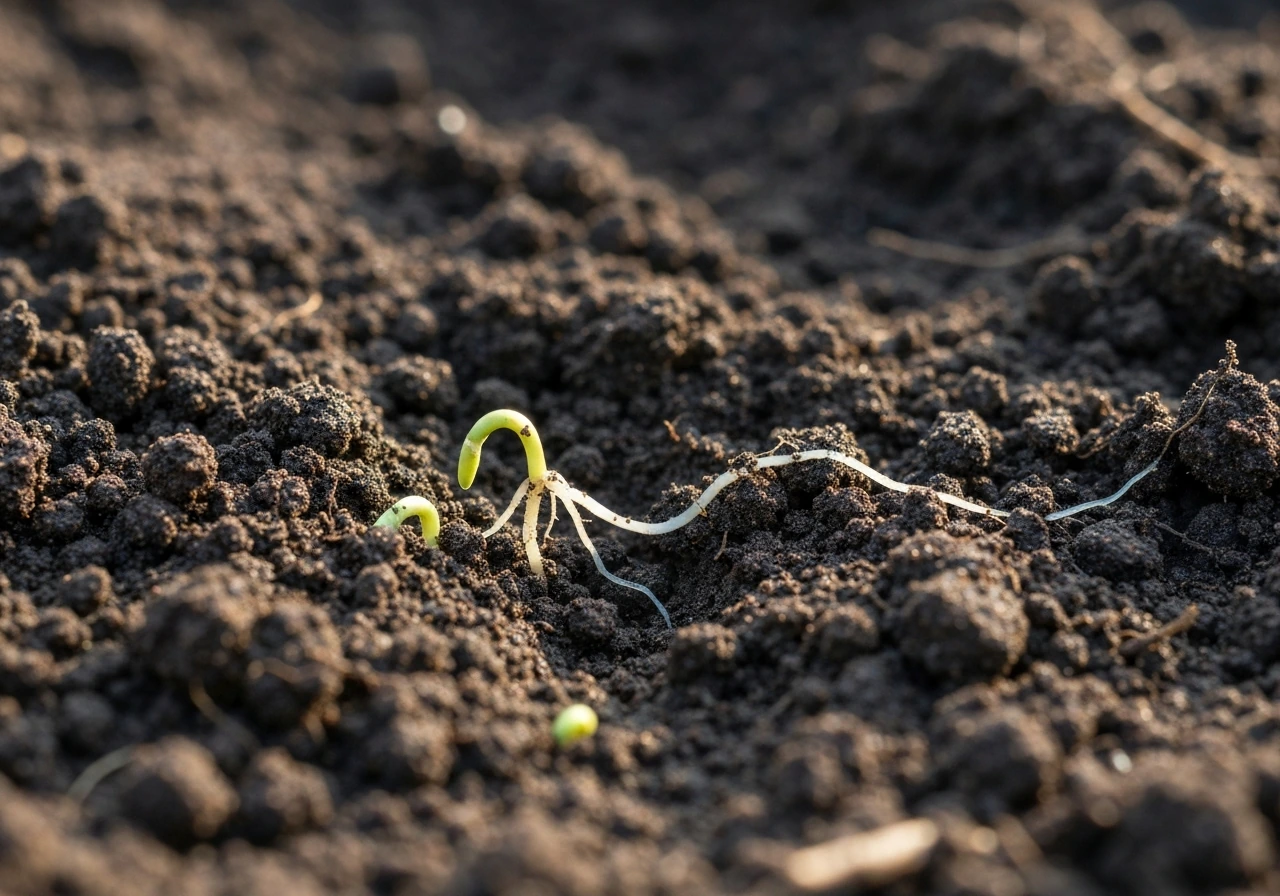
In the UK, grass seed typically takes In the UK, grass seed typically takes <a data-article-id="3DF62685-C502-4676-935D-427646B8BEF6">7 to 21 days to germinate</a>, and you can expect a visible, patchy lawn coverage within 4 to 6 weeks of sowing., and you can expect a visible, patchy lawn coverage within 4 to 6 weeks of sowing. , and you can expect a visible, patchy lawn coverage within 4 to 6 weeks of sowing how long does it take for grass seeds to grow. A properly established lawn, one that is ready for its first mow and can handle light foot traffic, usually arrives at around 6 to 8 weeks. Full maturity, where the lawn is dense, well-rooted, and able to take regular use, takes roughly 3 to 6 months depending on when you sow and how the season treats you. That is the honest range. Everything below will help you work out where in that range you are likely to land.
How Long to Grow Grass From Seed in the UK
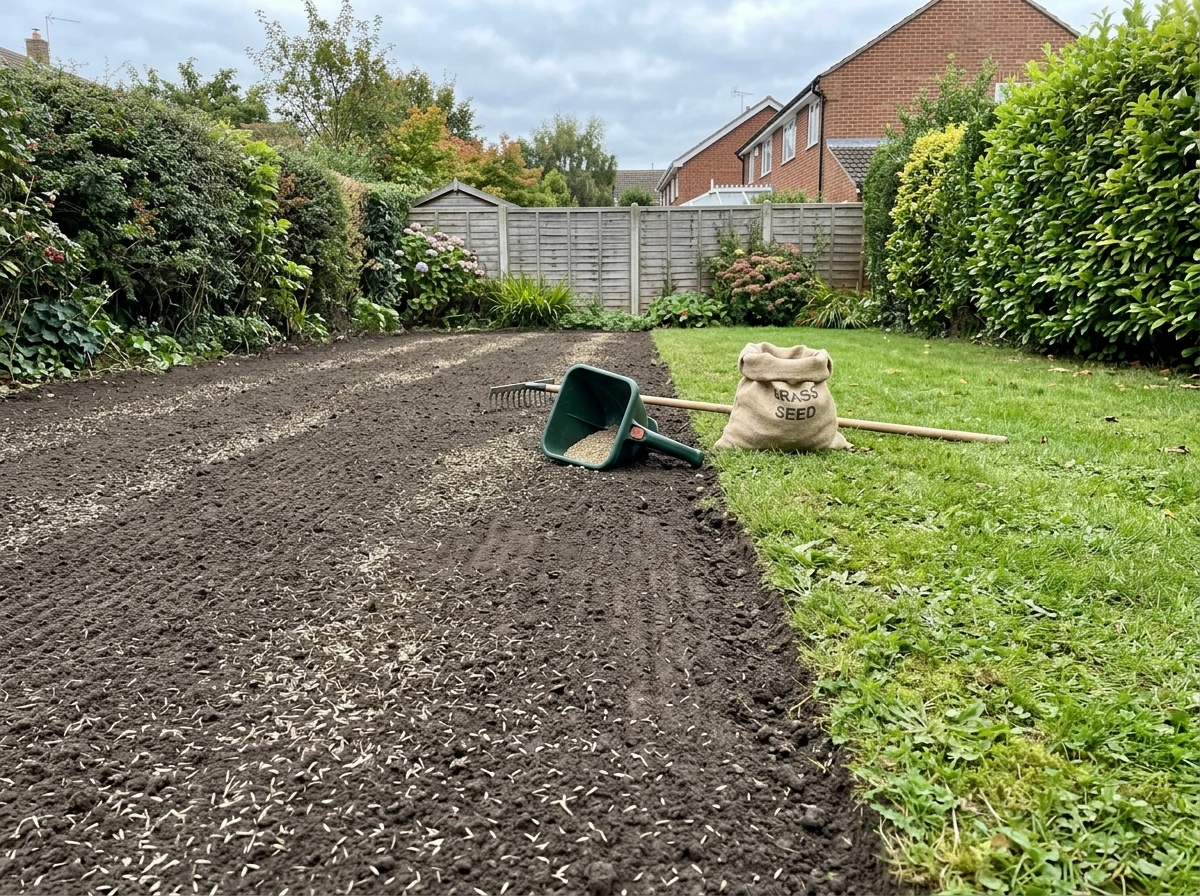
The UK grass-growing timeline from seed to established lawn
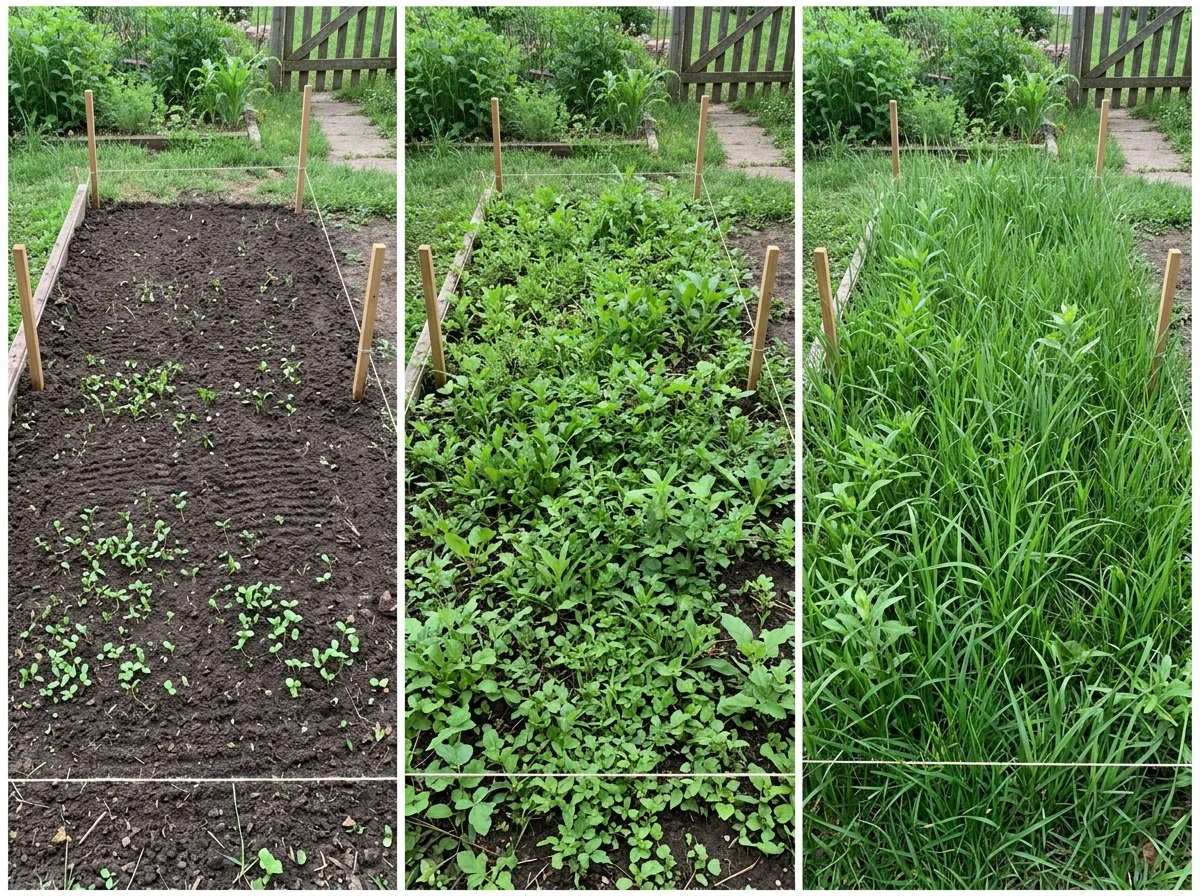
There are three stages to think about: germination (seed sprouting), establishment (visible, rooted coverage), and maturity (usable lawn). Each one has a fairly predictable window, but the UK climate means there is genuine variability baked in. Here is how the stages break down in practice.
| Stage | What it looks like | Typical UK timeframe |
|---|---|---|
| Germination | First shoots breaking the soil surface | 7–21 days after sowing |
| Early establishment | Patchy green coverage, seedlings 2–5cm tall | 3–5 weeks after sowing |
| First mow ready | Grass at 5–8cm, roots holding firm in the soil | 6–8 weeks after sowing |
| Full establishment | Dense coverage, lawn handles light regular use | 3–6 months after sowing |
If you sow in warm, moist conditions in late April or early September, you might see shoots in as little as 5 to 7 days. If you sow in a cold March with soil temperatures barely above 8°C, you could be waiting closer to three weeks for patchy emergence. how long does it take scotts grass seed to grow If you sow in warm, moist conditions in late April or early September, you might see shoots in as little as 5 to 7 days. If you sow in a cold March with soil temperatures barely above 8°C, you could be waiting closer to three weeks for patchy emergence. Neither is a failure. It is just the UK doing its thing. how long does hydroseeding take to grow
The root system is the part that most people underestimate. Grass can look like a lawn well before it actually is one. The roots generally need close to two months to become strong enough to cope with a mower passing over them and regular foot traffic. Rushing this is the single most common reason new lawns get set back.
What actually controls how fast your grass seed grows
Soil temperature is the biggest lever you have, and it is the one most gardeners do not think to check. Air temperature is what we feel, but grass seed responds to what is happening at root level. You need a sustained soil temperature of at least 8 to 10°C for germination to begin, with the sweet spot sitting around 9 to 12°C. Below about 8°C, results become unreliable and slow. Most seed packets quote air temperature (roughly above 10°C), which is a useful proxy, but a cheap soil thermometer pushed 5cm into the ground will give you a much more accurate picture.
Beyond temperature, here are the factors that genuinely move the dial on germination speed and establishment quality:
- Soil moisture: the seed needs consistent moisture to germinate. Dry spells between waterings stall the process. Equally, waterlogged soil rots seeds before they sprout.
- Seed-to-soil contact: seeds sitting on top of loose soil or buried too deep (more than about 1cm) germinate poorly. Good firm contact with the seedbed is essential.
- Grass species: perennial ryegrass is one of the fastest UK lawn grasses, often germinating in 5 to 10 days under good conditions. Fine fescues and bent grasses take longer, sometimes up to 21 days.
- Soil type and structure: sandy soils warm up faster and drain better, which can speed early germination. Heavy clay soils stay cold longer and crust over in dry weather, slowing emergence.
- Sunlight and shade: shadier spots stay cooler and damper, which means slower germination and thinner establishment overall.
- Weed competition: a poorly prepared seedbed full of weed seeds means your grass is competing from day one, which visibly slows the coverage you see.
Spring vs summer vs autumn: how the season changes your expectations
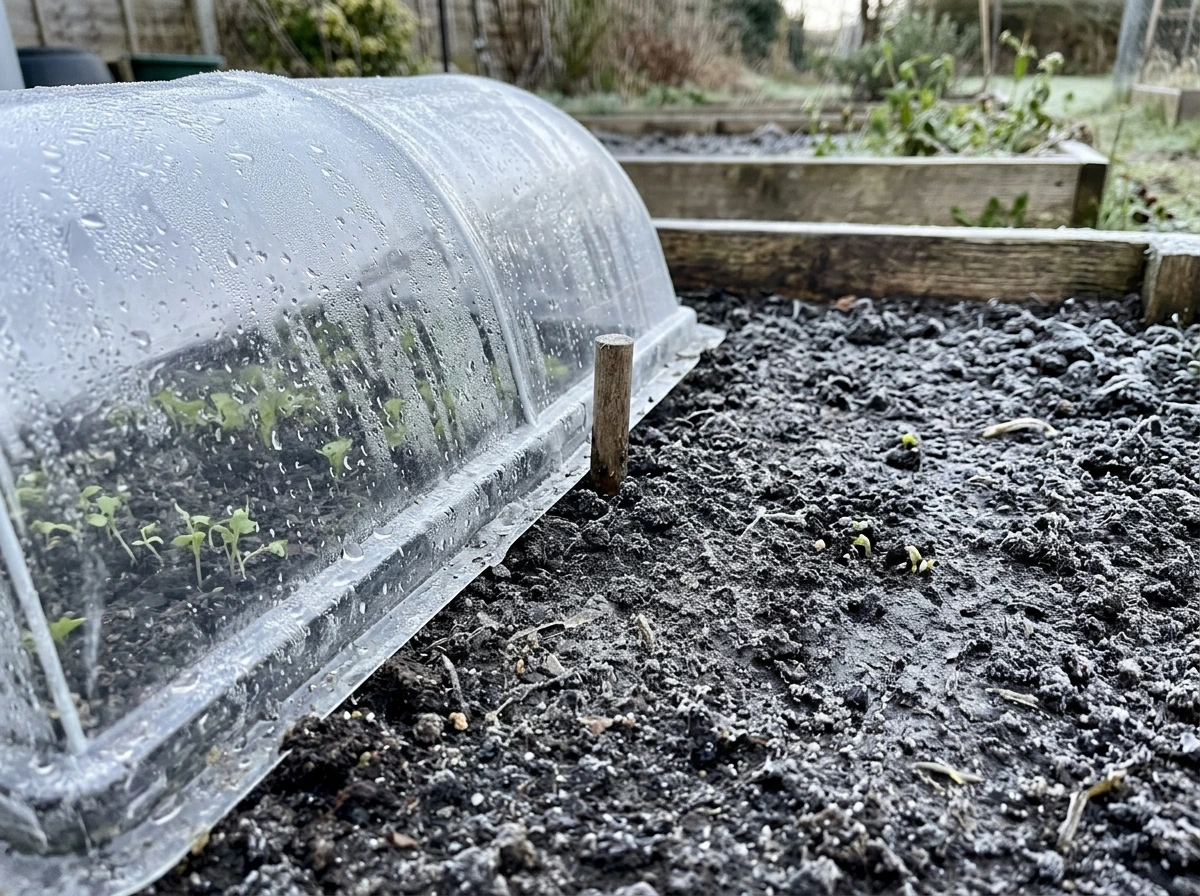
In the UK, you can realistically sow grass seed from March through to October, but those months are not equal. The season you choose has a real impact on how long you will be waiting and how strong the result is.
Spring sowing (March to May)
Spring is popular because it feels like the natural time to start gardening. Germination is generally good from April onwards once soil temperatures reliably clear 10°C. One thing worth knowing: research and the RHS both point out that spring-sown grass can be slower to root deeply because the plants are tempted to put energy into flowering rather than root development. You will still get a lawn, but it may need more attentive watering through summer dry spells to stay on track. Expect germination in 10 to 14 days for most mixes in April, and closer to 7 to 10 days by May when the ground has warmed up properly.
Summer sowing (June to August)
Soil temperatures in summer are high enough for fast germination, sometimes within 5 to 7 days for ryegrass-heavy mixes. The catch is moisture. UK summers can be dry, and a newly sown seedbed that dries out for even a couple of days can kill emerging seedlings before they are established enough to recover. Summer sowing works, but it demands consistent watering. The RHS notes that rainfall from autumn to spring is usually sufficient for lawns without irrigation, which is a hint that summer is the high-maintenance season. If you are sowing in summer, you are committing to a daily watering routine until the lawn is established.
Autumn sowing (August to October)
Autumn, particularly late August through September, is widely considered the best time to sow in the UK, and I would agree based on personal experience. Soil is still warm from summer, moisture is more reliable as temperatures drop, and weed competition is lower than in spring. Germination is typically 7 to 14 days, and the cooler, damper conditions that follow mean the seedbed rarely dries out. Grass roots develop well heading into winter. The one risk is sowing too late: if you sow past mid-October in most parts of the UK, you risk soil temperatures dropping below 8°C before the seedlings are established enough to survive the first frosts.
| Season | Soil temp at sowing | Germination speed | Main risk | Overall rating |
|---|---|---|---|---|
| Spring (Apr–May) | 10–14°C | 7–14 days | Slow rooting, late frosts in March | Good |
| Summer (Jun–Aug) | 15–20°C+ | 5–10 days | Drought stress, must water daily | High effort |
| Autumn (Aug–Sep) | 14–18°C dropping slowly | 7–14 days | Too-late sowing before frost | Best overall |
Sowing practices that cut the time to establishment
Getting the seedbed right before you sow is where most of the result is decided. It is unglamorous prep work, but it is the difference between germination in 7 days and germination in 21 days, and between a dense even lawn and a patchy struggle.
- Dig or rotovate compacted ground to around 20cm (8 inches) deep. Compacted soil prevents root penetration and holds cold water around seeds.
- Rake to a fine, crumb-like texture. Large clods leave air pockets under seeds and prevent good soil contact. The seedbed should look almost like coarse breadcrumbs.
- Level the surface carefully. Hollows pool water and cause waterlogging; high spots dry out fast. Both slow or kill germination.
- If the soil is very dry before sowing, water it the day before. Sowing into bone-dry soil means the seed has to wait for moisture to reach it from above rather than drawing it from the soil.
- Sow at the recommended rate (typically 35–50g per square metre for lawn seed, check your packet). Over-sowing causes seedling competition and disease; under-sowing gives you thin, patchy coverage.
- Sow in two passes at right angles to each other for even coverage.
- Lightly rake seed in after sowing to a depth of no more than 5 to 10mm. Seed buried deeper than about 1cm struggles to emerge.
- Firm the seedbed by lightly rolling or treading evenly across it. This improves seed-to-soil contact, which is one of the most important factors in germination speed and uniformity.
- Consider using a germination sheet or horticultural fleece over the sown area if sowing early in spring or late in autumn. It raises soil temperature by a useful few degrees and retains moisture.
Watering schedule and the mistakes that set you back
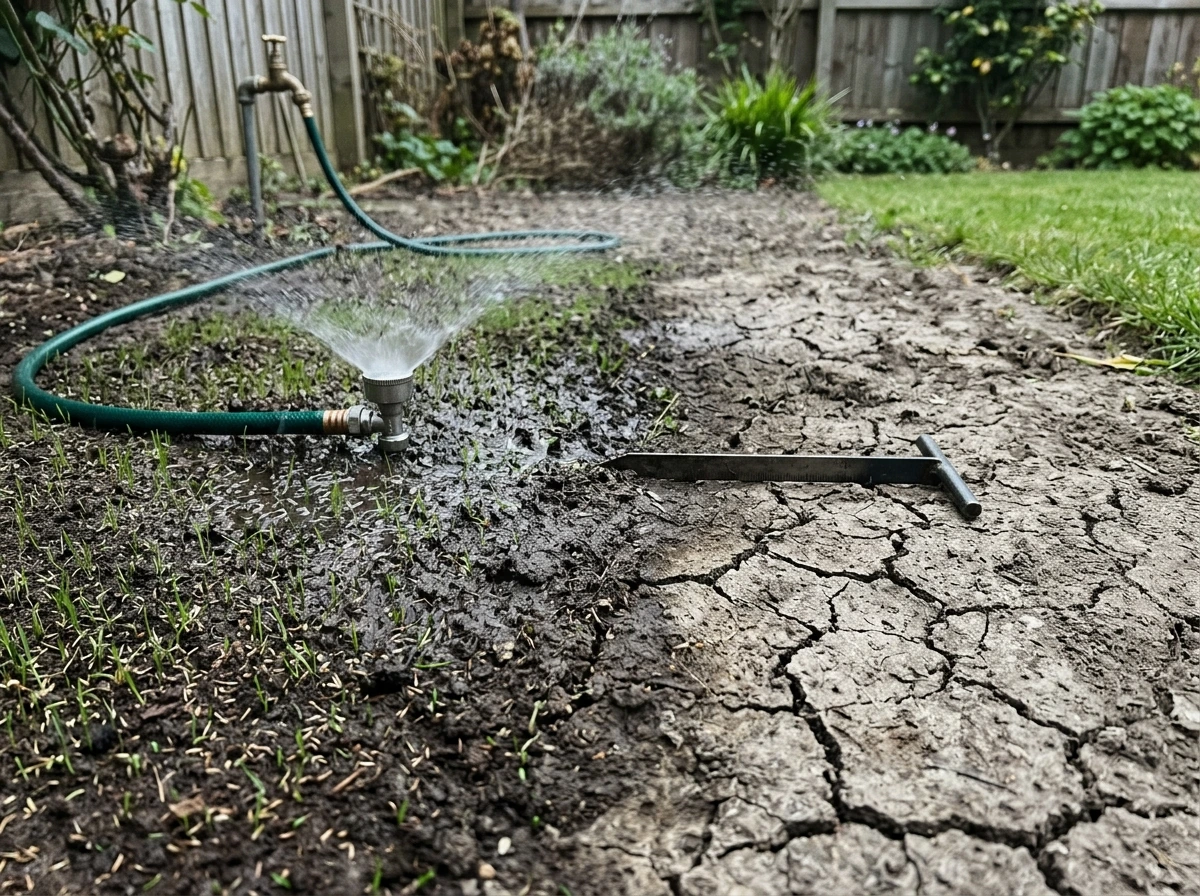
Newly sown grass seed needs the top few centimetres of soil to stay consistently moist until germination is complete and seedlings are a few centimetres tall. That does not mean wet and waterlogged. It means the soil should feel damp when you press a finger into it, never dried out and cracking, never sodden.
A practical watering schedule that works well in UK conditions looks like this:
- Weeks 1 and 2 (germination phase): water twice daily, morning and early evening, using a fine rose or mist setting. The goal is to keep the seedbed moist without washing seeds or young seedlings away.
- Weeks 3 and 4 (early establishment): water once daily, preferably in the morning. Roots are starting to reach downward and can access moisture slightly deeper in the soil.
- Weeks 5 to 8 (establishment): water every two to three days, or when the top 2cm of soil feels dry. The lawn is building resilience at this point.
- After 8 weeks: water as needed based on weather. An established UK lawn usually manages on rainfall alone from autumn through spring.
The most common watering mistakes are: watering too heavily with a strong jet (which washes seeds into patches and creates bare spots), letting the seedbed dry out completely even for one day during the germination phase (which can kill emerging seedlings that have already started to sprout), and watering at night during cooler months (which leaves the seedbed cold and damp overnight and encourages fungal issues in young grass).
On the topic of mowing: never mow wet, young grass. Wait until the blades are dry before the mower goes near them, and use the one-third rule when you do mow, never removing more than one-third of the blade height in a single cut.
Why your grass seed might not be growing and what to do about it
Slow or patchy germination is more common than a total failure, and most of the time there is a fixable reason. Before you write off the seed, work through the likely causes:
Cold soil temperatures
This is the most frequent culprit in early spring and late autumn. If your soil is still below 8°C, germination will be negligible regardless of what the air feels like. Check with a soil thermometer. If the ground is too cold, cover the area with horticultural fleece for a week and check again. Do not re-sow before the temperature issue is addressed or you will lose more seed.
Inconsistent moisture
If the seedbed has dried out at any point during the first two weeks, seeds that had started to germinate may have died before breaking the surface. You might see nothing at all, or very patchy, sparse emergence. If this has happened, water thoroughly, apply a light top-dressing of fine soil over bare patches, and either oversow or wait to see if any delayed seeds still come through.
Poor seed-to-soil contact
Seed sitting on a fluffy, uncompacted seedbed or on top of thick thatch will germinate unevenly. You will often see some patches come through and others barely at all. Lightly raking existing seedlings into the soil surface without disturbing them, then gently firming with a roller or your feet on a board, can improve contact for seeds that have not yet germinated.
Birds
Birds can clear a freshly sown patch surprisingly fast. If you notice seed disappearing or uneven bare patches with no soil disturbance, cover the area with netting or stretched string lines until germination is well underway. Once the seedlings are a couple of centimetres tall, birds generally lose interest.
Surface crusting
Clay soils can form a hard crust on the surface after rain or heavy watering, especially if the seedbed was not prepared finely enough. Emerging seedlings can fail to break through this crust. If you spot this, very gently scratch the surface with a hand rake to break it up without disturbing seeds below.
Seed washout
Heavy rain or overenthusiastic watering with a strong jet can wash seeds into low areas or off the seedbed entirely, leaving you with some very dense patches and some completely bare ones. If this has happened, top up bare areas with fresh seed and a light soil covering, then switch to a fine rose or mist setting for all future watering.
When you can mow and when the lawn is actually ready to use
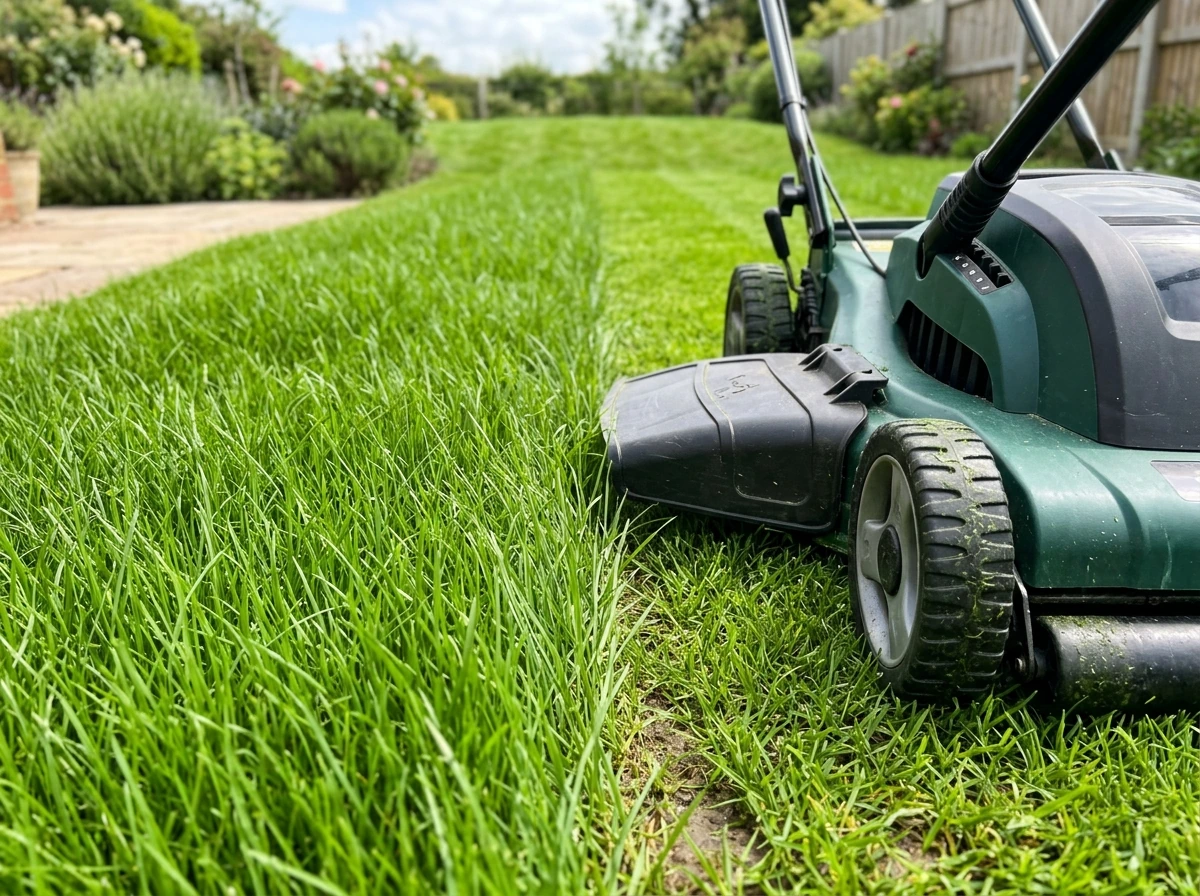
The general rule is: first mow at around 6 to 8 weeks after sowing, once the grass reaches 5 to 8cm tall. The RHS recommends waiting until new grass reaches 5cm (about 2 inches) before mowing for the first time, using the mower on its highest setting. Some experts and growers suggest waiting until 7 to 8cm to be safe, which gives roots a bit more time to anchor before the mechanical stress of mowing.
For that first cut, set your mower to its highest position and aim to bring the grass down to around 4 to 5cm. Do not scalp it. Never cut more than one-third of the blade height in a single mow. A newly established lawn cut too short at this stage can be set back by weeks.
Foot traffic is a separate question from mowing readiness. Light occasional crossing of the lawn is usually fine by 4 to 6 weeks, but the roots take close to two months to become strong enough for regular use, children playing, or any kind of sustained activity. Restricting traffic for at least 4 to 6 weeks from sowing is a reasonable and worthwhile discipline.
Here is a simple week-by-week guide to check whether you are on track:
| Week | What you should see | Action if you do not see it |
|---|---|---|
| Week 1 | No visible change yet (normal) | Check soil moisture daily. If bone dry, water gently with a fine rose. |
| Week 2 | First shoots breaking the surface in warmer/moister spots | If nothing by day 14, check soil temperature. Under 8°C? Use fleece. |
| Week 3 | Patchy green coverage, seedlings 1–3cm tall | Patchy or bare zones suggest washout, birds, or poor contact. Top-dress and oversow bare areas. |
| Week 4–5 | Coverage filling in, seedlings 3–5cm tall | Very thin coverage may mean sowing rate was too low. Oversow lightly and keep watering. |
| Week 6–7 | Grass 5–8cm, coverage looking like a lawn | Ready to mow on highest setting if 5cm+ is reached. If still patchy and thin, wait another week. |
| Week 8–12 | Denser, more uniform coverage, roots firming up | Reduce watering frequency. Begin regular mowing schedule. Restrict heavy foot traffic a little longer. |
| Month 3–6 | Full establishment, lawn handles normal use | Address any remaining bare patches with oversowing in the next suitable season. |
One last thing worth saying: a lawn grown from seed takes longer to mature than instant turf, but it roots more deeply and tends to be more resilient in the long run. The waiting is part of the process. If you are broadly on the timeline above, you are doing fine. If you are significantly behind it, the troubleshooting section above covers the most likely fixes. Grass seed is more forgiving than it sometimes feels in those first quiet weeks.
FAQ
If my grass seed is not sprouting yet, when should I worry in the UK?
No, not immediately. If you have little or no green by around 3 weeks in cooler periods, you should first check soil temperature at about 5 cm depth and confirm the seedbed stayed consistently damp. If the ground was too cold (below roughly 8°C) or dried out, delaying is usually better than re-sowing straight away, because the first batch may still come later once conditions improve.
Should I re-sow grass seed if the lawn comes up patchy or thin?
If you do re-sow, do it in patches rather than blanketing the whole area, unless the seedbed conditions failed completely (for example, repeated drying or strong washing). After re-sowing, lightly firm the soil for seed-to-soil contact and keep moisture steady until the second flush has germinated, otherwise the same failure mode repeats.
What should I do if I see seedlings but they stay thin?
Thin growth can happen even when germination occurs, and the fix depends on timing. If you are within the first 2 to 3 weeks, the priority is moisture and seed-to-soil contact. If germination looks fine but the stand is sparse after about 6 to 8 weeks, consider a light top-dressing for leveling and overseed the gaps, then keep foot traffic low while it knits in.
How often can I mow a new seed lawn in the UK?
Use the one-third rule for mowing once you reach the first cut, but also avoid mowing frequency that drags on young grass. For early growth, mow only when height exceeds your target by a noticeable margin, and keep the mower blades sharp, dull blades can tear young blades and slow establishment.
What if I’m sowing late (early October), can I still mow on the normal schedule?
The article’s timeline assumes typical UK seasonal conditions, but your actual schedule should track roots, not just height. For example, if you sow late in the season and growth is slow, you may still need to wait beyond 6 to 8 weeks for a first mow if the grass is not at least around 5 cm and well anchored. If winter arrives early, postpone mowing rather than cutting small and risking stress.
Can I top-dress over bare patches while the seed is still germinating?
Top-dressing is useful, but only in the right state. Before germination finishes, avoid thick layers that bury sprouts or stop emergence. After seedlings are established, a thin layer of fine soil can improve soil contact and reduce unevenness, but keep it light enough that existing blades are not smothered.
Is morning or evening watering better for new grass seed?
Yes, but timing and method matter. In very hot, dry spells, watering should target moisture in the top few centimetres without creating runoff. Use lighter, more frequent watering rather than one heavy session, and use a fine rose or mist, a strong jet increases seed wash and surface crusting.
How do I know my watering is actually enough for germination?
Look at the soil, not the weather forecast headline. If the seedbed is drying on the surface or cracking, you likely need extra watering even in mild weeks. A simple check is pressing a finger into the top few centimetres, if it does not feel damp, treat it as “needs water now” rather than waiting for the next scheduled session.
Should I fertilize grass seed right away in the UK?
Fertilizer is not usually the first lever during germination. If anything, very light feeding is typically considered after seedlings have rooted and you are approaching the early mowing stage, because too-strong feeding early can stress young plants and encourage weed competition. If you use fertilizer, choose lawn-specific products and follow label rates for newly sown grass.
Do I need to roll the seedbed after sowing?
Yes, but avoid overdoing it. A gentle roller or firming is helpful for seed-to-soil contact, especially on fluffy or uneven beds. The key is not to compact to the point that water cannot infiltrate. If the ground puddles after rain, your soil is too compacted, and aeration or re-prep may be needed.
How Fast Do Morning Glories Grow From Seed? Timelines
Germination and growth timelines for morning glories from seed, plus tips to speed sprouting and troubleshoot delays.