Malabar spinach takes about 10 to 21 days to germinate from seed, and you can start snipping small leaves roughly 30 to 50 days after sowing. Full vines with a serious harvest window come together around 50 to 85 days in, depending on your heat, light, and whether you gave the seeds a head start. It's a warm-season crop that genuinely loves heat, and most of the variability in that timeline comes down to temperature more than anything else.
How Long Does Malabar Spinach Take to Grow From Seed?
Marcus Henley
14 May 2026
Germination: what to expect in the first 2–3 weeks
At optimal soil temperatures of 65°F to 75°F, most sources put germination at two to three weeks. But here's the thing: if you can push soil temperature up to around 80°F, germination can happen in as little as 10 to 12 days. Below 60°F, don't expect much. Growth basically stalls, and seeds can just sit there looking stubborn until conditions warm up.
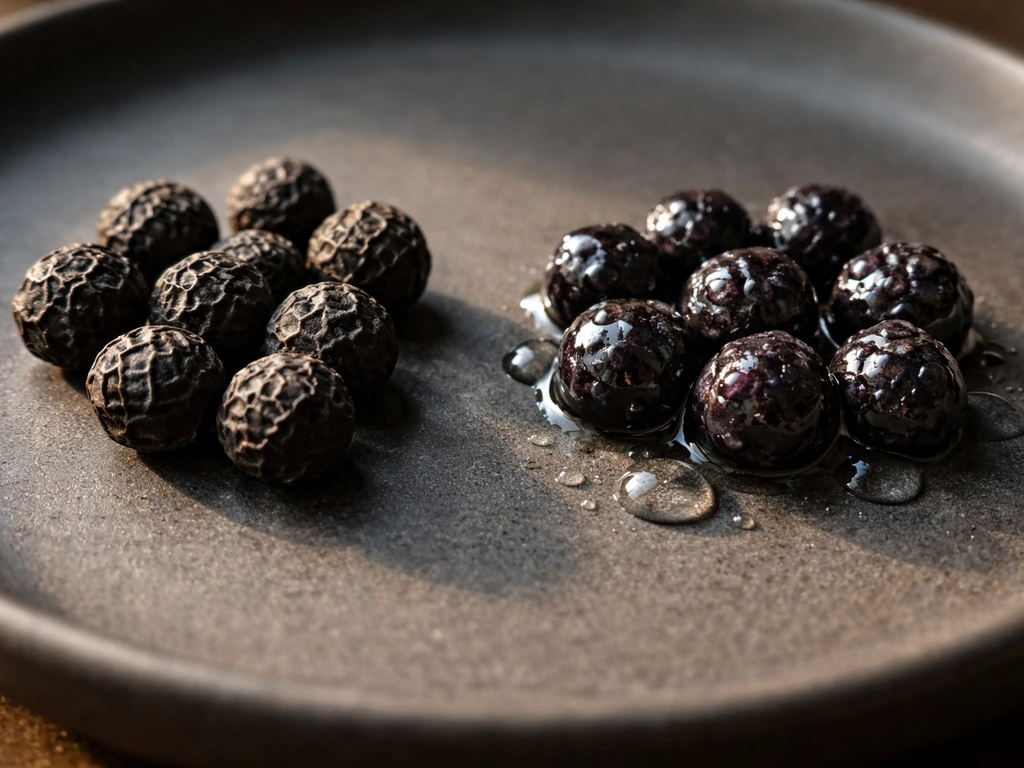
Malabar spinach seeds have a notably hard seed coat, and that's a big reason germination feels slow when you skip prep. Before sowing, either nick the seed coat lightly with a nail file (scarification) or soak the seeds overnight in lukewarm water. Either method helps water get through that tough shell faster. Doing both gives you the best results. UF/IFAS specifically calls out water soaking as highly recommended, and Wisconsin Extension backs up scarification plus overnight soaking. It's a small step that can shave several days off your wait.
Once you've sown your prepared seeds, keep the soil consistently moist for those first five days especially. AVRDC notes that the first five days after sowing or seedling emergence are very moisture-dependent, since seeds can dry out easily blank" rel="noopener noreferrer">keep the soil consistently moist for those first five days. Seeds can dry out quickly right after sowing, and that early desiccation is one of the main reasons germination fails entirely. You're not watering to flood the soil, just keeping it evenly damp like a wrung-out sponge.
Seedling growth and your first small harvest
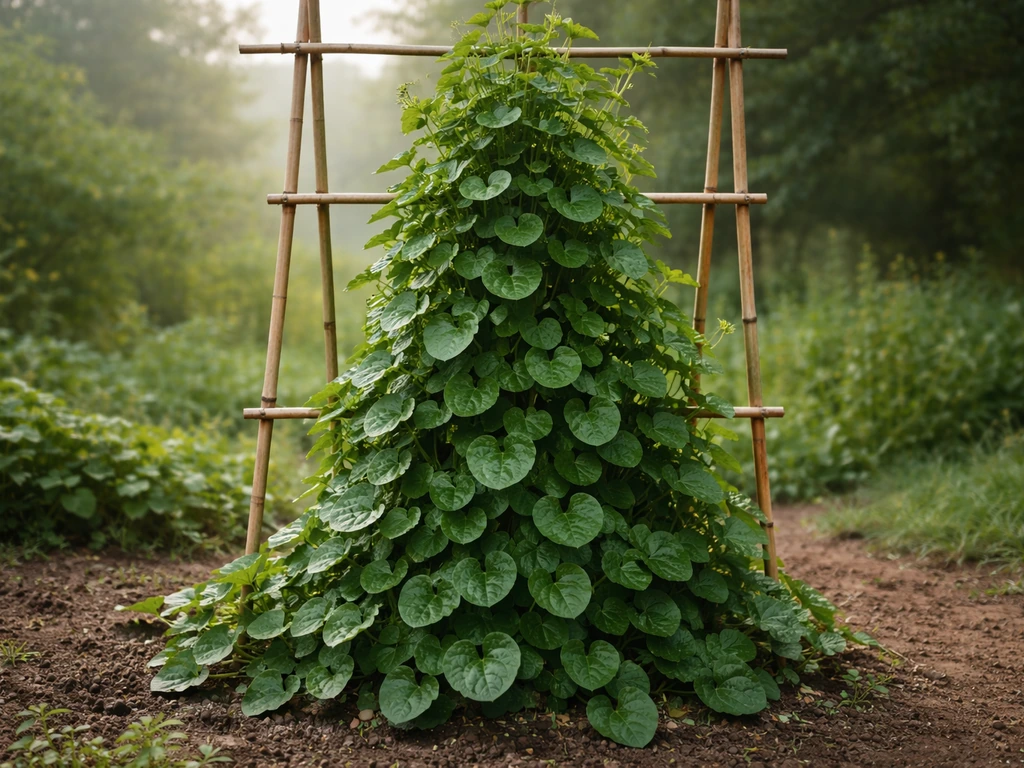
After germination, give the seedlings a little grace period. UGA Extension points out that Malabar spinach is a bit slow to get going and takes a few weeks after germination before it really starts running. That's not a problem, it's just the plant's pace. You'll see it shift into a faster gear once temperatures are consistently warm and the roots are settled in.
Your first small harvest is realistic at around 30 to 50 days after sowing, once plants reach about 20 to 30 cm (roughly 8 to 12 inches) tall. If you want to estimate how long it will take to grow violas from seed, germination and early growth are typically much slower than many leafy greens how long do violas take to grow from seed. At that point, snip the tender growing tips and young leaves.
According to AVRDC, once plants hit that height you can harvest continuously every 2 to 5 days, which is one of the genuinely nice things about Malabar spinach: it keeps producing as long as conditions stay warm. Urban Farmer Seeds puts baby-leaf harvesting even earlier, at 3 to 5 weeks, for those who want to start picking small amounts right away.
Full plant maturity and the main harvest window
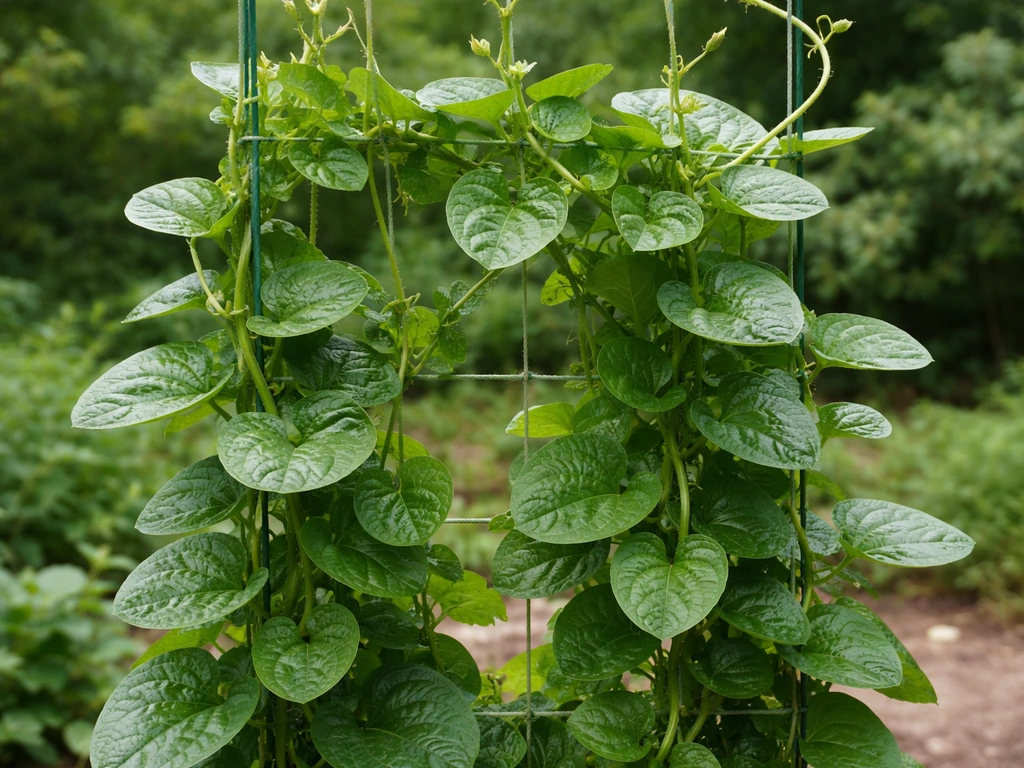
Expect the vines to reach a more robust, full-production stage somewhere between 50 and 85 days from sowing. Purdue's vegetable encyclopedia cites 40 to 50 days to a good harvest stage, while Epic Gardening puts baby greens at 50 days and full-size plants at 85 days. Gardens by the Bay says about six weeks to harvesting size. These aren't contradictions, they reflect the difference between picking a few early tips versus having a sprawling, productive vine you're harvesting several times a week.
Once the vines are established and climbing (which they will do enthusiastically given a trellis or fence), the harvest window extends as long as your warm season holds. Infonet Biovision notes that under the right conditions the productive period can stretch up to 180 days. In warm climates or a long summer, you're essentially harvesting continuously from midsummer until frost. In cooler climates with shorter seasons, plan for a smaller but still worthwhile window.
| Growth Stage | Timeline from Sowing | What to Look For |
|---|---|---|
| Germination | 10–21 days (faster at 80°F) | Sprouts emerging from soil |
| First small harvest | 30–50 days | Plant reaches 20–30 cm (8–12 in); harvest tips |
| Baby greens harvest | 50 days | Tender leaves ready for regular cutting |
| Full vine maturity | 50–85 days | Vigorous vines; harvest every 2–5 days |
| Long harvest window | Up to 180 days | Continuous production while warm season lasts |
What speeds up or slows down the timeline
Temperature is the single biggest lever. Malabar spinach is one of those plants that truly wants heat: UF/IFAS notes that growth retards when temperatures are below 80°F, and the plant essentially cannot grow when temps stay under 60°F. That puts it in a different category from most leafy greens, which actually prefer cooler weather. If you're in a mild-summer climate and wondering why your plants look stalled, cool nights are probably the culprit.
Light matters just as much as warmth. Malabar spinach needs full sun, meaning at least 6 hours of direct sunlight per day. A sheltered, sunny spot against a south-facing wall or fence is ideal. It protects from wind and maximizes heat absorption, which keeps growth moving quickly.
Soil quality and moisture consistency round out the main factors. A rich, well-draining but moisture-retentive soil with plenty of organic matter keeps the plants fed and the roots happy. Watering inconsistency, especially early on, can stress seedlings and cause uneven growth. Aim for evenly moist soil rather than cycles of drought and flood.
- Soil temperature at 65–80°F: germination in 10–21 days; below 60°F, germination stalls entirely
- Scarification plus overnight soaking: can knock several days off germination time
- Full sun (6+ hours): essential for fast vine growth and leaf production
- Warm, sheltered position: protects from wind and keeps ambient temperatures higher
- Consistent moisture: especially critical in the first 5 days after sowing
- Rich, well-draining soil with organic matter: feeds rapid vegetative growth
- Spacing: adequate room for vines to spread reduces competition and encourages faster establishment
Photoperiod also plays a role worth knowing about. Malabar spinach tends to flower under short-day conditions or dry conditions, and FAO notes flowering does not occur in daylengths longer than 13 hours. Once it flowers, leaf production slows. This means your most productive leaf harvest window aligns with the long days of summer. Plan accordingly and keep plants well-watered to delay bolting.
When to start: seasonality and planting windows
Because Malabar spinach is heat-dependent and frost-sensitive, timing your start matters. The standard advice from multiple extension sources is to transplant outdoors 2 to 3 weeks after your average last frost date, once soil temperature has reached at least 65°F. Starting seeds indoors 6 to 8 weeks before the last frost gives you a meaningful head start and is strongly recommended in most North American climates where the warm season is shorter.
If you're in USDA zones 9 to 11, you can direct sow outdoors earlier in spring or even fall and get a longer harvest window. In zones 5 to 7, starting indoors in late winter (think February or early March for a late May outdoor planting) gives you the best chance at a productive season before fall frosts arrive. Nighttime temperatures need to be consistently above 50°F before transplanting, so don't rush it. A plant set out too early in cold soil will simply sit there looking miserable.
For those planning ahead alongside other warm-season seeds: Malabar spinach has a slower, more heat-dependent germination pattern than many annuals. If you are comparing timelines, you might also want to look up how long to grow vinca from seed so you can plan starts and harvest expectations. Wisteria grown from seed is much slower, often taking several months to sprout and years to reach a flowering size.
If you're familiar with how long other seeds like vinca or verbena take to get going, Malabar spinach falls on the slower end for germination but rewards patience with an unusually long and productive harvest window. From seed, verbena typically needs about 2 to 8 weeks to germinate depending on temperature, light, and whether you use a stratification method verBena take to get going.
Fixing slow or failed germination
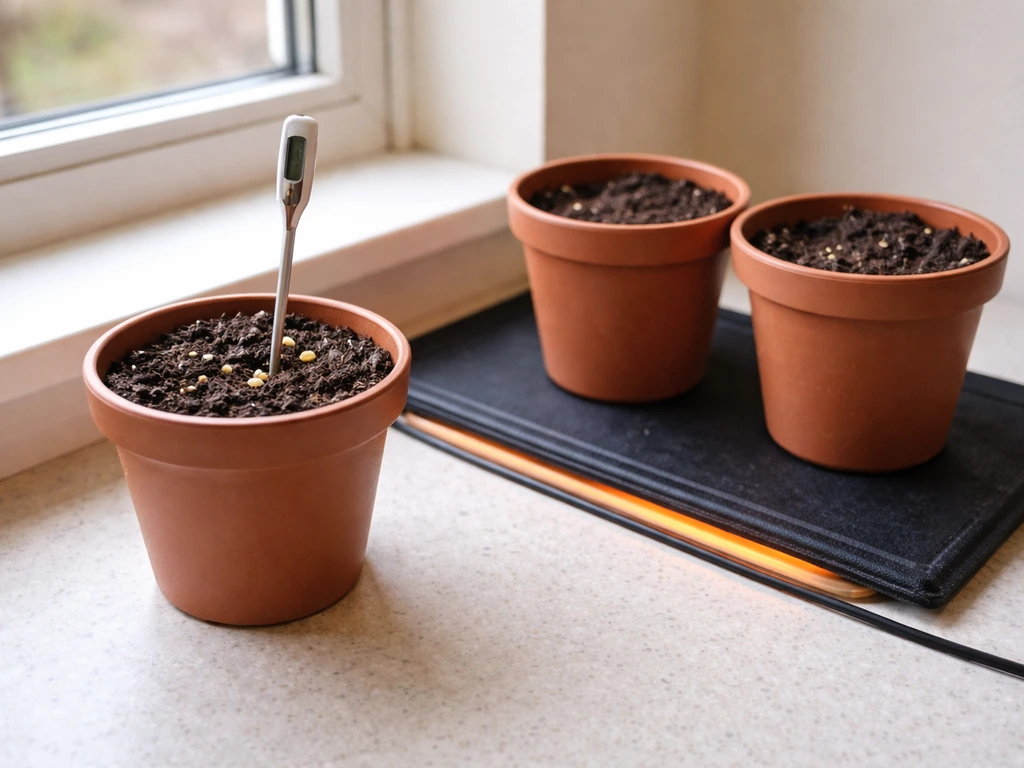
If it's been three weeks and you're seeing nothing, run through this checklist before giving up or resowing. No additional authoritative data point collected here.
- Check soil temperature with a thermometer: if it's below 65°F, germination is unlikely. Move pots to a warmer location, use a seedling heat mat, or wait for outdoor temperatures to rise before direct sowing.
- Check moisture: dig gently near a seed. If the soil is bone dry an inch down, the seeds may have dried out. Resow with more attentive watering for the first week.
- Ask whether you prepped the seeds: hard-coated seeds that weren't scarified or soaked can take 3 to 4 weeks or simply fail. For the next batch, nick the seed coat with a file or sandpaper and soak overnight before sowing.
- Check light conditions: seedlings that do emerge but grow very slowly or get leggy are not getting enough light. Move to a south-facing window or supplement with a grow light.
- Evaluate drainage: soggy soil can cause seeds and young seedlings to rot. If water pools after watering, amend with perlite or compost and ensure pots have drainage holes.
- Consider fungal issues: if seedlings emerge and then wilt or collapse, damping off (a fungal problem) may be at play. Improve airflow, reduce overhead watering, and avoid overly dense sowing.
Once germination is underway, the most common reason for slow seedling growth is temperature, not anything more complicated. If your plants look healthy but aren't doing much, just give them more heat and sun and they'll usually take off. This is genuinely one of those crops where patience through the early cool phase pays off once summer heat kicks in. Once the vines start running, they grow fast and harvest constantly, making the wait worthwhile.
FAQ
What’s the fastest way to get Malabar spinach germinate if I need it to grow quickly?
Use scarification or overnight soaking, then keep the seed-start soil consistently warm (ideally around 80°F). Also cover the tray loosely to reduce moisture loss, because even short dry spells right after sowing can add days by delaying sprout emergence.
If germination takes longer than 21 days, should I re-sow or wait?
First confirm soil temperature stays above about 60°F and remains evenly moist for the first week. If temps have been cool or soil dried out, waiting another week can be worthwhile since the hard seed coat may be reacting to warming conditions rather than failing outright.
How deep should I plant Malabar spinach seeds to avoid slow germination?
Plant shallowly, about 1/4 inch (6 mm). Too-deep sowing often delays emergence, especially with a hard-coated seed that already needs time for water to penetrate.
Do Malabar spinach seedlings need fertilizer before the first harvest?
Avoid heavy feeding early. Focus on stable warmth, full sun, and even moisture until the vines start climbing. Once you’re seeing vigorous growth, a light feeding or compost-rich soil is usually enough to support continuous leafing.
Will Malabar spinach still grow if nighttime temperatures are cool?
Cool nights are a common reason it looks stalled even when daytime is warm. Growth can slow noticeably if nights dip too low, and leaf production may lag until temperatures are consistently supportive for active growth.
Does Malabar spinach need a trellis right away, or can I wait?
Start training early once vines begin stretching. Even if you plan to harvest small leaves first, having a fence or trellis available reduces tangling and helps the plant establish the climbing structure that supports later harvest volume.
How do I keep the plant producing leaves instead of flowering?
Maximize summer conditions (heat, adequate watering, and full sun) and avoid letting plants go dry. Since flowering is more likely under short-day or dry stress, consistent moisture and avoiding drought during warm periods can extend the leaf-harvesting window.
Is there a difference between baby leaf harvest time and full vine harvest time?
Yes. Baby tips can be snipped once plants reach roughly 8 to 12 inches, often around a month after sowing. A more substantial, frequent harvest usually requires the later establishment stage, when vines are actively running and the canopy fills in.
Can Malabar spinach be started indoors earlier to stretch the season?
Yes, starting indoors 6 to 8 weeks before your last frost can help, but only transplant once soil is warm enough and nighttime temperatures stay reliably above about 50°F. Moving too early often results in slow, weak plants that catch up later.
Why are my seeds sprouting but seedlings seem to stop growing?
This usually points to inadequate warmth or inconsistent soil moisture after germination. Confirm the bed stays evenly damp, protect from cold drafts, and keep them in full sun once they have true leaves.
What seedling signs tell me it’s too cold for Malabar spinach to take off?
If seedlings look alive but remain flat, pale, or barely lengthen their stems despite watering, cold conditions are likely limiting growth. In that case, the best fix is more stable heat, not extra fertilizer or heavier watering.
How late in the season can I sow if I want a meaningful harvest?
Aim so you have time to reach at least the early snipping stage before frost, and remember production slows once flowering starts. If your season is short, prioritize early warmth (indoor start) and plan harvest around the period with stable warm temperatures.
Next Article
How Long Does Wisteria Take to Grow From Seed?
Timeline for wisteria from seed to germination, seedling care, vine maturity, and realistic first flowering expectations