Snapdragons take about 7 to 14 days to germinate from seed, then another 6 to 10 weeks to reach transplant-ready size, and finally bloom around 80 to 100 days from sowing when started indoors in spring. That full arc from seed packet to flowers in the garden runs roughly 14 to 16 weeks under typical indoor-start conditions in a temperate climate. The exact number shifts depending on your temperatures, light setup, and whether you're starting indoors or direct sowing, but that range is what you should plan around.
How Long Do Snapdragons Take to Grow From Seed
Marcus Henley
18 Apr 2026
Seed to seedling: the first two weeks
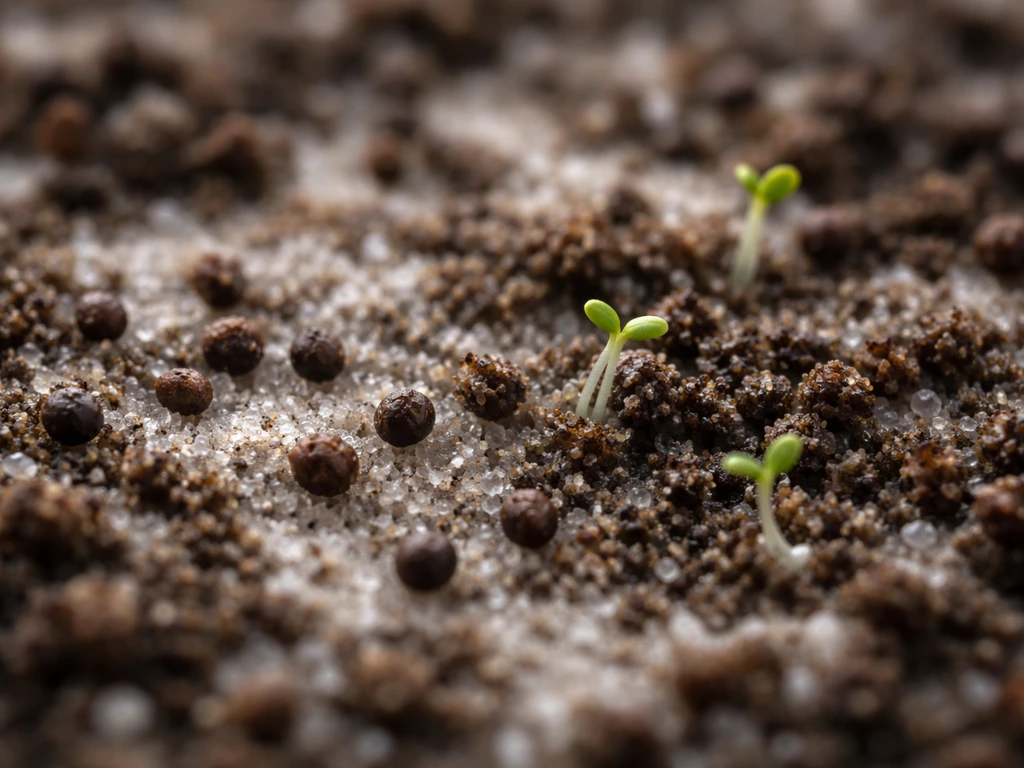
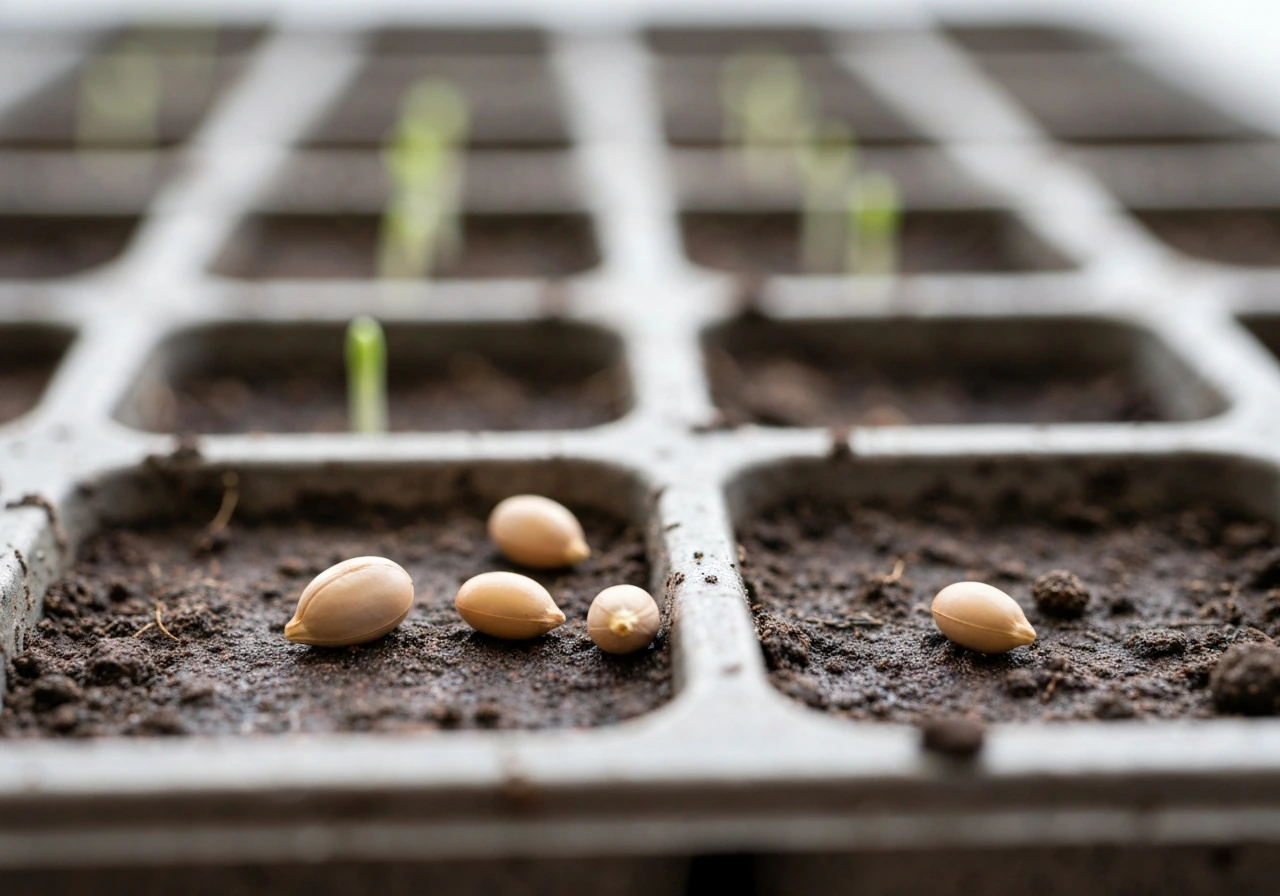
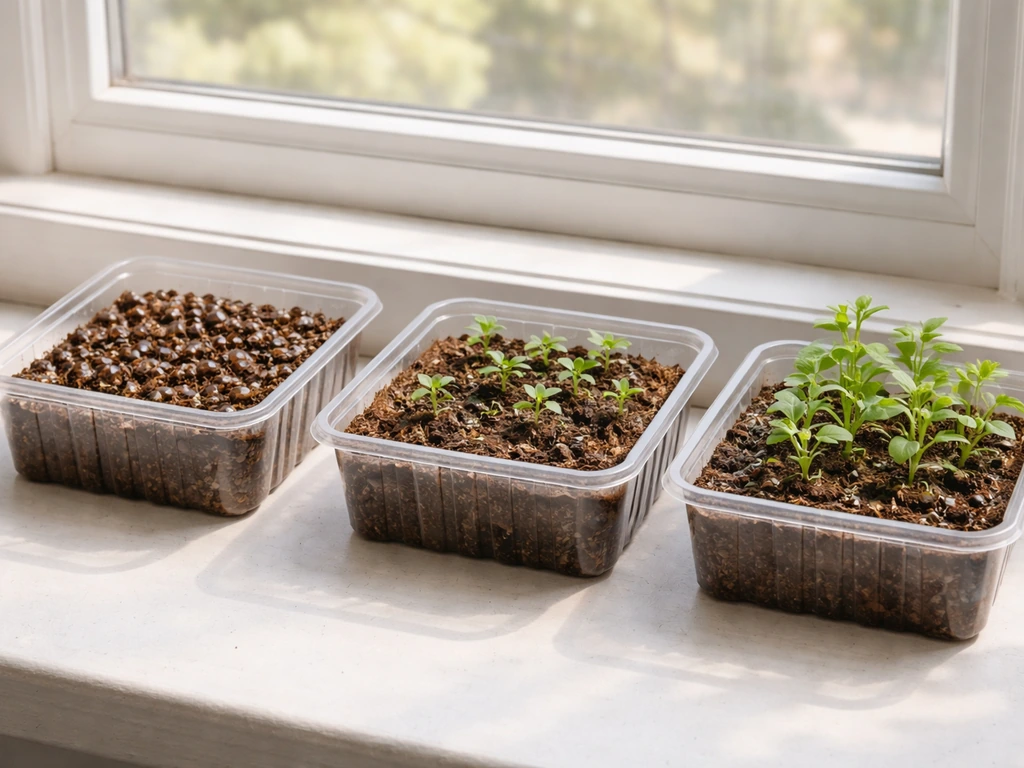
Snapdragon seeds germinate reliably in 7 to 14 days when conditions are right. The most widely cited range across university extension sources and commercial grower guides lands right in that window. MU Extension, working with Zone 5 growers in mid-Missouri, puts it at 7 to 12 days at cooler soil temperatures around 45 to 50°F. Commercial greenhouse guides using warmer media temperatures (65 to 72°F) still land at the same 7 to 14 day window, which tells you the range is consistent even when growing conditions differ.
One thing that trips people up: snapdragon seeds are tiny, and there's real debate about whether they need light to germinate. Some sources list light as a requirement, while Syngenta's production guide notes that light is not actually required for germination. What's not up for debate is that you should not bury these seeds. Surface-sow them or press them very lightly into the medium. If you cover them with more than a thin dusting of media, you'll slow germination significantly, and in some cases prevent it entirely.
Once seeds sprout, the first thing you'll see is the radicle (the root), followed quickly by a pair of tiny, oval seed leaves called cotyledons. These look nothing like the mature snapdragon leaf, which is narrow and lance-shaped. Don't panic if the seedlings look small and fragile at this stage. They are. The real growth push comes with the first true leaves, which usually appear about 2 to 3 weeks after germination.
From seedling to transplant-ready: weeks 3 through 10
This is the stage most beginners underestimate. Getting a snapdragon from a germinated seed to a plant sturdy enough to go outside takes longer than you might expect. Johnny's Selected Seeds, which has some of the most detailed production guidance available for home growers and small farms, recommends moving seedlings into cell packs or slightly larger containers once the first true leaves appear, which is roughly 3 to 4 weeks after sowing. Johnny’s Selected Seeds advises surface-sowing into 128-cell flats or similar containers 8 to 10 weeks before planting out (a transplant-oriented schedule) Snapdragon. That's an intermediate transplant step, not the final move to the garden.
Full transplant-ready size, where the plant can go into a garden bed or larger pot outdoors, takes about 6 to 7 weeks from sowing according to Norseco's commercial production guide for plug trays, and 8 to 10 weeks in Johnny's production context.
For the Snapdragon “Snaptastic” plug program, Ball Horticulture lists a plug grow time of about 6 to 7 weeks in a 288-cell tray and an example germination time of about 5 days Full transplant-ready size, where the plant can go into a garden bed or larger pot outdoors, takes about 6 to 7 weeks from sowing.
Hazzards Greenhouse puts it at 4 to 5 weeks for their greenhouse-forced plugs, once the second set of true leaves unfolds. Practically speaking, plan on 6 to 8 weeks indoors as a good working target for most home growing setups.
One step worth taking during this seedling phase: pinching. Once your snapdragon plants have formed 4 to 6 leaves and are about 3 to 4 inches tall, pinch them back to about half their height. It feels counterintuitive to cut a plant you've been carefully growing, but this encourages branching and produces more flowering side stems later. Skip this step and you often get one central spike and a less bushy plant.
When do snapdragons actually bloom?
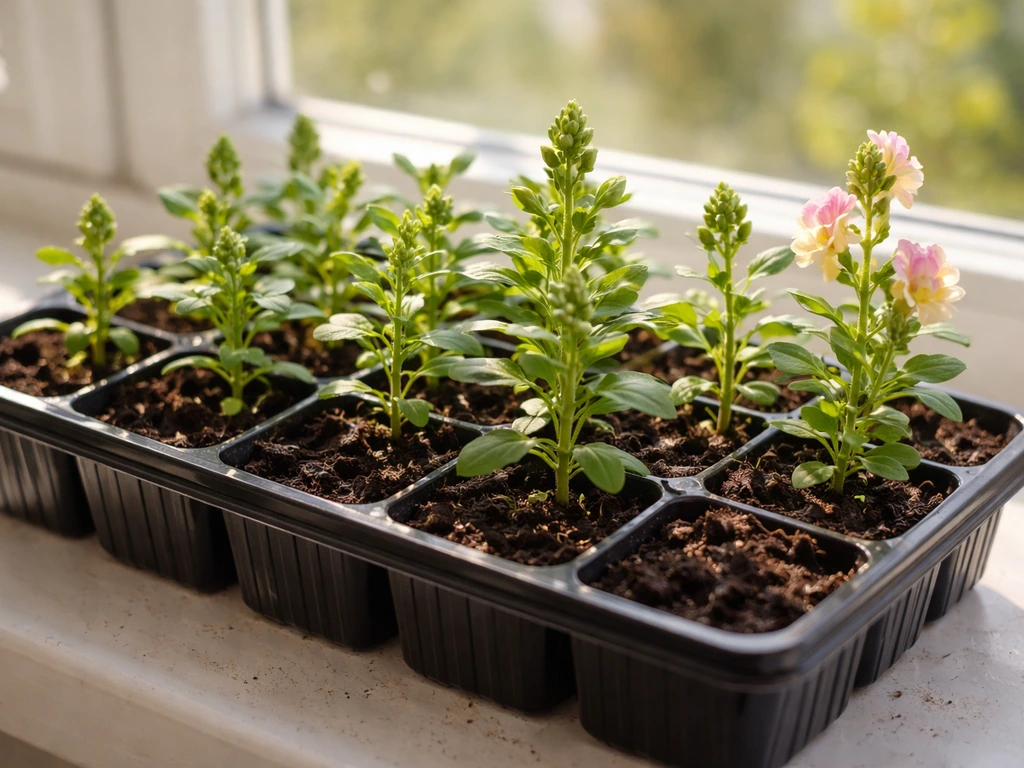
For spring-started crops, expect flowers about 80 to 100 days from sowing. Cornell's High Tunnels program, which tracks commercial cut-flower production closely, reports first harvest at 80 to 100 days for spring crops and 70 to 80 days for fall crops. The shorter window in fall happens because cooler temperatures actually favor snapdragon flowering, and the plants don't have to push through a long, hot stretch to reach bloom.
For home garden purposes, if you start seeds indoors in late February or early March (which is the typical recommendation for Zone 5 climates like mid-Missouri), you should see blooms by late May to mid-June, depending on when you transplanted and how warm your spring has been. In warmer climates like USDA zones 9 to 11, snapdragons are often planted in fall and bloom through winter and early spring, essentially running the timeline in reverse.
Snapdragons are long-day plants, meaning they respond to day length as a trigger for flowering. Longer days encourage blooming, which is why spring-planted snapdragons naturally accelerate toward flowering as summer approaches. In commercial greenhouse production, growers use supplemental lighting to manipulate this photoperiod and hit target bloom dates more precisely. For home growers, the practical takeaway is simple: more light hours equal earlier flowering, so don't keep seedlings in a dim corner and then wonder why they're slow to bloom.
What actually changes the timeline
Temperature
Temperature is the biggest lever you have over snapdragon growth speed. For germination, the sweet spot is 65 to 72°F (17 to 21°C) in the growing medium. Once seedlings are established, daytime temperatures of 60 to 70°F (16 to 21°C) with cooler nights around 50 to 55°F support strong growth without pushing plants toward leggy, weak stems. Snapdragons are a cool-season flower, and they actually prefer conditions that would feel chilly to most summer annuals. Pushing temperatures too high during seedling development speeds up the clock short-term but often results in weaker plants.
Light
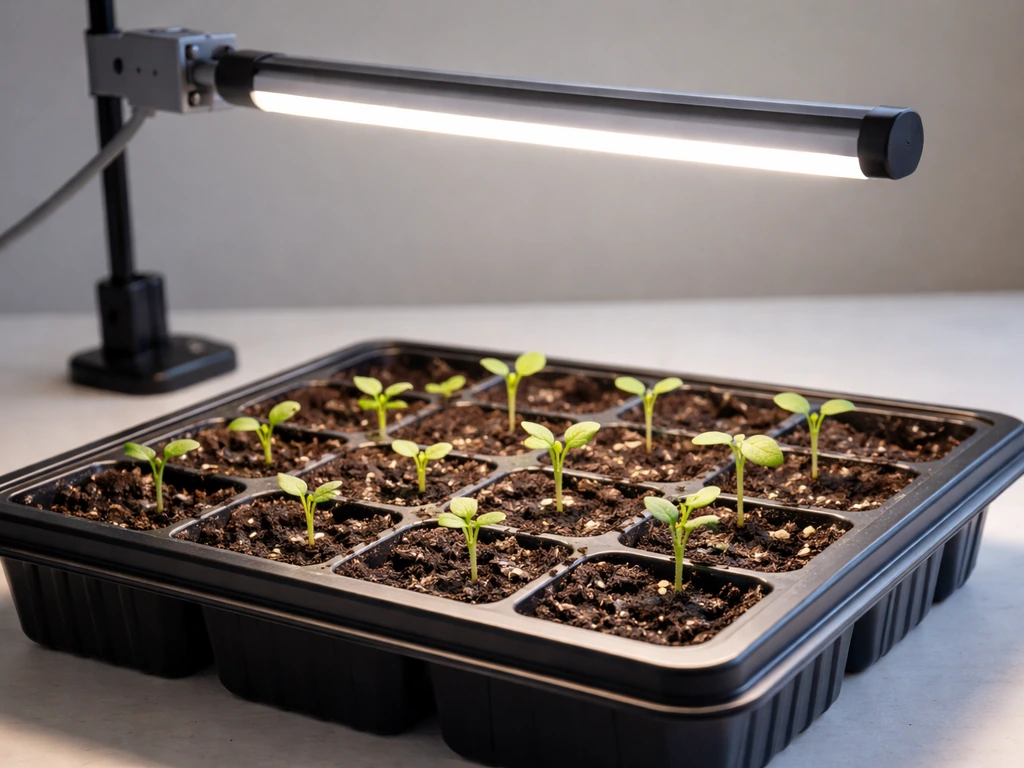
Seedlings need full, bright light as soon as they emerge. If you're starting indoors under a grow light, position the light 2 to 4 inches above the seedlings and keep it running for 14 to 16 hours per day to mimic the long days that promote strong growth. Insufficient light is one of the most common reasons indoor-started snapdragons become leggy, pale, and slow-blooming. A sunny south-facing window can work, but supplemental lighting gives you much better control.
Moisture
Consistent but not saturated moisture is the goal from day one. Bottom watering or gentle misting is strongly recommended during germination, specifically to avoid displacing tiny surface-sown seeds with the force of overhead watering. Once seedlings are up, the risk shifts from seed displacement to damping-off, a fungal disease that kills seedlings at the soil line shortly after they emerge. Using sterile seed-starting mix, avoiding oversaturation, and maintaining good air circulation reduces this risk substantially.
Cold stratification
Snapdragon seeds do not require cold stratification before planting. Unlike some perennials that need a chilling period to break dormancy, snapdragon seeds are ready to germinate as soon as conditions are warm and moist. This is one less step to worry about compared to growing something like roses from seeds, where stratification is almost always necessary.
Your sowing calendar, mapped out
The most important planning decision is working backward from your last frost date. Snapdragons can tolerate light frost once established, but seedlings are vulnerable. You want to transplant them outdoors a week or two before the last expected frost in your area, which means starting seeds indoors 10 to 14 weeks before that date to have solid, transplant-ready plants. Here's how that looks across common frost-date zones:
| Last Frost Date | Start Seeds Indoors | Transplant Outdoors | Expect First Blooms |
|---|---|---|---|
| March 15 (Zone 8–9) | Late December to early January | Early to mid-March | Mid-April to early May |
| April 15 (Zone 6–7) | Late January to early February | Early to mid-April | Late May to early June |
| May 15 (Zone 5) | Early to mid-March | Late April to early May | Mid-June to early July |
| May 30 (Zone 4) | Mid-March | Mid-May | Late June to mid-July |
For direct sowing outdoors, you can scatter seeds in early spring as soon as the soil can be worked. Direct-sown snapdragons will take longer to bloom than indoor-started transplants because they're starting from scratch in outdoor conditions. Expect flowering to arrive 2 to 4 weeks later than the indoor-start schedule above. In climates with long, mild springs (zones 7 and warmer), direct sowing works reasonably well. In short-season climates (zone 5 and colder), starting indoors almost always gives better results.
When germination fails or growth stalls
If your snapdragon seeds haven't shown any sign of life after 14 to 16 days, something is off. The most common culprits are seeds buried too deeply, growing medium that is too cold, or seeds that dried out before they could germinate. Run through this checklist before giving up:
- Seeds buried too deep: Snapdragon seeds need to be surface-sown or barely covered. If you pressed them into the medium more than 1/8 inch, start a fresh tray.
- Medium too cold: If your starting area is below 60°F, germination will be very slow or won't happen. Use a seedling heat mat and get the medium to 65 to 72°F.
- Medium dried out: If the surface of the medium dried out even once during the germination window, those seeds may have stalled. Keep moisture consistent throughout.
- Old or low-viability seed: Snapdragon seeds stored poorly or past their prime germinate poorly. Fresh seed from a reliable source makes a real difference.
- Damping-off: If seeds germinated but tiny seedlings collapsed at the soil line, that is damping-off caused by fungal pathogens. It's almost always linked to overwatering or non-sterile media. Start fresh with sterile seed-starting mix and water less aggressively.
If your seedlings are up but growing very slowly, the first things to check are light and temperature. Dim light is the number one cause of slow, leggy snapdragon seedlings. If plants look pale and stretched, get more light on them immediately. If they're simply sitting still without growing, check your growing medium temperature, not just the air temperature. Cold medium slows root development even when the air above feels comfortable.
One thing that surprises new growers: snapdragons may also pause briefly after transplanting, especially if they experience any root disturbance or temperature shock when moved outside. A few days of apparent stalling after transplant is normal. As long as the leaves aren't wilting or yellowing, give the plant a week before worrying.
What 'done growing' actually means for snapdragons
Snapdragons are technically short-lived perennials in mild climates, but most gardeners grow them as cool-season annuals that complete their cycle in one growing season. Here's what each milestone looks like:
- Germination (Days 7–14): Seeds sprout, radicle emerges, cotyledons unfold. Plants are tiny and fragile.
- Early seedling (Weeks 2–4): First true leaves appear. Plants are ready for their first upsizing into cell packs.
- Transplant-ready size (Weeks 6–10): Plants have multiple true leaf sets, are 3 to 5 inches tall, and have an established root system. This is when they go outside or into larger containers.
- First blooms (Days 80–100 from sowing): Flower spikes appear. Spring crops typically hit this around 80 to 100 days; fall crops are faster at 70 to 80 days.
- Full maturity and peak flowering: Plants reach full height (anywhere from 6 inches for dwarf types to 36 inches for tall cut-flower varieties) and bloom in flushes through the cool part of the growing season.
- End of lifecycle: In zones 8 and warmer, snapdragons may overwinter and return the following season. In colder zones, they typically die back after hard frost. Either way, treat them as annuals for planning purposes.
If you're growing snapdragons alongside other flowering annuals, it's worth knowing how their timelines compare. Salvias grown from seed follow a similar cool-season arc, while something like gazania prefers heat and tends to bloom faster once the weather warms up. Knowing these differences helps you sequence your sowing calendar so everything isn't hitting peak bloom at the same time, or missing it entirely.
Snapdragons vs. similar cool-season flowers: a quick comparison
If you're deciding which flowers to prioritize for your spring sowing schedule, here's how snapdragons stack up against a few other popular options you might be considering:
| Flower | Days to Germination | Weeks to Transplant-Ready | Days to First Bloom | Cold Stratification Needed? |
|---|---|---|---|---|
| Snapdragon | 7–14 days | 6–10 weeks | 80–100 days | No |
| Salvia | 7–21 days | 6–8 weeks | 90–120 days | No |
| Gazania | 7–14 days | 4–6 weeks | 60–80 days | No |
| Lantana | 10–20 days | 8–10 weeks | 90–120 days | Sometimes |
| Rose (from seed) | 4–16 weeks | 12–16 weeks | 12–18+ months | Yes |
Snapdragons sit in the middle of the pack: not as fast as gazania, but much faster and simpler than trying to grow lantana from seed, which can be finicky about germination temperatures. If you're interested in longer-timeline projects, growing something like amaryllis from seed or a desert rose from seed is a years-long commitment compared to snapdragons' few-month turnaround.
The short version if you want to start today
If today is mid-April and you're in Zone 5 or 6, you're right at the edge of your indoor-start window. You could still start seeds now and have transplant-ready plants by late May, with blooms by mid to late July. That's a later season than ideal, but snapdragons will perform well in the cooler temperatures of late summer and fall. In zones 7 and warmer, mid-April indoor starts are actually right on schedule.
Surface-sow your seeds in sterile seed-starting mix, keep the medium at 65 to 72°F, mist gently, provide bright light, and expect to see sprouts within 10 to 14 days. From there, it's a patient 6 to 8 more weeks before they're ready to head outside, and then another 6 to 8 weeks to your first blooms. Desert rose typically takes a different timeline from seed, but you can plan your sowing schedule using similar “seed to sprout to flowering” milestones how long to grow desert rose from seed.
FAQ
If my snapdragon seeds germinate quickly, why aren’t they blooming soon?
Even if seedlings emerge within 7 to 14 days, the calendar for flowers usually includes a later step: you still need about 6 to 8 weeks to reach transplant size and then roughly 80 to 100 days from sowing to bloom for spring starts. If you only look at germination time, you will underestimate the total wait by several weeks.
Can I still get snapdragon flowers if I start seeds late?
Yes. If you choose a later sowing date, you can still reach blooms, but expect the flowering window to shift later. In edge timing situations, such as starting in mid-April in cooler zones, you may end up blooming in late summer to fall, even if germination and early growth go perfectly.
My seeds still haven’t germinated, what should I check first?
Because snapdragon seeds are tiny, “late” germination often means the seed is buried too deep or the surface dried out between waterings. A practical fix is to keep the medium evenly moist (bottom watering helps), press seeds only lightly into the mix, and ensure the growing medium stays warm enough (around 65 to 72°F for fastest start).
How do I time my transplant so I don’t miss the bloom window?
Plan on timing for transplant rather than guessing from seed packet language. As a rule of thumb for most home setups, transplant-ready plants come about 6 to 8 weeks after sowing indoors, then allow for a brief pause after moving outdoors before growth resumes.
My seedlings are leggy and pale, will that affect how long it takes to bloom?
If seedlings look tall and pale, the most common cause is insufficient light, not “slow growth genes” or bad seed quality. Adjust immediately by bringing a grow light closer (roughly 2 to 4 inches) and keeping it on about 14 to 16 hours per day until leaves are thicker and growth firms up.
What temperature mistakes make snapdragons grow too fast but bloom worse?
Forcing faster growth by running seedlings too warm can backfire. Higher temperatures often speed early development but produce weaker, floppier plants that struggle after transplant. Staying closer to cool-season targets (day about 60 to 70°F, nights near 50 to 55°F) typically yields sturdier plants and more reliable flowering.
How much longer do snapdragons take to bloom if I direct sow?
When direct sowing, expect delays because plants start outdoors later in the season and have to build their roots and foliage under variable spring conditions. A practical estimate is that direct-sown snapdragons may bloom about 2 to 4 weeks later than indoor-start transplants.
After I transplanted, my snapdragons stopped growing. Is that normal?
Yes, stalling after transplant can happen if roots are disturbed or if plants face a sudden temperature or light change. Let them settle for about a week, then reassess watering and light. If leaves wilt, yellow, or keep declining, that is a sign the issue is stress, not just normal adjustment.
Does pinching change how long snapdragons take to reach bloom?
If you skip pinching, flowering can still occur on schedule, but you typically get fewer side stems and a less bushy habit, which can make blooms look delayed or less abundant. Pinching is mainly a branching and bloom distribution tool, not a way to dramatically shorten the overall timeline.
How can I plan so snapdragons bloom on a specific date?
If your goal is a specific garden bloom date, work backward from your transplant date. Seedlings should be moved outdoors roughly 10 to 14 weeks after sowing for many frost-date schedules, then you can expect flowers around the 80 to 100 day-from-sowing mark for spring starts (assuming typical temperatures and full light).
Next Article
How Long Does It Take to Grow Roses From Seeds?
Timelines for growing roses from seed: germination, seedling establishment, and first blooms, plus climbing rose differe