Growing roses from seed is not a fast project. From sowing to your first bloom, you are realistically looking at anywhere from 12 to 24 months, sometimes longer depending on the variety and how much dormancy work the seeds need. Germination alone can take 6 to 16 weeks if you handle stratification properly, or well over a year if you skip it or plant a variety with deep dormancy. The full picture from seed to blooming plant is closer to 18 months as a practical average for most garden roses grown at home. That is the honest answer up front, and the rest of this guide walks you through every stage so you know exactly what to expect.
How Long Does It Take to Grow Roses From Seeds?
Marcus Henley
7 Apr 2026
Typical rose seed germination timeline
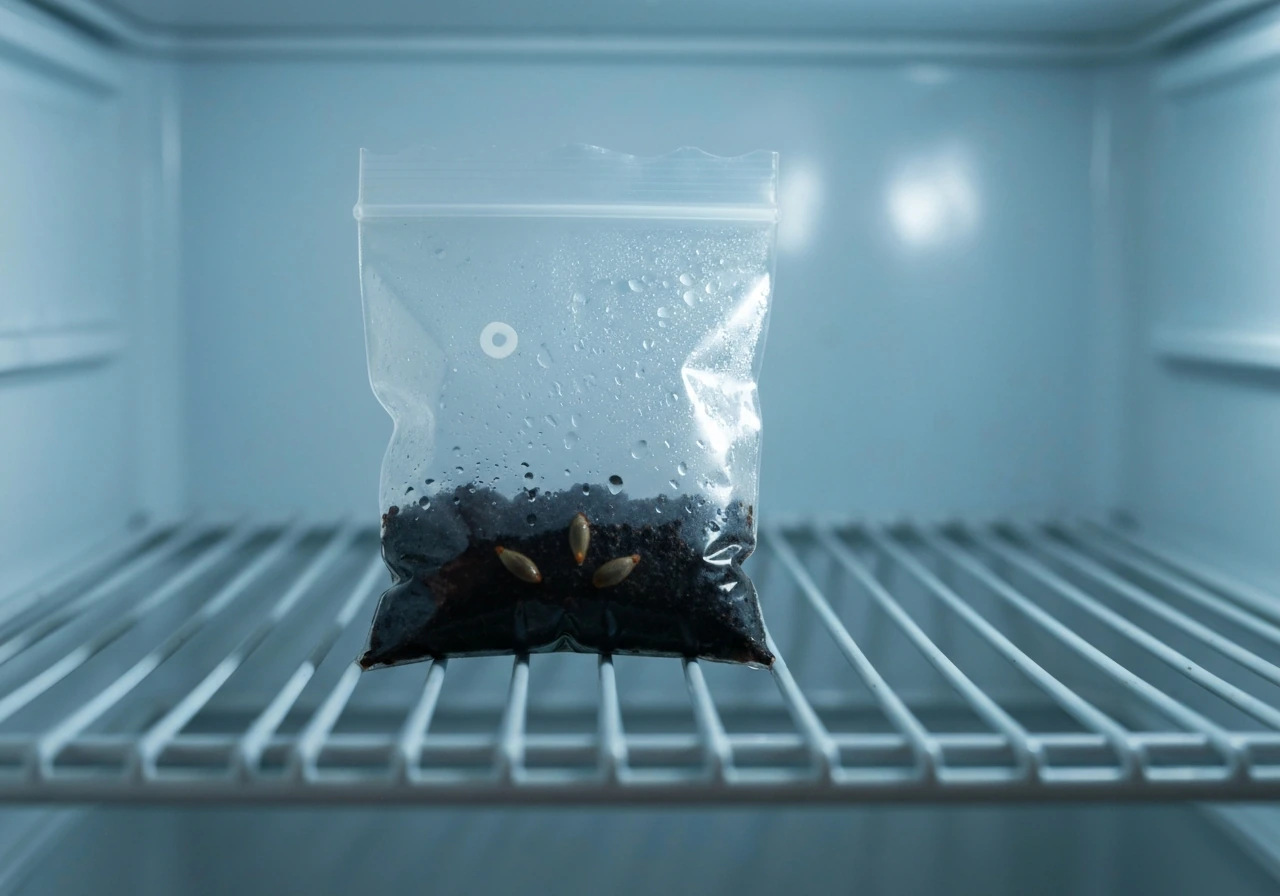
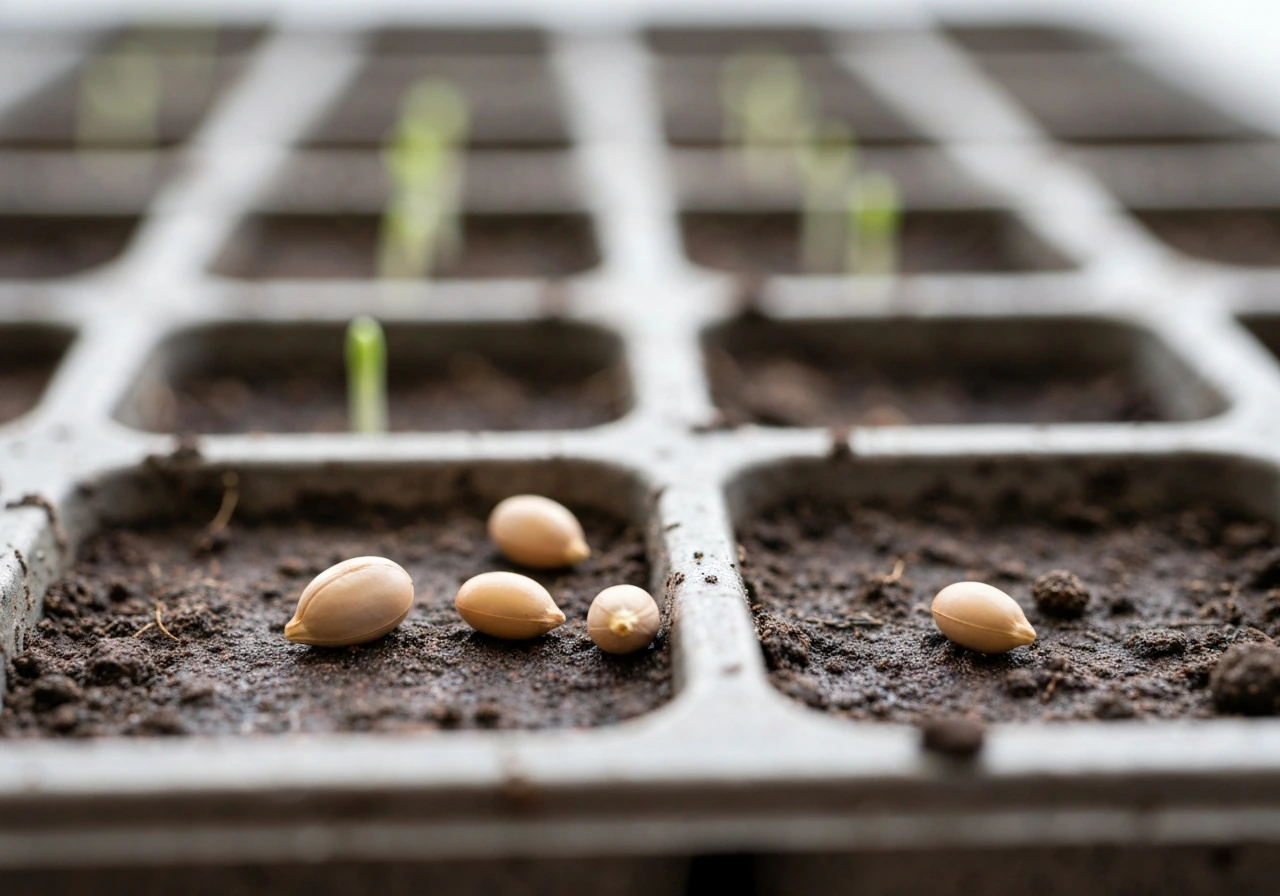
Rose seeds do not behave like tomato or basil seeds. Most have a physiological dormancy mechanism that prevents them from sprouting until they have gone through a cold period. American Rose Society notes that rose seeds commonly require cold, moist stratification, which mimics winter conditions, before they can sprout physiological dormancy mechanism. Without that cold treatment, the seeds may sit in your soil for months or even over a year before anything happens. With proper cold stratification, germination usually begins somewhere between 6 and 16 weeks after sowing, depending on the species and conditions.
The stratification requirement is the biggest factor. Research has tested cold stratification periods ranging from 8 to 15 weeks at temperatures around 2.8 to 5 degrees Celsius (roughly 37 to 41 degrees Fahrenheit). A cold period of about 10 to 12 weeks at just above freezing tends to produce the best germination rates for most rose types. Some species like Rosa multiflora have been noted to need an even longer cold treatment, around 4 to 5 months at 40 degrees Fahrenheit. A University of Idaho extension handout also advises stratifying rose seeds for about 2 to 3 months at 40°F (4°C). A two-phase protocol used in nursery propagation calls for 50 to 60 days of warm, moist stratification at about 20 degrees Celsius first, followed by 90 days of cold, moist stratification at 1 to 3 degrees Celsius before sowing. That is a significant time commitment before the seed even hits a pot.
If you skip stratification entirely and just sow seeds into soil, the Missouri Botanical Garden recommends at minimum 2 months of cold storage in moist peat or potting soil in the refrigerator before planting. Skip even that, and you are gambling. Some seeds do eventually germinate on their own given enough time, but many sources note that without stratification, rose seeds can take one to two years to germinate on their own, and germination rates tend to be disappointingly low.
| Stratification Approach | Cold Period Duration | Expected Germination After Sowing |
|---|---|---|
| No stratification | None | 12 to 24+ months (unpredictable) |
| Basic cold stratification (refrigerator) | 8 to 10 weeks at ~4°C | 6 to 12 weeks after sowing |
| Optimal cold stratification | 10 to 12 weeks at 2.8 to 5°C | 4 to 10 weeks after sowing |
| Warm + cold two-phase stratification | ~8 weeks warm, then ~12 weeks cold | 4 to 8 weeks after sowing |
| Species with long dormancy (e.g., Rosa multiflora) | 4 to 5 months cold | 8 to 16 weeks after sowing |
From seedlings to established plants
Once a rose seedling pokes through the soil, things move a little faster, but do not rush to transplant. After emergence, the seedling needs to develop true leaves before it is ready to be moved. The transition from cotyledon (the first seed leaves) to the first true leaf stage takes about 2 weeks under good conditions. That is a useful benchmark: if you see cotyledons and nothing else, give it another two weeks before worrying.
After the first set of true leaves appears, you are looking at roughly another 4 to 8 weeks before the seedling is sturdy enough to transplant outdoors or into a larger pot, assuming decent light and consistent moisture. Most rose seedlings are ready for transplanting when they are about 3 to 4 inches tall and have developed several sets of true leaves. In total, from first emergence to transplant-ready seedling, budget around 6 to 10 weeks.
After transplanting, establishment takes another few months. Roses put considerable energy into root development in the first season, which is why many seedlings do not bloom in year one at all. Think of the first year as mostly underground work. The plant is building the root system it needs to support flowering in year two.
Time to first blooms and full maturity
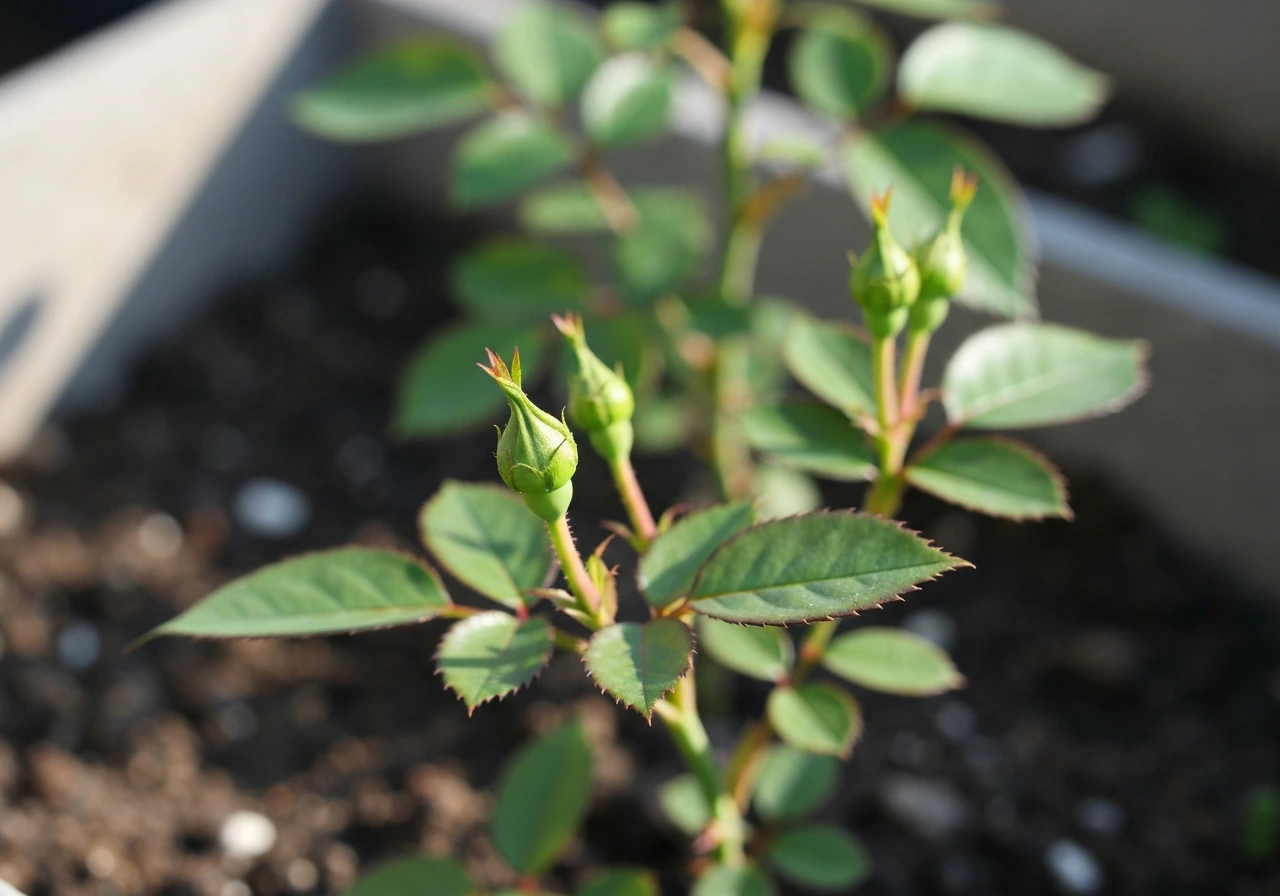
Here is where patience really matters. Roses grown from seed can take up to a year to produce their first bloom after germination, and that is on the optimistic end. More realistically, expect first flowers somewhere in the range of 12 to 18 months from the time of germination, not from the time you started stratification. If you factor in the stratification period, you could easily be 18 to 24 months from the day you started the process before you see a single bloom.
Full maturity, meaning a plant that reliably blooms and fills out to its expected size, typically takes 2 to 3 years from seed. This is not unusual for woody perennials. If you are used to growing annual flowers where you get blooms within weeks, roses will feel like a completely different timeline. The payoff is a plant that can live and bloom for decades, but you have to accept the slow start.
For comparison, some other ornamental flowers grown from seed have similarly slow or surprising timelines. growing amaryllis from seed can take 3 to 5 years to reach first bloom, which puts the rose timeline in perspective. Roses are actually on the faster end compared to some ornamentals.
How climbing roses compare to other types
Climbing roses are still roses, and their seed germination timeline follows the same general rules. You still need stratification, you still wait 6 to 16 weeks for germination, and you still spend the first year mostly watching roots develop. The difference with climbers shows up in the second and third years, when their growth rate can be dramatically faster than bush or shrub roses once they are established.
A climbing rose seedling that has successfully overwintered and established a root system can put on 6 to 10 feet of new cane growth in a single growing season. That said, expect very little of that dramatic climbing behavior in year one from seed. Most climber seedlings look like small, modest shrubs for at least the first full year. The climbing habit tends to express itself more clearly starting in year two. First blooms on climbing roses from seed are also typically in the 18 to 24 month range, often closer to 24 months for the more vigorous large-flowered climbers.
In terms of which rose type is the best starting point for growing from seed, species roses and old garden roses tend to germinate more reliably than modern hybrid teas or floribundas. Modern cultivars are often heavily bred hybrids where seeds may not come true to the parent plant, and germination rates can be more variable. If you are experimenting with growing from seed for the first time, a species rose or a simple shrub rose will give you more predictable results.
| Rose Type | Germination Timeline (with stratification) | First Bloom from Seed | Notes |
|---|---|---|---|
| Species roses | 4 to 10 weeks | 12 to 18 months | Most reliable from seed; comes true to parent |
| Shrub roses | 6 to 12 weeks | 12 to 24 months | Good for beginners; variable results |
| Climbing roses | 6 to 14 weeks | 18 to 24 months | Slow first year; fast growth once established |
| Hybrid tea / floribunda | 8 to 16 weeks | 18 to 30 months | Seeds often don't come true; lower germination rates |
| Miniature roses | 6 to 12 weeks | 12 to 18 months | Smaller plants reach flowering stage a bit sooner |
What actually changes how long roses take to grow
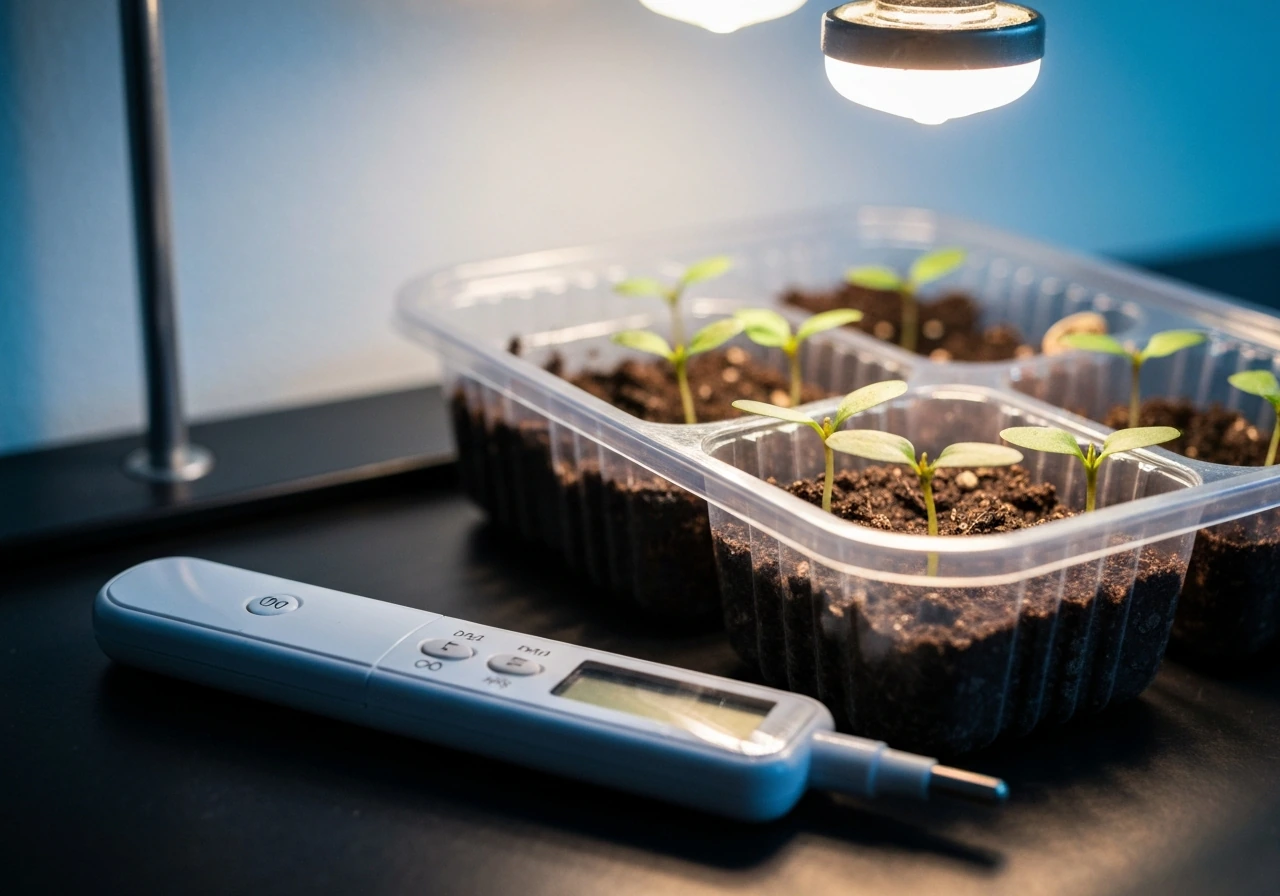
Temperature is the single biggest lever. During stratification, keeping seeds at a consistent 2 to 5 degrees Celsius is important. Too warm and the cold stratification does not register properly. Too cold and you risk seed damage. During germination after stratification, temperatures of 15 to 20 degrees Celsius (60 to 68 degrees Fahrenheit) tend to work well for most varieties. Once seedlings are growing, they prefer temperatures in the 65 to 75 degree Fahrenheit range during the day.
Light matters a lot for seedling growth speed. Newly germinated rose seedlings need bright, indirect light or grow lights set to at least 14 to 16 hours per day. Insufficient light is one of the top reasons rose seedlings grow very slowly or become leggy and weak. If you are starting seeds indoors, a basic LED grow light placed a few inches above the seedlings will make a real difference in how quickly they develop true leaves and build size.
Moisture during stratification is critical but easy to get wrong. Seeds need to stay consistently moist (not wet, not dry) throughout the cold period. Milled sphagnum moss, perlite, vermiculite, and moist filter paper have all been used successfully in research settings. At home, a zip-lock bag with barely damp peat moss or paper towels works well. Check for mold weekly and discard any seeds showing it.
Planting medium also plays a role. A well-draining seed-starting mix keeps moisture consistent without waterlogging, which is important because rose seeds are prone to rotting in soggy conditions. Planting depth should be shallow, around a quarter inch deep. Seeds planted too deep are slower to emerge and more likely to fail.
Seasonality affects timing too, especially if you plan to move seedlings outdoors. Starting stratification in late fall so seeds are ready to sow in late winter gives seedlings a full growing season to establish before their first winter. Starting too late in spring means seedlings are small and vulnerable when temperatures drop. If you garden in a region with harsh winters, starting the stratification process around October or November for an indoor sowing in January or February tends to work well.
Some growers wonder how roses compare to other seeds that also have interesting germination quirks. If you have grown desert rose from seed, you know that succulent-type roses follow a completely different set of rules, with no cold stratification needed and germination happening much faster, usually within 1 to 2 weeks in warm conditions.
How to speed things up or troubleshoot slow growth
If seeds are not germinating
The most common reason rose seeds fail to germinate is insufficient stratification. If you are at week 10 with no sign of life, check whether the stratification temperature was consistent and whether the seeds stayed moist. Seeds that dried out during stratification often fail entirely. If they stayed moist and cold and still have not germinated, extend the cold period by another 2 to 4 weeks before giving up. Some varieties simply need more time.
Another useful technique is scarification, which means gently nicking or sanding the seed coat before stratification. Rose seeds have a tough outer coat, and lightly sanding them with fine-grit sandpaper can help water penetrate more quickly, speeding up imbibition and beginning the dormancy-breaking process sooner. Combine scarification with stratification for the best germination rates.
If seedlings are growing too slowly
Slow seedling growth almost always comes down to one of three things: not enough light, inconsistent watering, or temperatures that are too cool. If your seedlings have been in the cotyledon stage for more than three weeks without developing true leaves, move them under a brighter light source immediately. Temperatures below 60 degrees Fahrenheit slow rose seedling development noticeably.
A diluted liquid fertilizer applied every two weeks once true leaves appear can also help push growth along. Use a balanced formula like 10-10-10 at quarter strength to avoid burning young roots. Do not fertilize during the cotyledon stage as the seedling is still feeding from the seed's stored nutrients at that point.
If you are troubleshooting slow growth across multiple seed types and want a reference point for how other flowering plants move through their seedling stages, it is worth comparing rose timelines to faster-maturing flowers. Snapdragons grown from seed, for instance, typically go from germination to transplant-ready in about 6 to 8 weeks, which is similar to rose seedlings but without the months of stratification beforehand. That context helps set realistic expectations.
Planning your timeline from the start
If you want to set yourself up for success, here is a practical sequence to work from:
- Harvest or purchase seeds in fall (October to November in the Northern Hemisphere)
- Begin stratification immediately: scarify seeds, place in moist medium, seal in a bag, and refrigerate at 2 to 5 degrees Celsius
- After 10 to 12 weeks of cold stratification (January to February), sow into seed-starting mix indoors at about a quarter inch deep
- Germination should begin within 4 to 10 weeks of sowing, with optimal warmth (65 to 70 degrees Fahrenheit) and bright light
- Allow 6 to 10 weeks from first emergence to transplant-ready seedling size
- Transplant outdoors after last frost; allow the full first growing season for root establishment
- Expect first blooms in year two, typically 12 to 24 months after germination depending on the variety
Other flowering perennials and ornamentals that go through a similar multi-month process from seed to bloom can give you useful benchmarks as you plan. Salvias grown from seed and lantana started from seed both take months to reach flowering size, though neither requires cold stratification the way roses do. For sun-loving annuals and perennials like gazania grown from seed, the timeline from sowing to first bloom is often just 8 to 10 weeks, which puts the rose timeline in sharp relief and helps explain why most gardeners buy roses as grafted plants rather than starting from seed.
That said, growing roses from seed is genuinely rewarding in a way that buying a potted plant is not. You get to watch the whole arc of the plant's life, and with species roses especially, seed-grown plants often develop more robust root systems than grafted ones. The process just requires you to think in seasons rather than weeks, and to treat stratification as the real starting line, not something you skip because you are eager to get planting.
FAQ
Does the timeline start from sowing, or from when the seeds begin cold stratification?
If you sow seeds after stratification has already started, you still follow the same overall calendar, but it shifts the “clock.” Germination timing starts counting from when the seeds receive the correct cold treatment, not from when they first entered the bag or refrigerator. If you don’t know when cold began, assume the full stratification window may still be needed before expecting sprouts.
Can I shorten the time to first bloom by using a shorter stratification period?
Yes. If your goal is first bloom sooner, stop treating stratification as a fixed schedule and aim for the shortest duration that matches your specific rose type, as long as moisture and temperature were correct. Some varieties tolerate shorter cold periods better than others, and after about the minimum range (for many types, near 8 weeks) you can start checking without abandoning the seeds too early.
What should I do if my rose seedlings are stretching or staying too thin?
To reduce leggy growth, keep the light distance consistent and increase light time if seedlings are reaching or stretching. Even if you provide “bright” light, day lengths that are too short commonly delay true leaves and slow overall growth, so using a grow light on a timer (14 to 16 hours) is often the easiest fix.
At what point should I worry after emergence, and what’s the first thing to check?
If true leaves have not appeared by about three weeks after emergence, the problem is usually environment rather than “variety time.” Check light intensity first, then verify temperatures are not running too cool (below roughly 60°F), and make sure the medium stays evenly moist (not drying out and not waterlogged).
How do I handle mold during cold stratification without losing the whole batch?
Mold usually means the mix is too wet or airflow is poor during cold storage. Remove any contaminated seeds, then adjust moisture so it feels evenly damp but not dripping, and consider repacking into fresh medium or using breathable packing (for example, paper rather than soggy peat). Mold does not just reduce germination rates, it can spread to healthy seeds.
If nothing germinates by week 10, should I extend stratification, or is that a sign the seeds are no longer viable?
For troubleshooting a batch that seems “stuck,” extend cold by 2 to 4 weeks only if the seeds never dried out and temperatures were in the right range. If seeds dried, extending cold may not help because viability can drop quickly. In that case, start the next batch with better moisture control.
When is it safe to move rose seedlings outdoors, and what’s hardening off?
Transplanting too early often sets seedlings back because the root system is still fragile and because outdoor conditions change rapidly. A practical rule is to wait until the seedlings have several sets of true leaves and are about 3 to 4 inches tall, then harden them off gradually over 7 to 14 days before full outdoor exposure.
Can fertilizer speed up rose seedling growth, or can it backfire?
Skip fertilizing until true leaves appear, then use a weak balanced feed rather than boosting nutrients immediately. Early overfeeding can burn young roots and slow growth, especially when light levels are modest indoors. Once seedlings are actively growing under good light, every two weeks at quarter strength is typically safer than frequent stronger doses.
Why do some rose seedlings bloom much later than others, even when germination happened on time?
For seed-grown roses, the first blooms depend on both maturity and how well the roots established before winter. In warm regions, you may see a bit earlier, but in cold climates seedlings can be delayed by stress during the first outdoor season. Expect the 12 to 18 month range from germination as a baseline, then adjust based on how much root growth the plant achieved.
Do older rose seeds take longer or become less reliable to germinate?
Store leftover seeds in a cool, dry place and label the date and variety. Do not assume “older seeds” will still follow the same germination window, because viability declines over time and dormancy behavior can become more erratic. If you are reusing old seed, plan for a longer germination timeline and more variability.
Is scarification always helpful for rose seeds, and how careful do I need to be?
Scarification can help, but it is not a universal fix. It works best when the seed coat is the limiting factor, and it should be gentle to avoid damaging the embryo. If you overdo sanding or nick too deeply, you can reduce germination rates even though the seed coat is more permeable.
Do climbing roses from seed bloom and grow faster in year one, or is the habit only later?
If you’re growing climbing roses from seed, the big timing difference comes later, when established canes can produce rapid vertical growth. In year one, treat them like standard seedlings that prioritize roots, and plan to watch for the habit to express more clearly in year two, with first blooms often closer to 18 to 24 months.
Next Article
How Long Does It Take to Grow Chrysanthemums from Seeds
Timeline for growing mums from seeds: sowing to germination, transplant readiness, flowering and maturity, plus key vari