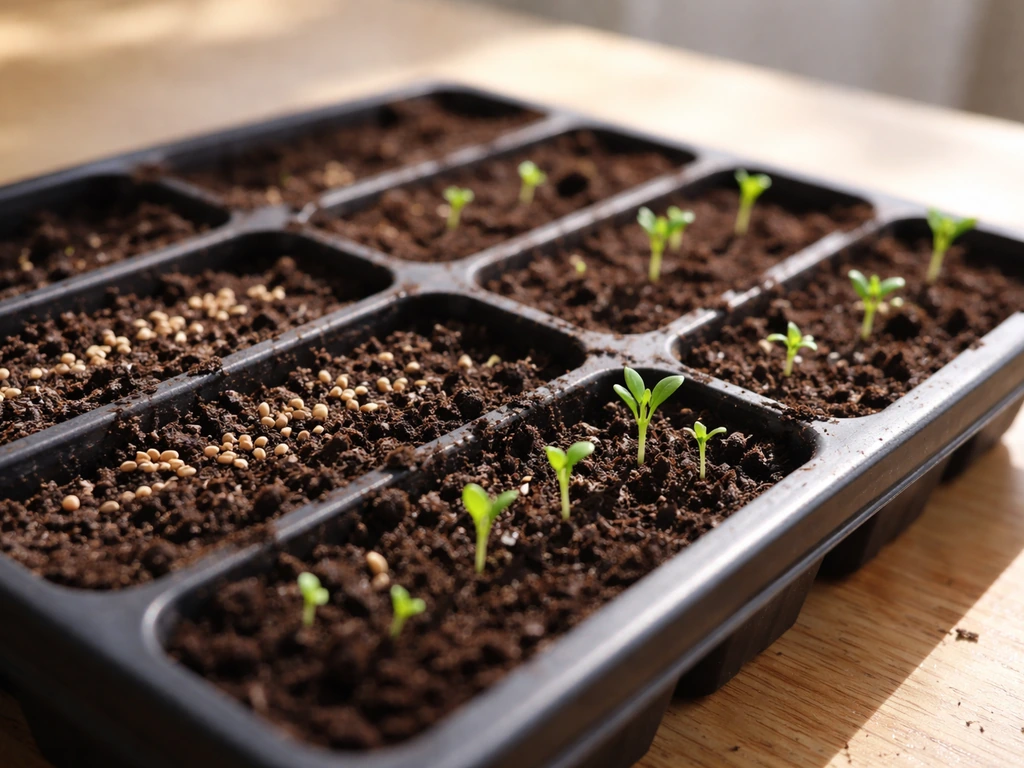
Hibiscus takes anywhere from 3 days to 3 weeks to germinate from seed, depending on the species and your conditions. From there, you're looking at roughly 14 to 16 weeks from sowing to first blooms under good indoor conditions for fast-maturing varieties like Hibiscus moscheutos. Tropical hibiscus (H. rosa-sinensis) is a much longer commitment: it can take 10 to 14 months from seedling to flower. Those are the honest numbers. Everything below is about where you fall in that range and how to push toward the faster end.
How Long Does Hibiscus Take to Grow From Seed?
Marcus Henley
9 Apr 2026
Typical hibiscus seed germination time
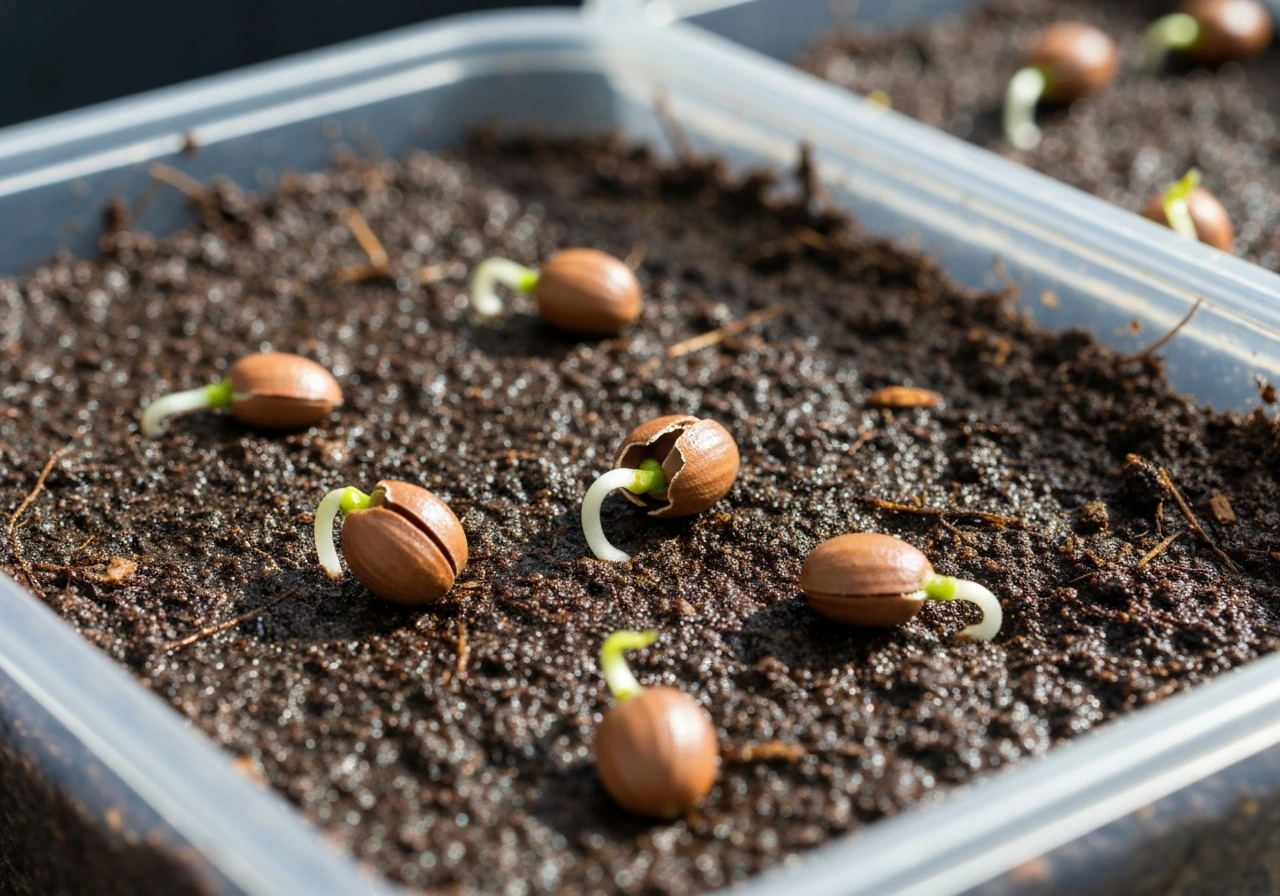
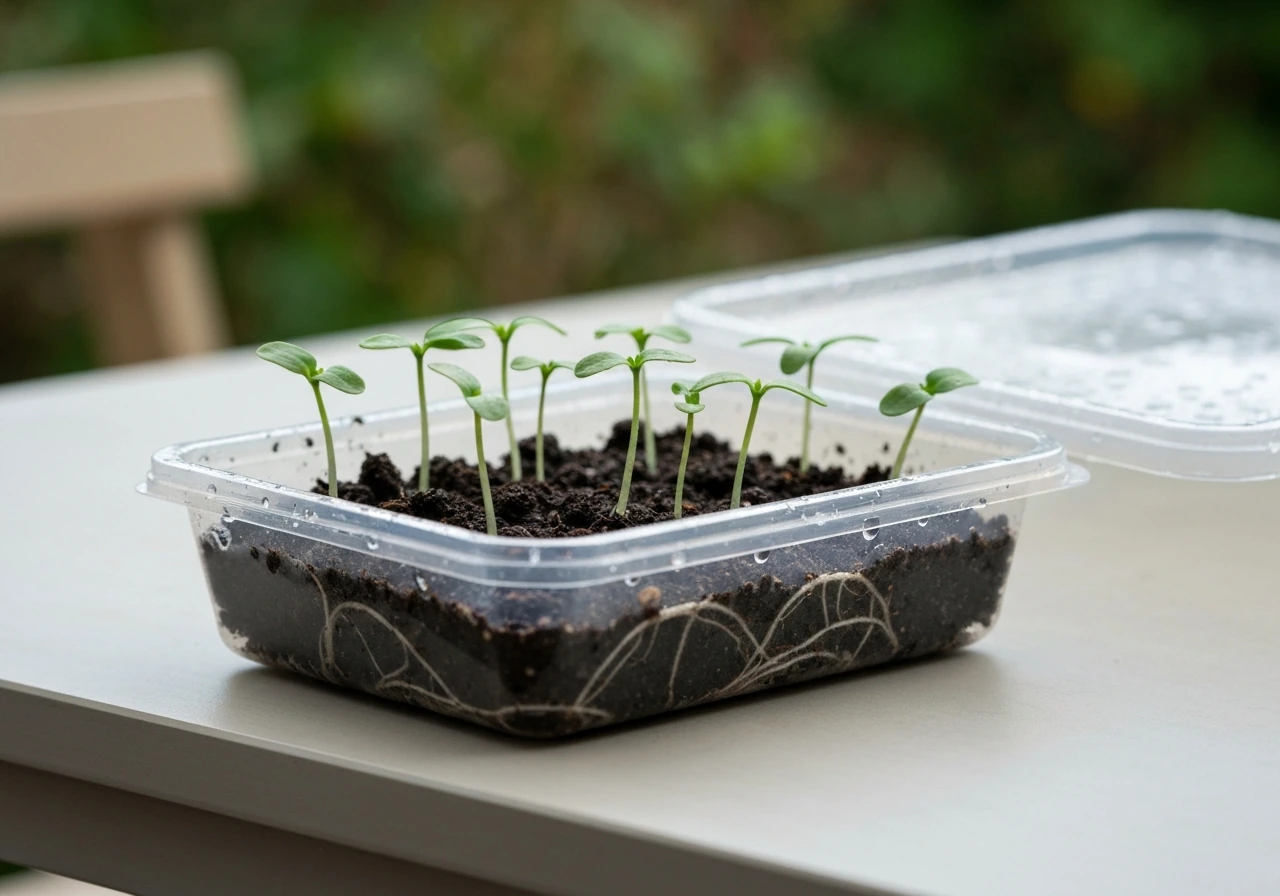
The germination window really depends on which hibiscus you're growing. For Hibiscus moscheutos (the big dinner-plate varieties most people start from seed), expect germination in 3 to 5 days under optimal greenhouse-like conditions, or 7 to 21 days in a typical home setup. Hardy hibiscus tends to germinate sporadically over the course of about 21 days at 70 to 75°F (21 to 24°C). If you're seeing nothing by day 21, something's off, and the most likely culprit is temperature.
For tropical hibiscus (H. rosa-sinensis), germination timing is similar in terms of days, but the path to flowers is dramatically longer. That species is better known as a cutting plant for good reason. If you do start it from seed, plan your patience accordingly.
| Hibiscus Type | Best Case Germination | Typical Home Germination | Time to First Bloom |
|---|---|---|---|
| H. moscheutos (hardy/perennial) | 3–5 days | 7–21 days | 14–16 weeks from sowing |
| H. rosa-sinensis (tropical) | 7–14 days | 14–21 days | 10–14 months from seedling |
| Hardy hibiscus (general) | 10–14 days | 14–21 days (sporadic) | First season if started early enough |
Seedling growth timeline to first blooms
Once your seeds sprout, you've got a predictable set of milestones to track. For H. moscheutos, the plug (seedling) stage runs about 3 to 4 weeks before the plant is ready to be transplanted up into a larger container or a garden bed. After transplanting, the plant needs time to establish roots and push up a flowering stem. Under long days (which you can simulate indoors with lights), MSU Extension research on 'Luna Pink Swirl' puts total time to flower at 14 to 15 weeks from sowing. Select Seeds lists a similar window of 14 to 16 weeks for their hibiscus lines.
Here's a rough breakdown of what to expect week by week with H. moscheutos started indoors:
- Week 1: Germination (best case day 3–5, typical by day 10–14)
- Weeks 2–5: Seedling/plug stage, first true leaves appear, roots establish
- Weeks 6–10: Vegetative growth, plant fills out, stem thickens
- Weeks 11–16: Bud set and first bloom (under adequate light and warmth)
Tropical hibiscus does not follow this compressed schedule. If you're curious about other slow-to-bloom ornamentals for comparison, how long it takes to grow hydrangeas from seed is a similar story: beautiful results, but you have to commit to a long timeline. Tropical hibiscus stretches even further, with 10 to 14 months being the realistic expectation before you see a single flower.
Factors that change the timeline
Temperature
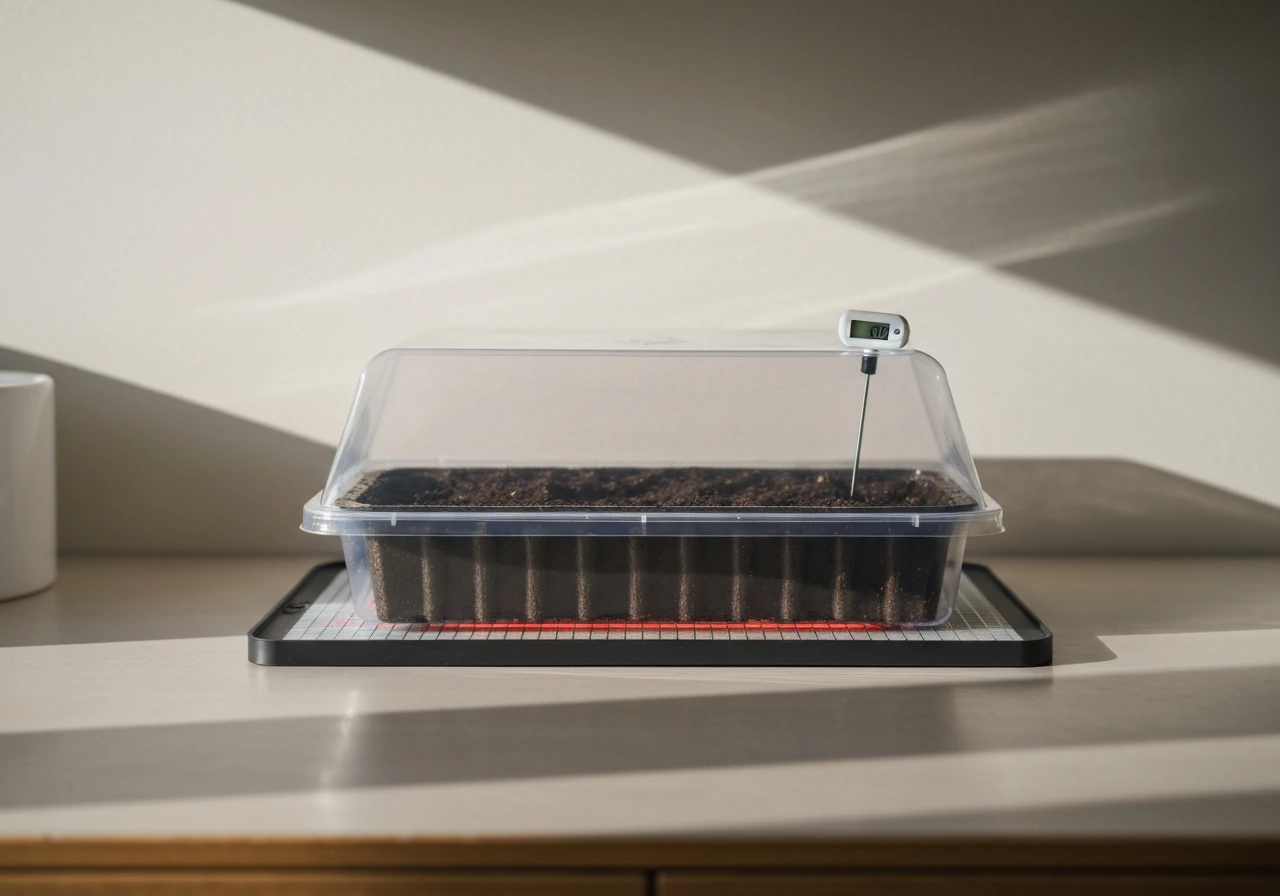
Temperature is the single biggest lever you have. The ideal germination range for hibiscus is 70 to 80°F (21 to 26.7°C). Below 65°F, germination slows dramatically or stalls entirely. Tropical hibiscus is especially sensitive: it won't tolerate temperatures below 50°F at any stage, which matters if you're starting seeds in an unheated garage or greenhouse in early spring. A seedling heat mat is genuinely worth it here. It's one of the most reliable ways to hit that 70–80°F soil temperature consistently.
Light
Light doesn't need to be present during the first days of germination. Stage 1 germination doesn't require light, but once seedlings emerge, they need plenty of it. Burpee recommends positioning seedlings 3 to 4 inches beneath fluorescent grow lights running 16 hours on and 8 hours off per day. A sunny windowsill can work, but grow lights give you much more control, especially in early spring when natural light is still weak. Skimping on light after germination is a very common reason seedlings get leggy and weak before they ever reach a flowering stage.
Scarification and soaking
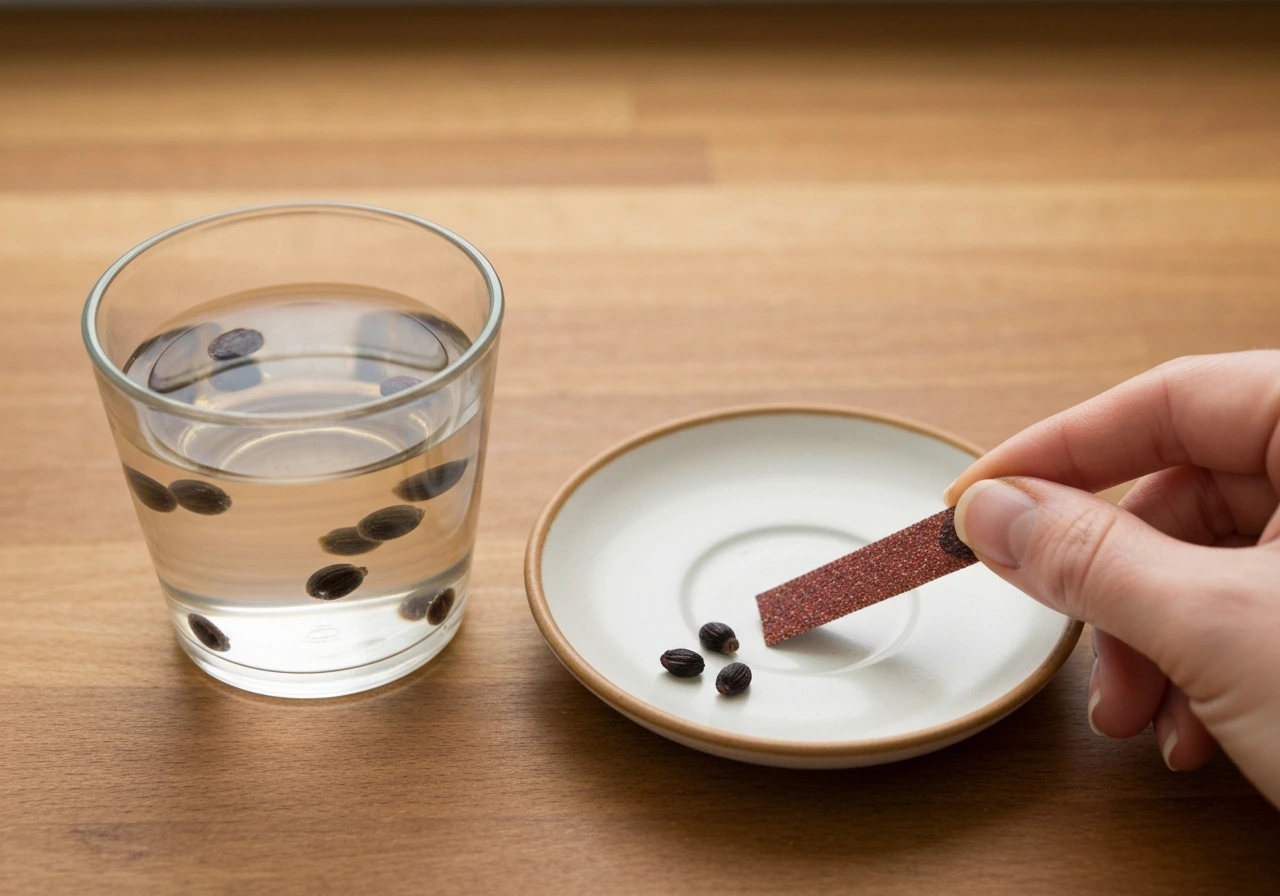
Hibiscus seeds have a hard outer coat that can significantly slow water uptake and germination. Two pre-treatments help. The first is soaking: submerge seeds in room-temperature water for about 8 hours before sowing. The second is scarification: lightly nicking or sanding the seed coat to help water penetrate. UF/IFAS educational materials also describe scarification as a way to help hard, impermeable seed coats become more water-permeable to accelerate germination. UF/IFAS specifically recommends scarification for H. rosa-sinensis, and RNGR's propagation protocol notes it improves germination rates, though even with proper treatment you should expect germination success around 50%. For hardy hibiscus (H. moscheutos), cold-moist stratification of 30 to 60 days at 40°F before sowing can also meaningfully improve germination rates.
How to speed up hibiscus from seed safely
The fastest reliable path to blooming hibiscus from seed combines several practices at once. Start with soak-treated or scarified seeds. Use a sterile, well-draining seed-starting mix and sow at exactly 1/4 inch deep. Keep your germination environment at 70 to 80°F using a heat mat if needed. Once sprouts emerge, move them under grow lights immediately. Don't skip the photoperiod: 16 hours of light is not overkill, it's what drives faster flowering in H. moscheutos. Keep the growing medium evenly moist, not soggy.
One more thing that speeds things up: starting early enough indoors. Burpee recommends starting 10 to 14 weeks before your last spring frost. That's a long lead time, and it exists precisely because hibiscus needs a full runway to hit its bloom window during summer. If you start too late, you're racing the clock. This is similar to the approach used for lavender started from seed, which also benefits from a long indoor head start before outdoor conditions are ready.
Common reasons hibiscus seeds fail or grow slowly and what to do
The most common failure point I see is cool soil. If your seed-starting tray is sitting on a cold countertop in a room that's 65°F, your seeds are not going to germinate quickly, or at all in some cases. Get that soil temperature up to 70°F minimum. The second most common issue is overwatering. Hibiscus seeds need consistent moisture, but soggy media invites damping off, a fungal problem caused by pathogens including Rhizoctonia, Fusarium, and Pythium. Once damping off hits, seedlings collapse at the soil line and there's no recovering them. The fix is prevention: use sterile seed-starting mix, water from the bottom, and make sure you have good airflow around seedlings.
Old or poorly stored seeds are another slow-germination culprit. Hibiscus seeds lose viability relatively quickly. If you're working with seeds that are more than a year or two old and stored in non-ideal conditions, your germination rate will drop. When germination rates are low, it helps to sow more seeds than you need and thin later. Other slow-germination situations to check:
- Seeds not pre-soaked or scarified: the hard seed coat blocks water uptake
- Planted too deep: sow at exactly 1/4 inch, no deeper
- Inconsistent moisture: letting the mix dry out between waterings stalls germination
- Insufficient warmth after germination: seedlings that sprout but stall are often too cold
- Not enough light after emergence: leads to weak, slow-growing seedlings that never bloom well
Damping off risk is worth comparing to what happens with other ornamentals started from seed in similar conditions. Alyssum started from seed faces similar damping off pressure in cool, wet conditions, and the same prevention principles apply: warmth, airflow, and never letting seedlings sit in waterlogged mix.
Timing plan by growing season
Starting indoors
For most of the US and similar temperate climates, hibiscus should be started indoors 10 to 14 weeks before the last expected spring frost. If your last frost is around mid-May, that means starting seeds in late January to early February. This feels aggressively early, but it's not: hibiscus needs that full window to reach a size and maturity level that translates to summer blooms. Some gardeners use a slightly shorter lead time of 6 to 8 weeks for hardy hibiscus, which is what The Thyme Garden recommends, but that typically means fewer blooms in the first season.
Keep seedlings under grow lights at the 16-hour photoperiod until outdoor temps are reliably above 60°F at night. Harden off gradually over 7 to 10 days before transplanting outside. This indoor-start approach is the same fundamental strategy used for other long-season ornamentals. For instance, gunnera started from seed also needs a very long indoor runway before it's anywhere close to transplant-ready.
Direct sowing outdoors
Direct sowing hibiscus outdoors is only practical in warm climates where soil temperatures are reliably at or above 70°F and the frost-free growing season is long enough to give plants 14 to 16 weeks from germination to bloom. In zones 9 to 11, this is workable. In cooler zones, direct sowing almost always means missing the bloom window entirely in the first year. If you're in a borderline zone and want to experiment with direct sowing, wait until soil is fully warm (late May to early June in many areas), pre-soak seeds, and accept that blooms will arrive late in the season if at all.
A practical timing checklist
Use this to track your milestones from the day you sow:
- Day 0: Sow seeds at 1/4 inch depth after soaking 8 hours; set heat mat to 70–80°F
- Days 3–14: Watch for germination (best case day 3–5; typical day 7–14; still possible through day 21)
- Day 14–21: If no sprouts, check soil temp and moisture; consider resowing with fresh seeds
- Week 2–5: Seedling stage, under grow lights 16 hours/day, keep moist but not soggy
- Week 6–10: Transplant up once plant has 3–4 true leaves and roots fill the cell
- Week 11–16: Expect bud formation and first blooms (H. moscheutos under good light)
- Month 10–14: First bloom milestone for tropical H. rosa-sinensis started from seed
Slow-growing ornamentals are a lesson in patience, but hibiscus rewards it more visibly than almost anything else in the garden. If you find yourself enjoying the seed-starting process, it's worth knowing that hostas grown from seed follow a similarly slow and satisfying timeline, as does borage from seed if you want something faster and edible to fill the gaps while your hibiscus matures.
The bottom line: with the right pre-treatment and warm conditions, hibiscus can germinate in under a week and bloom within four months. Without those conditions, you could be waiting three weeks just for a sprout and miss the season entirely. The seeds are not hard to grow, but they are unforgiving of cold soil and soggy roots. Nail the temperature and moisture from day one, start early, and you'll have flowers by midsummer.
FAQ
If my hibiscus seeds sprout but don’t flower, how long should I wait before assuming something is wrong?
For hardy hibiscus (H. moscheutos), first flowers typically show around 14 to 16 weeks from sowing under good indoor conditions. If you are far beyond that, check whether you skipped light or started too late indoors, since lack of photoperiod and short runway are the most common reasons for delayed blooming even when germination happened.
Does hibiscus grow slower if I sow deeper than 1/4 inch?
Yes. Hibiscus seeds are small, and sowing significantly deeper often slows emergence because seedlings have to use more stored energy to reach the surface. If you suspect you sowed too deep, you can start over rather than digging, since disturbing the mix can damage tender sprout roots.
Can I speed up hibiscus growth by keeping the soil warm 24/7?
Warm, yes, but aim for consistency rather than extremes. The target germination range is about 70 to 80°F, and while a heat mat helps, overheating can dry the mix faster and increase fungus risk if airflow is poor. Use a thermometer probe if possible, and keep the medium evenly moist, not wet.
What should I do if seedlings look leggy, even though germination was fast?
Legginess usually means insufficient light after emergence. Move seedlings closer to grow lights or increase light exposure to a 16-hour photoperiod. Also keep them spaced so leaves are not shading each other, and avoid rotating too slowly, which can cause uneven leaning.
How can I tell whether slow germination is temperature versus seed quality?
Track soil temperature first. If the seed-starting mix is below about 65°F, germination often stalls. If you kept warmth in range and still get no sprouts after about 21 days for hardy types, then seed viability is the next most likely factor, especially if seeds are older than a couple of years or stored poorly.
Is soaking hibiscus seeds overnight enough, or do I need a full 8 hours?
Overnight can work, but the key is keeping soak time around the 8-hour neighborhood with room-temperature water. Longer soaks can encourage rot in some seed lots, especially in humid, low-airflow setups. Drain well before sowing so the seeds are moist, not submerged.
Do tropical hibiscus seedlings need the same timeline as hardy hibiscus once they sprout?
No. Tropical hibiscus (H. rosa-sinensis) can take about 10 to 14 months from seedling to flower, even when germination timing looks similar. Plan for a much longer indoor commitment and prioritize stable warmth, since cool nights and drafts can slow development.
What’s the safest way to water hibiscus seed trays to avoid damping off?
Water in a way that keeps moisture steady without saturating the mix. Bottom watering reduces splashing and helps the top stay less constantly wet. Ensure the tray has drainage, use sterile seed-starting mix, and provide airflow around seedlings so the surface dries slightly between waterings.
If I start indoors 10 to 14 weeks before my last frost, when should I stop hardening off?
Harden off gradually over 7 to 10 days, then transplant when nighttime temperatures are reliably above about 60°F. If nights are still cooler, plants may sulk and take longer to resume growth, which can push flowering later in the season.
Can I direct sow hibiscus outdoors to avoid the indoor time?
Only in warm climates where soil temperatures stay at or above about 70°F and you have a long frost-free season. In cooler or borderline areas, direct sowing usually means you miss the bloom window in the first year because hibiscus still needs the same overall runway to flower.
How many seeds should I sow if I’m worried about low germination rates?
Sow extra. Even with good pre-treatment for tropical hibiscus, germination success can be around 50% for some seed lots. Plant more than you need, then thin to keep only the strongest seedlings to reduce crowding and disease risk.
Next Article
How Long Does It Take Lavender to Grow From Seed?
Lavender from seed takes 2-4 weeks to germinate and up to a year to mature; learn timing, fixes, and troubleshooting.