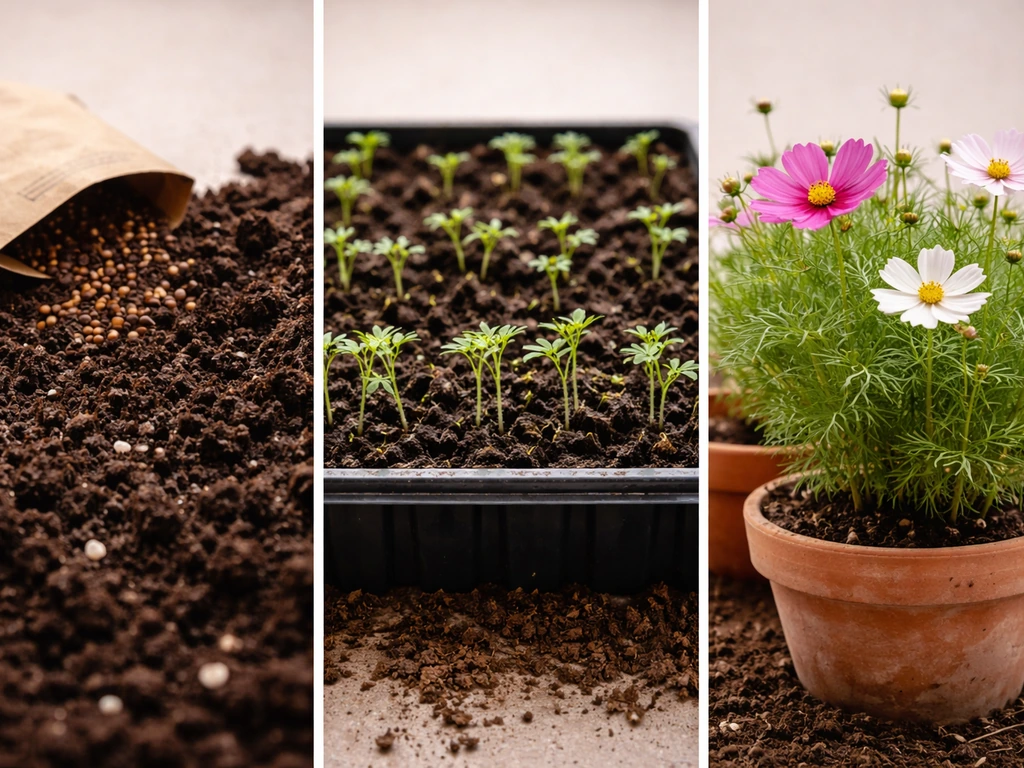
Most autoflower seeds go from germination to harvest in 8–10 weeks under typical home conditions. Sedum seeds have their own typical germination and early-growth timeline, so it helps to plan around how long they take to establish before you expect noticeable progress how long cosmos take to grow from seed. That's the reliable planning number to use. Some fast strains like Purple Haze Auto can finish in as little as 8 weeks (around 56 days), while slower or more generous strains can stretch to 14 weeks if conditions aren't ideal or you're growing a naturally longer-cycling variety. The full realistic band is roughly 60–100 days from the moment the seed cracks, with most growers hitting harvest somewhere in the middle of that range. In other words, if you want to know how long cosmos take to grow from seed, the same idea applies: your timeline depends on conditions and the strain you choose.
How Long Do Autoflower Seeds Take to Grow?
The full growth timeline from seed to harvest
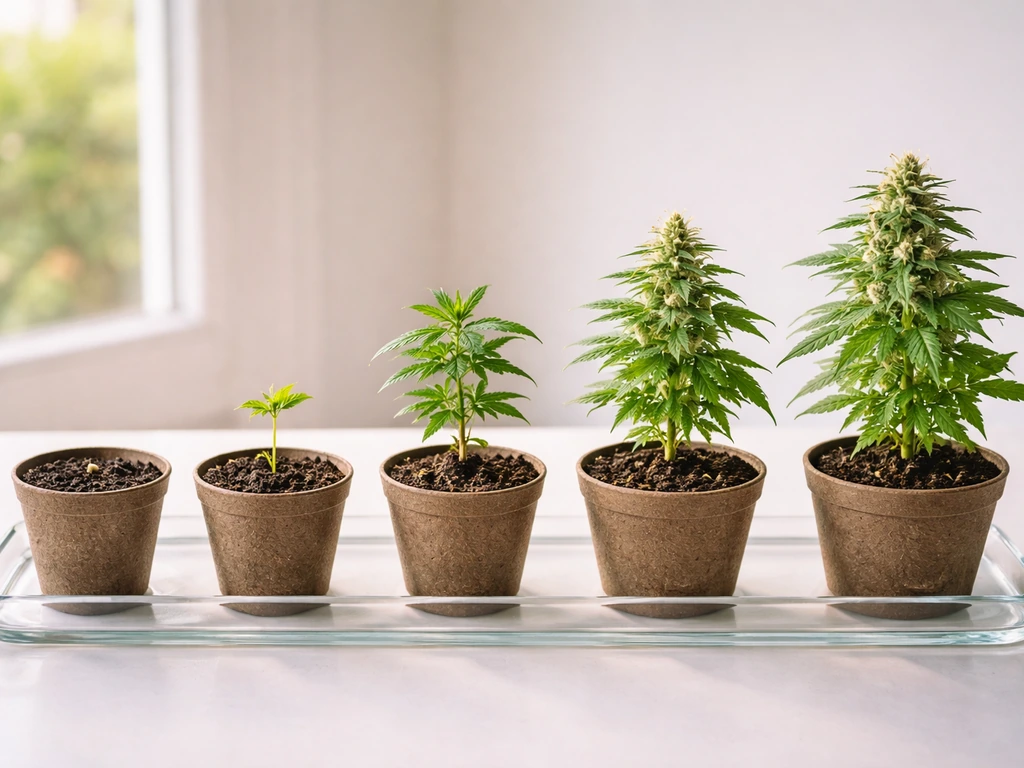
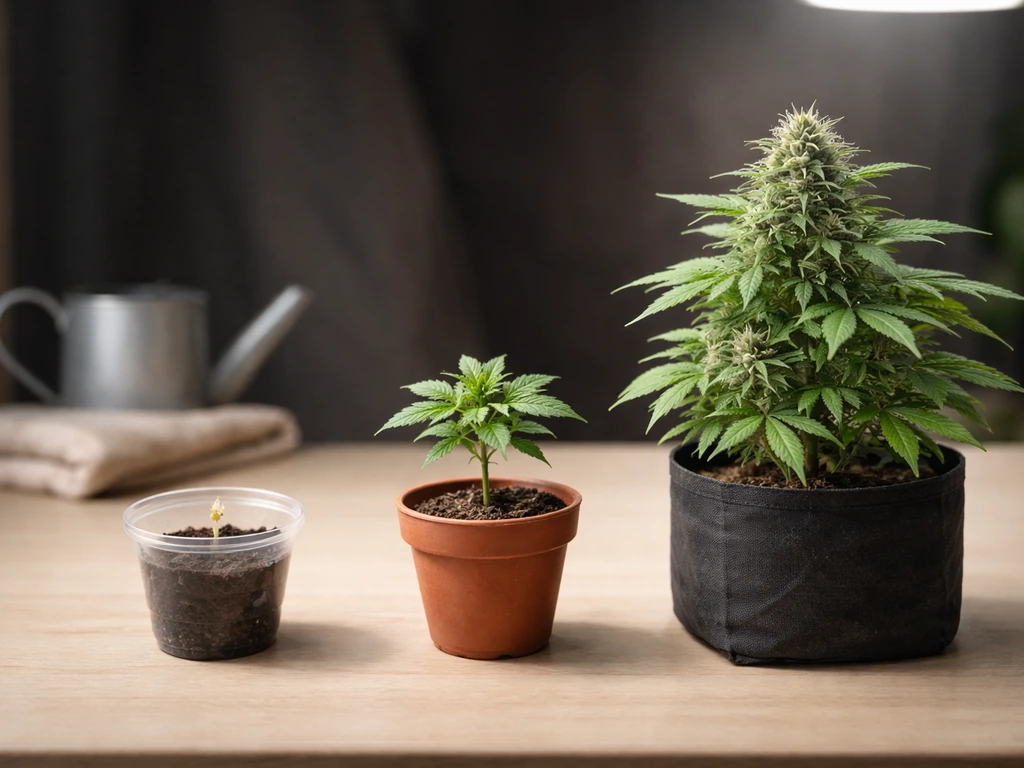
What makes autoflowers so appealing is that the entire cycle is compressed into a single, predictable arc. There's no waiting for seasons to change or light schedules to flip. The plant just runs its internal clock and flowers when it's ready, usually around 3–4 weeks after germination, blank" rel="noopener noreferrer">regardless of how many hours of light it gets each day. Here's how that full arc typically breaks down.
| Stage | Typical Duration | What's Happening |
|---|---|---|
| Germination | 1–7 days (usually 1–3) | Root cracks from seed shell; tap root appears |
| Seedling | Days 4–14 (roughly week 1–2) | First leaves emerge; plant reaches 2–4 inches |
| Vegetative | Weeks 2–4 (only 2–3 weeks total) | Rapid leaf and stem growth; plant establishes structure |
| Pre-flower / Transition | Around week 3–4 | First pistils appear; plant signals start of flowering |
| Flowering | 35–55 days (5–8 weeks) | Buds develop, swell, and mature; trichomes ripen |
| Harvest window | Days 60–100 from germination | Trichomes milky/amber; plant is at peak potency |
The biggest thing to internalize here is how short the vegetative window is. Most autoflowers only spend 2–3 weeks in veg before flipping into flower on their own. Cannabis Plant Care notes that autoflowers are commonly planned for a short vegetative phase, with flowering beginning after a few weeks from germination, often around 3, 5 weeks Cannabis Growth Stages & Harvest Guide. That's nothing compared to photoperiod plants, which you can hold in veg indefinitely. With autos, you don't get a second chance to fix structural problems or wait for the plant to get bigger. What you see in those first three weeks is largely what you get.
How fast germination and the seedling stage actually go
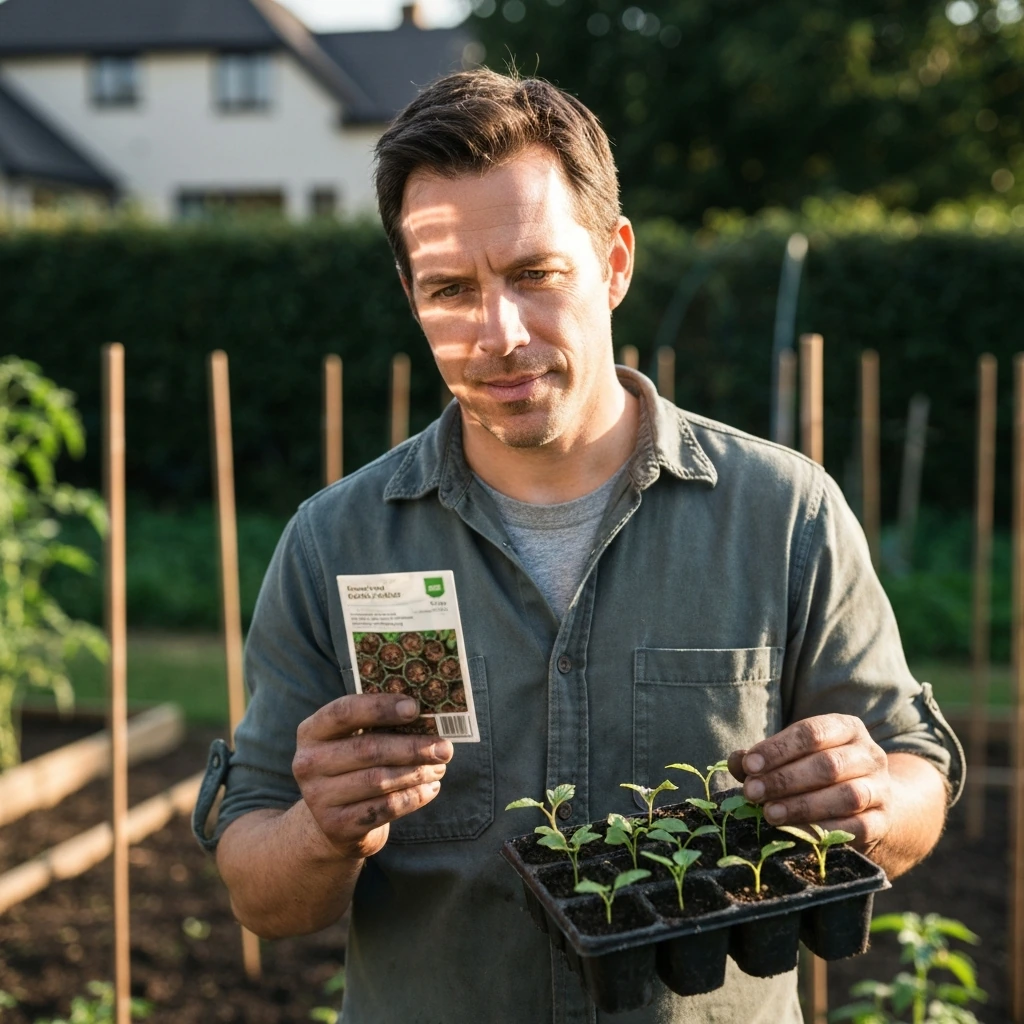
Germination itself is fast when conditions are right. Cycad seeds also have a much longer, slow development pace, so it helps to set expectations well beyond the typical annual seed timelines how long do cycad seeds take to grow. You're typically looking at 1–3 days for the tap root to crack through the seed shell, though it can take up to 7 days if the seeds are older, stored improperly, or the environment is cool. The most reliable method is the damp paper towel approach inside a warm, dark spot at around 70–80°F. Once that tap root is visible, the seed goes into its final growing medium.
The seedling stage runs through roughly the first two weeks. Aloe vera seeds follow a slower germination and establishment pace than many fast annuals, so the total time to see a mature plant can vary by conditions. By the end of week one, a healthy seedling should be standing about 3 inches tall with its first set of true leaves forming. Clean, symmetrical leaf growth at this point is a good sign. The plant is still fragile and sensitive to overwatering and intense light, so ease in gently. Don't feed nutrients yet; the seedling has everything it needs from the seed itself and a good starting medium for now.
Veg stage, flowering, and what 'done' actually means
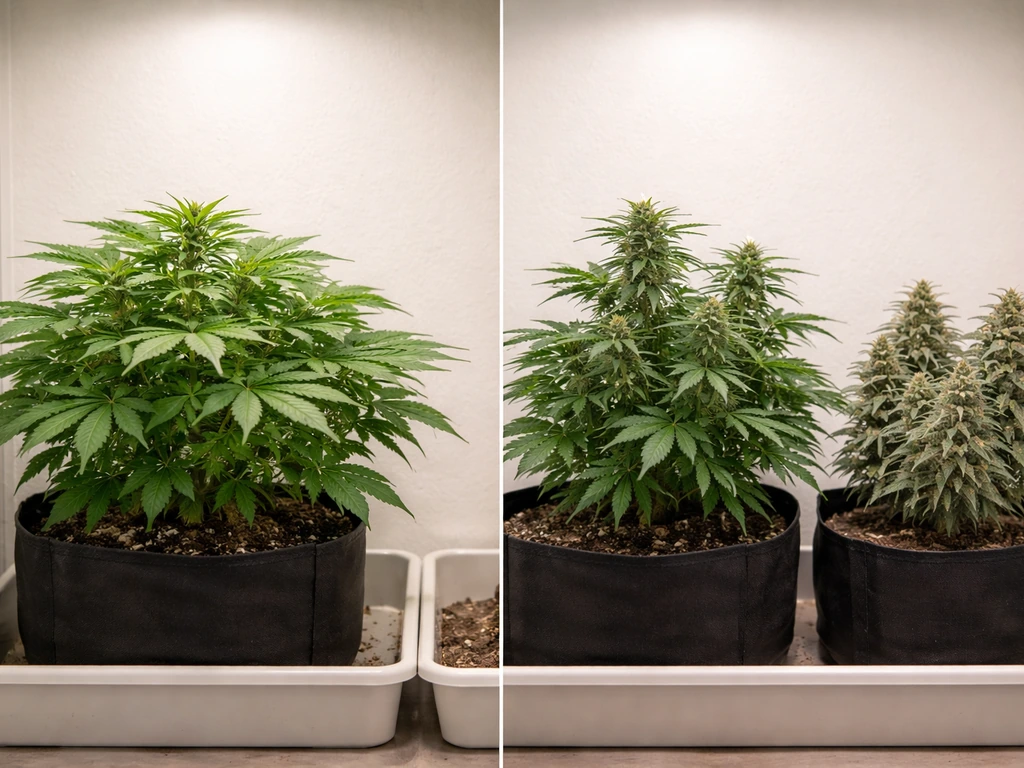
The vegetative stage for autoflowers is brief. You'll usually see 2–3 weeks of noticeable leaf and stem growth before the plant shifts gears on its own. Around the 3–4 week mark from germination, you'll spot the first white hairs (pistils) emerging at the nodes. That's your signal that flowering has begun. From there, the flowering stage itself runs 35–55 days depending on the strain and your conditions.
Here's where a lot of growers get confused about what 'done' means. The plant doesn't tell you it's ready by looking a certain size or by some calendar date. Harvest readiness is about trichome maturity, not plant size or the number of weeks on your calendar. Trichomes are the tiny, crystal-like structures on the buds. They go through a color progression: clear (immature), cloudy/milky white (peak THC), then amber (THC degrading, more sedative effect). The practical harvest target is when roughly 50–70% of trichomes are cloudy and about 70% of the pistils have turned reddish-brown. You'll want a jeweler's loupe or a cheap digital microscope to see this properly. Relying on pistil color alone is less reliable than trichome observation.
Size is a red herring. Some autoflowers stay compact at 12–18 inches and still produce dense, mature buds. Others stretch taller. The plant being 'done' is entirely about internal ripeness, not external dimensions.
What makes autoflowers faster or slower
The 8–10 week average assumes decent conditions. Pull any of the following factors in the wrong direction and you can easily add 2–4 weeks to your timeline, or stall the plant entirely.
Light schedule and intensity
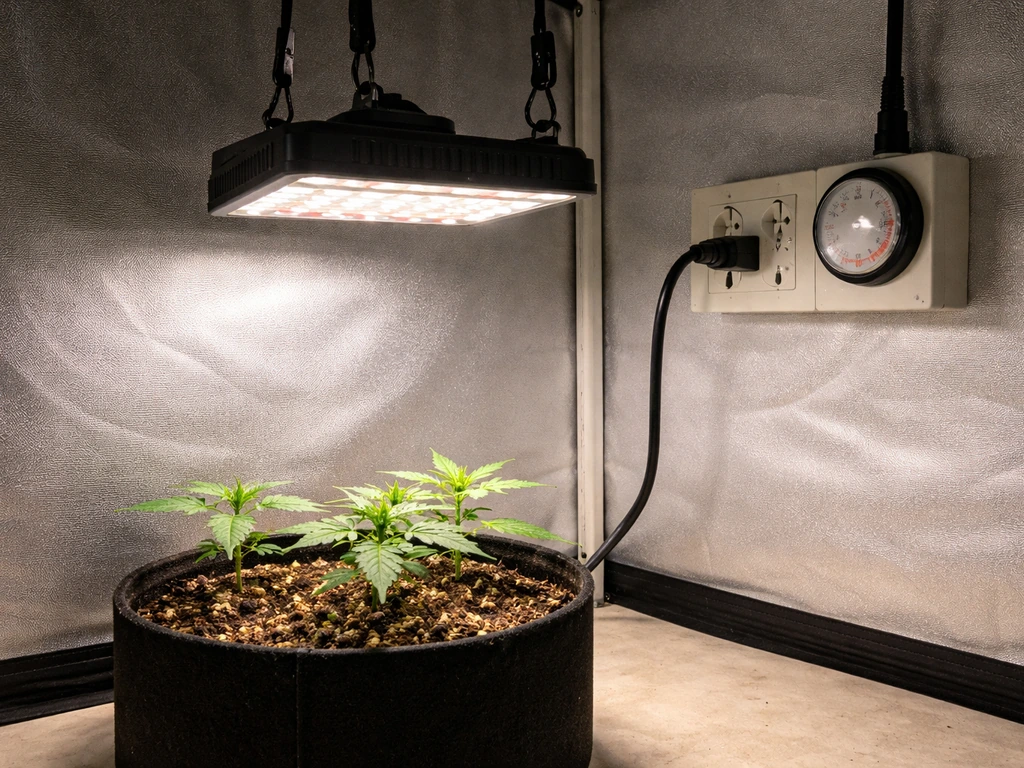
Autoflowers don't need a specific light schedule to flower, but they do grow faster with more light. Most growers run 18/6 (18 hours on, 6 off) or 20/4. Some go 24/0, though plants benefit from a rest period. Running 12/12 will slow growth noticeably compared to 18/6, since the plant simply has less energy to work with each day. Light intensity matters just as much as duration: dim or low-quality light leads to stretchy, slow-developing plants.
Temperature
Target daytime temps of 68–75°F (20–24°C) and nighttime temps of 65–70°F (18–21°C). Below 60°F, growth slows significantly. Above 85°F, plants get heat-stressed and nutrient uptake suffers. Consistent temperature is more important than hitting a perfect number; wide swings between day and night are harder on autoflowers than a stable environment that's slightly outside the ideal range.
Nutrients
Autoflowers are lighter feeders than photoperiod plants. A common mistake is overfeeding, which causes nutrient burn and actually slows growth. Start with about a quarter to half the recommended dose of any fertilizer and work up slowly based on how the plant responds. Nutrient deficiencies during flowering will extend your timeline because the plant can't ripen properly without the right inputs.
Pot size
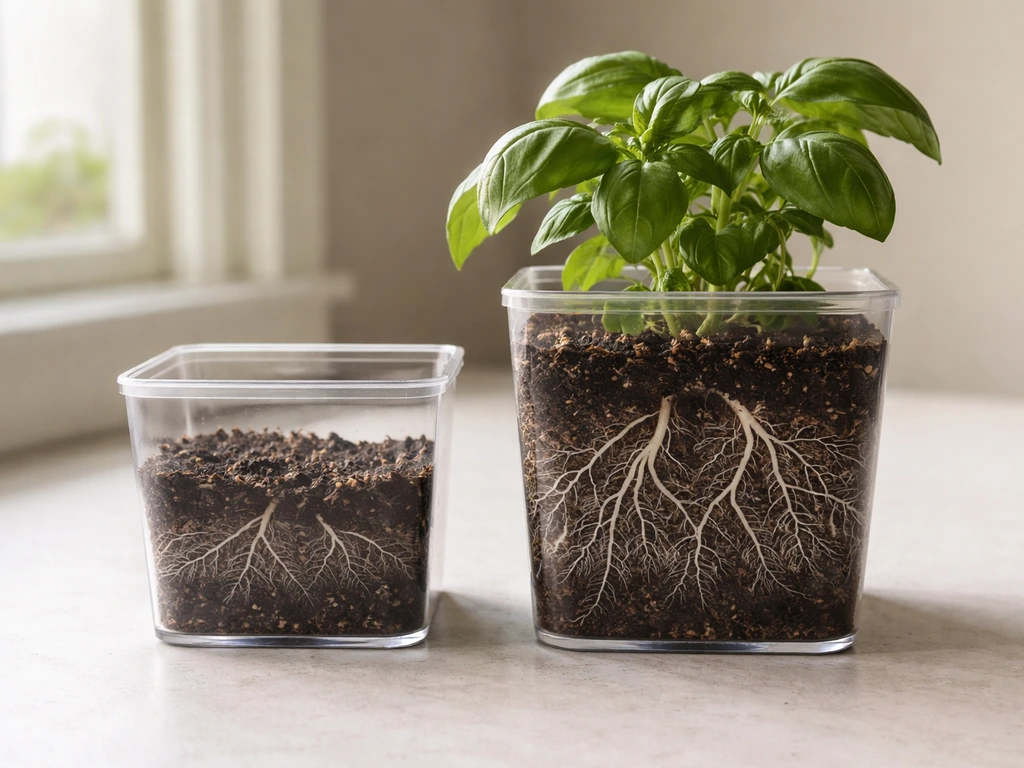
This one surprises a lot of first-time growers. Too small a pot restricts root development and slows everything down. For most autoflowers, a 3–5 gallon container is the sweet spot. Going smaller (like 1–2 gallons) can stunt the plant during the brief veg window when it should be establishing quickly.
Genetics and strain
This is the biggest variable of all. A fast-finishing strain like Quick One is listed at 65–70 days from germination. One Reddit discussion about autoflowers also says that “flower time” estimates are uncertain, and autos can finish later than the advertised weeks. A more complex or potent autoflower might take 85–100 days. Always check the breeder's stated seed-to-harvest range for your specific strain and treat it as the baseline rather than the guarantee.
Watering and growing medium
Overwatering is the most common beginner mistake and a major cause of slow growth. Wet, oxygen-deprived roots can't take up nutrients efficiently and become vulnerable to root rot. Let the medium dry out slightly between waterings. A light, airy growing medium with good drainage will keep roots healthy and the plant on schedule.
How long can you let an autoflower keep growing?
Autoflowers have a fixed lifecycle. Unlike photoperiod plants that you can hold in a state of vegetative growth almost indefinitely, an autoflower will proceed through its stages and reach the end of its life on its own schedule. There's no 'pause' button.
If you let an autoflower go past its harvest window, a few things happen. First, trichomes continue converting from cloudy to amber, shifting the cannabinoid profile toward more CBN and away from THC. Second, you may start seeing foxtailing, where new, loose calyxes grow in elongated clusters on top of existing buds. This looks like new growth but it's actually a late-stage stress response that doesn't add useful yield. Third, the risk of mold, bud rot, and environmental damage increases as the plant weakens at the end of its life.
The practical takeaway: once your trichomes are where you want them, harvest promptly. Waiting an extra week or two past the ideal window doesn't increase yield meaningfully and usually degrades quality. The plant is done when the trichomes say it's done, not when you feel ready. That said, if you're seeing mostly cloudy trichomes with just a few amber ones and you want to wait a few more days, that's fine. Just don't stretch it into weeks of delay.
Why is it taking so long? A troubleshooting checklist
If your autoflower is behind schedule, work through this list before assuming something is seriously wrong. Most slow-growth situations come down to one or two fixable factors.
- Light hours: Are you running at least 18 hours of light per day? Anything less will noticeably slow an autoflower.
- Light quality and distance: Is your light strong enough and close enough? Weak or distant light causes stretching and slow bud development.
- Temperature: Is your grow space consistently between 68–80°F during the day? Temperatures below 60°F or above 85°F will stall progress.
- Watering frequency: Are you waiting for the top inch or two of medium to dry before watering again? Overwatering is the number one cause of slow, stalled autoflowers.
- Pot size: Is the plant in a pot that's at least 3 gallons? Rootbound plants stop progressing normally.
- Nutrient dose: Have you been overfeeding? Check for yellow or brown leaf tips, which signal nutrient burn. Cut back to quarter-dose and let the plant recover.
- pH: Is your water and nutrient solution pH'd correctly (6.0–7.0 for soil, 5.5–6.5 for hydro)? Wrong pH locks out nutrients even when they're present in the medium.
- Genetics: Did you check the breeder's seed-to-harvest timeline for your specific strain? Some strains genuinely take 12–14 weeks and are not actually behind.
- Germination timing: Are you counting from seed sowing or from when the seedling actually emerged? Add up to 7 days if you're counting from seed drop.
- Stress events: Has the plant been topped, transplanted, heat-stressed, or otherwise disrupted? Any stress during the short veg window costs time you can't recover.
If the plant is in week 10 or beyond with no visible trichome development or bud formation, that's unusual enough that genetics or a serious environmental problem (like very low light or root disease) is the likely cause. At that point, examine the roots if possible and consider whether the grow setup itself needs adjustment before the next run.
Planning your planting schedule with realistic timelines
The smartest way to plan autoflower batches is to build around three scenarios: best case, typical, and slow case. Here's what those actually look like in practice.
| Scenario | Seed to Harvest | When to Use This |
|---|---|---|
| Best case (fast strain, ideal conditions) | 56–65 days (8–9 weeks) | Fast-finishing strains, dialed-in indoor setup, experienced grower |
| Typical (average strain, decent conditions) | 70–85 days (10–12 weeks) | Most indoor home growers; use this as your default planning baseline |
| Slow case (complex strain or variable conditions) | 90–100+ days (13–14 weeks) | Outdoor growing, beginner mistakes, slower genetics, or recovery from stress |
For batch timing, the beauty of autoflowers is that you can start a new batch every 8–10 weeks without needing to reset a light schedule. If you're wondering how long to grow seeds indoors, this same 8, 10 week typical window is a good starting point for planning your setup start a new batch every 8–10 weeks. Aquarium plants and seeds often follow a different schedule, so it's helpful to check how long they take to grow under your water temperature and setup how long do aquarium seeds take to grow. If you want a continuous harvest, stagger your starts by 3–4 weeks. That way you always have a plant approaching harvest while another is in mid-flower and a third is just getting started. Many indoor growers run two or three plants at staggered start dates in the same space under the same light schedule, which works perfectly with autoflowers since they don't need light schedule changes to flower.
If you're growing outdoors, factor in your local climate. Autoflowers are well suited to outdoor growing precisely because they don't depend on day length, which also means you can run multiple outdoor cycles in a single season. In most temperate climates, you can fit two full autoflower cycles between late spring and early fall, provided temperatures stay above 60°F consistently. A seed started in late April (right now, if you're reading this in late April 2026) could realistically reach harvest by late June to mid-July under good outdoor conditions, giving you time for a second cycle before the season ends. If you're wondering how long summer seeds take to grow, use the same outdoor-season logic and start window for your climate and temperatures.
One last note on planning: always build in a buffer of 1–2 weeks beyond the breeder's stated harvest date. Breeder timelines are optimistic by nature and reflect ideal conditions. Real-world grows almost always run a little longer. Using the typical range of 10–12 weeks as your baseline and treating anything under 10 weeks as a pleasant surprise is a much less stressful way to manage expectations.
FAQ
How long do autoflower seeds take to grow if I start counting from when I soak them, not when the seed cracks?
Most timelines are measured from germination or when the seed taproot emerges. If you count from soaking, add about 1 to 7 days for cracking, since older or cool conditions can delay germination even if the strain’s growth period is unchanged.
What does “harvest ready” mean for autoflowers, and what if my trichomes are mostly clear but pistils are already turning brown?
Harvest timing is based on trichome maturity (clear to cloudy to amber) rather than only pistils. If pistils are browning early, check for an underlying stressor (heat, nutrient issues, or low light), and re-check trichomes 3 to 5 days later before deciding to harvest.
Can I speed up how long autoflower seeds take by using more light hours or 24/7 light?
More hours can increase growth, but extremely long light can also stress plants. The article notes 18/6 or 20/4 as common, while 24/0 can work but still benefits from a rest period. If you want to push speed, prioritize light intensity and stable temps, not constant light.
At what point should I worry if my autoflower is not progressing on schedule?
If you reach week 10 or beyond without meaningful bud/trichome development, that’s unusual enough that genetics or a major environment issue (very low light, root problems, or disease) is likely. At that stage, inspect roots if possible and correct your setup before the next run.
Do autoflowers keep growing if I top, trim, or transplant late into the cycle?
Because autoflowers have a fixed lifecycle and a short veg window, late training, topping, or heavy transplanting can slow them or reduce yield since they cannot “re-enter” vegetative growth. If you must transplant, do it early and handle roots gently to minimize shock.
How long do autoflower seeds take outdoors, and what’s the biggest weather-related factor?
Outdoors depends on temperature stability. The guidance is that you can typically fit multiple cycles only if nights stay consistently above about 60°F, and cooler or wide day-night swings can add weeks or stall growth even when days are sunny.
What’s a common reason autoflowers take longer even when the strain is fast?
Overfeeding and watering mistakes are frequent causes. Nutrient burn can slow growth, and wet, oxygen-starved roots can cause root stress or rot. Using a light, well-draining medium and starting at a quarter to half fertilizer dose helps keep the timeline on track.
If my autoflower finishes later than expected, will waiting longer ever improve yield?
Usually not. Once trichomes reach your target window, harvesting promptly prevents quality loss, like more conversion toward amber/CBN and higher risk of mold or bud rot later in the lifecycle. Waiting an extra few days can be fine if trichomes are still mostly cloudy, but not weeks.
How should I plan staggered batches if I want continuous harvest?
A practical approach is starting new plants 3 to 4 weeks apart so one plant is approaching harvest while another is mid-flower. This works well indoors with the same lighting schedule because autos do not require flipping or photoperiod changes.
How Long Do Cosmos Take to Grow From Seed? Timeline
Cosmos seed timeline from sowing to flowers and maturity, with ranges, factors, and tips to speed growth or fix delays.