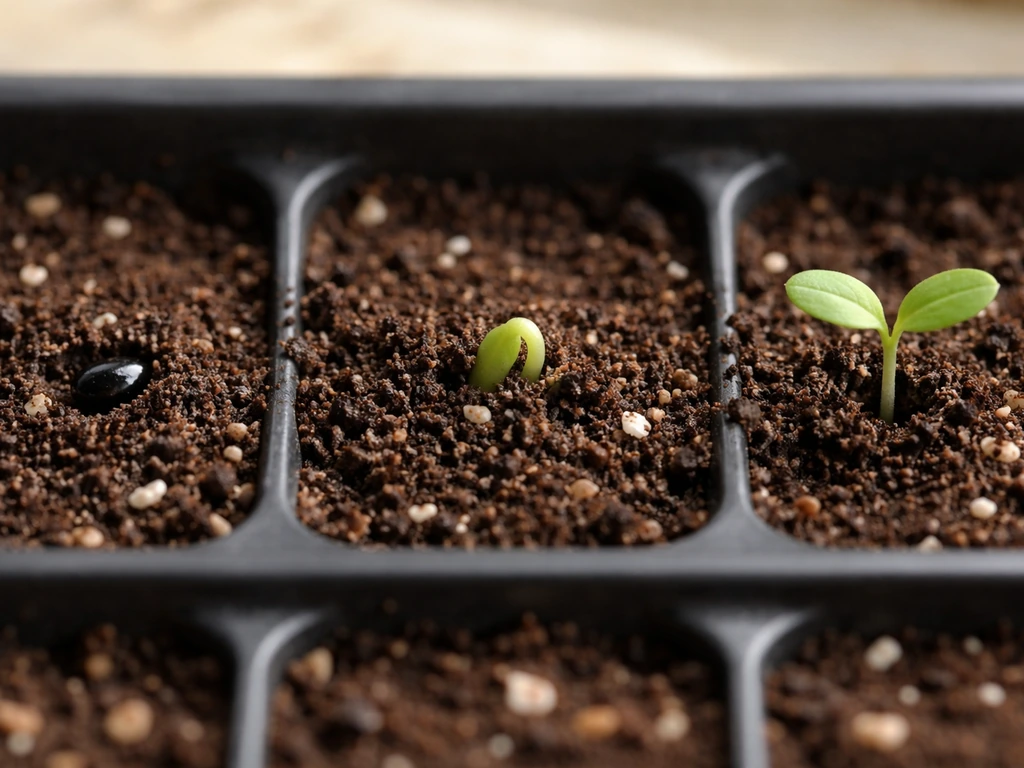
For most vegetable and flower seedlings, you're looking at 4 to 12 weeks from sowing to transplant-ready, depending on what you're growing. If you want to know how fast do seedlings grow for your crop, treat these weeks as a baseline and adjust for temperature, light, moisture, and cell size 4 to 12 weeks. Tomatoes and peppers need the longest runway: 6 to 10 weeks indoors. Fast crops like lettuce can be ready in 3 to 5 weeks. But the real signal isn't a number of days on the calendar, it's what the seedling looks like. Once it has at least one set of true leaves, a sturdy stem, and roots that hold the soil plug together, it's ready to move. Time is just a rough guide; stage is what actually matters. In general, the time from sowing to transplant-ready varies by crop and conditions, so if you want the quick answer, see how long it takes seedlings to grow.
How Long to Grow Seedlings Before Transplanting
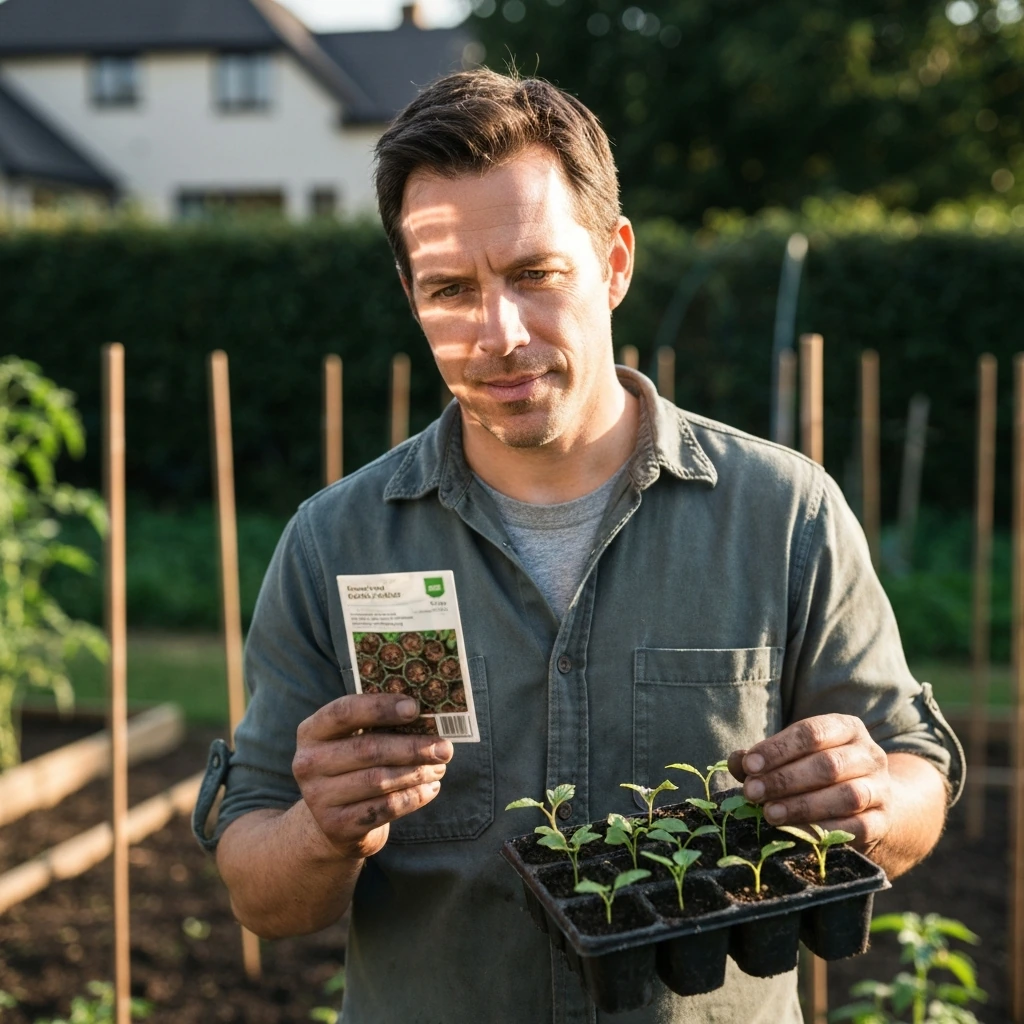
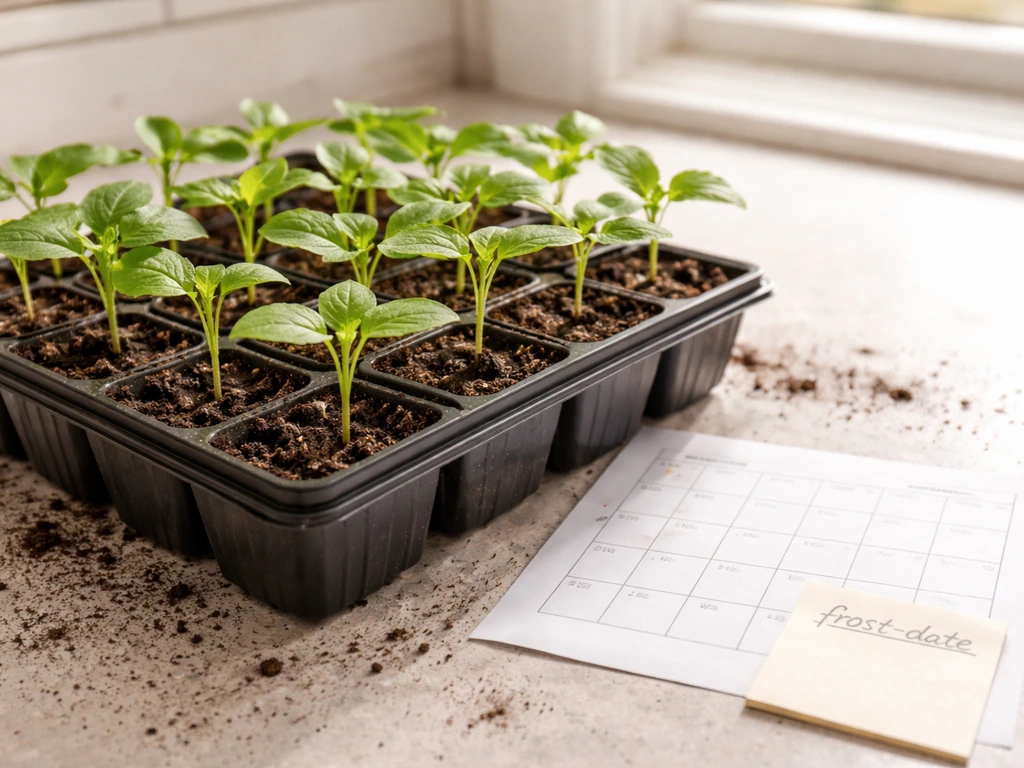
How to choose the right transplant timing: seedling stage vs days
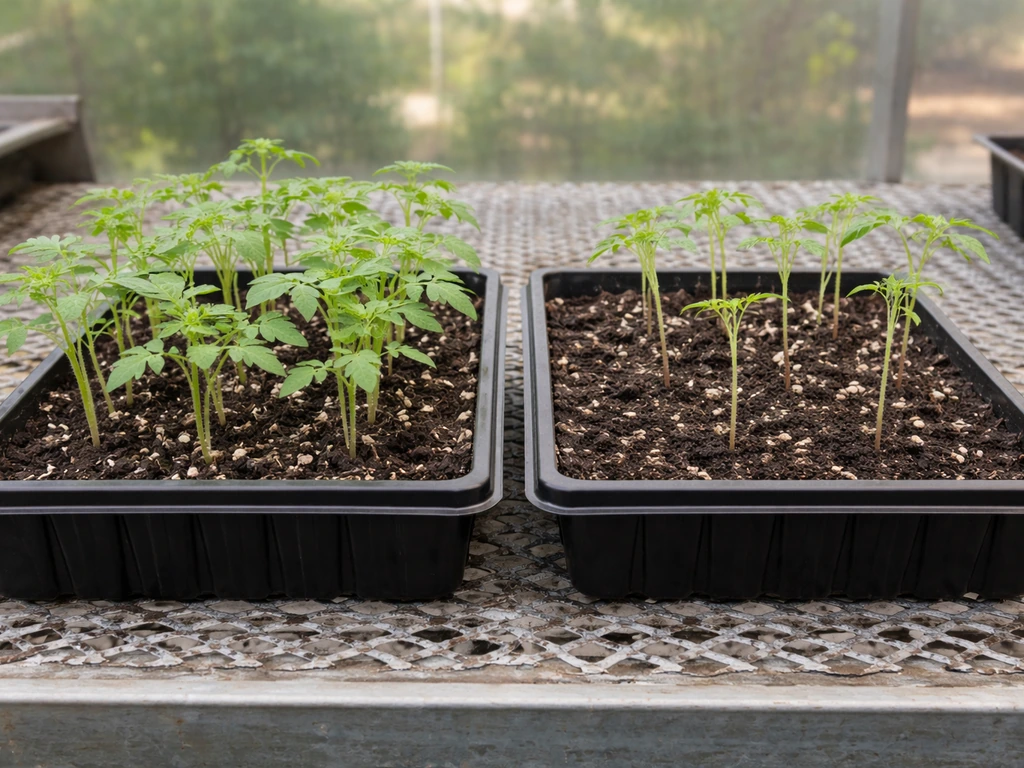
A lot of new growers fixate on a specific day count, but that's not quite how plants work. Two trays of tomatoes sown the same day can look completely different by week four if they've been sitting at different temperatures or under different lights. What extension programs across the country consistently recommend is staging your transplant decision, look at the plant, not just the calendar.
The first leaves that appear after germination are the cotyledons, sometimes called seed leaves. They're the plant's starter fuel and they look the same on almost every seedling. True leaves come next, they look like a miniature version of the adult plant's foliage, and their appearance between the cotyledons is your real green light. If you're wondering how long it takes for seedlings to grow true leaves, the exact timing depends on the crop and growing conditions first true leaves. University of New Hampshire Extension specifically flags this moment: the ideal time to transplant is when the first true leaves appear between the cotyledons. blank" rel="noopener noreferrer">Oklahoma State University Extension echoes that, noting that when growing seedlings in flats for later transplanting, you should move them when the first true leaves are forming, which typically happens about two to three weeks after direct seeding in flats.
Waiting too long past this point is its own problem. Seedlings left in small cells or shallow trays for too long get rootbound or stretch out into leggy, weak stems, and that structural weakness follows them into the garden. Stage-based timing protects you in both directions: don't move seedlings too early (before they have the root system to handle it), and don't wait until they're crowded and stressed.
General transplant timelines by crop type
These ranges reflect typical conditions under grow lights or a sunny windowsill at recommended germination temperatures. Your actual timing may run a week shorter or longer depending on conditions, but these are solid planning numbers.
Vegetables
| Crop | Days to Germination | Weeks from Germination to Transplant-Ready | Total Weeks from Sowing |
|---|---|---|---|
| Tomatoes | 6–12 days | 5–7 weeks | 6–8 weeks |
| Peppers | 7–14 days | 6–8 weeks | 8–10 weeks |
| Broccoli / Cabbage | 7–10 days | 5–7 weeks | 6–8 weeks |
| Lettuce | 6–8 days | 3–5 weeks | 4–6 weeks |
| Eggplant | 7–14 days | 6–8 weeks | 8–10 weeks |
| Cucumber / Squash | 5–7 days | 2–3 weeks | 3–4 weeks |
| Onions / Leeks | 7–12 days | 8–10 weeks | 10–12 weeks |
| Celery / Celeriac | 10–21 days | 8–10 weeks | 10–12 weeks |
Herbs
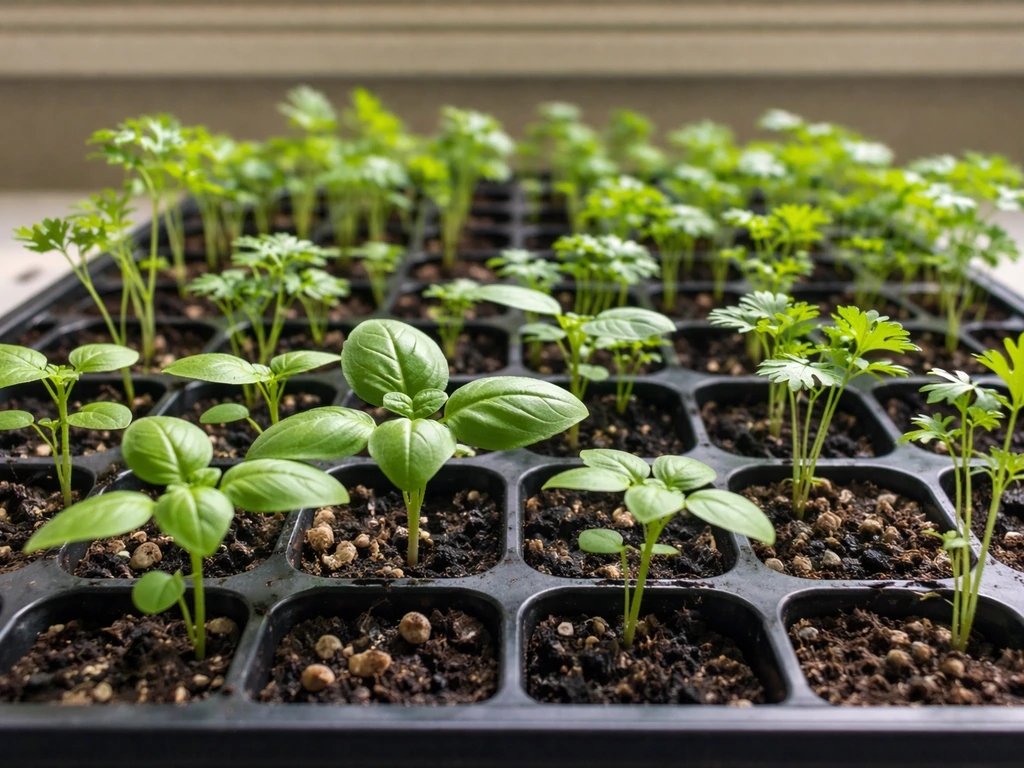
Herbs vary more than vegetables because they span a huge range of plant families and growth habits. Basil germinates fast (5 to 7 days) and is transplant-ready in about 4 to 6 weeks from sowing. Parsley and cilantro are notoriously slow germinators, 14 to 28 days is normal, then add another 4 to 6 weeks to reach transplant size, putting the total at 6 to 9 weeks. Woody herbs like rosemary and thyme started from seed are the slowest of all: germination can take 2 to 4 weeks, and they need another 8 to 12 weeks to reach usable transplant size. For those, starting from cuttings or nursery plants is usually a better call unless you're planning very far ahead.
Annual flowers
Most common annual flowers grown indoors for spring transplanting need 6 to 10 weeks from sowing. Petunias, snapdragons, and impatiens are classic 10 to 12-week crops because they're slow to size up. Marigolds and zinnias move much faster and are typically transplant-ready in 4 to 6 weeks, which is why many gardeners start them last. Cosmos and sunflowers are best direct-sown anyway, they don't transplant especially well and grow so quickly there's no advantage to starting them early.
Perennial flowers and ornamentals
Perennials started from seed are a longer game. Many need 12 to 16 weeks or more from sowing to reach a transplant size that's worth putting in the ground. Some (like lavender or echinacea) germinate erratically over 2 to 4 weeks, then take another 10 to 12 weeks to build enough root mass. It's worth checking whether any varieties need stratification (cold treatment) before sowing, since skipping that step can mean stalled germination that looks like slow growth but is actually the seed waiting on a biological trigger.
Grasses and lawn seed
Turf and ornamental grasses are almost never transplanted as individual seedlings, they're usually direct-sown. But if you're starting ornamental grasses indoors for plug production or landscape transplanting, expect 10 to 16 weeks from sowing to a plug with enough root mass to survive transplanting. Cool-season grasses like fescue and bluegrass germinate in 7 to 21 days; warm-season types like buffalo grass can take 3 to 4 weeks.
Seedling growth stages and transplant readiness checklist
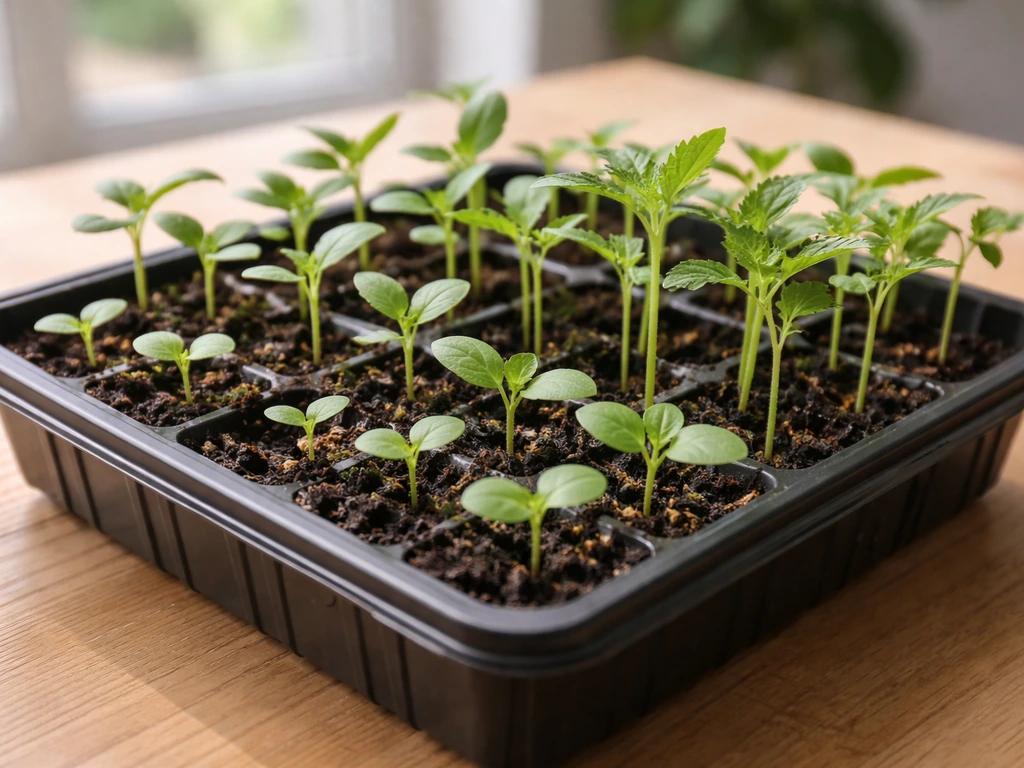
Before you move any seedling, run it through this quick check. All five points should be yes before transplanting, especially if you're moving plants outside.
- True leaves present: At least one full set of true leaves has appeared beyond the cotyledons. For most crops, two sets of true leaves is even better.
- Stem is sturdy: The stem stands upright on its own and doesn't flop over. If it's thin and stretched, it needs more light before transplanting.
- Height is proportional: The plant is compact relative to its pot size. A tomato seedling ready for transplant is typically 3 to 5 inches tall with a stocky, thick stem.
- Roots hold the plug together: When you gently tip the cell out, the root ball holds its shape. Visible white roots at the bottom of the cell are a good sign; a dense, rootbound mass means you waited too long.
- No signs of stress: No yellowing, damping-off (pinched or rotten stem base), or wilting from disease. Stressed seedlings transplant poorly and often don't recover.
One thing that trips people up is confusing seedling size with seedling readiness. A big seedling isn't necessarily a better transplant if it's been sitting too long in a small cell. Conversely, a small but stocky seedling with good roots at week four can outperform a large, leggy one by midsummer. Focus on structure and root development, not raw size.
How to calculate your schedule from your last frost date
Backward planning is the method used by virtually every extension service and experienced grower, and it's the most reliable way to avoid starting too early or too late. Here's how to do it step by step.
- Find your average last spring frost date. Your local cooperative extension office or a frost date lookup tool by zip code gives you this. This is your outdoor transplant target for frost-sensitive crops.
- Subtract the hardening-off period. Plan for 7 to 10 days of hardening off before you actually put plants in the ground. So if your last frost date is May 15, your hardening-off window starts around May 5.
- Subtract the indoor growing weeks. Use the crop-specific weeks from the table above. For tomatoes at 6 to 8 weeks, count back from May 5 and you get a sowing date of approximately March 10 to March 24.
- Subtract the germination window. If germination takes 7 to 12 days for tomatoes, and you want to be sure you're counting from when seedlings actually emerge, factor that in. Some growers sow at the start of the countdown window rather than the end to give slower germination a buffer.
- Write the date down and set a reminder. It sounds obvious, but the calendar calculation is useless if you forget to act on it.
The hardening-off period is worth emphasizing because it often gets treated as optional. It isn't. Seedlings grown indoors under stable conditions have soft tissue and no experience with wind, UV, or temperature swings. Skipping or rushing this step is one of the most common reasons transplants fail in the first week outside. Plan for a full 7 to 10 days of gradually increasing outdoor exposure before the final transplant date.
For cold-tolerant crops like broccoli, cabbage, lettuce, and kale, your target transplant date isn't your last frost date, it can be 2 to 4 weeks before it, since these plants handle light frost fine. Factor that adjustment in when you do your backward calculation. You can get these crops in the ground earlier, which means sowing them indoors later, which means less time managing seedlings under grow lights.
What changes the timeline: temperature, light, moisture, containers, and genetics
The timelines above assume reasonably good conditions. In practice, five factors push those numbers around more than anything else.
Temperature
Temperature is probably the biggest lever you have. Each crop has an optimum soil temperature range for germination, and straying far from it adds days to emergence. Tomatoes germinate fastest around 75 to 85°F soil temperature, below 60°F they stall dramatically. Lettuce, on the other hand, prefers cooler conditions and struggles above 75°F. Oregon State University Extension's germination temperature charts show just how wide the range of optimum temperatures is across vegetable crops, and it reinforces why a single indoor setup with one thermostat doesn't suit every seed tray equally well. If you're using a heat mat, check that you're actually hitting the target range for what you're germinating.
Light
Light is what drives growth after germination, and insufficient light is the leading cause of slow, leggy seedlings. Most vegetable and flower seedlings need 14 to 16 hours of bright light per day. A south-facing window rarely delivers that consistently, especially in late winter when days are short and sun angles are low. Grow lights set 2 to 4 inches above the seedling canopy make a massive difference. That said, seedlings also need dark periods, running lights 24 hours doesn't help and can actually stress some plants.
Moisture
Seed-starting mix should stay consistently moist but never waterlogged. Too dry and germination stalls or seeds fail entirely. Too wet and you create the conditions for damping-off, the fungal issue that pinches seedling stems at the soil line and kills them fast. University of Minnesota Extension recommends watering with warm water (68 to 77°F) for young seedlings and waiting until the top of the mix is just starting to dry before watering again. Bottom watering (filling the tray and letting cells absorb from below) is a good habit that avoids the wet-surface conditions that invite fungal problems.
Container size
The size of the cell or container your seedling is in directly affects how long it can stay there before becoming rootbound. Tiny 72-cell plug trays fill with roots in 3 to 4 weeks; larger 4-inch cells can support 6 to 8 weeks of growth. If your growing schedule runs long (say you're starting tomatoes but a late frost pushes your transplant date back), pot up into larger containers rather than holding rootbound plants in tight cells.
Genetics and seed quality
Variety matters more than most people expect. Slow-maturing varieties take longer to reach transplant stage even under identical conditions compared to fast-maturing ones. Seed age and storage conditions also shift the numbers, old seed or improperly stored seed germinates more slowly and unevenly. If you're using seeds from a few seasons back, test germination on a damp paper towel first so you know what your actual germination rate and speed will be before committing to a sowing date.
Troubleshooting slow, leggy, or stalled seedlings
Even experienced growers hit snags. Here's how to diagnose and fix the most common problems before they derail your schedule.
Seedlings are leggy and falling over
This is almost always a light problem. When seedlings don't get enough light, they elongate rapidly trying to reach the source, this is called hypocotyl elongation and it results in those tall, spindly stems that can't support the plant. Move grow lights closer (2 to 3 inches above the canopy), increase the light period to 14 to 16 hours, or relocate trays to a brighter location. If seedlings are crowded, thin them out, competition for light makes the problem worse. Once stems are stretched, you can't un-stretch them, but you can bury tomato and pepper stems deeper when transplanting to compensate slightly.
Germination is taking much longer than expected
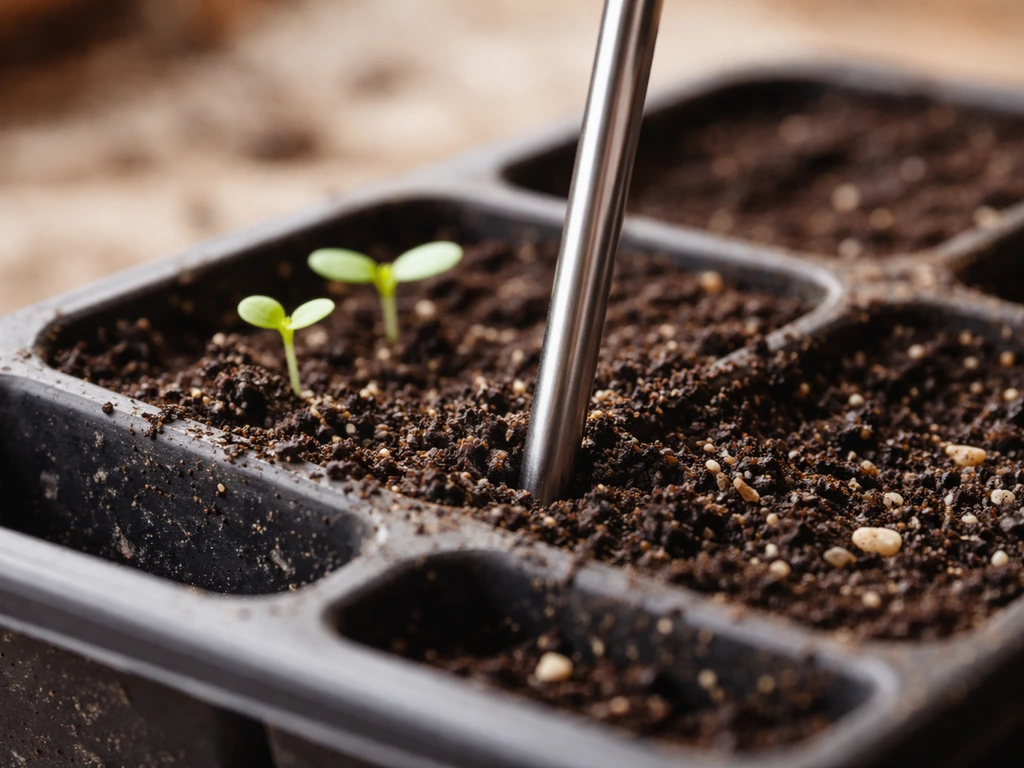
First, check soil temperature with a thermometer, not air temperature. Germination that seems slow is often tied to soil temperature and moisture, so the same troubleshooting steps can help. A room that feels warm can have a seed-starting mix that's only 60°F, which is too cold for most warm-season crops. Add a heat mat if you don't have one. Also check moisture, if the surface has dried out even once during germination, it can stall or kill seeds that had already cracked their coats. Keep the tray covered with a humidity dome until you see the first sprouts. Some seeds (like parsley, celery, and many perennial flowers) are legitimately slow germinators, parsley can take 3 to 4 weeks normally, so don't assume failure too early.
Germination is patchy and uneven
Uneven emergence is usually caused by uneven moisture or uneven soil temperature in the tray. Purdue Extension research confirms this: variable moisture in the seed zone is the most common cause of uneven emergence, with uneven temperature as a close second. Rotate trays on heat mats (hot spots are common) and make sure the entire tray surface stays uniformly moist. Uneven sowing depth is another culprit, seeds buried too deep take longer to emerge, while those barely covered can dry out faster.
Seedlings have stopped growing after germination
Growth stalls after germination are often a combination of low light, low temperature, and insufficient nutrients. Seedling mix is typically nutrient-poor by design (to prevent fertilizer burn on tender roots), which is great early on but means seedlings need a diluted liquid fertilizer starting around week 2 or 3. Use a balanced fertilizer at quarter strength weekly once true leaves appear. Also recheck temperature, if you moved trays off the heat mat after germination, the ambient temperature may be slowing growth more than you realize.
Seedlings are wilting or collapsing at the stem base
This is damping-off, a fungal condition caused by overwatering and poor air circulation in cool, low-light conditions. Once a seedling has damping-off, it won't recover, remove it and improve conditions for the rest. Going forward: water less frequently, ensure the growing area has some gentle air movement (a small fan helps), water with warm water from the bottom rather than the top, and make sure your seed-starting mix is sterile. Minnesota Extension also warns that over-fertilizing can contribute to this by stressing roots, so ease up on fertilizer if you've been applying it heavily.
You're running out of time on your schedule
It happens. If your seedlings aren't where they need to be but your transplant date is approaching, there are a few adjustments worth making. Bump up temperatures slightly to accelerate growth. Increase light duration. Pot up into larger containers to give roots more room to run. For crops that are close but not quite ready, you can sometimes transplant a slightly immature seedling and let it finish growing in the ground, especially for cold-tolerant crops. The growth you were expecting to see in the tray can often happen just as well in-ground. For warm-season crops, however, wait for at least that first set of true leaves and a temperature that's actually above the safe threshold, rushing a pepper or tomato outside before conditions are right costs more time than waiting a few extra days.
FAQ
What if my seedlings look ready (true leaves) but the root mass is small or loose? Do I transplant anyway?
It’s usually better to transplant at the first true-leaf stage rather than the day count. If your seedling has true leaves but the roots are still weaving poorly in a tiny cell, you may need to wait a bit longer and ensure it forms a cohesive root plug.
My seedlings are tall and leggy, but they have true leaves. Are they still transplant-ready?
Aim for stocky growth, not height. If they’re already leggy, you can still sometimes transplant, but you should harden off carefully and consider burying stems (especially tomatoes and peppers) to improve anchoring and stability.
Can I transplant before the first true leaves appear if my outdoor date is soon?
Yes, but only for certain crops and only when the weather and plant stage match. Cold-tolerant crops can sometimes be moved a bit early, but warm-season crops like tomatoes and peppers usually need both true leaves and outdoor temperatures that won’t stall or damage growth.
How do I tell if my seedlings are rootbound versus just small for their age?
Use a gentle, non-wilt test: remove a seedling and see if roots hold together as a plug, and check for root circling that’s just starting. If the roots slide off the plug or are densely circling, you should transplant sooner or pot up immediately.
What should I do if some seedlings are ahead and others lag behind in the same tray?
If most plants have 1 to 2 true leaves and the soil is workable, you can transplant unevenly, row by row. Prioritize larger, sturdier seedlings first, then wait a few days for the others, as long as they don’t get crowded and stressed in their trays.
How long should hardening off be, and does it differ by crop?
Don’t start with the same hardening schedule for everything. Very tender crops may need a longer, slower transition (more time shaded, less wind exposure), while sturdy brassicas can usually handle more direct light sooner.
My hardening-off window is short. How can I reduce transplant shock without delaying sowing next season?
If your hardening-off date is fixed, adjust earlier steps: increase light intensity (not just duration), keep temperatures stable, and avoid pushing rapid growth with extra fertilizer. Over-supplying nutrients late can make plants more fragile during the outdoor transition.
When is it actually beneficial to “finish” growth after transplanting rather than waiting indoors?
Yes, but it’s a deliberate choice, not a rescue. Transplanting slightly immature seedlings can work for cold-tolerant crops, and then you rely on in-ground conditions to finish development, but you should not do this with heat-loving crops.
What if my seeds germinated late? Should I add extra weeks to the transplant timeline?
If germination was delayed, your calendar count is misleading. Instead of assuming the same growth rate, subtract the germination delay from your planning, then re-evaluate readiness based on true leaves and root plug cohesion.
How do I troubleshoot slow seedling growth when I’m trying to hit a transplant date?
If seedlings are growing slowly, check temperature at seed depth (soil temperature), then light distance and photoperiod. Only after those are addressed should you adjust feeding, because stressed seedlings often respond poorly to fertilizer.
My seedlings look okay, but they stopped growing. How can I tell if it’s temperature versus nutrients?
Warm-season crops that are chilled or kept in cool conditions may look “stuck” without obvious leaf changes. Watch for a lack of new leaf growth, pale color, and slowed stem thickening, then raise soil temperature and protect them during hardening off.
What’s the best plan if a late frost pushes the transplant date back but my seedlings are already crowded?
Plan for setbacks. If the first group is on time but others are lagging, pot up those that are outgrowing their cells instead of keeping them rootbound, then harden off in staggered batches to match each group’s readiness.
How Long Does It Take Seedlings to Grow From Seed
Realistic timelines from seed to transplant-ready seedlings, factors that change growth, and fixes for slow or failed ge