From the moment you drop a seed into soil to the day you have a transplant-ready seedling, you're typically looking at 4 to 12 weeks, depending on the plant. Germination alone takes anywhere from 3 days (basil in warm soil) to 3 or more weeks (parsley, peppers). After that, seedlings need another few weeks of growth before they're ready to move outdoors or thin in place. The exact number shifts based on temperature, light, moisture, and the specific plant you're growing. Here's the full breakdown so you can plan realistically.
How Long Does It Take Seedlings to Grow From Seed
Marcus Henley
6 Apr 2026
Typical germination timelines
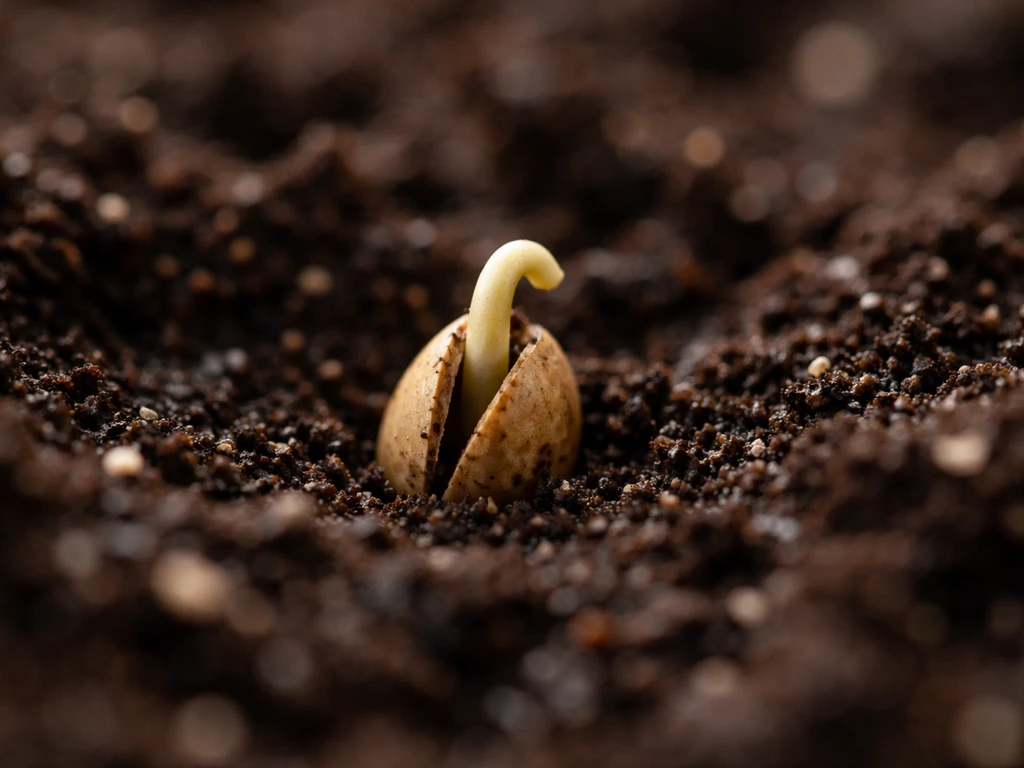
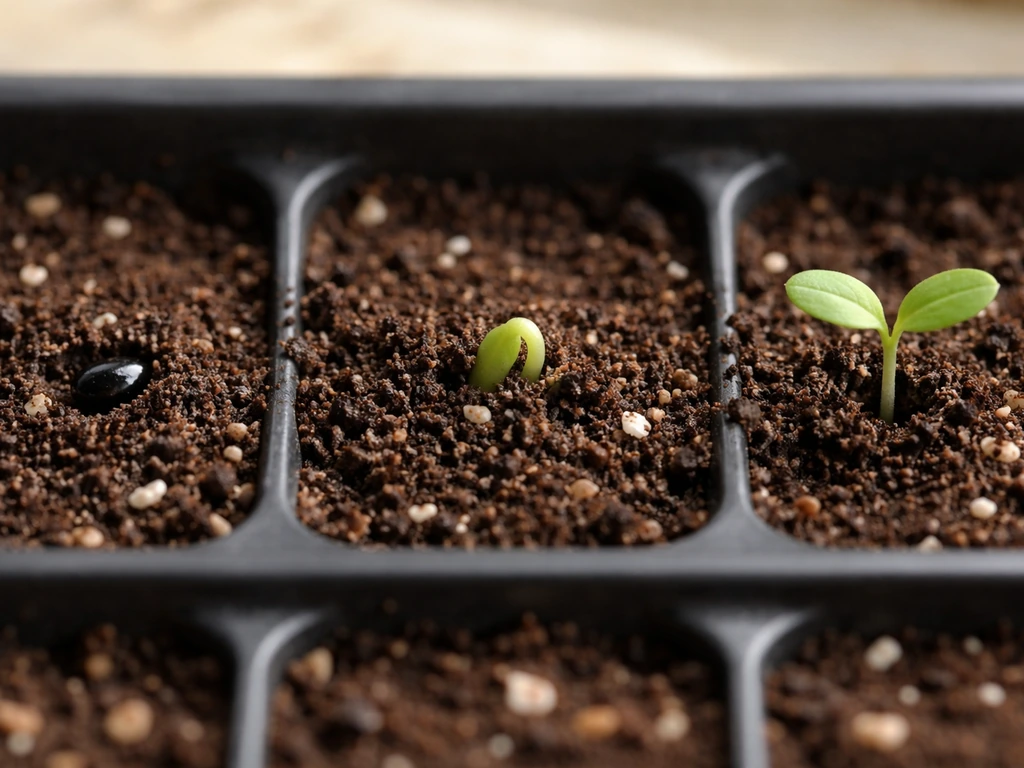
Germination is the first phase: the seed absorbs water, cracks open, and a sprout emerges from the soil. Most vegetable and herb seeds germinate in 5 to 14 days under good conditions. Flowers and ornamentals vary more widely, from 5 days to several weeks. Grasses generally sprout in 7 to 21 days.
Soil temperature is the single biggest driver of how fast this happens. Tomatoes are a perfect example: at around 70 to 85°F, they emerge in roughly 6 to 8 days. Drop the soil temperature to 50°F and the same seeds can take over 40 days, or fail entirely. Lettuce germinates in 7 to 14 days at 60 to 70°F and actually needs some light to germinate well, so burying it too deep will stall it. These aren't just estimates, they're the kinds of numbers you'll find on soil temperature charts from university extension programs, and they match what you'll see in the garden.
One thing that often surprises gardeners: some seeds need light to germinate, and others need darkness. Lettuce wants light. Many squash and melon seeds prefer to be covered. Getting the depth wrong, too deep for a light-preferring seed, too shallow for one that likes darkness, can add days or weeks to your germination wait, or prevent it entirely.
What makes seedlings grow faster or slower
Temperature
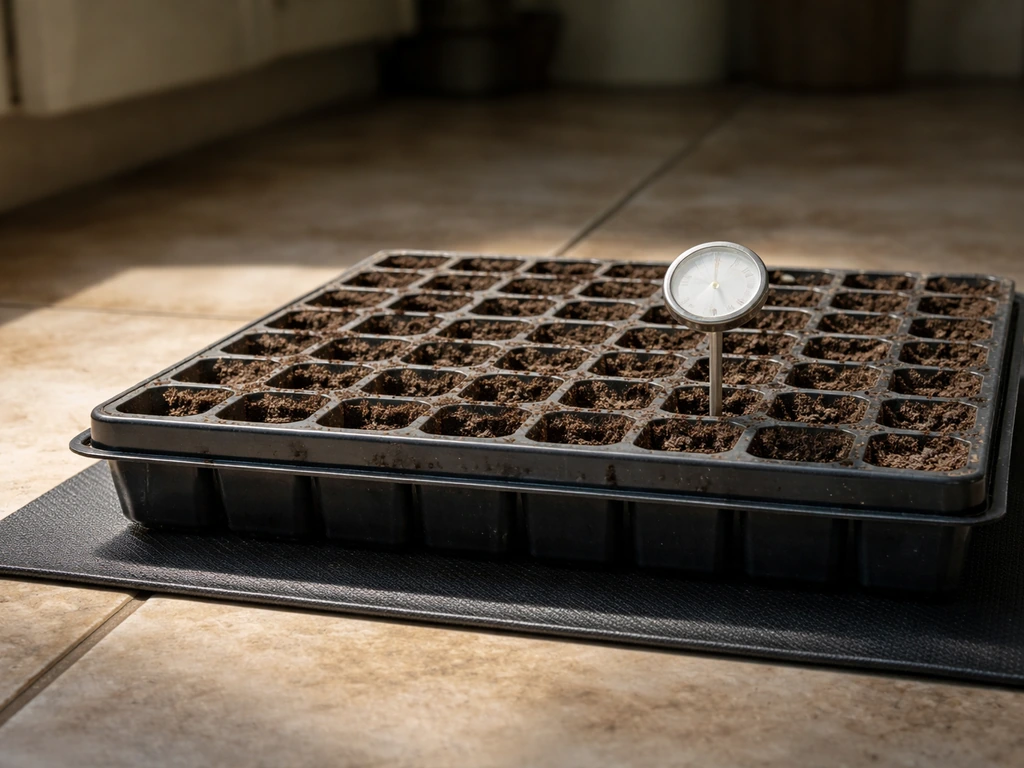
Soil temperature matters more than air temperature for germination. Most vegetable seeds have a sweet spot between 65 and 85°F. Below that range, germination slows dramatically. Above it (say, over 95°F), many seeds go dormant or fail. A cheap soil thermometer is one of the most useful tools you can own, it takes the guesswork out of why things aren't sprouting.
Light
Once a seedling has sprouted, light becomes the main engine of growth. University of Minnesota Extension’s seed-starting guidance recommends giving indoor seedlings about 12 to 16 hours of light each day 12 to 16 hours of light daily. Indoors, seedlings started under a window often stretch, lean, and go pale because natural window light is rarely enough. Clemson Extension recommends 16 to 18 hours of bright light per day for indoor seedlings. A simple grow light set on a timer fixes most leggy seedling problems almost immediately. Outdoors, short days in early spring can slow seedling development even when temperatures are fine.
Moisture
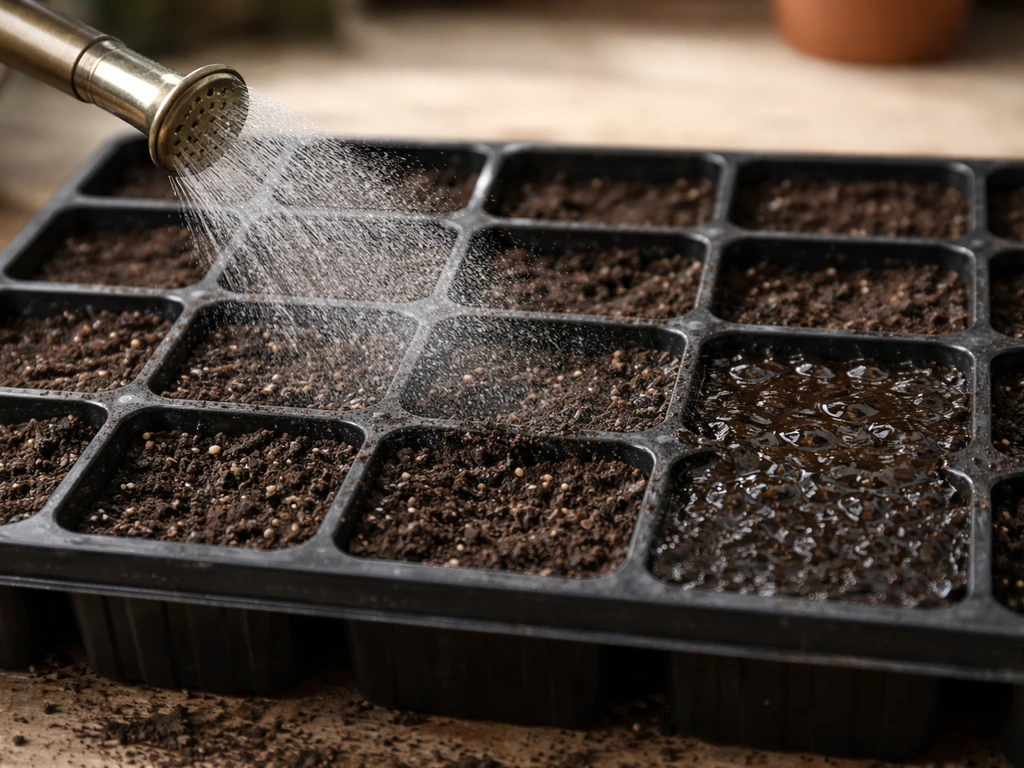
Seeds need consistent moisture to germinate, but soggy soil is a real danger. Overwatering in cool conditions is one of the fastest ways to lose seedlings to damping-off (a fungal collapse that kills seedlings at the soil line). Keep the growing medium moist like a wrung-out sponge, not soaking wet. Once seedlings have their first set of true leaves, you can let the top of the soil dry slightly between waterings.
Seed freshness and planting depth
Old seeds germinate less reliably and more slowly than fresh ones. If you're using seeds that are 3 or more years old, do a quick germination test: wrap 10 seeds in a damp paper towel, seal them in a bag, and check in a week. If fewer than 6 germinate, consider fresh stock. Planting depth matters too, burying seeds deeper than recommended means the seedling has to work harder and longer to reach the surface, which increases the time it spends vulnerable to rot and disease.
How long before seedlings are ready to transplant
Germination is just the beginning. After the sprout emerges, seedlings need time to develop a real root system and enough leaf area to survive transplanting. A good rule of thumb: wait until seedlings have at least two sets of true leaves before moving them. If you want more detail on exactly when that milestone arrives, understanding how long for seedlings to grow true leaves is the right next question to dig into.
In practical terms, here's what that looks like by category. Tomatoes take 6 to 12 days to germinate, then 5 to 7 more weeks before they're transplant-ready. Eggplant is similar. Peppers are the slowest common vegetable, often 8 or more weeks from seed to transplant size. Squash moves fast: it can be ready in as little as 3 weeks from sowing. These timelines are why you start peppers and eggplant indoors in late winter and why squash can be direct-sown almost right before planting season.
For a more thorough look at the full seedling-to-transplant window and how to time it right, how long to grow seedlings before transplanting breaks it down species by species with timing guides.
One step that often gets skipped: hardening off. Before seedlings go from indoors to the garden, they need 7 to 10 days of gradual outdoor exposure. Start with just 3 to 4 hours outside in a sheltered spot on day one, then extend the time each day. By the end of the week, they can handle being outdoors full-time. Skip this step and even perfectly grown seedlings can go into transplant shock and stall for weeks.
Growth timelines by plant type
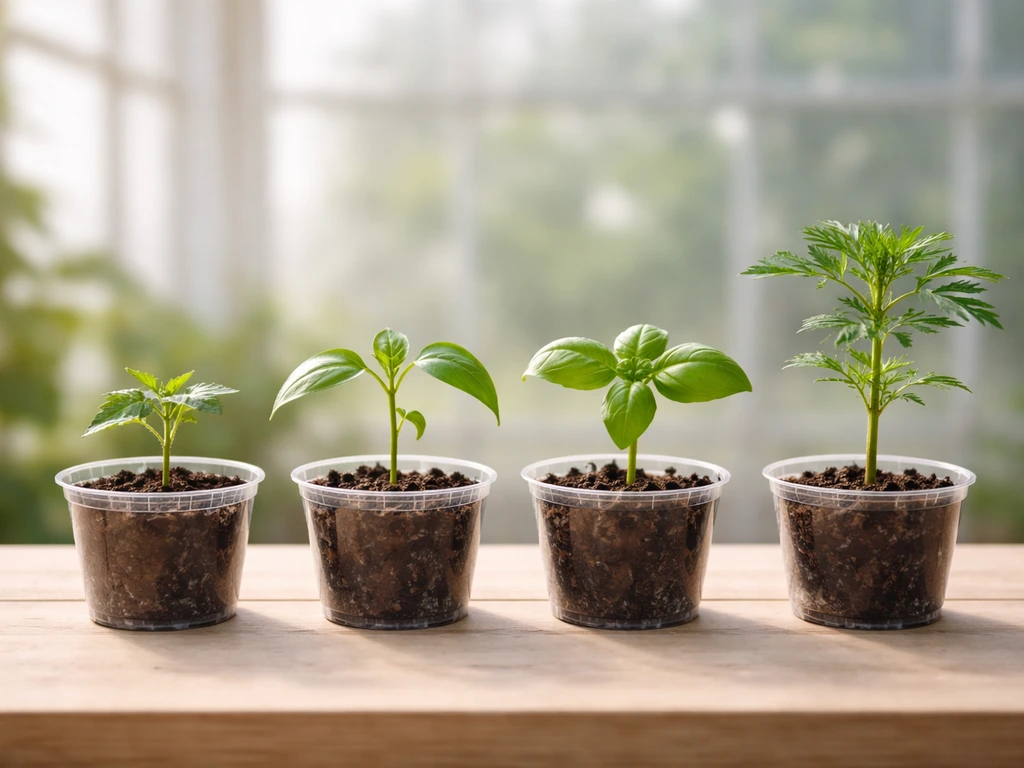
The ranges below cover germination through transplant-ready or established seedling stage. Conditions at the warm end of each crop's range produce the faster numbers. All assume reasonably good light and moisture.
Vegetables
| Vegetable | Germination | Transplant-Ready (from sow date) | Notes |
|---|---|---|---|
| Tomato | 6–12 days | 6–8 weeks | Needs soil 65–85°F; slow below 60°F |
| Pepper | 10–21 days | 8–10 weeks | Slowest common veggie; start early indoors |
| Eggplant | 7–14 days | 6–8 weeks | Similar to tomato; prefers warm soil |
| Squash / Zucchini | 5–10 days | 3–4 weeks | Fast grower; easily direct-sown |
| Cucumber | 5–10 days | 3–4 weeks | Warm soil essential; stunts in cold |
| Lettuce | 7–14 days | 4–6 weeks | Needs light to germinate; cool-season |
| Broccoli / Cabbage | 5–10 days | 5–7 weeks | Start indoors 6–8 weeks before last frost |
| Bean (snap) | 8–14 days | Direct sow only | Roots dislike disturbance; no transplanting |
| Carrot | 14–21 days | Direct sow only | Needs consistent moisture; slow to emerge |
Herbs
| Herb | Germination | Usable/Transplant-Ready | Notes |
|---|---|---|---|
| Basil | 5–10 days | 4–6 weeks | Loves warmth; fails below 60°F soil |
| Parsley | 14–28 days | 8–10 weeks | Notorious for slow germination; soak seeds first |
| Cilantro | 7–14 days | 3–4 weeks | Bolts quickly; succession sow every 2–3 weeks |
| Dill | 7–14 days | 4–5 weeks | Direct sow preferred; dislikes transplanting |
| Thyme | 14–21 days | 8–10 weeks | Slow starter; very worth the wait |
| Chives | 10–14 days | 8–10 weeks | Patient grower; easier from division |
Flowers
| Flower | Germination | Transplant-Ready / Blooms | Notes |
|---|---|---|---|
| Marigold | 5–7 days | 4–6 weeks to transplant | Fast and reliable; great beginner flower |
| Zinnia | 5–7 days | 4–5 weeks to transplant | Direct sow after frost; hates root disturbance |
| Sunflower | 7–14 days | 3–4 weeks to transplant | Better direct-sown; grows fast |
| Petunia | 10–12 days | 10–12 weeks to bloom | Tiny seeds; needs light to germinate |
| Cosmos | 7–10 days | 4–6 weeks to transplant | Easy from direct sow in warm soil |
| Impatiens | 14–21 days | 10–12 weeks to bloom | Slow; start 10–12 weeks before last frost |
Grasses and ornamentals
Lawn grasses germinate in 7 to 21 days depending on type: ryegrass is at the fast end (7 to 10 days), while Kentucky bluegrass can take 14 to 28 days. Ornamental grasses from seed typically sprout in 10 to 21 days but take a full season to reach any real size. Perennial ornamentals vary widely, some need cold stratification (a chilling period) before they'll germinate at all, which can extend the process by months if you're starting from scratch.
Why your seedlings might be growing slowly (or not at all)
Slow or failed germination is one of the most frustrating things in gardening, and it almost always comes down to a small number of causes. If you're staring at trays of soil with nothing happening, this is where to look.
- Soil is too cold: This is the most common culprit in early spring. Check your soil temperature with a thermometer. Below 60°F, most warm-season crops crawl. A seedling heat mat solves this for indoor starts.
- Soil is staying too wet: Overwatering, especially in cool conditions, creates perfect conditions for damping-off pathogens. The seedling may sprout but collapse at the soil line, or not emerge at all. Use a sterile seed-starting mix, not garden soil, and water carefully.
- Not enough light after sprouting: Low light produces weak, stretched seedlings that grow painfully slowly. Add a grow light or move the tray to your brightest spot.
- Seeds planted too deep: A seed buried twice its recommended depth will struggle to reach the surface. Fine seeds like basil and lettuce should barely be covered at all.
- Old or low-viability seeds: Seeds lose germination rates over time. A 4-year-old packet of parsley may germinate at 30% instead of 80%. Test older seeds before committing to full trays.
- Over-fertilizing: High salt levels from too much fertilizer can actually burn young roots and stall or kill seedlings. Hold off on fertilizer until seedlings have their first true leaves.
- Contaminated soil or water: Reusing last year's trays without sanitizing them, or using untreated pond or rain-barrel water, can introduce pathogens that cause damping-off.
If you've gone through this list and still can't pinpoint the problem, why are my seedlings taking so long to grow goes deeper into diagnosing specific slow-growth situations and what to do about them.
One thing worth normalizing: some plants are just slow. Parsley routinely takes 3 weeks. Peppers can sit in the soil for 2 to 3 weeks before anything shows. If conditions are right, warm soil, good moisture, correct depth, patience is sometimes the only answer.
Planning your planting schedule around real timelines
Spring planting
Spring planting is almost entirely about working backward from your last frost date. Find your average last frost, then count back the number of weeks each crop needs to reach transplant size. Peppers at 8 to 10 weeks and tomatoes at 6 to 8 weeks mean you're starting seeds in late winter for most of the US. The University of Maryland Extension recommends starting pepper seed indoors 8 to 10 weeks before the average frost-free date start pepper seed indoors 8 to 10 weeks before the average frost-free date. Cool-season crops like broccoli, lettuce, and cabbage can go out earlier because they tolerate light frost, so you start them 5 to 7 weeks before your last frost date.
Don't rush warm-season transplants outdoors before the soil warms. A tomato transplant sitting in 45°F soil won't grow, it will stall and sometimes die. Waiting even one week for warmer conditions produces faster, healthier plants than a week-early transplant that sits frozen in place.
Fall planting
Fall planning works the same way but in reverse. Count forward from your first expected fall frost date. Cool-season crops like kale, spinach, and lettuce need to be in the ground early enough to mature before hard freezes arrive. A lettuce seedling needs 4 to 6 weeks of growth before it's ready to harvest. If your first frost is October 15, you want transplants in the ground by early September and seeds started indoors by mid-August.
Succession planting
Succession planting is the strategy of sowing the same crop in small batches every 2 to 3 weeks instead of all at once. It's the reason serious gardeners have fresh lettuce or radishes available for months instead of a single overwhelming harvest. Fast-growing crops like cilantro, radish, lettuce, and beans are the best candidates. Sow a small row, wait 2 to 3 weeks, sow another. Stagger the timing and you avoid the feast-or-famine problem that comes from planting everything at once.
Succession planting also extends your options into fall. As summer heat fades, you can start cool-season seeds for a second round of lettuce, spinach, and arugula. Many gardeners find this fall garden is their most productive of the year because the crops love the cooling temperatures and pest pressure drops significantly.
How to actually speed things up
If you want to move faster through the seedling phase, a few things genuinely make a difference. How fast do seedlings grow covers this in detail, but the quick version is: use a seedling heat mat to keep soil at 70 to 75°F, run a grow light 16 to 18 hours a day, use fresh seeds from a reputable source, and don't overwater. Those four steps alone will cut days off your germination window and produce stockier, faster-growing seedlings.
Pre-soaking large or hard seeds (like parsley, beets, or sweet peas) overnight before planting can shave several days off germination time. The seed coat softens and the seed has a head start on absorbing the moisture it needs to sprout. It's one of those small habits that makes a noticeable difference over a whole season.
The most important mindset shift: treat your expected germination dates as ranges, not deadlines. A tomato that takes 10 days instead of 7 isn't behind, it's just growing. As long as conditions are right and you're seeing green within the expected window, you're on track.
FAQ
If my seeds sprout faster than expected, does that mean the seedlings will be ready to transplant sooner too?
No. Seedling readiness is usually measured by days to germination plus weeks to build roots and leaf area (often until true leaves appear). A seedling that sprouts quickly can still take weeks to become transplant-ready, especially for peppers, which may germinate but grow slowly right after sprouting.
Can I transplant immediately after seeds germinate?
For most warm-season crops, not much. Temperature can keep seedlings from stalling, but many plants still need time for true leaves and root mass. If your seedlings are only sprouting and reaching 1 leaf stage, moving them outdoors early often increases transplant shock and sets growth back.
What happens if I plant seeds deeper or shallower than the package says?
Yes, but it should match the seed type. Light-preferring seeds like lettuce should not be buried deep, while darkness-preferring seeds like many squash types benefit from being covered to their recommended depth. When you guess the depth, you can add days to germination or fail entirely.
Does air temperature matter if my soil temperature is low?
Seedling growth slows when the soil is too cool, even if air temperature seems fine. A common rule is to keep the growing medium in the seed’s preferred range, often roughly mid-60s to mid-80s F for many vegetables, and use a soil thermometer to confirm.
When do you start counting the timeline, from sowing or from the first sprout?
It depends on what you mean by “seedling.” If you are looking at when you should start checking for germination, day 0 is when seeds are planted. If you are planning transplant timing, you usually count total time from sowing to the stage you need, not from the first sprout.
Why are my seedlings slow, even though they germinated within the expected window?
It can. If you sow too densely, seedlings compete for light and nutrients, leading to slower growth and taller, weaker plants. For transplants, thinning to the recommended spacing improves airflow and growth rate and reduces the risk of damping-off.
How do I know if I’m watering too much while waiting for seedlings to grow?
Yes. Overly wet conditions, especially in cool or dim environments, raise the chance of damping-off. Use the “wrung-out sponge” approach for the top layer, and water more carefully once true leaves appear, letting the top of the medium dry slightly between waterings.
Will old seeds change the timeline, or do they just germinate less reliably?
If seeds are older, germination often becomes both slower and less consistent. A simple germination test (like checking a sample in a damp paper towel for about a week) helps you decide whether to replant, adjust sowing density, or extend your timeline.
My seedlings are growing, but they look leggy and pale. Is that just cosmetic, or does it affect how long they take to be ready?
Yes. If you start in a window, seedlings may grow, but they can become leggy and pale, which slows their ability to recover after transplant. Using bright light for 16 to 18 hours per day usually improves sturdiness and reduces the extra weeks lost to weak growth.
How does hardening off change the “how long it takes” plan?
Use hardening off as a growth stabilizer. The 7 to 10 day process helps seedlings adjust to stronger sun, cooler nights, and wind. Skipping it can cause a stall that effectively increases the calendar time until they look established outdoors.
If the weather warms briefly, should I transplant anyway?
Often yes, especially in early spring or cold snaps. A warm forecast can tempt you to transplant, but if the soil drops, growth can pause for days to weeks. The practical fix is to wait for soil warmth, not just air temperature.
When should I start feeding seedlings if I’m trying to reduce how long they take to grow?
For many vegetables, nutrient needs start once true leaves form, but too much fertilizer too early can stress tender seedlings. A safer approach is to provide light and proper watering first, then begin a gentle feeding once seedlings are actively growing and have true leaves.
Next Article
How Long Does It Take to Grow Chrysanthemums from Seeds
Timeline for growing mums from seeds: sowing to germination, transplant readiness, flowering and maturity, plus key vari