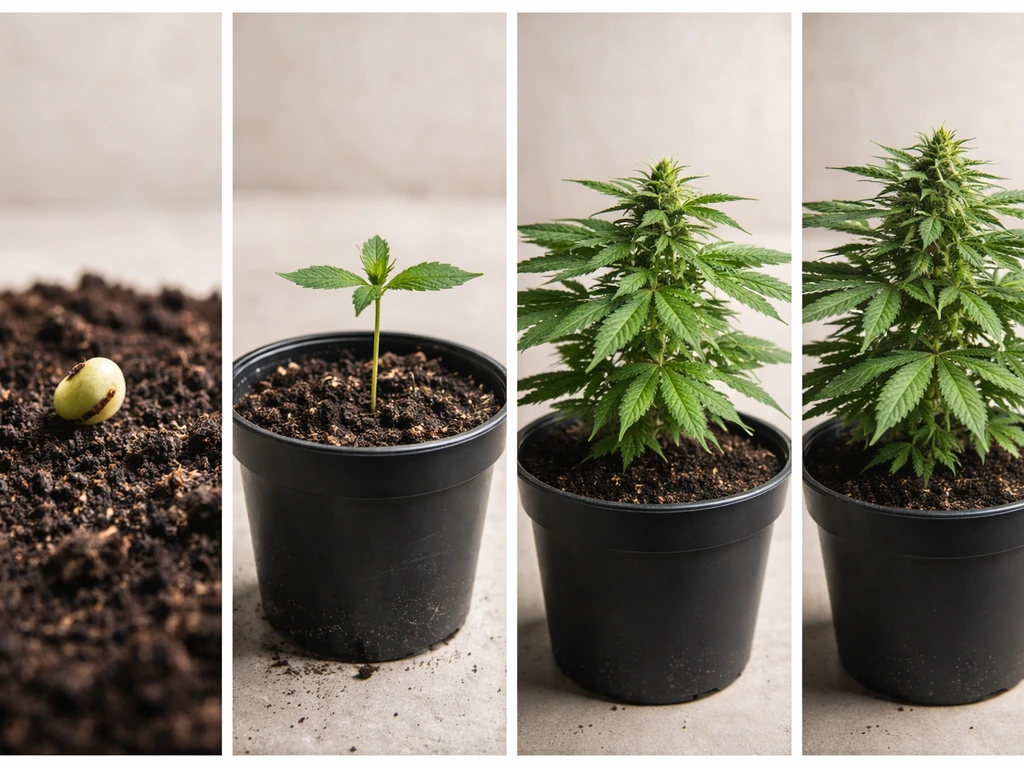
Canna seeds take about 7 to 21 days to germinate under ideal conditions, and you can expect transplant-ready seedlings in roughly 4 to 8 weeks from sowing. For feminized weed seeds specifically, you can use a similar germination timeline as a starting point, but the full grow schedule depends on the strain and your setup how long does it take to grow feminized weed seeds. If you’re looking for the timeline for tobacco specifically, you can use the same kind of day-by-day planning approach to figure out how long to grow tobacco from seed. If you’re also growing cannabis from seed, you’ll want to compare the germination and seedling timing because the overall schedule is different how long does cannabis take to grow from seed. If you are comparing timelines to weed, the germination and seedling stages can feel similar in concept but usually differ in how quickly plants progress after sprouting how long does it take to grow weed from seed. First blooms typically arrive around 3 months after planting out, though in cooler climates you may be waiting until late summer or early fall. The big catch with cannas is that their seed coats are extraordinarily hard, so skipping pretreatment (scarification and soaking) is the number one reason people end up waiting 6 weeks or more with nothing to show for it.
How Long Does It Take to Grow Cannas From Seed
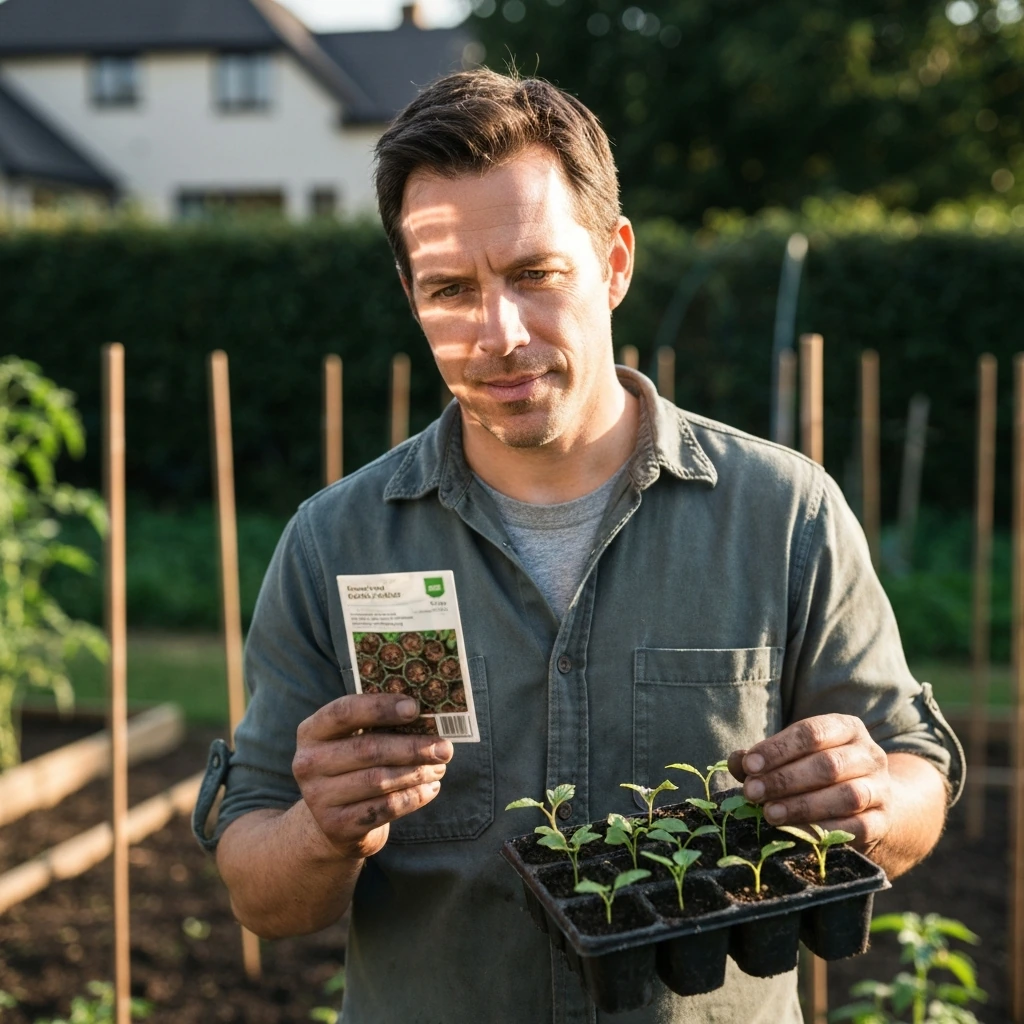
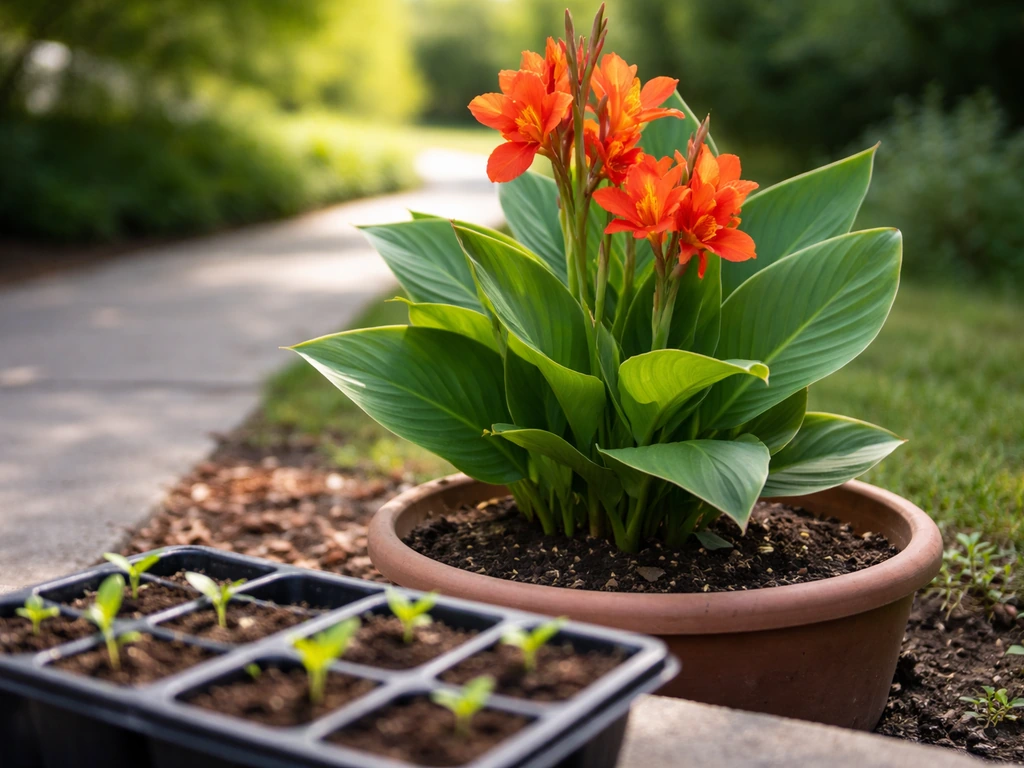
Germination: from sowing to first sprout
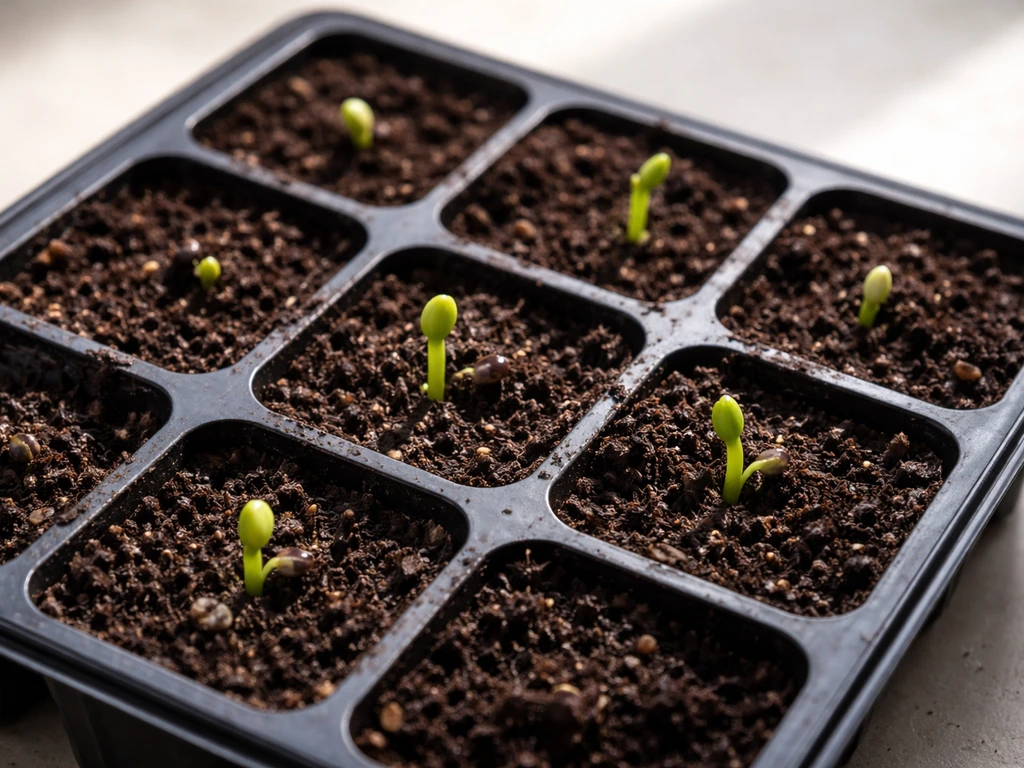
With proper pretreatment and warm soil, canna seeds typically begin sprouting somewhere between 7 and 21 days. Some gardeners report seeing the first green tip as early as day 7 when conditions are dialed in. Without pretreatment, that window can stretch to 30 days or even push toward 6 weeks, and some seeds just never break dormancy at all.
The soil temperature threshold matters a lot here. Germination begins when soil temperature is above about 16°C (61°F), but the sweet spot is 20 to 25°C (68 to 77°F). Below that lower threshold, canna seeds will sit in the ground doing very little. Above 25°C, they tend to move faster. This is why indoor starting with a heat mat consistently outperforms direct outdoor sowing in spring when soil is still cool.
The pretreatment step is non-negotiable if you want reliable germination. Canna seeds have one of the hardest seed coats of any common ornamental. Purdue Consumer Horticulture’s Q&A notes that most canna seeds have a thick, hard seed coat and need scarification (abrasion and/or softening) before the embryo can emerge blank" rel="noopener noreferrer">canna seeds have one of the hardest seed coats of any common ornamental.. The embryo inside is perfectly viable, but water simply cannot penetrate the coat quickly enough without help. The good news is the fix is simple: a few passes with sandpaper followed by a warm water soak, and your germination rates and speed improve dramatically. Gardening Know How also recommends soaking canna seeds for a minimum of 24 hours as part of scarification and soaking to kick-start germination blank" rel="noopener noreferrer">soaked for a minimum of 24 hours.
How to pretreat canna seeds before sowing
- Scarify each seed by rubbing it against fine-grit sandpaper (or a nail file) until you see a slightly lighter patch on the coat. You're not trying to expose the interior, just thin the outer shell enough for water to get in.
- Drop the scarified seeds into warm (not boiling) water and soak for 12 to 24 hours. By the end, seeds should feel slightly swollen.
- Do not soak longer than 48 hours. Beyond that, rot risk goes up and you won't gain meaningful extra benefit.
- Plant immediately after soaking while the seeds are hydrated.
Getting to transplant size
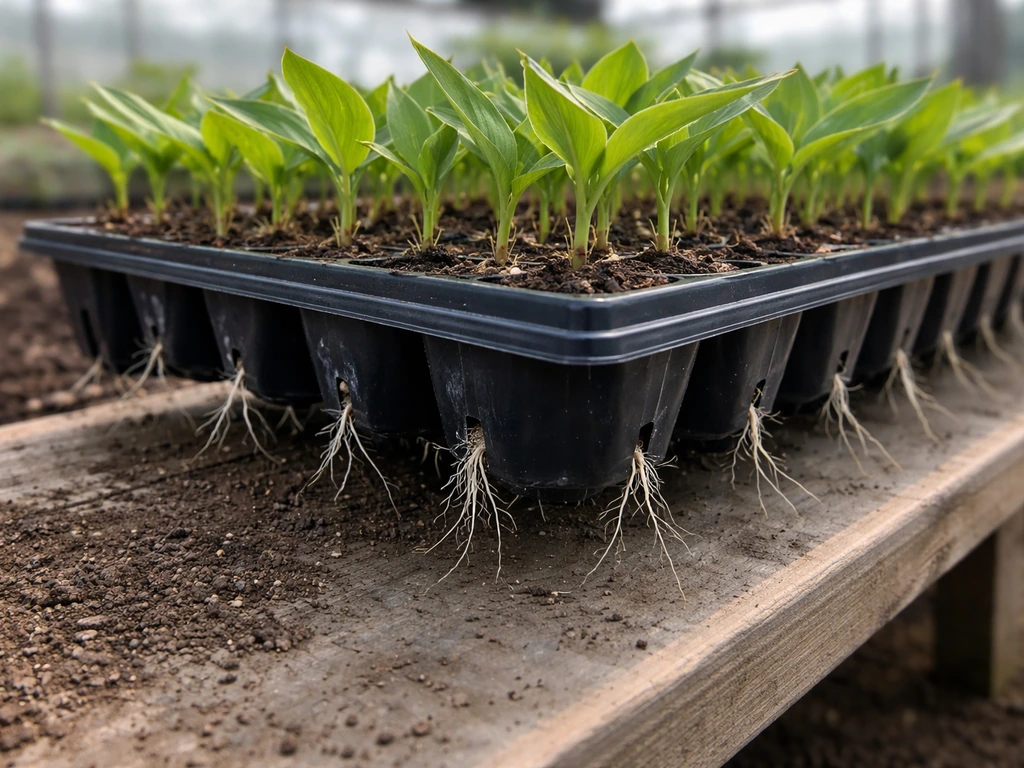
After germination, canna seedlings need roughly 4 to 8 weeks to reach transplant size, depending on how warm and bright their environment is. The general rule is to wait until they have at least 2 to 4 true leaves before moving them to a larger pot or outdoors. Cotyledons (the first tiny seed leaves) don't count. True leaves are the ones that actually look like canna leaves, and once you see 2 to 4 of those, the root system is typically developed enough to handle the transition.
A practical readiness check: look at the drainage holes of your seed tray. If you can see roots poking through, the seedling is telling you it needs more room. At that point, pot up to a 4-inch or larger container. If you're planning to start cannas 10 to 12 weeks before your last frost date, that timeline accounts for germination plus this seedling development phase, with a little buffer built in.
First blooms and full maturity
Cannas grown from seed typically take about 3 months after planting (in the ground or in a final container) to develop their first flowers. So if you transplant outdoors in late May, you're looking at blooms arriving sometime in August. In northern latitudes, canna flowering season generally runs August through October, which lines up with this timeline when you factor in a proper indoor head start.
There's an honest caveat for temperate gardeners: in cooler climates, cannas started from seed may not bloom at all in their first year if the growing season is short. They need accumulated warmth to reach flowering stage, and if your summer runs only 3 to 4 months, there may not be enough of it. If first-year blooms matter to you, starting seeds indoors as early as January or February and providing extra warmth gives you the best shot. In warmer climates (zones 8 and up), first-year blooming from seed is much more reliable.
What speeds up (or slows down) canna growth
A handful of variables have an outsized effect on how quickly cannas move from seed to sprout to bloom. Here's what to watch:
| Factor | Ideal Range | What Happens Outside That Range |
|---|---|---|
| Soil temperature | 20–25°C (68–77°F) | Below 16°C (61°F): germination stalls or fails; above 30°C: possible stress |
| Moisture | Consistently moist, not waterlogged | Dry spells: germination halts; waterlogged: rot sets in |
| Planting depth | About 1/4 inch (6mm) | Too deep slows emergence; too shallow can dry out the seed |
| Light (post-sprout) | Bright light 14–16 hrs/day after sprouting | Low light causes leggy, weak seedlings |
| Seed coat prep | Scarify + soak 12–24 hrs before sowing | Unscarified seeds may sit for weeks or never germinate |
| Seed freshness | Use fresh, high-quality seed | Old or poorly stored seed has significantly lower viability |
Temperature is probably the single biggest lever you have control over. A heat mat set to around 70 to 75°F makes a measurable difference compared to ambient room temperature for most homes in spring. Moisture consistency is a close second: the growing medium should feel like a wrung-out sponge. Letting it dry out even once during the germination window can set you back significantly.
Setting up for faster, more reliable results
A little setup investment up front saves a lot of frustration. Here's the approach that consistently works for indoor canna seed starting:
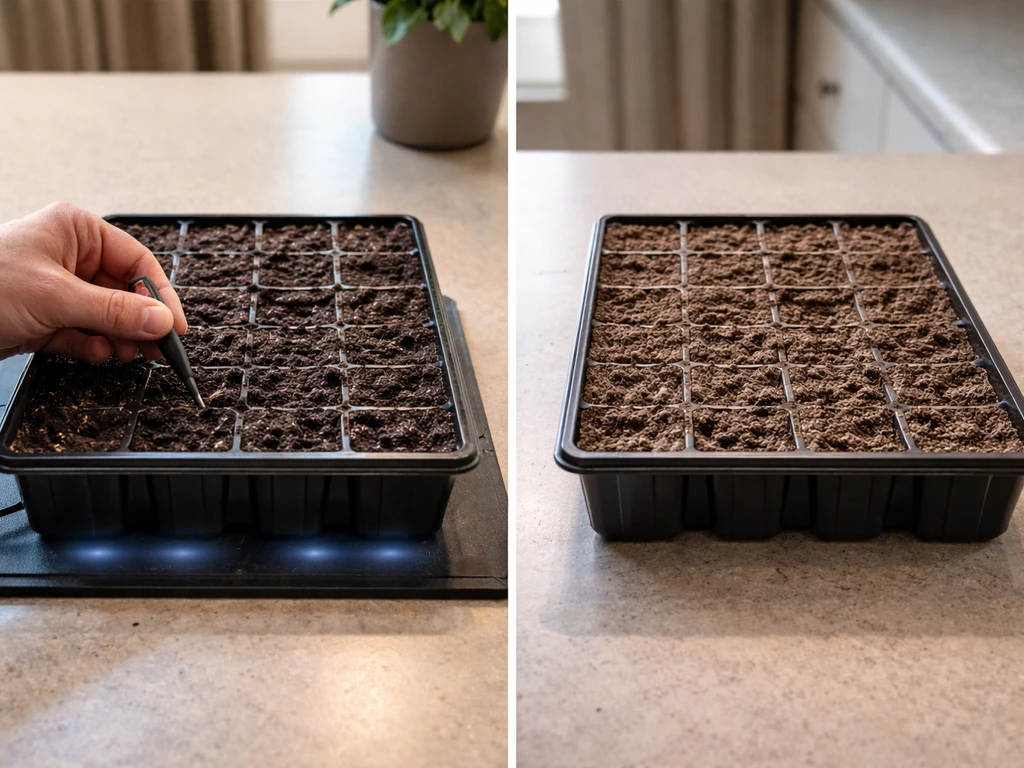
- Use a quality seed-starting mix (peat and perlite blend works well) rather than garden soil. It holds moisture without compacting or drowning roots.
- Fill cells or small pots, press seeds about 1/4 inch deep, and cover lightly.
- Place trays on a heat mat set to 70–75°F. Check soil temperature with a probe if you can, not just air temperature.
- Cover trays with a clear plastic humidity dome to hold moisture. You shouldn't need to water frequently with the dome on, but check daily.
- Once sprouts appear, remove the dome and move seedlings immediately to bright light: a south-facing window works, or set up fluorescent or LED grow lights 2 to 3 inches above the seedlings for about 14 to 16 hours per day.
- Keep the heat mat running until seedlings are well established, as cannas love warmth at every stage.
If you don't have a heat mat, look for the warmest spot in your home, often the top of a refrigerator or near a heat vent, and start checking for sprouts daily from day 7. Without supplemental bottom heat, you're relying on ambient warmth, which works but is slower and less consistent.
When germination is slow or nothing happens
If you're past day 21 with no signs of life, don't give up yet but do diagnose the problem. Here are the most common culprits:
- Seed coat wasn't properly softened: This is the most common issue by far. If you skipped scarification or soaking, the embryo may still be trapped behind an impenetrable coat. You can try carefully nicking the coat with a knife or nail clippers (just barely breaking the surface, not cutting into the seed interior) and re-soaking for 12 to 24 hours before replanting.
- Soil temperature is too low: Check the actual soil temperature, not just the room. Soil can run 5 to 10°F cooler than the air above it. If it's below 68°F, add a heat mat.
- Media dried out: Even one or two days of dry conditions during germination can cause failure. If the medium looks pale and pulls away from the container sides, it dried out. Remoisten gently and consider adding the humidity dome back.
- Seed is old or low-viability: Canna seeds from questionable sources or older packets may simply have poor germination rates. If you suspect this, try a higher density of seeds per cell to improve your odds.
- Planted too deep: If seeds are more than half an inch down, the seedling may exhaust its energy before reaching the surface. Stick to around 1/4 inch depth.
Leggy or weak seedlings after germination are almost always a light problem. Once cannas sprout, they need serious brightness. A windowsill that gets a few hours of afternoon sun is usually not enough. Move them under grow lights or to the brightest south-facing window you have. If seedlings are already stretching, lower the grow light closer (2 inches above the leaf tips) and increase the photoperiod to 16 hours. They'll usually tighten up within a week or two.
Planning your planting calendar
The most useful way to plan is to work backward from your last frost date. Cannas are frost-sensitive at every stage, so outdoor planting before your area's last frost is risky. Here's how to think through the calendar:
| Scenario | When to Start Seeds | Expected Transplant Date | Expected First Blooms |
|---|---|---|---|
| Temperate climate, want first-year blooms | 10–12 weeks before last frost (Jan–Feb for most) | After last frost, late spring | Late summer (Aug–Sept) |
| Temperate climate, blooms not critical | 8 weeks before last frost (Feb–Mar) | After last frost | Late summer to fall, possibly none first year |
| Warm climate (zone 8+) | Start indoors 6–8 weeks before transplant, or direct sow once soil reaches 70°F | Spring | Midsummer |
| Direct outdoor sowing (warm regions only) | When soil is consistently above 68°F | No transplant needed | Approximately 3 months from emergence |
If you're in a temperate zone and it's already late spring (May or later), you can still start seeds now indoors and get plants into the ground quickly, but first-year blooms become less likely. That's not a failure, just a reality of the plant's timeline. Your seedlings will spend this summer establishing themselves, and if you're in a climate where cannas overwinter (zones 7 and warmer), they'll come back stronger next year. In colder zones where frost kills the rhizomes, you'd need to lift and store them before winter if you want to save the plants.
One last practical note: if you're comparing the effort here to other ornamental or specialty seeds, cannas are genuinely more involved than most because of the pretreatment step. But the process is very manageable, and once you get that first successful germination, you'll have confidence to repeat it. The scarify-and-soak routine takes about 5 minutes of active work, and from there, warmth and consistent moisture do the rest.
FAQ
Do cannas from seed take the same amount of time to be ready to transplant outdoors?
They are usually transplant-ready about 4 to 8 weeks after sowing, but potting up should start earlier if the roots fill the tray. If you see roots at drainage holes before that window, move them to a 4-inch container immediately so they do not stall later.
Why does outdoor sowing sometimes take much longer than the 7 to 21 days germination window?
Yes, but the calendar shifts. Outdoors, the soil needs to stay consistently above the germination threshold, roughly 16°C (61°F) and ideally 20 to 25°C (68 to 77°F). A cool or rainy spell can slow germination even if the first few days were warm, so indoor starting often produces a more predictable schedule.
If my seeds do not sprout by day 21, should I restart, or keep waiting?
Day 7 is possible, day 21 is common, but what matters is daily conditions, especially moisture and temperature. If you have not scarified, even a perfect warm setup can extend germination to 30 days or more. After you hit about 3 weeks, still check that the medium stays evenly damp, not dried out between waterings.
Can I skip scarification and just soak canna seeds?
Soaking alone often is not enough because the water cannot penetrate the hard coat quickly. Scarify first (carefully abrade the seed coat), then soak in warm water before starting your heat-mat germination. This combination is what most reliably reduces the long “nothing is happening” delays.
What watering mistake most often causes canna seeds to fail even with pretreatment?
Warmth matters, but too-wet can be a problem. The mix should feel like a wrung-out sponge, and you want good drainage in the tray. If seeds sit in soggy media, they can rot before they ever sprout, which looks similar to a dormancy failure.
How can I tell when my canna seedlings are strong enough to move to a bigger pot?
Do not judge progress by cotyledons. True leaves are the first real indicator that the plant has enough strength for a larger pot or outdoor transition. If you move too early, especially in cool weather, seedlings can suffer transplant shock and set back for weeks.
How do I keep canna seedlings from getting leggy while waiting for frost to pass?
If you are starting seeds long before outdoor conditions are safe, keep them bright and actively growing rather than letting them become rootbound or leggy. Aim for about 16 hours of light with grow lights once they emerge, and adjust the light height if seedlings are stretching.
Will cannas grown from seed bloom the first year in my climate?
Yes, you can still get blooms the first year, but there is a practical limit in short summers. In cooler climates, seeds may fail to flower even if germination is fast, because flowering depends on accumulated warmth. If first-year blooms matter, start indoors early (often January to February) and plan for extra heat and light during early growth.
What should I troubleshoot if my canna seeds sprouted but now growth has slowed down?
If your seeds germinate but seedlings stall, the most common causes are insufficient light and inconsistent moisture, with temperature drops being a frequent hidden trigger. Check that nights are not much colder than daytime, and confirm you are providing strong light once sprouts appear.
How Long Does Cannabis Take to Grow From Seed
Timelines for growing from seed to harvest: photoperiod vs autoflower, plus what speeds growth and troubleshooting steps