From seed to harvest, growing weed takes anywhere from 8 weeks on the short end to around 6 months on the longer end, depending mostly on whether you're growing an autoflowering or photoperiod strain. Autoflowers are the speed demons of the cannabis world, finishing in 8–12 weeks from germination. Photoperiod strains take longer, typically 3–6 months total, because they need a shift in light hours to trigger flowering. If you're planning a grow and want a realistic timeline to work backwards from, those are your two anchors.
How Long Does It Take to Grow Weed From Seed to Harvest
Marcus Henley
5 Apr 2026
The full timeline from seed to harvest
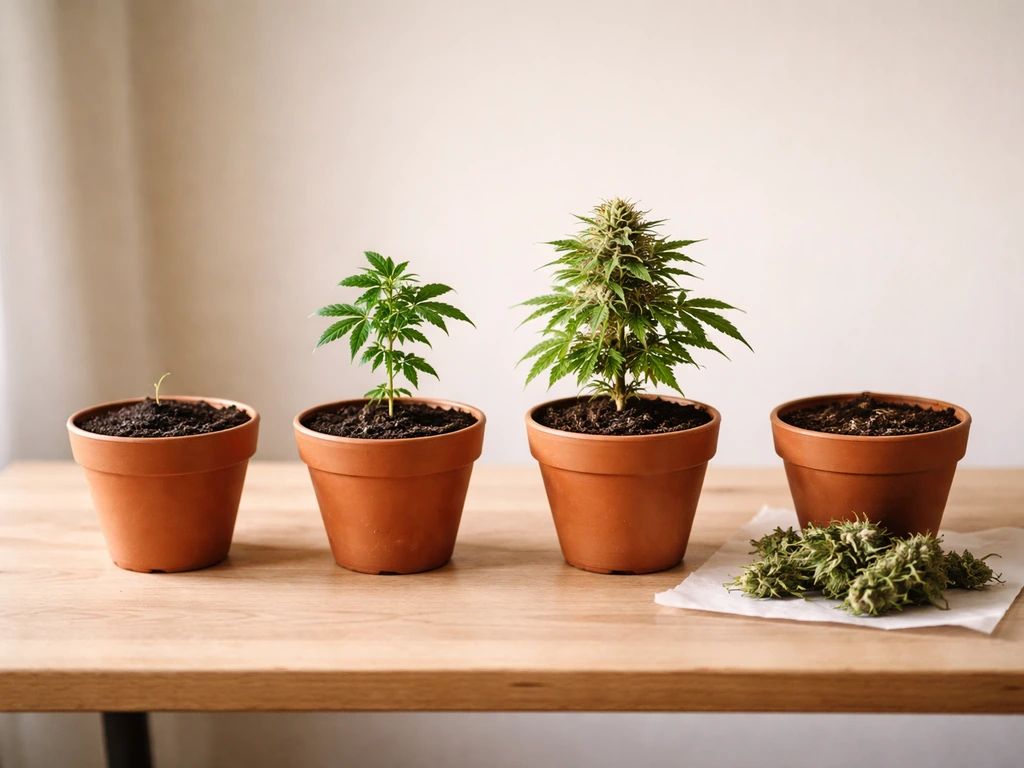
The single most useful thing you can do before starting is map out your grow in weeks. Here's how a typical cannabis lifecycle breaks down, from the moment your seed hits moisture to the day you're trimming buds.
| Growth Stage | Autoflower Timeline | Photoperiod Timeline |
|---|---|---|
| Germination | 1–5 days | 1–7 days |
| Seedling | Days 5–14 | Days 5–21 |
| Vegetative growth | Weeks 2–4 | Weeks 3–16 (grower-controlled) |
| Pre-flower / transition | Week 4–5 | Week 8–16 (light-dependent) |
| Flowering | Weeks 5–10 | Weeks 8–12 |
| Total seed to harvest | 8–12 weeks | 3–6 months |
If you want the deeper breakdown of how the cannabis plant moves through each of these phases biologically, the full cannabis growth timeline from seed is worth reading alongside this guide. But for now, let's go stage by stage so you know exactly what to expect.
Germination: how long before your seed actually sprouts
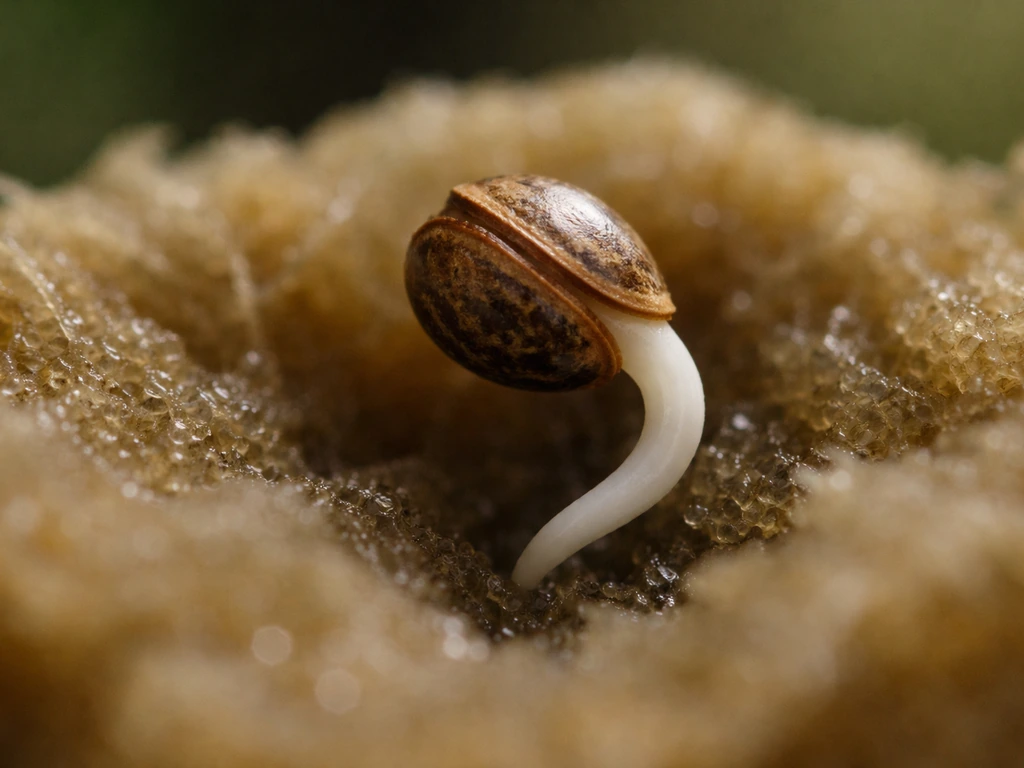
Most healthy weed seeds germinate within 1–5 days when conditions are right. You might see a taproot pop in as little as 24 hours with a premium seed in warm, moist conditions. Older seeds or seeds stored in poor conditions can take up to a week. If nothing has happened by day 7–10, that seed is most likely a dud.
The main factors that control how fast germination happens are temperature, moisture, and darkness. Cannabis seeds germinate best at 70–85°F (21–29°C). Too cold and the seed stays dormant, too hot and you risk killing the embryo. Moisture needs to be consistent but not soaking. The classic paper towel method works well because you can check on the seed easily, but direct-to-soil works fine too as long as you keep the top inch of soil moist. Seeds also prefer darkness during germination, which is why planting at 0.5–1 inch deep is the standard.
Seed quality matters a lot here. Fresh seeds from a reputable breeder germinate faster and more reliably than old or improperly stored ones. If you've been curious about specific seed types and their timelines, it's worth knowing that feminized weed seeds follow a slightly different growth schedule than regular seeds, and understanding those nuances can help you set better expectations from day one.
Seedling stage into vegetative growth
Once the taproot anchors and the seedling pushes above soil, you're in the seedling stage. This lasts roughly 1–3 weeks. Your plant will grow its first set of true fan leaves and start building the root system it needs for explosive growth later. At this point the plant is delicate. Too much water, harsh nutrients, or intense light can stress it badly and cost you days or even weeks of recovery time.
Vegetative growth is where the plant really takes off. For autoflowers, the veg stage is short, roughly 2–4 weeks, because the plant is genetically programmed to flower automatically rather than waiting for a light cue. Photoperiod plants, on the other hand, will stay in veg for as long as you give them 18+ hours of light per day. Indoor growers typically veg for 4–8 weeks to build plant size before flipping to 12/12 light to trigger flowering. Outdoor growers are at the mercy of the season and the sun, with plants vegging from spring through midsummer.
Flowering and the final push to harvest
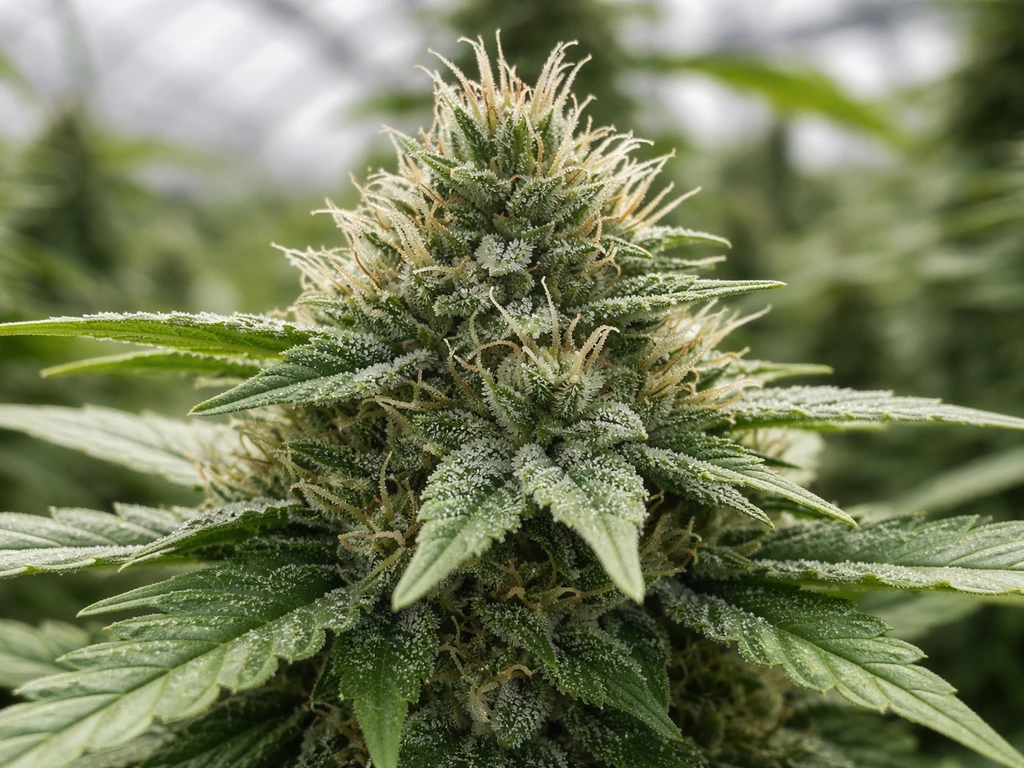
Flowering is where your patience really gets tested, but it's also where the magic happens. Autoflowers typically spend 5–7 weeks in flower before they're ready to cut. Photoperiod strains spend 8–12 weeks in flower depending on the strain. Flowering duration for indica-to-sativa ranges is commonly described as roughly 6 to 12 weeks, with flowering induced by decreasing photoperiod to at least about 10 hours of darkness, depending on the strain blank" rel="noopener noreferrer">Photoperiod strains spend 8–12 weeks in flower depending on the strain.. Indica-dominant strains tend to finish on the faster end of that range, around 8–9 weeks. Sativa-dominant and some hybrid strains can push 10–12 weeks of flower time, especially when grown outdoors where the season dictates their pace.
The trigger for photoperiod flowering is daylength. As NCSU extension research explains, flowering in photoperiod cannabis is initiated when the plant reaches a certain maturity and then receives the right light period signal, which for cannabis means 12 hours or fewer of light per day. Indoors, you control this by flipping your light schedule to 12/12. Outdoors, it happens naturally as the days shorten past the summer solstice, typically in late July or August depending on your latitude.
The best way to know when a plant is actually ready to harvest is by checking the trichomes with a jeweler's loupe or a small digital microscope. Clear trichomes mean too early. Milky white trichomes mean peak THC. Amber trichomes indicate a more sedative, degraded-THC profile. Most growers aim for a mix of milky and amber. Don't rely on the calendar alone because environmental stress, genetics, and growing conditions all shift the finish date.
How your growing conditions shift the whole schedule
This is the part most beginner guides gloss over, and it's where a lot of frustration comes from. Two growers can start with seeds from the same pack and finish weeks apart. Here's what actually moves the needle on your timeline.
- Light intensity and spectrum: Plants grown under weak lighting or lights that are too far away will grow slower during veg and produce less in flower. A good LED or HID setup at the right distance makes a measurable difference in both speed and yield.
- Temperature and humidity: The sweet spot for veg is 70–85°F with 50–70% humidity. Flowering prefers slightly lower humidity (40–50%) to reduce mold risk. Temps below 60°F will slow growth noticeably and below 50°F can cause serious damage.
- Nutrients and feed schedule: Nitrogen drives vegetative growth, phosphorus and potassium support flowering. Overfeeding causes nutrient burn and stunted growth. Underfeeding stretches timelines too.
- Indoor vs. outdoor: Indoors you have full control over light cycles, meaning you can trigger flowering whenever you're ready. Outdoors, you're working with natural seasons. In northern latitudes, this often means harvest in October for photoperiod strains.
- Pot size and root space: A plant root-bound in a small container will stall out. Autoflowers do well in 3–5 gallon pots. Photoperiod plants that you want to veg large benefit from 5–10 gallon containers.
- Strain genetics: Breeders publish average lifecycle times on their strain data sheets, and it's worth taking those seriously. A strain listed as finishing in 9 weeks of flower will almost always take longer in suboptimal conditions, not shorter.
It's also interesting to compare cannabis to other fast-growing crops that people plan around. For example, if you've ever wondered how long tobacco takes to grow from seed, you'll find surprising parallels in how temperature, light, and season affect the timeline in similar ways, even though the plants are very different.
Troubleshooting slow growth and failed germination
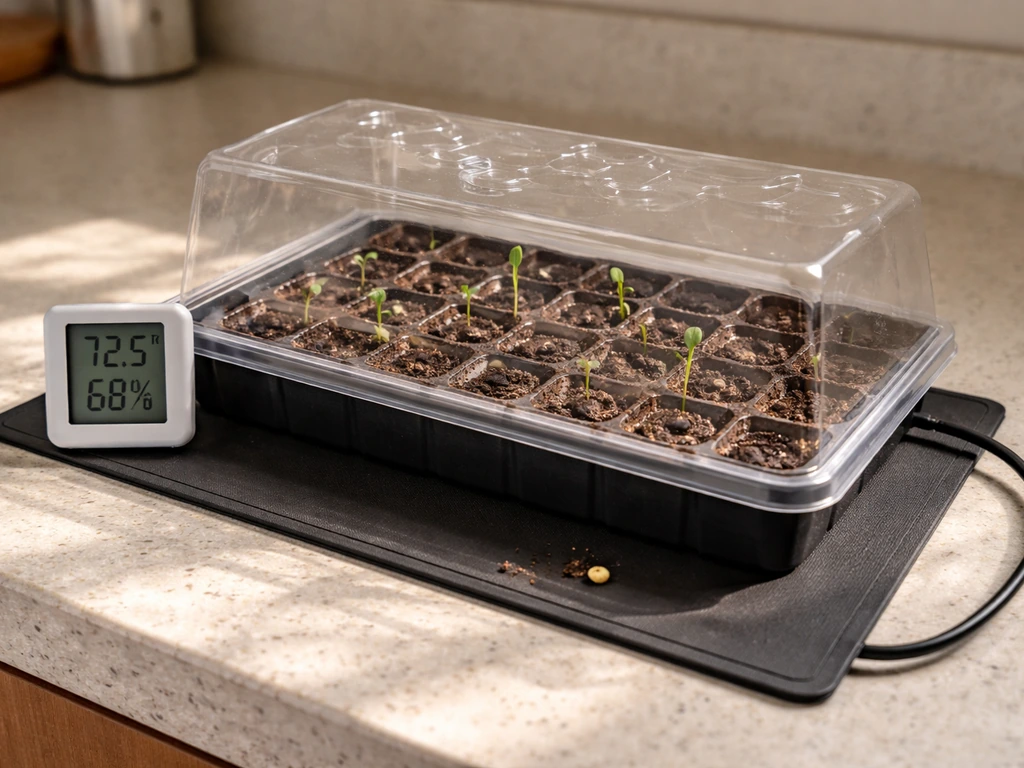
If your grow is behind schedule or your seeds aren't sprouting at all, the cause is almost always one of a short list of common issues. Here's how to diagnose and fix them.
Seeds not sprouting after 7+ days
- Temperature too low: If your germination environment is below 68°F, seeds will stall. Add a seedling heat mat and aim for 75–80°F.
- Too wet or too dry: Soggy conditions drown the seed, dry conditions prevent the hull from softening. The paper towel should be damp but not dripping.
- Old or low-quality seeds: Seeds older than 2–3 years, or seeds stored in warm or humid conditions, lose viability fast. Always buy from reputable sources and store unused seeds in a cool, dark, dry place.
- Planting too deep: More than 1 inch deep and the seedling may not have enough energy to push through the soil. Stick to 0.5–1 inch.
Seedling is growing too slowly
- Light is too far away or too weak: Seedlings need gentle but consistent light. A CFL or low-power LED 4–6 inches above the canopy works well at this stage.
- Overwatering: This is the number one killer of seedlings. Water only when the top inch of soil is dry. Lift the pot, it should feel light when it's time to water.
- pH is off: Cannabis roots absorb nutrients best at a soil pH of 6.0–7.0. Outside that range, nutrients lock out even if they're in the soil. A cheap pH meter is worth every penny.
- Root-bound: If your seedling is in a tiny starter cube or cell for too long, roots will circle and the plant will stall. Transplant to a larger container as soon as the plant looks stable.
Plant won't switch to flowering
For photoperiod strains, this usually means light leak. Even a small amount of light entering the grow space during the dark period can interrupt the flowering trigger and cause your plant to stay in veg or re-veg. Check all seams, vents, and the door of your grow tent or room. Outdoors, unusual light sources like streetlights can also interfere.
If you're growing autoflowers and they seem to be taking longer than the 8–12 week window, environmental stress is usually the culprit. Autos are mostly forgiving, but heat stress, overwatering, or transplant shock early in life can add 1–3 weeks to your timeline. Give them stable conditions, ease off on the interventions, and they'll usually self-correct.
Autoflower vs. photoperiod: which timeline fits your grow?
If you're a first-time grower or you're working with a short outdoor season, autoflowers are a much more forgiving choice. The 8–12 week seed-to-harvest window means you can fit multiple grows into a single season, and you don't need to manage light schedules at all. The tradeoff is that autoflowers typically yield less per plant and you can't extend the veg period to grow bigger plants.
Photoperiod strains give you more control, bigger yields, and access to a much wider range of genetics. But they demand more planning. You need to think about your light setup indoors or your seasonal window outdoors. For outdoor growers in most of North America and Europe, photoperiod plants go in the ground after last frost in spring and come down in September or October, putting total grow time in the 5–6 month range.
On a completely different note, if you came to this site also researching ornamental plants with a similar name, you might be looking for information on how long cannas take to grow from seed, which is a very different plant with its own distinct timeline worth checking out separately.
For cannabis specifically, the bottom line is this: plan for 10 weeks minimum if you're going the autoflower route, and 4–5 months minimum if you're growing photoperiod strains indoors with a standard veg period. Wikipedia describes autoflowering cannabis varieties as blank" rel="noopener noreferrer">often becoming ready to harvest in less than 10 weeks from seed, thanks to rapid flowering without reliance on dark or photoperiod cues. Build a few weeks of buffer into any schedule because something, whether it's a slow germination, an early pest issue, or a cold snap outdoors, almost always adds time. Knowing the realistic ranges from the start makes those delays a lot less stressful.
FAQ
How long does it take to grow weed from seed if the seed doesn’t sprout right away?
Most timelines assume germination happens within a few days, but if germination stretches toward a week, your whole finish date shifts by roughly the same amount. If nothing shows by day 7 to 10, expect the seed to be unlikely to catch up, and it’s usually better to restart rather than waiting indefinitely.
Does the “8–12 weeks” for autoflowers count from germination or from planting in soil?
It’s typically counted from germination or early seedling establishment, not from the moment you put the seed in a dry medium. If you’re using soil, add a germination delay buffer (often 2 to 5 days) to convert the calendar estimate to your actual planting date.
If I start photoperiod indoors, can I speed up harvest by keeping lights on longer than 18 hours in veg?
Changing the veg light schedule can affect plant size and maturity, but it won’t reliably shorten the flowering window. Flowering time still depends mainly on strain genetics and trichome development, so you may get a bigger plant faster, but you generally should not expect a proportionate reduction in total flower weeks.
Why do some grows finish earlier or later than the stated seed-to-harvest range?
Two common reasons are plant maturity at the time flowering begins (especially for photoperiod) and temperature or stress during late veg and early bloom. Cooler conditions, underfeeding or overcorrecting nutrients, and transplant shock can slow development, while stable warmth and low stress can keep plants on the early end of the range.
What’s the difference between “weeks in flower” and “ready to harvest” ?
“Weeks in flower” is a typical production window, but harvest timing depends on trichome stage, not the calendar. Even if a plant is in week 8 or 10, you may still need extra days if trichomes are mostly clear, and you may need less time if they turn amber quickly due to genetics and environmental conditions.
How do I estimate harvest date from today if I know my strain is photoperiod?
Work backward from your target harvest by planning seedling (about 1 to 3 weeks), then veg (commonly 4 to 8 weeks indoors for many setups), then flowering (usually 8 to 12 weeks). Add buffer for germination delays and any early stress, because delays in seedling or veg often push flowering start later.
Can photoperiod plants “re-veg” or stall if something interrupts the dark period?
Yes. Even brief light during the dark window can confuse the flowering trigger and cause stalling or reversion to vegetative growth. If you suspect light leaks, check doors, tent seams, and any device LEDs, and fix the source immediately to avoid losing additional weeks.
My autoflower looks small and takes longer than expected, is it still normal?
Autos can add time if they experienced early stress, such as overwatering, heat spikes, or transplant shock. A smaller plant with a delayed timeline can still finish, but stabilization is key, reduce interventions, and avoid heavy nutrient changes until growth resumes steadily.
How long does it take to grow multiple harvests in a single season with autoflowers versus photoperiod?
Autoflowers are designed to finish in about 8 to 12 weeks from germination, so you can stagger plantings and potentially fit more than one run. Photoperiod plants usually require a longer total cycle and, outdoors, depend on natural light changes, so multiple complete harvests in one season are much less practical for most growers.
Is there a practical “buffer” I should add to any schedule?
Yes, plan extra time for variability. A common approach is to add a few days to a week for slow germination and then an additional buffer of roughly 1 to 3 weeks for early setbacks like cold snaps, pest issues, or transplant recovery, since these often shift the later phases too.
Next Article
How Long Does It Take to Grow Chrysanthemums from Seeds
Timeline for growing mums from seeds: sowing to germination, transplant readiness, flowering and maturity, plus key vari