Coleus seeds typically germinate in 8 to 20 days under indoor conditions, with most seeds sprouting right around the 10-day mark when conditions are dialed in. From there, you're looking at roughly 8 to 10 weeks total from sowing to a transplant-ready seedling, and another 4 to 6 weeks in the ground (or a pot) before the plant really starts putting on a show. So start to finish, plan on about 12 to 16 weeks before you've got a full, lush coleus plant worth showing off.
How Long Does It Take to Grow Coleus From Seed?
Marcus Henley
16 Apr 2026
How long coleus seeds take to sprout
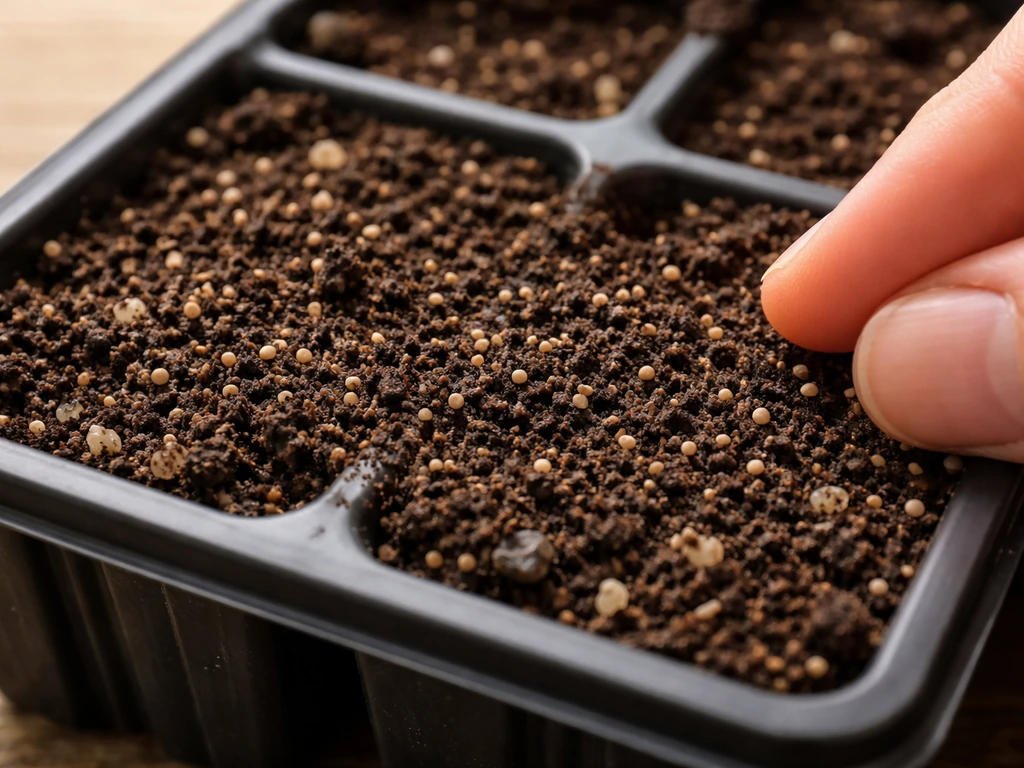
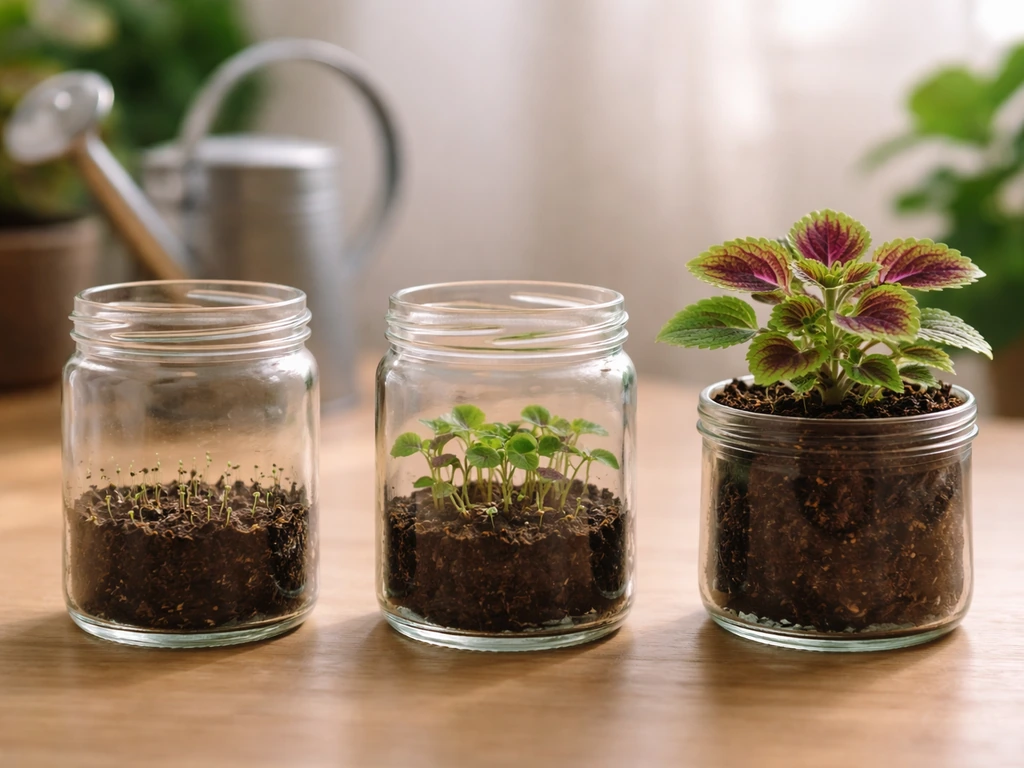
The germination window for coleus is a little wider than some seeds. Under good indoor conditions at 70 to 75°F, you can expect sprouts in 10 to 20 days according to University of Minnesota Extension. When temperatures are closer to 65°F, you're more likely in the 8 to 11 day range, and many commercial growers and seed packet instructions (like those from Harris Seeds) report 8 to 10 days as the typical window at warmer indoor temperatures.
The single most important thing to know about coleus germination: do not cover the seeds. Coleus requires light to germinate, and burying them even a tiny bit can completely prevent sprouting. Press the seeds gently onto the surface of your moist seed-starting mix, then set them under light. Multiple university sources, including UF/IFAS and UMN Extension, are very clear on this. I've made the mistake of lightly dusting seeds with mix out of habit, and those trays sat dormant for weeks while uncovered seeds in the same tray sprouted right on schedule.
From sprout to transplant-ready seedling
Once your seedlings are up, give them about 6 to 8 more weeks before they're ready to move into larger containers or out to the garden. K-State Extension's indoor seed-starting table recommends starting coleus about 8 weeks before your last frost date, which tells you that the full indoor journey from sow to transplant takes approximately that long. Missouri University Extension corroborates this, listing a 9 to 10 week crop time from seeding to finished stage.
Around weeks 3 to 4 after germination, start feeding your seedlings. Burpee's coleus care guidance recommends a starter fertilizer solution at roughly half the strength of a complete indoor houseplant food when seedlings hit that 3 to 4 week mark. Don't rush it earlier than that. The seedling's first leaves (the cotyledons) carry enough energy for initial growth, and feeding too early in soggy seed-starting mix can cause more harm than good.
By 6 to 8 weeks from sowing, a well-grown coleus seedling will have several sets of true leaves and be stocky enough to handle transplanting. If you're following a commercial plug timeline, that finishing stage (plug to final container) takes an additional 4 to 5 weeks according to nursery production schedules, or up to 10 weeks total from transplant to a finished bedding-plant-sized specimen per UConn Extension.
When coleus plants reach full, showy maturity
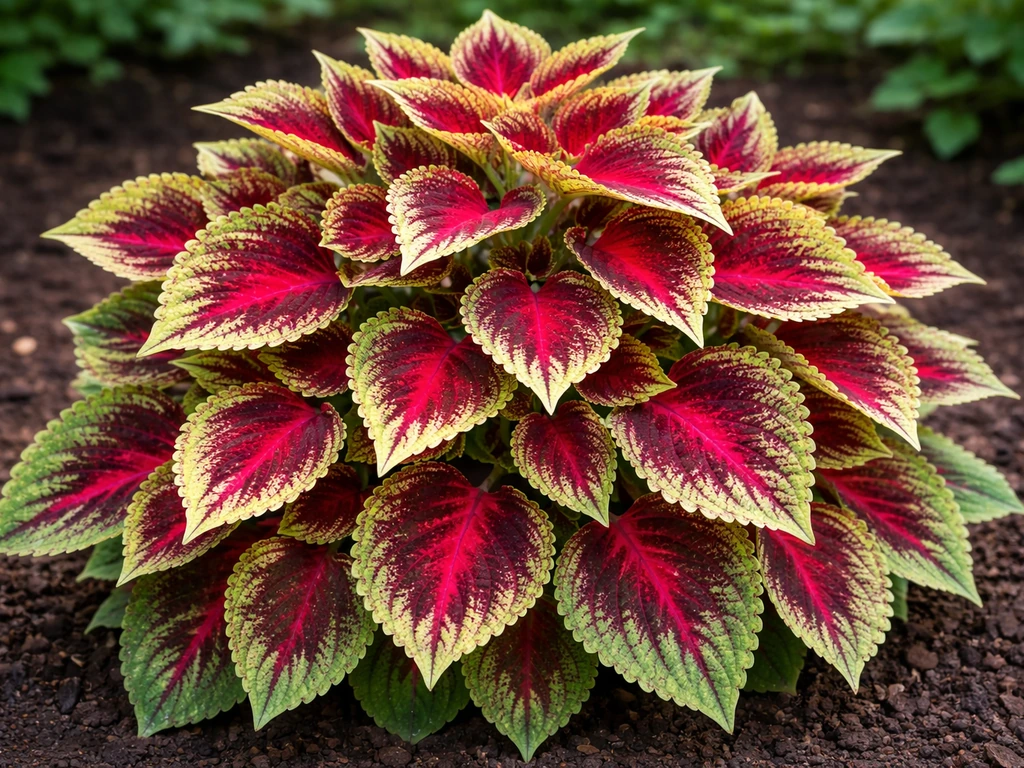
Coleus doesn't have a single "flowering" maturity milestone the way a vegetable does. What you're aiming for is a dense, bushy plant with fully developed foliage color, and that happens roughly 4 to 6 weeks after transplanting outdoors (assuming warm weather and good light). For most gardeners, the whole journey from sowing seed indoors to a standout plant in your beds or containers is about 14 to 16 weeks.
Coleus will actually bloom if you let it, but most gardeners pinch off the flower spikes to keep energy in the foliage and prevent the plant from going to seed too early. Once outdoor temperatures are consistently warm (nights above 50°F), coleus grows fast. In my experience, a transplant that looked modest at planting can double or triple in size within a month during a warm, humid summer.
What actually changes the timing
Temperature
Temperature is the biggest lever you have. Coleus seeds need soil temperatures of at least 65°F to germinate reliably, and the sweet spot is 70 to 75°F. Below 65°F and germination slows dramatically or stalls entirely. A heat mat under your seed tray is one of the simplest investments you can make for faster, more uniform sprouting. K-State Extension specifically recommends heat mats to keep soil warm and speed germination, and it genuinely makes a difference of several days in my experience.
Light
Light matters at two stages: germination (seeds need it to sprout) and seedling development (seedlings need a lot of it to grow compact and bushy rather than tall and spindly). Burpee recommends placing fluorescent or grow lights 3 to 4 inches above your seedlings and running them for 16 hours per day with 8 hours off. K-State's seed-starting guidance similarly notes that seedlings need at least 12 hours of light per day to avoid legginess. A windowsill in a north-facing room simply won't cut it. South or west-facing is better, but grow lights are more reliable.
Moisture
Keep the seed-starting mix consistently moist but never waterlogged. Coleus seeds sitting on the surface will dry out faster than buried seeds, so you'll need to mist regularly (a spray bottle works well) or use a humidity dome to retain moisture in the first week or two. Inconsistent moisture is a fast track to patchy or failed germination.
Seed quality and freshness
Old seed is a silent germination killer. Coleus seed doesn't stay viable forever, and stored seed from a previous season can have significantly lower germination rates. If you're using seed from last year's packets, sow more thickly than you normally would to compensate. Always check the packed-for date on the packet. This is one case where fresh seed really does perform noticeably better.
Indoor vs outdoor starting, and how to plan your schedule
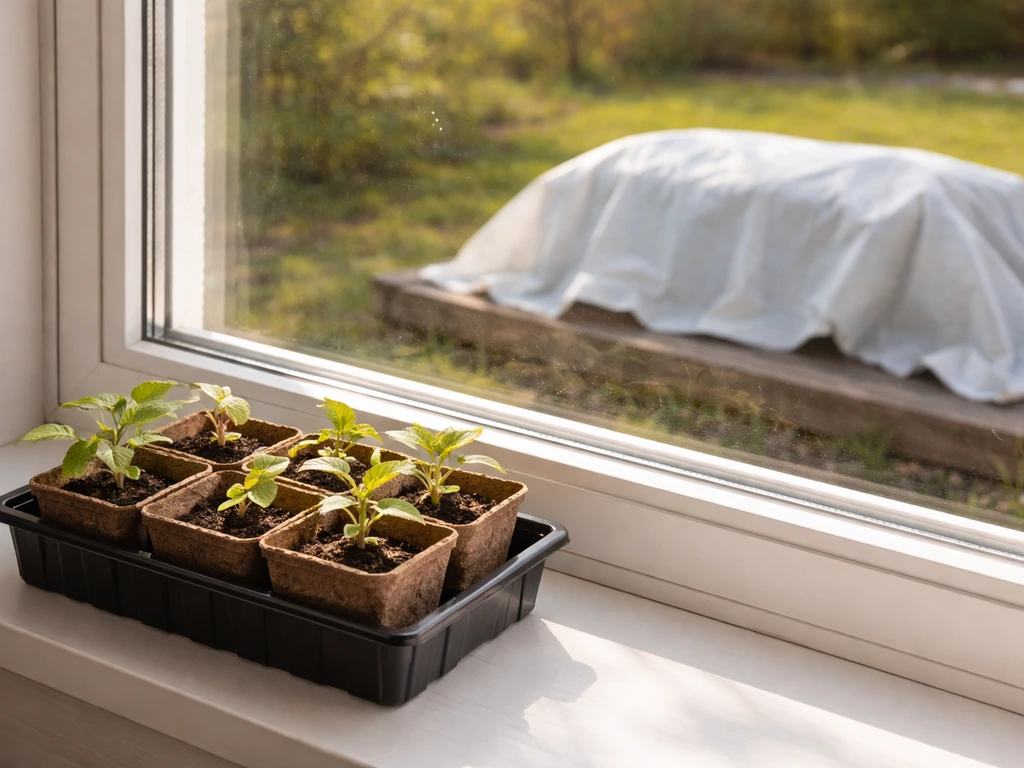
Coleus is frost-sensitive and should not go outdoors until nighttime temperatures are reliably above 50°F. That means nearly everyone growing coleus should start seeds indoors. The standard guidance is to sow 8 weeks before your average last frost date. So if your last frost is typically May 15, you'd be sowing around March 20. If your last frost is April 1, you'd sow around early February.
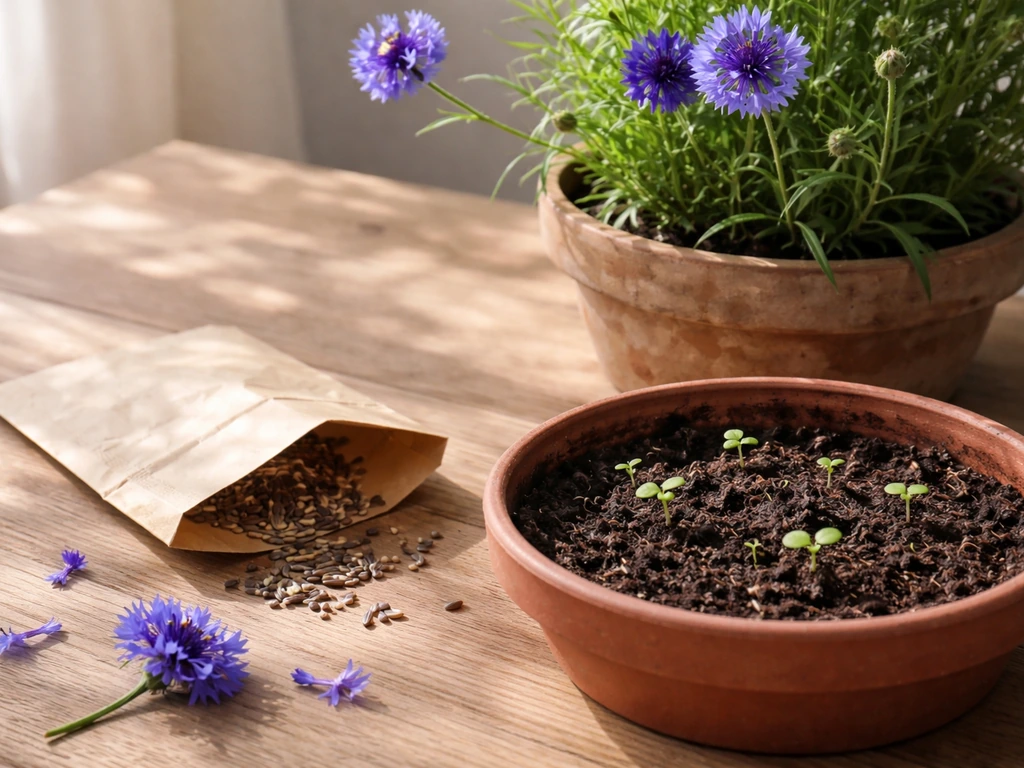
Timing from seed to outdoor transplant is not that different from planning other warm-season annuals. If you've ever wondered how long cornflowers take to grow from seed, you'll recognize the same basic framework: count back from your last frost, give yourself enough lead time indoors, and harden off before planting outside.
For grow-light setups, coleus seedlings will be more compact and vigorous than windowsill-grown ones, and you'll have more control over timing. Windowsill starts in late winter (January or February) often look pale and stretched by March, while a grow-light setup started 8 weeks before last frost produces stocky, well-branched transplants right on schedule. If you only have a windowsill, compensate by rotating the tray daily and keeping the plant as close to the glass as possible.
| Setup | Germination Speed | Seedling Quality | Schedule Flexibility | Best For |
|---|---|---|---|---|
| Grow lights (16 hrs/day, 3-4" above seedlings) | Fast: 8–12 days | Compact, bushy | High | Most gardeners wanting reliable results |
| Sunny south-facing windowsill | Moderate: 10–16 days | Acceptable but can be leggy | Moderate | Gardeners without grow light equipment |
| North or east windowsill | Slow: 14–20+ days | Often leggy and pale | Low | Not recommended for coleus starts |
| Outdoor direct sow (warm climates) | Variable: 10–20 days | Depends on weather | Low | Only in frost-free zones after soil warms to 70°F+ |
Troubleshooting slow or failed germination
If you're past day 14 with no sprouts, don't panic yet, but do start diagnosing. The most common culprit by far is covered seeds. Check your tray: if there's any mix sitting on top of the seeds, gently remove it and expose them to light. That alone has saved more than one of my trays.
The second most common issue is temperature. Stick a thermometer probe into the seed-starting mix. If it reads below 65°F, germination will be unreliable. A heat mat brings soil temps up by about 10 to 20 degrees above ambient, which can make a huge difference in a cool basement or garage setup.
For seedlings that sprout but then stall or fall over at the base, you're almost certainly looking at damping-off, a fungal problem that thrives in cool, wet, stagnant conditions. UMN Extension's damping-off prevention guidance emphasizes starting with clean containers and sterile seed-starting mix rather than garden soil, which can harbor pathogens. Good airflow is also critical: a small fan running nearby (even on low) keeps air moving and discourages the humid, still conditions that damping-off fungi love.
If seedlings look healthy but are growing very slowly weeks after germination, light is usually the issue. Coleus is a high-light plant even as a seedling. Doubling your light duration or moving lights closer (staying at the recommended 3 to 4 inch distance) often restarts growth visibly within a week. Similarly, if you've been waiting more than three weeks and haven't fertilized yet, start that half-strength starter solution now.
Here's a quick diagnostic checklist to run through if things aren't going to plan:
- Seeds not sprouting by day 14: Check that seeds are uncovered and exposed to light; verify soil temperature is at least 65°F
- Patchy germination: Likely cold spots in the tray or inconsistent moisture; check for dry areas and add a heat mat
- Seeds sprouted but seedlings fell over: Damping-off suspected; improve airflow, reduce surface moisture, and remove affected seedlings immediately
- Seedlings pale and stretched: Not enough light or light duration; move to grow lights or a brighter window and extend light to at least 12 to 16 hours
- Seedlings healthy but growing very slowly after 3 weeks: Start half-strength fertilizer and check that temperatures are consistently warm (65°F+)
- No germination after 21 days from seed that was stored: Old seed is likely the problem; use fresh seed and sow thickly
Putting the whole timeline together
Here's the full coleus timeline from sowing to a mature, showy plant: Corn typically takes about 60 to 100 days from planting to harvest, depending on the variety and growing conditions how long does corn take to grow from seed.
- Days 1 to 10: Seeds germinate (surface-sown, 70–75°F, light required)
- Days 10 to 21: First true leaves appear; keep warm and under grow lights 16 hours/day
- Weeks 3 to 4: Begin half-strength fertilizer; seedlings developing multiple leaf sets
- Weeks 6 to 8: Seedlings transplant-ready (multiple true leaves, stocky stems)
- Week 8 to last frost: Harden off outdoors gradually over 7 to 10 days
- 4 to 6 weeks after outdoor transplant: Full, lush, bushy plant with mature foliage color
The whole process is satisfying once you understand that coleus is not a set-it-and-forget-it seed. It wants warmth, light from day one, and consistent moisture. Get those three things right and you'll rarely have trouble. Coleus is honestly one of the more forgiving annuals to grow from seed once you know about the no-cover rule, and the payoff in foliage color is absolutely worth the 8-week investment indoors.
If you're planning a broader seed-starting calendar this season, it helps to compare timelines across plants. For example, how long comfrey takes to grow from seed is a very different story from coleus, and knowing those ranges helps you stagger your seed-starting sessions efficiently. On the faster end of the spectrum, how long coneflowers take to grow from seed is another useful comparison if you're filling beds with a mix of annuals and perennials. And if you're balancing a vegetable garden alongside your flower starts, understanding how long corn takes to grow from seed will help you sequence everything from your last frost date outward.
FAQ
What should I do if my coleus seeds do not sprout after 14 days?
If your coleus seeds sprout after the typical window (for example, you see no sprouts at day 14), keep the conditions steady rather than resowing immediately. Re-check three things first: seed coverage (they should be on the surface, not buried or dusted), soil temperature (target 70 to 75°F for consistent results), and light (use grow lights or a very bright window plus daily tray rotation). If everything is correct and they still do not germinate after about 3 more weeks, that’s a sign the batch is likely low-viability and resowing is the most time-efficient option.
Is transplant-ready based on seed age, or size/stage of the plant?
Start timing from the seed-sowing date, but remember that “transplant-ready” depends on your plant goal. A seedling can look ready to pot up around 6 to 8 weeks, yet still need another couple of weeks to thicken with regular light and warmth. If you want a fast, bushy look in your beds, prioritize compact growth (strong light, appropriate spacing, and pot-up at 6 to 8 weeks) rather than just moving it outdoors as soon as it forms true leaves.
Can I start coleus seeds in a cool room without a heat mat?
Yes, but it changes the calendar slightly. A cold or unheated room can delay germination even if air temperature seems mild, because coleus needs warm seed-starting mix (reliably at least 65°F). If you can’t guarantee warmth, a heat mat under the tray and a humidity dome for the first week or two help you keep germination on track and avoid patchy emergence.
How do I keep the seed-starting mix moist without causing rot?
For most home setups, water the surface enough to keep the mix evenly moist, not soaked. Because coleus seeds sit on top, they can dry out between mistings, which leads to uneven germination timing. A practical approach is to mist once you notice the top layer starting to lighten in color, and remove any dome as soon as sprouts appear to reduce damping-off risk.
Why are my coleus seedlings tall and leggy even though they sprouted?
If your seedlings come up spindly, it is usually not a “slow growth” issue, it is a light intensity or duration issue. Increase light (move lights closer within the recommended range, or extend photoperiod) and ensure at least 12 to 16 hours of light per day. Also rotate the tray daily so the plants grow evenly instead of leaning toward the light.
Does the pot size I use affect how long coleus takes to become lush?
Use potting size to shape your timeline. Going too big too early often keeps the mix wet longer, which increases the chance of damping-off and slows steady growth. A safer pattern is small starter containers for early seedlings, then pot up once they are stocky with multiple sets of true leaves, typically around 6 to 8 weeks from sowing.
Can pinching speed up how fast coleus looks full and bushy?
Yes. If you pinch or harvest the tip once the plant has enough stem and leaves to respond, you can create branching sooner, which makes the plant look fuller without waiting for natural maturity. A common practical target is to start pinching after the seedlings are established post-pot-up and have several sets of true leaves, then continue light pinching through early growth if you want a dense, rounded habit.
How do cool nights after transplanting affect the growth timeline?
Coleus is frost-sensitive, so letting it sit too long outdoors before nights are reliably warm can stall growth. A good rule is to wait until nighttime temperatures stay above 50°F consistently, then harden off gradually over several days. If your area cools off after planting, consider temporary protection to keep the growth momentum you planned for in your timeline.
Will old coleus seed make the process take longer?
For best results, plan around fresh seed and check the packet’s packed-for date. Older seed can still germinate, but the percent and speed drop, which means fewer seedlings and a longer time to “catch up.” If your seed lot is old, sow more densely and expect a wider spread in sprouting days.
Do coleus flowers delay the plant from becoming lush?
Blooming itself is usually not the main factor for “how long to a showy plant,” foliage is. If you leave flower spikes, some energy shifts toward flowers and seed, which can reduce the pace of leaf-thickening. Pinching off spikes after they appear helps keep the plant investing in the foliage look you’re aiming for.
Next Article
How Long Do Cornflowers Take to Grow From Seed?
Get realistic timelines for cornflowers from seed to germination and first flowers, plus tips to fix slow or stuck growt