Corn takes anywhere from 60 to 100 days to grow from seed to harvest, depending on the variety and your growing conditions. Sweet corn sits on the shorter end, typically maturing in 60 to 90 days. Field corn grown for grain needs more time, often 90 to 110 days or longer. Within those ranges, germination alone takes 5 to 12 days, and the rest of the season plays out in predictable stages once your seedlings are up and running.
How Long Does Corn Take to Grow From Seed to Harvest
Marcus Henley
3 Apr 2026
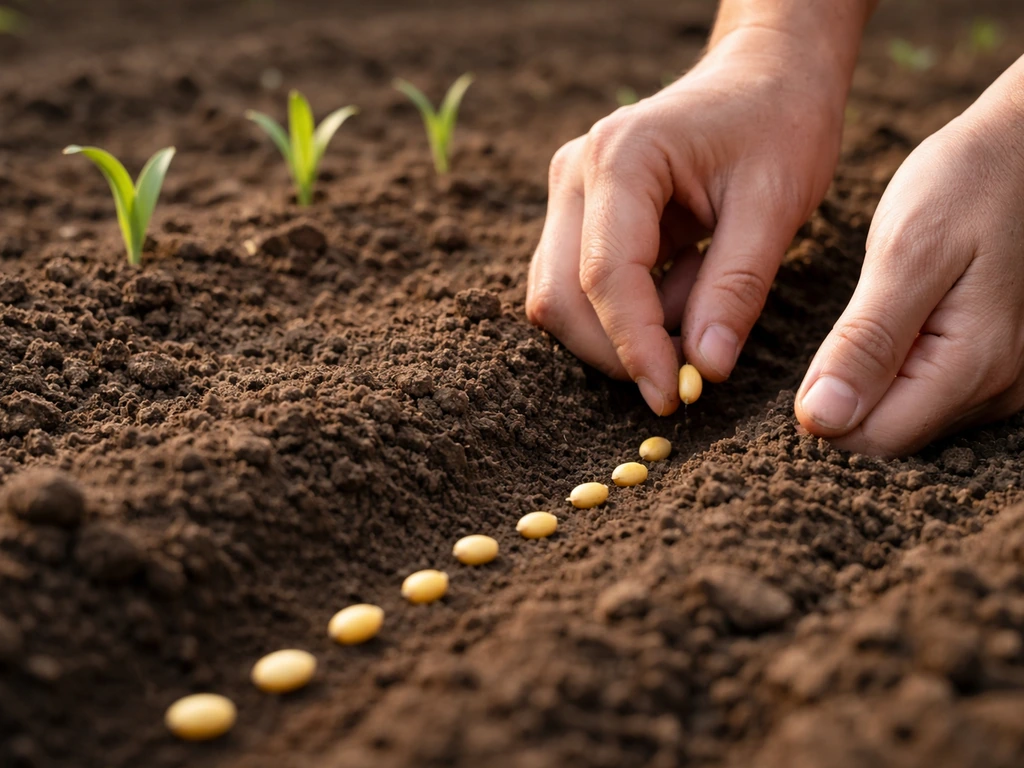
The full corn growth timeline from seed to harvest
Here is what the full season looks like broken into stages. These numbers are realistic averages, but your actual experience will shift a bit depending on climate and variety.
| Stage | Timeframe from Planting | Notes |
|---|---|---|
| Germination | 5–12 days | Needs soil temps of at least 55–60°F |
| Seedling emergence | 7–14 days | First leaves visible above soil |
| Vegetative growth (V stages) | Weeks 2–7 | Rapid leaf and stalk development |
| Tasseling and silking (R1) | 55–70 days after planting | Pollination window; silks appear |
| Milk stage (R3) | ~18–20 days after silking | Kernels fill with milky fluid; sweet corn harvest window |
| Sweet corn harvest | 60–90 days from planting | 18–24 days after silks appear and brown |
| Physiological maturity (grain corn) | ~55–65 days after silking | Kernels reach maximum dry weight |
| Grain corn harvest | 90–110+ days from planting | Grain moisture drops to ~30–32% at maturity |
The milk stage timing is worth knowing if you grow sweet corn. Research from Iowa State puts R3 (milk stage) at roughly 18 to 20 days after silking, and both UMN and Mississippi State Extension confirm that harvest readiness for sweet corn lands around 18 to 24 days after the first silks become visible. Once you see those silks turning brown and drying out, you are days away from peak eating quality. Do not wait too long after that window, or the sugars convert to starch and the flavor drops fast.
Germination time and what seedlings need to emerge
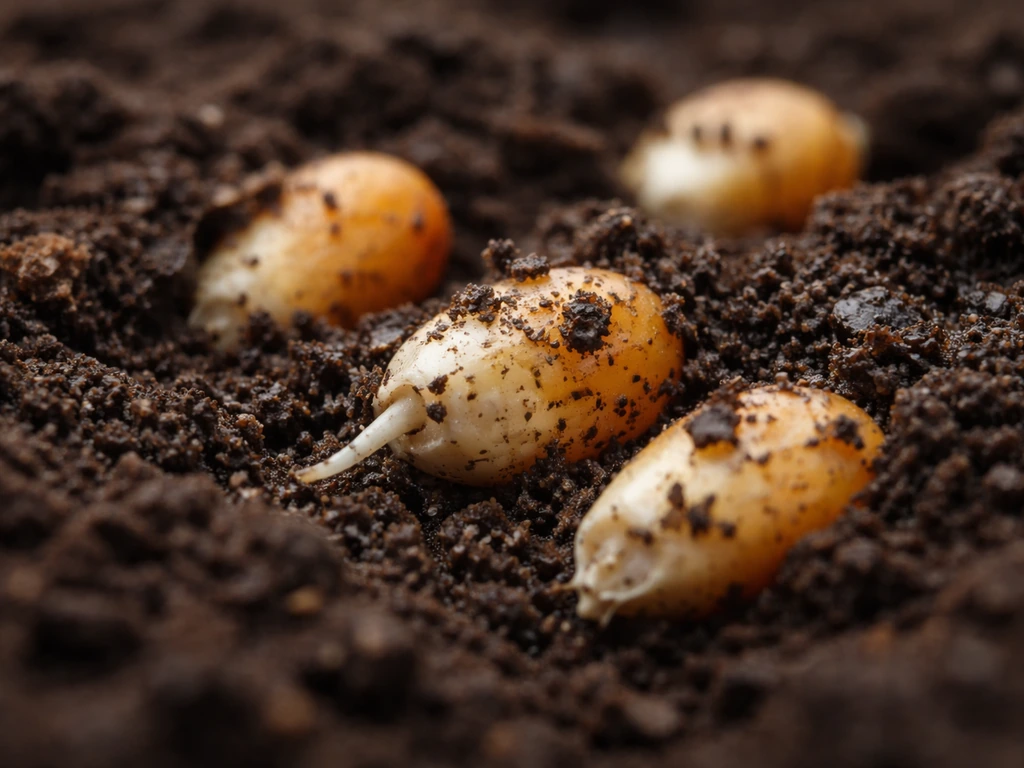
Corn germinates in 5 to 12 days under good conditions, but that range can stretch to 3 weeks or more when the soil is cool. The critical number here is soil temperature: corn needs at least 55 to 60°F in the seed zone to germinate reliably. Below that threshold, germination does not just slow down, it becomes erratic and leaves seeds sitting vulnerable in cold, wet soil.
One thing that catches a lot of gardeners off guard is that the corn seedling's growing point stays underground until the plant actually pushes through the surface. That means if something goes wrong in those first weeks, whether from cold, pests, or soil crusting, you often cannot see the damage until the window for easy intervention has already passed. Getting soil temperature right before you plant is genuinely the single most important prep step.
Optimal growth temperatures after emergence run warmer, in the range of 75 to 86°F. If your spring is cool and slow to warm up, expect your timeline to stretch by a week or two relative to the days-to-maturity number printed on the seed packet.
How corn variety changes your days to harvest
The days-to-maturity number on a seed packet is a useful starting point, but it is an approximation tied to average weather in a test location, not a guarantee. That said, variety selection genuinely does move the timeline.
| Corn Type | Days to Harvest (Typical Range) | Notes |
|---|---|---|
| Early sweet corn | 60–70 days | Good for short-season climates; smaller ears |
| Mid-season sweet corn | 70–80 days | Most common home garden varieties |
| Late-season sweet corn | 80–90 days | Larger ears; needs a long warm summer |
| Field corn (grain) | 90–110+ days | Grown to physiological maturity; higher moisture tolerance needed |
| Popcorn | 90–120 days | Needs full dry-down on the stalk or post-harvest |
For grain corn, the period from silking to physiological maturity is actually quite consistent regardless of variety, averaging around 50 to 65 days after silking. What changes between varieties is mostly how quickly they reach silking in the first place. That is why a 95-day hybrid and a 110-day hybrid both spend roughly the same post-silk time filling grain, but the 110-day variety took longer to get to tassel stage.
It is also worth knowing that the days-to-maturity label reflects average calendar time, not a hard biological clock. Growing degree day accumulation drives the actual pace, which is why a warm, sunny season can shave a week or more off a variety's rated maturity, while a cool, cloudy summer can add time. If you are in a northern region with a short frost-free window, this matters a lot for variety selection.
Planting factors that speed up or slow down growth
Soil temperature
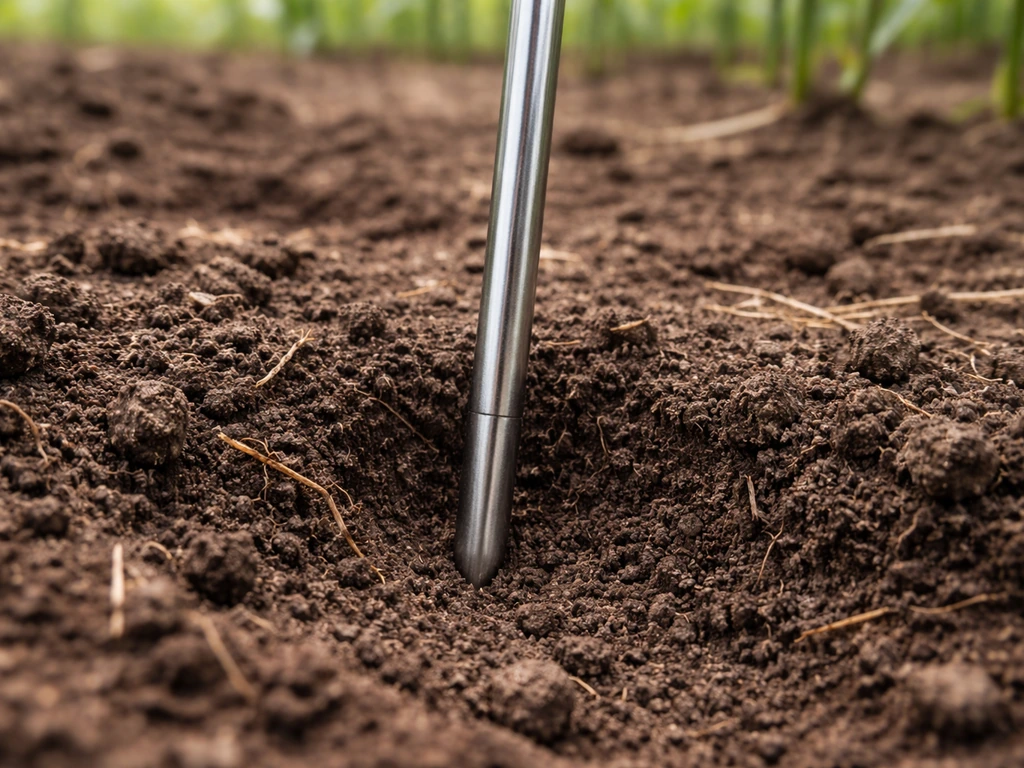
This one is non-negotiable. Planting corn when soil temperatures are hovering near 50°F is asking for trouble. At that temperature, even small temperature swings in the seed zone can make the difference between normal germination and a failed stand. Many growers wait until consistent 55 to 60°F readings at 2-inch depth before dropping seed. An inexpensive soil thermometer takes the guesswork out of this entirely.
Planting depth
The ideal planting depth for corn is 1.5 to 2 inches. Plant shallower than 1.5 inches and your seeds risk drying out before germination, especially if the soil surface dries quickly between rain events. Plant deeper than 2 inches and the seedling struggles to push through, which delays emergence and stresses the plant early. In dry conditions, going slightly deeper (up to 2.5 to 3 inches) can help seeds reach consistent moisture, but deeper than that creates more problems than it solves. In heavy residue situations, aim for at least 1.25 inches but stay within that 2-inch ceiling.
Moisture and soil conditions
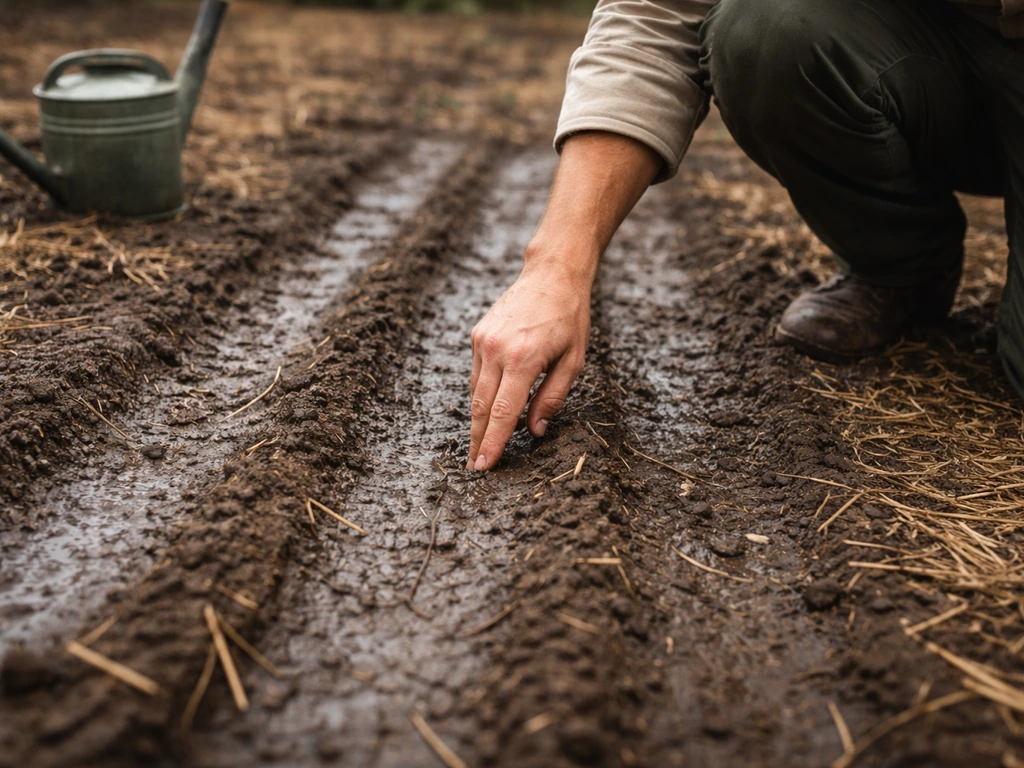
Corn needs consistent moisture from germination through seedling establishment, but saturated soil causes its own set of problems. After a hard rain, watch for soil crusting on bare soil surfaces. A crust that forms after planting can physically block seedling emergence, causing uneven stands even when germination itself went fine. Cloddy, uneven seedbeds and open furrows (where the seed never made solid contact with the surrounding soil) are also common causes of patchy emergence. Good seed-to-soil contact is essential: seeds sitting in an air pocket dry out and fail to germinate.
What to do when corn is slow to germinate or seems to have stalled
If your corn has not emerged after 14 days, do not panic yet, but do start investigating. If 1/2 or more of the plants in the stand emerge 3 weeks late or later, NCH-36 notes that replanting may increase yields by up to 10%. The most likely culprits are cool soil, poor seed-to-soil contact, planting too deep, or soil crusting. Here is a practical order of operations for troubleshooting:
- Check soil temperature at seed depth. If it is below 55°F, wait. The seed is probably still alive, just slow.
- Gently dig up a few seeds and inspect them. A healthy seed will be swollen and starting to send out a radicle (first root). A rotted or slimy seed has likely failed.
- Look for soil crusting on the surface. If the crust is hard, light irrigation or carefully breaking the crust by hand over rows can help seedlings push through.
- Check for seedcorn maggot damage. Seeds that look hollowed out or seedlings with damaged mesocotyl tissue are a sign of maggot feeding, which is most destructive in cold, wet springs where germination is already slow. Unfortunately, once damage is found, the realistic options are to assess whether the remaining stand is acceptable or to replant.
- If you planted early and temperatures dropped after planting, give it a full 3 weeks before making a replant decision. Research from Purdue suggests that if half or more of your planned plant population has emerged more than 3 weeks late, replanting may be worth considering to recover yield.
- If the stand looks thin but not terrible, scout the whole planting before deciding. Patchy spots do not always mean the average plant count across the field or bed is low enough to justify starting over.
Pest and environmental causes can look similar at first glance, and it is easy to blame the wrong thing. Cold injury, herbicide carryover, wireworms, and soil crusting can all produce uneven, stalled emergence. Walk your rows, dig some seeds, and look at the pattern before drawing conclusions. Uniform poor emergence across the whole planting usually points to temperature or seed quality. Patchy emergence that skips around tends to suggest pest activity or variable soil conditions.
If you are dealing with a sluggish start and want some perspective on how other seeds in the same conditions might behave, it is interesting to compare notes. For instance, how long comfrey takes to grow from seed involves similar soil-temperature sensitivity and slow early emergence, which is a good reminder that most seeds have a threshold below which progress just stops until conditions improve.
Simple tips for planning your corn planting and harvest schedule
The most useful planning move for home gardeners is succession planting. Rather than planting all your corn at once and ending up with 50 ears ready on the same Tuesday, stagger your plantings. USU Extension recommends planting every 10 to 14 days, while UNH suggests planting every 7 to 10 days for a truly continuous supply. Either way, even two or three staggered plantings will spread your harvest over several weeks and give you fresh corn on the cob without the pressure of processing a massive harvest all at once.
Here is a simple planning framework to work backwards from your goal:
- Find your average first fall frost date and count backwards by the days-to-maturity of your chosen variety, plus a buffer of 10 days.
- That date is your last safe planting date for that variety.
- Count backwards again from that date using your target first planting date, and schedule successive plantings every 10 to 14 days in between.
- Monitor soil temperature before each planting. Do not plant earlier than when soil hits 55°F consistently.
- Mark your silking date in your garden journal when you see the first silks emerge. From that point, expect sweet corn harvest in 18 to 24 days.
For gardeners in regions with variable frost timing, growing degree day tracking is more accurate than calendar dates alone. UMN Extension recommends using GDD-based decision tools to time planting and predict frost risk, which is especially useful in northern states where a two-week shift in spring temperatures is completely normal from year to year.
If you are also growing flowering plants alongside your vegetable garden and wondering how their timelines compare, it helps to look at similar crops. How long cornflowers take to grow from seed is a surprisingly practical comparison, since both corn and cornflowers are warm-season plants that stall in cold soils and reward early-summer planting with predictable bloom or harvest windows. Likewise, if you are planning a cutting garden alongside your corn rows, knowing how long coneflowers take to grow from seed can help you synchronize your planting schedule across beds. And for gardeners who like to fill shaded spots near the corn patch, how long coleus takes to grow from seed is worth a look, since it thrives in the warm temperatures that also push corn through its vegetative stages fastest.
The bottom line is that corn is not a difficult crop, but it does reward patience at the start and attentiveness near harvest. Get your soil temperature right before planting, choose a variety that fits your season length, plant at the right depth, and watch for silks as your harvest countdown clock. Most problems with slow or failed germination trace back to cold soil or poor seed contact, both of which are fixable before you ever drop the first seed.
FAQ
How long does corn take to grow from seed indoors versus outdoors?
Indoors can shorten the timeline to emergence if you start with warm, consistently moist seedling conditions, but it does not change the variety’s biological days-to-maturity much. Plan extra time for transplant shock and avoid transplanting into cold ground, since final growth speed is still driven by outdoor soil temperature after planting.
If my corn is 14 days old and still has not emerged, what should I do next?
After 14 days, check seed viability by digging several spots at different points in the row, then confirm seed depth and whether seeds rotted or stayed hard. If most seeds are still intact but not sprouting, the issue is often cold soil or poor seed-to-soil contact; if many seeds are degraded, improve drainage and replant at the correct depth once soil is reliably warm.
Does corn need to be replanted if seedlings emerge unevenly?
Not always. Small patchiness can fill in as plants mature, but if the gaps are large or the stand is delayed by more than about 1 to 2 weeks compared with the rest, replanting can be worthwhile to keep ear set uniform. Replanting works best when conditions improve quickly, otherwise you risk repeating the same emergence problem.
How does soil temperature affect how long corn takes to grow from seed?
Cool soil primarily delays germination and can make emergence erratic, even if the days-to-maturity on the packet looks fine. A practical approach is to measure soil at about 2 inches depth and wait for consistent readings around 55 to 60°F, since below that threshold progress can stall until temperatures rise.
What’s the best corn variety choice if I need it ready by a specific date?
Choose based on your frost-free season length plus a buffer, not just the days-to-maturity number. If your area’s spring warms slowly, pick a slightly earlier hybrid and consider using growth degree days to align planting and harvest with your calendar goal.
How long after silking will sweet corn be ready?
Sweet corn harvest quality typically peaks within a short window after the first silks appear, roughly 18 to 24 days later. If silks are brown and drying, you are near the end of peak eating quality, so plan to harvest in multiple passes rather than waiting for all plants to look identical.
How long does corn take to grow from seed if I plant right at the edge of spring warmth?
Expect the full season to stretch because the early phase is sensitive to cold conditions. Even if emergence eventually happens, the delay can push silking later, which then shortens the effective time you have before fall conditions or frost risk.
Can I speed up corn growth once seedlings are up?
You can sometimes gain time with better early conditions, but you cannot fully override a variety’s genetic maturity. Focus on maintaining warm, weed-free growth, ensuring steady moisture without waterlogging, and avoiding stressors like crusting, nutrient deficiencies, or early pest damage that slow plants even if temperatures are adequate.
Why do some seeds fail to germinate even when soil temperature seems warm enough?
The two most common causes are poor seed-to-soil contact and incorrect planting depth, both of which can leave seeds drying out or struggling to emerge. Other culprits include crusted soil after rain and seed quality or viability issues, especially if seed sat in cold, wet conditions before planting.
How does succession planting affect the total time corn takes to grow from seed to harvest?
Succession planting does not change the per-plant days-to-maturity, but it spreads your harvest window so you are not relying on a single planting’s timing. Stagger plantings every 7 to 14 days (depending on your goal and climate), then harvest each batch when their silks and milk stage timing line up.
Next Article
How Long Does It Take to Grow Chrysanthemums from Seeds
Timeline for growing mums from seeds: sowing to germination, transplant readiness, flowering and maturity, plus key vari