Cornflowers (Centaurea cyanus, also called bachelor's buttons) typically germinate in 7 to 14 days from sowing, and then take another 60 to 90 days from germination to first flowering. Put it all together and you're looking at roughly 10 to 14 weeks from seed to bloom under good conditions. That's the short answer. The longer answer involves a few variables worth knowing about before you start, because the difference between 10 weeks and 14 weeks can mean the difference between blooms in June and blooms in August.
How Long Do Cornflowers Take to Grow From Seed?
Marcus Henley
12 Apr 2026
Germination to first seedlings: what to expect
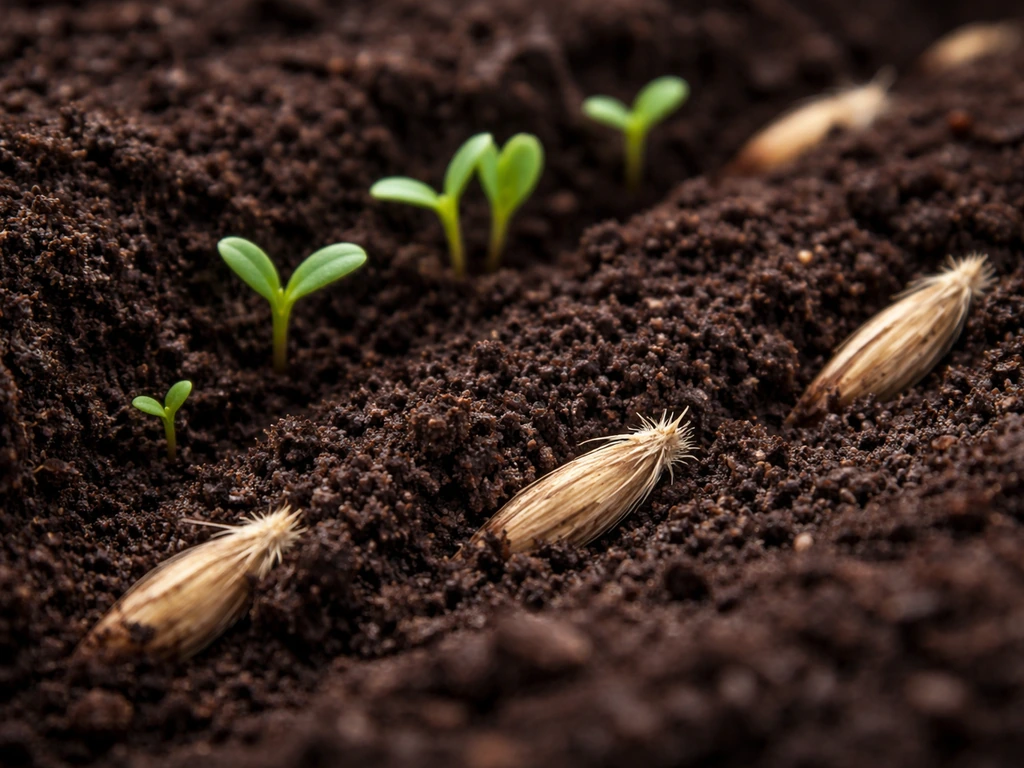
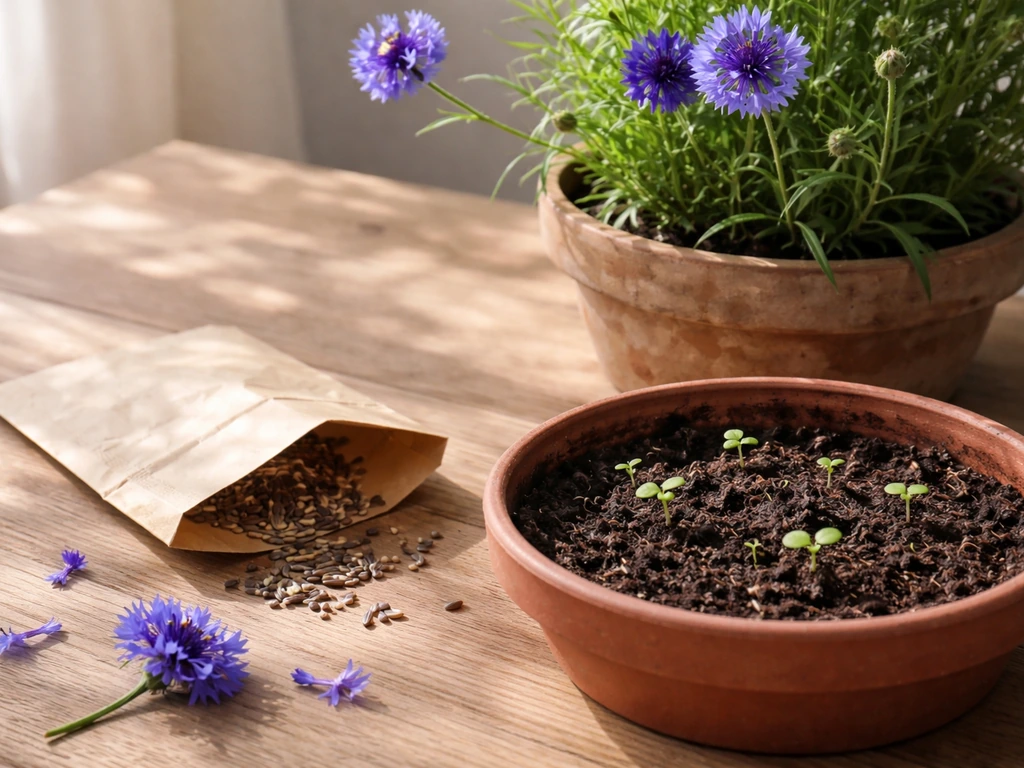
At the right temperature, cornflower seeds sprout reliably fast. The sweet spot for germination is 60 to 70°F (16 to 21°C) in the soil, and at that range you'll typically see seedlings push up within 7 to 14 days. Johnny's Selected Seeds pegs it at 7 to 14 days at 60 to 65°F (16 to 18°C), which matches what I've seen in my own beds. When soil is cooler than that, say below 55°F, expect the slower end of that window or a few days beyond it. Warmer than 70°F and germination can also slow down or become irregular, because cornflowers are cool-season plants and genuinely prefer the cooler end of spring.
Sowing depth matters more than most people realize. Cornflower seeds should be barely covered, around 1/16 to 1/4 inch deep. Bury them much deeper and you'll slow emergence significantly. Some growers treat them almost like light-requiring seeds and just press them lightly into moist soil rather than covering with a thick layer. The goal is to keep the seed in contact with moist soil without smothering it. Keep the soil surface consistently moist from sowing until emergence. If the top layer dries out, even briefly, germination can stall. A light misting once or twice a day in dry conditions is usually enough.
From seedlings to flowering: the full timeline
Once seedlings emerge, the clock to bloom is roughly 60 to 90 days, depending on variety, light conditions, and how well the plant got established. The Plant Good Seed Company lists 70 to 90 days to flower for Centaurea cyanus grown in full sun, and that range holds up well for most standard cultivars. Compact varieties like 'Jubilee Gem' can hit the shorter end of that window. Taller, older cultivars and some specialty mixes tend to land closer to 90 days.
The full picture from seed to open flower, combining germination time plus days to bloom, looks like this for most home garden situations:
| Stage | Typical Timeframe |
|---|---|
| Sowing to germination | 7 to 14 days |
| Seedling to first true leaves | 1 to 2 weeks after germination |
| First true leaves to flower buds | 6 to 10 weeks |
| Seed to first bloom (total) | 10 to 14 weeks (roughly 70 to 100 days) |
Commercial greenhouse growers work with slightly different numbers. UMass extension data shows a sow-to-transplant window of about 56 days (in 128-plug production), then a transplant-to-flower window of 10 to 12 weeks. Those numbers are from controlled greenhouse environments with dialed-in inputs, so the production timeline tends to be more predictable than what you'll get in a home garden, but they confirm the general 70-to-100-day seed-to-bloom window is realistic across conditions.
Direct sow vs starting indoors: how the timing shifts
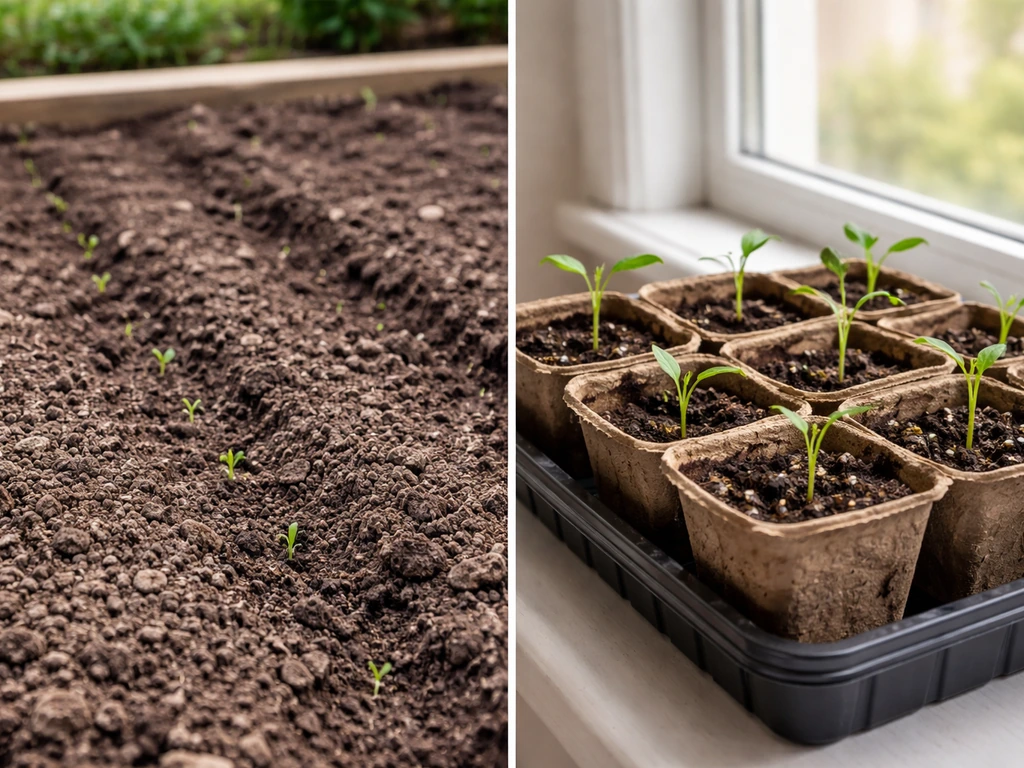
Most sources, including Johnny's, recommend direct sowing cornflowers rather than starting them indoors, and for good reason. Cornflowers form a taproot early and don't love being transplanted. Direct seeding also avoids the transplant shock that can set plants back by a week or two just when they should be hitting their stride. If you're direct sowing, get the seeds in the ground as soon as the soil can be worked in spring, ideally when soil temps are consistently in that 60 to 70°F range.
That said, starting indoors does let you get a head start, which can matter if your growing season is short or you want blooms earlier in summer. The recommended indoor lead time is 6 to 8 weeks before your frost-free date, with transplanting out happening at or just after that date. Johnny's flower growing guide says to sow 3 to 4 weeks before planting out if you're going the transplant route, though other sources like Grow Pittsburgh's indoor seeding schedule suggest the full 6 to 8 weeks is more common in practice. If you start indoors, use deep cells or biodegradable pots to minimize root disturbance, and harden the seedlings off for at least a week before transplanting.
One thing to keep in mind: starting indoors shifts your calendar start date earlier, but it doesn't necessarily shorten the total seed-to-bloom count. The total days are roughly the same. What changes is when, relative to your outdoor season, those days unfold. So if your frost-free date is May 15 and you start indoors in late March, you might see blooms in July. If you wait and direct sow outdoors in mid-April, you might bloom in late July or early August instead. Not a huge difference for one sowing, but meaningful when you're planning around a specific event or trying to time cut flowers.
What speeds up or slows down cornflower growth
Temperature is the biggest lever. Cornflowers are cool-season annuals, and they grow and bloom best when daytime temperatures are moderate, roughly in the 60s and low 70s Fahrenheit. Hot summers slow them down and push them toward setting seed rather than continuing to flower. If you're in a region with hot summers, you'll get better results from an early spring sowing that lets plants bloom before heat arrives, or from a fall sowing (more on that below).
Light is the second big factor. Cornflowers are full-sun plants, and they mean it. In part shade, plants get leggy, bloom later, and produce fewer flowers. I've tried them in a spot that gets four to five hours of sun, and while they grew, the bloom count was maybe a third of what I got in a full-sun bed. Full sun, ideally six or more hours per day, keeps growth compact and flowering strong.
Soil moisture during germination and early growth is critical, but once plants are established they're pretty drought tolerant. Inconsistent moisture at the seedling stage is one of the more common reasons for patchy germination or slow early growth. After that, overwatering is more of a concern than underwatering, especially in heavy soils.
- Soil temperature below 55°F: slows or delays germination significantly
- Soil temperature above 75°F: can reduce germination rate and uniformity
- Sowing too deep (more than 1/4 inch): delays or prevents emergence
- Letting soil surface dry out before emergence: stalls germination
- Part shade or heavy shade: later, fewer blooms, leggier plants
- Transplant shock from disturbing the taproot: can set back growth by 1 to 2 weeks
Best planting windows by season
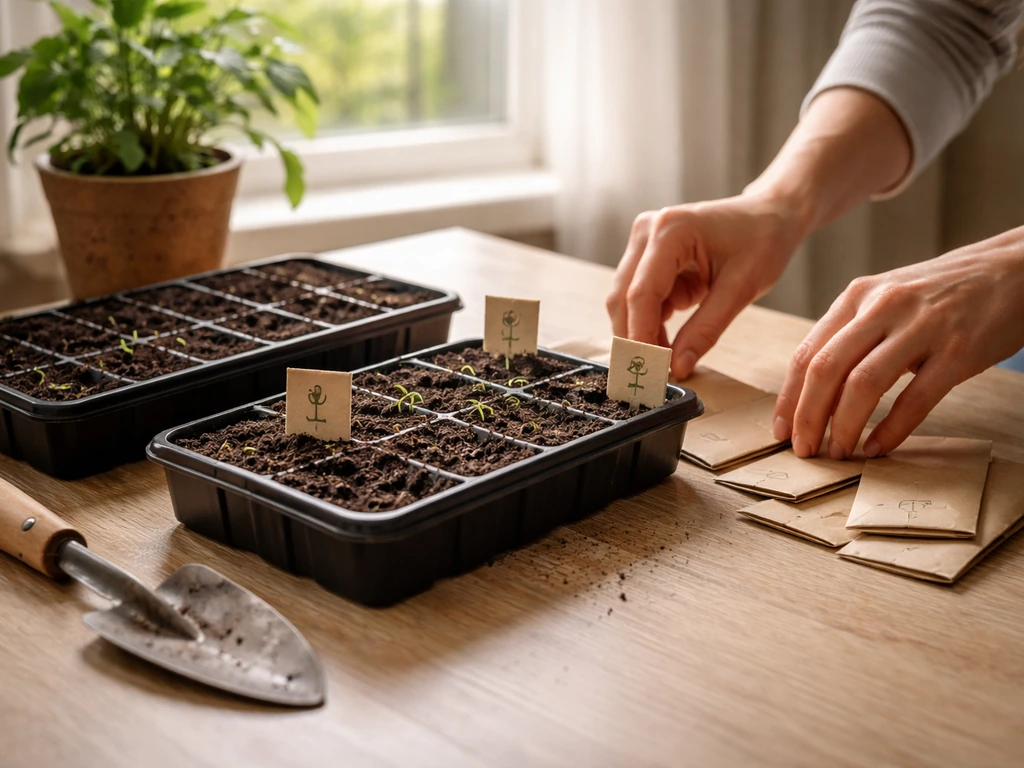
In most of the continental US and similar temperate climates, the main sowing window is early spring, as soon as soil can be worked, often 2 to 4 weeks before the last frost date. Cornflowers tolerate light frost, so you don't need to wait for frost-free conditions to get seeds in the ground. For gardeners in zones 7 to 10, a fall sowing from September through November is actually a better strategy than spring sowing. Seeds sown in fall either germinate and overwinter as small rosettes, or germinate in early spring from the cold-stratified seed, producing earlier and more vigorous blooms the following year than a spring-sown crop would.
West Coast Seeds recommends succession sowing, starting just before the last frost and continuing every two weeks until late spring. This is a practical approach for extending the bloom season rather than getting one big flush of color. If you want flowers from June through August, stagger three or four small sowings rather than putting all your seed in at once. It also smooths out any variability from one sowing that germinates poorly.
Fall sowing, particularly in milder climates, consistently produces earlier-season blooms and sturdier plants than spring sowing. Dan Cooper Garden specifically recommends autumn sowing for extra strong, early-flowering plants. If you're in a mild-winter region and you haven't tried fall-sown cornflowers yet, it's worth experimenting with even a small patch.
If you're planning a multi-crop garden and thinking about timing across different species, it helps to compare. how long coneflowers take to grow from seed is a common next question, since coneflowers are often planted alongside cornflowers but have a much longer seed-to-bloom window of one to two years.
Slow or failed germination: what to check first
If it's been more than 14 days and you're not seeing anything, run through this checklist before assuming the seed is bad. In most cases, slow or failed germination comes down to one of four things: soil temperature, sowing depth, moisture consistency, or seed viability.
- Check soil temperature at seed depth, not air temperature. If it's below 55°F, germination is likely just stalled, not failed. Wait for warmer conditions or use a heat mat set to 60 to 65°F.
- Dig up one or two seeds carefully and look at them. If the seed coat has swelled and the seed is soft, germination has started but is progressing slowly. Give it more time.
- If seeds look unchanged, dry, or shriveled, moisture is likely the issue. The soil surface may be drying out between waterings. Cover the area with a thin layer of plastic wrap or a humidity dome until emergence, then remove immediately.
- Check sowing depth. If seeds are buried more than 1/4 inch, they may struggle to push through. Gently scratch the surface to find them and assess.
- If you're past 3 weeks with no signs of life and conditions have been reasonable, the seed batch may have low viability. Do a quick germination test: dampen a paper towel, place 10 seeds on it, fold, and seal in a plastic bag at room temperature. Check in 7 to 10 days. If fewer than 6 to 7 sprout, consider starting fresh with new seed.
- Re-sow if the season allows. Cornflowers grow fast enough that a second sowing in mid-spring will still produce summer blooms.
One thing worth mentioning: if you're growing other flower species alongside your cornflowers and hitting germination trouble across the board, it may point to a broader environmental issue like consistently cold nights or heavy clay soil retaining too much water. growing coleus from seed runs into similar temperature sensitivity issues, and the troubleshooting logic overlaps quite a bit.
Quick tips for planning your garden schedule
Working backward from when you want flowers makes scheduling much easier. If you want cornflowers blooming by July 1, count back roughly 10 to 14 weeks, which puts your sowing date in mid-March to mid-April for most climates. If your last frost date is May 1, a mid-March indoor start (6 to 8 weeks before transplanting) or a direct sow in late March to early April when soil is workable will both hit that July window.
- Direct sow as early as soil can be worked, usually 2 to 4 weeks before last frost
- Indoor starts: sow 6 to 8 weeks before your frost-free date in deep cells or biodegradable pots
- Thin seedlings to 6 to 9 inches apart after the first true leaves appear, which improves airflow and bloom quality
- Succession sow every 2 weeks from early spring through late spring for continuous bloom
- In zones 7 to 10, try a September to November sowing for earlier, stronger blooms the following year
- Deadhead spent blooms regularly to extend flowering by weeks
- Mark your expected bloom window on a calendar from the sowing date so you're not second-guessing whether growth is on track
Timing your cornflowers well is really just about knowing the 7-to-14-day germination window and the 70-to-90-day path to bloom, then working backward from the date you want flowers. It's honestly one of the more forgiving annual flowers to time because the seed is cheap, germination is reliable when conditions are right, and the plant moves fast once it gets going. comfrey grown from seed is another fast-growing, low-fuss option if you're filling out a pollinator patch and want something that complements the cornflower's bloom window.
If you're juggling a lot of different species in the same garden and trying to coordinate planting calendars, it can help to see how wildly different the timelines get across plants. For reference, how long corn takes to grow from seed is a useful comparison point since corn, like cornflowers, is a warm-to-cool transition crop that many gardeners time alongside spring flowers, yet its seed-to-harvest window is structured very differently.
Bottom line: sow cornflower seeds at the right soil temperature (60 to 70°F), barely cover them, keep the surface moist until they pop up, and give them full sun. Do those four things and you'll have flowers in about 10 to 14 weeks. Miss one of them and you'll be adding days or weeks to the schedule unnecessarily.
FAQ
Do cornflowers always take 10 to 14 weeks to bloom, or can it be shorter?
It can be shorter when you hit the cool germination range (around 60 to 65°F), sow shallow, and give full sun right after emergence. Some compact varieties can flower closer to the earlier part of the 70 to 90 day-to-bloom range, but the total timeline usually still clusters around 10 to 12 weeks rather than dramatically less.
If my cornflowers germinated in 14 days, when should I expect the first blooms?
Plan on about 60 to 90 days after germination, so roughly 8.5 to 13 weeks from your sow date if emergence is on day 14. The best way to refine the estimate is to count from the date you first see green sprouts, not the sowing day.
What should I do if no seedlings show up after 14 days?
First, double-check soil temperature and whether the surface stayed consistently moist. If it was cooler than about 55°F or the top layer dried out, germination can lag a few days. If conditions were ideal and you still see nothing after about 20 to 21 days, then re-sow the spot and consider seed viability.
How deep is too deep for cornflower seed, and how does depth affect timing?
Going deeper than roughly a quarter inch often delays emergence significantly, because the seedlings must travel farther through the soil. For faster and more even sprouting, use a shallow cover (near 1/16 to 1/8 inch) or press into moist soil and keep that surface from drying out.
Do cornflowers need light to germinate, and will covering them hurt?
They do not require darkness, but they should not be smothered. A very light cover is best, especially because cornflowers need soil moisture at the seed. If you cover too heavily, you can keep seeds from getting enough oxygen and delay or reduce germination.
Can I speed up cornflower growth by fertilizing early?
Moderate feeding can help later, but it usually will not fix poor germination conditions. Focus on getting the seedling stage right (temperature, shallow sowing, consistent surface moisture). Once plants have a few sets of true leaves, a light balanced feed can support steady growth.
Why are my cornflowers flowering later than expected even though germination was fast?
The most common causes are insufficient sun (part shade leads to later and fewer blooms), overly warm weather, or stressed seedlings from inconsistent watering. If temperatures push into sustained hot conditions, the plant can slow and shift toward seed production rather than continued flowering.
Does starting indoors actually reduce the total seed-to-bloom time?
Usually no. Indoor starting mainly shifts the calendar earlier, because the total germination plus flowering timeline stays about the same. The advantage is aligning those days with your outdoor season so you see blooms before heat or before a short fall window ends.
When transplanting cornflowers indoors, how sensitive are they to root disturbance?
They can be quite sensitive because they form a taproot early. Use deep cells or biodegradable pots, and transplant promptly after hardening off. Delayed or rough handling can set plants back by about a week or more, which then pushes bloom dates later.
What’s the best fall-sowing approach if I want earlier blooms next year?
In mild-winter regions, sow in fall (roughly September through November) so seeds either germinate and overwinter as small rosettes, or germinate early the following spring. The key is protecting the soil from drying out too much before freeze, while avoiding overly deep sowing.
How do I extend the bloom season, rather than getting all flowers at once?
Use succession sowing, small batches every couple of weeks during the main spring window. This reduces the risk that one slower germination batch affects the entire display, and it spreads flowering across June to August instead of one tight flush.
Are cornflowers drought tolerant after they establish, and can overwatering slow blooming?
Once established, they handle dry spells better than many annuals. Early overwatering, especially in heavy soils, can create wet, cool conditions that slow seedling growth or encourage issues. Aim for evenly moist until emergence, then water based on soil dryness rather than a schedule.
Next Article
How Long Does Corn Take to Grow From Seed to Harvest
Corn growth timeline from seed: germination days, seedling emergence, and harvest in 60 to 100+ days by variety.