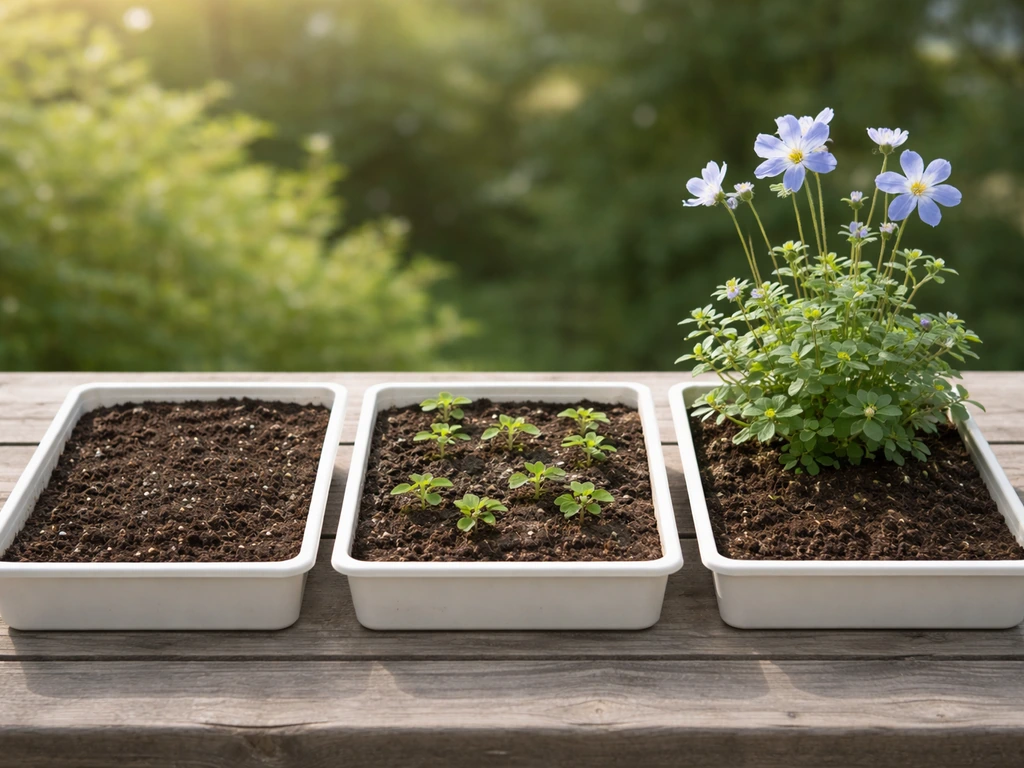
Forget-me-not seeds (Myosotis sylvatica) typically germinate in 7 to 14 days under the right conditions, and you can expect first blooms roughly 8 to 12 weeks after that, depending on when you sow and how well conditions line up. So from seed to flower, you're generally looking at 10 to 14 weeks total. That said, there's real variability depending on soil temperature, how you handle the seeds, and whether you're starting indoors or sowing directly outside.
How Long to Grow Forget Me Nots From Seed
Marcus Henley
6 May 2026
How long forget-me-not seeds take to germinate
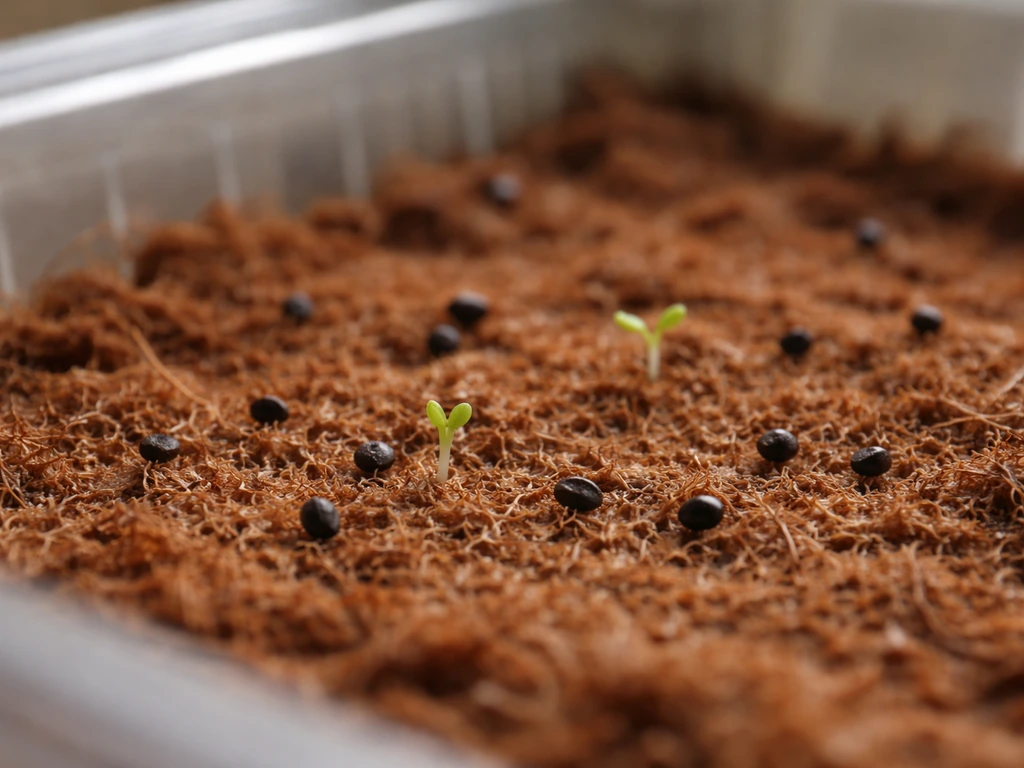
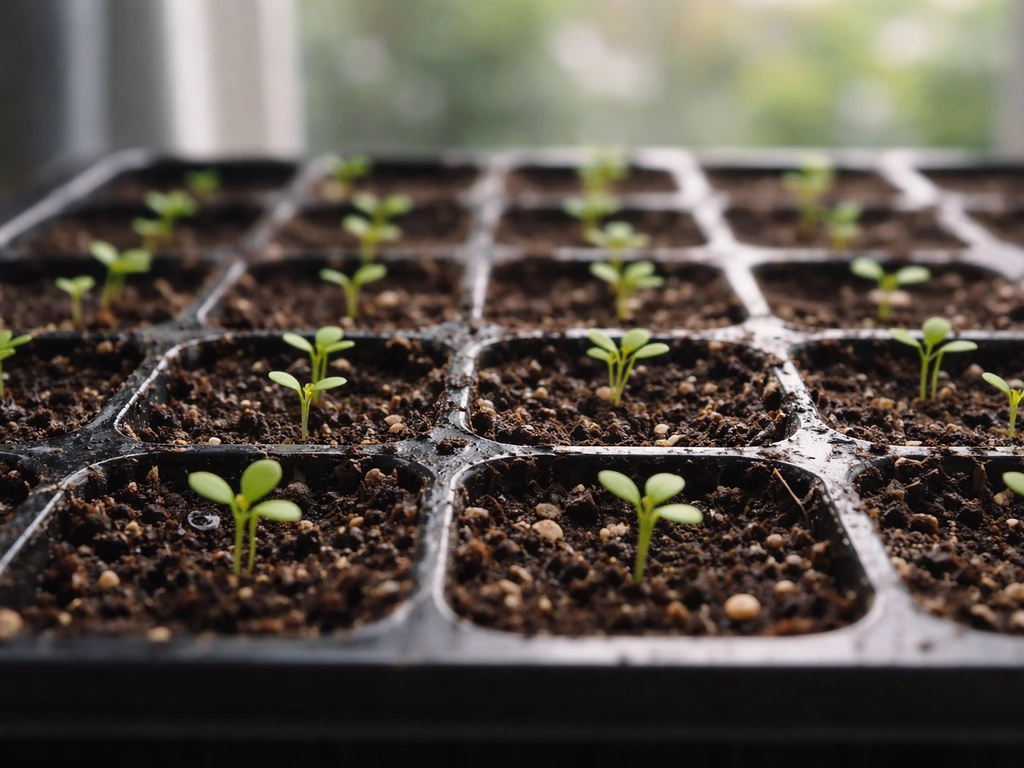
The reliable germination window for Myosotis sylvatica is 7 to 14 days. You'll often see the first tiny sprouts appear closer to day 7 if your soil temperature is sitting in the sweet spot of 60 to 70°F (15 to 21°C). Push above or below that range and germination slows noticeably or stalls altogether. Some sources suggest a slightly cooler range of 55 to 60°F (13 to 16°C) works well too, especially for starting seeds in late summer or early fall, which is actually the most natural time to sow these biennial-behaving flowers.
One thing that catches a lot of people off guard: forget-me-not seeds need light to germinate. Don't bury them. Press the seeds gently onto the surface of moist soil and leave them uncovered, or give them the lightest possible dusting of vermiculite. Covering them even slightly can cut germination rates significantly. I've made that mistake myself, wondering why a whole tray just sat there doing nothing for three weeks.
| Stage | Typical Timeline |
|---|---|
| Germination (first sprouts appear) | 7 to 14 days |
| Seedling establishment (true leaves develop) | 2 to 4 weeks after sprouting |
| Transplant-ready (if started indoors) | 4 to 6 weeks from sowing |
| First blooms | 8 to 12 weeks from sprouting (10 to 14 weeks from seed) |
What changes how fast they sprout
Temperature is the biggest lever. Forget-me-nots are cool-season flowers, and they perform best when soil temps stay in the 55 to 70°F range. If you're sowing in late spring or summer when soil is warmer than 75°F, expect slower, patchier germination. Conversely, seeds sitting in very cold soil (below 50°F) may simply wait until conditions improve rather than sprout at all.
- Soil temperature: 55 to 70°F is ideal; too warm or too cold both cause delays
- Light exposure: seeds need light to germinate, so surface sowing is essential
- Moisture: soil should stay consistently moist but not waterlogged during germination
- Seed freshness: older seeds (more than a year or two old) have noticeably lower germination rates
- Seed burial depth: even a thin covering of dense soil can block germination
- Cold stratification: pre-chilling seeds in the fridge for 2 to 4 weeks before sowing can improve germination rates, especially for seeds that haven't been recently harvested
- Indoor vs. outdoor sowing: controlled indoor conditions usually give faster, more uniform sprouting than outdoor direct sowing
Cold stratification is worth a mention here. It's optional for most commercial seed lots, but if you're working with seeds you saved yourself or bought from a smaller supplier, a 2 to 4 week cold, moist stratification period in the refrigerator before sowing can meaningfully improve your results. Wrap the seeds in a barely damp paper towel, seal them in a small bag, and refrigerate them. Then sow as normal.
Starting indoors vs. direct sowing outside
Starting forget-me-nots indoors
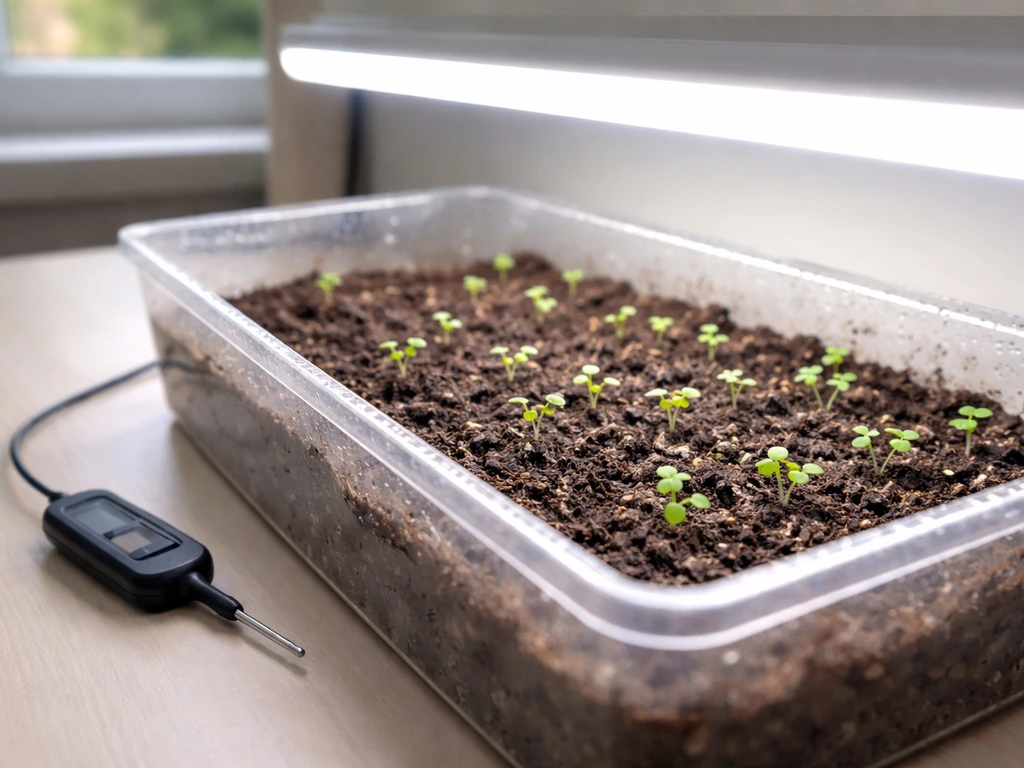
Starting indoors gives you the most control and typically the fastest, most reliable germination. Sow 6 to 8 weeks before your last expected frost date if you want spring blooms. North Carolina State Extension notes that to grow forget-me-nots as an annual, you can start them from seed indoors about 8 to 10 weeks before the last spring frost date so they [bloom the same year](https://plants. ces.
ncsu. edu/plants/myosotis-sylvatica/). Use a shallow tray or cell pack with moist seed-starting mix, press seeds onto the surface without covering them, and place the tray in a cool spot with bright indirect light or under grow lights. Keep soil temperature between 60 and 70°F.
Seeds should sprout within 7 to 14 days. Harden off seedlings over a week before transplanting outdoors once nighttime temperatures consistently stay above 35°F.
Direct sowing outdoors
Direct sowing is actually the most natural approach for forget-me-nots, since they're biennial by nature and self-seed freely. Wikipedia notes that forget-me-not (Myosotis sylvatica) has a biennial habit, with seeds typically sown one year to flower the next.
The classic timing is to sow outdoors in late summer to early fall (August to September in most temperate zones), letting seeds overwinter as small seedlings and bloom the following spring. This closely mimics how they grow in the wild and tends to produce the most vigorous plants. You can also direct sow in early spring as soon as the soil is workable, taking advantage of cool soil temperatures to drive germination.
Just keep the seed bed consistently moist and resist the urge to rake soil over the seeds.
From sprout to first bloom: what to expect
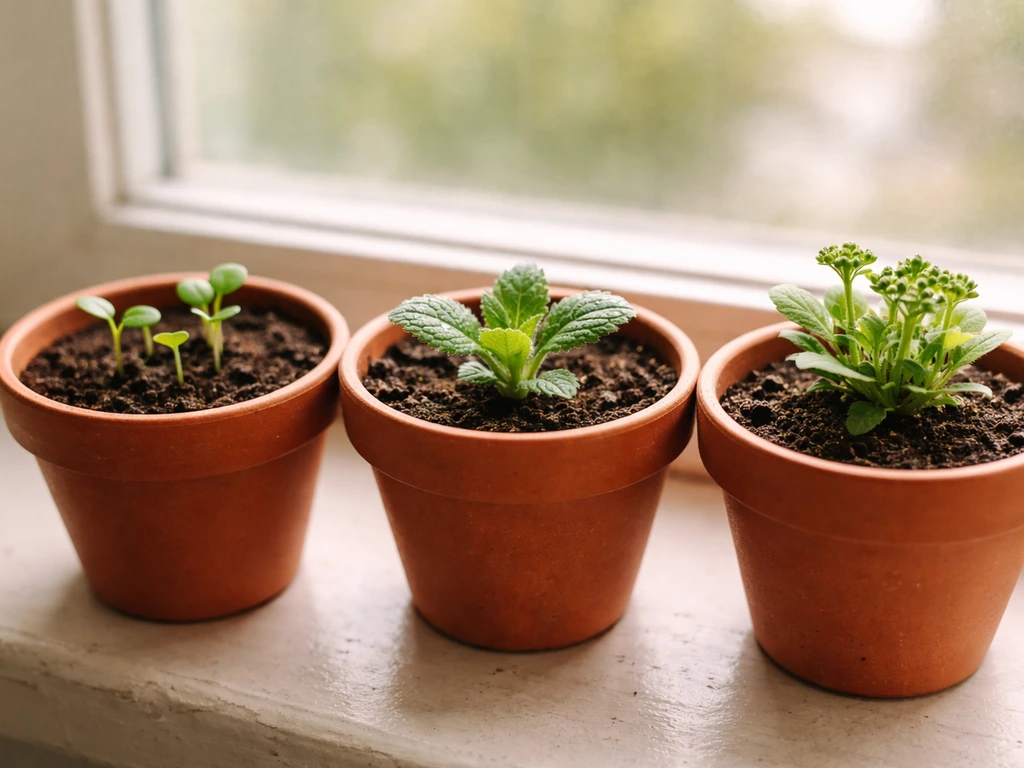
Once your seedlings have emerged, they grow at a moderate pace. You'll see the first true leaves (the fuzzy, textured ones that look distinctly forget-me-not-like) within 2 to 4 weeks of germination. By weeks 4 to 6, plants started indoors are usually ready to transplant. Outdoor seedlings from a fall sowing will establish over winter and then push growth hard when spring temperatures arrive, often blooming in April or May. Spring-sown seeds indoors, transplanted out, can realistically reach bloom stage in 10 to 14 weeks from first sowing, making late spring to early summer the typical flowering window.
Worth noting: forget-me-nots are heavy self-seeders. Once you have them established in a spot they like, they'll often return year after year without any extra effort on your part. The whole timeline question becomes almost irrelevant after the first year.
Why your seeds might not be sprouting (and what to do)
If it's been more than 14 days and you're not seeing any action, don't panic. Run through this checklist before giving up:
- Check soil temperature: if it's above 75°F or below 50°F, germination is likely stalled. Move the tray to a cooler or warmer spot accordingly.
- Check moisture: the seed bed should feel like a wrung-out sponge. If it dried out even once during the germination window, that can set things back significantly.
- Check seed depth: if you covered the seeds with soil, gently uncover them and press them back onto the surface with light exposure.
- Check seed age: old or poorly stored seeds will have reduced viability. If you're working with seeds more than 2 to 3 years old, try a germination test (10 seeds on a damp paper towel) before sowing a whole bed.
- Try cold stratification: if you haven't stratified the seeds and germination is failing, try chilling a new batch in the fridge for 2 to 4 weeks and resowing.
- Wait a bit longer: in cooler conditions (55 to 60°F), germination can stretch to 18 to 21 days. If conditions are appropriate, give it another week before deciding the seeds have failed.
Slow germination is genuinely one of the most common frustrations with forget-me-nots, and it's almost always fixable. The light requirement trips people up more than anything else. A lot of the troubleshooting questions I see are from gardeners who did everything right but covered the seeds out of habit.
Planning your planting schedule from today
If you're reading this in May 2026, here's where you stand depending on your region. In most of the northern hemisphere, soil is warming up now, which means direct sowing outdoors is possible but you may want to keep seeds shaded or in a slightly cooler microclimate to stay in that ideal germination range. Expect germination to take closer to 10 to 14 days rather than 7 at this time of year. If you sow now, you could realistically have blooms by late July or August, though they'll likely be more modest than a spring flush from an overwintered plant.
For the best results going forward, mark your calendar for late July or August to sow your next batch outdoors for overwintering. Those plants will give you the classic, lush forget-me-not display in spring. If you want indoor starts for next spring, plan to sow indoors in February or March, about 6 to 8 weeks before your last frost date.
- Sowing now (May): direct sow outdoors, keep moist, expect blooms in 10 to 14 weeks (late July to August)
- Sowing in late July to August: direct sow outdoors for overwintering; plants will bloom the following spring (April to May)
- Sowing indoors in February to March: transplant in April, expect late spring blooms
- After blooms fade: let some plants go to seed for free self-seeding next season
If you're comparing timelines across other cool-season flowers, forget-me-nots sit in a similar range to columbine, which also takes several weeks from seed to bloom and benefits from cool sowing conditions. Columbine can also take several weeks from seed to bloom, especially when you mimic cool conditions similar range to columbine.
Collards have a different timeline than these forget-me-nots, so if you want an estimate for growing collards from seed, you will need to account for their own sprouting and growing period grow collards from seed. Portulaca, by contrast, is a warm-season annual that germinates faster in heat. Portulaca, by contrast, is a warm-season annual that germinates faster in heat, so you can also check how long it takes to grow portulaca from seed if you want a quicker timeline.
Forget-me-nots are firmly in the cool, patient end of the spectrum, but the payoff of a dense blue spring carpet makes the wait completely worth it.
FAQ
If I’m within the 10 to 14 week window but my forget-me-nots still aren’t blooming, what should I check first?
Confirm the plants got enough light after sprouting, and check whether temperatures are too hot. Forget-me-nots can grow leafy but delay flowering when days are consistently warm or when they are crowded and shaded. Thin seedlings and keep them in bright conditions (morning sun is often ideal).
Can I speed up forget-me-nots by starting them indoors earlier than 6 to 8 weeks before my last frost date?
Usually not. Starting too early can produce large, leggy seedlings that struggle to re-establish after transplanting. If you extend indoor time, use strong light and avoid overfertilizing, keep the soil only moderately moist, and harden off carefully.
What’s the best way to know whether my seeds are failing to germinate or just slow to show?
Look for early signals at the soil surface, tiny swelling at seed level, and a gradual increase in sprouts. If you see absolutely no changes by day 14, re-check two things first: seed coverage (they must not be buried) and soil temperature (aim for the cool 55 to 70°F range).
Do forget-me-nots need fertilizer during the seed-starting stage?
Not usually. In most cases, seed-starting mix already has minimal nutrients, so extra feeding can be unnecessary and may encourage weak, soft growth. If you want to fertilize, do it after true leaves form, using a diluted balanced fertilizer (and stop if growth becomes overly lush).
Should I water forget-me-not seeds from above or how should I keep the surface moist?
Use gentle bottom-watering or misting so you don’t wash seeds deeper. If seeds are pressed on the surface, a strong overhead spray can dislodge them or bury them slightly, which commonly reduces germination.
Will self-seeding always give me the same bloom color and plant type?
It often will, but not guaranteed. Myosotis can vary, and volunteer seedlings may differ slightly in vigor and flower timing depending on the parent plants and local conditions. If you want consistent results, save seed from your best plants and sow in a controlled area.
How long do forget-me-nots take to bloom from direct sowing outdoors, compared with indoor starts?
Direct sowing in late summer to early fall typically blooms the following spring, so the wait is longer than a spring-sown indoor start. If you direct sow in early spring, you may still see flowers later in the same year, but it’s more variable based on temperature swings and how quickly the seedlings establish.
Is cold stratification required for forget-me-nots, and when does it actually help?
It’s not required for most packaged seed, but it can help if you saved seeds, have low germination history, or you’re sowing under less ideal conditions. Use a short, moist cold period (2 to 4 weeks) and then sow without covering, keeping the surface in light.
What should I do with seedlings if temperatures turn warmer than expected after they emerge?
Provide partial shade during hot spells and keep the soil evenly moist but not waterlogged. Warmer conditions can reduce flowering and promote stress. If seedlings wilt, avoid heavy fertilization and focus on stable moisture and light.
When is it okay to transplant forget-me-not seedlings, and what’s a common transplant mistake?
Transplant when seedlings have sturdy true leaves and outdoor nights are reliably above freezing thresholds. A common mistake is transplanting into hot, dry soil or disturbing roots too much. Water the day before, keep roots from drying out, and firm the soil lightly around the base.
Next Article
How Long to Grow Columbine From Seed: Timeline and Tips
Learn how long columbine takes from seed to germinate, transplant, and bloom, with stratification and troubleshooting ti