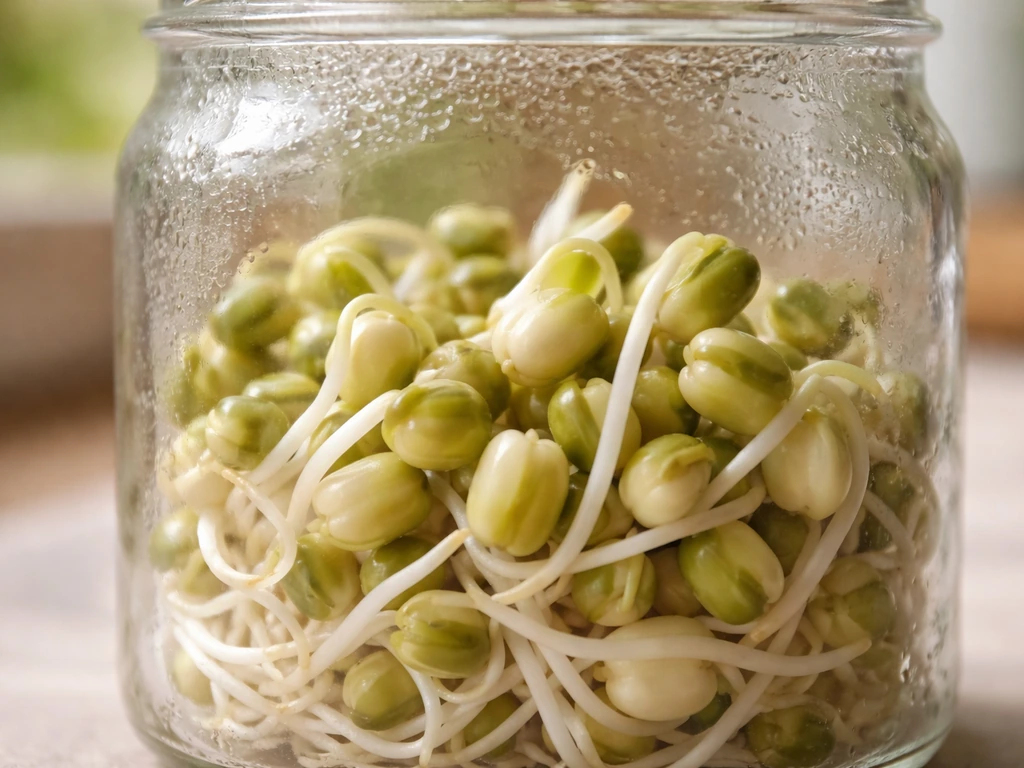
Fenugreek seeds typically sprout in 3 to 5 days under good conditions, though you might wait blank" rel="noopener noreferrer">up to 10 days if your setup isn't quite right. Pechay (bok choy) seeds have their own sprouting timetable, which depends on temperature and how you prepare the seeds before sowing 3 to 5 days.
Fenugreek Seeds Grow in How Many Days: Timelines

Marcus Henley
17 May 2026
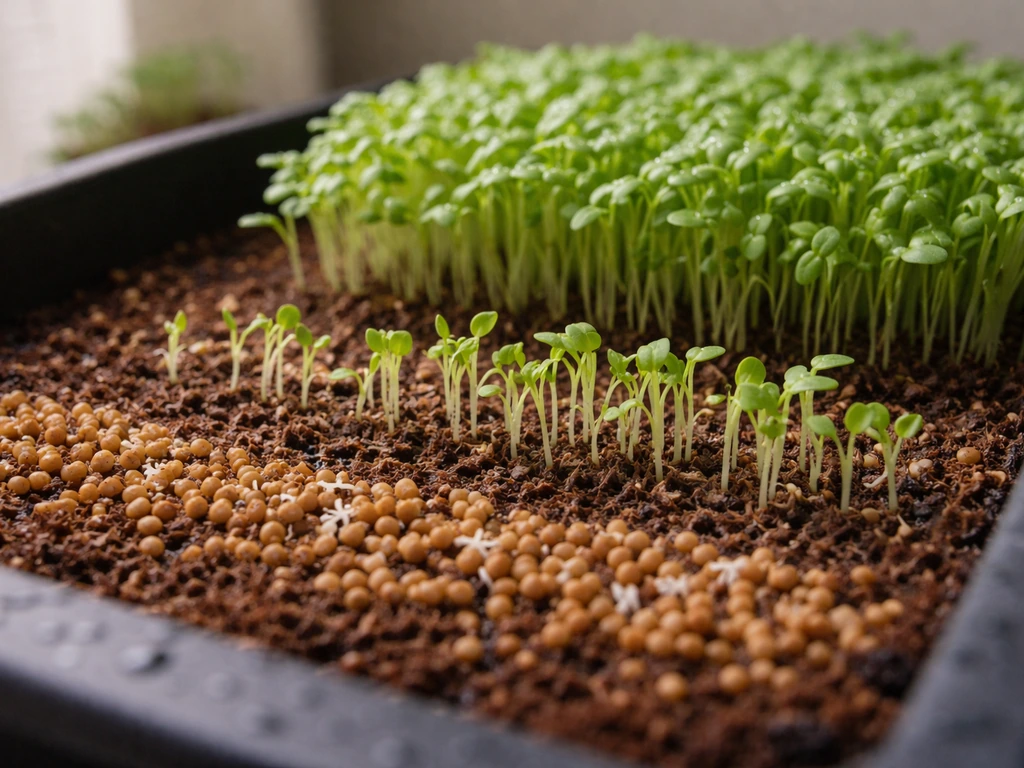
Mandevilla seeds have a longer, less predictable germination timeline, so it's helpful to plan for several weeks rather than just a few days how long does it take mandevilla seeds to grow. If you're growing for fresh greens, you'll have something usable in about 2 to 3 weeks from sowing. A full crop grown for seeds takes around 3 to 4 months.
That's the core timeline, but a few simple factors can push you toward the fast end or the slow end, and knowing which ones matter most will save you a lot of second-guessing.
Typical fenugreek sprouting timeline by growing conditions
The reported germination window for fenugreek varies a bit depending on the source and the purpose you're growing for. Seed companies selling fenugreek for table-top sprouting list germination as fast as 3 to 4 days.
General horticultural references put the typical window at 4 to 5 days. General horticultural references put the typical window at 4 to 5 days, which aligns with PROSEA's reported germination timing [General horticultural references put the typical window at 4 to 5 days. ](https://plantuse. plantnet.
org/en/Trigonellafoenum-graecum%28PROSEA%29). For microgreens grown in trays with a blackout period, germination is often listed at 8 to 10 days because the setup is more controlled and the definition of 'germinated' includes a short dark-phase rooting period. In practice, if your setup is warm and your seeds are fresh, you'll see the first tiny sprouts in 3 to 5 days most of the time.
| Growing Purpose | Expected Germination | First Usable Growth |
|---|---|---|
| Sprouting (jar/tray) | 3–4 days | 4–6 days |
| General garden sowing | 4–5 days | 14–21 days (young greens) |
| Microgreens (tray with blackout) | 8–10 days | 12–16 days |
| Full crop for seeds/pods | 4–7 days | 90–120 days |
Outdoor-sown seeds in warm soil will land somewhere in that 4 to 7 day range. If you're sowing in cool spring soil or in a shaded indoor spot, push that estimate toward 7 to 10 days. Anything beyond 10 to 12 days with no sign of life means something is off with your conditions or your seed batch.
Days to first harvest: greens versus a full crop
One of the reasons fenugreek is so popular with home growers is that you don't have to wait long to eat something. Grown for fresh leaves (called methi), fenugreek produces its first cuttable flush of greens in about 20 to 25 days from sowing. You can often snip the tender tops even earlier, around 14 to 18 days, if you just want a handful to toss into a recipe. The plant regrows fairly quickly after cutting, so you can get multiple harvests from the same sowing.
If you want mature seeds or dried pods, the timeline is much longer. Fenugreek plants flower at around 60 to 80 days and produce harvestable pods between 90 and 120 days from sowing, depending on your climate, day length, and variety. Most home growers are in it for the greens, so the fast 20 to 25 day window is what matters most practically. Compare that to something like mustard seeds, which also germinate very quickly but have a slightly different maturity arc as a leafy crop. Mustard seeds typically sprout in about 4 to 7 days, depending on temperature and moisture.
How temperature, soaking, planting depth, and moisture shift the timeline
Temperature
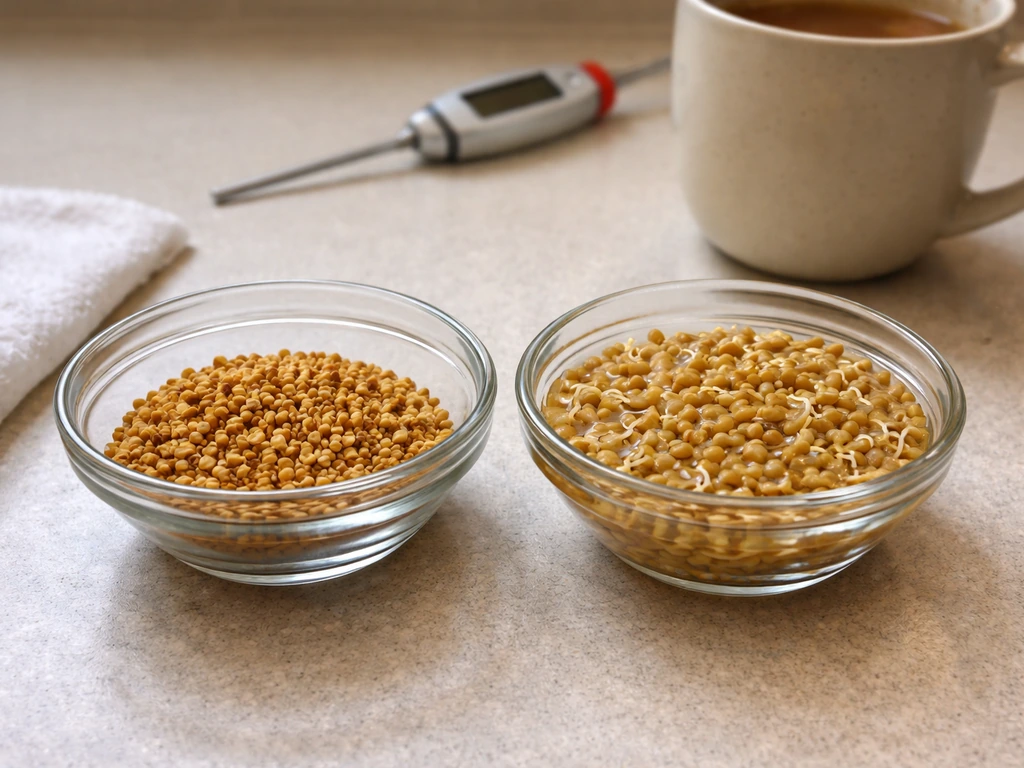
Temperature is the single biggest variable. Fenugreek germinates best between 20°C and 30°C (68°F to 86°F). At the sweet spot of around 25°C (77°F), you'll see sprouts in 3 to 5 days reliably. If you are wondering how many days does a mongo seed grow, the sprouting timeline is different from fenugreek but you can tune it with similar basics like warmth and moisture 3 to 5 days.
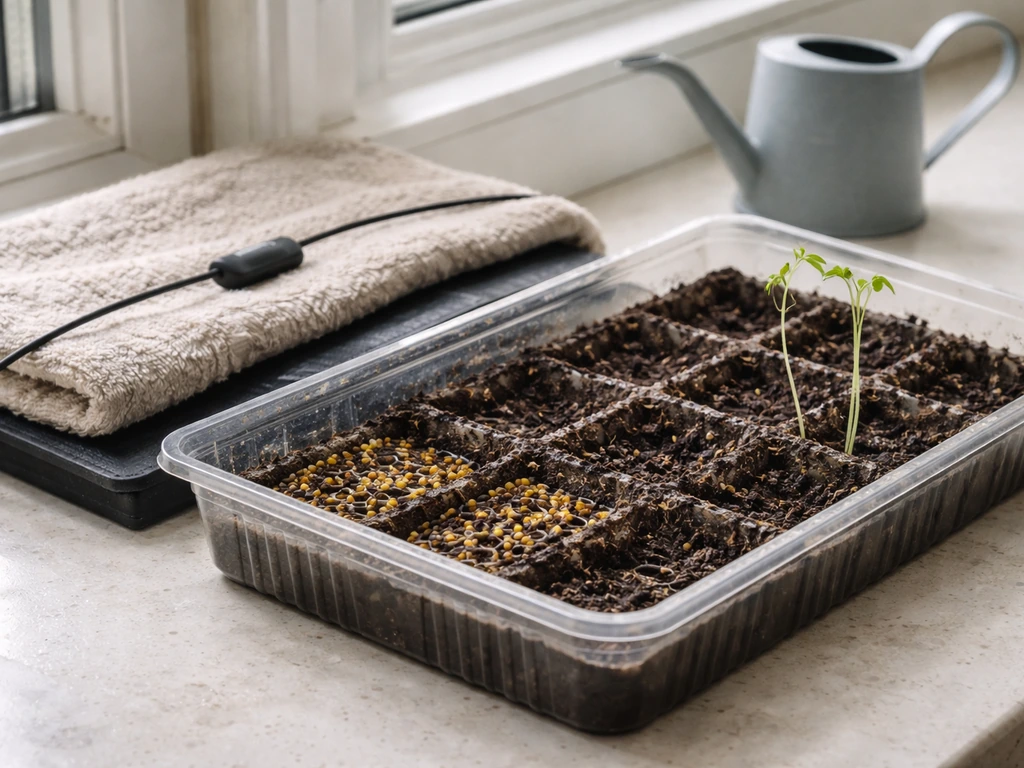
Drop below 15°C (59°F) and germination slows to 10 or more days, or stalls entirely. Fenugreek is a cool-season crop in the sense that it prefers mild weather over summer heat, but it still needs warmth in the soil to sprout. Indoor sowing on a warm windowsill or a heat mat gives you much more predictable results than cold outdoor soil.
Soaking before sowing
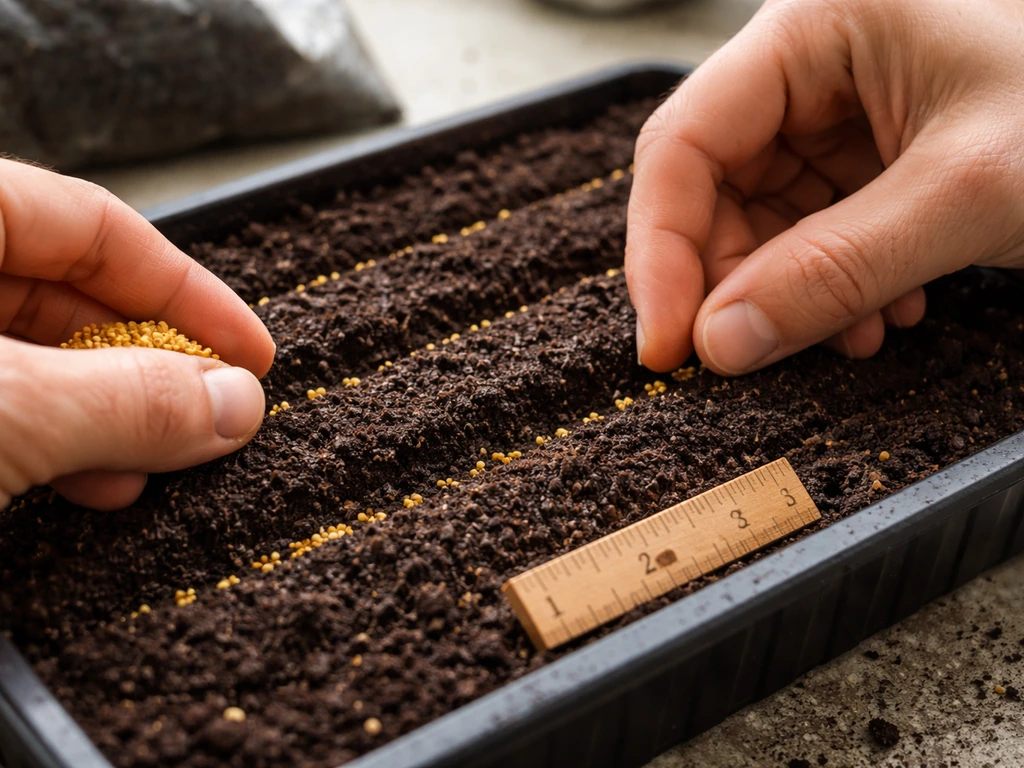
Soaking fenugreek seeds for 6 to 12 hours in room-temperature water before sowing gives a noticeable speed boost. The seed coat softens and the embryo absorbs moisture it needs to kick off germination. In my experience, soaked seeds can shave 1 to 2 days off the germination window compared to dry-sown seeds. Don't soak longer than 12 hours though, since extended soaking can cause the seeds to ferment or rot before they even hit the soil.
Sowing depth
Fenugreek seeds are small and don't need to be buried deep. A sowing depth of about 1 to 2 cm (roughly half an inch) is ideal. Plant them too deep and the seedling uses up its energy reserves before it breaks the surface. Plant them right on the soil surface without cover and they dry out too fast. That half-inch sweet spot lets the seed stay moist while the shoot reaches light quickly.
Soil moisture
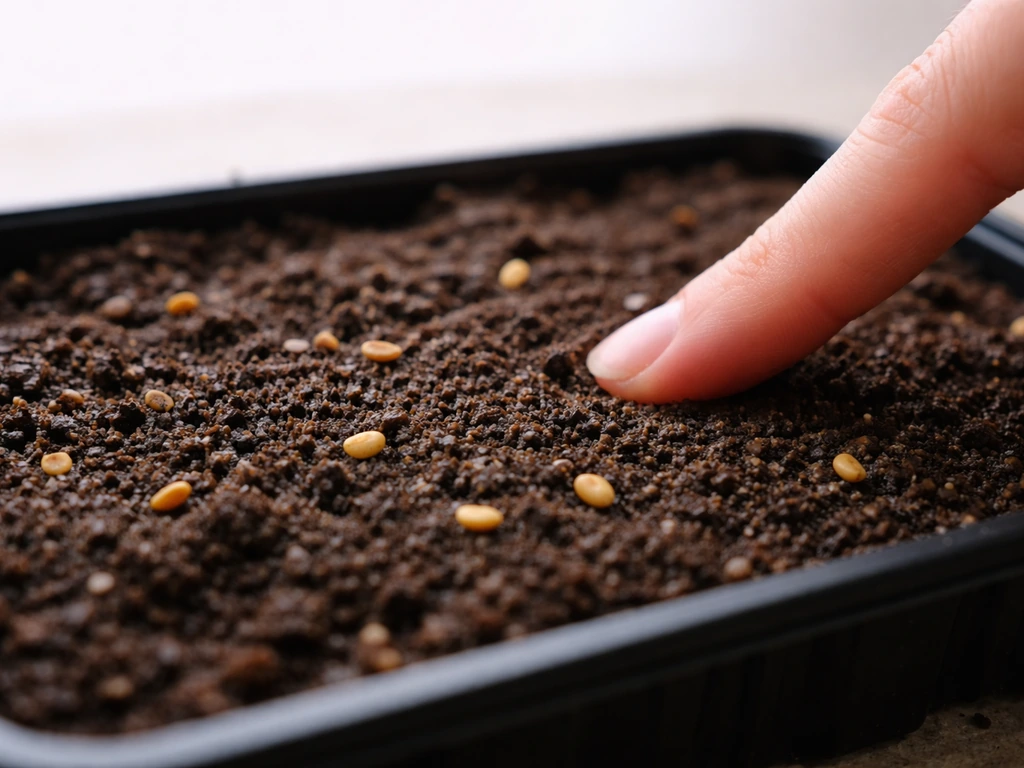
Fenugreek seeds need consistent moisture to germinate but they don't want to sit in waterlogged soil. The soil should feel like a wrung-out sponge: damp throughout but not dripping. Letting the surface dry out even once during the first 5 days can interrupt germination and push your timeline out significantly. For indoor trays, covering with a clear plastic lid or a piece of cling film until sprouts appear helps lock in that moisture without needing to water again.
Best sowing method for faster, more reliable germination
If you want to hit the fast end of the timeline consistently, here's the method that works best in most setups:
- Soak seeds in room-temperature water for 8 hours before sowing.
- Fill a tray or small pot with a loose, well-draining growing mix. Avoid heavy clay soils or dense potting composts.
- Scatter seeds across the surface and press them gently into the mix, then cover with about 1 cm of additional growing medium.
- Water gently to wet the mix without displacing seeds, then cover the tray with a clear lid or plastic film.
- Place in a warm spot, ideally between 22°C and 28°C (72°F to 82°F). A heat mat set to around 25°C gives the most consistent results indoors.
- Check daily and mist lightly if the surface looks dry. Remove the cover once you see the first sprouts breaking the surface.
- Move to a bright, indirect-light position once uncovered to encourage strong, upright seedlings.
For direct outdoor sowing, wait until your soil temperature is reliably above 18°C (65°F). Sow in rows about 20 to 30 cm apart, thin seedlings to about 10 cm once they're established, and water consistently in the first two weeks. Fenugreek doesn't like being transplanted, so direct sowing is almost always better than starting indoors and moving outside later.
What to do if fenugreek hasn't sprouted by day 10
Give fenugreek until day 10 to 12 before you start worrying seriously. If there's nothing by then, work through this quick checklist before deciding to resow:
- Check soil temperature. Stick your finger a couple of centimetres into the mix. If it feels cold to the touch, the soil is probably below 15°C. Move the tray somewhere warmer or add a heat mat.
- Gently dig up one or two seeds to check their state. If they're swollen and look like they're about to crack open, they're alive and just slow. If they're shriveled and dry or mushy and rotting, you have a moisture or drainage problem.
- Assess your watering. Dry soil is a common culprit for delayed germination. Give a thorough watering and cover the tray again to retain moisture.
- Consider seed age and storage. Fenugreek seeds that are more than 2 to 3 years old or have been stored somewhere warm and humid lose viability quickly. If you're unsure, do a quick paper-towel germination test with 5 to 10 seeds before investing in a full resow.
- If two or three seeds you dug up are clearly rotting, your soil is too wet. Let it dry out a little, improve drainage, and start fresh with new seeds.
If you've worked through that list and conditions look fine but nothing has appeared by day 12 to 14, resow with fresh seeds. It's better to start over early than to keep waiting on seeds that aren't going to germinate.
Common reasons fenugreek grows slowly or fails, and the quick fix
| Problem | Likely Cause | Quick Fix |
|---|---|---|
| No sprouts after 10+ days | Soil too cold (below 15°C) | Move to warmer spot or use heat mat |
| Seeds rotting in soil | Overwatering or poor drainage | Let soil dry slightly; resow in better-draining mix |
| Sprouts appear then collapse | Surface drying out or damping off | Water more consistently; improve air circulation |
| Very slow, patchy germination | Old or poorly stored seeds | Germination test first; buy fresh seeds if viability is low |
| Seeds dry and shriveled after 7 days | Underwatering or soil too loose | Water thoroughly and maintain consistent moisture |
| Leggy, weak seedlings | Not enough light after germination | Move to bright light immediately after sprouting |
Leggy seedlings are one of the most common issues I see people overlook. They celebrate the sprout breaking the surface and forget that the plant immediately needs good light. Fenugreek grown in low light stretches toward any available source and ends up weak and prone to flopping over. Get it into bright indirect light or under a grow light within a day of germination and you'll have strong, stocky seedlings that establish quickly.
One last thing worth knowing: fenugreek is a fairly forgiving herb compared to some other seeds with narrow germination windows. If your first sowing is slow, it's almost always fixable with an adjustment to temperature or moisture rather than a sign that you're doing everything wrong. Treat your first attempt as a calibration and you'll nail the second one. That forgiving nature is part of why it's a great starting point for growers who are also experimenting with other fast-germinating herbs and greens.
FAQ
Why do my fenugreek seeds take longer indoors than the usual 3 to 5 days?
Yes. If your seeds are fresh and the soil stays in the warm range (about 20°C to 30°C), you can often see sprouts closer to 3 to 4 days indoors, but cold drafts near windows can slow it even if the room feels warm. Use a heat mat or keep trays away from exterior walls for more consistent timing.
At what point should I stop waiting and resow fenugreek seeds?
If there is no visible sprout by day 10 to 12, assume conditions are not right (or the seed batch is low viability). Before resowing, check that the soil was consistently damp (wrung-out sponge), not waterlogged, and that temperature stayed above roughly 18°C (65°F). Fenugreek can stall rather than partially germinate in cool, dry, or soggy conditions.
Can soaking fenugreek seeds too long prevent germination?
It can. Extended soaking beyond about 12 hours increases the risk of poor germination due to fermentation or rot, especially if water is warm. If you want the speed benefit, soak for 6 to 12 hours at room temperature, then sow promptly and keep the moisture steady after planting.
How can I tell if my fenugreek seeds are still viable before sowing?
Do a simple germination viability test. Place 8 to 10 seeds between damp paper towels, keep them warm (around 25°C if possible), and look for a radicle within about 3 to 7 days. If only a few sprout, expect slower or uneven results and plan to use fresh seed rather than waiting weeks.
What does “germination” mean for fenugreek, and why do timelines differ?
Fenugreek can produce both green shoots and an early root or “rooting phase,” which is why some sources report longer times for germination definitions that include the dark-phase rooting. Use the presence of an emerging shoot (not just moisture swelling) as your practical marker, and still follow the day 10 to 12 check before resowing.
Is it okay to start fenugreek indoors and transplant it outside?
You can, but expect less predictable results because fenugreek generally dislikes being moved after it starts. If you do start indoors, transplant only once seedlings are sturdy and keep disturbance minimal, ideally moving with an intact root ball. Many home growers get better uniformity with direct sowing.
What are the most common reasons fenugreek sprouting gets slow?
Temperature and moisture are the big levers, but timing of watering matters too. Avoid letting the surface dry even once during the first 5 days, because interruptions can push you from the 3 to 7 day window toward 7 to 10+ days. Consistent dampness, not constant dripping, is what speeds things up.
Does covering the tray with plastic or a lid speed up fenugreek germination?
Yes. If you cover indoor trays with clear film or a lid until you see sprouts, you reduce evaporation and keep the moisture more uniform, which can bring germination closer to the fast end. Just vent briefly after sprouts appear to prevent excessive condensation and fungal issues.
How soon can I harvest fenugreek leaves, and will early picking slow regrowth?
For greens, it is usually safe to start harvesting around 14 to 18 days for tender tops, then the first true cuttable flush is often 20 to 25 days from sowing. If you harvest too aggressively early, regrowth still happens, but multiple light cuts are generally more reliable than a single heavy pull.
Next Article
How Many Days Does a Mung Seed Grow? Timelines
Mung seeds sprout in 3–5 days; get realistic timelines, causes of delays, and fixes for faster, reliable growth.