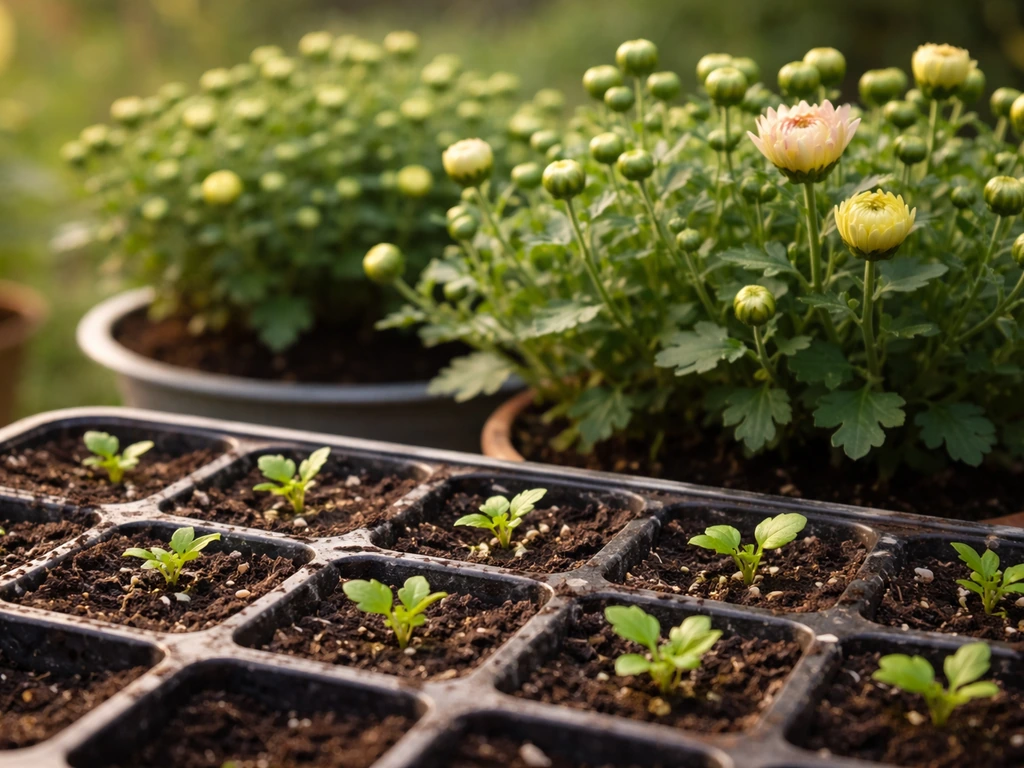
Most flower seeds take 5 to 21 days to germinate (sprout), and then another 6 to 16 weeks before you see the first blooms. But that wide range is exactly why the question matters: a zinnia can be flowering in as little as 8 weeks from sowing, while a perennial like purple coneflower might need a full season just to establish. Knowing where your flower falls on that spectrum, and what conditions it needs, is what turns a guess into an actual plan.
How Long to Grow Flowers From Seed: Timelines to Bloom
Marcus Henley
18 Apr 2026
What "how long to grow" actually means
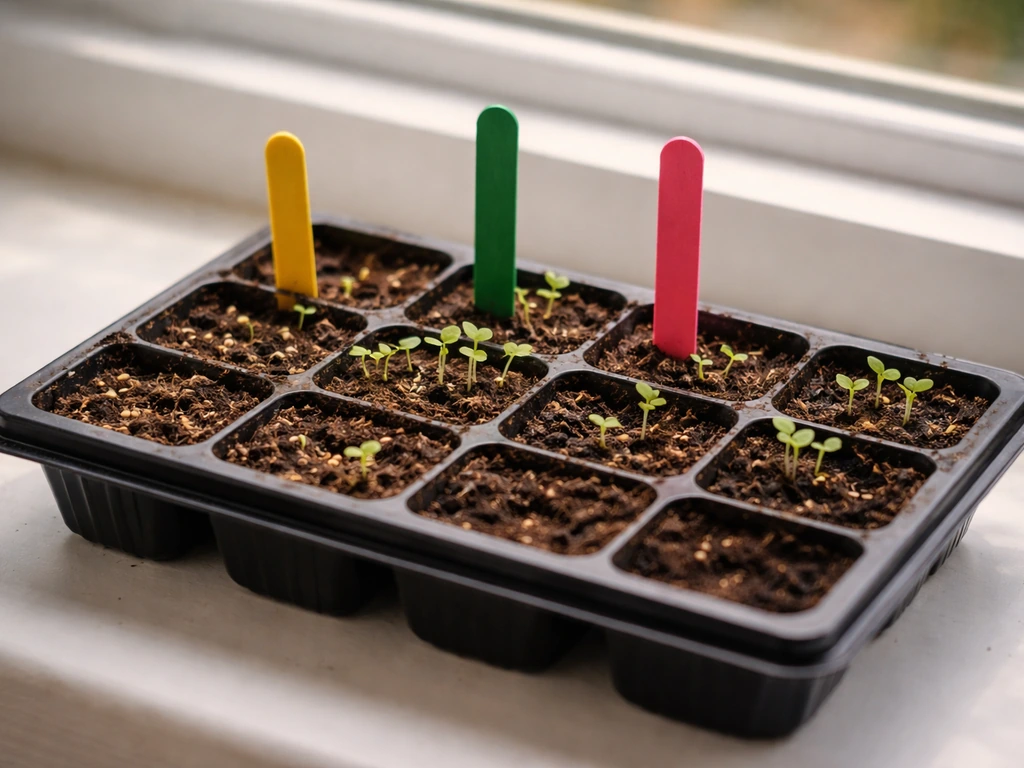
When people ask how long it takes to grow flowers from seed, they're usually asking three different questions without realizing it. The first is germination: how many days until the seed cracks open and a sprout breaks the soil surface. The second is seedling establishment: how long until that sprout grows into a sturdy transplant-ready seedling. The third is maturity or first bloom: how long from sowing until you actually see flowers. These three stages have very different timelines, and conflating them is the most common source of frustration in seed starting.
Germination is usually measured in days, seedling establishment in weeks, and time to bloom in weeks or months. A petunia, for example, germinates in about 6 to 12 days, spends another 10 to 12 weeks becoming a marketable transplant, and then blooms shortly after going in the ground. A biennial like foxglove, on the other hand, will spend its entire first year just growing leaves before it flowers the following spring. If you want the honest answer on how long it takes flower seeds to grow, you need to track all three stages, not just germination.
Flower seed timelines by type: annuals, biennials, and perennials
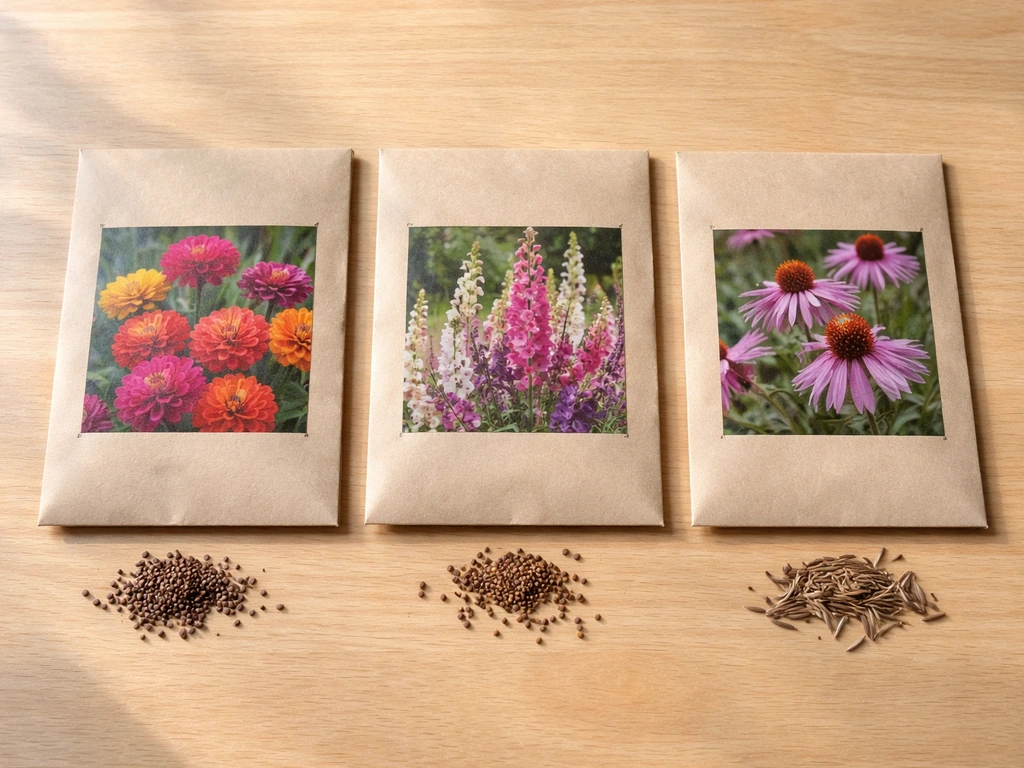
The single biggest factor in your timeline is whether you're growing an annual, biennial, or perennial. These plant categories behave completely differently from seed, and mixing them up leads to a lot of disappointed gardeners.
Annuals: fastest path to flowers
Annuals complete their entire life cycle in one season, which means breeders and nature have both pushed them to bloom fast. Zinnias are the gold standard here: seeds germinate in 5 to 8 days at 70 to 75°F, and you can have flowers in as little as 8 weeks from sowing. Marigolds germinate in 7 to 8 days at 70 to 80°F and reach bloom in about 8 to 10 weeks. Petunias take a bit longer to germinate (6 to 12 days at 70 to 80°F) and need about 10 to 12 weeks from seed to first flower. Calendula germinates in 10 to 12 days and blooms in roughly 9 to 12 weeks. These are the flowers to reach for if you want results this season without a long wait.
If you're curious just how fast flower seeds actually grow, annuals are your best demonstration. Under ideal conditions, some are practically growing before your eyes.
Perennials: a longer game worth playing
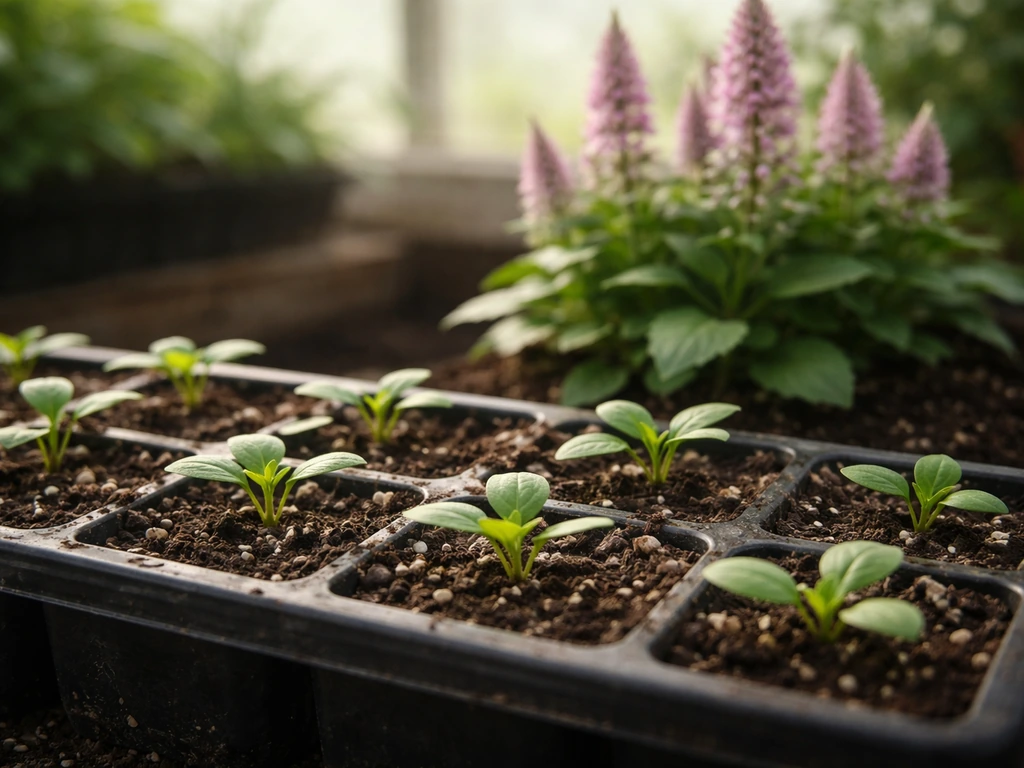
Perennials come back year after year, but they make you wait. Most perennials take 2 to 4 weeks to germinate (if conditions are right), then spend their first season building a root system, and often don't bloom until their second year. Purple coneflower (Echinacea) is a good example: once germination conditions are met, it can sprout in as little as 9 days, but it typically needs its first full growing season before it flowers meaningfully. Chrysanthemums follow a similar arc, and if you want details on that specific flower, there's a dedicated breakdown of how long it takes to grow chrysanthemums from seeds. For perennials as a category, plan on 12 to 18 months from seed to reliable bloom in most cases, with the first season focused entirely on establishment.
Mums are a perennial case that often surprises people. For a focused look at that timeline, the guide on how long it takes to grow mums from seed goes into the specific weeks and conditions involved.
Biennials: the two-year commitment
Biennials like foxglove, hollyhock, and sweet William germinate and grow their first year, then overwinter and bloom the following spring or summer. If you sow them indoors in late winter, you'll have healthy plants by summer, but flowering won't happen until the next calendar year. This trips people up constantly. The plants look great all summer, and then first-time growers wonder why nothing is blooming. Patience is the whole plan with biennials.
| Flower | Type | Germination (days) | Germination Temp (°F) | Weeks to First Bloom |
|---|---|---|---|---|
| Zinnia | Annual | 5–8 | 70–75°F | 8–10 |
| Marigold | Annual | 7–8 | 70–80°F | 8–10 |
| Petunia | Annual | 6–12 | 70–80°F | 10–12 |
| Calendula | Annual | 10–12 | 60–70°F | 9–12 |
| Purple Coneflower (Echinacea) | Perennial | 9–21 (after stratification) | 70°F | 12–18 months |
| Chrysanthemum | Perennial | 10–18 | 65–70°F | 12–16 months |
| Foxglove | Biennial | 12–20 | 60–65°F | 12–18 months (year 2) |
How growing conditions shift your timeline
The biggest variable in any germination timeline isn't the seed, it's the environment. The same zinnia seed that sprouts in 5 days in a warm greenhouse might take 2 to 3 weeks in a cold spare room. Iowa State University Extension puts numbers to this: seeds emerge in 5 to 10 days in warm soil around 70°F, and 10 to 21 days in cooler soil. That's not a small difference when you're counting days.
Temperature
Temperature is the most powerful lever you have. Most annual flower seeds germinate best between 65 and 85°F, with sweet spots varying by species. Johnny's Selected Seeds shows that zinnias germinate in just 3 to 5 days at 80 to 85°F, compared to the wider 5 to 8 day range at cooler temperatures. If your seed-starting area runs cool, a seedling heat mat makes a real, measurable difference. Set it to the temperature listed on the seed packet, not just a general warm setting.
Light
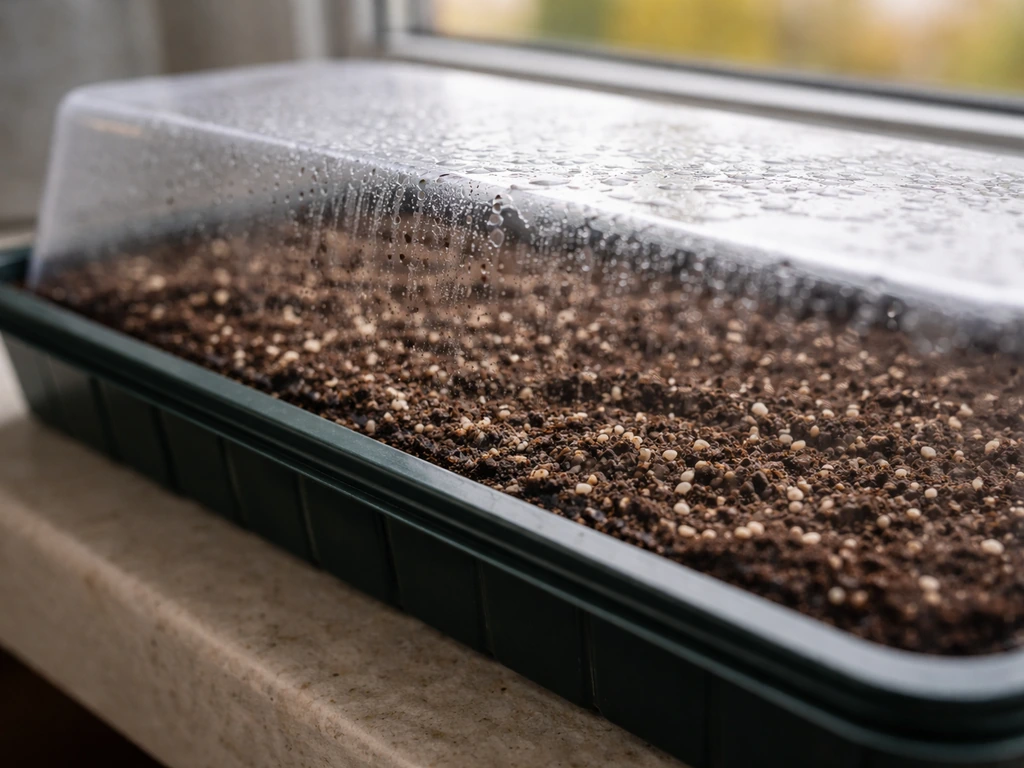
Some seeds need light to germinate and will simply sit dormant if you bury them. Petunias are the classic example: they must be sown on the soil surface and need exposure to light to trigger sprouting. Covering them even lightly can delay or prevent germination entirely. Morning glories are on the opposite end of the spectrum, and understanding how fast morning glories grow from seed is partly a story about their preference for darkness during germination and their love of direct sun once they're up. Always check the seed packet for light requirements, and follow them exactly.
Moisture and humidity
Seeds need consistently moist (not soggy) media during germination. Research from UMass Amherst recommends maintaining relative humidity around 95% around the germination environment to keep media moisture steady. In practical terms, that means a clear humidity dome or a plastic bag over your tray. Once seeds sprout, pull the dome off and let the surface dry slightly between waterings to reduce the risk of damping-off, a fungal problem that can wipe out seedlings fast.
Sowing depth
Planting too deep is one of the most common reasons seeds fail. A general rule of thumb is to sow at a depth of about 2 to 3 times the seed's diameter. For tiny seeds like petunia, that means surface sowing. For zinnias, Johnny's recommends sowing at 1/4 inch deep. Burying a light-dependent seed even a quarter inch too deep can mean the difference between sprouting in a week and never sprouting at all.
Stratification for perennials and wildflowers
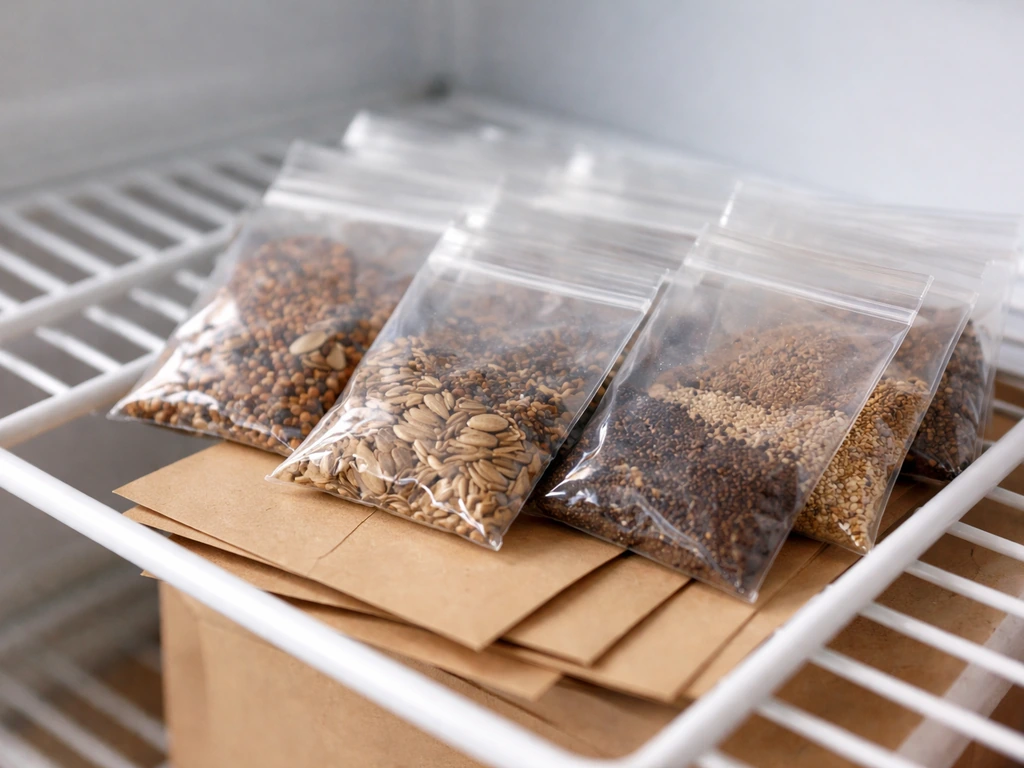
Many perennial and wildflower seeds have dormancy mechanisms that require a cold period before they'll germinate. This process, called cold stratification, mimics winter. Iowa State University Extension recommends 3 to 4 weeks of cold storage at around 40°F for many perennials. The LSU AgCenter puts the typical window at 4 to 8 weeks at 38 to 45°F. For purple coneflower specifically, research has found that blank" rel="noopener noreferrer">12 weeks of cold stratification is sometimes needed to fully overcome dormancy. Skip this step and you may be waiting months for germination that never arrives. Clover is another seed type where dormancy can catch growers off guard, and the guide on how fast clover grows from seed walks through how dormancy-breaking needs affect timing.
Seed-starting steps that keep germination on schedule
Getting germination to happen on time is mostly about controlling the variables above. Here's the practical setup that consistently works.
- Use a seed-starting mix, not garden soil or potting mix. Seed-starting media is formulated for the water-holding capacity and drainage seeds need during germination. Garden soil compacts, holds too much water, and can harbor pathogens.
- Fill your containers to within about half an inch of the top and firm the surface lightly before sowing. Loose, fluffy media can bury tiny seeds too deep as it settles.
- Water from the bottom before sowing. Place trays in a shallow container of water for about 30 minutes so the mix absorbs moisture from below. This hydrates the media evenly without displacing tiny seeds.
- Sow at the correct depth for your species. Surface-sow light-dependent seeds like petunias. Cover larger seeds like zinnias to about 1/4 inch. When in doubt, shallower is safer than deeper.
- For pelleted seeds like pelleted petunias, apply only a thin layer of vermiculite to hold the seed in place. Do not bury it. Light still needs to reach the seed coat.
- Cover the tray with a clear humidity dome to maintain moisture and trap warmth. Keep it on until you see the first sprouts, then remove it promptly.
- Use a heat mat set to the species-appropriate temperature. Check the seed packet. Most annual flowers want 70 to 80°F at the soil level, not just the ambient air temperature.
- For perennials or wildflower seeds that need stratification, refrigerate moist seeds in a sealed bag for 3 to 8 weeks before sowing, depending on the species. Use Illinois Extension's guidance: cold stratification is 33 to 40°F.
How to calculate your planting schedule
The cleanest way to plan your sowing date is to work backward from the date you want flowers. This backward-planning method is used by commercial growers and it works just as well for a home gardener with a single seed tray.
- Identify your target date: When do you want blooms? This might be a specific event, the start of summer, or your last frost date plus a few weeks.
- Find the 'weeks to bloom' for your flower: Seed packets often list this as 'weeks to transplant' or 'days to bloom.' For marigolds, plan on about 8 to 10 weeks from sowing to first flower outdoors. For petunias, plan 10 to 12 weeks.
- Add time for stratification if needed: If your perennial needs 6 weeks of cold stratification, add that to the front of your timeline before germination even begins.
- Count backward from your target date: If you want marigolds blooming June 1 and they need 10 weeks, you need to sow by March 22. If your last frost is May 15 and petunias need 12 weeks from sow to transplant-ready bloom, sow by late February.
- Schedule by variety, not by flower type: Penn State Extension recommends scheduling separate planting dates if varieties within the same species have different germination ranges. A slow petunia variety might need sowing 2 weeks earlier than a fast one.
Johnny's Selected Seeds offers a seed-starting date calculator that automates exactly this math, letting you plug in your transplant date and get a sow date based on each crop's timing requirements. It's worth bookmarking for any season where you're juggling multiple flower varieties. SDSU Extension does something similar with example calendar tables for marigold, petunia, and zinnia that show exactly when to start indoors and when to transplant, which makes visualizing the timeline very concrete.
Why seeds aren't sprouting (and what to do about it)
If you're past the expected germination window and nothing is happening, there's almost always a fixable reason. A r/NativePlantGardening thread also notes that purple coneflower germination often responds to about 8 to 12 weeks of cold, moist stratification, though growers sometimes disagree on the exact requirements cold, moist stratification, but also shows community disagreement/confusion about requirements. The most common causes are soil temperature that's too low, seeds planted too deep, inconsistent moisture, old or low-quality seed, and missing a required stratification step.
- Soil too cold: This is the number-one culprit. If your germination space is below 65°F, most annual flower seeds will germinate very slowly or not at all. Check actual soil temperature with a thermometer, not just room air temperature. Add a heat mat.
- Seeds planted too deep: If you covered light-dependent seeds even slightly, germination can fail entirely. Dig a few out gently and check. Resow on the surface if needed.
- Inconsistent moisture: Seeds that dry out mid-germination often die before emerging. Check your tray daily. The media should feel like a wrung-out sponge, damp throughout but not dripping.
- Stratification skipped or insufficient: If you're growing a perennial like Echinacea and skipped cold stratification, the seeds may simply be dormant. Start over with the cold treatment and try again.
- Seed too old: Flower seed viability declines over time. Some seeds stay viable for 2 to 3 years, others fade faster. If your seed is more than 2 years old and stored in a warm or humid place, low germination rates are likely. Do a quick germination test: place 10 seeds on a damp paper towel, seal in a bag at room temperature, and check in 7 to 10 days. If fewer than 6 sprout, the seed lot is weak.
- Wrong light conditions: If you're growing petunias and covered them or put them in the dark, they won't sprout. Review the light requirement for your specific flower and correct it immediately.
Colorado State University Extension adds another common culprit worth checking: planting too many seeds in one spot and then thinning too late. Overcrowding creates competition and poor air circulation that slows everything down. If you're troubleshooting slow growth after germination, that's often the cause.
What happens after germination: seedling care to first bloom
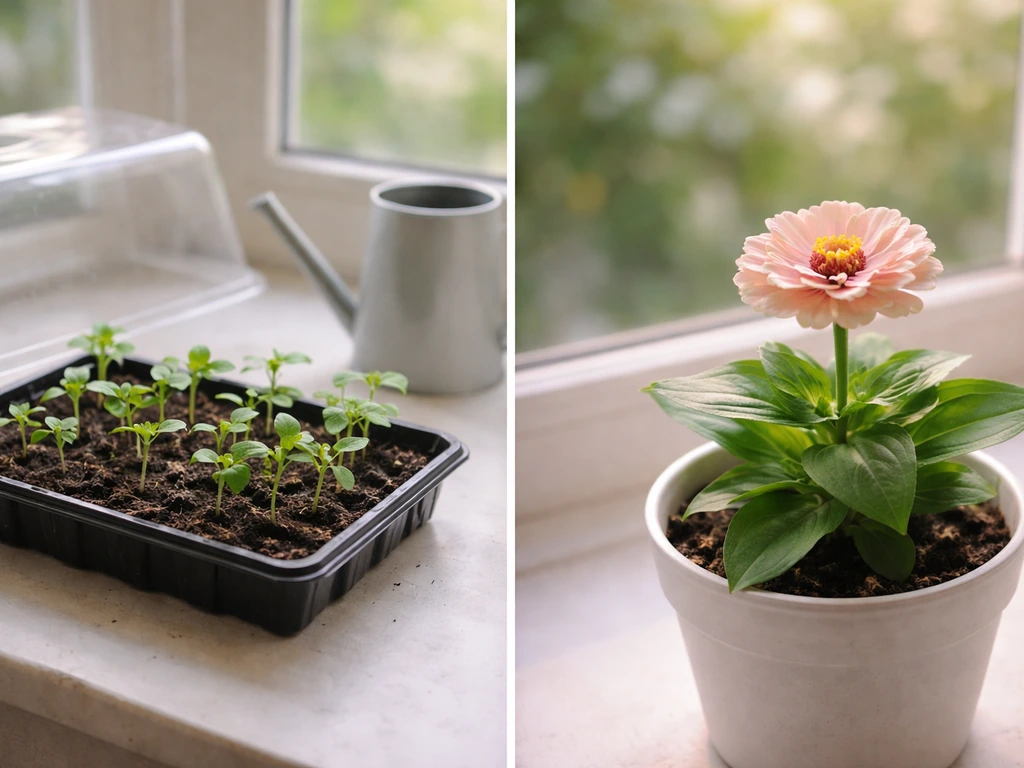
Getting the seed to sprout is actually the easy part. The next 6 to 12 weeks, from sprout to bloom, require a different set of conditions and a bit of patience.
As soon as the first sprouts appear, remove the humidity dome and move seedlings to bright light immediately. If you're using a grow light, keep it 2 to 4 inches above the tops of the seedlings and run it for 14 to 16 hours per day. Seedlings that don't get enough light stretch toward the source, producing weak, leggy stems that won't support blooms well.
Watering shifts after germination. You want the potting mix to dry out somewhat between waterings now, not stay constantly wet. Iowa State University Extension specifically recommends this to reduce the ongoing risk of damping-off. Water when the top half-inch of mix feels dry, and always water from below when possible to keep the stem base dry.
Once seedlings have their first true leaves (the second set after the initial seed leaves), you can begin a very diluted fertilizer routine. Seed-starting mix has minimal nutrients, so seedlings will exhaust the available supply within 2 to 3 weeks. A half-strength balanced liquid fertilizer once a week keeps them growing at a healthy pace.
About a week before you plan to transplant outdoors, begin hardening off: set seedlings outside in a sheltered, partly shady spot for 1 to 2 hours on the first day, then gradually increase their outdoor exposure over 7 to 10 days. Skipping this step and moving straight from indoor to outdoor conditions often causes transplant shock that sets your bloom date back by 2 to 3 weeks.
For annuals, expect flowers to appear 2 to 6 weeks after transplanting outdoors, depending on the species and how established the seedling was at transplant. For perennials started from seed, the first-year goal is really root development and foliage, with meaningful flowering often arriving in year two. That's not a failure, it's just how perennials work. A well-established perennial started from seed in year one will often outperform a transplant purchased in year two, precisely because the root system had time to develop on its own terms.
FAQ
If germination takes about a week, why aren’t my flowers blooming yet?
Add the germination period and the seedling-to-transplant period, then only count time to bloom after transplant (for most annuals). For example, if your seeds germinate in 7 days and become transplant-ready in 10 weeks, you should not expect flowers during that 10-week seedling window. Flowers typically begin a few weeks after you move plants outside, assuming temperature and light are adequate.
How can I tell whether slow progress is due to timing or poor conditions?
Don’t rely on indoor “days since sowing” for lighting species. If seedlings look tall and stretched, they likely did not receive enough light, so time to bloom can slip. Fix by moving them under a brighter grow light at the recommended distance and extending photoperiod to roughly 14 to 16 hours per day, then reassess your bloom expectations by a couple of weeks.
What’s the safest way to adjust sowing depth without ruining my germination timeline?
Use seed packets as the top authority for sowing depth and any light requirements, then only adjust slightly for your setup. As a rule, sowing about 2 to 3 times the seed diameter works for many seeds, but small light-dependent seeds (like petunia) should be surface sown. If you bury them even lightly, they may fail to germinate regardless of how “right” your schedule is.
What should I do if my seeds are past the expected germination window?
If you see no sprouts after the typical germination window, treat it as a troubleshooting checklist: verify soil/starting temperature, confirm moisture is consistently moist not soggy, and check seed age and storage quality. Also review whether your seed needs cold stratification (common for many perennials and some wildflowers), because skipping it can stretch germination from weeks to months.
Does using a heat mat always speed up seed-starting, or can it backfire?
For cold-sensitive setups, a heat mat helps only if you maintain a target range, not just “warm.” Keep the starting medium within the seed packet’s recommended temperature band, because germination speed drops quickly below that. If you can’t heat the room reliably, consider using a mat under the tray plus a clear humidity dome during germination.
How long should I wait before resowing seeds that require light to germinate?
Light-dependent seeds usually fail quietly, with the seed sitting dormant rather than rotting. The practical test is to confirm your method: petunias should be on the soil surface with light touching the seed, while many other seeds can tolerate light covering. If you suspect light requirements were missed, you may need to resow rather than wait indefinitely.
What watering changes matter most after seeds sprout?
If you consistently have damping-off or very slow growth after sprouting, your watering rhythm is often the culprit. After germination, let the surface dry slightly between waterings and avoid keeping the tray constantly wet. Bottom watering (watering from below) helps keep the stem base drier and can improve survival.
Should cold stratification happen before or after sowing, and how does it change the calendar?
Cold stratification should be done before sowing, not as an afterthought. If a seed requires 3 to 4 weeks (or up to 12 weeks for some species), plan to start counting from that storage period when building your sowing schedule. Keeping the cold window too short can delay germination until much later than your timeline.
Could planting too many seeds in one spot make the bloom date later?
Thinning affects growth rate and can shift bloom timing. Overcrowding reduces airflow and increases competition for light and nutrients, which can slow development even if germination was fine. Thin to the recommended spacing as soon as seedlings have enough size to handle, so you are not waiting on weak, crowded plants.
How much does hardening off change when flowers appear?
For transplanting, bloom timing is affected by shock. Harden off for about a week by gradually increasing time outdoors and giving some shade at first. If you skip hardening off, expect transplant shock that can push bloom back by a couple of weeks, especially in cool or windy weather.
If annuals bloom in 8 to 10 weeks, why do they sometimes take longer in my garden?
Yes, some annuals can bloom faster in warmer conditions, but “faster” still depends on establishment. If seedlings are still small at transplant, they typically take longer to catch up. Choose a transplant date that matches local weather (avoid cold snaps), then start counting time to bloom from the moment plants recover in outdoor conditions, not from the sow date.
Next Article
How Long Does It Take to Grow Mums From Seed?
Timeline to grow mums from seed: germination, transplanting, and flowering ranges, plus fixes for slow or no sprouting.