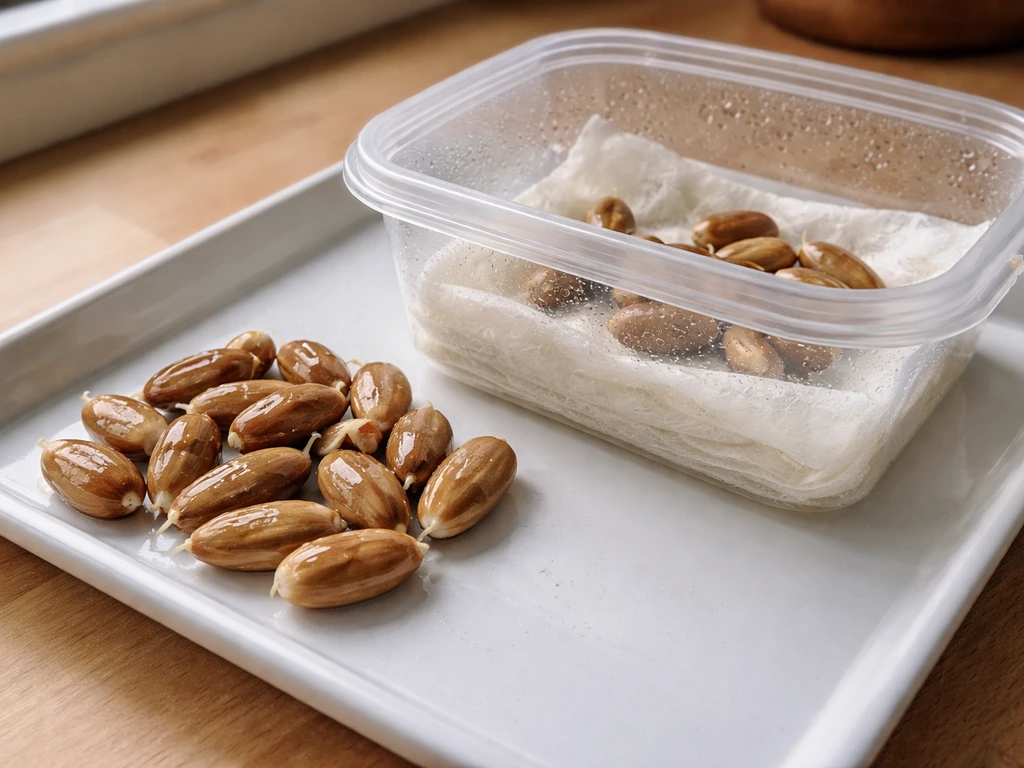
Citronella grass (Cymbopogon citratus or Cymbopogon flexuosus) takes about 7 to 28 days to germinate from seed, and you can expect a transplant-ready or container-ready plant roughly 8 to 12 weeks after you sow. That is the honest range most home growers should plan around. Some seeds pop in a week under a heat mat; others take closer to a month, especially if your temperatures are on the lower end or the seeds are older.
How Long to Grow Citronella From Seed: Timeline
Marcus Henley
15 May 2026
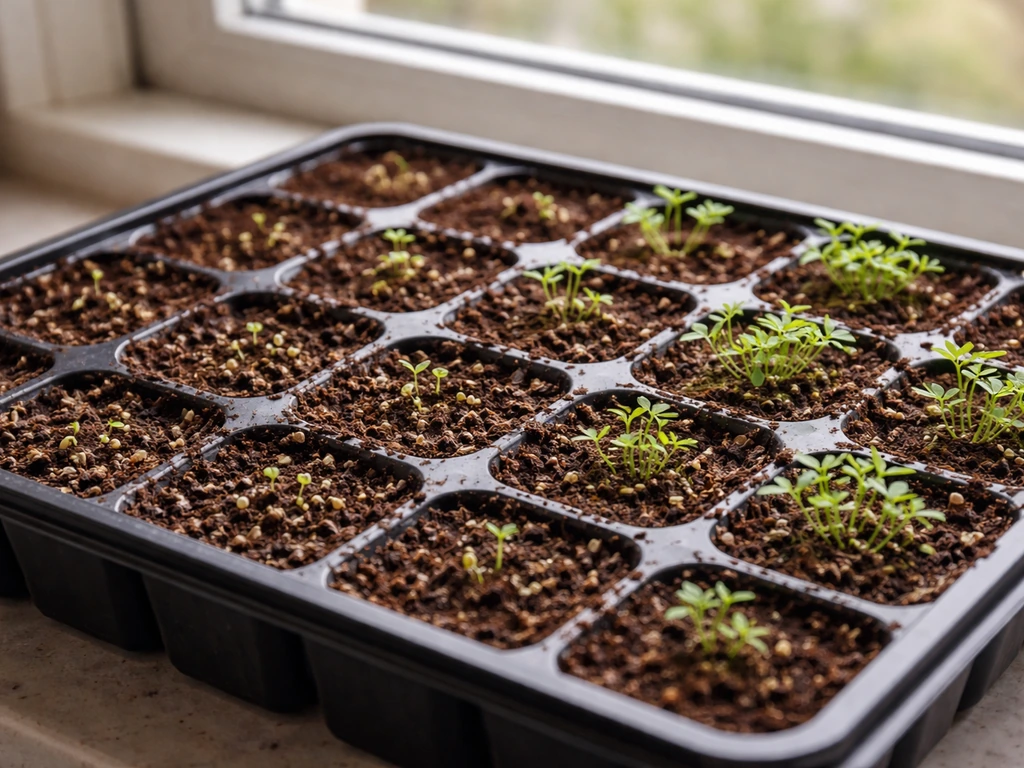
From germination to a plant that is genuinely usable outdoors or settled into a pot, budget about two to three months total. If you are planning a similar seed-starting schedule for other garden crops, you may also want to check how long does it take cantaloupe to grow from seed for comparison.
The full citronella timeline from seed to usable plant
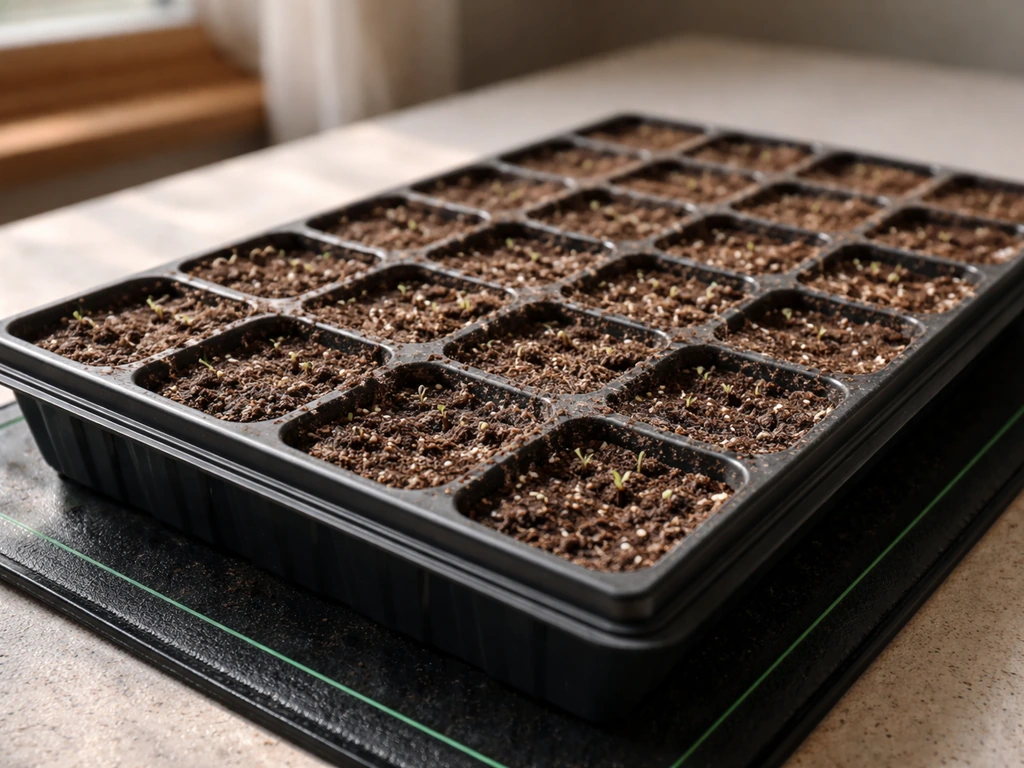
Breaking this down into stages makes the whole process much easier to plan. Here is what the timeline typically looks like under decent indoor conditions with a heat mat and good moisture control.
| Stage | Typical Timeframe | What You Should See |
|---|---|---|
| Germination | 7–28 days | Tiny green shoots emerging from the soil surface |
| Seedling establishment | 2–4 weeks after sprouting | First true grass-like leaves, 1–2 inches tall |
| Transplant-ready size | 6–10 weeks after sprouting | Clumps 3–4 inches tall, roots visible at pot edges |
| Usable container or garden plant | 10–14 weeks from sowing | Full clump, actively growing, 6–12 inches tall |
So if you sow seeds indoors in late winter and hit the 8-week mark, you are likely looking at transplanting outside in mid to late spring once soil temperatures settle above 45°F (7°C). For a container that stays on a patio all summer, you can move it outside even a bit sooner as long as nights stay mild. In warm climates where winters are mild, direct sowing outdoors is possible, but indoor starting almost always gives you a faster and more reliable result.
What affects how fast citronella grows from seed
Temperature is the single biggest lever you have. Cymbopogon seeds germinate best when the growing medium stays consistently between 68°F and 85°F (20–29°C). Below 65°F, germination slows dramatically or stalls entirely. Above 90°F, you risk drying out the medium too fast. A heat mat set to around 70–75°F hits the sweet spot for most people without cooking the seeds.
Light also matters more than most seed-starting guides emphasize for grass seeds. Citronella seeds germinate better when they receive light, which means you should surface-sow rather than bury them. Pressing seeds lightly onto a moist starting mix and covering with a clear plastic dome keeps humidity up while still letting light through. A bright south-facing window works, but a grow light placed a few inches above the tray gives you noticeably faster and more uniform sprouting.
Seed freshness is another real factor. Citronella seeds do not have a long shelf life. Seeds that are more than a year old often have significantly reduced germination rates, so if you are using saved or older purchased seeds, expect the lower end of the range and sow more thickly to compensate. Fresh seeds from a reputable supplier usually hit that 7–14 day window more consistently.
Container versus ground growing affects how quickly the plant matures after germination. Containers that are too large early on can hold too much moisture around the roots, slowing growth. Starting in small cells or 2-inch pots and potting up gradually keeps the roots active and the plant moving. In the ground in a warm climate, citronella can take off quickly once established, but you lose the ability to control temperature and moisture during that critical early window.
- Soil temperature 68–85°F speeds germination; below 65°F causes significant delays
- Surface sowing with light exposure improves germination rates
- High humidity during germination (use a clear dome or plastic wrap) prevents drying out
- Fresh seeds germinate in 7–14 days; older seeds may take up to 28 days or fail
- Season length in your climate determines whether indoor starting is worth it
- Container size at early stages affects root development speed
How to start citronella seeds for the fastest, most reliable germination
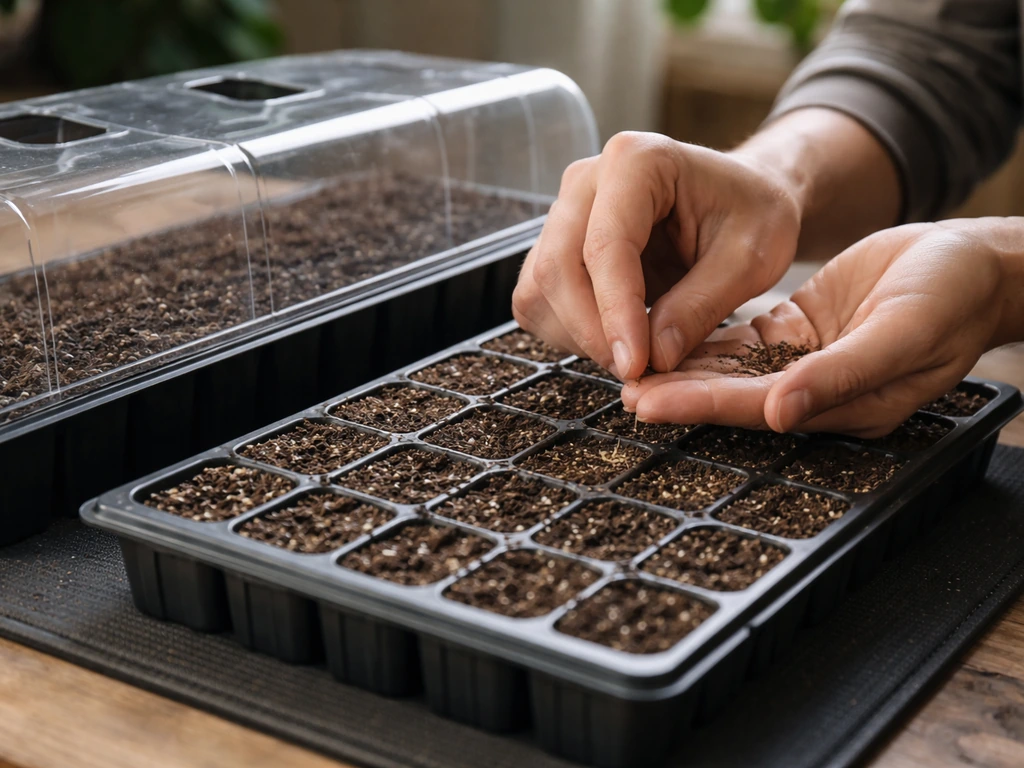
Here is the method I would recommend to anyone who wants to minimize the waiting and guessing. It is not complicated, but the details matter.
- Fill a seed tray or small cells with a well-draining, fine-textured seed-starting mix. Avoid heavy potting soil.
- Moisten the mix thoroughly before sowing so it is damp all the way through, not just on the surface.
- Press citronella seeds onto the surface of the mix. Do not cover them with soil. Just press them lightly so they make good contact.
- Cover the tray with a clear plastic humidity dome or stretch plastic wrap loosely over the top.
- Place the tray on a heat mat set to about 70–75°F (21–24°C).
- Set the tray under a grow light or in the brightest window you have. Light accelerates germination for this species.
- Check moisture daily. The surface should stay consistently damp, not soggy. Mist gently if needed.
- Expect to see the first sprouts between day 7 and day 14 under these conditions. Remove the dome once sprouts appear.
- Thin or separate seedlings once they reach about 1 inch tall, keeping the strongest ones.
No cold stratification is needed for citronella. This is a tropical grass, so chilling the seeds before planting does not help and may actually slow things down. Unlike some of the slower woody plants, there is no shortcut trickery required here. Just warmth, moisture, and light.
Why your seeds might not be sprouting (and what to do about it)
If you are past day 14 and still seeing nothing, do not panic. It does not mean the seeds are dead. The most common reason citronella seeds stall is temperature. Feel the soil surface with the back of your hand. If it does not feel noticeably warm, your heat mat may not be working well or the tray is losing heat to a cold surface. Slide a piece of foam or a folded towel under the tray to insulate it from the bottom.
Drying out is the second-most-common culprit. Tiny grass seeds need consistent moisture during the entire germination window. If the surface crust dried out even for a day or two, it can stop the process. Re-moisten carefully from below by setting the tray in a shallow container of water for 20 minutes, then relet drain before putting the dome back on.
Burying the seeds too deep is easy to do accidentally, especially if you pressed them in and then sprinkled extra mix over them. Citronella seeds need light to germinate well, so anything more than a very light dusting of mix over the top will suppress them. If you suspect this, gently brush the surface aside and re-expose the seeds.
If you hit day 28 with zero germination, the seeds may genuinely be non-viable. Old seeds, improperly stored seeds, or seeds that experienced extreme heat or moisture during shipping often fail entirely. At that point, source fresh seeds and start over. It is frustrating, but trying to coax dead seeds into sprouting is a waste of the season.
- No sprouts by day 14: Check temperature, make sure the soil is warm (68°F minimum)
- Soil surface looks dry: Water from below, replace dome, and check daily
- Seeds buried too deep: Gently expose seeds to the surface and restart with light
- Leggy or pale sprouts: Increase light intensity or lower grow light closer to tray
- Mold on the soil surface: Improve airflow slightly, reduce watering frequency, check drainage
- No germination by day 28: Seeds are likely non-viable; source fresh batch
Getting from seedlings to a transplant-ready or container-sized plant
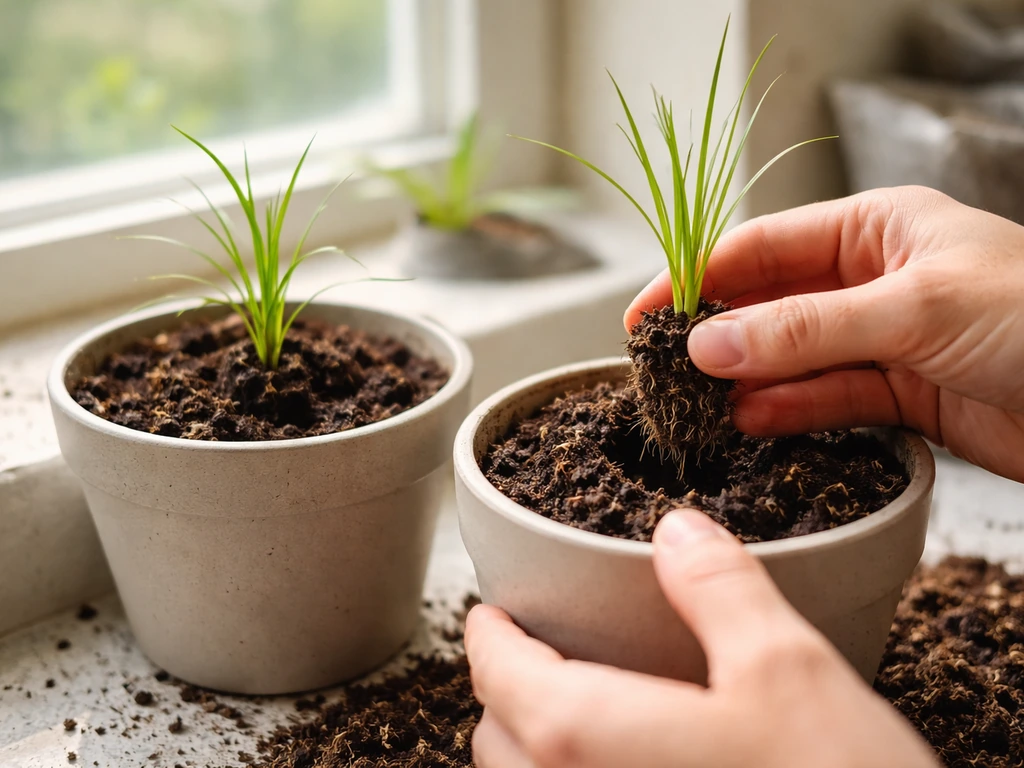
Once your citronella seedlings are up and showing their first true grass-like leaves, you have about six more weeks of indoor growing before they are ready for their next destination. The target size for transplanting outdoors is around 3 to 4 inches tall, with visible root development. At that stage, you can transplant in clumps of several seedlings together, which helps the plants establish faster and creates that full, lush appearance much sooner than planting single seedlings.
For container growing, pot up into a 6-inch or 8-inch container once roots start circling the bottom of the seedling cell. Use a well-draining potting mix with some perlite added. Citronella does not like wet feet, and sitting in soggy soil is one of the fastest ways to stall or kill a young plant. Once in a proper pot and moved to a sunny spot, expect another 14 to 28 days before the plant visibly takes off and produces noticeable new growth. That adjustment period is normal and not a sign that something is wrong.
If you are growing for outdoor use in a garden bed, do not rush transplanting just because the plant looks big enough. Soil temperature matters. Wait until the minimum soil temperature is reliably above 45°F (7°C), and ideally wait until nighttime air temperatures stay above 50°F. Transplanting into cold soil sets citronella back by weeks, which defeats the purpose of starting early indoors. For most of the northern US and similar climates, that window opens somewhere between late April and late May depending on your zone.
Planning your timeline based on climate and season
Where and when you live determines almost everything about your sowing schedule. Here is a practical checklist to match your situation.
| Climate or Situation | When to Sow Indoors | When to Transplant or Move Outside | Notes |
|---|---|---|---|
| USDA Zones 9–11 (mild winters) | Late winter or direct sow in spring | Early spring once frost risk passes | Can sometimes direct sow outdoors in warm soil |
| USDA Zones 7–8 (moderate) | 8–10 weeks before last frost (Jan–Feb) | Mid to late spring, soil above 45°F | Indoor starting strongly recommended |
| USDA Zones 5–6 (cold winters) | 10–12 weeks before last frost (Feb–Mar) | Late May to early June | Heat mat essential; protect transplants from late cold snaps |
| Container growing, indoors year-round | Any time | No outdoor transplant needed | Provide bright light; grow light recommended in winter |
| Short season climates (Zone 4 and below) | 12 weeks before last frost (late Feb) | Early June or when soil is reliably warm | May not reach full size before fall; treat as annual |
If you are starting seeds today (mid-May 2026) and you are in a zone 6 or warmer climate, you are right at the edge of the useful window for outdoor transplanting this season. You could start seeds now and have transplant-ready seedlings by mid to late July, which still gives you a full summer growing season to get a decent-sized clump established. In warmer zones, that is plenty of time. In shorter-season climates, you might get a modest plant this year and plan for a stronger start next February.
Growing citronella from seed takes more patience than buying divisions or starter plants, but it is very doable and often the only realistic way to get the specific species you want. Calamansi typically takes several months from seed to reach a transplantable size, but careful warmth and consistent moisture can speed early growth how long to grow calamansi from seeds.
The timeline is genuinely comparable to starting slower herbs from seed, and far shorter than slower-germinating plants like olive trees or palm trees, which can take months just to crack the seed coat. Olive trees, for example, often take much longer from seed, so plan around a protracted germination and early growth period. With the right warmth and moisture conditions, citronella is actually one of the more forgiving tropical grasses to start from scratch.
If you are curious about how long to grow a lime tree from seed, the key idea is similar: warmth and steady early conditions determine how quickly you move from germination to a transplantable plant.
FAQ
If my citronella seeds germinate in 7 to 14 days, when should I actually expect to transplant?
Use germination only to estimate the start date. If seedlings pop early, you are still typically looking at about 8 to 12 weeks from sowing for transplant-ready size, and about two to three months total to get a plant that is noticeably established outdoors or in its container.
Can I speed up citronella growth by soaking the seeds or using extra nutrients?
Soaking can sometimes help with uneven starts, but it does not replace warmth and consistent moisture, and it can also increase the risk of rot if the water stays too cool. Avoid fertilizing until after the seedlings have true grass-like growth, otherwise you can encourage weak, slow roots rather than faster establishment.
What should I do if the tray feels warm but germination still stalls after two to three weeks?
Check heat at the seed level, not just the bottom of the tray. If the growing mix is not staying in the 68°F to 85°F window, germination can slow dramatically. Also confirm the dome is not trapping excess condensation, which can create a damp, cool microclimate and encourage damping off.
Does covering the seeds with seed-starting mix ruin germination?
It can. Citronella generally needs light to germinate well, so aim for surface-sowing with only a very light dusting at most. If you already buried them, gently brush the surface to expose the tops again rather than re-sowing, since replanting can reset the timeline.
How thickly should I sow seeds to improve my odds?
If you are using anything older than about a year or you are not sure of storage conditions, sow thicker than usual so you still get enough seedlings for clumps. Thin, sparse stands often look underwhelming and take longer to reach a full container or outdoor clump size, even if individual plants grow fine.
When should I remove the plastic dome, and can taking it off too early set me back?
Remove or vent the dome once you see most seedlings sprouting, then gradually increase airflow over several days. Dropping humidity suddenly can dry the surface and halt smaller seedlings. It is especially important if your indoor air is dry or you are using strong light from a grow lamp.
Can I transplant outside before soil reaches 45°F if nights are still cool?
It is risky. Even if air temperatures look tolerable in the day, citronella can stall when the soil is still cold. If you must harden off early, do it gradually and use protection such as cloches or row cover, but plan the final transplant for when nighttime air stays milder and soil is reliably above 45°F.
Should I plant single citronella seedlings or clumps?
Clumps usually perform better for a faster, fuller result. Transplanting several together in one spot can help them establish as a group and produce a thicker appearance sooner than lone plants, especially in containers where small root systems take longer to convert into visible growth.
My seedlings look alive but growth seems to pause after potting up, is that normal?
Yes, a slowdown after moving to a new container is common, usually tied to root adjustment and moisture balance. Give it the adjustment period, about 14 to 28 days for noticeable takeoff, as long as the mix drains well and the plants are still getting warm conditions and bright light.
What kind of watering routine prevents damping off and keeps germination consistent?
Keep the surface evenly moist, not waterlogged. If the mix starts to crust, re-moisten from below for a short period, then relet drain before covering again. For young seedlings, avoid frequent top watering that can dislodge seeds or create saturated pockets.
Next Article
How Long to Grow a Palm Tree From Seed: Timeline and Tips
Realistic timeline for growing palm from seed, from soaking to germination, potting up, and faster troubleshooting tips.