Cantaloupe takes roughly 85 to 100 days to go from seed to a harvest-ready melon if you direct sow, or 70 to 85 days if you start transplants indoors first. Germination alone takes anywhere from 4 to 18 days depending on soil temperature, and your seedlings will need another 3 to 4 weeks before they're ready to move to the garden. That's the short answer. If you want to plan your planting schedule around your local frost dates and actually hit that first harvest window, the breakdown below gives you everything you need.
How Long Does It Take Cantaloupe to Grow From Seed?
Marcus Henley
4 Apr 2026
How long it takes cantaloupe seeds to germinate
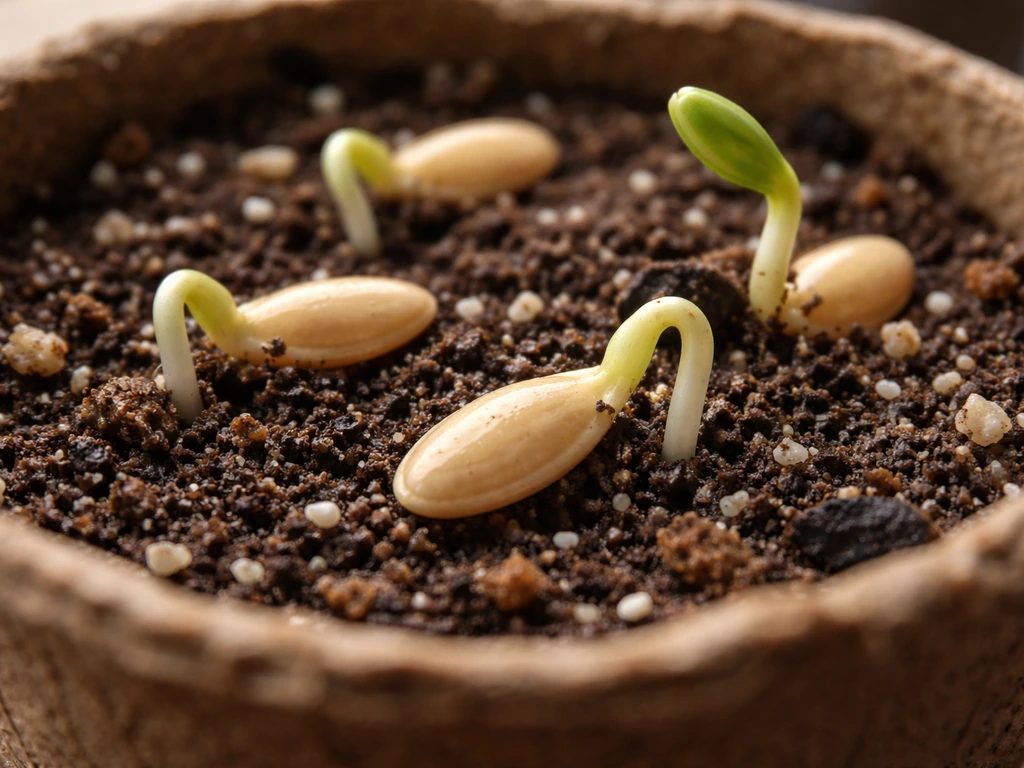
Most sources put cantaloupe germination somewhere between 4 and 10 days under ideal conditions, with the full range stretching to 18 days if conditions are less than perfect. The single biggest factor here is soil temperature. Cantaloupe seeds will not germinate at all below 60°F, and they really don't get moving until the soil is closer to 75°F. The sweet spot is 90°F for the fastest possible germination. That sounds hot, but soil temperature and air temperature are different things. A seed mat or warm greenhouse can get you there even when outdoor temps are still mild.
Planting depth also matters more than most people realize. Seeds planted too shallow dry out fast; too deep and the seedling runs out of energy before it breaks the surface. The recommended depth is between 1/2 inch and 1 1/2 inches. If you're in cooler soil, plant on the shallower end. In warm, loose soil you can go a little deeper to access more consistent moisture.
In my own experience, seeds sown into warm garden beds in late spring consistently pop in 5 to 7 days. Seeds I tried to sneak in too early when soil was still in the low 60s sat for nearly two weeks before showing anything, and a lot of them rotted instead of germinating. If your seeds aren't showing after 10 days, temperature is the first thing to investigate.
The seedling stage: from sprout to transplant-ready
Once cantaloupe seeds germinate, you're looking at about 3 to 4 weeks to grow a transplant-ready seedling. The key milestone to watch is the first set of true leaves. The initial leaves that emerge right after germination are cotyledons (seed leaves) and they don't count. You want to wait until the first true leaves are forming before you transplant, which typically happens around 2 to 3 weeks after seeding in trays.
Cantaloupe seedlings don't love being moved. Unlike tomatoes that can be transplanted multiple times, cantaloupes (like most cucurbits) are sensitive to root disturbance. Starting them in biodegradable pots or soil blocks and transplanting early rather than late reduces transplant shock significantly. If you let them get leggy or rootbound in trays waiting for the weather to cooperate, they tend to stall out after transplanting.
From transplant to harvest: the full maturity timeline
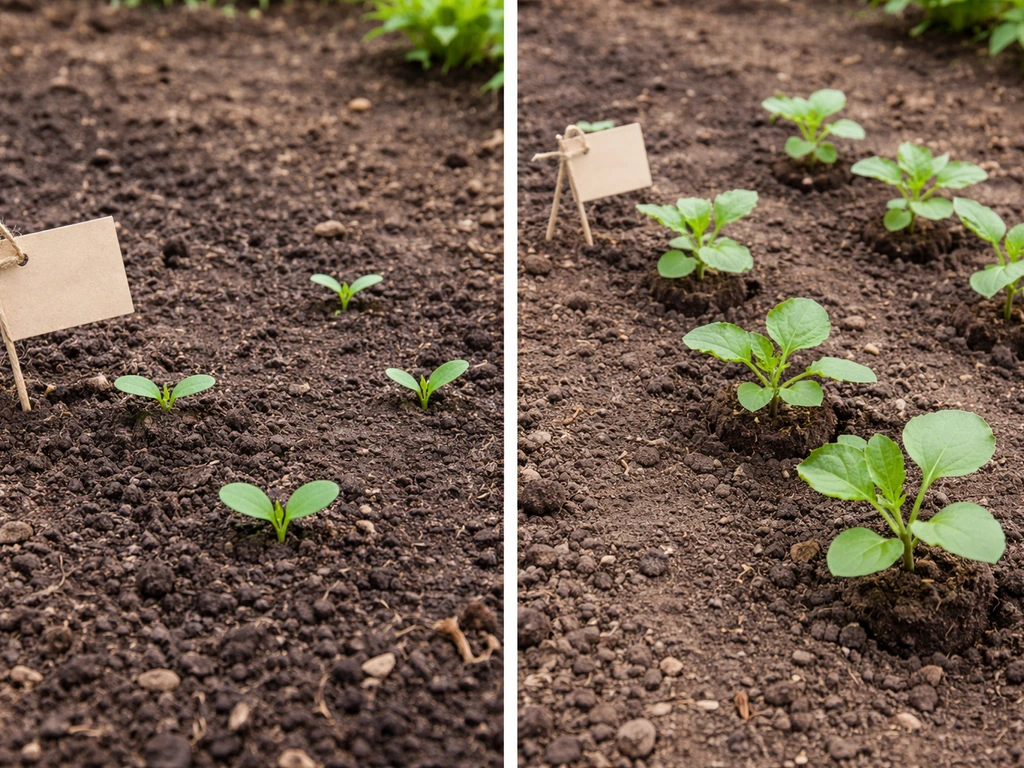
Here's where the two approaches really separate. If you direct sow in the garden, expect 85 to 100 days from seed to your first ripe cantaloupe. If you start indoors and transplant at 3 to 4 weeks old, you're looking at 70 to 85 days from transplant. That 15-day head start is meaningful if you live somewhere with a short summer window. Northern growers especially benefit from starting indoors: NDSU Extension recommends selecting cultivars rated 70 to 85 days to maturity and starting seeds indoors about 21 days before your planned transplant date.
The variety you choose affects this window a lot. Standard full-season varieties like Hale's Best can push toward 90 to 100 days. Shorter-season varieties bred for northern climates can come in closer to 70 days from transplant. If your growing window is tight, choosing the right cultivar is just as important as managing temperature and moisture.
| Method | Germination | Seedling Stage | Days to Harvest | Total Seed-to-Harvest |
|---|---|---|---|---|
| Direct sow (ideal conditions) | 4–10 days | In-ground development | 85–100 days from seed | ~90–115 days |
| Direct sow (cooler/variable conditions) | 10–18 days | In-ground development | 85–100 days from seed | ~100–120 days |
| Start indoors then transplant | 4–10 days | 3–4 weeks indoors | 70–85 days from transplant | ~95–110 days total |
What actually changes how long it takes
Soil temperature
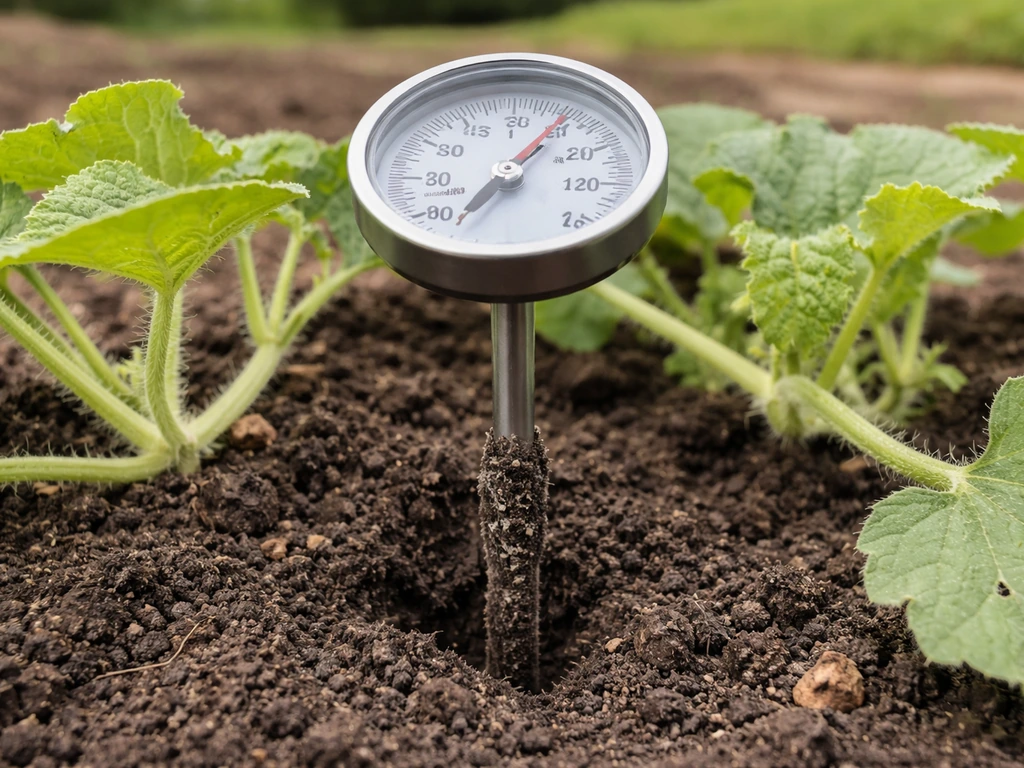
This is the number one variable. At soil temps below 60°F, germination simply doesn't happen. At 75 to 95°F it's optimal, and 90°F produces the fastest results. If you're anxious to get started and your soil isn't there yet, laying black plastic mulch over the planting area 10 to 14 days before your expected planting date is a well-documented method for raising soil temperature. It also helps retain moisture and suppress weeds once the plants are in.
Air temperature during seedling growth
Row covers can give you a real advantage in early-season growing by trapping heat around young plants. The catch is that when air temperatures climb above 80°F under the cover, you need to ventilate or risk cooking the seedlings. This is easy to forget on a partly cloudy day that suddenly turns sunny. When temperatures exceed 90°F consistently, plant development (including flowering behavior) can shift, so staying aware of your local forecast matters throughout the season.
Moisture and watering
Cantaloupe needs consistent moisture during germination and early seedling growth, but oversaturation is a real problem. Overly wet soil combined with warm temperatures creates perfect conditions for damping off, the fungal disease that kills seedlings at the soil line almost overnight. If you're starting seeds indoors, using a quality seed-starting mix rather than garden soil matters here: garden soil introduced into warm, wet trays can carry damping-off pathogens that wipe out a tray of seedlings before you even notice a problem. Watering from below (bottom watering) and avoiding overhead irrigation late in the day both reduce disease risk significantly.
Variety and cultivar choice
Days-to-maturity labels on seed packets range from 70 to 100+ days for cantaloupe. If you're in a northern climate or somewhere with an unpredictable shoulder season, choosing a variety rated at 75 to 80 days rather than 95 days can be the difference between a full harvest and plants that never ripen before the first frost. Always match your cultivar choice to your actual growing season length.
Start method: direct sow vs. transplants
Direct sowing avoids transplant shock entirely, which matters with cantaloupes. But it also means your seeds are at the mercy of whatever your soil temperature happens to be. Starting indoors gives you control over that critical germination environment and buys you 15 or more days of maturity time, which adds up fast in short-season climates. The trade-off is transplant shock risk, which you can minimize by using biodegradable pots and transplanting early rather than late.
Slow germination, failed seeds, and how to fix them
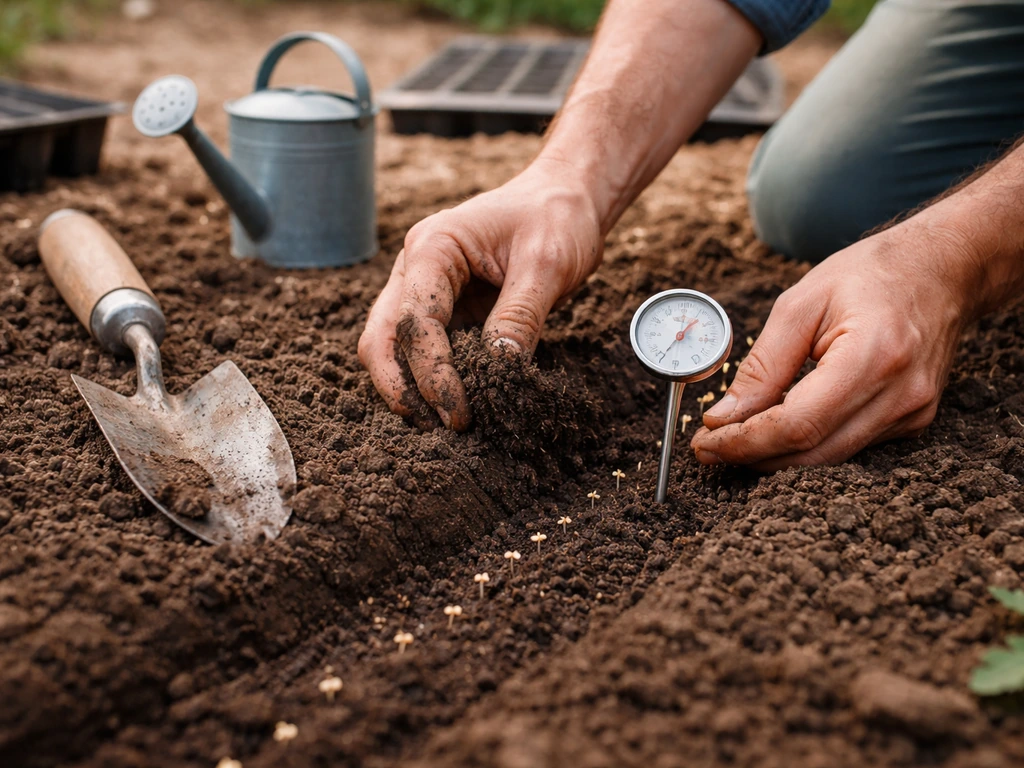
If your seeds haven't emerged after 10 days, run through this checklist before giving up or replanting:
- Check soil temperature at planting depth. If it's below 65°F, germination will be sluggish or nonexistent. A cheap soil thermometer is worth every penny for this reason.
- Look at your watering pattern. Seeds sitting in waterlogged soil are likely to rot rather than germinate. Stick your finger an inch into the soil: it should feel moist but not wet.
- Check planting depth. If you went deeper than 1 1/2 inches, seeds may be struggling to push through. Gently probe the soil to see if any seedlings are stalled just below the surface.
- Assess your seed quality. Old cantaloupe seed stored in warm, humid conditions loses viability quickly. If your seed is more than two or three years old, germination rates drop noticeably.
- Consider your potting mix if starting indoors. Using garden soil in trays introduces disease risk. If seedlings are emerging but dying fast at the soil line, damping off is likely the culprit.
To speed things up when you're behind schedule, a seedling heat mat is the most effective single tool you can use indoors. Set it to 85 to 90°F at the soil surface and you'll typically see germination in 4 to 6 days rather than 10 to 18. Outdoors, black plastic mulch is your equivalent: it raises soil temperature and creates the warm microenvironment cantaloupes want. If you've already got seedlings that are growing slowly, make sure they're getting at least 6 to 8 hours of direct light per day. Weak, leggy growth usually points to insufficient light, not a temperature problem.
One thing I've noticed is that gardeners who rush to replant after a failed germination sometimes make the same mistake twice. If your first sowing didn't come up, figure out the cause before you drop more seeds. Replanting into cold soil or a wet tray will give you the same result.
Planning your season: direct sow vs. starting indoors, and what to do right now
The most practical question at this point in the season (early April) is whether you should start seeds indoors right now or wait to direct sow. The answer depends on where you live.
If you're in a northern or short-season climate where your last frost date is late May or early June, start seeds indoors today. Target a transplant date around your last frost date and count back 3 to 4 weeks. That puts your indoor start right around now or within the next week or two. Use a heat mat, a quality seed-starting mix, and small biodegradable pots. Plan on transplanting when seedlings show their first true leaves and soil temps are reliably above 65°F, ideally 70°F or higher.
If you're in a warmer climate where your soil is already approaching 70°F or your last frost is behind you, direct sowing is a fine option. Get a soil thermometer into the ground at seed depth (roughly 1 inch) and confirm you're at 65°F minimum before you plant. The USU (Utah State University) Extension also recommends direct sowing cantaloupe seed when soil temperature is about 65°F, planting seeds 1, 2 inches deep blank" rel="noopener noreferrer">confirm you're at 65°F minimum before you plant. OSU Extension notes that warm-weather plants like cantaloupe should be planted only after the soil reaches at least about 60°F blank" rel="noopener noreferrer">soil thermometer into the ground at seed depth and confirm you're at 65°F minimum before you plant.. If you're a degree or two short, lay black plastic for a week or two to close that gap.
To calculate your expected harvest date: take today's date, add your germination window (roughly 7 days with good conditions), add your days-to-maturity from the seed packet, and mark it on the calendar. If that date falls after your first expected fall frost, either shift to transplants started indoors, choose an earlier-maturing variety, or both. This kind of backward planning is the same approach you'd use for growing calamansi from seeds, where seasonal timing and temperature windows are equally critical to getting a crop.
For growers who like to experiment with tree crops alongside their vegetable garden, managing long seed-to-maturity timelines is nothing new. If you've ever looked into how long it takes to grow an olive tree from seed, you know that some crops require years of patience. Cantaloupe, with its 85 to 100 day window, is practically a sprint by comparison, which makes it one of the more rewarding fast-turnaround crops you can grow from seed.
Here's a quick reference for planning based on your situation today:
- Last frost past, soil at 65°F+: Direct sow now. Expect germination in 5–10 days and first harvest in 85–100 days.
- Last frost past, soil below 65°F: Lay black plastic mulch for 10–14 days to warm the soil, then direct sow.
- Last frost 4–6 weeks away: Start seeds indoors with a heat mat now. Transplant after last frost when soil is warm.
- Last frost 6+ weeks away (northern climates): Start indoors in the next 1–2 weeks targeting a late May/early June transplant. Choose a variety rated 70–80 days to maturity.
- Seeds already sown and not germinating after 10 days: Check soil temperature first, then moisture levels, then seed depth and seed viability.
Cantaloupe is a warm-season crop that genuinely rewards a little planning. The timeline is predictable once you understand the temperature requirements, and the difference between a great harvest and a crop that never ripens often comes down to decisions made weeks before the seeds even go in the ground. Whether you're working out your kitchen garden schedule alongside other fruiting plants, thinking through how timing works for something like growing a lime tree from seed, or just focused on that first sweet melon of summer, knowing these numbers gives you a real advantage. Get the soil warm, choose the right variety for your season length, and plant with confidence.
One last thing worth mentioning: if you're also managing other seed projects in the garden this spring, it's easy to let melon timing slip when you're focused on faster crops like lettuce or radishes. Cantaloupes need the most heat and the longest runway of almost any common vegetable, so treat their timing as non-negotiable. The same way gardeners thinking about slow-growing ornamentals like palm trees grown from seed have to plan years ahead, cantaloupe growers need to plan their full summer window in advance, not week by week. And if you're growing companion plants around your melon patch, keep in mind that some pest-deterring herbs like citronella started from seed have their own timing requirements worth scheduling alongside your melon planting.
FAQ
Why do some cantaloupe seeds take 2 weeks to sprout even when I planted at the right time?
The usual cause is soil that is still hovering near the minimum for germination. If soil stays in the low 60s to mid 60s, seeds can sit without sprouting and may rot, especially in wet ground. Use a soil thermometer at seed depth before replanting, and prioritize warmth over extra watering.
Can I speed up cantaloupe growth after germination if the seedlings already look slow?
Yes, but only within limits. Slow growth after sprouting is often from weak light, cool nights, or nutrient-poor conditions. Make sure seedlings get at least 6 to 8 hours of direct light, keep them away from cold drafts, and avoid using garden soil in trays since it can harbor damping-off pathogens.
How big should cantaloupe seedlings be when I transplant them outdoors?
Transplant when the first true leaves are forming, not when you only see cotyledons. Also, try not to exceed a couple of weeks in trays, since rootbound plants tend to stall after transplant. Harden off gradually for several days before planting in the garden.
Is it better to start cantaloupe indoors or direct sow if my soil is warm but my summer is short?
If your summer is short, starting indoors is usually worth it because it buys you time for fruit set and ripening. Even with warm soil, direct sowing relies on you hitting the right temperature window immediately, while transplants let you control germination and transplant at the right point.
What if my seeds sprout but I see damping-off or seedlings collapse?
That points to overly wet conditions plus warmth, which encourages damping-off at the soil line. Reduce watering frequency, improve airflow, water from below if starting indoors, and avoid overhead irrigation late in the day. If using a tray, switch to a sterile seed-starting mix rather than reusing old garden soil.
How long after flowering will cantaloupe ripen?
Cantaloupe maturity timing varies by cultivar, but in practice the “days to maturity” includes the whole seed-to-harvest period. As a planning shortcut, expect that fruit won’t instantly ripen after first blooms, and you still need consistent heat and steady moisture to reach full sweetness.
Do row covers help or can they hurt cantaloupe seedlings?
They help when nights are cool because they trap heat, but they can hurt during sunny stretches. If air under the cover rises above about 80°F, you need ventilation to prevent overheating. Remove or manage covers as weather warms to avoid stress that delays flowering.
If my soil is only at 65°F, should I wait or plant anyway?
If soil is around 65°F, germination may be slow and uneven. If you can wait a week, that often produces better, more uniform stands. If you must plant, consider black plastic mulch to raise soil temperature and reduce moisture fluctuations, but still expect variability until conditions warm.
What’s the most common mistake people make when they replant after a failed cantaloupe sprout attempt?
They replant into the same cold or wet conditions without changing the cause. If seeds did not emerge after about 10 days, check soil temperature at seed depth and soil moisture, then correct one factor at a time before sowing again to avoid repeating rot or stalled germination.
How do I choose a cantaloupe variety if I’m right on the edge of first-frost season?
Pick a cultivar rated for fewer days than your “time available” to harvest, and don’t forget that germination can take longer in cool soil. A practical approach is to choose a shorter-season option so that even with a slower start, fruits still have time to ripen before frost. In tight climates, selecting the earlier maturity type matters more than any trick after planting.
Next Article
How Long Does It Take to Grow Chrysanthemums from Seeds
Timeline for growing mums from seeds: sowing to germination, transplant readiness, flowering and maturity, plus key vari