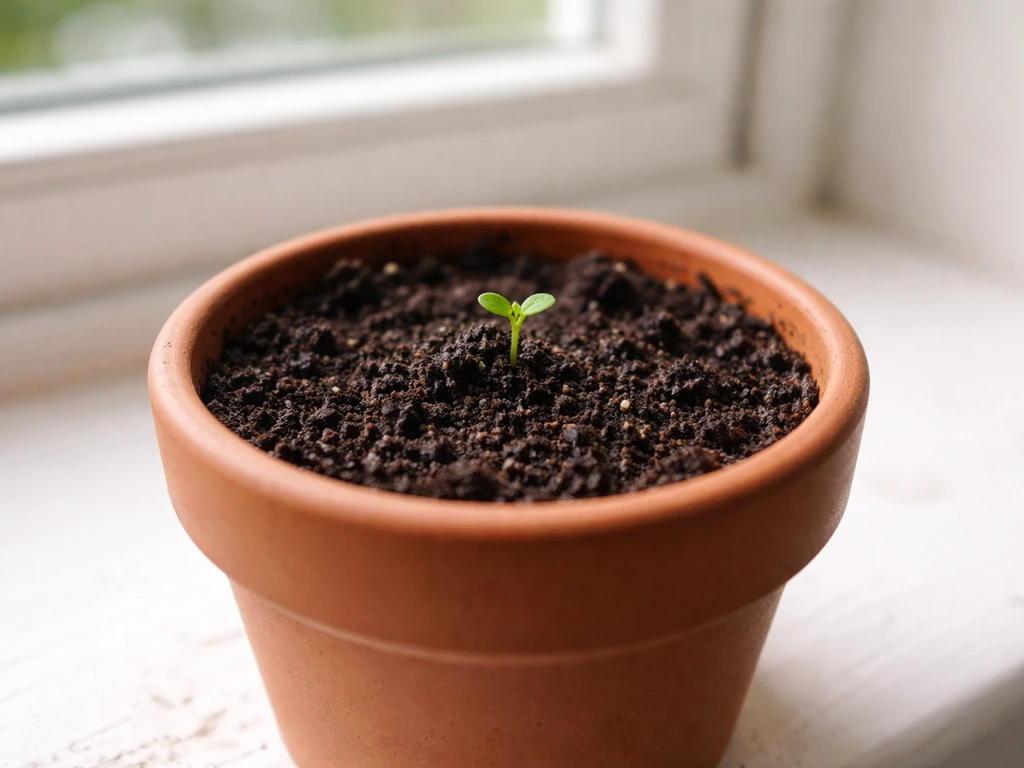
Growing jujube from seed to first fruit typically takes 3 to 7 years. If conditions are ideal and you start with properly stratified seeds, you might see fruit in as few as 3 years after germination. Realistically, most home growers wait 5 to 7 years, and that timeline assumes the seeds germinate well, the seedling establishes quickly, and the tree gets enough sun and warmth. Compare that to a grafted jujube tree, which usually fruits within 2 to 4 years of planting, and you start to see the trade-off involved in starting from seed. It is absolutely doable, just not fast.
How Long to Grow Jujube From Seed to Fruit: Timeline
Marcus Henley
27 Apr 2026
The full seed-to-fruit timeline at a glance
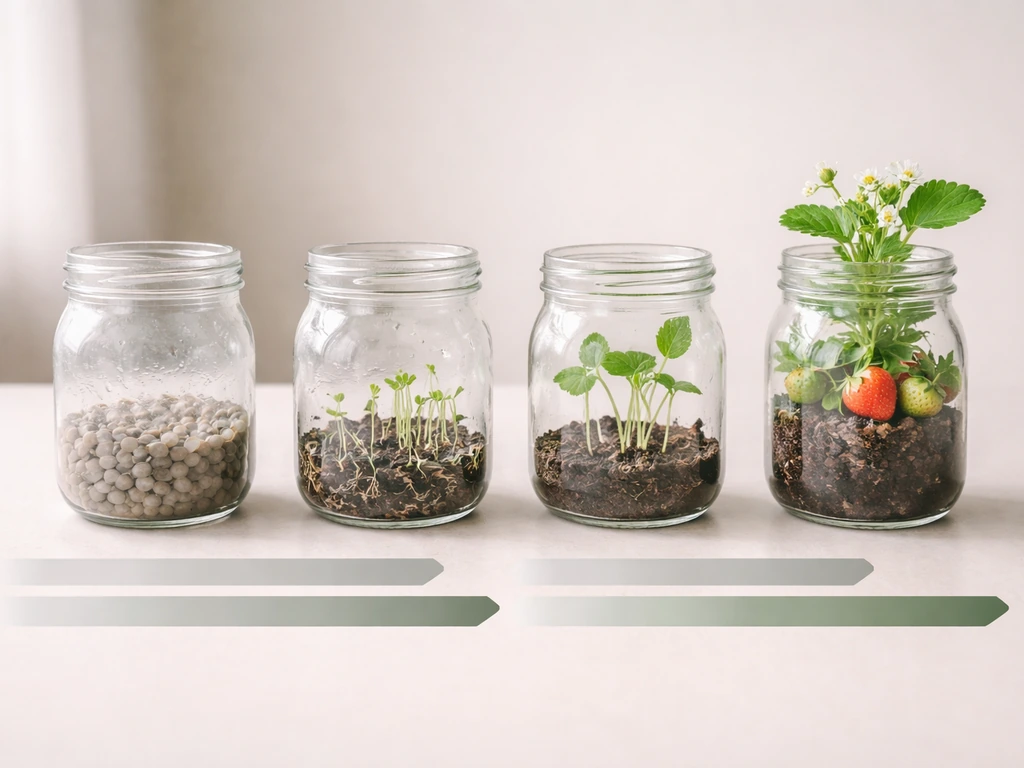
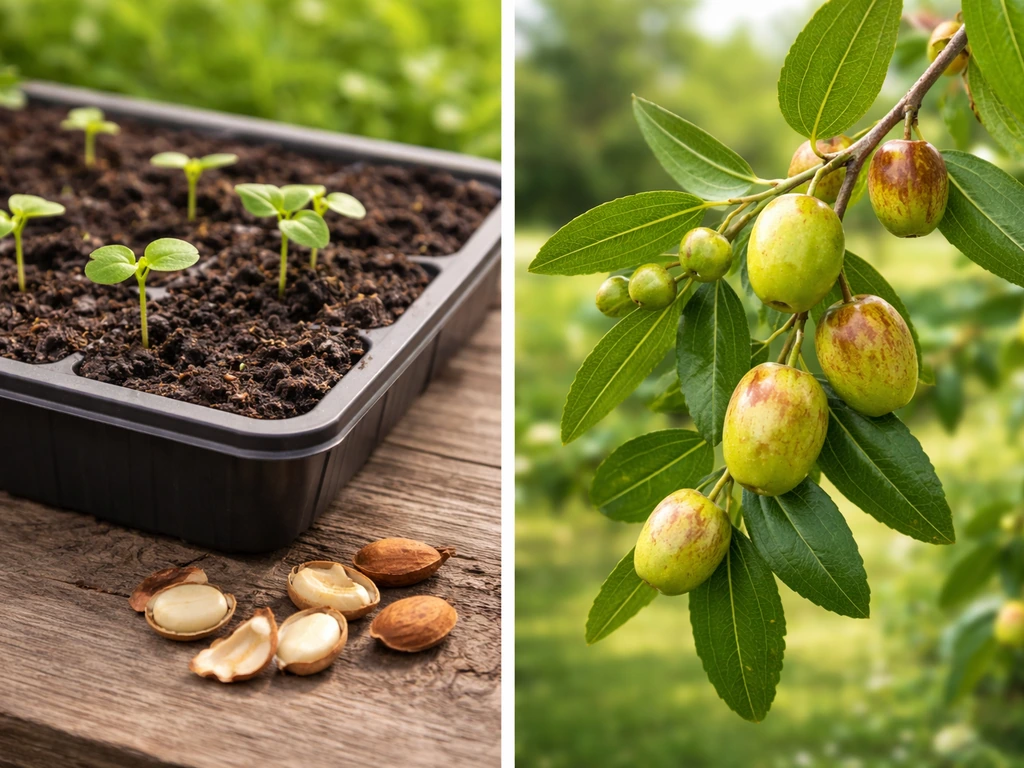
Before getting into the details of each stage, it helps to see the whole picture laid out. The timeline varies quite a bit depending on how you prepare the seeds, your climate, and whether the tree goes in the ground or stays in a pot.
| Stage | Best Case | Common Range |
|---|---|---|
| Cold stratification (pretreatment) | 60 days | 90–120 days |
| Seed germination after sowing | 2–4 weeks | 4–8 weeks |
| Seedling to established young tree | 1 year | 1–2 years |
| Juvenile growth to first flowering | 2–3 years from germination | 3–5 years from germination |
| First meaningful fruit set | 3 years from germination | 5–7 years from germination |
The best-case end of that range requires everything going right: good seed viability, correct stratification, warm germination conditions, full sun in-ground planting, and a climate that suits jujube. Most gardeners land somewhere in the middle of the common range. If you are comparing this to other long-haul fruit projects, growing kiwi from seed follows a similarly patient path, and kumquat from seed can also stretch out several years before fruiting. If you are wondering how long it takes to grow kiwi from seed, expect a similarly patient timeline, because seed-grown plants must develop maturity before they fruit how long does it take to grow kiwi from seed.
Getting seeds to sprout: dormancy, pretreatment, and germination time
Jujube seeds have a hard seed coat and a dormancy requirement that you need to address before sowing. If you skip pretreatment and just stick seeds in soil, some will eventually germinate, but the rate will be significantly lower and the timing will be unpredictable. Doing the pretreatment properly makes a real difference.
Cold stratification: the most reliable method
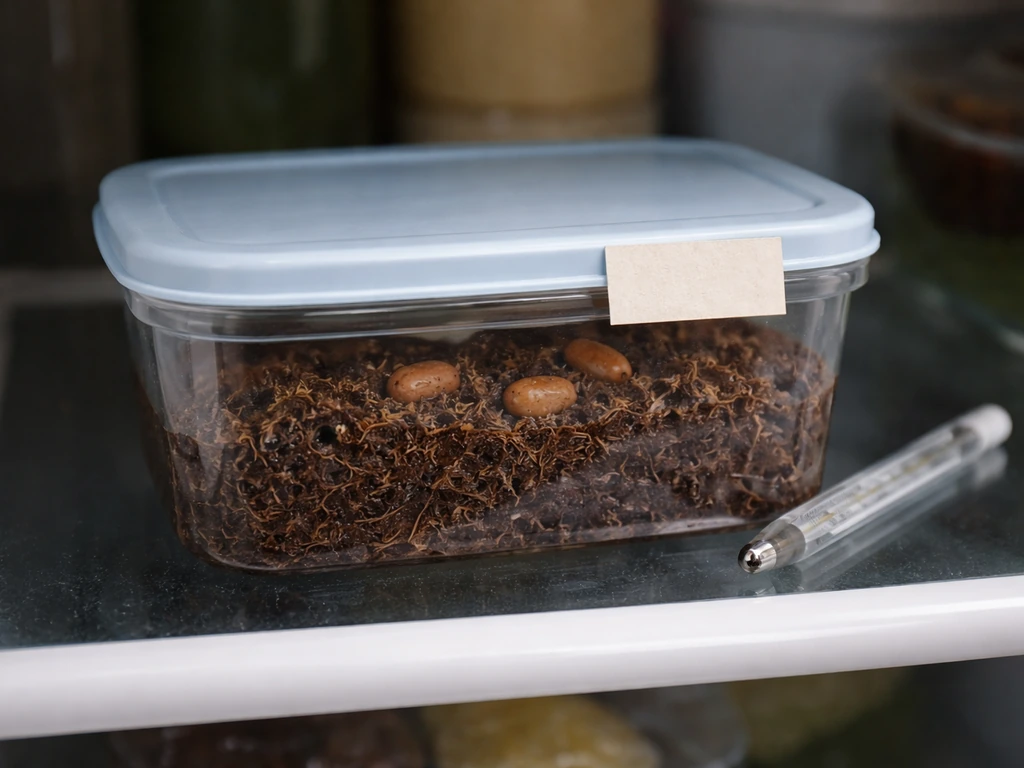
The standard recommendation from UF/IFAS Extension is to stratify jujube seeds in moist peat moss at 40°F (4°C) for 90 to 120 days. That basically means wrapping the seeds in damp peat, putting them in a sealed bag, and leaving them in your refrigerator for 3 to 4 months. The USDA Forest Service cites a slightly shorter window of 60 to 90 days for common jujube, and some sources suggest a warm-then-cold sequence: about 3 months warm incubation followed by 3 months cold. If you are starting in spring and want to sow by late winter of the following year, begin stratification in late summer or early fall.
Speeding up germination after stratification
Once stratification is complete, sow seeds in a well-draining mix and keep the soil consistently warm. A seedling heat mat is genuinely useful here. UF/IFAS specifically mentions that a germination heating pad has been shown to increase germination rate. Soil temperature around 70 to 80°F (21 to 27°C) is ideal. At that range, expect to see sprouts in 2 to 4 weeks after sowing. Without bottom heat, germination can take 6 to 8 weeks or drag on longer if temperatures fluctuate.
From seedling to established young tree
Once the seed germinates, you are looking at 1 to 2 years before the seedling is genuinely established. In the first season, the seedling focuses almost entirely on root development. Top growth is often slow and a little underwhelming. That is normal. Do not take slow above-ground growth as a sign something is wrong. By the end of year one, a healthy seedling should be 6 to 18 inches tall with a decent root system forming.
In year two, growth speeds up noticeably if the tree is in the ground in a favorable climate. You should see more branching, thicker stems, and a clear increase in height. Key milestones to watch for during this stage include the development of the characteristic zigzag branching pattern jujube is known for, and the tree leafing out in spring. Be aware that jujube leafs out 4 to 8 weeks later than most other fruit trees. If you are watching your apple, peach, or apricot wake up in early spring and your jujube still looks dead, do not panic. That late emergence is completely normal.
What speeds up or slows down early growth
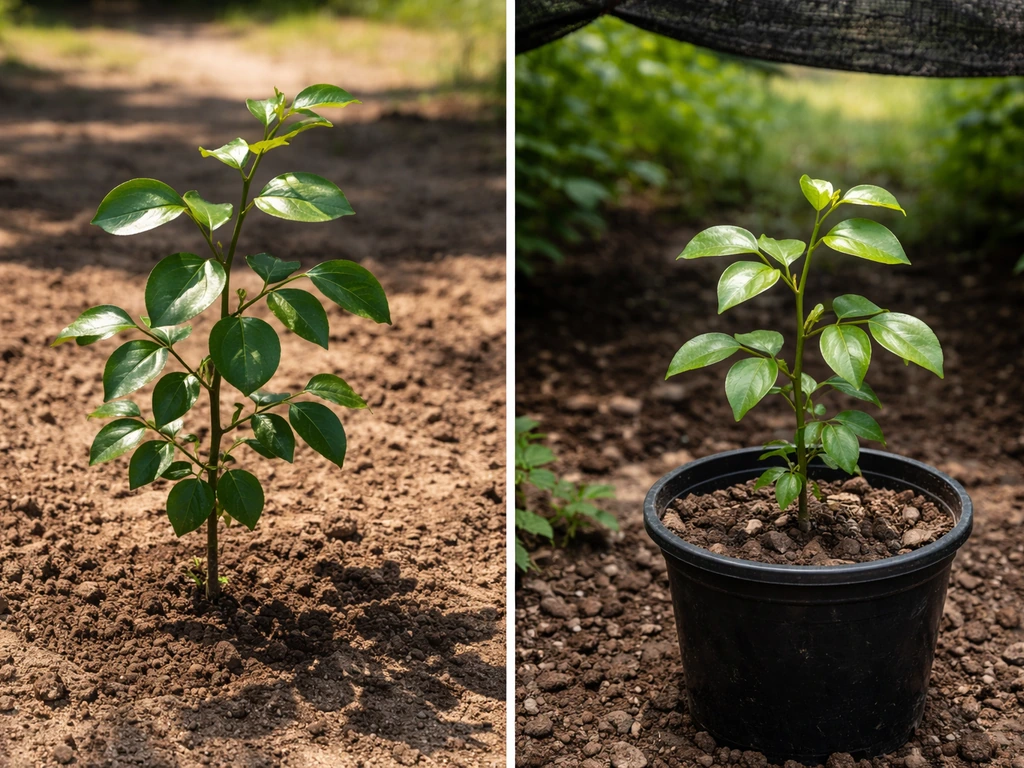
- Full sun (6 or more hours daily) is essential. Shaded seedlings grow noticeably slower.
- In-ground planting allows unrestricted root expansion and generally produces faster-maturing trees than container growing.
- Well-draining soil with moderate fertility is ideal. Jujube tolerates poor soil but grows faster in looser, well-aerated ground.
- Consistent watering during the first two years helps establishment, but waterlogged soil slows growth and stresses roots.
- Warmer climates with long growing seasons (think USDA zones 6 through 10) give seedlings more time to put on growth each year.
Why it takes years to get from seedling to first fruit
This is the part that surprises most people. Even after you have a healthy, established young jujube tree, you still have to wait for it to exit the juvenile phase before it will flower and fruit. Seed-grown jujube trees have a longer juvenile period than grafted ones, and this is the main reason seed-to-fruit takes so much longer than buying a grafted nursery tree.
Grafted jujube trees bypass the juvenile stage entirely because they are propagated from mature wood. A grafted tree starts fruiting in 2 to 4 years from planting because the scion wood already has the genetic maturity to produce flowers. A seed-grown tree has to develop that maturity on its own, which typically takes 3 to 5 years just to reach first flowering, sometimes longer. According to Growables, seedlings may take 3 to 7 years to start bearing fruit, while grafted plants start after about 2 to 4 years. That gap is entirely about juvenile growth.
When flowering finally does occur, jujube blooms quite late in the season. HortScience describes the bloom and flowering phenology of jujube in northern New Mexico as starting in June and continuing for about 2 to 2.5 months on a single tree jujube blooms quite late in the season. In New Mexico trials documented in HortScience, jujube flowering happens 2 to 3 months later than apricot, peach, and apple. This late bloom is actually an advantage in many regions since it means late frosts rarely threaten the flowers. Once a seed-grown tree starts flowering, you can usually expect fruit that same season, though first-year fruit crops are often light.
How growing conditions change your timeline
Climate and USDA zone
Jujube is cold-hardy and adaptable, surviving winters in USDA zones 6 through 10, with some varieties tolerating zone 5. But climate still affects how fast seed-grown trees mature. In hotter climates with long summers, trees put on more growth per year and tend to hit fruit-bearing age faster. In cooler or shorter-season climates, the same tree might add less growth annually and take an extra year or two to reach maturity. If you are in a colder zone, plant in the warmest, most sheltered spot in your yard to maximize growing season length.
Ground planting vs. container growing
Planting in the ground almost always produces faster results. Roots can spread freely, which supports faster overall growth and earlier fruiting. If you want to grow in a container, use at least a 15-gallon pot. That is the minimum size recommended in nursery care guidelines for jujube to have enough root space to grow productively. Smaller pots restrict root development, slow the tree down significantly, and delay fruiting even further. Even in a 15-gallon container, expect the timeline to stretch toward the longer end of the 5 to 7 year range.
Seasonal timing and when to start
If you are starting today in late April, you have two realistic options. You could begin warm stratification now (if using the warm-then-cold method), transition to cold stratification in late summer, and sow seeds indoors in late winter. Or you could cold-stratify seeds starting in late fall and sow them in late winter or early spring of next year. Sowing seeds in spring with proper pretreatment gives seedlings a full growing season to establish before their first winter.
Troubleshooting slow or failed growth
Seeds not germinating
The most common reason jujube seeds fail to germinate is skipping or shortcutting stratification. If seeds were sown without 60 to 120 days of cold treatment, germination rates drop sharply. Other causes include seeds that were too dry during stratification (the peat should be moist but not wet), seeds that dried out after sowing, or soil temperatures that were too cool. If seeds have been in the ground for 8 weeks with no sign of life, dig one up gently and check it. If it looks firm and intact, it may still germinate with more warmth. If it is mushy or shriveled, it has failed and you need to resow.
Seedlings stalling or dying after sprouting
Overwatering is the most common killer of young jujube seedlings. The roots are sensitive to standing moisture. Make sure your growing mix drains freely and that the container or planting site never stays soggy. On the other end, letting seedlings dry out completely will also set them back. Water when the top inch of soil is dry. For light, jujube seedlings need bright, direct sun. If they are indoors under grow lights, keep lights close (2 to 4 inches) and run them for 14 to 16 hours a day. Leggy, pale seedlings are almost always a light problem.
Established tree not flowering after several years
If your seed-grown tree is 5 or more years old and still not flowering, check these factors first: Is it getting at least 6 to 8 hours of direct sun daily? Is it in the ground, or stuck in a small container? Has it been fertilized heavily with nitrogen? Excess nitrogen pushes vegetative growth at the expense of fruiting. Back off nitrogen and try a phosphorus-forward fertilizer to encourage flowering. Also confirm the tree is not being watered excessively, since stress-free trees with too much water and food sometimes delay flowering.
Pests and disease slowing progress
Jujube is relatively pest-resistant compared to most fruit trees, but young seedlings can be set back by spider mites in hot, dry conditions, or by scale insects on new wood. Check the undersides of leaves regularly during the growing season. Root rot from poor drainage is more of a concern than pest pressure for most home growers. If the tree looks consistently wilted despite adequate watering, suspect root rot and check drainage before adding more water.
Month-by-month planning checklist
Use this as a rough guide based on starting seeds this year with the goal of planting seedlings out next spring. Adjust the months based on your specific climate and USDA zone.
- May through July (now to midsummer): Source fresh, viable jujube seeds. If using the warm-then-cold method, begin warm incubation now by placing seeds in moist peat at room temperature (around 70°F/21°C) for 3 months.
- August through October: Transition seeds to cold stratification in the refrigerator (40°F/4°C) in moist peat moss inside a sealed bag. This cold period should run 60 to 120 days.
- November through January: Seeds remain in cold stratification. Check monthly to make sure peat stays moist but not wet. Seeds should look plump and undamaged.
- February through March: Remove seeds from cold storage and sow in a well-draining seedling mix. Use a heat mat to keep soil at 70 to 80°F. Expect germination in 2 to 6 weeks.
- March through May (year two): Seedlings emerge and begin their first growing season. Keep in bright light (outdoors after frost risk passes or under strong grow lights indoors). Water when the top inch of soil is dry.
- Summer of year two: Transplant established seedlings into the ground in a full-sun location, or into a minimum 15-gallon container. Water regularly through the first summer to help roots establish.
- Years two through four: Focus on steady growth. Watch for the late spring leaf-out. Do not fertilize heavily with nitrogen. Remove any competing weeds around the base.
- Years four through seven: Watch for first flowers, which appear on new growth in late spring to early summer. First fruit set often follows that same season, though crops are light initially.
- Year five onward (best case year three): Enjoy first fruits. Expect harvests to increase significantly in size and consistency as the tree matures beyond its first fruiting year.
Starting jujube from seed is a long game, but it is not complicated. The biggest levers you have are: do the stratification properly, give seedlings maximum sunlight, and get the tree in the ground as soon as possible. If you do those three things consistently, you are likely looking at fruit within 5 to 7 years from the day you put those seeds in the refrigerator.
If you are comparing it to other slow fruit crops like butternut squash from seed, the timeline works very differently because squash are grown as an annual vegetable rather than a long-lived tree. Papaya from seed is one of the fastest fruit-growing experiences on the opposite end of the spectrum, but for a tree crop that can live and produce for decades, waiting a few years for a seed-grown jujube is a pretty reasonable deal.
If you are wondering how long to grow papaya from seed, it is much quicker than most tree fruits and is often measured in months rather than years.
FAQ
Is it possible to speed up how long it takes a seed-grown jujube to fruit, or do I have to wait the full 5 to 7 years?
You cannot reliably skip the juvenile phase, but you can often gain months by starting with high-quality, viable seeds, keeping soil warm during germination, and transplanting to the ground early (instead of keeping the tree pot-bound). Also avoid heavy nitrogen after year one, since excessive vegetative growth can delay flowering.
Will a seed-grown jujube be true to the parent fruit quality, or could it fruit but be disappointing?
Seedlings can vary because they are not clonal like grafted trees. You may get smaller fruit, different sweetness, or slightly different texture even if the tree fruits within the expected timeline. If you care about consistent fruit, consider saving seed only from superior fruit and selecting the best seedlings over time.
Do I need to stratify jujube seeds if I plant them outside where winters are cold?
Often no, but it is not dependable. Seeds need the right cold duration, and outdoor planting can expose seeds to moisture swings that reduce germination. If you want predictable timing, stratify in a controlled way (sealed bag in the fridge or a consistent cold treatment) rather than relying on weather.
My seeds germinated, but the seedlings stalled after sprouting. How long should I wait before assuming failure?
In warm, well-draining conditions, sprouts usually appear within 2 to 4 weeks if bottom heat is used. If you see a sprout and it then stays small for months, that can still be normal year-one root-building. However, if you get no new growth by late summer or leaves turn yellow despite light and reasonable watering, check drainage and soil temperature first.
Can I start seeds in a pot and move them later to the ground without losing too much time?
Usually you lose some speed if the tree remains in a small container. A pot can work for establishment, but plan to transplant while the seedling is still young, and choose a large container if it must stay potted. Root restriction is one of the biggest reasons timelines stretch toward the high end.
What’s the best pot size if I must grow jujube in a container?
Go larger than the minimum if you can. A 15-gallon container is a baseline for productive growth, but faster growth and earlier fruiting are more likely with more root volume, especially if you live in a cooler region where growth season is shorter.
How can I tell whether late leaf-out is normal or whether my seed-grown jujube actually died?
Late leaf-out is common, but you can confirm viability by doing a gentle scratch test on small branches, or by checking for live, flexible tissue. Also watch for swelling buds and new shoots over several weeks as temperatures rise, since jujube leafs out later than many other fruit trees.
If my tree is 4 years old and still not flowering, should I apply more fertilizer to force blooms?
Usually not. Do not increase nitrogen with the goal of forcing flowering. At most, focus on balanced nutrition and ensure full sun. If the tree is healthy but not flowering, the cause is commonly juvenile phase duration, not a simple nutrient lack.
My tree has lots of leaves but no flowers. Could pests or diseases be the cause?
Pests like spider mites or scale can stress young growth, but no-flower behavior at typical ages is more often due to juvenile maturity, insufficient sun, or overly rich nitrogen. If foliage is pale or stippled and plants are stressed during hot, dry weather, check the undersides of leaves before changing fertilizer.
How much sun do I need, and does more sun always mean faster fruiting?
Aim for at least 6 to 8 hours of direct sun daily, more if your winters are cold and your summers are short. More sun generally supports faster vegetative growth and earlier maturity, but over-fertilizing with nitrogen can still delay flowering even when sun is adequate.
Do seed-grown jujube trees flower and set fruit reliably in areas with late frosts?
Because jujube blooms late in the season compared with many common fruit trees, late frosts are often less damaging to flowers. Still, if your winters are borderline for jujube survival, protect young trees in the first few years and choose the warmest, most sheltered site to reduce stress that can affect flowering.
Next Article
How Long Does It Take to Grow Kiwi From Seed?
Timeline for growing hardy kiwi from seed, from germination to flowering and fruit, plus tips to speed success.