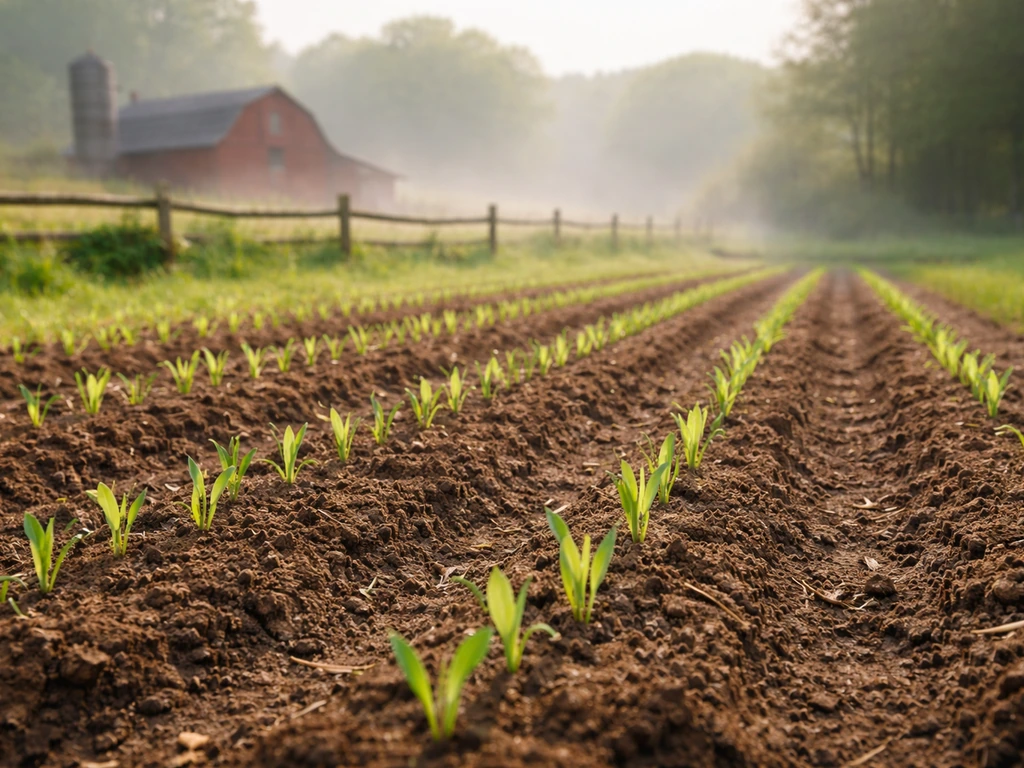
If you're wondering how long ancient seeds take to grow, the honest answer is: it depends on what you mean by "ancient. " In gardening and seed-saving circles, "ancient seeds" usually refers to heirloom or heritage varieties that have been around for generations, sometimes centuries. These seeds follow the same biological rules as any modern variety, but they can carry deeper dormancy, thicker seed coats, and more variability in germination timing than commercially optimized hybrids.
How Long Do Ancient Seeds Take to Grow Timelines
Marcus Henley
7 Apr 2026
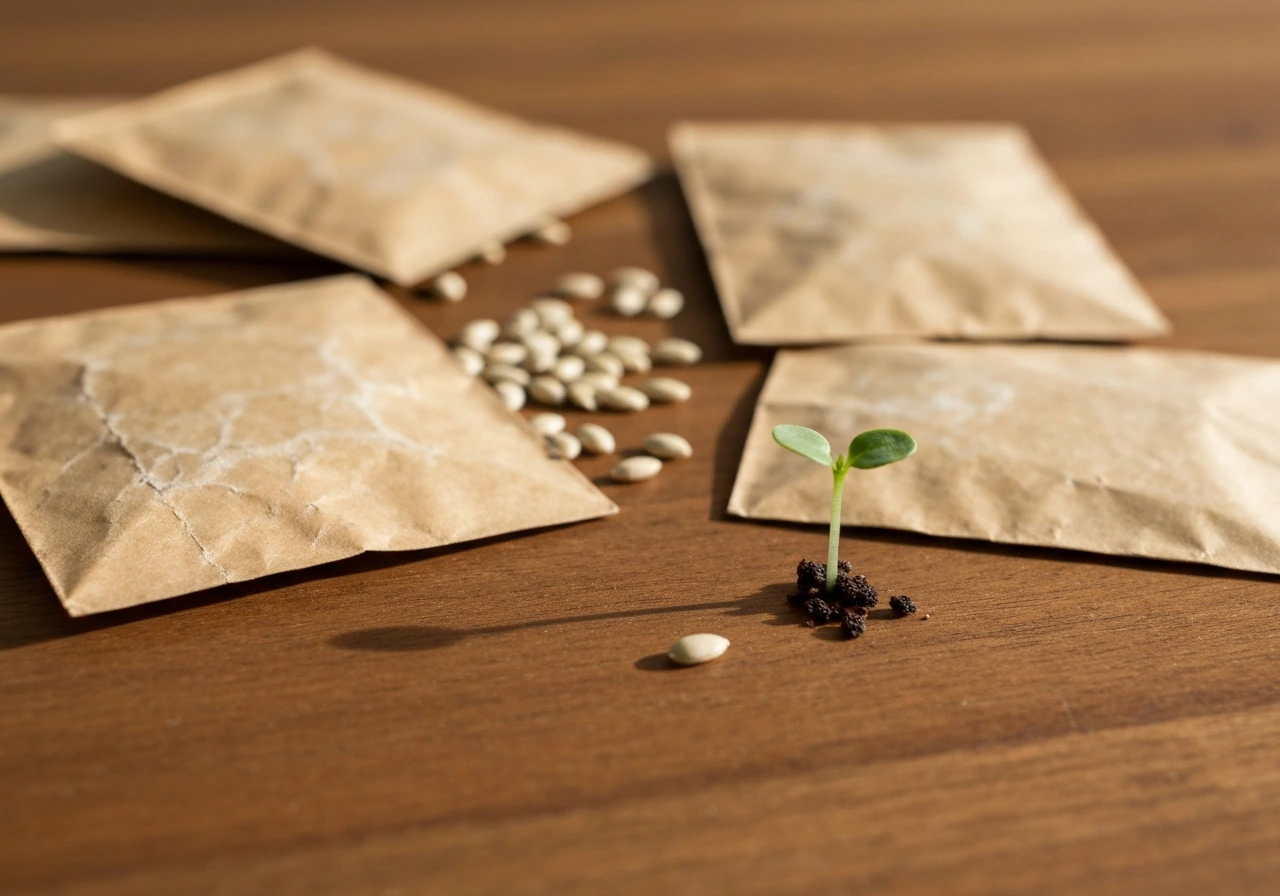
The short version: germination can take anywhere from 5 days to several weeks, seedling readiness adds another 2 to 8 weeks on top of that, and full maturity from seed to harvest ranges from about 50 days (fast crops like lettuce) to 180+ days (slow crops like parsnips or some ornamental perennials). Planning around those ranges is what this guide is about.
Germination, Seedling Stage, and Full Maturity: What Each Phase Actually Takes
Most gardeners collapse all of seed growth into one vague category, but there are actually three distinct phases with very different timelines, and confusing them is one of the biggest reasons people panic unnecessarily about slow seeds.
Phase 1: Germination
Germination is the window between sowing and the moment a seedling breaks the soil surface. For most common vegetable and herb seeds under good conditions (soil between 55°F and 75°F, consistent moisture, appropriate depth), this takes roughly 5 to 14 days. Lettuce and radishes are on the fast end at 5 to 7 days. Carrots and parsley are famously slow, often taking 14 to 21 days.
Peppers can take up to 21 days even in ideal warmth. International seed testing standards (used by the ISTA and codified in U. S. federal seed regulations) set species-specific test durations precisely because germination timing varies so much by crop, so there's nothing unusual about seeds taking different amounts of time depending on what you're growing.
Phase 2: Seedling Readiness (Transplant Stage)
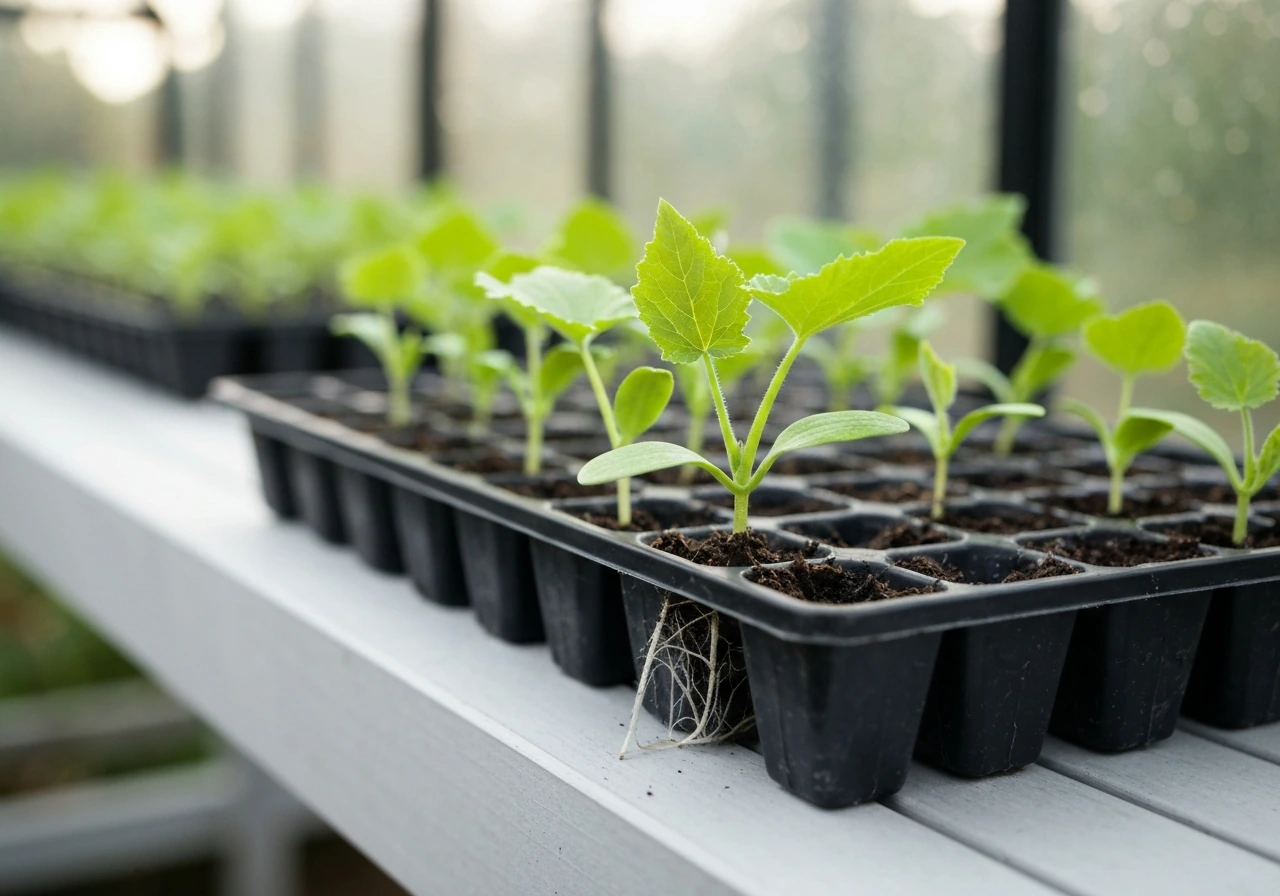
After germination, the seedling needs to grow large enough and strong enough to handle life outside a seed tray. Clemson Extension puts it clearly: squash might be transplant-ready in about three weeks from seed start, while peppers can need eight weeks or more before they're ready to go in the ground. Add a hardening-off period of 7 to 14 days on top of that, where you gradually expose the seedling to outdoor conditions, and you start to understand why seed-to-garden timing requires real planning. Think of seedling readiness as adding 3 to 8 weeks to whatever your germination time was.
Phase 3: Full Maturity and Harvest
"Days to maturity" on a seed packet counts from transplant (for crops started indoors) or from direct sowing (for crops like carrots and beans). OSU Extension's vegetable gardening reference lists days-to-maturity ranges for crops like chard, carrots, and lettuce alongside their optimal soil temperature ranges, and one important caveat it emphasizes is that cool nights can substantially stretch those estimates. A tomato rated at 70 days in warm summer conditions might take 90 or more days when planted into a cool fall garden. For ancient or heirloom varieties in particular, treat the packet's days-to-maturity number as a baseline under good conditions, not a guarantee.
| Crop Type | Germination | Seedling Ready to Transplant | Days to Maturity (from seed) |
|---|---|---|---|
| Lettuce (heirloom) | 5–7 days | 3–4 weeks | 50–70 days |
| Tomato (heirloom) | 7–14 days | 6–8 weeks | 70–100 days |
| Carrot (heirloom) | 14–21 days | Direct sow (no transplant) | 70–80 days |
| Pepper (heirloom) | 10–21 days | 8–10 weeks | 70–90 days |
| Parsley (heirloom herb) | 14–28 days | 4–6 weeks | 70–90 days |
| Basil (heirloom herb) | 5–10 days | 3–4 weeks | 60–75 days |
| Zinnia (heirloom flower) | 5–7 days | 3–4 weeks | 60–75 days from seed |
| Ornamental grass (heirloom) | 14–30 days | 6–8 weeks | 90–150 days |
| Maple (from seed, stratified) | 90–120 days (after stratification) | N/A (direct) | Perennial |
How Growth Timelines Differ by Seed Type
Ancient seeds span a wide range of plant families, and those families behave very differently. Grouping them by category gives you a much more useful frame than trying to apply one number to everything.
Vegetables
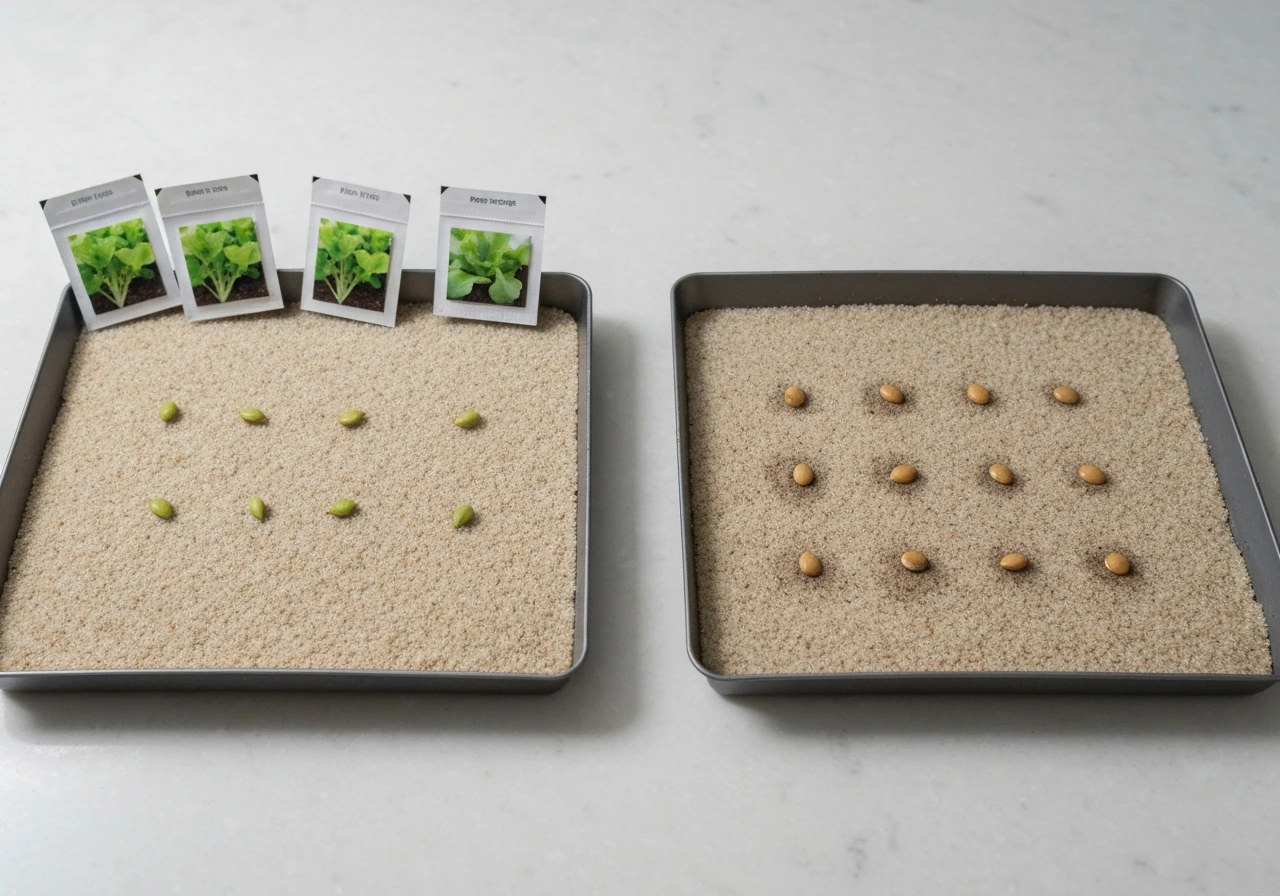
Heirloom vegetables are the most commonly grown ancient seeds and generally follow predictable timelines if conditions are right. Fast germinators like lettuce and radishes will reward you in under a week. Slow germinators like carrots and parsley can feel like they're doing nothing for three weeks before they finally push up. This isn't failure; it's just the biology of those crops. how long spring seeds take to grow varies even within the vegetable family, so checking species-specific ranges before you panic matters a lot.
Herbs
Heirloom herbs vary more than most gardeners expect. Basil germinates fast (5 to 10 days) and is ready to transplant in about a month. Parsley is notoriously slow and can test your patience at 2 to 4 weeks just for germination. Dill and cilantro fall in the middle, usually appearing in 7 to 14 days. The good news with herbs is that most don't need long maturation periods before you can start harvesting lightly, so the total seed-to-use timeline is often shorter than vegetables even if germination is slow.
Flowers
Heirloom flower seeds like zinnias, marigolds, and cosmos are fast, usually germinating in 5 to 10 days and reaching first bloom in 8 to 10 weeks from seed. Perennial flowers are a different story; many require cold-moist stratification (a simulated winter period in a damp, refrigerated environment) before they'll germinate at all. NC State Extension notes that some woody ornamentals require 90 to 120 days of cold stratification before germination can even begin, which completely changes how you plan your sowing schedule.
Grasses and Ornamentals
Ornamental grasses from older or wild-collected lines can be unpredictable. Many require specific temperature cycling, light exposure, or moisture cues to break dormancy. Germination windows of 14 to 30 days are common, and some species won't germinate until they've experienced a cold period. If you're working with something unusual here, it's worth cross-referencing how long winter seeds take to grow, since dormancy-breaking patterns for cold-weather species often mirror what happens with older ornamental varieties.
What Actually Changes How Fast Seeds Grow
Four factors do the most work when it comes to germination speed and seedling development. Getting these right won't make slow seeds fast, but getting them wrong can easily double or triple your germination time, or prevent germination entirely.
Soil Temperature
This is the single biggest lever you have. OSU Extension is clear that the optimal soil temperature for vegetable seed germination is between 55°F and 75°F. Cold soil is the number one reason ancient seeds take forever to emerge outdoors. An OSU soil temperature experiment showed that lettuce sown at 32°F essentially failed to germinate, while the same seeds at 60 to 75°F sprouted reliably within a week. If your soil is cold and you're wondering why nothing's happening, that's almost certainly the answer.
Light Requirements
Some seeds need light to germinate and should be pressed onto the surface of the growing medium rather than buried. Others need darkness and should be covered. Iowa State Extension's germination requirements chart flags this distinction clearly: light-requiring seeds (marked L) that get buried may simply never sprout, no matter how good everything else is. If you're working with unfamiliar heirloom varieties, check whether they're light or dark germinators before assuming something is wrong with your setup.
Moisture
Seeds need consistent moisture to germinate, but not waterlogged conditions. Uneven watering, where the seed tray dries out between waterings, is a reliable way to stall or kill germination. If you're starting seeds indoors, a humidity dome over the tray until sprouts appear is a simple, effective solution. Outdoors, mulching lightly over newly sown beds helps retain surface moisture during the critical early window.
Planting Depth
The general guideline is to plant a seed at a depth roughly equal to two to three times its diameter. Very small or light-requiring seeds should be pressed onto the surface with minimal or no cover. Iowa State Extension's guidance on seed coverage ties depth directly to seed size and germination medium: fine seeds sown too deeply will exhaust their energy reserves before reaching the surface. For ancient seeds, which sometimes have harder or thicker coats that slow water uptake, getting depth right is especially important.
When Growth Stalls: How to Troubleshoot Slow or Uneven Germination
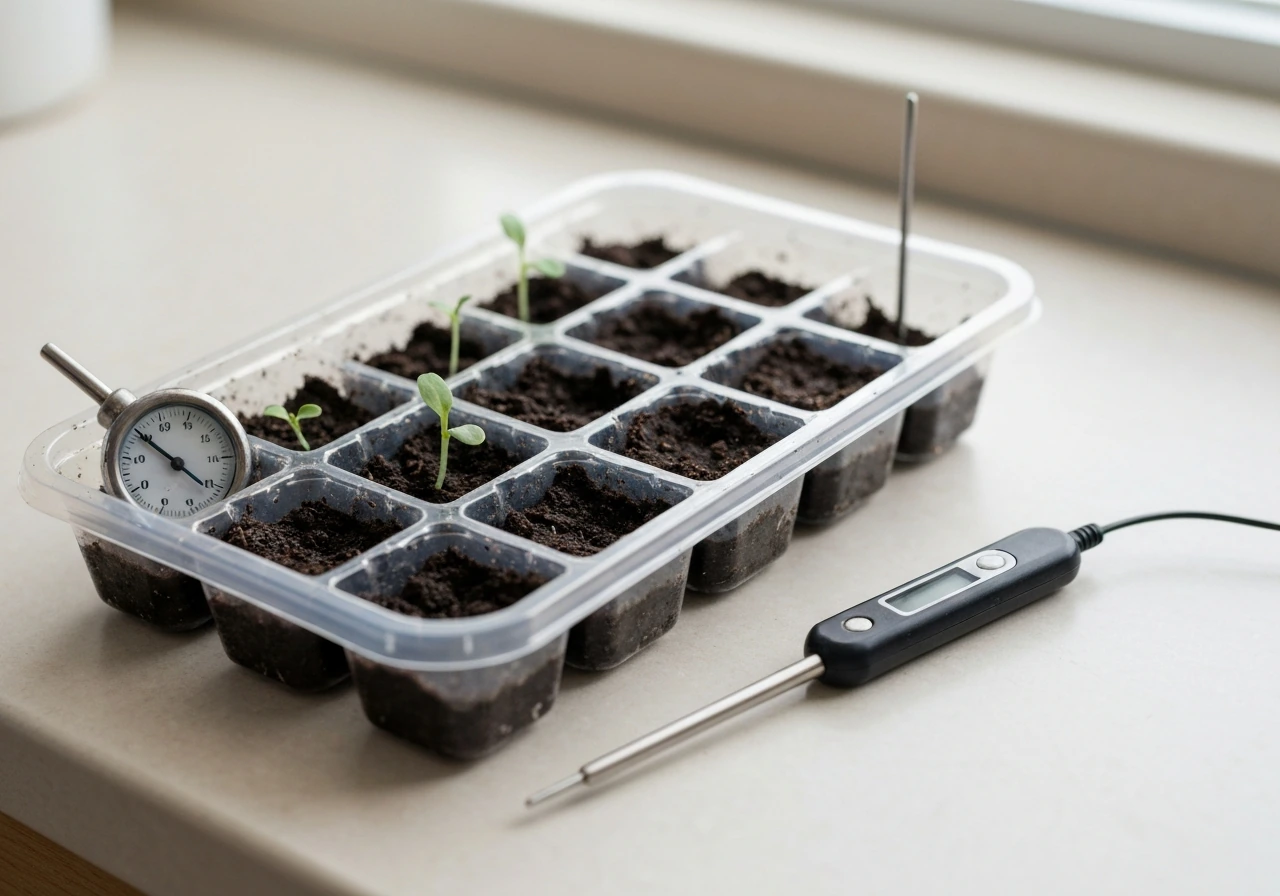
First, know what the normal window is for whatever you're growing. If you've been waiting 10 days and nothing's appeared for a carrot, that's completely normal. If you've been waiting 10 days and nothing's appeared for a radish, you probably have a problem. Patience calibrated to the correct timeline is step one.
If you're outside the normal germination window, the most useful thing you can do is run a quick germination test. K-State Extension recommends placing 10 seeds on a damp paper towel, sealing it in a bag, and checking for sprouts after 7 to 10 days (species-dependent). To check seed viability with the paper-towel method, NCSU Extension advises counting sprouted seeds after about 7 days and again after about 10 days [paper towel](https://www. ces.
ncsu. edu/wp-content/uploads/2015/01/SeedViabilityTest. pdf). Count how many sprouted and divide by 10 to get your germination rate.
Anything below 50% means your seed batch has poor viability and you should either sow much more densely or get fresh seed. This matters especially with ancient or saved seeds, which can lose viability over time. OSU Extension also notes that [older seeds may lose viability](https://extension. oregonstate.
edu/imported-publication/seed-starting), and it recommends using an “extra seed” approach when starting older seeds to account for reduced germination.
Interestingly, research on long-term seed viability, including the famous 141-year Beal seed experiment, showed that while most species lose viability within a few years to a few decades, some seeds (like Verbascum) still germinated after well over a century under specific storage conditions. That's an extreme case, but it underlines something practically useful: seed viability is highly species-dependent, and old seeds aren't automatically dead. Test before you give up.
For slow or uneven germination that isn't a viability problem, work through this checklist:
- Check soil temperature with a thermometer, not a guess. If it's below 55°F, move containers to a warmer spot or wait for outdoor soil to warm up.
- Verify planting depth against seed packet or species guide. Re-sow at the correct depth if you're unsure.
- Ensure consistent moisture. The medium should feel like a wrung-out sponge, damp throughout but not dripping.
- Check light requirements. Some heirloom varieties, especially flowers and herbs, are light-requiring germinators that should sit on the surface.
- Consider whether the seed needs pre-treatment: soaking hard-coated seeds in warm water for 12 to 24 hours before sowing can significantly speed germination for certain species.
- If seeds were stored for more than a year or two, run the paper-towel viability test before sowing the whole batch.
How the Season You're Growing In Changes Everything
Seasonality interacts with every other variable. The same seed batch, the same soil, the same garden bed can behave completely differently in April versus August versus October, because soil temperature, day length, and ambient air temperature all shift.
Spring Planting (Indoors and Out)
Spring is the most common time for starting ancient seeds, but "spring" covers a wide temperature range depending on where you are. Soil that feels warm in late May in Oregon might still be at 45°F in early April in Minnesota. OSU Extension's scheduling advice links sowing dates directly to soil temperature and frost dates, specifically cautioning that planting into cold soil slows germination and emergence significantly. Starting seeds indoors 6 to 8 weeks before your last frost date is the standard workaround, and it's reliable. For a deeper look at season-specific timing, how long spring seeds take to grow in Stardew offers a fun seasonal framework that mirrors real-world planting rhythm surprisingly well.
Summer Planting
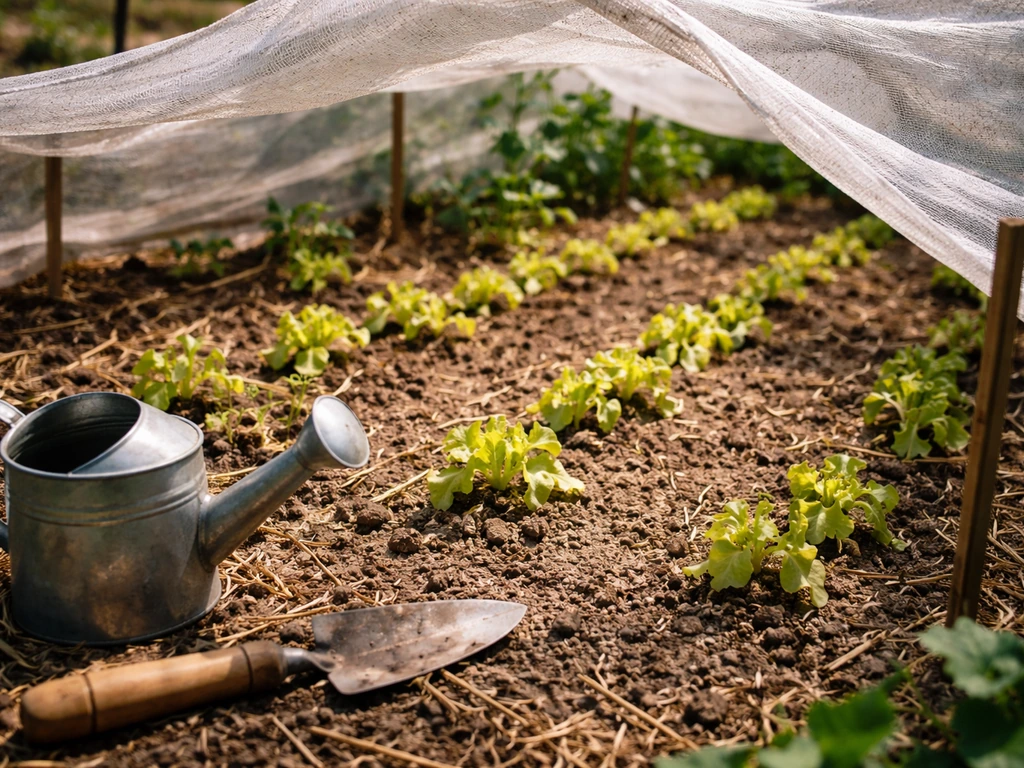
Warm soil speeds germination for most crops. The tradeoff is that heat stress can also cause problems, particularly for cool-season crops like lettuce and spinach, which can go dormant or fail to germinate when soil temperatures exceed 85°F. Summer is the right season for heat-lovers like peppers, basil, and squash, and those crops will move through their germination window faster than they would in spring. But it's a poor time to sow ancient varieties of cool-season crops unless you can shade the bed and keep soil moisture high.
Fall Planting and Winter Sowing
Fall planting for spring germination is a legitimate and underused strategy with many ancient seeds, especially perennials, ornamentals, and cold-stratification-requiring varieties. Sowing these in autumn and letting them experience a natural winter effectively handles the dormancy-breaking step outdoors. Some gardeners also use winter sowing in containers (sealed milk jugs are the classic method) to mimic those conditions in a more controlled way. If you're planning around this approach, understanding how long winter seeds take to grow from dormancy through spring emergence is essential for setting realistic expectations.
Indoors vs. Outdoors: The Core Tradeoff
Starting indoors gives you control over soil temperature and moisture during the most vulnerable germination phase. The cost is that indoor-started seedlings need a proper hardening-off period (7 to 14 days of gradual outdoor exposure) before transplanting, or they'll suffer significant transplant shock. Nebraska Extension and Iowa State Extension both recommend starting with shaded outdoor conditions and incrementally increasing sun and wind exposure over that window. Skipping hardening off is one of the most common reasons healthy-looking seedlings fail after going into the garden.
A Simple Planning Method: Work Backward from Your Goal Date
The most practical way to schedule ancient seed planting is to start with your target date (harvest, first bloom, or transplant into the garden) and work backward through each phase. Here's how to do it in four steps:
- Identify your goal date. For vegetables, this is roughly when you want to harvest. For transplants, it's your target outdoor planting date (usually after last frost for warm-season crops).
- Subtract days to maturity. Use the number from your seed packet or a species reference, and add 10 to 20% if you're planting in cool or short-day conditions, as OSU Extension notes that cool nights substantially lengthen maturity timelines.
- Subtract seedling readiness time. For crops started indoors, this is 3 to 10 weeks depending on species (squash on the short end, peppers on the long end). Add 7 to 14 days for hardening off.
- Subtract germination time. Use the species-specific range, not a generic "one week" estimate. Add buffer time if your seeds are older or if soil temperatures may be on the low end of the range.
As a worked example: you want ripe heirloom tomatoes by August 15. Your variety is rated at 80 days to maturity from transplant. That puts your transplant date at June 6. Subtract 7 weeks of indoor seedling time plus 10 days of hardening off, and your seed-sowing date is around April 7. That's the planning math in action, and it's the same logic whether you're growing one tomato plant or an entire market garden.
If you're growing mixed heritage varieties and unsure how to handle a packet that contains multiple types, the approach for scheduling gets more nuanced. How long mixed seeds take to grow in Stardew Valley walks through the logic of handling variety blends with different maturation rates, which translates well to real-world mixed heirloom sowings where crops in the same bed mature at different speeds.
One more note worth including here: if you're working with specialty growing setups, like hydroponic or modular systems that use synthetic or engineered seed media, the germination physics can be different. How long fluix seeds take to grow is a useful reference for anyone navigating those kinds of alternative growing setups alongside traditional soil methods, since timing and environment interact differently outside conventional soil beds.
The bottom line is this: ancient seeds aren't mysterious, they're just biologically variable in ways that modern hybrid seeds have been selected to minimize. Give them the right temperature (55 to 75°F at the soil), consistent moisture, the correct depth, and enough patience for the species you're growing, and they'll perform. Test viability before you sow a full bed, plan backward from your goal date, and don't let a slow first week shake your confidence. Most "failed" germinations are really just impatient gardeners.
FAQ
My ancient seeds are taking longer than the usual germination window, when should I stop waiting?
Run the same germination test you’d use for any seed, but decide quickly based on the rate. If fewer than 50% sprout after 7 to 10 days (species dependent), treat it as low viability. For ancient or saved seed, you can either sow more densely (to reach your target plant count) or replace the batch, because “waiting longer” usually won’t fix poor viability.
Can ancient seeds go bad in the ground if they take too long to sprout?
Cold, wet soil often causes two different problems, seeds that fail to germinate and seeds that rot. To avoid both, warm the growing medium first (target 55°F to 75°F), keep moisture consistent but not waterlogged, and use drainage in trays or beds. If you suspect rot, start a fresh batch in controlled indoor conditions to compare results.
Why do some ancient seeds never sprout even when conditions seem right?
Yes. Many gardeners bury “light-requiring” seeds too deeply, and those seeds may never sprout even if they are otherwise viable. Check the packet or seed supplier notes for an “L” requirement, then press the seed onto the surface (minimal or no cover) and keep the surface evenly moist until germination.
Do days to maturity for heirloom seeds start counting from sowing or transplanting?
It depends on whether you are budgeting for direct sowing or transplants. For transplants, days to maturity count from transplant date, so your timetable is seed sow date plus indoor seedling time plus hardening off. For direct-sown crops, days to maturity count from sowing, so you do not add the transplant schedule. Mixing these two timelines is a common planning mistake.
What should I do if my soil temperature is between “too cold” and “ideal” for germination?
If you’re near the edge of the normal soil temperature range, expect slower emergence. A practical approach is to delay sowing until soil warms, or start indoors when outdoor soil is cold. If you do sow outdoors early, use row cover or a low tunnel to warm the microclimate, but still monitor temperature so you do not swing from cold to overly hot.
How do I know when seedlings are actually ready to transplant, not just when they’re old enough?
Use seedling readiness as a decision point, not the calendar alone. Even when germination was “on time,” seedlings can lag if they lacked light, nutrients, or root space. Transplant when they are sturdy enough and hardening off has begun, otherwise you risk transplant shock or slow establishment.
Is it better to sow ancient seeds in spring or summer for faster growth?
For cool-season crops, heat can slow or halt germination, so summer sowing can backfire unless you manage the environment. Options include shading the bed, watering to keep soil consistently moist, and choosing the cooler weeks of the season. For warm-season crops, you usually get faster results in summer because they prefer warmer soil.
If nothing pops up after a week or two, does that automatically mean my seeds are dead?
Not always. Some seeds look dry or swollen without sprouting, and “late germination” can happen in cold or suboptimal conditions. A good rule is to compare to the crop’s expected window. If you are within the normal range, maintain conditions and wait. If you are past it, run a germination test so you know whether the issue is viability versus environment.
Do ancient flower or perennial seeds need cold stratification, and how does that change the timeline?
Yes, but it requires planning because cold stratification can shift the schedule by weeks to months depending on the plant. For perennial or woody ornamentals, some need 90 to 120 days of cold-moist treatment before they can germinate. Treat cold stratification as a phase you budget for before you count germination days.
What’s the simplest way to schedule ancient seed planting if I have a fixed goal date?
If your goal date is harvest, first bloom, or transplanting, work backward through the phases, and include hardening off if you started indoors. For example, you subtract seedling weeks, then subtract hardening-off days, then subtract germination time from your target transplant date. This prevents underestimating total time, especially for slow crops like carrots or parsley.
Next Article
How Long Do Spring Seeds Take to Grow in Stardew
Stardew spring, summer, fall, and winter seed growth times, harvest days, and fixes if planted in the wrong season.