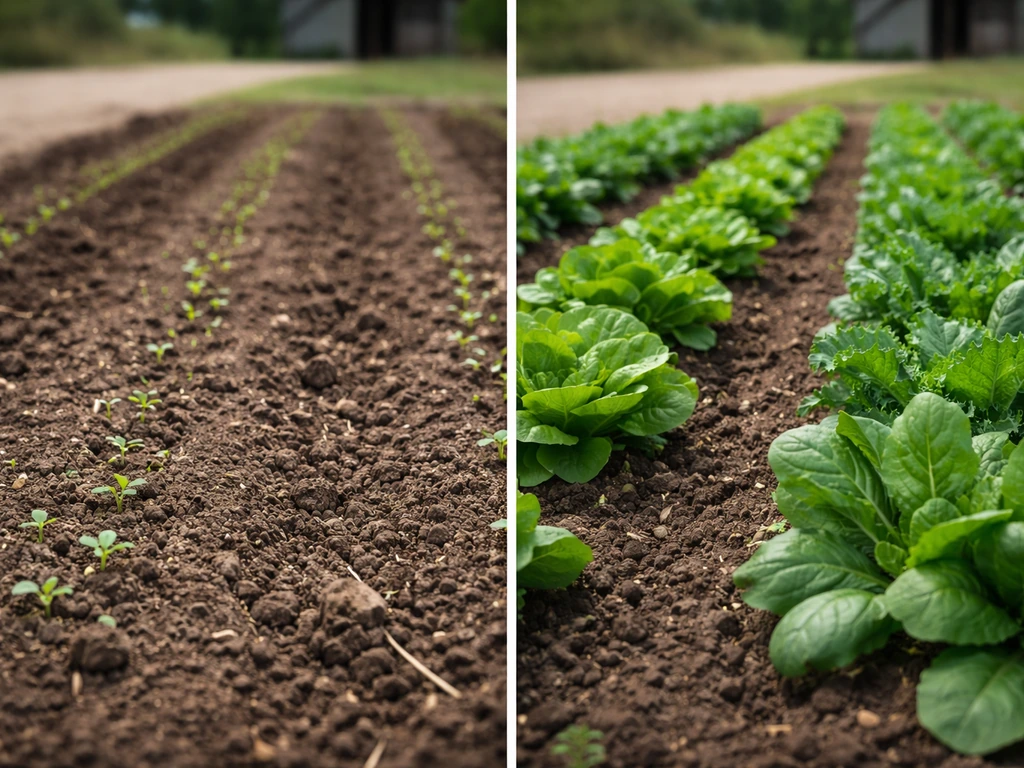
Most spring seeds take anywhere from 5 to 21 days to germinate and another 30 to 100-plus days to reach full maturity, depending entirely on what you're growing. For radishes specifically, UMN Extension notes that radish seedlings will emerge within ten days. Radishes are done in under six weeks from seed to table. Carrots take closer to three months. Grass seed can sprout in as little as five days or drag on for a month. The range is wide, but the good news is you don't have to guess: between your seed packet and a soil thermometer, you can pin down a realistic timeline before a single seed goes in the ground.
How Long Do Spring Seeds Take to Grow? Timelines
Marcus Henley
15 Apr 2026
The typical spring seed timeline: germination to harvest
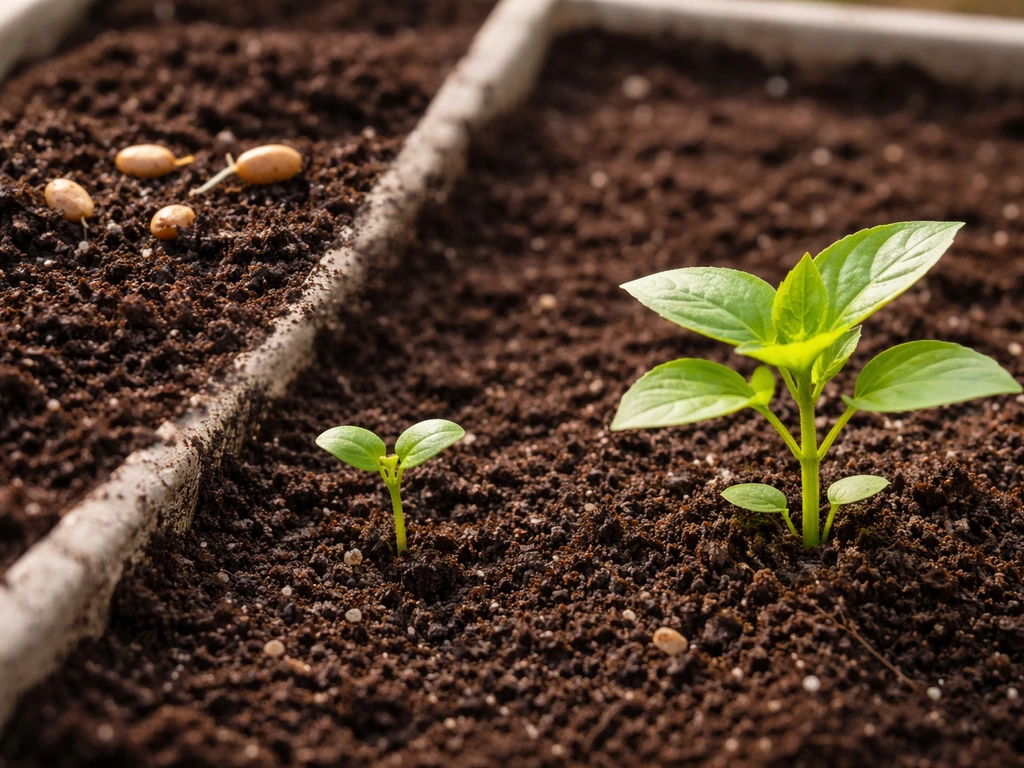
Every seed goes through the same three stages: germination (the seed cracks open and a root emerges), seedling establishment (the plant pushes above soil and starts producing true leaves), and maturity or harvest. The total time from seed to table, usable lawn, or full flower depends heavily on the species, but there's a useful general framework to keep in mind.
- Germination: 5–21 days for most common spring crops (some grass seeds as fast as 5 days; slow germinators like parsley can stretch to 3–4 weeks)
- Seedling stage: typically 1–3 weeks after germination before the plant is strong enough to thin, transplant, or treat as established
- Maturity or harvest: 28 days (radish) up to 100+ days (some carrots and ornamentals), with most spring vegetables falling in the 45–80 day range from seed
Soil temperature is the single biggest driver of how fast you move through those stages. The general sweet spot for spring seed germination is roughly 55°F to 75°F soil temperature. Drop below that and germination slows dramatically. Exceed it and some cool-season crops simply refuse to sprout at all.
Timelines by seed type
Vegetables
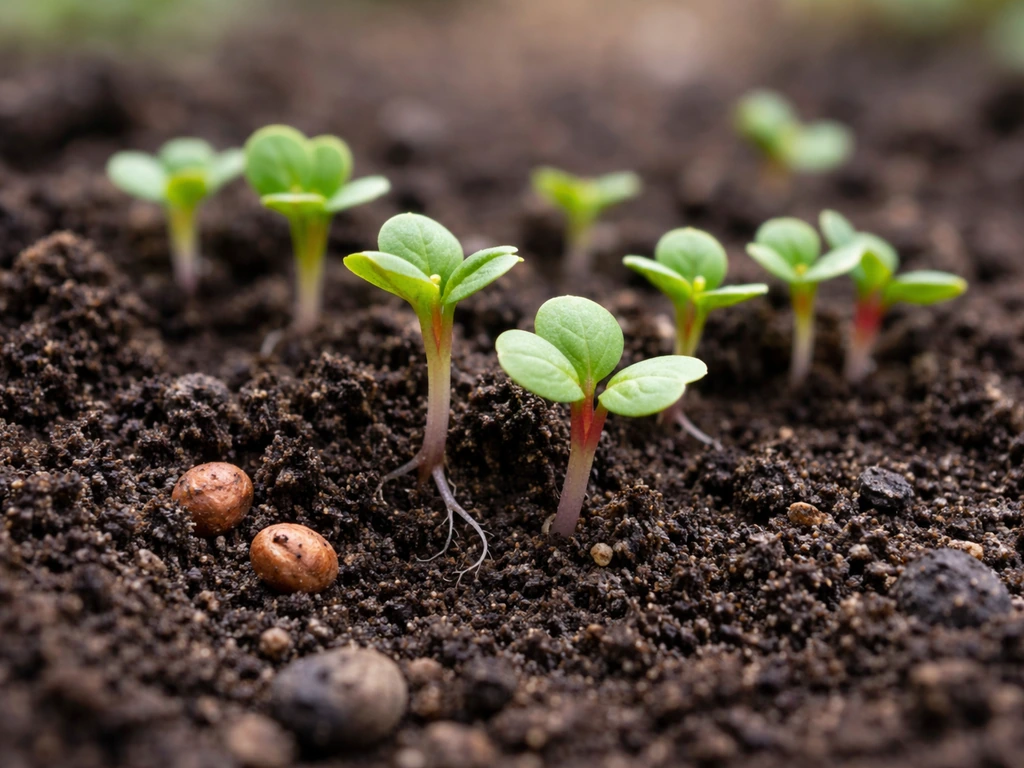
Cool-season vegetables are the stars of the spring seed world. They can germinate in cold soil conditions that would stall warm-season crops, and most of them mature fast enough to finish before summer heat arrives. Here are realistic ranges based on seed-to-harvest timelines and optimum soil temperature windows:
| Vegetable | Germination (days) | Days to Harvest (from seed) | Optimum Soil Temp (°F) |
|---|---|---|---|
| Radish | 3–7 | 28–40 | 50–65 |
| Lettuce | 6–10 | 53–73 | 40–80 |
| Spinach | 7–12 | 40–50 | 45–75 |
| Peas | 7–14 | 60 | 40–75 |
| Carrots | 10–21 | 70–80 | 45–85 |
One thing to watch with leafy greens: once soil temperatures push above 80°F, crops like lettuce and spinach can go dormant and simply refuse to germinate until things cool back down. That's not a bad seed or a bad gardener, it's just biology. If you're sowing in late spring and hitting a warm spell, that's likely the culprit.
Herbs
Herbs are where patience really matters. Basil germinates in about 5–10 days when soil is warm (it prefers 65–85°F), but parsley is notoriously slow at 14–28 days under ideal conditions. Cilantro typically sprouts in 7–14 days. Chives take 10–14 days. For most spring-sown herbs, expect to wait 2–4 weeks before you see consistent seedling emergence, and then another 4–8 weeks before you're harvesting regularly. The variation is wide because herbs range from tender warm-season plants (basil) to surprisingly cold-tolerant ones (chives, parsley) that can go into the ground much earlier.
Flowers
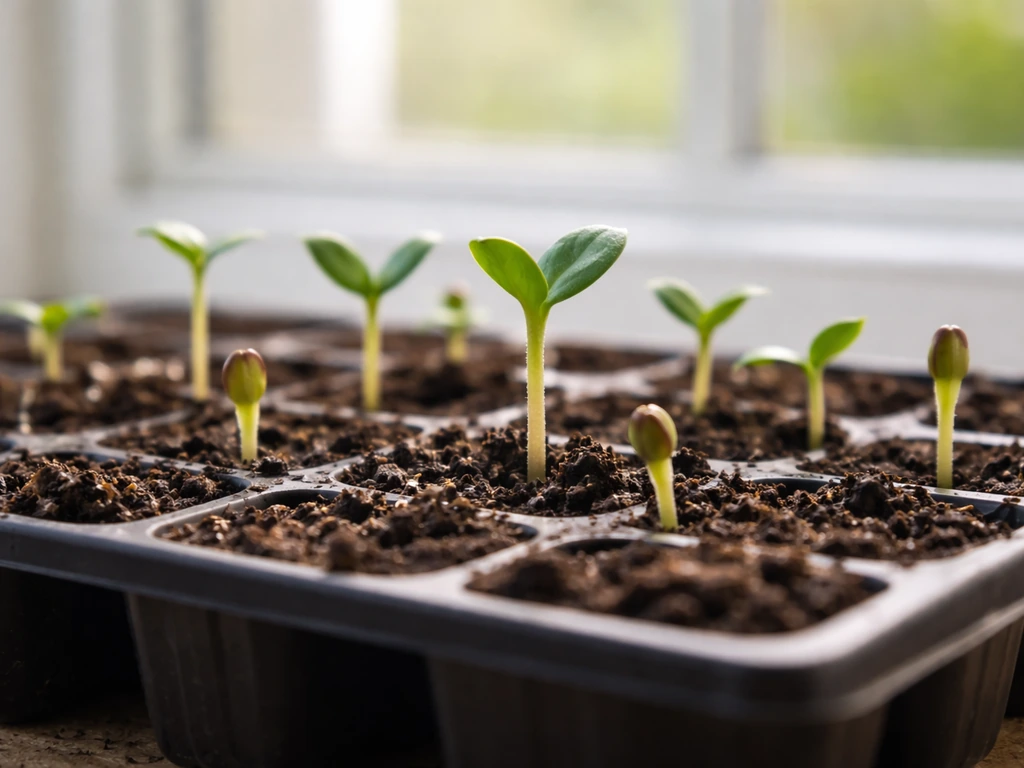
Annual flowers direct-sown in spring tend to germinate in 7–21 days, with most popular varieties landing around 10–14 days. Zinnias are fast at 5–7 days. Sunflowers germinate in 7–10 days. Marigolds show up in 5–7 days. Cosmos take about 7–10 days. From germination to first bloom, plan on 6–10 weeks for most warm-season annuals, or as little as 4–6 weeks for fast bloomers like marigolds. Perennial flowers started from seed take considerably longer, often not blooming until the second year, which is worth knowing if you're sowing something like lavender or echinacea this spring.
Grasses
Grass seed is highly species-dependent. Perennial ryegrass is one of the fastest at 5–10 days to germination. Tall fescue typically follows at 7–12 days. Kentucky bluegrass is the slow one at 14–30 days. For cool-season turf grasses, the optimum germination temperatures are roughly 59–86°F depending on species. You'll get the fastest results when the seedbed stays consistently moist and soil temperatures are in the 60–85°F range. Below that, plan for slower emergence at the longer end of those windows.
Ornamentals
Ornamental seeds are the most variable category. Hardy annuals like sweet alyssum and bachelor's button germinate in 7–14 days and bloom in 6–8 weeks. Ornamental grasses started from seed can take 2–4 weeks to germinate and a full season to fill in. Some ornamental bulb plants (grown from seed, not bulb) take 1–2 years to reach blooming size. If you're growing ornamentals this spring, the seed packet is your best guide, but a general rule is: the more dramatic the plant, the longer it takes.
What actually changes how fast your seeds grow
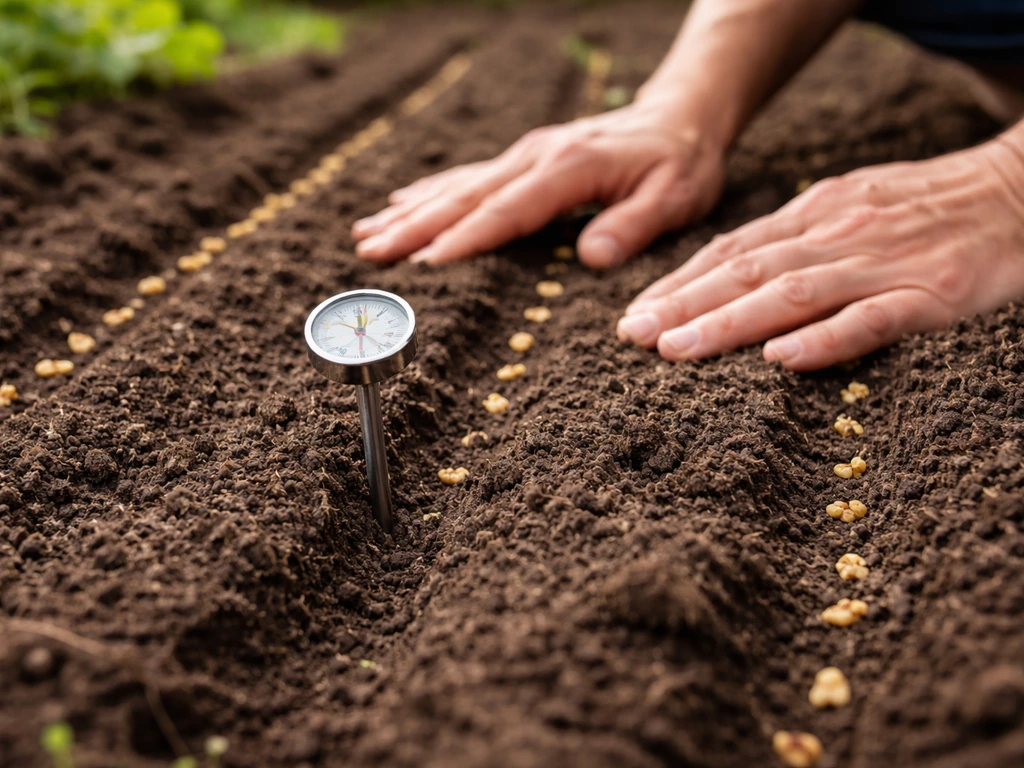
Soil temperature is the most important variable and the one gardeners most often overlook. Most people plant by calendar date when they should be planting by thermometer. A soil thermometer costs under $15 and takes the guesswork out of the equation. If your soil is at 45°F, peas will sprout eventually, but slowly. Get it to 60°F and they move fast.
- Temperature: Cool soil (below 50°F) dramatically slows germination; soil above 85°F stops cool-season crops like lettuce and spinach from germinating at all
- Moisture: Seeds need consistent moisture to germinate, but soggy soil invites fungal problems; aim for evenly moist, not waterlogged
- Light: Most seeds germinate in the dark, but lettuce is a notable exception — it actually needs light to germinate, so don't bury it
- Planting depth: Too deep and seedlings run out of energy before reaching the surface; most spring seeds go in at 1/4 to 1/2 inch deep, with exact depth on the packet
- Soil quality: Compacted or crusted soil creates a physical barrier; loose, well-prepared soil lets seedlings push through with minimal resistance
- Shallow sowing in spring: Planting seeds shallow in spring (rather than at the maximum labeled depth) speeds germination by keeping seeds in the warmer top layer of soil
One often-missed factor is depth relative to season. In spring, planting on the shallower end of the recommended range gets seeds into warmer surface soil where temperatures rise faster in morning sun. That small adjustment can shave several days off germination time for cool-season crops.
How to read a seed packet to estimate your timeline
A seed packet is a miniature growing guide, but it takes a minute to decode. Here's what the key fields actually mean and how to use them together to build a realistic schedule.
- Days to germination: This is how many days until you'll see sprouts under ideal conditions (right temperature, consistent moisture). If your soil is cooler than the optimum listed, add several days.
- Days to maturity: This is the number of days from seed (or sometimes from transplant, which the packet will note) until the plant is harvestable or at full bloom. This is your end-date anchor.
- Planting depth: The range given (e.g., 1/4 to 1/2 inch) tells you where the seed needs to sit. In spring, lean toward the shallower end for faster germination.
- Spacing: Not directly about timing, but crowded plants compete for resources and mature more slowly — don't skip this.
- Season or temperature notes: Some packets list minimum soil temperature. If yours says 'soil must be 60°F,' that's not a suggestion.
- Light requirements: Usually listed as 'full sun,' but some packets also note germination light needs — critical for lettuce, which needs light to sprout.
To estimate your full timeline: find today's date (April 15), add the days-to-germination number to get your sprout date, then add the remaining days-to-maturity (total minus germination days) to get your harvest or bloom date. Example: spinach with 10 days to germinate and 45 days to maturity would be ready around June 9th if you planted today.
If you're curious how these timing concepts translate into a game context, there's a whole separate world of seed timing in farming simulation games. how spring seeds work in Stardew Valley follows a simplified but surprisingly instructive version of real-world seasonal logic.
Troubleshooting slow or failed germination
If you've waited longer than the packet's days-to-germination window and nothing has come up, don't panic yet. Here's how to diagnose what's actually happening.
The most common reasons seeds don't sprout
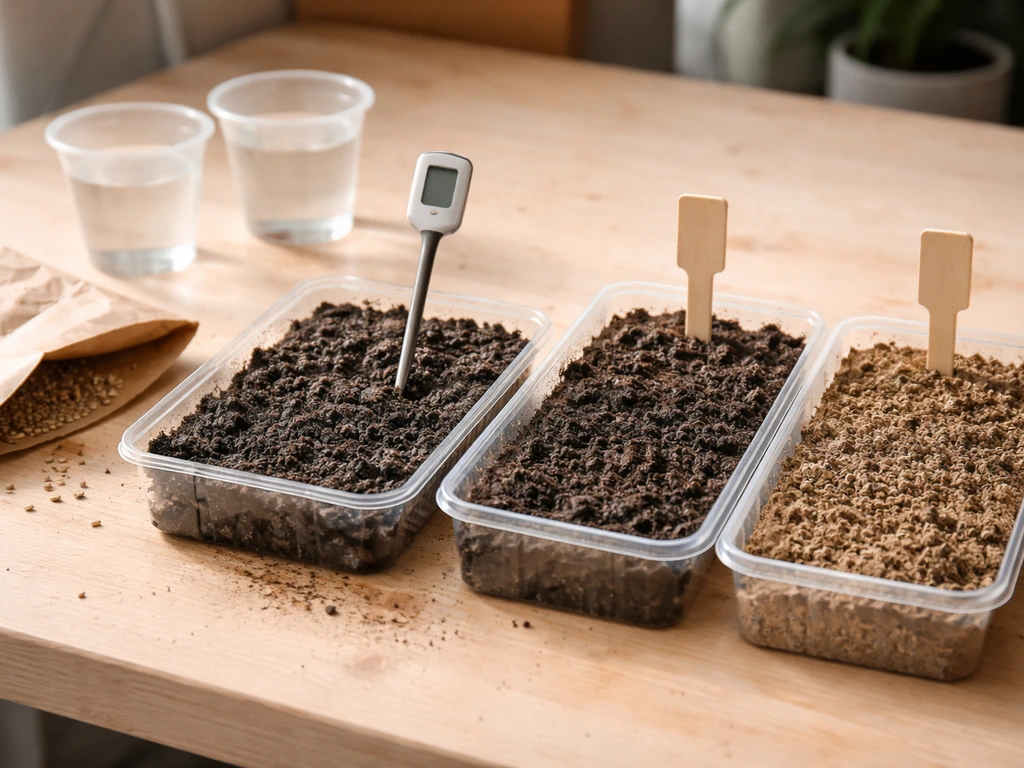
- Soil is too cold: Check your soil temperature. If it's below the crop's minimum threshold, seeds are either sitting dormant or germinating extremely slowly. Add a couple inches of black plastic mulch or a row cover to warm the soil by 5–10°F.
- Soil is too warm: Lettuce and spinach go dormant above 80–85°F soil temperature. If you're in a late warm spell, wait for a cool stretch or water with cold water to drop surface temps.
- Planted too deep: If seeds are buried more than their labeled depth, seedlings exhaust their energy reserves trying to reach the surface. Scratch the soil gently and check — if you find sprouted seeds that haven't broken the surface, that's your answer.
- Inconsistent moisture: If the seed bed dried out at any point during germination, seeds that had just cracked open can die in hours. Keep the top inch of soil consistently moist until sprouts appear.
- Damping off: This is a fungal disease where seedlings sprout and then fall over, showing brown or blackened tissue at the base of the stem. It's caused by pathogens that thrive in wet, cool conditions. Use clean trays and tools, allow the soil surface to dry slightly between waterings, and make sure you have good airflow.
- Old or poor-quality seed: Most vegetable seeds stay viable 2–5 years, but germination rates drop over time. Do a quick germination test: place 10 seeds between damp paper towels, seal in a bag, and keep at room temperature for the packet's germination window. Count how many sprout — if it's fewer than 7, your germination rate is below 70% and you should sow more densely or get fresh seed.
Damping off risk goes up significantly when seeds are planted in soil that's too cool for them to germinate quickly. Slow-germinating seeds sitting in wet soil are prime targets. That's why matching soil temperature to the crop's optimum matters for disease prevention, not just speed. Using clean irrigation water and sterilized trays when starting seeds indoors helps prevent the problem from taking hold.
If you're starting unusual seed varieties this spring, keep in mind that some specialty seeds have very specific germination requirements. For example, ancient seeds have notably long and variable germination timelines compared to modern bred varieties, and the same troubleshooting logic applies: soil temperature and consistent moisture are the first things to check.
What to do right now if something isn't sprouting
- Check soil temperature with a thermometer — not the air temperature, the actual soil at 2-inch depth
- Gently probe the soil to see if seeds have cracked or rotted (rotted seeds smell off and are mushy)
- If seeds are intact and the temperature is right, re-moisten the bed and wait another 5 days before deciding to resow
- If seeds have rotted, clear the bed, let it dry slightly, and resow at a shallower depth with fresh seed
- If damping off is affecting seedlings, remove affected plants immediately, improve airflow, and reduce watering frequency
Building a spring planting schedule that actually works
The biggest mistake I see in spring gardens is planting everything at once and then having nothing to harvest for weeks, followed by a glut. Succession sowing fixes this, and it's simpler than it sounds.
Start by working backward from your last expected frost date and forward from today. For most of the US, mid-April means cool-season crops are either already in or going in now. Warm-season crops (tomatoes, squash, beans) need soil above 60°F reliably. Know your zone and your soil temperature, and you have the two variables that control everything.
Succession sowing in practice
Succession sowing means planting the same crop every 2–3 weeks instead of all at once. For spring lettuce, sow a small block today, another in two weeks, and another two weeks after that. You'll have fresh harvests staggered across 6–8 weeks instead of a single window. This is especially valuable for fast-maturing crops like radishes, lettuce, spinach, and cilantro that bolt in heat.
- Week 1 (now, mid-April): Direct sow peas, radishes, spinach, lettuce, carrots; start warm-season seedlings indoors
- Week 3: Second sowing of lettuce and radishes; add cilantro
- Week 5: Third lettuce/radish sowing; direct sow after last frost risk passes for your area
- Week 7: Last cool-season sowing before heat arrives; shift focus to warm-season transplants
If you're planning across multiple seasons, it's worth thinking about how spring timing connects to what comes later. Understanding how long winter seeds take to grow helps you plan the full-year garden calendar, especially for crops that bridge the seasons or need fall sowing to overwinter.
For gardeners working with varied or mixed seed collections, the same calendar logic applies. Mixed seed blends have their own timing quirks because different species in the mix germinate at different rates, so succession sowing becomes even more important to get consistent coverage.
A simple planning template
| Planting Window | Cool-Season Crops to Sow | Action |
|---|---|---|
| April 1–15 | Peas, spinach, lettuce, radishes, carrots | Direct sow outdoors once soil hits 40°F+ |
| April 15–30 | Second lettuce/radish sowing, cilantro, chives | Continue cool-season succession; start basil indoors |
| May 1–15 | Third lettuce/radish, early herbs outdoors | Monitor for heat; have warm-season transplants ready |
| May 15+ | Transition to warm-season (after last frost) | Direct sow beans, squash; transplant tomatoes, peppers |
If you're working with more unusual or specialty seed types, timing research matters just as much. For instance, fluix seeds have specific growing requirements that don't follow standard vegetable timing, so checking those specs before building your schedule prevents surprises mid-season.
The short version: what to expect and what to do
Spring seeds generally sprout in 5–21 days and reach maturity in 28–100 days depending on the crop. The variables that matter most are soil temperature (measure it, don't guess), planting depth (stay on the shallow end in spring), and consistent moisture during germination. Read your seed packet for the specific numbers, then add a few days if your soil is cooler than the optimum range listed. OSU Extension also recommends checking the seed packet for the estimated days to harvest for your specific radish variety Read your seed packet for the specific numbers. If nothing has sprouted past the expected window, check temperature first, then depth, then moisture. Build a succession schedule rather than planting everything at once, and you'll have harvests rolling in across the whole spring season rather than one overwhelming wave.
FAQ
My packet says 7 to 14 days, but it’s been 3 weeks. How much delay is normal in spring?
A seed packet’s germination window assumes ideal conditions. If your soil is cooler than the packet’s recommended range, increase the germination expectation by several days to a couple of weeks, then reassess depth and moisture before assuming bad seed.
Should I count from sprouting or from planting when estimating how long spring seeds take to grow?
Seedlings usually start forming true leaves before they look “harvest ready.” A common mistake is using the germination day count as the harvest date, but harvest timing includes the seedling and maturity stages separately.
How moist should the soil be while I’m waiting for spring seeds to sprout?
Yes. For direct sowing, keep the top layer evenly moist until you see emergence, then shift to lighter watering. Letting the soil dry out right after sowing can cause uneven sprouting even when the soil temperature is perfect.
What’s the best planting depth approach for faster spring germination?
Planting too deep is one of the fastest ways to lose time. Use the shallow end of the packet’s depth guidance for spring, because surface soil warms sooner and seeds can draw moisture and oxygen more easily.
Why do my cool-season seeds seem to stop germinating during a warm spell?
If temperatures spike above the crop’s tolerance, some cool-season seeds can stall or wait out the heat rather than fail permanently. For leafy greens, expect dormancy behavior during hot spells, then renewed emergence when temperatures drop.
Do I need to measure soil temperature, or is air temperature enough?
For most spring crops, consistent soil temperature matters more than air temperature. Windy, sunny days can warm the air without warming the seed zone enough, so check soil temperature at planting depth.
What’s the smartest way to troubleshoot a no-sprout patch without damaging everything?
If you see no sprouts, don’t dig randomly through the bed. Re-check temperature and moisture first, then lift a small section of the seed row once to confirm whether seeds have swollen, rotted, or failed to germinate.
Can I speed up spring seed results by starting indoors or using a pre-sprout method?
Yes. Many crops benefit from a pre-sprout approach, but only if the packet allows it. For example, herbs and some vegetables can be started indoors for more predictable timing, then transplanted once roots are established, which reduces germination delay caused by cold soil.
How do I prevent lettuce and spinach from bolting before I can harvest?
When you’re planning harvest windows, include the “heat-bolt” risk for fast leafy crops. A succession schedule helps, but you also want to sow the last batch early enough that it can mature before temperatures stay high.
What happens to the timeline if my soil temperature runs consistently above or below the optimum range?
Your seed-to-harvest timeline changes when you adjust conditions away from the optimum. If soil is below optimum, slow germination and longer maturity are likely, but if you overshoot warmth, some crops may refuse to sprout or may bolt faster than expected.
My seeds are coming up unevenly. Should I thin right away or adjust first?
Watch for “partial emergence” patterns, which often indicate uneven moisture or a depth mismatch across the bed. Thinning too early can hurt spacing, so wait until seedlings are reliably up and you can tell which ones are actually healthy.
How should I plan timing when I’m planting a mixed seed blend?
If you’re using seed mixes (especially turf or ornamental blends), the slowest species effectively sets the “coverage timeline.” Plan succession or additional spot seeding for the slower components instead of expecting one uniform germination date.
Next Article
How Long Do Mixed Seeds Take to Grow in Stardew Valley
Mixed seeds grow in Stardew Valley on a timed schedule. Get day ranges, harvest timing, and fixes if growth slows.