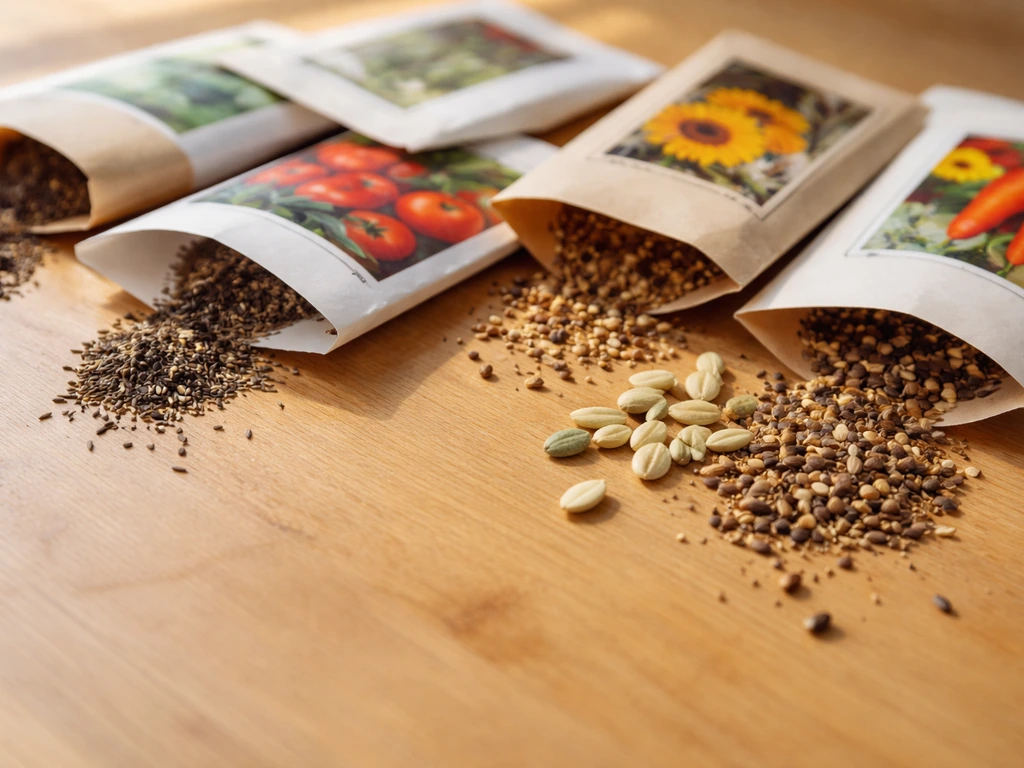
Most wild seeds germinate somewhere between 1 and 4 weeks after sowing, but "wild seeds" covers an enormous range of plants, and some species take months or even years before they look like anything. The University of Minnesota Extension also recommends covering some seeds with a thin layer of fine vermiculite to keep moisture while still allowing light penetration, because germination can be both light-sensitive and moisture-sensitive.
How Long Do Wild Seeds Take to Grow? Timelines Guide
Marcus Henley
21 Apr 2026
If you're just curious about game-style timelines too, see how long do ancient seeds take to grow stardew valley as a related comparison. The honest answer is: it depends heavily on what you're growing, but you can get a realistic estimate fast once you know your seed type. Here's how to figure out your actual timeline and what to do if things are moving slower than expected.
What "Wild Seeds" Timelines Actually Mean
When people ask how long wild seeds take to grow, they're usually asking one of two different questions: how long until I see sprouts, or how long until I see flowers or full plants. Those are very different timelines, and confusing them is the number-one reason gardeners feel like something went wrong when nothing actually did.
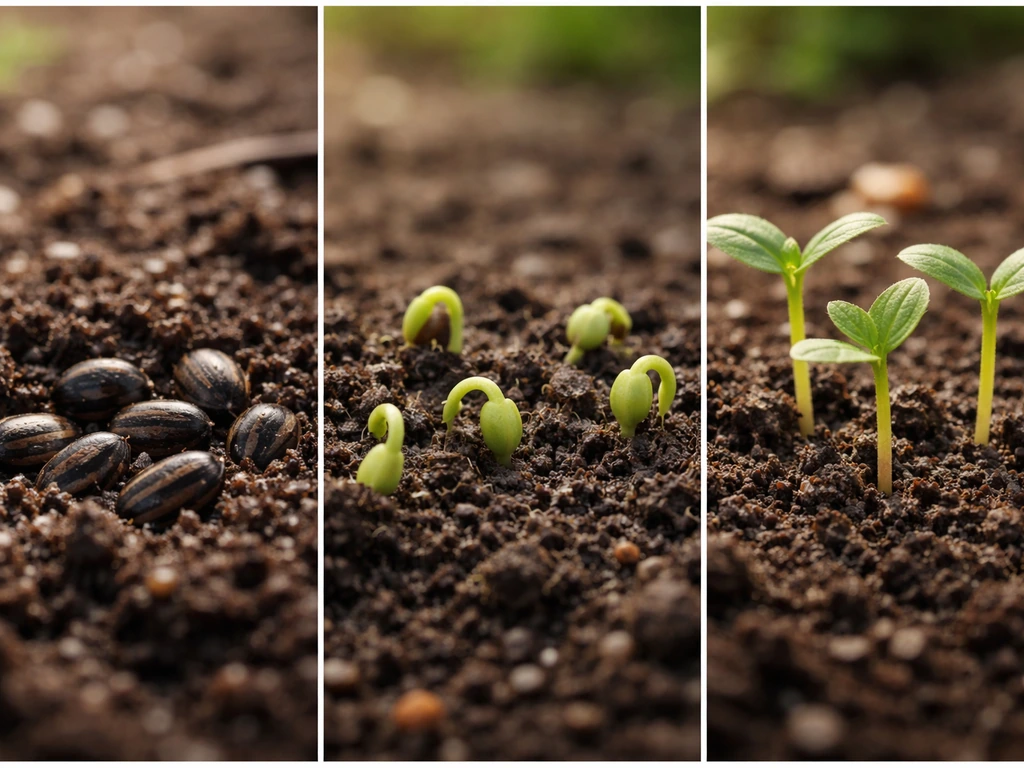
Germination is the moment a seed cracks open and sends out a root and a shoot. For many wildflowers, that happens within 1 to 3 weeks under decent conditions. Seedling establishment, meaning the plant has leaves, is putting on real growth, and can handle some weather, takes another few weeks beyond that. Full maturity, meaning blooms, seed production, or the lush ground cover you were imagining, is a separate milestone entirely.
Annual wildflowers typically bloom about 2 to 3 months after germination. Perennials, grasses, and wild herbs often take one to several growing seasons to flower at all, and some perennials may take several years to become large enough to bloom. Setting that expectation upfront saves a lot of frustration. Rare or harder-to-sprout seeds can take longer to show progress depending on whether they need dormancy break like cold stratification rare seed.
Germination Time Ranges by Wild Seed Type
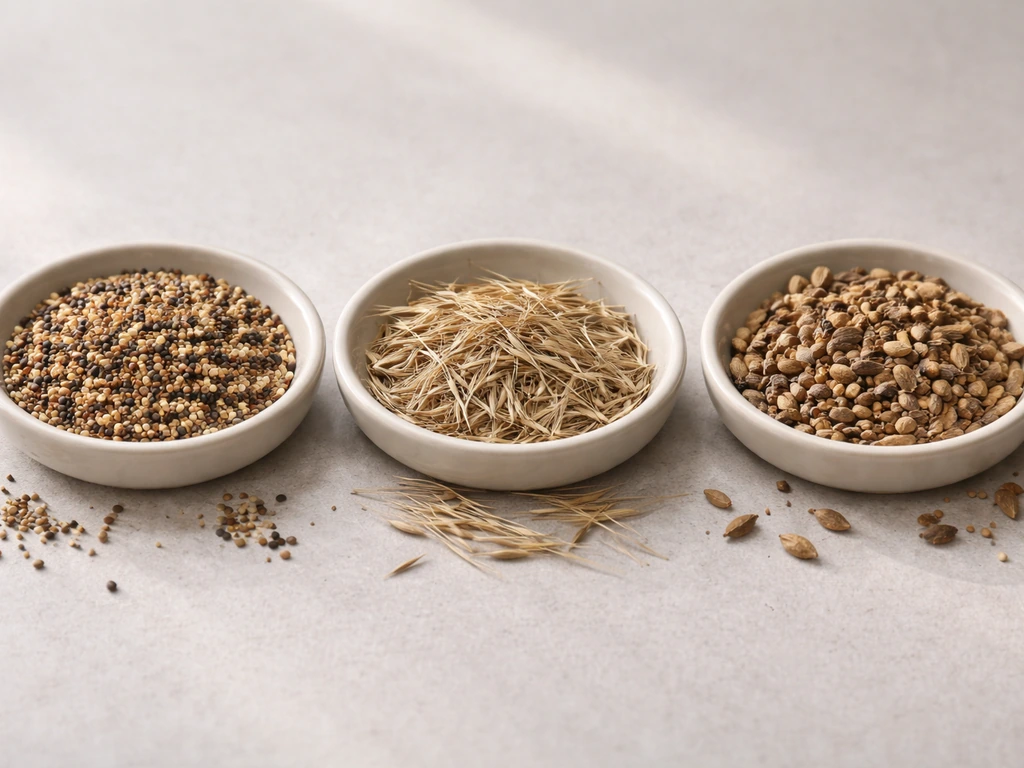
The category of wild seed you're planting matters more than almost anything else when estimating your timeline. Here's a practical breakdown of what to expect from the most common types.
| Wild Seed Type | Germination Window | Time to Bloom or Maturity | Notes |
|---|---|---|---|
| Annual wildflowers (e.g., Rudbeckia, Cosmos, Poppies) | 1–3 weeks | 2–3 months after germination | Usually the fastest; many don't need pre-treatment |
| Perennial wildflowers (e.g., Echinacea, Coneflower) | 2–6 weeks (if pretreated) | 1–3+ growing seasons to bloom | Cold stratification often required; slow to establish |
| Native grasses (e.g., Little Bluestem, Prairie Dropseed) | 2–4 weeks (after stratification) | 1–2 seasons for full coverage | Dormancy requirements vary widely by species |
| Wild herbs (e.g., Wild Bergamot, Anise Hyssop) | 1–3 weeks | First season (annuals) or second season (perennials) | Many germinate readily; some need light stratification |
| Native ornamentals (e.g., Golden Groundsel, Wild Columbine) | 3–12 weeks (species-dependent) | 2+ seasons for maturity | Cold moist stratification of 60–90 days is common |
If you're working from a commercial wildflower mix, expect a mix of these timelines showing up at once, which is part of the appeal. You'll see fast-germinating annuals pop up in the first few weeks, and perennials slowly filling in over the following seasons. With mixed seeds, you'll generally see faster-germinating types appear first, while slower perennials may take much longer to sprout and fill in fast-germinating annuals. That staggered emergence is normal and not a sign that half your seeds failed.
What Speeds Up or Slows Down Germination
Four conditions control almost everything about germination speed: temperature, moisture, light, and planting depth. Get all four right and you'll see sprouts as fast as the species allows. Miss one and you could be waiting much longer than necessary.
Temperature
Most wild seeds germinate best at soil temperatures between 70 and 75°F. Below that range, germination slows significantly. Above it, some seeds go dormant again or fail entirely. This is why planting timing matters so much: sowing in soil that's too cold or too hot is one of the most common reasons seeds seem to do nothing for weeks. If you're sowing in spring, wait until the soil has genuinely warmed, not just the air. A cheap soil thermometer takes the guesswork out of it.
Moisture
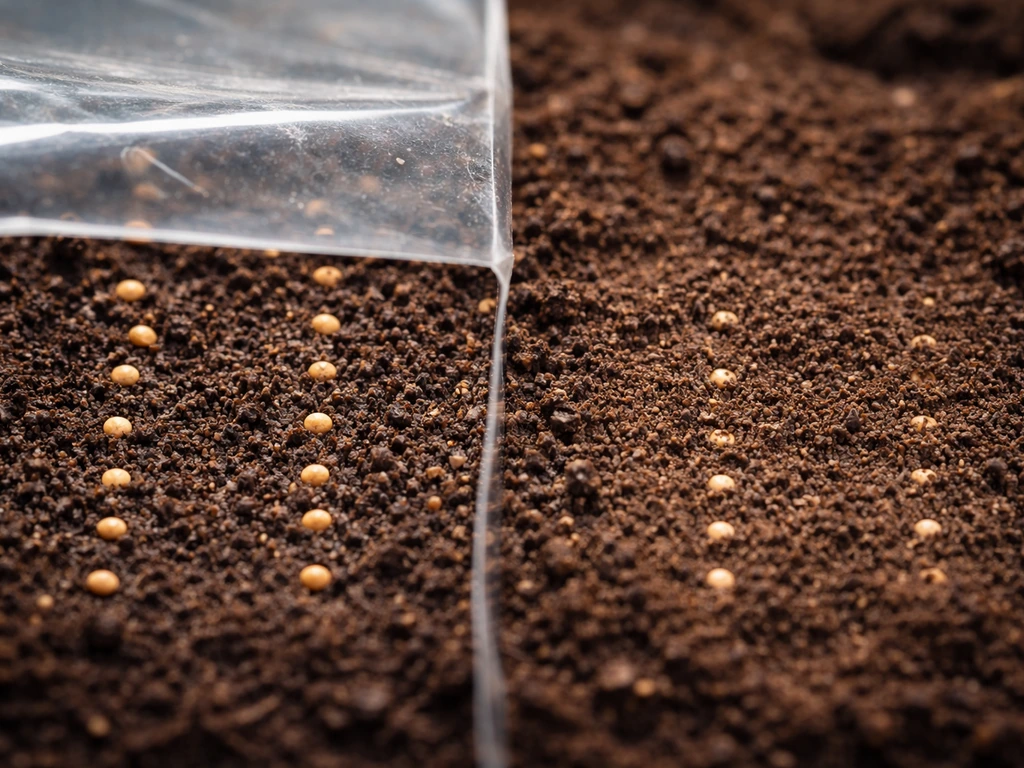
Seeds need consistent moisture to germinate, but not waterlogged soil. The most important period is right after sowing and during the first few weeks of establishment. A seed bed that dries out completely between waterings can stall or kill germination even if everything else is perfect. Gentle, frequent watering that keeps the top inch of soil consistently damp is the goal. Avoid heavy watering that washes seeds away or compacts the soil surface.
Light
This one surprises a lot of people. Some wild seeds need light to germinate and should be pressed into the soil surface or barely covered. Others need darkness and should be covered with soil to a depth of roughly 2 to 3 times the seed's own thickness. When you surface-sow a species that needs darkness, it may not germinate at all. Check the species requirements before you sow. If you're working with a mix and the instructions aren't specific, a light pressing into the surface (no covering) works for most wildflower mixes.
Planting Depth
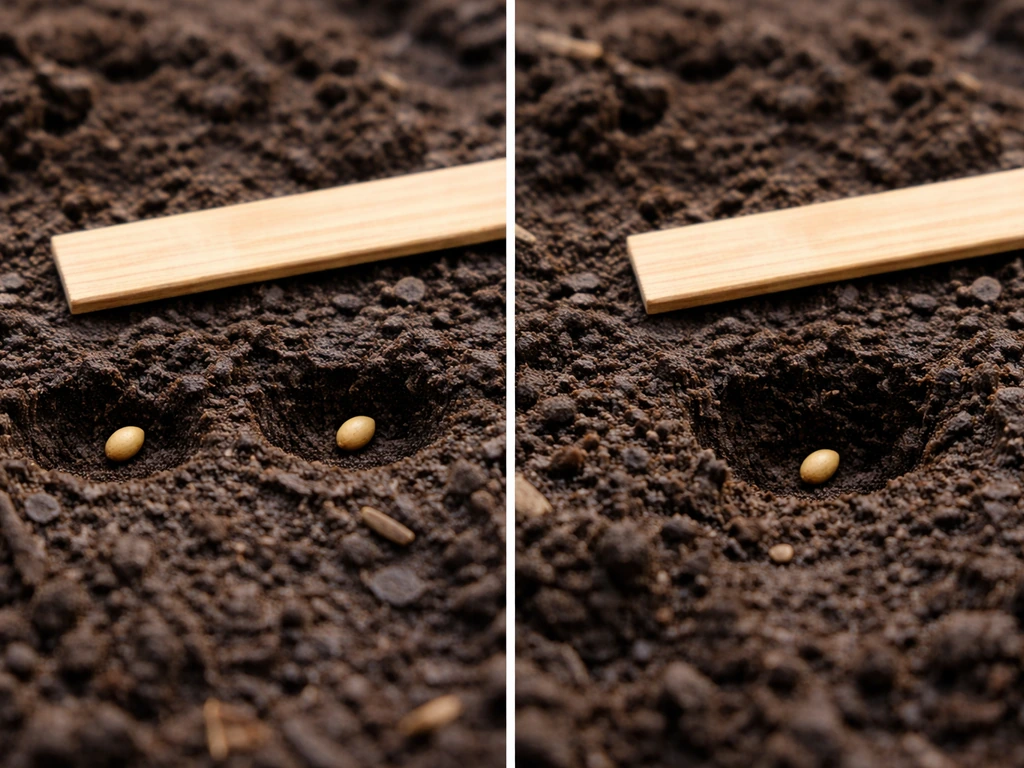
Depth affects both light exposure and moisture. The general guidance for average-sized seeds is not to bury them deeper than 2 to 3 times their diameter. Burying tiny wild seeds too deep is one of the most common mistakes. The seed runs out of stored energy before the sprout reaches light, and you get nothing. The goal is to get the seed in firm contact with moist soil without smothering it. Gently pressing seeds into a prepared seed bed improves that soil-to-seed contact without burying them.
Hard-to-Sprout Wild Seeds: Dormancy, Stratification, and Scarification
A lot of native and wild seeds come with built-in dormancy mechanisms that prevent them from germinating until conditions are genuinely right. This is an evolutionary feature, not a flaw. But it does mean that some seeds will sit in the ground and do absolutely nothing unless you mimic the conditions that would naturally break their dormancy. The two main techniques for this are stratification and scarification.
Cold Stratification
Stratification means exposing damp seeds to cool temperatures for a set period before sowing. It mimics winter conditions that signal to the seed that spring is coming. A typical cold stratification period runs 60 to 90 days at temperatures between 35 and 40°F, which is basically a regular refrigerator. You can do this by placing seeds in a damp paper towel inside a zip-lock bag in the fridge. Some species, like Golden Groundsel (Packera aurea), need a full 60 to 90 days of cold moist stratification before they'll germinate reliably. Skipping this step with species that need it almost guarantees failure.
Scarification
Scarification physically breaks or weakens a hard seed coat so the seed can absorb water. Without it, water can't penetrate the seed coat and germination never starts. Methods include rubbing seeds with sandpaper, nicking them with a knife, or for some species, briefly soaking them in boiling water. Scarification is often done before stratification because the damaged seed coat allows moisture to reach the seed during the cold treatment. Some wild species need both steps in sequence. If your seeds have extremely hard, dense coats, scarification is usually the first step.
If you've bought a seed mix labeled as wild or native, check whether the species listed include perennials with known stratification requirements. Many commercial mixes skip this information entirely, which leaves buyers wondering why their seeds aren't sprouting. This is also relevant when thinking about other seed categories: just as mixed seed packets vary wildly in their germination needs, wild seed blends can include both instantly-ready annuals and perennials that need months of cold treatment first.
When to Plant: Spring vs. Fall Sowing Windows
Wild seeds can be successfully sown in either spring or fall, and experienced growers often prefer fall sowing for native perennials and grasses. The logic is simple: fall sowing lets the seeds experience natural cold stratification over winter, so they're ready to germinate as soon as soil temperatures warm in spring. This eliminates the need to stratify seeds yourself in the refrigerator.
For fall sowing, the target is when soil temperatures start dropping below 40°F, typically September through November depending on your region. You want seeds in the ground before hard frost, but not so warm that they germinate in fall and then get killed. For spring sowing, wait until soil temperatures consistently reach 55 to 65°F for cool-season species, or 70°F and above for warm-season wildflowers and grasses. Sowing into cold soil is one of the most reliable ways to get poor or no germination and then incorrectly conclude your seeds were bad.
One thing that makes a real difference regardless of season: seed-to-soil contact. Before sowing, suppress existing weeds or grass by mowing low, smothering with cardboard, or light tilling. Wild seeds are tiny and can't compete with established vegetation for light, moisture, or soil contact. A few weeks of site prep before sowing pays off significantly in germination rates.
Troubleshooting Slow or Failed Wild Seed Germination
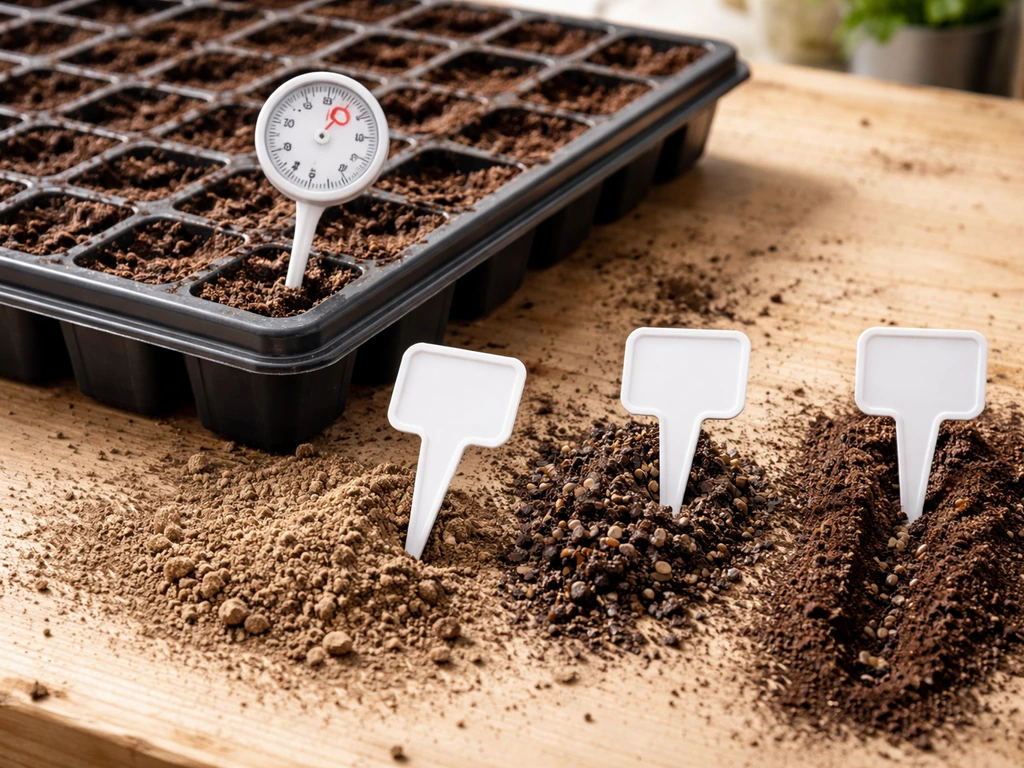
If it's been three to four weeks past your expected germination window and you're seeing nothing, don't immediately assume the seeds are dead. Work through the most likely causes before re-seeding.
- Check soil temperature first. If the soil is still below 60°F, germination for most warm-season species simply hasn't started yet. Wait, or use row cover to warm the bed.
- Assess moisture. Probe the top inch of soil. If it's dry, your germination timeline restarts every time it dries out. Set a consistent watering schedule and protect the surface with a very light layer of straw if evaporation is the problem.
- Rule out dormancy. Did you check whether your species needs cold stratification or scarification? If you skipped those steps for species that require them, the seeds may be perfectly viable but simply dormant. Some will still germinate the following season after natural cold exposure.
- Test seed viability. Place 10 seeds on a damp paper towel, fold it over, and keep it warm (around 70°F) for two weeks. Count how many germinate. A rate of 70% or better means your seeds are fine and conditions in the ground are the problem. Below 50% suggests poor seed viability.
- Look for physical issues. Birds, erosion, and wind can scatter lightweight wild seeds before they ever have a chance to germinate. If your seed bed is exposed, protect it with fine mesh bird netting or a very light straw mulch.
- Check planting depth. Dig gently in a small area and look for seeds. If they've rotted, overwatering or poor drainage is the issue. If they're intact and dry, moisture isn't reaching them.
One thing worth saying directly: wild seeds are not infallible, and even experienced growers expect some percentage of failure. A germination rate of 60 to 70% from a quality packet is realistic. Don't interpret partial germination as a total failure. Give it more time, especially with perennial species, which may take their entire first season to do anything visible above soil.
Planning Ahead: Re-Seeding Schedules and Realistic Expectations
If you've decided to re-seed after troubleshooting, the approach depends on why the first sowing didn't work. If timing or temperature was the issue, wait for the right planting window and sow again. If dormancy was the issue, plan for the following fall so seeds get natural stratification over winter. If seed viability was low, source fresh seeds from a reputable supplier and check the seed year on the packet. UNH Extension also notes that if seeds are more than a year old, you may need to plant more to compensate for poorer germination check the seed year on the packet. Seeds older than one to two years can drop significantly in germination rate.
For a realistic planning calendar, work backward from your goals. If you want annual wildflowers blooming by late June or July, you need germination happening by April, which means sowing in March or early April once soil temperatures cooperate. If you want native perennial grasses established enough to look intentional, plan for a two-season effort: sow in fall, expect patchy emergence the first spring, and fill in sparse areas the following fall.
If you're using seed bombs, remember that how long do seed bombs take to grow can be longer than simple wildflower sowing because they still have to germinate and establish. For pumpkin seeds, you can similarly plan around how long germination and early growth take before you expect visible plants a two-season effort.
- Annual wildflowers: Sow in spring after last frost, expect blooms in 10 to 14 weeks from germination
- Perennial wildflowers and native ornamentals: Sow in fall for spring germination, don't expect flowering until year two or three
- Native grasses: Fall sow or stratify in winter, expect full coverage to take one to two seasons
- Wild herbs: Many germinate readily in spring; check each species for stratification needs before sowing
Wild seed gardening rewards patience more than almost any other type of growing. The species with the most complex germination requirements, like many native perennials, are often the most ecologically valuable and visually striking once established. Give yourself a two-year mental timeline for any planting that includes perennials, keep notes on what you sowed and when, and resist the urge to dig everything up after a few weeks of silence. Most of the time, the seeds are doing exactly what they're supposed to be doing, right on their own schedule.
FAQ
If I do not see sprouts after 4 weeks, should I assume the wild seeds failed?
It can be both. Annuals may sprout in 1 to 3 weeks, while many perennials and grasses show little or no above-ground growth their first season even if roots are forming. If you do not see seedlings by about 4 weeks, check soil moisture and temperature, but for perennials give it at least a full growing season before declaring failure.
Can wild seeds take longer than the usual weeks even when conditions seem right?
Yes. Some wild seed mixes include species that need cold dormancy breaking, so the first visible sprouting might not happen until the next spring after a fall sowing. If you sow a mix in fall and expect immediate germination, you may misread normal dormancy as poor seed quality.
How do I know if my wild seeds need stratification or scarification?
Dormancy breaking is species-specific, not based on the word “wild” alone. Many packets list whether stratification or scarification is required, but some blends do not. If the packet instructions are vague, treat it as a sign you may need to look up requirements per listed species or plan for a longer timeline.
What is the most common mistake when troubleshooting slow germination?
Do not change multiple variables at once. For example, if the soil is still cold, adding extra water can worsen problems by chilling or compacting the surface. Instead, confirm soil temperature first with a thermometer, then adjust watering to keep the top inch consistently damp, and only then re-evaluate light and depth.
Can I just follow one planting depth for all wildflower seeds?
Yes, and it is a frequent cause of “no germination.” Light-requiring seeds should be surface-sown or only barely covered, while darkness-requiring seeds should be covered. In a mix, a blanket approach like burying everything can wipe out the light-dependent species.
How do I improve germination if my soil is dry or has a crust after sowing?
Check soil-to-seed contact without burying. A light press into firm, prepared soil works better than raking in loose soil on top, especially for tiny seeds. If the area has crusted or dried out, gently loosen the surface before re-sowing or you can reduce moisture uptake and prevent sprouting.
How long do wildflower seed bombs take compared with normal sowing?
A seed bomb mix often includes materials and binders that can shift moisture and depth. Even when seeds are in the “right” timeframe, seed bombs can be slower if the surface stays too dry or the clump is too deep when it settles. Mist lightly to keep the surface damp during the first few weeks, and expect emergence to vary by species.
Do wild seeds die if the soil dries out briefly after sowing?
Usually not. Many seeds sit in the soil across wet, cool, and then warm periods, so a dry stretch right after sowing can pause germination and later resume when conditions improve. However, repeatedly letting the seed bed fully dry can reduce viability, so consistency during the first few weeks matters most.
When is it actually worth re-seeding instead of waiting longer?
Yes, re-seeding timing depends on the likely cause. If temperature was wrong, wait for the correct window and re-sow rather than digging early. If dormancy was the issue, re-sowing now might not help, plan for the next appropriate season so seeds can get natural cold stratification.
Should I expect patchy emergence, and when should I fill in bare spots?
If you have a large area, focus on the “fast” germinators first and treat the rest as a phased plan. Look for species-specific emergence, then mark spots, keep watering support steady for the entire establishment window, and fill sparse areas after you see what survived (often the following season for perennials).
Next Article
How Long Do Mixed Seeds Take to Grow Plus Timelines
Mixed seeds grow unevenly. Get germination and flowering timelines, what affects speed, and troubleshooting steps.