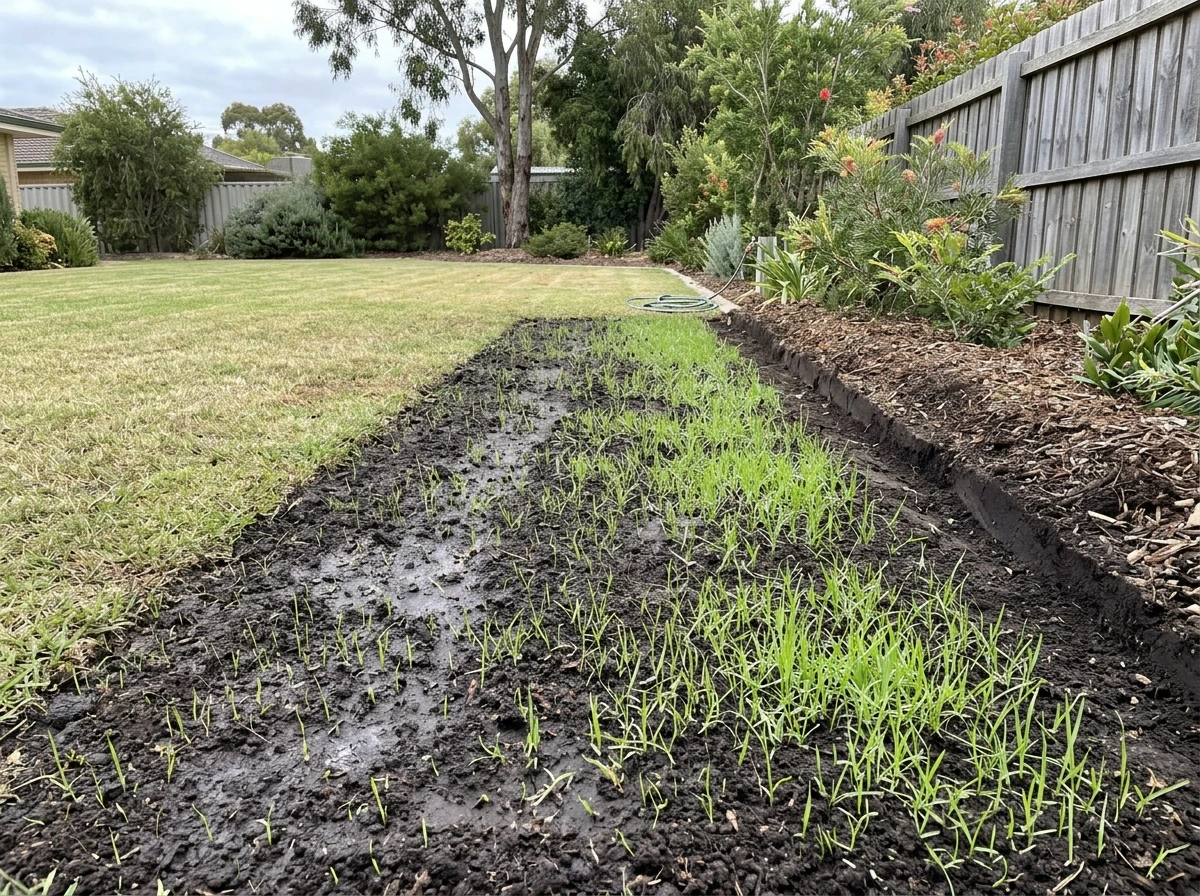
Bahia grass seed typically blank" rel="noopener noreferrer">takes 21 to 30 days to germinate, with most seeds sprouting around the 28-day mark under good conditions. After that, you're looking at another 6 to 8 weeks before seedlings fill in and start looking like a real lawn, and a full 12 to 18 months before the grass is genuinely established and stress-tolerant. If you want a general estimate for how long lawn seed takes to grow, plan around the germination window plus several weeks for seedlings to fill in. That's a longer runway than most other warm-season grasses, but Bahia rewards the patience once it's in.
How Long Does Bahia Grass Seed Take to Grow
Marcus Henley
11 May 2026
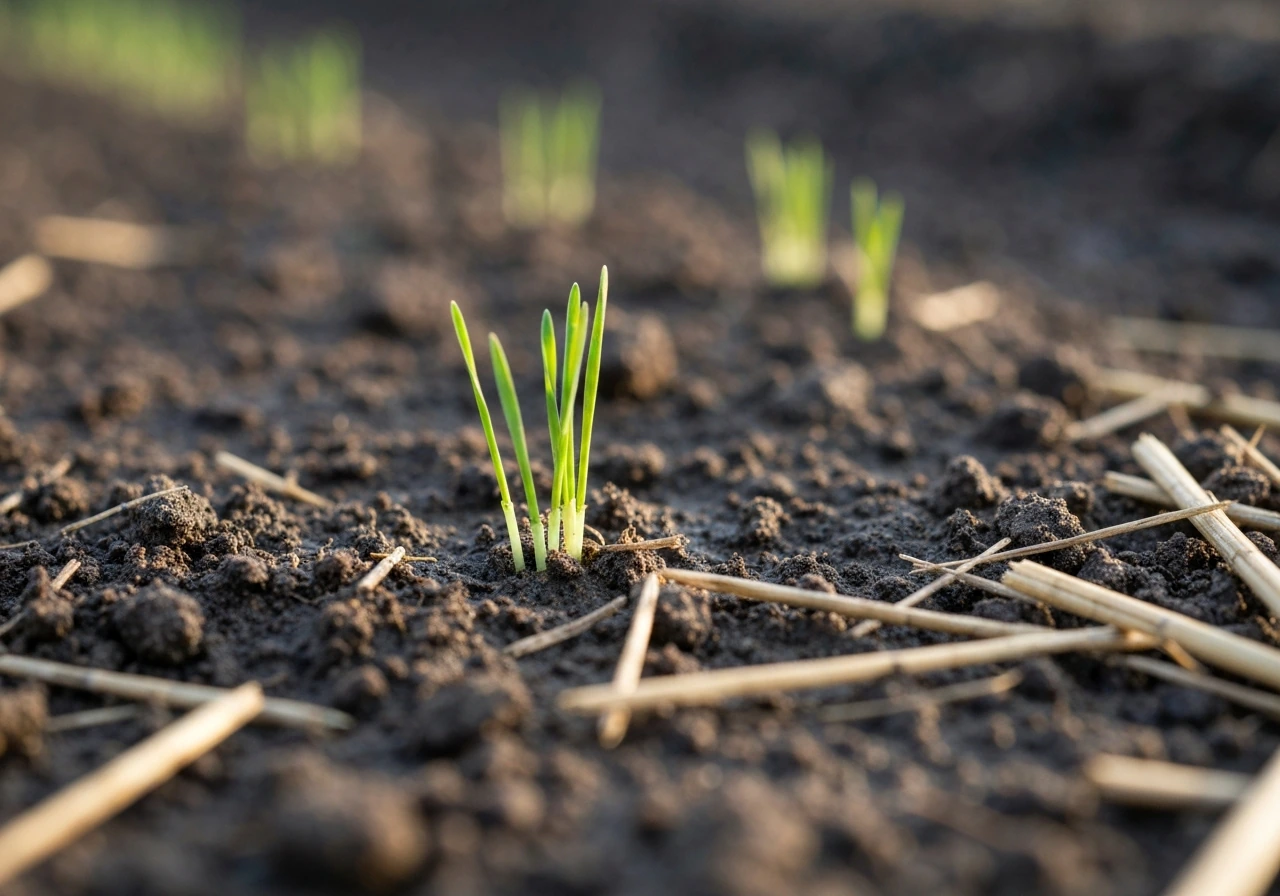
Typical germination timeline for Bahia grass seed
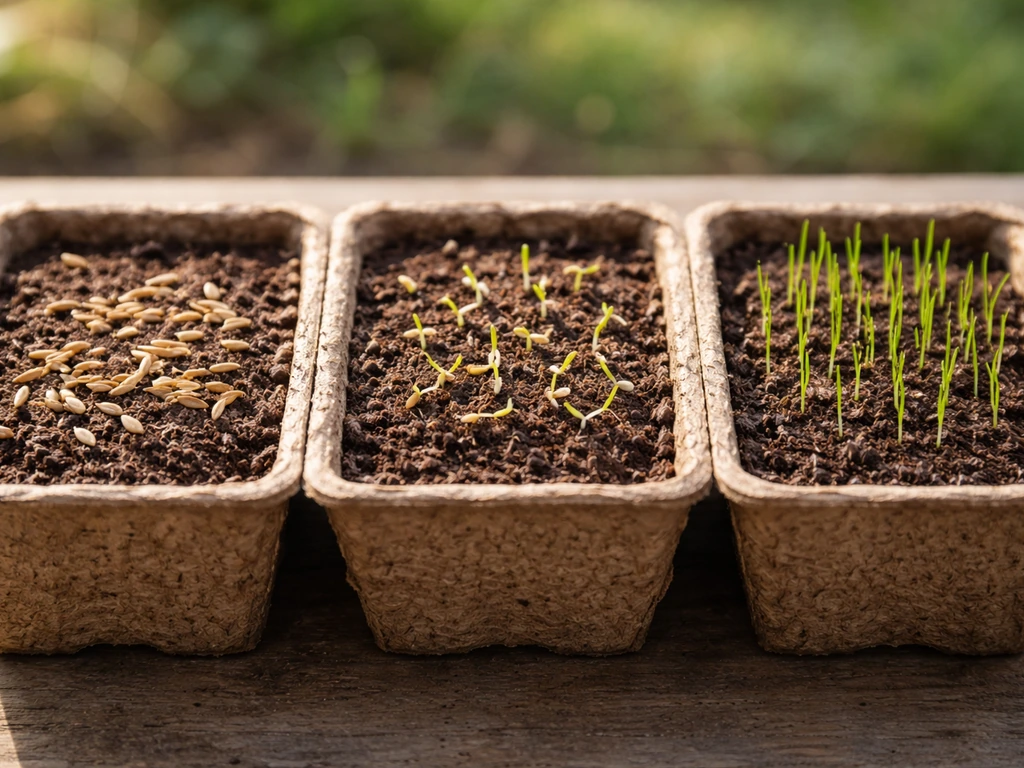
For the two most common varieties you'll encounter, Pensacola and Tifton 9, the standard germination window is 21 to 30 days. Most seed suppliers list 28 days as the average to plan around, and that tracks with real-world results when soil conditions are dialed in. Don't expect to see anything before the three-week mark and definitely don't write seeds off at day 14 just because nothing is poking through yet.
Bahia is one of the slower germinators in the warm-season grass category. Compared to something like fescue grass seed, which can sprout in 7 to 14 days, or even zoysia which averages around 14 to 21 days, Bahia asks for more of your patience upfront. Zoysia grass can be a bit faster than Bahia, and many people look for it specifically to shorten the time to a usable lawn. Fescue grass seed usually germinates much faster, so timing looks different than Bahia. The tradeoff is that once it's established, it's one of the most drought-tolerant and low-maintenance grasses you can grow in the Southeast.
The key variable is soil temperature. Bahia seed needs warm soil, not just warm air. The optimum germination temperature for Paspalum notatum is 86 to 95°F (30 to 35°C) at the soil surface. When soil temps drop below 65°F, germination slows dramatically or stalls completely. If your seeds are in soil that's only hitting 70°F, expect to be waiting closer to 30 days or longer.
How long until seedlings establish and you'll see real growth
Once germination happens, Bahia seedlings are fragile and slow-growing for the first few weeks. By about 6 to 8 weeks after seeding, you should see consistent coverage if your seeding rate and conditions were right. The grass will look thin and patchy at first, which is completely normal. Don't panic and don't overseed immediately. Give it time to fill in through lateral spreading.
At the 8 to 12 week mark, you'll typically have enough coverage to mow for the first time. Wait until the grass reaches about 4 inches tall before the first cut, and keep the blade high (around 3 to 4 inches) so you don't stress the young roots. The root system at this stage is still building, and scalping the lawn sets you back weeks.
UF/IFAS research makes a point worth knowing here: Bahia grows most vigorously under high temperatures and long days. If you planted in early spring when days are still short and soil hasn't fully warmed, expect slower early growth even after germination. Things pick up noticeably once you're in the heat of summer.
Time to maturity: when Bahia grass is fully established
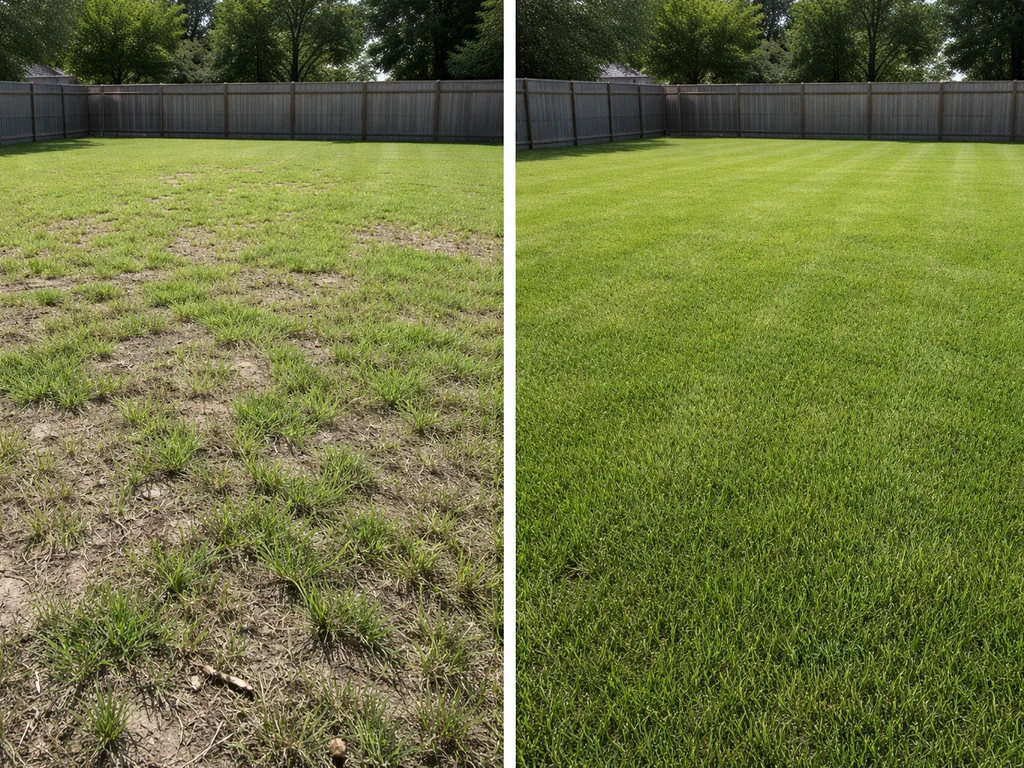
Full establishment, where the lawn can handle foot traffic, drought stress, and regular mowing without setback, takes 12 to 18 months from seeding. The SiteOne/LESCO Pensacola bahiagrass literature also notes that full turf establishment takes about 3 to 6 months, with germination occurring within 14 to 21 days [full turf establishment will take 3 to 6 months](https://www. siteone. com/medias/sys_master/PimProductImages/assets/ProductAssets/US/LESCO/specificationSheet/20-21-530-pensacola-bahiagrass-literature-01.
05. 26/20-21-530-pensacola-bahiagrass-literature-01. 05. 26.
pdf). If you’re wondering how long it takes to grow sod from seed, that full establishment period is the part you should plan around full 12 to 18 months. In ideal conditions with good soil, consistent moisture, and a warm planting window, you might hit the low end of that range. If you planted late in the season or had a dry spell during establishment, plan for closer to 18 months.
A useful mental model: the first summer after seeding is when Bahia really takes off. The long days and heat trigger that vigorous growth phase, and by the following spring you're typically looking at a dense, well-rooted stand. The second growing season is when most homeowners finally feel like the lawn is truly theirs to enjoy without babying it.
| Stage | Timeline from Seeding | What to Expect |
|---|---|---|
| Germination | 21 to 30 days | First sprouts visible at soil surface |
| Seedling coverage | 6 to 8 weeks | Thin but consistent coverage across the area |
| First mow-ready | 8 to 12 weeks | Grass reaches 4 inches, ready for a high first cut |
| Partial establishment | 3 to 6 months | Good coverage, some bare spots may remain |
| Full establishment | 12 to 18 months | Dense, drought-tolerant, traffic-ready lawn |
Factors that change how fast Bahia grass seed grows
Soil temperature
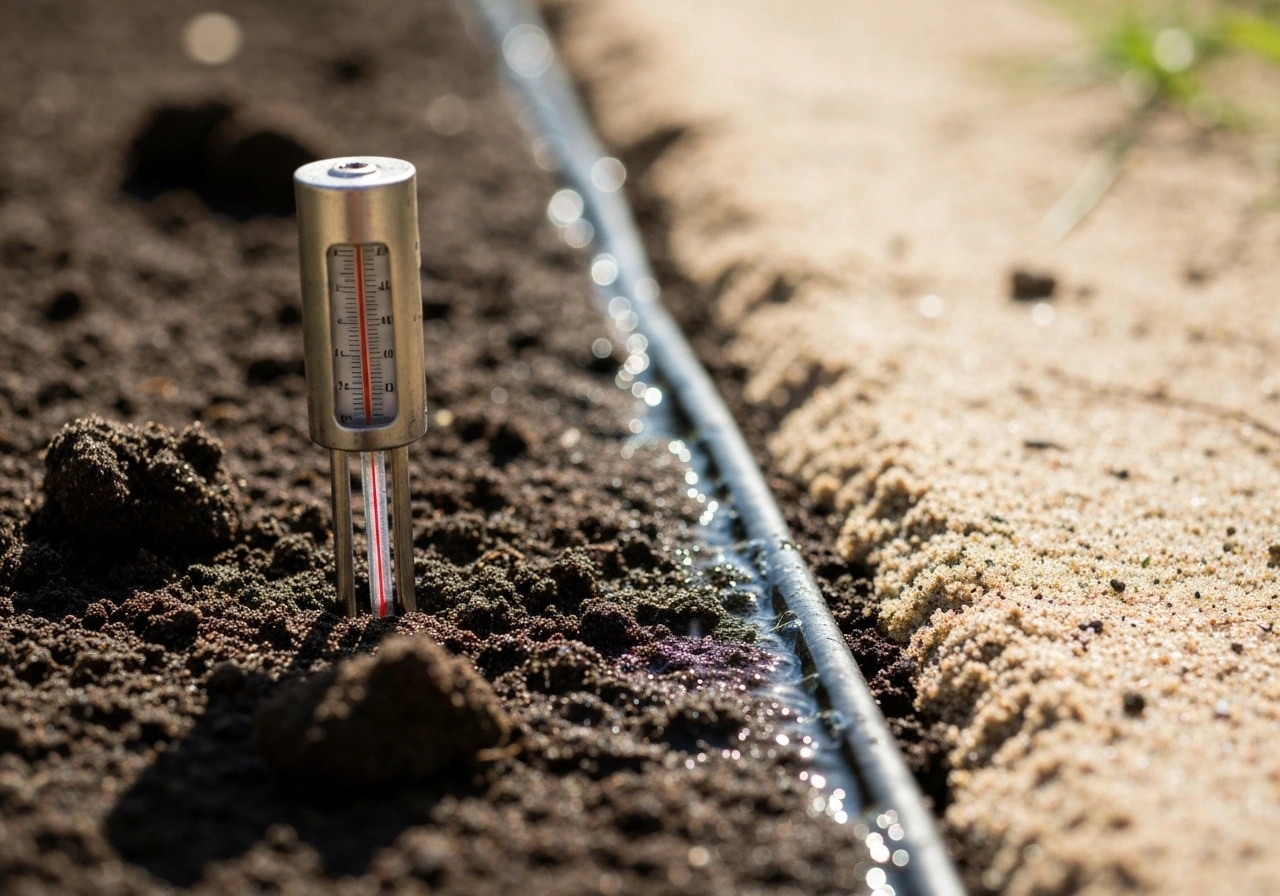
This is the biggest lever. Bahia seed is tropical in origin and behaves like it. Soil temps below 65°F mean very slow or no germination. The sweet spot is 86 to 95°F soil temperature, which in most of the Southeast means late spring through early summer. If you're seeding before soil temps consistently hit at least 70°F, you're gambling with timing.
Moisture and irrigation
Seeds need consistent moisture during the germination window, but not waterlogged soil. The goal is to keep the top inch of soil moist without creating standing water or crust. Light, frequent watering (two to three times daily in hot weather) works better than heavy soaking. Once seedlings emerge, you can shift to deeper, less frequent watering to encourage deep root development.
Seeding depth
Bahia seed is tiny and should be planted very shallow. The target depth is no more than 1/4 inch. Seeds planted deeper than 1/2 inch often fail to emerge entirely, which is one of the most common silent killers of Bahia seeding projects. You want the seed in contact with soil but barely covered.
Soil quality and preparation
Bahia tolerates poor, sandy, acidic soils better than most grasses, but germination is still faster and more uniform in well-prepared ground. Loose, debris-free soil with good seed-to-soil contact is the baseline. Bahia prefers a soil pH between 5.5 and 6.5. If your soil is highly compacted or has a lot of thatch or organic matter sitting on top, those seeds are going to struggle to make contact with actual soil.
Light exposure
Bahia is a full-sun grass and it means it. While the seeds themselves don't need light to germinate, the seedlings need maximum sun to thrive. Areas with more than 30% shade will produce thin, weak stands that never fully establish, no matter how well you prep the soil.
Seed prep and planting steps to speed germination
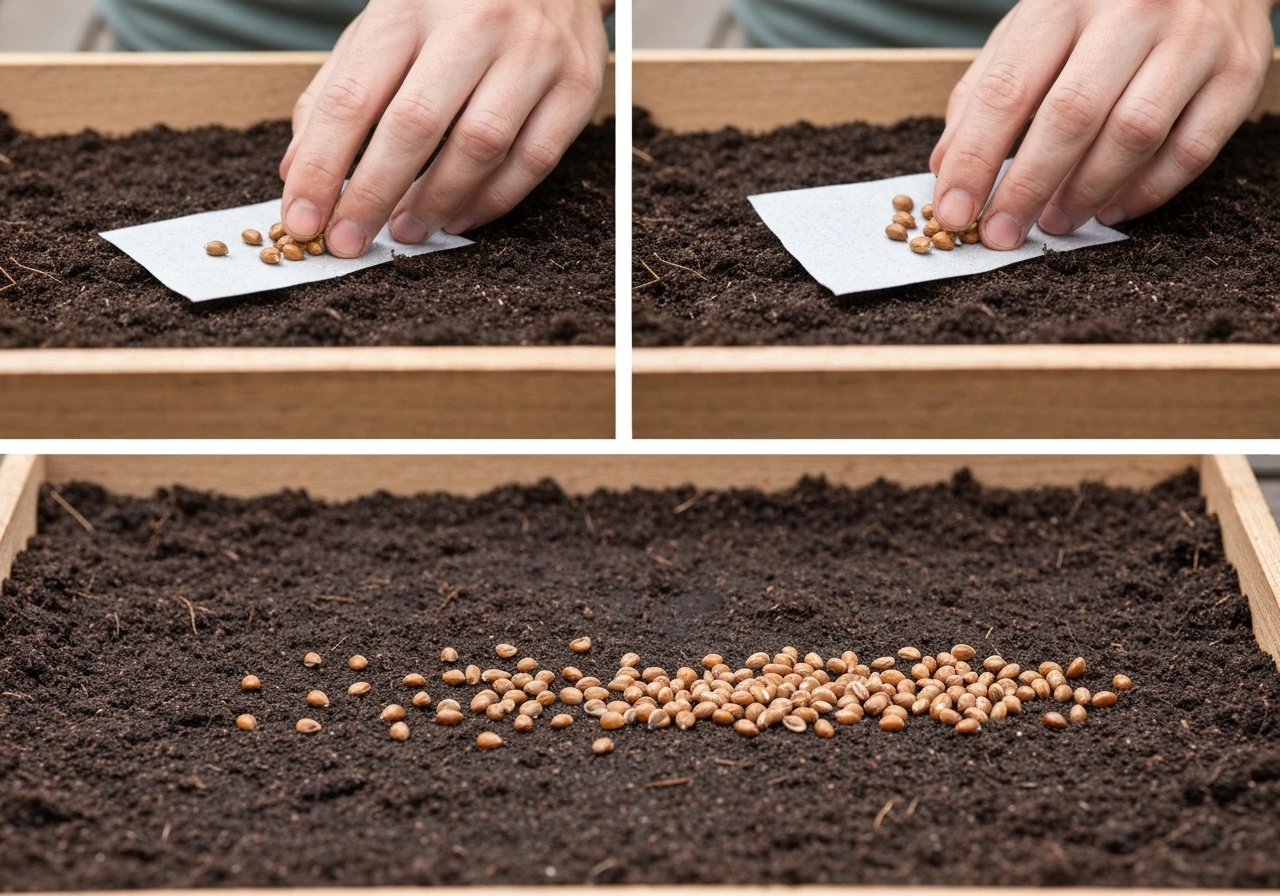
Bahia seed has a hard seed coat that naturally slows germination. The commercial varieties like Pensacola and Tifton 9 have been selected for better germination rates, but you can still give them a head start with a few prep steps.
- Scarify the seed before planting. Lightly rub seeds between two sheets of sandpaper or use a seed scarifier to nick the hard coat. This lets moisture in faster and can shave days off your germination wait.
- Soak seeds in water for 12 to 24 hours before sowing. This softens the seed coat and jump-starts the hydration process. Drain well and sow immediately after soaking.
- Prepare the seedbed properly. Rake to a fine, crumbly texture, remove debris, and lightly firm the soil surface. Good seed-to-soil contact is critical with a seed this small.
- Spread seed at the right rate. For lawns, use 5 to 10 pounds of hulled seed per 1,000 square feet. Going too light means gaps; going too heavy invites competition within the seedlings themselves.
- Use a lawn roller after seeding. A light pass with a water roller presses seeds into the soil without burying them too deep. This simple step meaningfully improves germination uniformity.
- Mulch lightly with straw. A thin layer of straw (one bale per 1,000 square feet) holds moisture and moderates soil temperature during the germination window. Don't pile it on, just enough to partially shade the soil.
- Keep the soil moist consistently for the entire 30-day germination window. Set a reminder to water two to three times daily in the first few weeks if rain isn't covering it.
Troubleshooting slow or failed Bahia grass germination
If you're past the 30-day mark and seeing very sparse or no germination, something in the setup went wrong. Here are the most common culprits and what to do about each one.
- Soil is too cold: Check soil temperature with an inexpensive probe thermometer. If it's consistently below 65°F, germination will be extremely slow. Wait for warmer soil or consider laying black plastic sheeting over the area for a week to preheat the soil before reseeding.
- Seeds were planted too deep: Bahia seed planted deeper than 1/2 inch rarely emerges. If you suspect this, lightly rake the area to bring seeds closer to the surface or overseed on top of the existing seed at the correct shallow depth.
- Poor seed-to-soil contact: Seeds sitting on top of loose debris, thick thatch, or mulch won't germinate reliably. Rake the area gently, roll it, and overseed if needed.
- Inconsistent moisture: Letting the seedbed dry out even once during the germination window can kill germinating seeds before they emerge. If you had a dry spell, the affected seeds may have died and you'll need to reseed those areas.
- Overwatering: Waterlogged soil encourages fungal issues and can rot seeds before they sprout. If water pools in the area, improve drainage before reseeding.
- Old or low-viability seed: Bahia seed loses viability fairly quickly, especially if stored improperly. Always check the test date on the bag and use seed with at least 85% germination rate listed. Seed older than one year stored in heat or humidity may have dropped well below that.
- Weed competition: Fast-growing weeds can shade out or outcompete Bahia seedlings before they establish. Hand-pull visible weeds during the establishment phase. Avoid pre-emergent herbicides until the grass is well established (at least 3 to 4 months), as they can inhibit Bahia germination too.
- Wrong seed type: Unhulled Bahia seed germinates much more slowly than hulled seed, sometimes taking 60 or more days. If you planted unhulled seed, give it more time before concluding it has failed.
Seasonality and planning your planting schedule
Bahia grass is a warm-season species through and through. If you're also asking how long does couch grass seed take to grow, the timeline is usually faster than Bahia in warm conditions. The best planting window in most of the Southeast (Florida, Georgia, Alabama, Mississippi, Louisiana, Texas) is late spring to early summer, specifically from late April through June. This gives the seed warm soil, long days, and a full summer to establish before the first cool spell.
If you're planting in May, which is right in the sweet spot for most of these regions, you can realistically expect germination by early to mid-June, visible coverage by July, and mow-ready turf by August. By the following spring you'll have a solid stand that's ready to handle summer stress on its own.
Planting in July or August is still workable but riskier because the seedlings have less time to establish roots before fall cools things down. Bahia goes semi-dormant when temperatures drop, and young seedlings that haven't rooted deeply going into their first fall are more vulnerable to winter dieback and weed invasion the following spring.
Avoid seeding after September in most of the Gulf Coast region. The soil cools too quickly for reliable germination, and even seeds that do sprout won't have enough time to build root depth before dormancy. You're essentially setting money on fire. Wait until the following spring instead.
| Planting Window | Region | Expected Germination | Establishment Risk |
|---|---|---|---|
| Late April to June | Gulf Coast, Florida, Deep South | 21 to 30 days | Low, ideal window |
| July to August | Gulf Coast, Central Texas | 21 to 35 days | Moderate, less root development time |
| September | Florida (South only) | 30 to 45+ days | High, marginal window |
| October onward | Most of Southeast | Not recommended | Very high, soils too cold |
After sowing, mark your calendar for 30 days out to assess germination uniformity. If you have obvious bare patches at that point, overseed those specific areas rather than redoing the whole lawn. Keep up the light-frequency watering until coverage is consistent, then transition to deep, infrequent irrigation to train deep roots. Your first mow should happen around the 8 to 10 week mark at the highest blade setting you have. From there, mow regularly at 3 to 4 inches and let Bahia do what it does best.
FAQ
How long does Bahia grass seed take to grow if the weather is cooler than expected?
If soil temperatures hover below about 65°F, germination can slow dramatically or stall, so you may still be waiting at or beyond the 30-day mark for meaningful sprouting. In that situation, re-check soil temps at seeding depth and keep moisture consistent, but don’t overseed a whole lawn until you confirm germination is actually starting.
What’s the fastest timeline I can realistically expect for a usable Bahia lawn?
With soil in the 86 to 95°F range, good seed-to-soil contact, and consistent moisture, germination often clusters near the high end of the 21 to 30-day window. You may see mow-ready turf around 8 to 12 weeks, but full stress-tolerance is still typically 12 to 18 months.
Why did my Bahia seeds sprout late, like after 30 days?
Late emergence usually comes from seeds sitting too deep, poor seed-to-soil contact (debris, thick thatch layer, or crusted surface), or drying out during the germination window. If you start seeing new shoots after a dry period, resume the correct light, frequent watering routine and wait for uniformity before making major changes.
Should I expect the whole lawn to sprout at the same time?
No, uniform emergence varies by microclimate. Low spots, compacted areas, and places with different shade exposure can germinate at different rates. Instead of judging the entire lawn at one date, assess germination patches around day 30 and plan targeted overseeding only where you have obvious bare areas.
How can I tell the difference between “normal thin coverage” and a failed seeding?
Thin, patchy growth is normal after germination, but a practical rule is to look for consistent coverage by about 6 to 8 weeks. If there is almost no progress by then, or you see broad areas that never emerge, investigate depth and soil moisture history rather than continuing to wait indefinitely.
Can I speed up Bahia growth by changing the watering schedule?
You can improve germination speed by keeping the top inch of soil consistently moist during the germination window, typically with lighter, more frequent watering. Once seedlings emerge, switch to deeper, less frequent watering to encourage roots, because constant surface wetness can lead to weak root development and crusting.
How deep should Bahia seed be planted, and what happens if I plant deeper by mistake?
Bahia should be no deeper than about 1/4 inch. If you planted deeper than roughly 1/2 inch, many seeds may not emerge at all, creating permanent bare patches. In that case, the best fix is often spot overseeding after you verify the original stand is unlikely to fill in.
When should I mow Bahia for the first time, and what blade height is safest?
Plan the first mow once coverage is solid enough around the 8 to 12 week window, and wait until the grass reaches roughly 4 inches tall. Set the blade high (about 3 to 4 inches) to avoid scalping, since early root building is still fragile and mowing too short can set the lawn back.
Is overseeding after germination better than starting over?
Usually, yes. If you mark your calendar for about day 30 and identify specific bare patches, overseed those areas rather than redoing the full lawn. Make sure you fix the cause locally (depth, seed-to-soil contact, or dry spots) before adding more seed.
How late can I plant Bahia seed without seriously risking failure?
In most of the Gulf Coast region, seeding after September is risky because soil cools quickly and young seedlings may not build enough root depth before dormancy. If you’re past the safe window, it’s often better to wait until the following spring than to gamble on incomplete establishment.
Next Article
How Long Does Couch Grass Seed Take to Grow?
Learn how long couch grass seed takes to germinate and establish, plus tips to speed growth and fix slow or failed lawns