From seed to first bloom, violas typically take about 10 to 14 weeks total. Germination alone runs anywhere from 4 to 21 days depending on temperature and seed type, then seedlings need roughly 7 to 9 weeks to grow large enough to transplant, and after transplanting you can expect flowers in another 35 to 60 days. If everything goes smoothly with a quality seed batch and consistent cool temperatures around 65°F, you can hit the faster end of those ranges. If conditions are off or you're working with perennial viola species that need cold stratification, budget the full 14 weeks or more.
How Long Do Violas Take to Grow From Seed? Timeline and Tips
Marcus Henley
18 May 2026
The full viola growth timeline at a glance
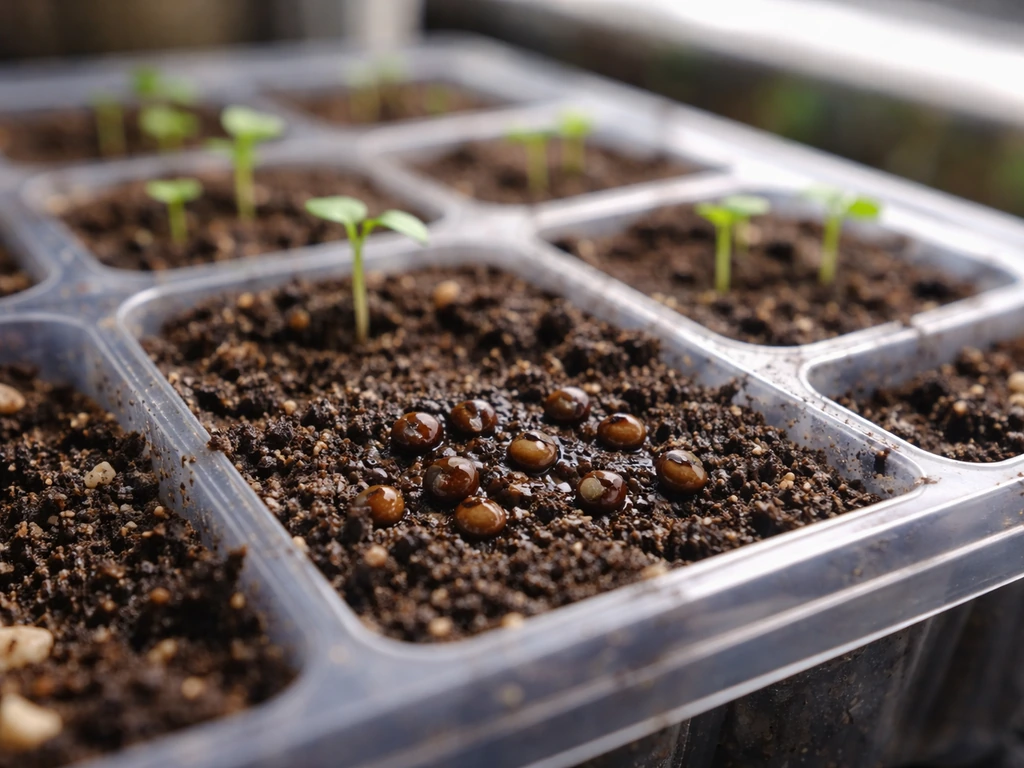
Here's how the stages stack up when you start violas indoors and transplant them out, which is the most common method for getting reliable blooms on a specific schedule.
| Stage | Typical Timeframe | Notes |
|---|---|---|
| Germination (seed to sprout) | 4–21 days | Faster at 62–68°F; slower in heat or cold |
| Seedling to transplant-ready | 6–8 weeks after germination | Sow 7–9 weeks before your outdoor planting date |
| Transplant to first bloom | 35–60 days | Cool weather accelerates blooming; heat slows it |
| Total: seed to bloom (indoor start) | 10–14 weeks | Shorter for annuals; longer for perennial species needing stratification |
Annual violas and pansies (Viola wittrockiana and similar hybrids) sit at the quicker end of that range. Perennial species like Viola odorata (sweet violet) or Viola tricolor (Johnny jump up) can take longer because they often need a cold period before they'll germinate reliably. If you've been waiting more than three weeks for sprouts with no sign of life, that cold stratification step is probably what's missing.
What actually controls how fast violas germinate
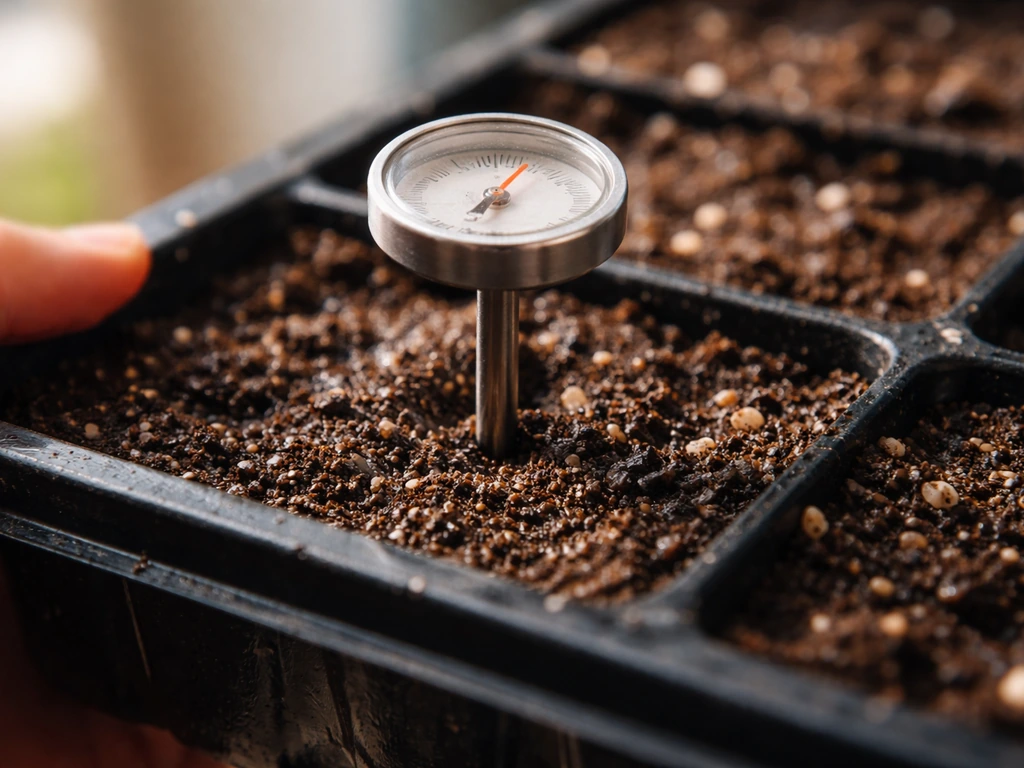
Germination speed isn't random. Four factors drive almost all of the variability you'll see between a batch that sprouts in five days and one that takes three weeks.
Temperature
Soil temperature around 62–68°F (roughly 15–20°C) is the sweet spot. At this range, expect germination in 4 to 7 days for fresh annual viola seeds. Push the temperature above 75°F and germination slows down dramatically or stalls completely. Violas are cool-season flowers and their seeds behave that way. If you're starting seeds in a warm house in summer, this is usually the reason nothing happens.
Light and seed covering
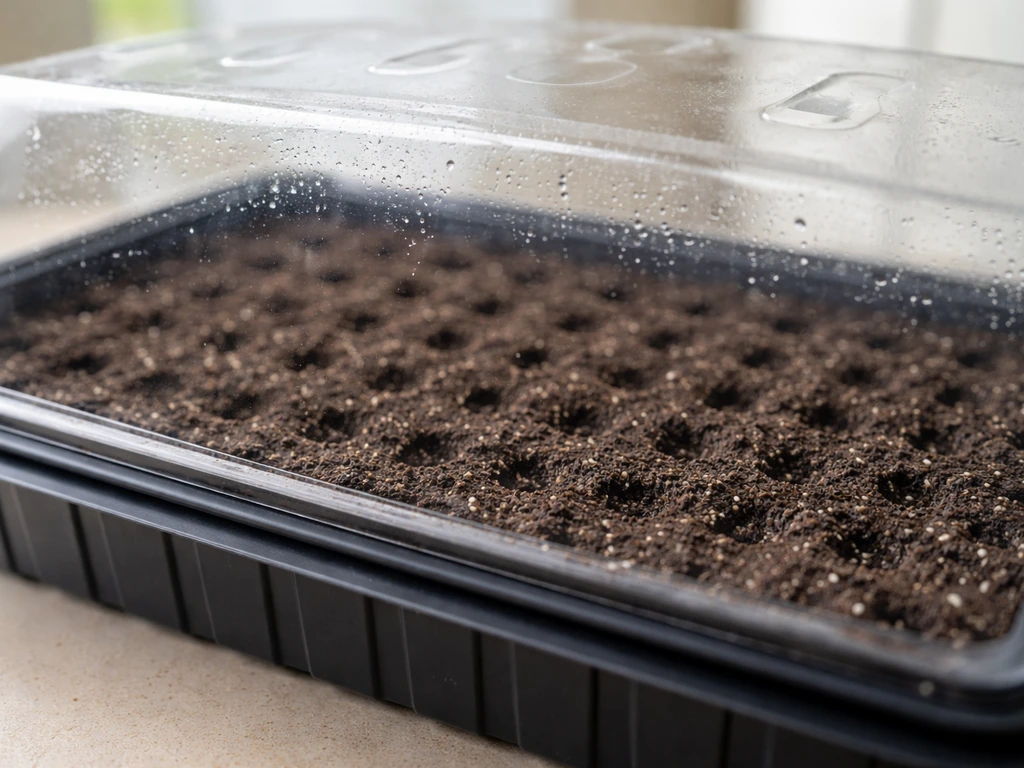
This is where you'll find conflicting advice, and honestly both camps have a point. Many sources say violas need darkness to germinate and recommend covering seeds completely. Others say light helps and suggest a very light dusting of vermiculite or leaving seeds barely covered. The practical middle ground: blank" rel="noopener noreferrer">sow at about 1/4 inch deep, cover lightly with coarse vermiculite (not potting mix pressed down hard), and keep the tray in a low-light spot or loosely covered until sprouts appear. The vermiculite holds moisture without smothering the seeds, and the shallow depth gives emerging seedlings a short path to the surface.
Moisture
Seeds need consistent moisture, but not sitting water. A seedling tray with a humidity dome works well. The goal is evenly moist, not soggy. Let the surface dry slightly between misting if you're working with heavy potting mix. If the medium stays waterlogged, you're setting up for fungal problems (more on that in the troubleshooting section).
Cold stratification
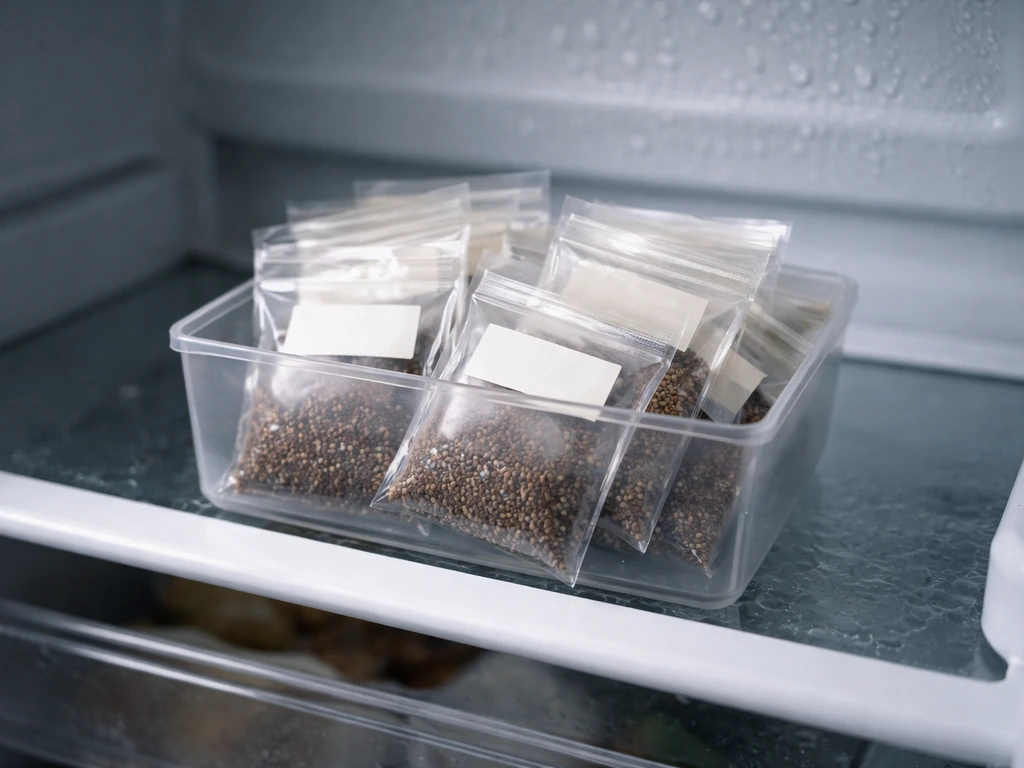
This is the big one people miss with perennial viola species. Viola odorata seeds, for example, often need 4 to 6 weeks at 1–5°C (33–41°F) to break dormancy before they'll germinate at all. Annual pansy types generally don't require this, but even they can benefit from a shorter cold treatment. A practical approach for annuals: refrigerate seeds in a lightly moist paper towel for 1 to 2 weeks at about 40°F before sowing. For perennial viola species, plan for a full 4 to 6 week cold period in the fridge, ideally in a sealed bag with slightly damp peat or vermiculite.
How to speed up viola germination and early growth
If you want to hit the fast end of the timeline rather than the slow end, here's what actually makes a difference.
- Start with fresh seed. Viola seeds lose viability faster than many flower seeds. Older seed germinates unevenly and slowly. If your packet is more than two years old, don't expect the same results as fresh.
- Pre-chill annual viola seeds for 7 to 14 days in the fridge before sowing. Even if stratification isn't strictly required for your variety, a short cold treatment often improves germination speed and uniformity.
- Use a germination mat set to keep soil at 65°F, not hotter. Many germination mats run warm; check with a soil thermometer and adjust if needed.
- Cover seeds with coarse vermiculite at about 1/4 inch depth. Good seed-to-medium contact is important, so press lightly after sowing.
- Use a humidity dome until sprouts appear, then remove it immediately to prevent damping off.
- Once seedlings are up, move them to the brightest spot you have or put them under grow lights 16 hours a day. Cool, bright conditions produce compact, sturdy seedlings that reach transplant size faster without getting leggy.
- Keep seedling temperatures on the cool side (around 50–60°F at night if possible). This sounds counterintuitive, but violas that grow cool develop better root systems and transplant more successfully.
Transplant vs direct sow: which method fits your timeline
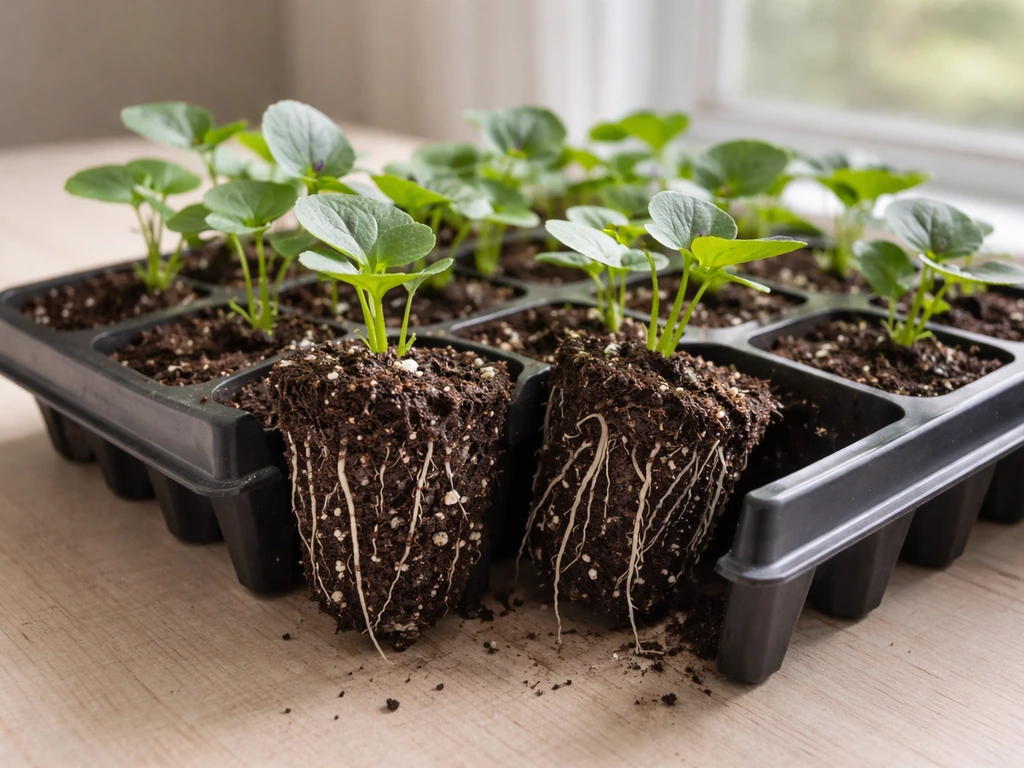
The method you choose matters a lot for when you'll see blooms, and it also depends on where you live and what season you're planting for.
Starting indoors and transplanting
This is the most reliable approach for hitting a specific bloom window. Sow indoors 8 to 12 weeks before your planned outdoor planting date. For spring blooms in most temperate climates, that means starting seeds in late winter (January to February). Seedlings are usually transplant-ready in 7 to 9 weeks from sowing. After transplanting, expect first blooms in 35 to 60 days, depending on variety and conditions. Malabar spinach is a warm-season leafy green, so its seed-to-harvest timing depends on temperature and you should expect it to take roughly a few weeks longer than cool-season crops first blooms in 35 to 60 days. Total seed-to-bloom time via this route is typically 10 to 14 weeks. For wisteria, the seed-to-seedling and seed-to-bloom timeline is usually much longer, so plan on extra time before expecting visible growth Total seed-to-bloom time via this route is typically 10 to 14 weeks.
Direct sowing outdoors
Direct sowing works well for fall planting in mild climates, or for early spring sowing in zones where the ground thaws well before the last frost. Violas are cold-tolerant and can be sown directly when soil temperatures reach 50–65°F. Germination outdoors is less predictable than indoors because you can't control temperature and moisture as precisely, but violas will often self-sow and germinate on their own once established in your garden. For fall sowing (a great trick in zones 6 and warmer), sow seeds in late summer or early fall; they'll germinate, establish over the cool months, and bloom earlier in spring than any transplant you could produce.
Method and season comparison
| Method | When to Sow | Bloom Timing | Best For |
|---|---|---|---|
| Indoor start + transplant | 8–12 weeks before outdoor planting | Spring or fall as planned | Reliable timing, any region |
| Direct sow (spring) | When soil is 50–65°F | Late spring/early summer | Mild climates, informal plantings |
| Direct sow (fall) | Late summer to early fall | Following spring | Zones 6+, early spring color |
| Cold stratification + indoor start | Add 4–6 weeks to indoor start timeline | As planned but later | Perennial viola species only |
Seedling stages: what to expect week by week
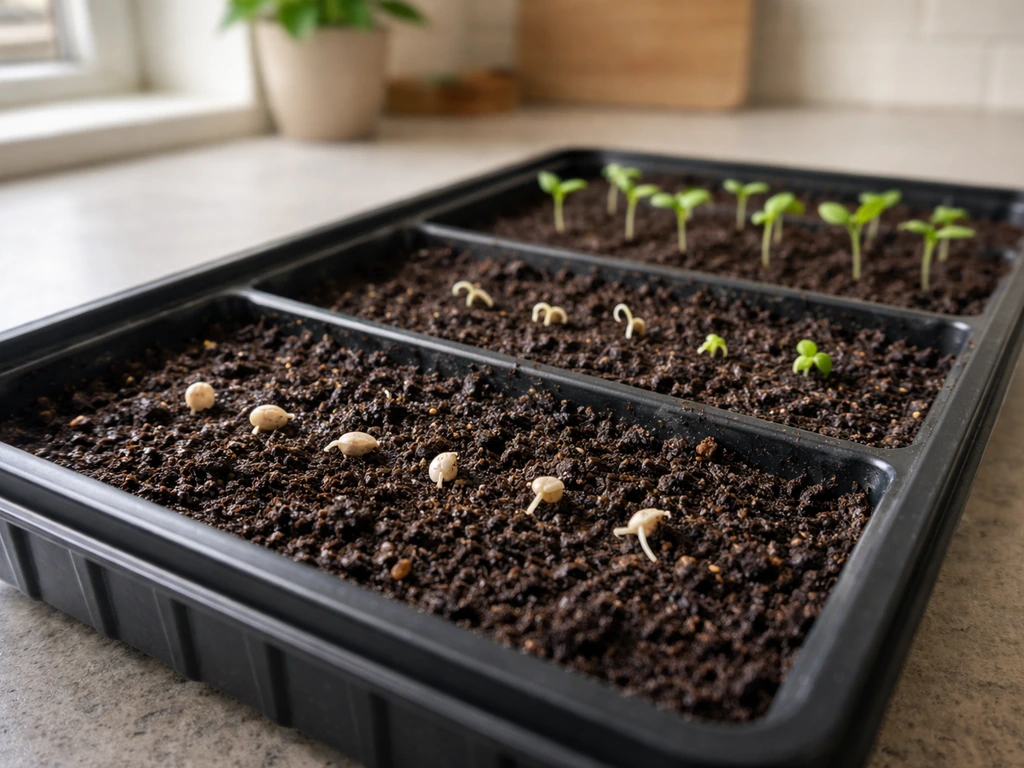
Knowing what normal looks like at each stage helps you catch problems early and avoid unnecessary worry.
- Days 1–7: Seeds are swelling and just beginning to crack open at ideal temperature. Nothing visible yet, but this is when consistent moisture and temperature matter most.
- Days 4–21: First sprouts appear. You'll see tiny seed leaves (cotyledons) pushing up, usually pale green. This is normal; they'll green up fast with light.
- Weeks 2–4: First true leaves emerge after the cotyledons. These look like miniature viola leaves with the characteristic heart shape. The seedling is establishing its root system underground.
- Weeks 4–6: Seedlings are visibly growing, developing two to four true leaves. Start feeding lightly with a diluted balanced fertilizer once a week if using a soilless seed-starting mix.
- Weeks 7–9: Seedlings should have four to six true leaves and a compact, sturdy habit if they've had cool temperatures and good light. This is transplant-ready stage.
- Weeks 10–14 (after transplant): First buds appear, followed by flowers. Cooler outdoor temperatures speed this up; warmth delays it.
When something goes wrong: troubleshooting slow or failed growth
Most viola germination failures come down to a small number of fixable problems. Here's how to diagnose what's actually going on.
No germination after 3+ weeks
- Temperature too high: Check soil temp. Anything above 72–75°F will inhibit viola germination significantly. Move the tray somewhere cooler or turn off the heat mat.
- No cold stratification: Perennial viola species (especially Viola odorata) almost always need a cold period. Annual types sometimes benefit from it too. If you skipped this step, try chilling remaining seeds and re-sowing.
- Old seed: Test a few seeds on a moist paper towel at 65°F. If fewer than half sprout in 14 days, the seed batch has poor viability.
- Buried too deep: Seeds sown deeper than 1/4 inch have a much harder time emerging. Re-sow at the correct depth.
- Too dry: If the medium dried out even once during the germination period, many seeds will have failed. Keep the surface consistently moist with a humidity dome.
Seedlings that are leggy or weak
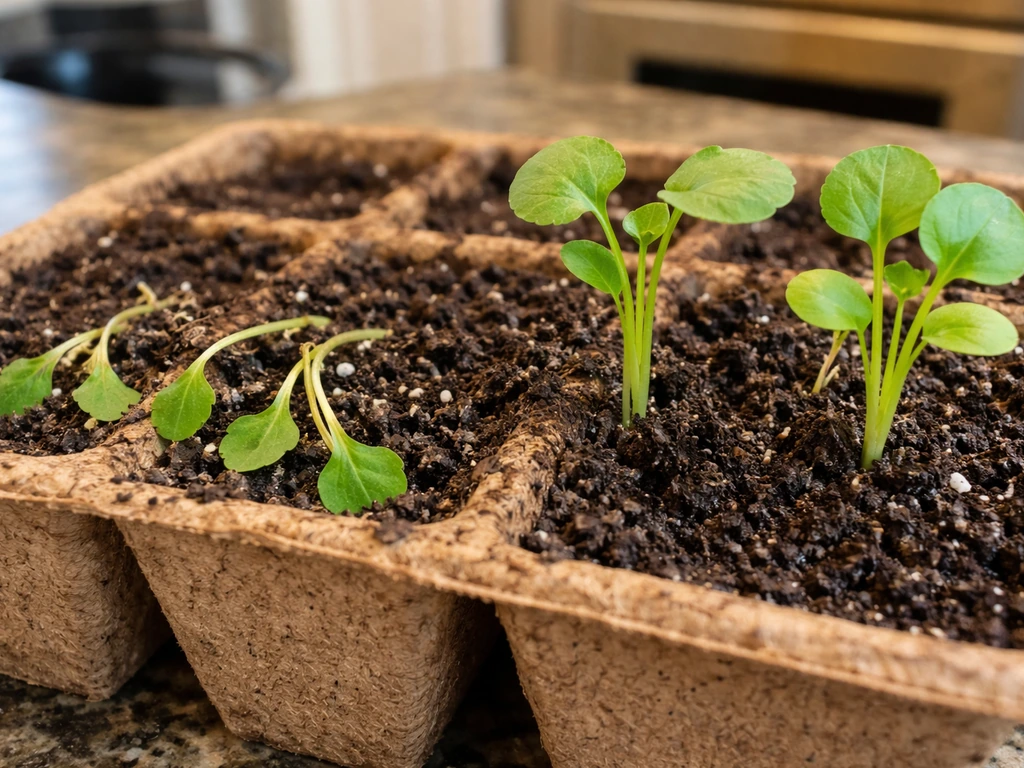
Leggy seedlings almost always mean insufficient light. Violas want bright light from day one after germination. A sunny south-facing windowsill helps, but in most homes, supplemental grow lights running 16 hours per day produce dramatically better seedlings. Temperature also plays a role: seedlings grown too warm stretch toward the light more aggressively. Keeping nighttime temperatures around 50°F slows stretch and promotes compact growth.
Damping off (seedlings collapsing at the soil line)
This is a fungal problem and once it starts in a tray it spreads fast. Damping off happens when seedlings stay wet for too long, especially in warm, stagnant air. The fix is good airflow (remove the humidity dome as soon as germination starts), watering from below rather than overhead, and not overwatering. If damping off hits part of a tray, remove affected seedlings immediately and improve ventilation. There's no treatment once it takes hold, only prevention.
Slow growth after transplanting
If your transplanted violas seem to stall, check temperature first. Violas thrive in cool conditions (45–65°F) and will slow down noticeably when daytime temperatures climb above 70°F. If you transplanted in a warm spell, they may just be waiting for cooler weather. Make sure they're not in standing water and that the soil has reasonable drainage. A light balanced fertilizer application can help if plants have been in low-nutrient conditions for several weeks.
Planning your planting schedule backward from bloom time
The easiest way to plan viola timing is to start from when you want flowers and work backward. Here are two common scenarios.
Spring blooms (temperate climates, zones 4–7)
If you want violas blooming in April or early May, count back 10 to 12 weeks. That puts your indoor seed-starting date in late January to mid-February. Sow seeds indoors around then, grow seedlings for 7 to 9 weeks, and transplant outdoors as soon as the soil is workable (violas handle frost well). Flowers follow 5 to 8 weeks after transplanting.
Fall blooms or overwintered plants (zones 6–9)
For fall color, count back 10 to 12 weeks from when you want blooms. Fall blooms in October in zone 7 mean starting seeds indoors in mid-July. Keep seedlings cool during the hot part of summer (this is the tricky part), and transplant in early September when temperatures drop. Alternatively, direct sow in late summer and let natural fall conditions do the work. In mild winter climates, fall-planted violas will often bloom through winter and into spring.
Quick reference: working backward from your target bloom
| Target Bloom Month | Transplant Outdoors By | Start Seeds Indoors By |
|---|---|---|
| April (spring) | Late February to early March | Late December to mid-January |
| May (spring) | Mid to late March | January to early February |
| October (fall) | Mid to late August | Mid to late June |
| November (fall) | Early to mid September | Early to mid July |
A few caveats: if you're growing perennial viola species that need cold stratification, add 4 to 6 weeks to the front of your timeline. And if you're in a region with a short, cool spring (zones 4 and 5), lean toward the earlier end of all these dates to make the most of the cool window before summer heat shuts blooming down.
Violas reward a little planning. They're forgiving plants once established, and their tolerance for cold makes them one of the more flexible flowers you can grow from seed. If you've been curious about other cool-season flowers with similarly specific timing requirements, verbena and vinca from seed follow a comparable indoor-start approach, though their germination conditions and heat tolerance differ meaningfully from violas. If you want to calculate the timeline for how long to grow vinca from seed, start by accounting for germination first, then plan your indoor grow time before transplanting verben a and vinca from seed. For the specific timeline of how long to grow verbena from seed, you can use a similar indoor-start approach and then adjust for verbena’s germination needs.
FAQ
Why are my viola seeds sprouting, but growth stops after the first tiny leaves?
This usually happens when temperatures swing too warm or the seedlings dry out between waterings. After germination, keep daytime temps in the cool range and maintain evenly moist (not soggy) media, then increase light intensity immediately so they do not weaken and stall.
How deep should I sow viola seeds if I keep getting poor germination?
Target about 1/4 inch (around 6 mm). If seeds are buried deeper, emergence slows dramatically or fails. If they are too exposed and the surface dries, germination also stalls, so cover lightly with a loose, moisture-holding layer.
Do I really need to cold stratify annual violas too?
Not usually, but a short cold period can improve uniformity, especially if your home stays warm. For annual types, a brief 1 to 2 week cool treatment (or reliable cool storage before sowing) can help when germination is inconsistent, without matching the long dormancy break some perennials need.
Can I use a heated seed mat, or will it ruin germination?
Heated mats often push conditions above the cool-season sweet spot, which can slow or stall seeds. If you use bottom heat, keep it in the low range associated with faster germination, or skip heat entirely and control temperature another way (location, timing, room cooling).
What is the earliest point I should transplant violas, and how do I know seedlings are ready?
Wait until they are sturdy enough to handle, typically after the seedling phase when they have developed a good root system and several true leaves. Transplanting too early can lead to a stutter, especially if the weather is still cool and damp, so prioritize healthy roots over just leaf size.
Will violas grow faster if I fertilize right after germination?
Usually no, and it can backfire. Start with light feeding only after seedlings establish and you see active growth, then use a balanced, diluted fertilizer. Overfeeding early can burn tender roots and encourage weak, stretched growth.
My seedlings look pale instead of dark green, is that a sign they need more time or more food?
Most of the time it is light, not fertilizer. Insufficient brightness produces weak, pale growth, so increase light first. If seedlings are otherwise healthy and lighting is adequate, then consider a mild, scheduled feed rather than heavy early fertilization.
How do I prevent damping off if my home stays humid?
Use airflow and remove any humidity cover as soon as you see sprouting. Water from below when possible, avoid overhead misting, and keep the surface from staying waterlogged. Also, use a sterile or fresh starting mix rather than reusing old potting soil.
Can I speed up the timeline by potting up earlier than transplanting outdoors?
Potting up can help if seedlings are root-bound or overcrowded, but it will not replace the basic heat and light needs. If you pot up too soon or keep them too warm, you may get leggy plants, which can delay bloom indirectly. Aim for cool conditions and consistent light when you step them into larger containers.
How long should I wait before assuming a viola seed batch is not viable?
If you have maintained the right temperature range and moisture, most annual viola seeds should sprout within about a week to around three weeks. If you are past three weeks with no signs, it is worth checking depth, media moisture, and temperature, and for perennials confirm that a proper cold stratification period occurred.
When I direct sow outdoors, why might emergence be delayed by weeks?
Outdoor soil temperature and moisture are the main variables. If nights are warm, seeds can slow down or fail to germinate. Also, wildlife and wind can dry the surface, so consider a light protective cover that does not overheat the bed while still allowing consistent moisture.
Next Article
How Long Does Malabar Spinach Take to Grow From Seed?
Timeline from seed to harvest for Malabar spinach, plus factors that change growth speed and fixes for slow germination.