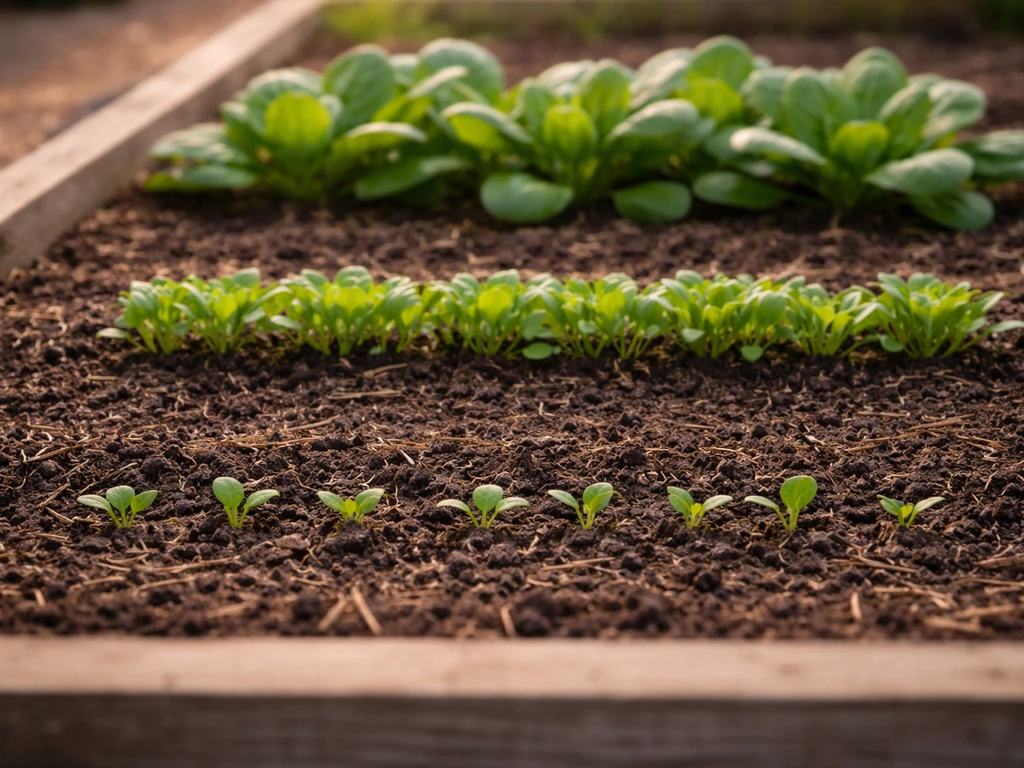
Mint takes about 10 to 16 days to germinate from seed, and you can expect a usable, harvestable plant somewhere between 60 and 90 days after sowing, depending on conditions. That said, mint from seed is notoriously variable. Some batches pop up in a week; others sit stubbornly for three weeks before anything happens. If you're planning a planting schedule, use 10–14 days as your germination target and 8–10 weeks as your window to first harvest, and you'll be in good shape.
How Long Does Mint Take to Grow From Seed? Timelines
Marcus Henley
14 Apr 2026
The full timeline from seed to harvest
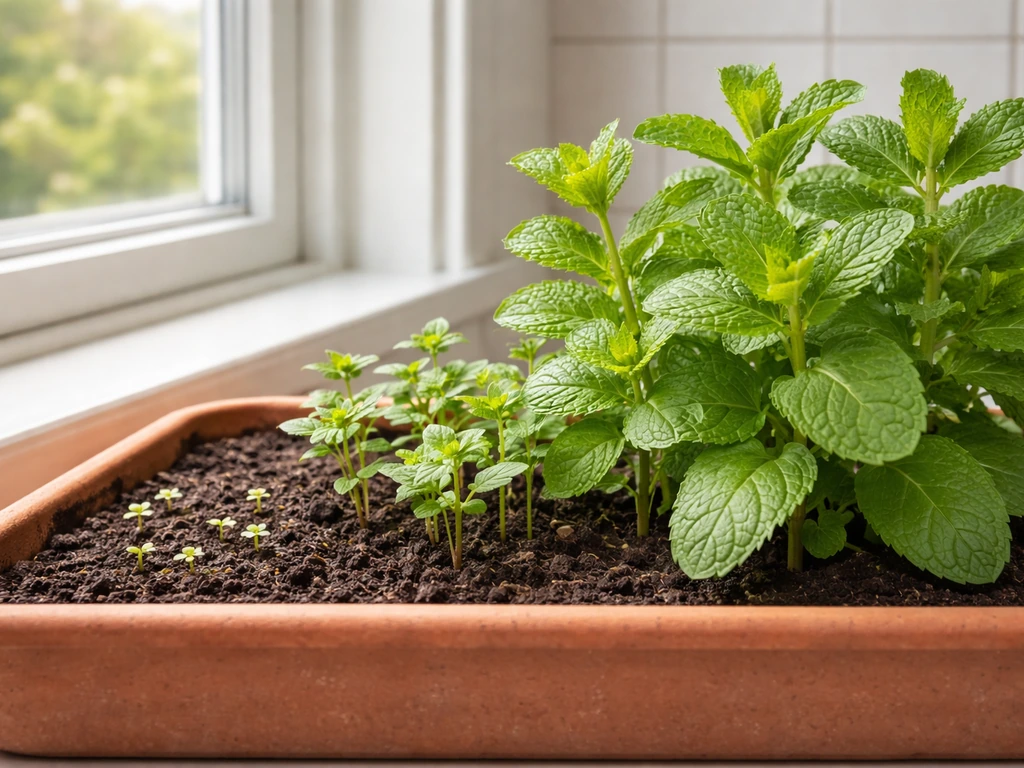
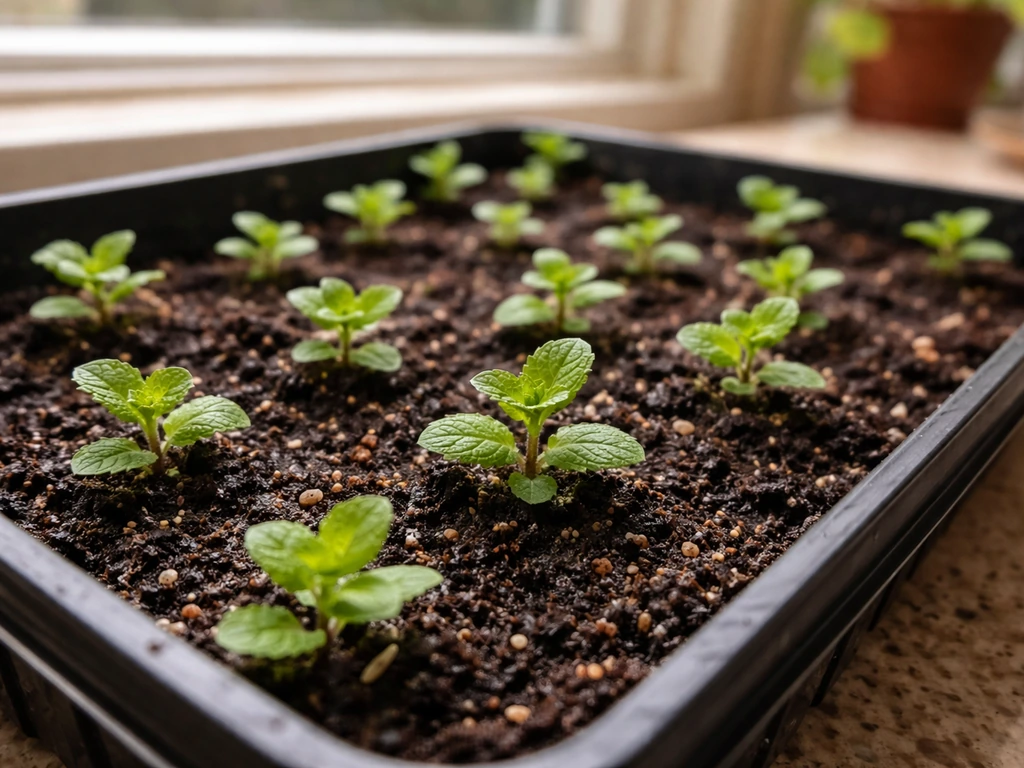
Here's how mint typically progresses from the day you sow to the day you can actually snip some leaves and use them.
| Stage | Typical Timeframe | Notes |
|---|---|---|
| Germination | 7–16 days | At 70–75°F (21–24°C); some varieties emerge as early as day 7 |
| Seedling establishment | 2–3 weeks after germination | True leaves appear; seedlings become sturdy enough to thin or transplant |
| Transplant ready (indoors start) | 4–6 weeks from sowing | Move to larger pot or outdoor bed after hardening off |
| First harvest | 60–90 days from sowing | Cut when stems are 4–6 inches tall; never take more than one-third at once |
| Full productive plant | 90–120 days from sowing | Established, bushy, and ready for regular harvesting |
One thing worth knowing upfront: most experienced growers don't start mint primarily from seed. Mint is typically propagated from cuttings or runners because the seeds are slow and the germination rate is uneven. But starting from seed absolutely works, and plenty of home growers do it successfully every year. You just need to go in with realistic expectations and a bit of patience.
Spearmint vs. peppermint: do they grow at different speeds?
The short answer is yes, slightly, though both land in a similar germination window. Here's where they differ in practice.
Spearmint (Mentha spicata)
Spearmint germinates in 7 to 21 days when kept at 65 to 75°F. The widest range comes from variable conditions, not the seed itself. In consistently warm, moist conditions at the upper end of that temperature range, you'll see sprouts closer to 10 days. In cooler or fluctuating conditions, it can stretch to three weeks. Spearmint seeds are surface-sown (more on that below) and mature to a harvestable size in roughly 60 to 70 days from sowing.
Peppermint (Mentha piperita)
Peppermint is a bit fussier. Germination typically takes 7 to 16 days at 70 to 75°F (21 to 24°C), with an ideal soil temperature closer to 62 to 65°F at the root zone. Days to maturity for peppermint is listed anywhere from 65 to 70 days (from sowing) up to 150 or more days from transplant, depending on the source and what "maturity" means to that grower. For practical harvesting, plan on 65 to 75 days from sowing to your first real cut. The University of Delaware “Grow Your Own Herbs” guide lists peppermint as taking blank" rel="noopener noreferrer">about 60 to 70 days to maturity. If you're transplanting seedlings you started indoors, give it another 2 to 3 months in the ground before the plant is truly established and productive. Direct sowing peppermint in the garden is generally not recommended because the seeds are so fine and the germination conditions are hard to control outdoors. Starting indoors under controlled conditions gives you a much better success rate.
| Type | Germination Time | Days to First Harvest | Ideal Soil Temp | Surface Sow? |
|---|---|---|---|---|
| Spearmint (Mentha spicata) | 7–21 days | 60–70 days | 65–75°F | Yes |
| Peppermint (Mentha piperita) | 7–16 days | 65–75 days | 62–75°F | Yes (indoors only) |
If you're also growing other herbs from seed this season, the timelines for mint compare interestingly to how long basil takes to grow from seed, which germinates faster but needs warmer soil temperatures to thrive consistently.
What actually controls how fast mint grows
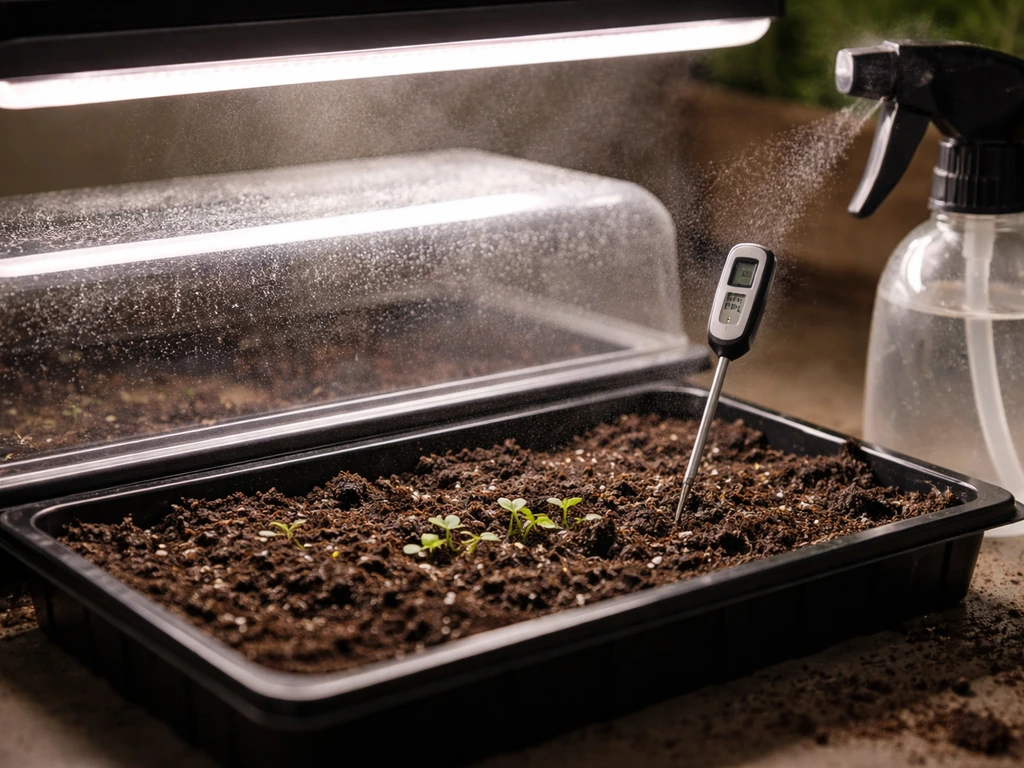
Germination speed and seedling growth aren't random. Five factors do the most work, and getting them right can cut days off your wait time.
Temperature
This is the biggest lever you have. Mint germinates best at 70 to 75°F (21 to 24°C). Below 65°F, germination slows noticeably and can stall entirely. Above 80°F, you risk damping off and weakened seedlings. A heat mat under your seed tray is the simplest way to hold that sweet spot consistently, especially in spring when indoor temperatures fluctuate.
Light
This is where mint gets a little contradictory. Some sources say light aids germination for spearmint; others note that light is not strictly required. What is clear is that once sprouts appear, light is critical. Inadequate light produces leggy, weak seedlings that won't establish well. Keep a grow light directly above the tray (not off to the side, or seedlings will lean and become less sturdy) and move seedlings to bright light the moment germination is underway.
Moisture
Mint seeds need consistent moisture to germinate, but overwatering is one of the fastest ways to kill seedlings. The goal is evenly moist, not wet. If you're using a humidity dome or plastic cover over your seed tray, the sealed environment retains moisture well enough that you typically won't need to water again until after germination, when you remove the cover. Once the plastic comes off, check moisture daily and water from the bottom whenever possible to avoid disturbing tiny seeds or encouraging damping off.
Soil and sowing depth
Use a fine-textured, loose, well-draining seed-starting mix. Do not use regular garden soil or potting mix in seed trays; it compacts too easily and holds too much moisture. The mix should be moist before you sow. As for depth: mint seeds are surface-sown. You press them gently into the surface of the mix but do not cover them with soil. Burying the seeds, even shallowly, can reduce or prevent germination. One common reference suggests about 1/4 inch, but for very fine mint seeds, surface contact with gentle pressure is the better approach. Covering with a thin layer of fine vermiculite is acceptable if you want some protection while still letting light reach the seed.
Stratification (for some varieties)
Most standard spearmint and peppermint seeds don't need cold stratification. However, some specialty or pelleted mint varieties benefit from a warm/moist period followed by a cold treatment (around 33 to 35°F for 4 to 6 weeks) before germination kicks in. If you're working with a pelleted or native-type mint seed and germination is stalled, check the seed packet instructions because stratification requirements vary by supplier and cultivar.
How to sow mint seeds for the fastest germination
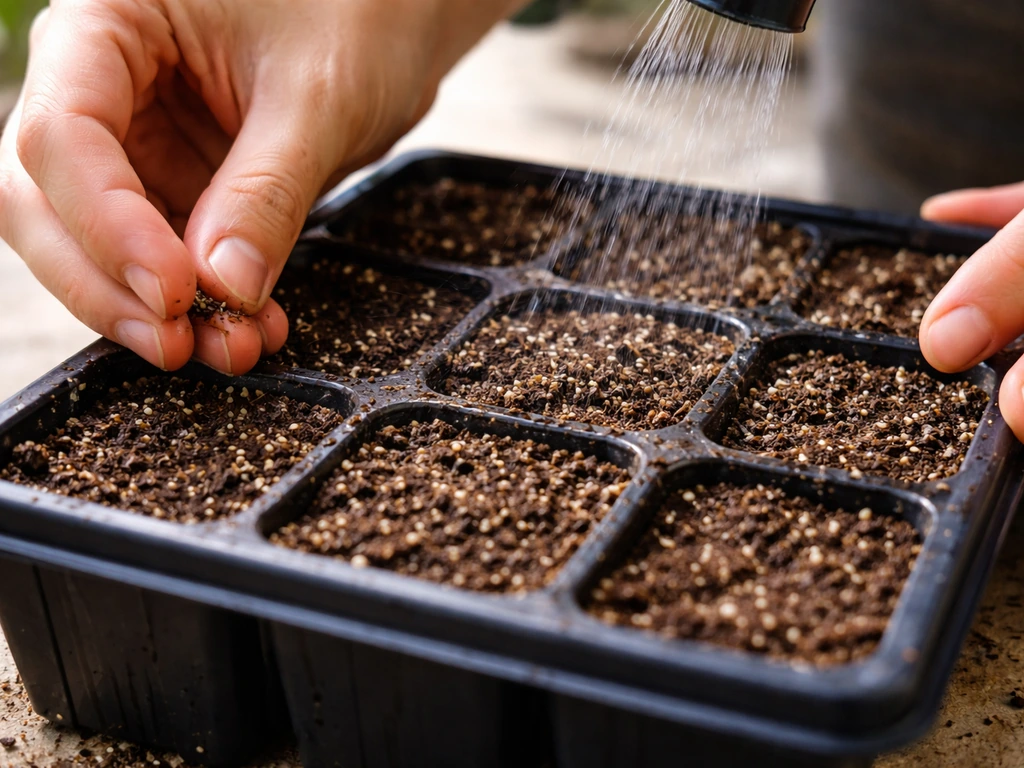
Follow these steps in order, and you'll give your seeds the best shot at the fast end of that 7 to 16 day window.
- Fill seed trays or small pots with a fine-textured, well-draining seed-starting mix. Moisten the mix thoroughly before sowing so water doesn't disturb seeds later.
- Scatter mint seeds across the surface. They are very small, so spreading them thinly takes some patience. Aim for a few seeds per cell if using cell trays.
- Press seeds gently into the surface with your fingertip or a flat board. Do not cover with soil or compost. Light contact with moist mix is all they need.
- Cover the tray with a humidity dome or clear plastic wrap to hold moisture and warmth. If using plastic wrap, don't seal it airtight; leave a small gap for minimal air circulation.
- Place on a heat mat set to 70–75°F, or find a consistently warm spot. A cold windowsill will slow things down significantly.
- Check daily. Once you see the first sprouts (typically days 7 to 10 under good conditions), remove the dome immediately and move the tray under a bright grow light positioned directly above.
- Water from the bottom once the dome is off, keeping moisture consistent but never soggy. Thin seedlings to one per cell once they have their first true leaves.
Common mistakes that slow things down
- Covering seeds with soil: the single most common mistake with mint; even a thin cover can block germination
- Sowing into dry mix and watering from above: disturbs seeds and creates uneven moisture
- Leaving the humidity dome on too long: once sprouts appear, the dome traps too much moisture and promotes damping off
- Using old seeds without testing viability: mint seed viability drops noticeably after one to two years; add extra seeds per cell or test germination rate on a damp paper towel first
- Starting too late in the season indoors: mint benefits from 8 to 10 weeks indoors before outdoor transplant; plan accordingly
Container vs. in-ground: what to expect from each
Mint grows well in both containers and in-ground beds, but the experience of growing from seed differs between the two in ways that affect your timeline.
Growing mint in containers
Containers give you control over temperature and moisture, which is exactly what mint seeds need. You can move pots indoors when temperatures drop, adjust watering more precisely, and avoid competition from weeds or neighboring plants. A mint plant grown in a 6 to 12 inch container from seed can be harvestable in as little as 60 days under good conditions. The downside is that containers dry out faster, which means more frequent watering checks. Also, mint is an aggressive spreader, and a container keeps that spreading habit in check, which is often a benefit rather than a limitation. If you're growing on a balcony or patio, containers are genuinely the better option for mint.
Growing mint in-ground
Direct sowing mint seeds in the garden is difficult and generally not recommended for peppermint. The seeds are tiny, germination is erratic outdoors where temperature and moisture are harder to control, and slugs and birds can be a problem. The better approach for in-ground mint is to start seeds indoors, grow seedlings for 6 to 8 weeks, harden them off over 7 to 10 days by gradually exposing them to outdoor conditions, and then transplant. Once in the ground, mint establishes quickly and spreads aggressively. If you skip the containment step (like burying a pot in the ground), you may find mint taking over a significant patch of your garden within a season or two. Plan accordingly.
The care requirements for mint in terms of soil, moisture, and sun are broadly similar to other leafy herbs. If you've had success with how long spinach takes to grow from seed, you already understand the rhythm of managing moisture-sensitive seedlings through to harvest.
When mint is slow or nothing comes up at all
If you're at day 21 and still seeing nothing, don't give up yet. Work through this checklist before starting over.
Check temperature first
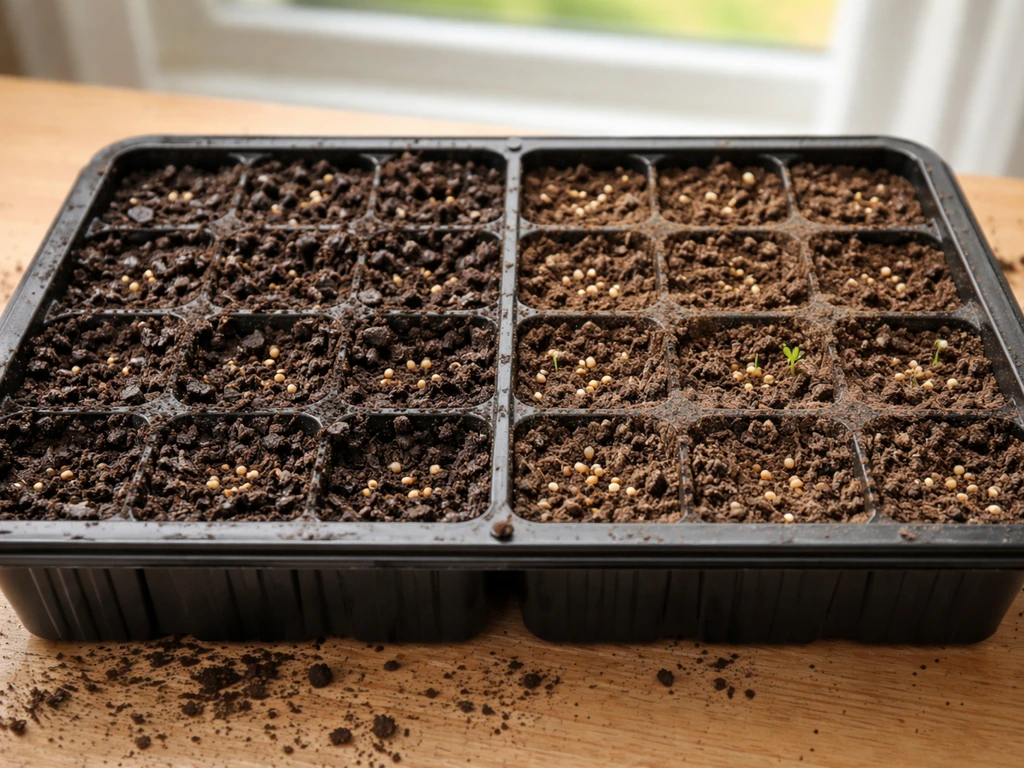
This is the most common culprit. A room that feels warm can still have a seed tray sitting at 60°F, especially near a window in early spring. Use an inexpensive soil thermometer to check the actual temperature at tray level. If it's below 65°F, add a heat mat and give it another week before making any other changes.
Check seed coverage
If you covered seeds with even a thin layer of soil or compost, that alone can block or delay germination significantly. For future sowings, press seeds into the surface without covering. If you suspect this is the issue, carefully scrape back any coverage and re-firm the seeds against the moist surface.
Check moisture levels
Seeds need consistent moisture, but wet soil that sits without air movement encourages rot and damping off. The mix should feel like a wrung-out sponge: moist but not dripping. If your mix looks waterlogged or smells musty, you may have lost the seeds to rot. Lift the humidity dome for a couple of hours each day to allow some air exchange.
Check seed viability
Mint seeds lose viability relatively quickly. Seeds more than two years old may have germination rates below 50%, meaning you need to sow more heavily to compensate. Before your next sowing, do a quick paper towel test: dampen a paper towel, place 10 seeds on it, fold it over, put it in a plastic bag, and check after 10 to 14 days. If fewer than 6 germinate, your seed batch is past its prime. Sow more densely or buy fresh seed. This kind of patience and diagnostic thinking is the same approach useful for slower-growing plants, like when you're figuring out how long stevia takes to grow from seed, which has its own germination quirks.
Check seasonal timing
If you're sowing mint in late summer or early fall with the intent of growing outdoors, the shortening days and dropping temperatures will slow or stall seedling growth. Mint is a perennial and will survive winter in many climates, but seedlings started from seed in fall rarely get established enough to be harvestable before winter. Spring sowing (indoors 8 to 10 weeks before last frost) is the most reliable schedule for first-year production.
What comes next after your seedlings are up
Once your mint seedlings have their first set of true leaves (not the initial seed leaves), thin to the strongest plant per cell, start feeding lightly with a diluted liquid fertilizer every two weeks, and increase light intensity. A grow light at 16 hours per day keeps seedlings compact and sturdy. If you're growing near a window, rotate the tray every couple of days so plants don't lean.
Before transplanting outdoors, harden off seedlings over 7 to 10 days: start with an hour of outdoor exposure in a sheltered spot, adding more time each day until they're out all day. Skipping this step often results in transplant shock and a setback of 2 to 3 weeks, which defeats the purpose of getting your timing right from the beginning.
Once established outdoors, mint is one of the easier perennial herbs to maintain. It handles partial shade better than most, tolerates a range of soil types as long as drainage is decent, and will reward regular cutting with bushier, more productive growth. The effort you put into the seed-starting phase pays off with a plant that essentially runs itself for years. If you enjoy growing perennial plants from seed, you might find it interesting to look at a very different challenge: how long arborvitae takes to grow from seed, where the patience required is measured in years rather than weeks.
FAQ
If my mint seeds germinated, how long until I can harvest usable leaves?
After sprouts appear, expect first usable snips roughly 60 to 90 days from sowing, but you can often start minor leaf harvesting earlier (around the first true-leaf stage) only for taste, not heavy cutting. Wait for a fuller set of true leaves before taking regular harvests so the plant can keep building roots and runners.
Why did my mint take 3 weeks to germinate even though I kept it warm?
Two common causes are seed-to-mix contact and cover depth. Mint is surface-sown, if seeds were buried even slightly, germination can slow a lot. Also, if the surface dried out briefly between watering checks, you can get delayed, uneven emergence even with the right temperature.
Does mint need cold stratification to sprout faster?
Most standard spearmint and peppermint do not require it. Cold treatment is mainly for certain specialty, pelleted, or native-type varieties, and applying cold when it is not needed can actually prolong the wait. If germination stalls, check the seed packet for cultivar-specific instructions before you add a cold phase.
What temperature should I aim for during germination, room air or soil temperature?
Target the root-zone or seed-tray temperature. A room can feel warm while the tray sits near 60°F, especially near windows in spring. If the tray is below about 65°F, use a heat mat and confirm with a thermometer placed at seed level, not just on the desk.
Can I speed things up by soaking mint seeds before planting?
Soaking is optional and not a reliable shortcut. If you choose to pre-soak, keep the timing short and ensure the seeds do not over-dry afterward, then plant quickly into moist mix. The larger speed gains usually come from correct temperature, surface sowing, and steady moisture rather than soaking.
How do I know if my seeds are failing versus just slow?
If nothing appears by day 21, troubleshoot before restarting. Confirm tray temperature, verify seeds were not covered, and check moisture level (aim for damp like a wrung sponge). If the mix stays soggy or smells musty, damping off or rot may be the reason, and starting fresh seed may be faster than waiting longer.
Should I transplant mint seedlings into a bigger pot before outdoors?
Yes, if seedlings are crowded or light levels are limited indoors. Transplanting can help prevent leggy growth and improve airflow around roots. Plan extra time, about 2 to 3 months for seedlings to become truly productive after transplant when grown for first-year harvest.
Is it better to direct sow mint outside or start indoors for timing?
For best odds and predictable timing, start indoors. Outdoor direct sowing is harder for peppermint because seeds are tiny and conditions vary, which can lead to erratic emergence. If you want in-ground mint, start seedlings indoors for 6 to 8 weeks, harden off for 7 to 10 days, then transplant.
Can I grow mint from seed in late summer and still harvest before winter?
Often not reliably. Shorter days and cooling temperatures can slow seedling growth, so fall-planted seedlings may not be harvestable before winter. For first-year leaf production, spring sowing is the more dependable schedule.
Do older mint seeds still work, and how should I adjust?
Mint seed viability drops, and batches older than about two years can have germination below 50%. If you suspect age or low viability, sow more densely or test with a paper towel method, then plan a longer or backup schedule rather than assuming the usual timelines.
Next Article
How Long Does Spinach Take to Grow From Seed
See realistic seed-to-harvest timelines for spinach and what speeds or slows germination, growth, and baby leaf harvest.