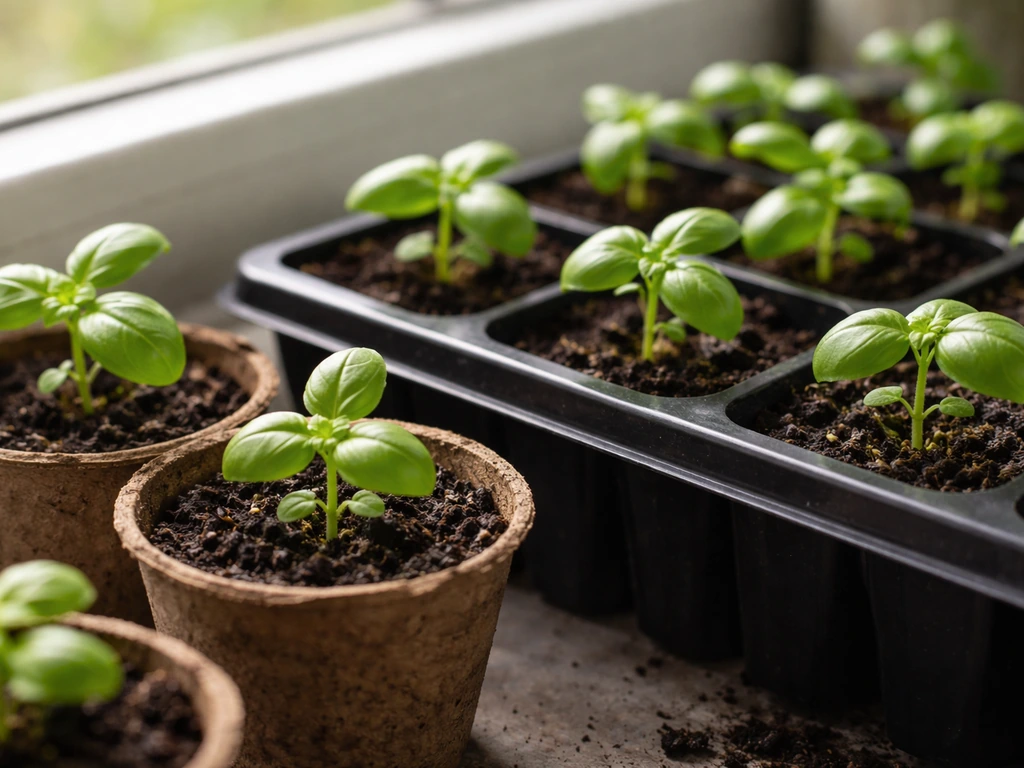
Spinach takes about 40 to 50 days from seed to a full harvest, and as few as 30 days if you're picking baby leaves. Before you see anything above the soil, expect germination to take 7 to 10 days under good conditions, sometimes as fast as 5 to 6 days if the soil temperature is sitting right around 60°F to 70°F. That's the short answer. If you want to plan your garden properly, though, the details matter, because spinach is one of those crops where the conditions you plant into can either tighten that timeline significantly or stretch it out by weeks.
How Long Does Spinach Take to Grow From Seed
Marcus Henley
8 Apr 2026
From sowing to first sprout: what to expect
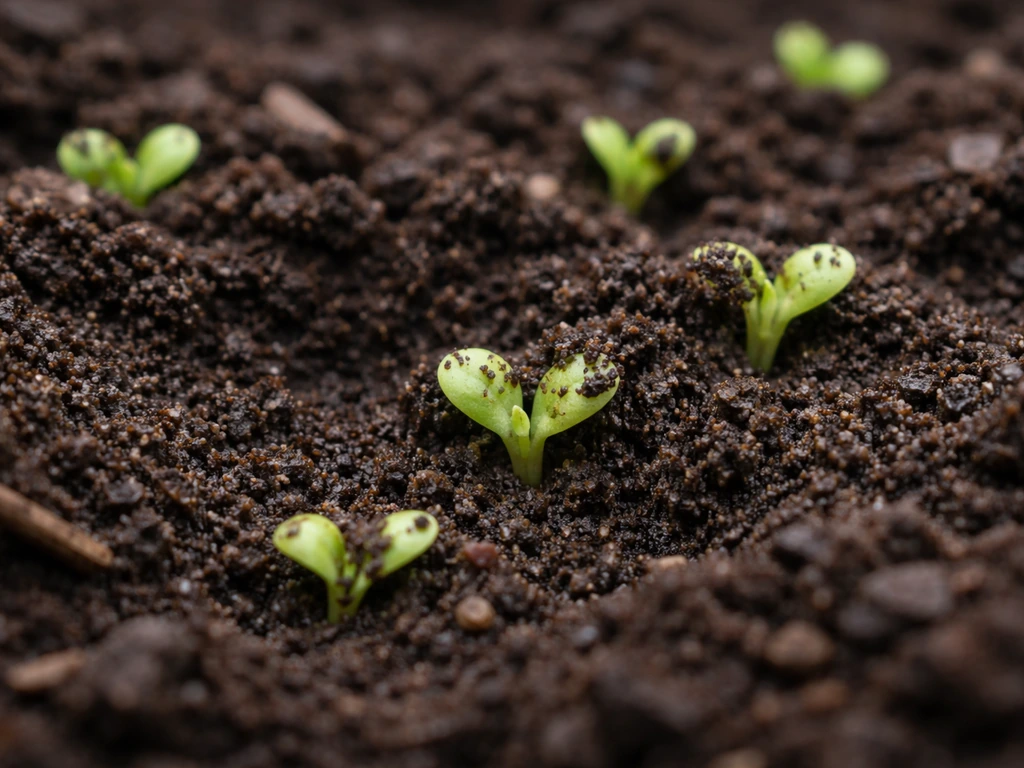
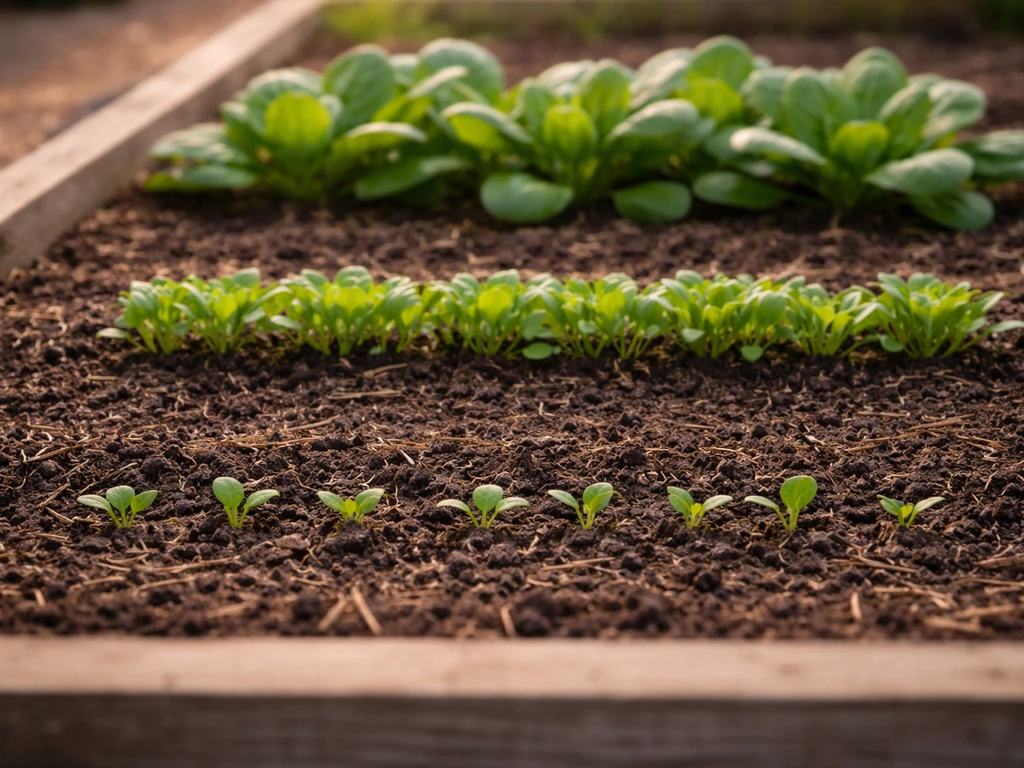
Spinach germinates best when the soil temperature is somewhere between 45°F and 68°F. In that sweet spot, you'll typically see the first cotyledons (the tiny seed leaves that push up first) within 7 to 10 days of sowing. Under truly optimum conditions, some research puts that number even lower, around 5 to 6 days. When I've had a bed sitting at about 60°F to 65°F with consistent moisture, I've seen little green loops breaking the soil surface in as few as 5 days.
The germination window is fairly forgiving on the cool side. Spinach can still germinate at soil temperatures as low as 45°F, just more slowly. On the hot side, it gets picky fast. Once soil temperatures push toward 85°F, germination rates drop significantly and you may get very little to no sprouting at all. That's why spinach is firmly a cool-season crop and why timing your planting around temperature, not just calendar dates, makes such a difference.
The seedling stage: what growth looks like after sprouting
After germination, spinach moves through its seedling stage fairly quickly. The first true leaves (the ones that actually look like spinach) typically appear within a week or so after the cotyledons emerge. Over the next 2 to 3 weeks, the plant establishes its root system and starts putting out a small rosette of leaves. By around 3 weeks from sprouting, you'll have recognizable little spinach plants that are actively growing.
During this seedling stage, the most important thing is keeping the soil consistently moist without letting it get waterlogged. Spinach is sensitive to saturated soil, and soggy conditions can stall growth or cause seedlings to fail entirely. Equally, moisture fluctuations, alternating between dry and wet, can cause leaves to become tough and slow the plant's development toward a harvestable size. Think of even moisture as the single biggest thing you can control at this stage.
If you're growing multiple plants (and you almost certainly are), thinning matters more than most people expect. Overcrowded seedlings compete for light, water, and nutrients, which stunts their growth and can actually push them to bolt earlier than they otherwise would. Thin to about 3 to 4 inches apart for baby leaf production, or 6 inches apart for full-size plants.
Seed to harvest: baby leaves vs. full-size spinach
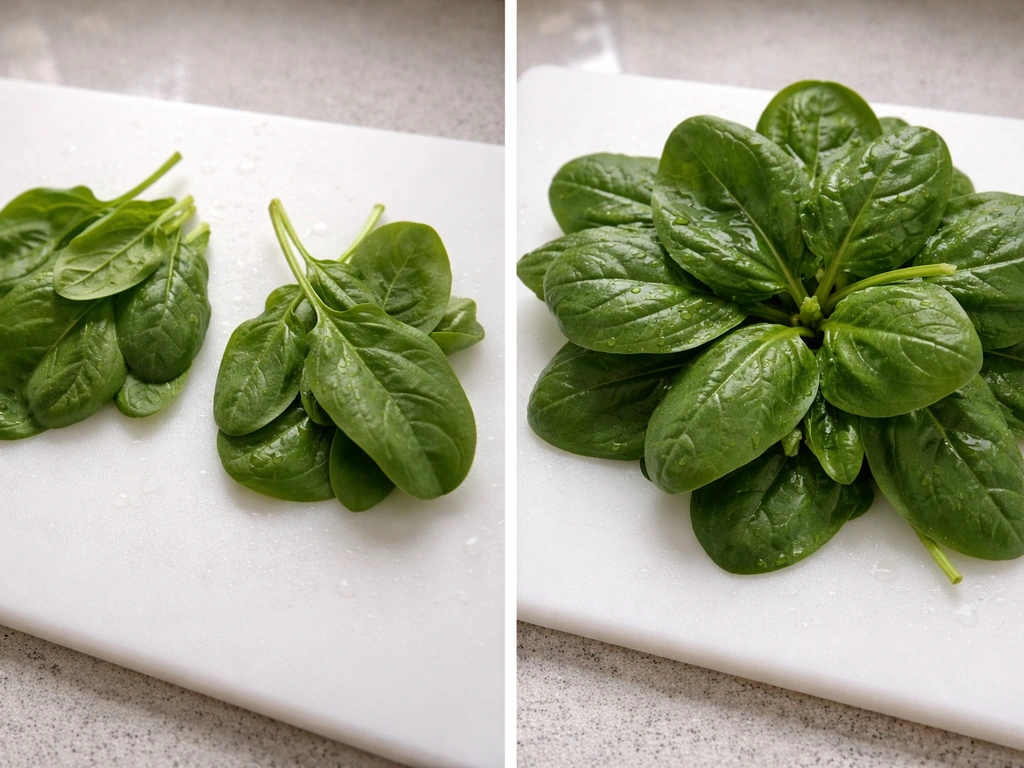
This is where the real planning happens, and the answer changes based on what kind of harvest you're after.
| Harvest Type | Days from Sowing | What to Look For |
|---|---|---|
| Baby leaves | ~30 days | Leaves 2–3 inches long, tender and mild |
| Semi-mature | 35–45 days | Rosette filling out, leaves 3–5 inches |
| Full-size / mature | 40–70 days | Full rosette, leaves 5–6+ inches, harvest before bolting |
| Bloomsdale variety (example) | 40–48 days | Harvest before flowering begins |
Baby spinach is ready to pick at around 30 days from sowing. At that point, the leaves are small, sweet, and perfect for salads. If you're growing for full-size leaves, most varieties hit maturity somewhere between 40 and 50 days, with some taking up to 70 days depending on the cultivar and conditions. Bloomsdale Long Standing, one of the most popular home garden varieties, typically matures at 40 to 48 days and should be harvested before it starts to flower. The key rule regardless of variety: harvest before the plant bolts. Once spinach sends up a flower stalk, the leaves turn bitter quickly.
For baby-leaf production under good conditions, Iowa State University Extension research describes crops blank" rel="noopener noreferrer">reaching maturity in as few as 3 to 5 weeks. For full-size production, Oregon State University Extension puts the number at 40 to 50 days. Virginia Cooperative Extension gives a broader range of 40 to 70 days to account for variation in cultivars and growing conditions. Virginia Cooperative Extension also notes that spinach typically takes about 40 to 70 days to mature from seed, depending on cultivar and growing conditions blank" rel="noopener noreferrer">40 to 70 days from seed. Plan around the 40 to 50 day mark as your realistic baseline, and treat anything faster as a bonus.
What actually changes how fast spinach grows
Temperature is the single biggest lever. Spinach grows most rapidly when air temperatures are between 60°F and 65°F. Below 40°F and growth slows to a crawl. Above 75°F and the plant starts prioritizing flowering over leaf production. At around 80°F, bolting becomes a real risk. So if you're planting in shoulder seasons and the weather turns warm faster than expected, your 45-day spinach might only give you a 30-day harvest window before the flavor degrades.
Soil temperature controls germination speed more than anything else. You can plant on a warm sunny day in early spring, but if the soil is still at 40°F, germination will be slow and erratic. A simple soil thermometer is worth having. Aim for at least 45°F before sowing, and closer to 60°F to 68°F for the fastest, most reliable sprout times.
Light matters too, especially after seedlings are established. Spinach does best with at least 4 to 6 hours of sunlight per day. Less than that and leaf growth slows noticeably. Full sun is ideal for spring and fall plantings when temperatures are cool enough that the extra heat doesn't push the plant toward bolting.
Sowing depth is something a lot of people get wrong. The standard recommendation from multiple extension sources, including Virginia Cooperative Extension and Washington State University Extension, is to plant at about 1/2 inch deep. Planting deeper than that delays and can prevent emergence, especially if the soil forms a crust as it dries. A hard soil crust over shallow-planted seeds is one of the most common reasons for patchy or failed germination.
Watering consistency affects the whole timeline from germination through harvest. Inconsistent moisture, especially during germination, is a fast way to get poor results. Keep the top inch of soil moist until you see sprouts, then maintain even moisture through the growing period. Avoid overhead watering late in the day if you can, since wet foliage overnight can invite disease.
How to plant spinach seeds for the fastest, most reliable results
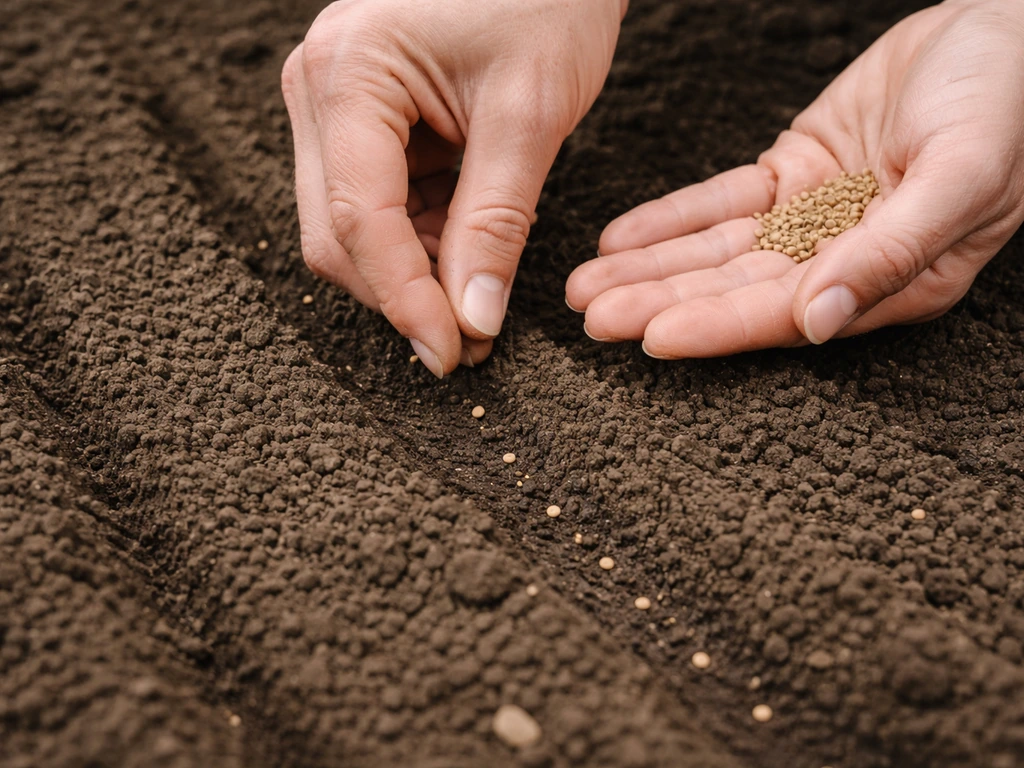
Start with moist, well-drained soil. Spinach does not like to sit in soggy ground, and poor drainage will slow growth or cause seedling loss more reliably than almost anything else. Work in some compost if your soil is compacted or sandy.
- Check soil temperature: wait until it's at least 45°F, ideally 60°F to 68°F for fastest germination.
- Sow seeds 1/2 inch deep. Not shallower (they dry out too fast), not deeper (they struggle to emerge).
- Space seeds about 2 inches apart in rows 12 inches apart, or scatter 6 to 8 seeds per spot and thin after germination.
- Water gently right after sowing to settle soil contact around the seeds without washing them out.
- Keep the soil consistently moist until germination, which typically takes 7 to 10 days.
- Once seedlings reach about 2 inches tall, thin to 3 to 6 inches apart depending on whether you're growing baby leaves or full-size plants.
- Consider a row cover in very early spring to boost soil temperatures by a few degrees and protect against late frosts.
The scattering method, placing 6 to 8 seeds at each spot on moist soil before covering lightly, gives you good germination coverage and lets you thin to the strongest seedling afterward. It's a practical way to hedge against patchy germination, especially in early spring when soil temps are borderline.
Slow germination, no sprouts: how to troubleshoot
If it's been more than 14 days and you're seeing nothing, the most likely culprits are soil temperature, soil crust, or moisture. Check whether the top inch of soil has been drying out between waterings. In cool spring weather, it's easy to assume seeds are getting enough water when they're actually drying out in the top layer where the seeds sit.
Soil crust is a real issue in clay-heavy or compacted soils. If the surface has dried into a hard layer, seedlings physically can't push through even if germination has started underground. Break up the crust gently with a fork or hoe, and water more carefully going forward, light and frequent rather than heavy and infrequent.
If you planted in warm conditions and soil temperatures have already crept above 85°F, that's likely your problem. Germination drops sharply at that point and may not recover until temperatures fall. In that case, wait for cooler weather and re-sow rather than hoping the current seeds will catch up.
Old or poorly stored seed can also explain low or no germination. Spinach seed viability drops over time. If your seeds are more than 2 to 3 years old or were stored somewhere warm and humid, germination rates may be poor regardless of conditions. When in doubt, do a quick germination test: place 10 seeds on a damp paper towel, fold it up, and check after 7 to 10 days. If fewer than 6 or 7 sprout, it's worth getting fresh seed before committing a whole bed.
Re-sowing is often the right call, and spinach's fast timeline makes it a low-cost decision. If it's still within your planting window (cool enough that the new crop will mature before heat arrives), just re-sow. You haven't lost much time.
Planning by season: when to plant spinach where you live
Spinach is a cool-season crop, which means you're working with two main windows in most climates: early spring and fall. Understanding which window works for you, and how to time it precisely, is what separates a reliable harvest from a bolted disappointment.
Spring planting
Sow as soon as soil temperatures reach 45°F in spring, which in many regions means 4 to 6 weeks before your last expected frost date. University of Maryland Extension recommends sowing early in the spring once that 45°F threshold is met. The goal is to get plants established and producing before summer heat arrives. With a 40 to 50 day seed-to-harvest window, you can work backward from the date when temperatures typically reach 80°F in your area and make sure you're sowing early enough. A row cover can extend that window by a week or two if warm weather arrives unexpectedly early.
Fall planting
Fall is often the better window for spinach because temperatures are cooling rather than warming, which means your harvest window gets longer as the season progresses rather than shorter. To time a fall planting, count back from your average first frost date. South Dakota State University Extension uses an example of planting around August 6 for a mid-September frost date, assuming 40 days to maturity. West Virginia University Extension's succession planting data lists spinach at 45 to 60 days to harvest and shows plantings running from August through October for fall production. Find your first frost date, subtract 45 to 60 days, and that's your fall sowing target.
Overwintering and very early spring
In mild climates and with a bit of protection, spinach can be overwintered. If plants have developed 4 to 5 true leaves by late fall, they can survive winter dormancy and resume growth in early spring, giving you an extremely early harvest without waiting for spring germination. This is a useful trick if you're in a zone where winters are cold but not brutal.
Succession planting
Rather than one big sowing, try staggering plantings every 2 to 3 weeks during your cool-season windows. This gives you a continuous harvest instead of a single glut. It also reduces your risk if one sowing has germination problems.
If you're also growing other quick-maturing herbs and greens alongside your spinach, it's worth knowing the timeline differences. For example, how long basil takes to grow from seed is quite different, since basil is a warm-season plant that needs completely opposite conditions. Similarly, if you're thinking about pairing spinach with something like mint grown from seed, knowing that mint has its own germination quirks will help you coordinate your planting schedule.
For something more unusual in the edible garden, growing stevia from seed also has timing nuances worth understanding if you're planning a broader herb and greens setup. Stevia from seed has a different schedule, so if you're wondering how long it takes to grow stevia from seed, plan your sowing dates accordingly how long does it take to grow stevia from seed. And if your garden planning extends beyond edibles to longer-term plantings, the contrast with something like growing arborvitae from seed really underscores just how fast spinach is by comparison.
The realistic spinach timeline at a glance
| Stage | Typical Timing | Notes |
|---|---|---|
| Germination (first sprout) | 5–10 days after sowing | Faster at 60–68°F soil temp; slower below 50°F |
| Seedling establishment | 1–2 weeks after germination | First true leaves appear; thin during this stage |
| Baby leaf harvest | ~30 days from sowing | Leaves 2–3 inches; can start cut-and-come-again |
| Full-size harvest | 40–50 days from sowing | Most varieties; some take up to 70 days |
| Bolt risk begins | When temps exceed 75–80°F | Harvest quickly once warm weather arrives |
Spinach rewards early, cool-weather planting and consistent care. If you want a similar “from seed to harvest” planning approach for woody evergreens, see how long to grow arborvitae from seed as a related comparison. If you hit the soil temperature window, keep moisture even, plant at the right depth, and thin your seedlings, you'll hit that 40 to 50 day target reliably. Miss one of those factors, especially temperature, and the timeline stretches or the harvest window shrinks. The good news is that spinach is fast enough that if one sowing doesn't work out, you usually have time to try again before the season closes.
FAQ
Can I harvest spinach more than once, or is it a single harvest?
It depends on whether you’re harvesting baby leaves or full-size, and on when the crop bolts. If you only need the first cut, you can start picking baby leaves around 30 days after sowing and repeat harvests for a short window, as long as temps stay cool and you avoid cutting into the crown too aggressively. For full-size harvest, plan a single main pick closer to 40 to 50 days and harvest before flowering begins.
Do I really need to thin spinach, and how much spacing should I keep?
Yes. You can sow in rows or broadcast, and then thin once seedlings are up. For best growth, keep about 3 to 4 inches between plants for baby-leaf production or around 6 inches for full-size heads. If you don’t thin, crowding usually leads to slower leaf expansion and a higher risk of earlier bolting under warmth.
What’s the best way to harvest spinach for flavor and continued leaf production?
Spinach can be harvested leaf-by-leaf or as a whole plant. Leaf-by-leaf harvest typically works best for baby leaves and early full-size pickings, but for a tidy harvest you can cut the entire rosette at ground level once leaves reach the size you want, then remove plants promptly if they start to flower. If flowering starts, delaying harvest usually worsens bitterness.
How does cold or a brief cold snap affect how long spinach takes to grow?
Yes, but protect the plants from heat spikes. After germination, prolonged cool weather generally slows growth, but the bigger threat to leaf quality is warm soil and air temperatures that push spinach toward bolting. If a heat wave is expected, use shade cloth or row cover strategically, aiming to keep plants from overheating rather than trying to force extra growth.
What should I do if my spinach is ready to harvest but it’s getting warm, or I notice signs of bolting?
If you planted early and spinach is ready but your weather is turning warm, harvesting sooner is the quickest way to preserve sweetness. Once plants initiate a flower stalk, leaves tend to get noticeably bitter and won’t “sweeten up” again even if temperatures later cool. In practice, you’ll usually get the best flavor by harvesting at the first sign of bolting instead of waiting for a later date.
Should I save seed or reuse the same spinach seed if germination seems slow?
It’s usually not a good idea to re-use old spinach seed from the same packet if you suspect poor germination, but you can test viability before committing. Do a quick germination test with a small sample (for example, 10 seeds) on a damp towel and count sprouts after about a week. If fewer than about half sprout, it’s generally more time-efficient to get fresh seed and re-sow.
What’s the best planting strategy if my springs are unpredictable or my summers start early?
Start with the cool-season planning window, then adjust for your microclimate. If you’re in a place where summer heat arrives quickly, prioritize fall planting or stagger small spring sowings every 2 to 3 weeks rather than one large bed. Consider row cover mainly as a way to smooth short unexpected warm spells, not to keep spinach growing through high heat indefinitely.
Does spinach take longer to grow in containers, and are there extra care steps?
Yes, especially in containers or raised beds where soil warms faster. Use a container mix that drains well, and keep watering consistent because containers can dry out at the surface where seeds and shallow roots are active. If the pot warms too much in sun, you may see a shortened harvest window due to heat stress and bolting, even if the plant looks otherwise healthy.
Why might my spinach reach a harvestable size faster than expected, yet still taste bad?
The most common mismatch is that gardeners measure “days to harvest” but ignore that bolting can end the leaf-quality window earlier. In warm weather, you might still get usable leaves in fewer days, but bitterness can show up sooner than expected. Plan based on temperature trends in your area and aim to harvest before flowering rather than relying only on calendar days.
If no seedlings show up, how do I diagnose the problem and decide whether to re-sow?
If nothing appears after about 10 to 14 days, don’t keep waiting without checking conditions. Look specifically at soil crust (especially in clay or after drying), surface moisture (the top inch near seeds), and soil temperature. If soil temps are above the mid 80s, assume the seeds likely won’t catch up, and plan to re-sow when temperatures drop back into a cooler range.
Next Article
How Long Does Basil Take to Grow From Seed to Harvest
Seed to harvest basil timing: germination, seedling growth, transplanting, and first harvest plus fixes for slow growth.